A compassionate guide to end-of-life signs in dogs, what the dying process may look like, comfort care at home, urgent red flags, and how to assess quality o...
Article
•
Designer Mixes
Signs a Dog Is Dying

Shari Shidate
Designer Mixes contributor
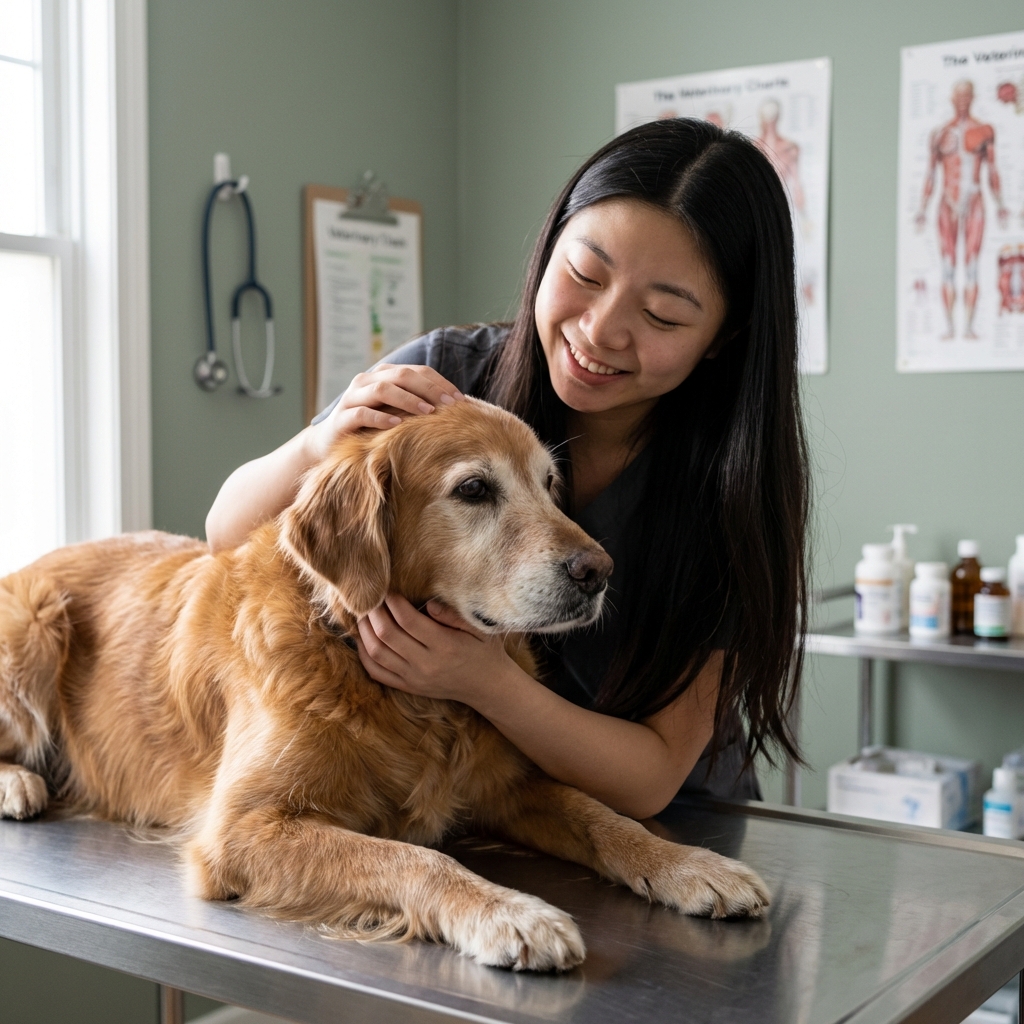
As a veterinary assistant, I have seen the same thing over and over: loving families sense something is changing, but they are not sure what it means or what to do next. If you are here because you are worried your dog may be nearing the end of life, I am truly sorry. This is one of the hardest seasons of pet parenting.
This article will walk you through common, vet-recognized signs a dog may be dying, what’s normal versus what’s an emergency, and how you can keep your dog comfortable and supported. (And yes, you can do a lot that matters.)
Quick note: This information is educational and cannot replace an exam and guidance from your veterinarian, especially if your dog has heart, lung, kidney, liver, cancer, or neurologic disease.
First, a gentle truth about signs
There is no single symptom that guarantees a dog is dying. End of life often looks like a pattern of changes that intensify over days to weeks, sometimes longer depending on the disease.
Also, some of these signs can happen with treatable problems, especially dehydration, pain, infection, and medication side effects. That is why checking in with your veterinarian is so important, even if your goal is comfort care rather than aggressive treatment.
Normal aging vs concerning changes
Some slowing down can be normal with age. What concerns us most is a clear change from your dog’s baseline, especially when multiple changes show up together.
- Often normal with aging: more naps, slower walks, grayer muzzle, mild stiffness that improves once moving.
- More concerning: refusing food for a day or more, struggling to breathe at rest, repeated falls, new confusion, collapse, persistent vomiting or diarrhea, or pain that keeps your dog from settling.
Common signs your dog may be near the end
1) Big drop in appetite and thirst
One of the most common changes is a dog who used to love food suddenly showing little interest. You may notice:
- Skipping meals or only eating “favorite” foods
- Walking away after a few bites
- Difficulty chewing or swallowing
- Drinking much less, or occasionally drinking but still seeming “dry”
Why it happens: nausea, pain, organ dysfunction, reduced sense of smell, and the body naturally slowing down.
What you can do today: Offer small, frequent meals, warm food for aroma, and ask your vet about nausea and appetite support.
A note about force-feeding: Avoid pressuring your dog to eat. Aspiration risk is highest when a dog has trouble swallowing, is very weak, is vomiting, or is being syringe-fed or force-fed. If you are worried about swallowing or coughing during meals, call your veterinarian.
2) Profound fatigue and sleeping much more
It’s normal for older dogs to nap more, but end of life fatigue is often different. Your dog may:
- Sleep most of the day and night
- Seem less responsive
- Stop greeting you at the door
- Lose interest in toys, walks, or family activity
Watch for: a dog who cannot settle comfortably, paces, or seems restless. That can be pain, anxiety, nausea, or breathing distress.
3) Trouble getting up, wobbliness, or repeated falls
Weakness is a very common end stage sign. You might see:
- Hind-end weakness, knuckling, or dragging toes
- Shaking legs when standing
- Difficulty squatting to urinate or defecate
- Needing help on stairs, or refusing stairs entirely
What helps: non-slip rugs, a support sling or towel under the belly, and keeping essentials on one level of the home. Pain control can make a surprising difference, so do not assume weakness always means “nothing can be done.”
4) Changes in breathing
Breathing changes are one of the most important things to take seriously. Signs include:
- Rapid breathing at rest
- Labored breathing with belly effort
- Open-mouth breathing (when not hot or exercising)
- Wheezing, persistent coughing, or gagging
- Long pauses between breaths
Tip you can use: When your dog is sleeping or resting, count breaths for 30 seconds and multiply by 2. Many comfortable dogs are somewhere around 15 to 30 breaths per minute at rest, but normal varies by size, condition, and diagnosis. What matters most is a new increase from your dog’s usual, a sustained rate above what your vet has advised, or obvious effort.
Call a vet urgently if breathing looks difficult, gums look pale/blue/gray, your dog cannot get comfortable, or you are seeing a sudden change (especially in dogs with heart or lung disease).
5) Weight loss and muscle wasting
Over time, many chronically ill dogs lose weight even if they are eating some. You may notice:
- Prominent spine or hips
- Loss of thigh muscles
- A “sunken” look around the eyes
Why it happens: cancer, heart disease, kidney disease, GI disease, and inflammation can change metabolism.
Ask your vet about: calorie-dense prescription options, nausea support, and pain control. If you are considering home-cooked food, please do it with veterinary guidance since unbalanced recipes can worsen malnutrition, especially in chronic disease. For some dogs, feeding goals shift from “perfect nutrition” to “comfort calories,” but it is still worth getting a plan.
6) Confusion, anxiety, or personality changes
Some dogs develop cognitive decline or “not themselves” behavior near end of life. You might see:
- Staring into space
- Getting stuck in corners
- Nighttime restlessness
- Clinginess or withdrawing from touch
- Uncharacteristic irritability
What can help: a calm routine, night lights, soft bedding, and talking to your vet about anxiety, pain, or canine cognitive dysfunction support.
7) Accidents in the house or loss of bowel control
When the body is weaker, dogs may not be able to “hold it,” or they may not be able to posture comfortably. You may notice:
- Urine dribbling while sleeping
- Sudden accidents despite training
- Diarrhea that is hard to control
- Constipation or straining
Comfort measures: washable pee pads, easy-to-clean bedding, gentle hygiene wipes, and skin protection. If your dog is straining, has black stool, or has repeated vomiting or diarrhea, contact your vet promptly.
8) Withdrawal and less interest in connection
Many families notice a dog who used to be social choosing isolation. Your dog might:
- Hide in closets or quiet rooms
- Move away after being petted
- Stop seeking attention
This can be a natural energy shift, but it can also be pain, nausea, or anxiety. Your dog deserves comfort, so please bring this up to your veterinarian.
9) Signs of pain that are easy to miss
Pain is not always crying. Common subtle signs include:
- Panting when not hot
- Tense facial expression, furrowed brow
- Shaking or trembling
- Guarding the belly or a limb
- Refusing to lie down or repeatedly changing positions
- Growling when touched in certain areas
Important: If you suspect pain, do not give human medications unless your veterinarian specifically directs you. Many are dangerous for dogs.
What to track each day
When you are anxious and tired, it helps to write things down. A simple daily log can give your vet clearer information and give you clearer perspective.
- Appetite: what they ate and how much
- Water intake: drinking normally, less, or not at all
- Bathroom: urination and stool (including straining, diarrhea, black stool, or accidents)
- Breathing at rest: count breaths per minute and note any effort
- Mobility: can they stand, walk, and settle comfortably
- Pain signs: panting, trembling, guarding, restlessness
- Connection: do they enjoy anything today, even briefly
Signs death may be close
Not every dog shows these, but they can occur as the body shuts down over hours to days:
- Very limited responsiveness and difficulty waking
- Inability to stand or repeated collapsing
- Cool paws and limbs, especially compared with earlier days
- Very pale or gray gums
- Irregular breathing with long pauses
- New seizures or severe disorientation
- A new or worsening strong odor from the mouth or body, which can develop with poor grooming, dental disease, infection, GI bleeding, or organ dysfunction
If you are seeing multiple signs in this list, please contact your veterinarian or an emergency clinic to discuss comfort and humane options.
When it’s an emergency
Even in hospice care, some situations should be treated as urgent. Seek veterinary help right away if your dog has:
- Severe breathing difficulty, blue or gray gums, or collapse
- Uncontrolled bleeding
- Repeated vomiting with inability to keep water down
- Bloat signs: unproductive retching, swollen belly, sudden distress
- Seizure lasting more than 5 minutes, repeated seizures without fully recovering in between, cluster seizures, or a first-time seizure
- Signs of extreme pain that cannot be settled
Comfort care at home
Create a cozy, safe setup
- Use thick bedding with washable layers.
- Keep water and food close to where your dog rests.
- Use rugs or yoga mats for traction.
- Keep lighting soft and noise low.
Support nausea and hydration
Offer water often, and consider ice chips or a small amount of low-sodium broth if your vet approves. If your dog seems nauseated, ask about anti-nausea medication. Treating nausea can improve comfort dramatically.
Protect skin and dignity
- Gently clean urine or stool quickly to prevent rashes.
- Reposition every few hours if your dog cannot move well.
- Ask your vet about barrier creams that are safe for pets.
Keep pain managed
If your dog has a terminal condition, it is appropriate to ask for a clear pain plan. Write down:
- What medications to give and when
- What “breakthrough pain” looks like
- Who to call after hours
Ask about hospice support
Veterinary hospice can include tools that make a real difference in comfort, such as pain medications, anti-nausea medications, appetite support, anxiety support, mobility aids, and in some cases fluids or other supportive care. Your vet can tailor this to your dog’s condition and your goals.
Quality of life questions
When families are unsure, I recommend using simple daily check-ins. Consider these questions:
- Is my dog comfortable most of the day?
- Are they able to rest and sleep peacefully?
- Can they eat or drink enough to feel okay, even if it is small amounts?
- Can they urinate and defecate without significant distress?
- Do they still enjoy anything, even one small thing, like sunshine, gentle petting, or a favorite treat?
If the hard moments are outnumbering the peaceful ones, it may be time to talk about hospice support or euthanasia. A loving goodbye is not giving up. It is preventing suffering.
Euthanasia
If you are considering euthanasia, you are not alone. Many people worry it will be scary or painful. In most cases, euthanasia is gentle and quick. Your veterinarian can explain the steps, options for being present, and aftercare choices (private cremation, communal cremation, or home burial where legal).
You can also ask about in-home euthanasia, which can be a peaceful option for dogs who are anxious at the clinic or too weak to travel.
Final reassurance
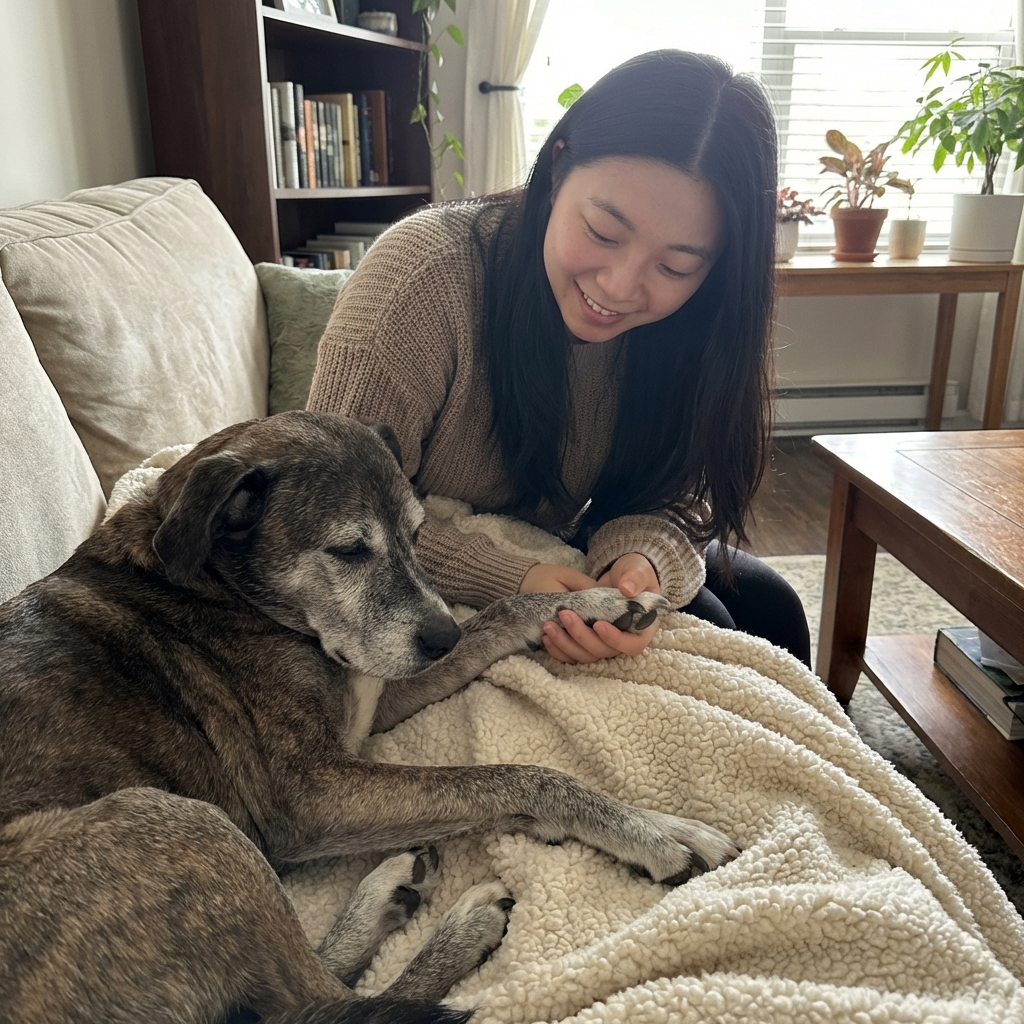
If you are noticing changes and feeling overwhelmed, please know this: your attention is love in action. The goal is not to guess the exact timeline. The goal is to keep your dog comfortable, prevent suffering, and make decisions you can look back on with peace.
Reach out to your veterinarian and ask directly, “Can we talk about quality of life and comfort care?” You deserve clear answers, and your dog deserves gentle support.