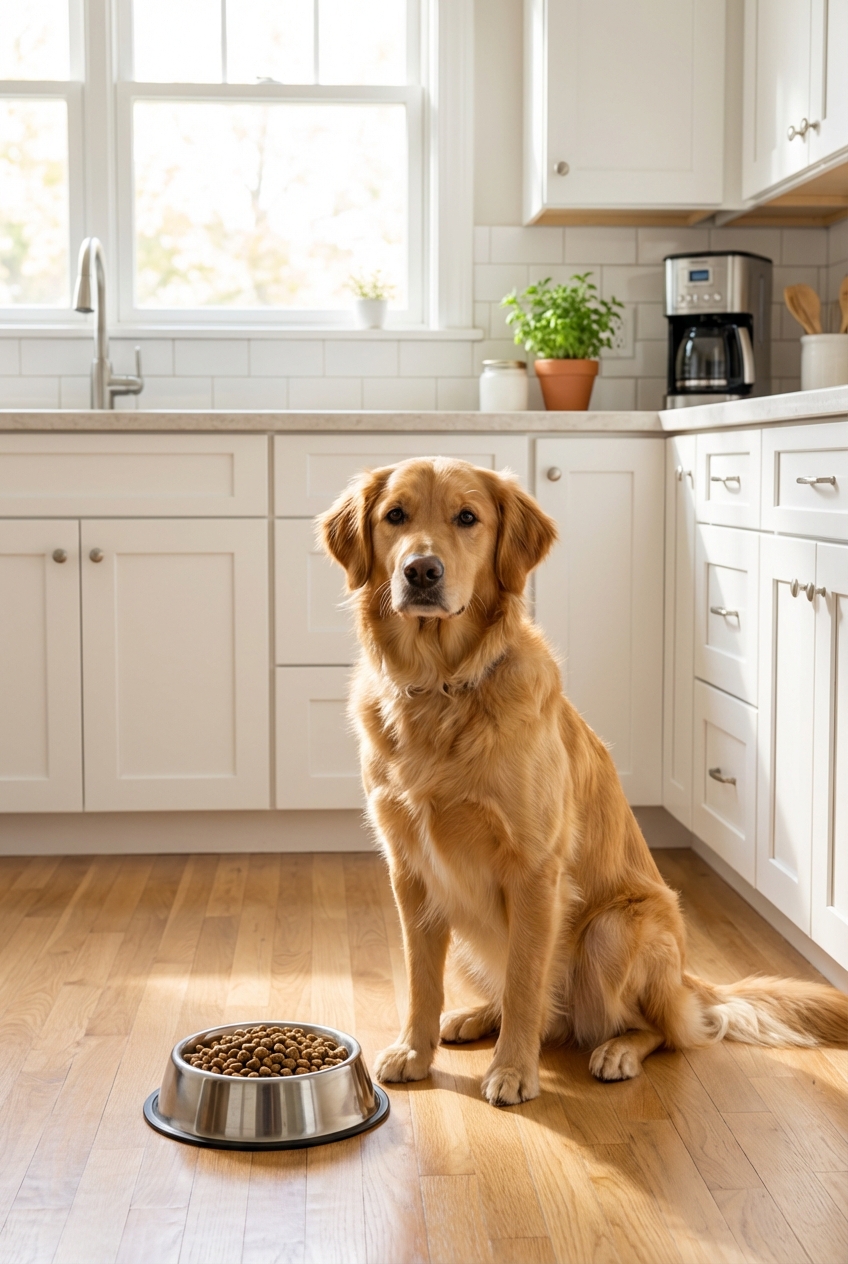
A practical guide to treating canine diabetes with insulin, consistent meals, steady exercise, and monitoring. Learn warning signs of hypoglycemia and ketoac...
Article
•
Designer Mixes
Signs a Dog Has Diabetes

Shari Shidate
Designer Mixes contributor
As a veterinary assistant here in Frisco, Texas, I have seen how quietly diabetes can sneak up on a dog. The good news is that the earlier you catch it, the easier it is to stabilize and keep your dog feeling like themselves again.
Diabetes mellitus happens when your dog cannot make enough insulin, cannot use insulin well, or both. Insulin is the hormone that helps sugar (glucose) move from the bloodstream into the cells for energy. When that system breaks down, blood sugar stays too high and the body starts looking for other ways to fuel itself.
The most common signs of diabetes in dogs
Many diabetes signs are easy to miss at first because they can look like normal aging, a hot Texas summer, or a dog simply loving their food and water. What matters is a pattern, especially if you are seeing more than one of these at the same time.
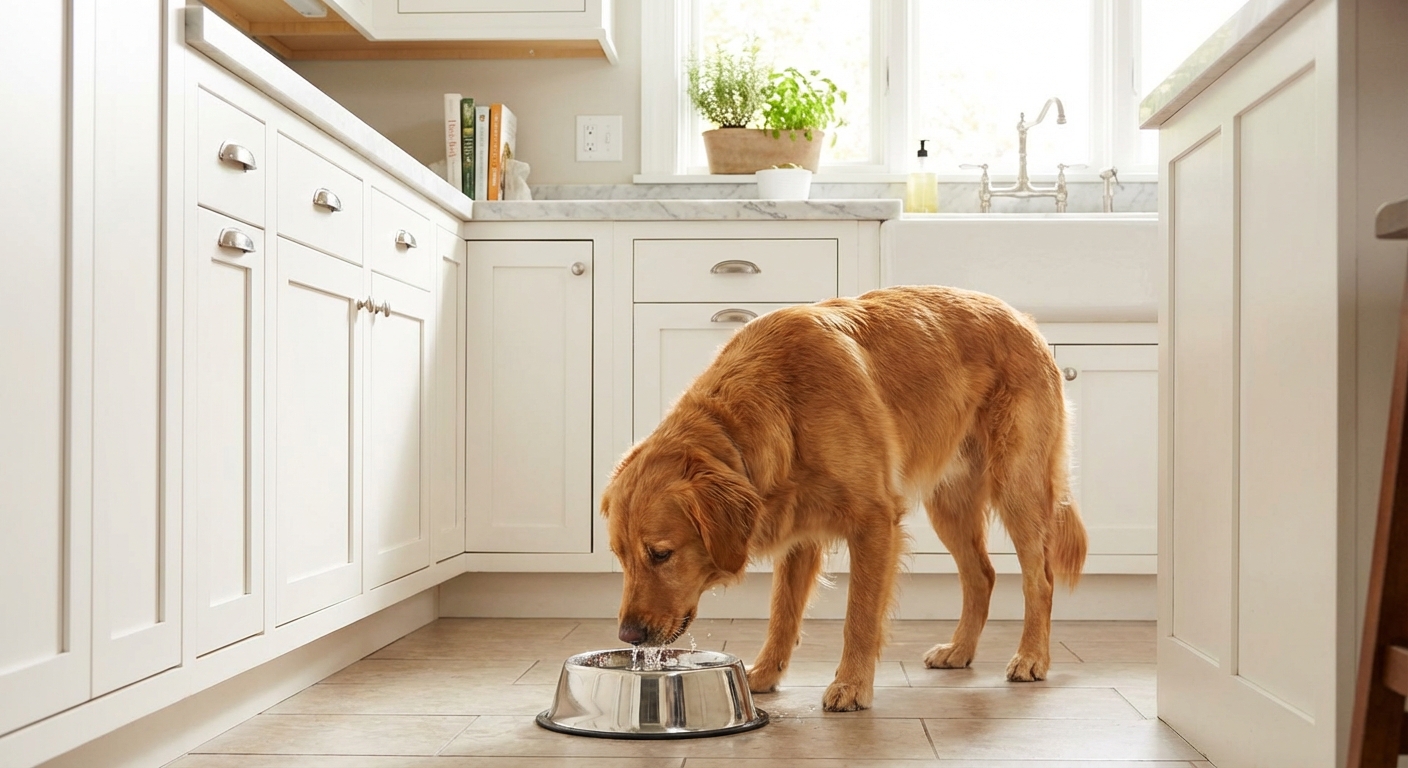
Increased thirst (polydipsia)
High blood glucose pulls water with it, so your dog’s body tries to “dilute and dump” the extra sugar through urine. That often shows up as a dog who is suddenly draining the water bowl or asking to go outside more.
Frequent urination (polyuria)
You might notice larger wet spots on indoor potty pads, more accidents in the house, or a dog who cannot hold it through the night. This is one of the strongest early clues.
Increased appetite (polyphagia) but weight loss
This combination is classic. Your dog may seem ravenous, but still lose weight because their cells are not getting the glucose they need. The body starts breaking down fat and muscle for fuel instead.
Low energy and decreased stamina
When cells cannot access glucose, your dog can feel tired, weak, or “off.” Some dogs stop wanting to play, take shorter walks, or sleep more.
Cloudy eyes or sudden vision changes
Diabetes is strongly linked with cataracts in dogs, and they can develop quickly. If your dog’s eyes look cloudy or bluish, or they seem to be bumping into things in new spaces, it is time to be seen. Sudden blindness also deserves prompt care.

Other signs that deserve attention
Some signs are less “textbook,” but they often show up as diabetes progresses or when blood sugar is poorly controlled.
- Recurring urinary tract infections or strong-smelling urine (sugar in urine can encourage bacterial growth)
- Vomiting or reduced appetite after a period of increased appetite
- Dehydration, dry gums, or panting more than expected
- Skin and coat changes such as a dull coat, dandruff, or slow hair regrowth after grooming
- Weak back legs or trouble jumping (this is uncommon in dogs; other causes are more likely, so it is worth an exam)
Red flags that are an emergency
Diabetes can become life-threatening if it progresses to diabetic ketoacidosis (DKA), which is more likely when diabetes is undiagnosed or insulin is missed. If you notice these signs, seek urgent veterinary care.
- Repeated vomiting or severe lethargy
- Not eating for a full day, especially if your dog is diabetic already or also vomiting, weak, or acting “off”
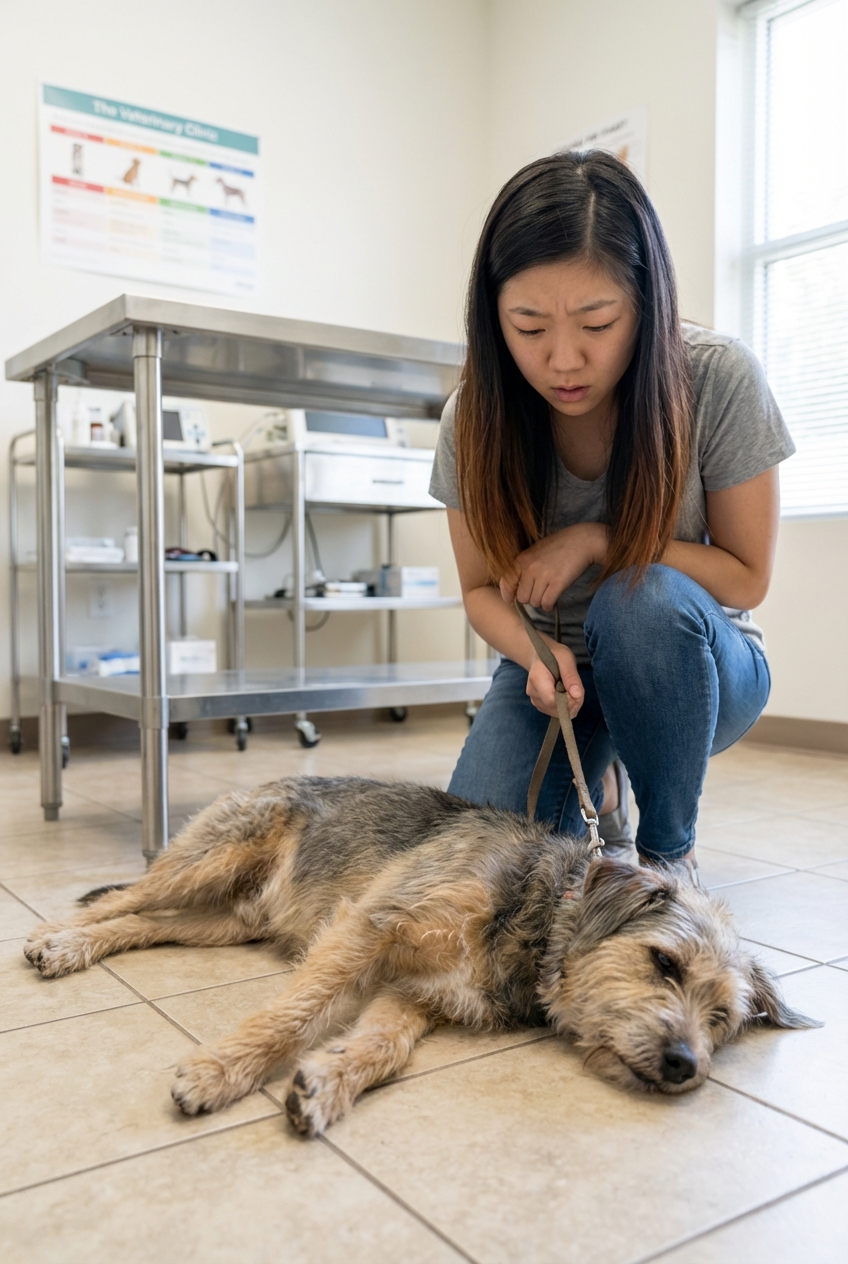
- Rapid breathing, weakness, or collapse
- Sweet or acetone-like breath odor
- Signs of severe dehydration (very tacky gums, sunken eyes)
What causes diabetes in dogs?
Most diabetic dogs end up needing insulin therapy because the pancreas is not producing enough effective insulin. Some dogs also have insulin resistance that makes the body’s insulin less effective.
- Age: often middle-aged to senior dogs
- Body condition: overweight dogs can be at higher risk
- Hormones: intact females may be higher risk due to progesterone effects
- Pancreatitis: inflammation can damage insulin-producing cells
- Medications: long-term steroid use can contribute to insulin resistance
- Breed tendencies: can vary by region and population, but genetics can play a role
None of this is about blame. It is about understanding risk so you can catch it early and respond quickly.
How veterinarians diagnose diabetes
At the clinic, diagnosis usually includes:
- Bloodwork showing high blood glucose
- Urinalysis showing glucose in the urine (and sometimes ketones)
- Additional tests as needed, such as a fructosamine level to reflect average glucose control
Dogs can have a mildly elevated glucose from stress, pain, or illness, but it is usually not as dramatic as what we see in cats. That is why your veterinarian looks for the full picture, including persistent high blood sugar, glucose in the urine, clinical signs, and follow-up testing when needed.
What to do if you suspect diabetes
If you are seeing increased thirst and urination plus any weight loss, appetite changes, or cloudy eyes, call your vet and ask for an appointment soon. While you wait:
- Do not restrict water. Dehydration makes diabetes complications more likely.
- Track the basics for 3 to 5 days. Note water intake (if you can measure it), appetite, urination frequency, and any accidents. If you are not sure what “normal” water intake looks like for your dog, ask your vet what range they consider typical for your dog’s size and lifestyle.
- Bring a fresh urine sample if your clinic accepts them, or ask for collection instructions.
- Ask about same-day testing so you can get answers quickly.
And if your dog is vomiting, extremely lethargic, breathing fast, or not eating and seems unwell, treat it as urgent.
Living well with a diabetic dog
Diabetes sounds scary, but many dogs do wonderfully with a steady routine. Treatment most often includes insulin injections, consistent meals, weight management, and monitoring.
Consistency is your superpower
- Feed the same food, in the same portions, at the same times each day.
- Give insulin exactly as prescribed and do not change dose without your veterinarian.
- Keep treats predictable and minimal, and ask your vet which options fit your dog’s plan (skip high-sugar treats unless your vet instructs otherwise).
Monitoring and rechecks
In real life, getting regulated usually takes a little time and teamwork. Your veterinarian may recommend glucose curves (in clinic or sometimes at home), periodic bloodwork and urinalysis, and scheduled rechecks to fine-tune the dose. If home monitoring is a good fit for you, your vet team can show you safe options and what numbers matter.
Nutrition matters, but do it safely
Some families ask about switching to homemade food after a diabetes diagnosis. I love whole-food nutrition, but diabetes is not the time for guesswork. If you want to explore homemade, ask your veterinarian for a referral to a board-certified veterinary nutritionist so the recipe is balanced, calorie-appropriate, and consistent in carbohydrates.
What not to do
- Do not start, stop, or change insulin without your veterinarian’s guidance.
- Do not make sudden diet changes (including switching foods or adding lots of new treats) without a plan.
- Do not limit water to try to “help” accidents.
The goal is not perfection. The goal is stable blood sugar, steady energy, and a dog who feels good in their body again.
Quick checklist: Is this diabetes?
If you check two or more boxes, it is worth calling your veterinarian.
- Drinking noticeably more water than usual
- Urinating more often, larger amounts, or having accidents
- Very hungry but losing weight
- Low energy or weakness
- Cloudy eyes or sudden vision changes
- Recurring UTIs or strong-smelling urine
Important: This article is educational and not a diagnosis. Conditions like kidney disease, Cushing’s disease, urinary tract infections, and some medications can cause similar signs. Your vet can sort out the cause with simple testing.