Noticing end-of-life changes in your cat? Learn common signs, how to set up a calm comfort station, support eating and hydration safely, and the urgent red f...
Article
•
Designer Mixes
Signs a Cat Is Nearing the End: What to Expect

Shari Shidate
Designer Mixes contributor
Watching a beloved cat slow down is heartbreaking. As a veterinary assistant, I have seen how much comfort can come from knowing what changes are common at the end of life, what is not normal, and how to keep your cat as peaceful as possible. This article will walk you through the most common signs a cat may be nearing the end, what the last days can look like, and when it is time to call your veterinarian.
Important note: Many end-of-life signs can also happen with treatable illnesses. And some changes that look like “just aging” may actually be pain, nausea, or another medical problem that can be helped. If you are unsure, call your vet or an emergency clinic. It is always better to check in early.
Common signs a cat may be nearing the end
Cats are masters at hiding illness. Often, families notice subtle changes first, then more obvious shifts in the final weeks or days. Your cat may show several of these signs at once, or they may come and go.
1) Big changes in appetite and thirst
A reduced appetite is common with serious illness and in the final stage of life. Some cats stop eating entirely, even favorite foods.
- Eating less, walking away after a few bites, or chewing and then dropping food (this can be nausea, but it can also be dental disease or mouth pain, so it is worth a vet check)
- Not drinking as much, or seeming uninterested in the water bowl
- Nausea signs like lip smacking, drooling, or turning away from food
Offer warmed, aromatic foods like slightly warmed canned food, and ask your vet about anti-nausea medication or appetite support. Do not force-feed unless your veterinarian specifically instructs you to.
2) Weight loss and muscle wasting
With chronic kidney disease, cancer, hyperthyroidism, heart disease, and many other conditions, cats can lose weight even if they still eat some. You may notice a sharper spine, hip bones that feel more prominent, or a “bony” feel along the back.
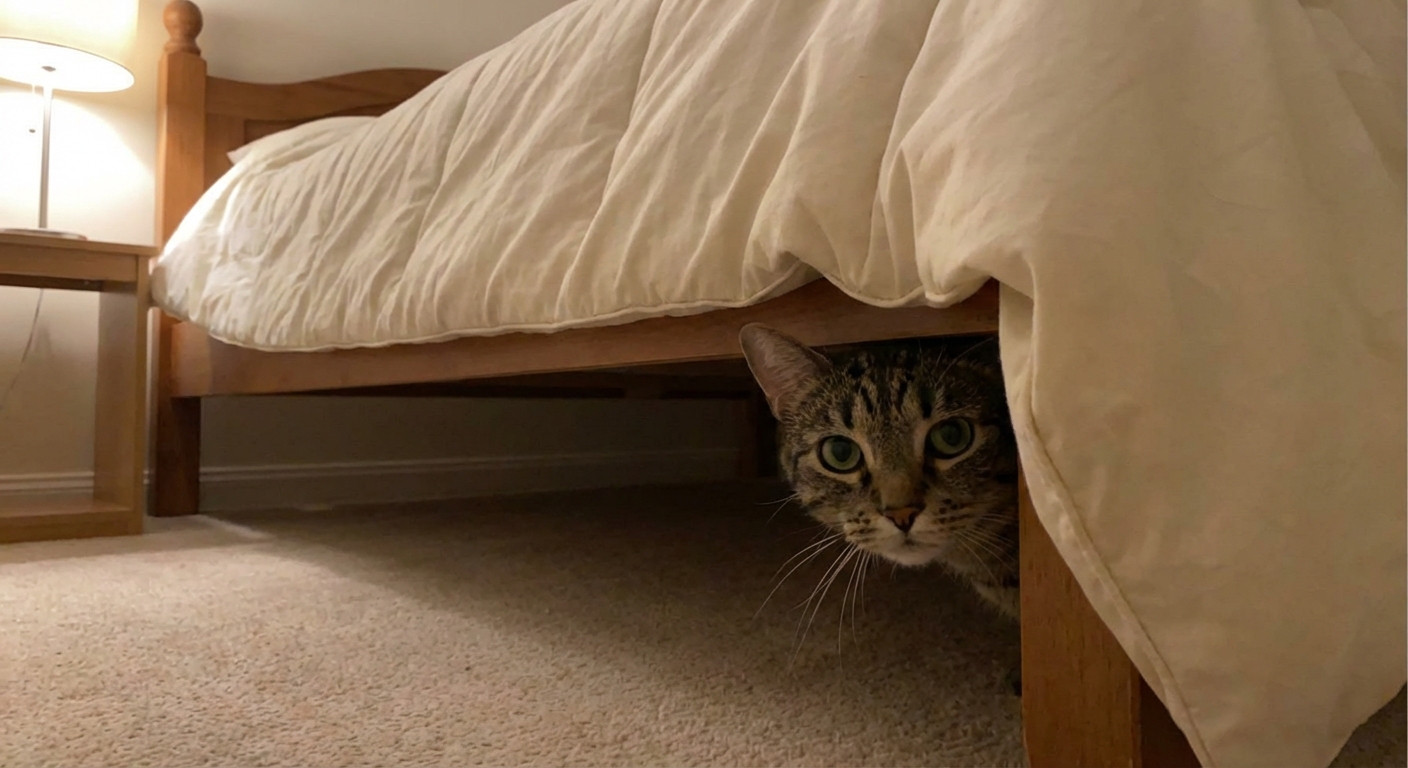
3) Hiding, withdrawing, or behavior shifts
Many cats become more secluded as they feel unwell. Others may become clingier. Either change matters.
- Hiding in closets, under beds, or behind furniture
- Less interest in play, greeting you, or typical routines
- Confusion, restlessness, or unusual vocalizing
4) Mobility changes and weakness
End-of-life weakness can look like arthritis getting worse, but it can also come from anemia, dehydration, heart disease, cancer, or neurological problems.
- Wobbliness, stumbling, or reluctance to jump
- Spending most of the day lying down
- Difficulty getting into the litter box
Helpful home changes include a low-entry litter box, soft bedding, and keeping food, water, and litter on the same floor.
5) Litter box changes
When cats feel ill, they may stop using the litter box reliably, not out of spite, but because they hurt, feel weak, or cannot make it in time.
- Urinating outside the box
- Constipation or straining
- Diarrhea or accidents
- Less urine production (can be urgent)
Urgent: Straining to urinate, frequent trips with little output, or crying in the box can signal a urinary blockage, which is a life-threatening emergency.
6) Changes in breathing
Breathing changes can happen with heart disease, asthma, cancer, pain, or fluid buildup.
- Faster breathing at rest
- Belly effort when breathing
- Open-mouth breathing (treat as urgent in cats)
- Wheezing, coughing, or panting
Call your veterinarian immediately if you see open-mouth breathing, blue or gray gums, or severe effort.
7) Grooming less, coat changes, and body odor
Cats usually keep themselves very clean. When they feel poorly, grooming often decreases.
- Greasy or matted coat
- Dandruff or unkempt fur
- Urine or stool on the coat
You can help with gentle brushing, pet-safe wipes, and trimming soiled fur if your cat tolerates it. If grooming hurts due to arthritis or skin pain, ask your vet about pain control.
8) Pain signs
Cats rarely “cry out” dramatically. Pain often shows up as quiet changes.
- Hunched posture, tense belly, or guarding
- Not wanting to be touched in certain areas
- Growling, swatting, or sudden irritability
- Squinting, flattened ears, or a tight facial expression
Never give human pain medications like ibuprofen, naproxen, or acetaminophen. Even medications that are sometimes used in pets (including aspirin) can be dangerous without a veterinarian’s exact dosing instructions. Many are toxic to cats.
What the final days may look like
Not every cat follows the same path, but families often notice a general pattern of increasing fatigue, less interest in food and interaction, and more time spent resting. Here are some common changes you may see in the last days.
More sleeping and less responsiveness
Your cat may sleep most of the day and be harder to wake. They may still respond to your voice or touch, just more slowly.
Lower body temperature and cool extremities
As circulation slows, ears, paws, and tail may feel cooler. Provide soft blankets and a warm, quiet room. If you use a warming device, choose a pet-safe, low-heat option, keep it covered with a thick towel or blanket, and make sure your cat can move away easily. Burns can happen with heating pads, especially in weak or thin cats, so monitor closely.
Dehydration
Dehydration can show up as tacky gums, sunken-looking eyes, and less elastic skin. These signs can be harder to judge in older, very thin, or chronically ill cats, so do not rely on them alone. Your veterinarian may discuss comfort-focused hydration options depending on your cat’s condition and goals.
Occasional incontinence
A very weak cat may not make it to the litter box. Use puppy pads, waterproof covers, and gentle cleaning to protect the skin.
Changes in breathing patterns
Some cats develop irregular breathing, pauses, or louder breathing as the body tires. This can be distressing to witness, but it does not always mean suffering. If your cat seems anxious, restless, or is struggling to breathe, call your veterinarian right away.

How to keep your cat comfortable at home
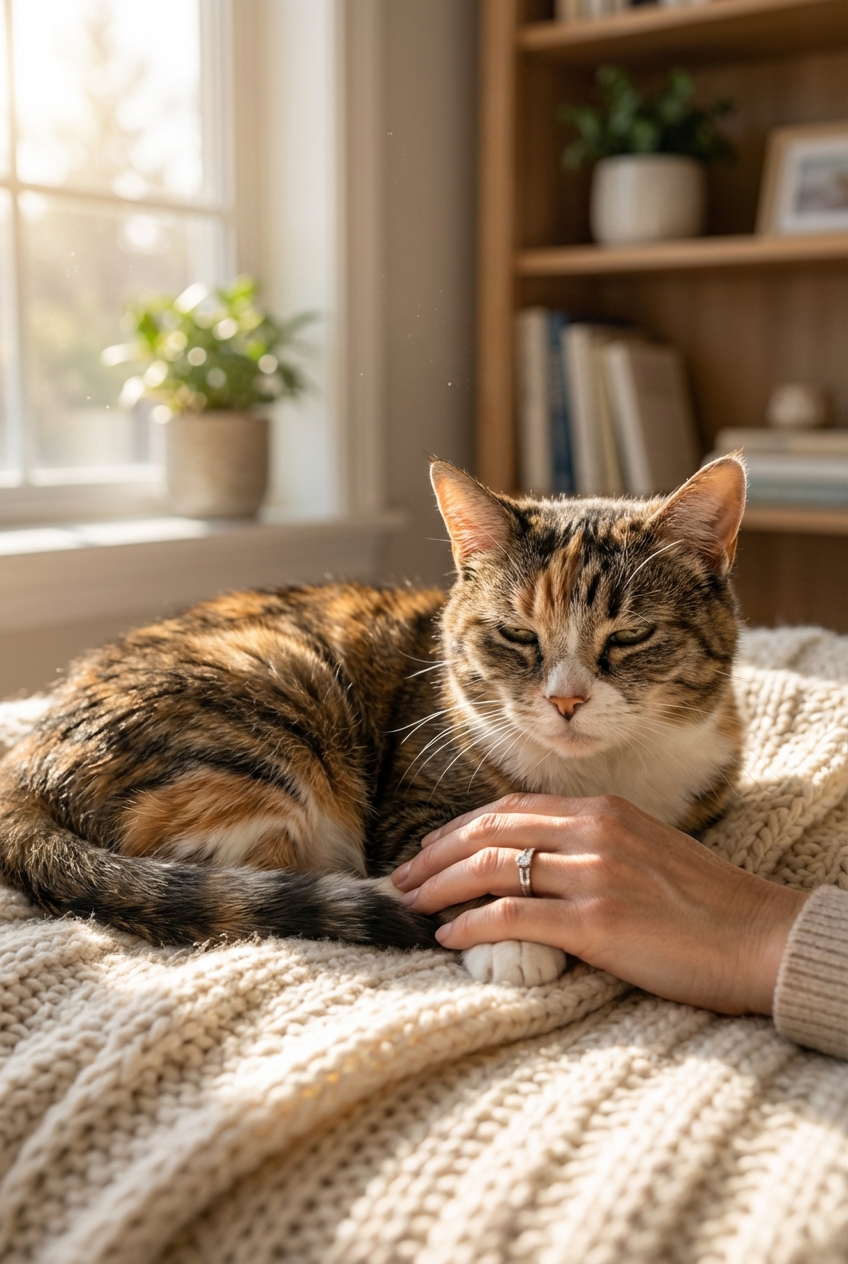
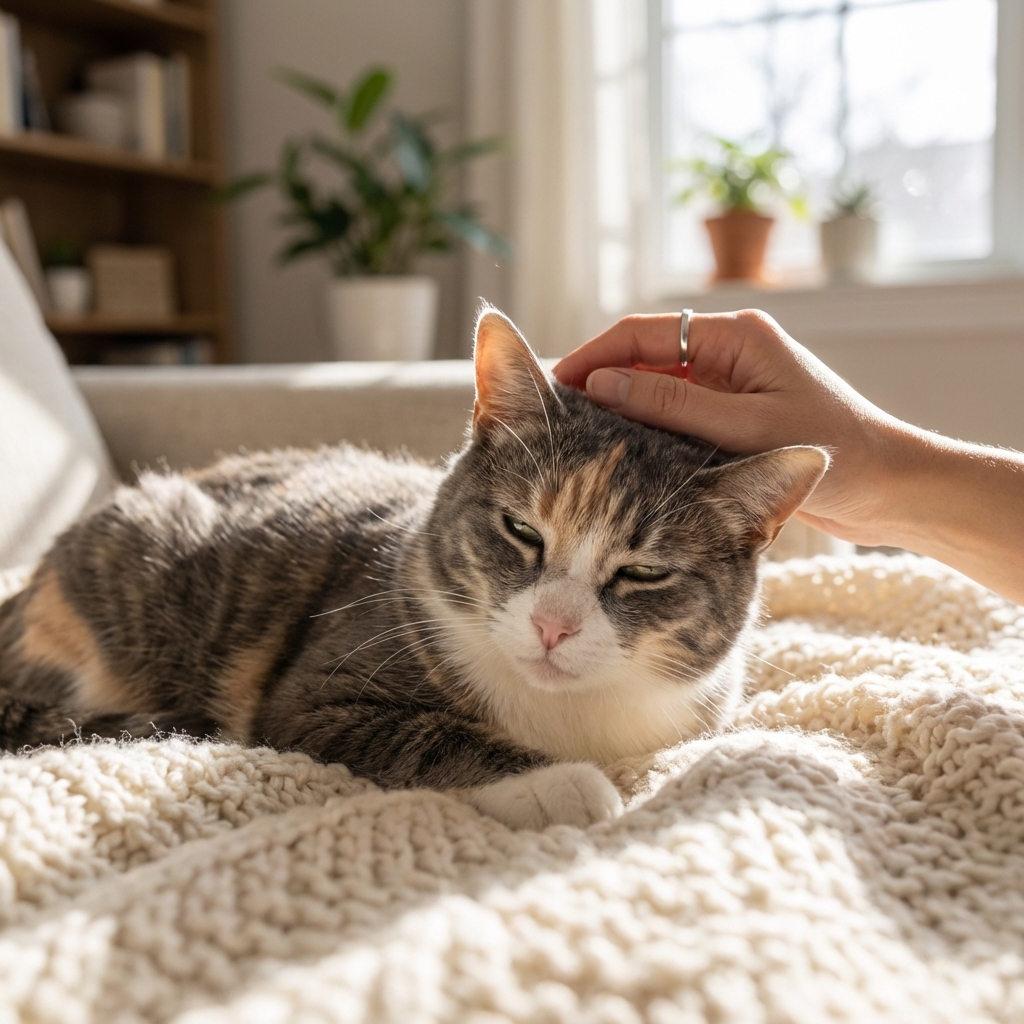
Comfort care is about preserving dignity and reducing stress. Small adjustments can make a big difference.
Create a calm comfort zone
- Choose a quiet room with dim lighting and minimal foot traffic
- Provide a soft bed with familiar blankets
- Keep food, water, and litter nearby
Make essentials easier
- Food: Offer small, frequent meals. Warm wet food slightly to boost aroma.
- Water: Use wide, shallow bowls or a fountain if your cat prefers moving water.
- Litter: Use a low-entry box and unscented litter.
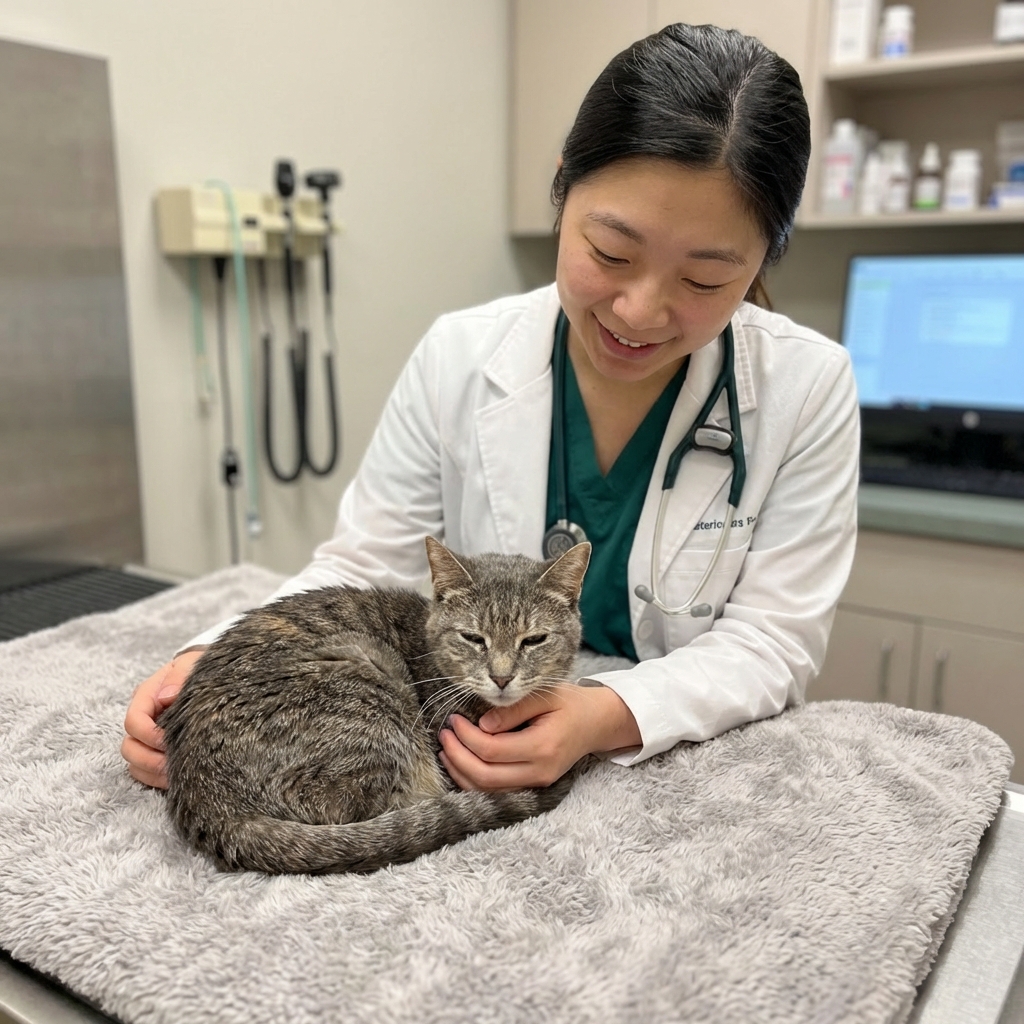
Ask your vet about a palliative care plan
Your veterinarian can tailor a plan that may include:
- Pain medication (often a cornerstone of comfort)
- Anti-nausea support
- Appetite stimulants when appropriate
- Anxiety relief
- Constipation support
If you are unsure whether your cat is painful, ask your veterinarian about simple pain scoring tools (some clinics use facial expression-based scales) and what to watch for at home.
If available in your area, in-home hospice or in-home euthanasia services can be incredibly supportive for both cats and families.
How to know when it is time
This is the hardest part. A helpful approach is to use a widely used, veterinarian-recommended quality-of-life checklist and track trends over time rather than relying on one single day.
A simple quality-of-life check
- Hurt: Is pain controlled? Are they breathing comfortably?
- Hunger: Are they able and willing to eat enough?
- Hydration: Can they stay hydrated with reasonable support?
- Hygiene: Can they stay clean and dry without distress?
- Happiness: Do they still enjoy anything, such as petting, sunlight, or your presence?
- Mobility: Can they get to food, water, and the litter box?
- More good days than bad: Are the good moments becoming rare?
If you are seeing mostly “no” answers, or if your cat is suffering despite treatment, it may be time to talk with your veterinarian about humane euthanasia. Choosing a peaceful goodbye is not giving up. It is a final act of love when comfort can no longer be maintained.
What euthanasia is like
Families often want to know what to expect. While every clinic is a little different, euthanasia is typically designed to be gentle and calm. Many veterinarians give a relaxing medication first, then a final medication that allows your cat to pass peacefully. You can ask about options for a quiet room, sedation, music, and whether you can stay with your cat the entire time.
Aftercare options
Your veterinary team can also walk you through aftercare choices, such as private or communal cremation, keepsakes (like paw prints), or home burial where legal. If you have preferences, it is okay to ask about them before the appointment so you are not making decisions in the moment.
When to seek urgent veterinary care
Even for senior or terminally ill cats, some situations need immediate help. Please call your vet or an emergency clinic if you notice:
- Open-mouth breathing, severe breathing effort, or blue or gray gums
- Collapse, unresponsiveness, or seizure activity
- Repeated vomiting with inability to keep water down
- Straining to urinate, crying in the litter box, or no urine output
- Sudden paralysis or inability to use the back legs
- Uncontrolled bleeding or severe trauma
- Very low body temperature that does not improve with gentle warming
- Yellow gums, eyes, or skin (jaundice)
Helping kids and other pets say goodbye
Children
Use simple, truthful language. Avoid saying your cat is “going to sleep,” which can make bedtime scary. Let kids share love in gentle ways like drawing a picture, picking a favorite blanket, or sitting quietly with the cat.
Other pets
Pets may search, vocalize, or act clingy after a loss. Keep routines steady. Offer extra enrichment and attention. If your cat passes at home, ask your veterinarian whether allowing another pet to briefly sniff the body may help them understand the change. Not every pet needs this, but some do settle faster afterward.
A gentle closing note
You do not have to navigate this alone. Your veterinary team can help you understand what you are seeing, manage comfort, and plan a goodbye that honors your cat’s life.
If you tell your vet what matters most to you and your cat, staying at home, avoiding suffering, preserving appetite as long as possible, they can help you build a plan that supports those goals. And in the meantime, your presence, your voice, and your steady love are powerful medicine.