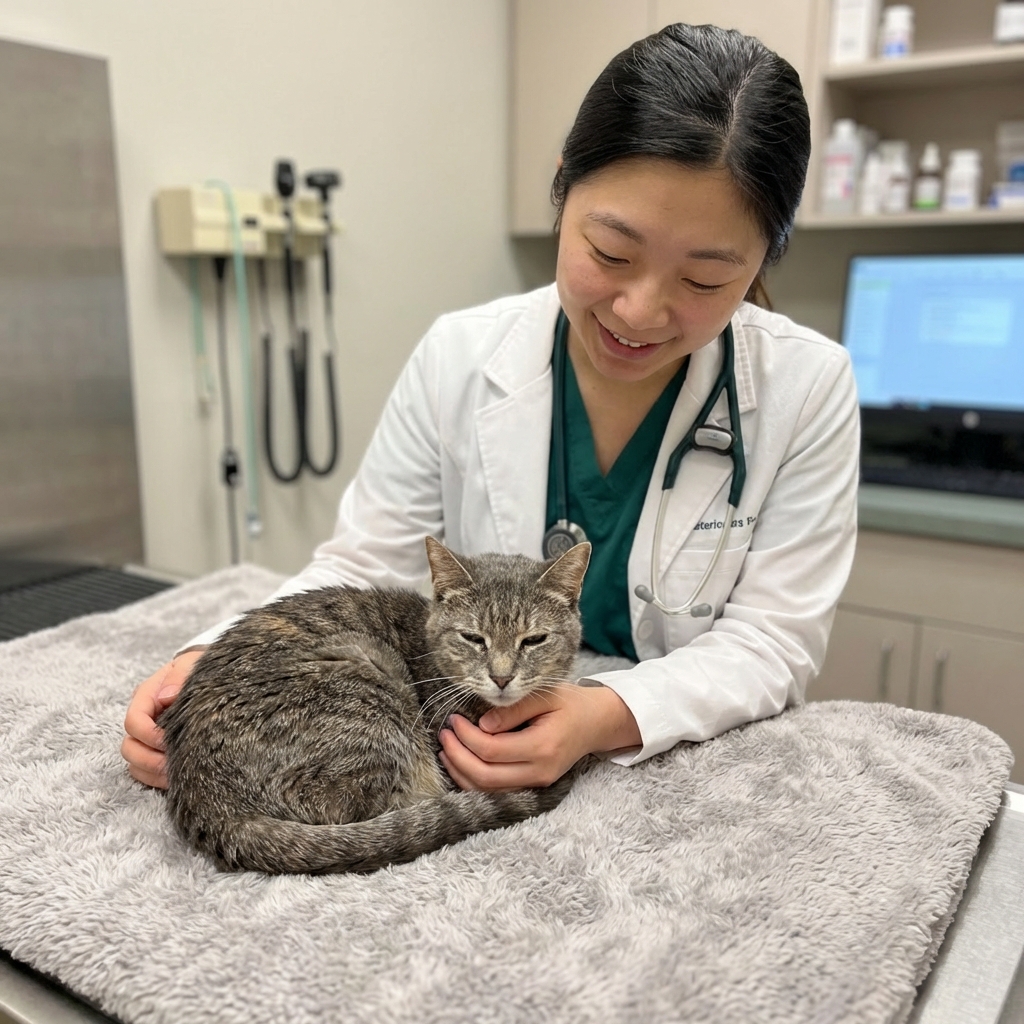
Practical, gentle hospice-style steps to keep a dying cat safe and comfortable at home—warmth, positioning, food and litter help, hygiene, and urgent signs...
Article
•
Designer Mixes
Signs a Cat Is Dying: What to Look For and How to Help

Shari Shidate
Designer Mixes contributor
Noticing that your cat is slowing down can feel heartbreaking and confusing. In my work supporting families through difficult pet health decisions, I have seen how much comfort comes from understanding what you are seeing and knowing what to do next. This guide walks through common signs a cat may be nearing the end of life, what changes are normal versus urgent, and how to support your cat with as much peace and dignity as possible.

First, a gentle note about “signs”
Many end-of-life signs overlap with treatable illness, pain , dehydration, or stress. That means a change that looks like “dying” may still be something your veterinarian can improve, even if your cat is older. If your instincts tell you something is off, it is always appropriate to call your vet.
Important: This article is for education and support. It is not a substitute for veterinary diagnosis or urgent care.
Common signs your cat may be nearing the end
Cats are masters at hiding illness, so changes can be subtle at first. Often you will see a cluster of signs rather than just one.
1) Big drop in appetite or refusal to eat
A cat who is dying often eats less and may eventually stop eating entirely. You might notice:
- Sniffing food but walking away
- Chewing then dropping food
- Only licking gravy or taking a few bites
- Weight loss that accelerates over days to weeks
Appetite loss can also be caused by pain, dental disease, nausea, kidney disease, hyperthyroidism, diabetes, or medication side effects. Your vet can help determine whether anti-nausea medication, pain control, appetite stimulants, fluids, constipation support, or a diet change could help.
2) Drinking less or dehydration
Some cats drink less as their condition worsens, but decreased drinking is also very commonly tied to nausea, oral pain, kidney disease, fever, stress, or medication effects. Signs of dehydration can include:
- Dry or sticky gums
- Constipation
- Weakness or wobbliness
- Skin that seems to “stay tented” when gently lifted over the shoulders (this is imperfect in older cats and may be harder to interpret)
- Sunken eyes (can happen, but is not a reliable sign on its own in cats)
Dehydration can make a cat feel significantly worse. Ask your veterinarian if subcutaneous fluids are appropriate and safe for your cat’s condition.
3) Extreme fatigue or weakness
More sleep is common with age, but end-of-life decline often looks different. You may see your cat:
- Struggling to get up
- Not greeting you or following you as usual
- Resting in one spot for long periods
Weakness can also come from anemia, infection, heart disease, dehydration, or pain, many of which deserve prompt evaluation.
4) Hiding or withdrawing
Many cats hide when they feel unwell or vulnerable. A cat nearing the end may:
- Stay under the bed or in closets
- Avoid family interaction
- Seem mentally “far away” or less responsive
Some cats do the opposite and become unusually clingy. Either shift can be meaningful.
5) Breathing changes
Breathing changes can be one of the most important signs to take seriously. Watch for:
- Rapid breathing at rest
- Open-mouth breathing
- Abdominal effort, where the belly visibly moves
- Noisy breathing or congestion
Urgent: Labored breathing is an emergency. Do not wait and see. Seek veterinary care immediately.
If you are unsure, a simple check can help: when your cat is asleep or resting calmly, count how many times the chest rises in 15 seconds, then multiply by 4. A persistently fast rate at rest, especially with effort, warrants urgent advice from your veterinarian or an emergency clinic.
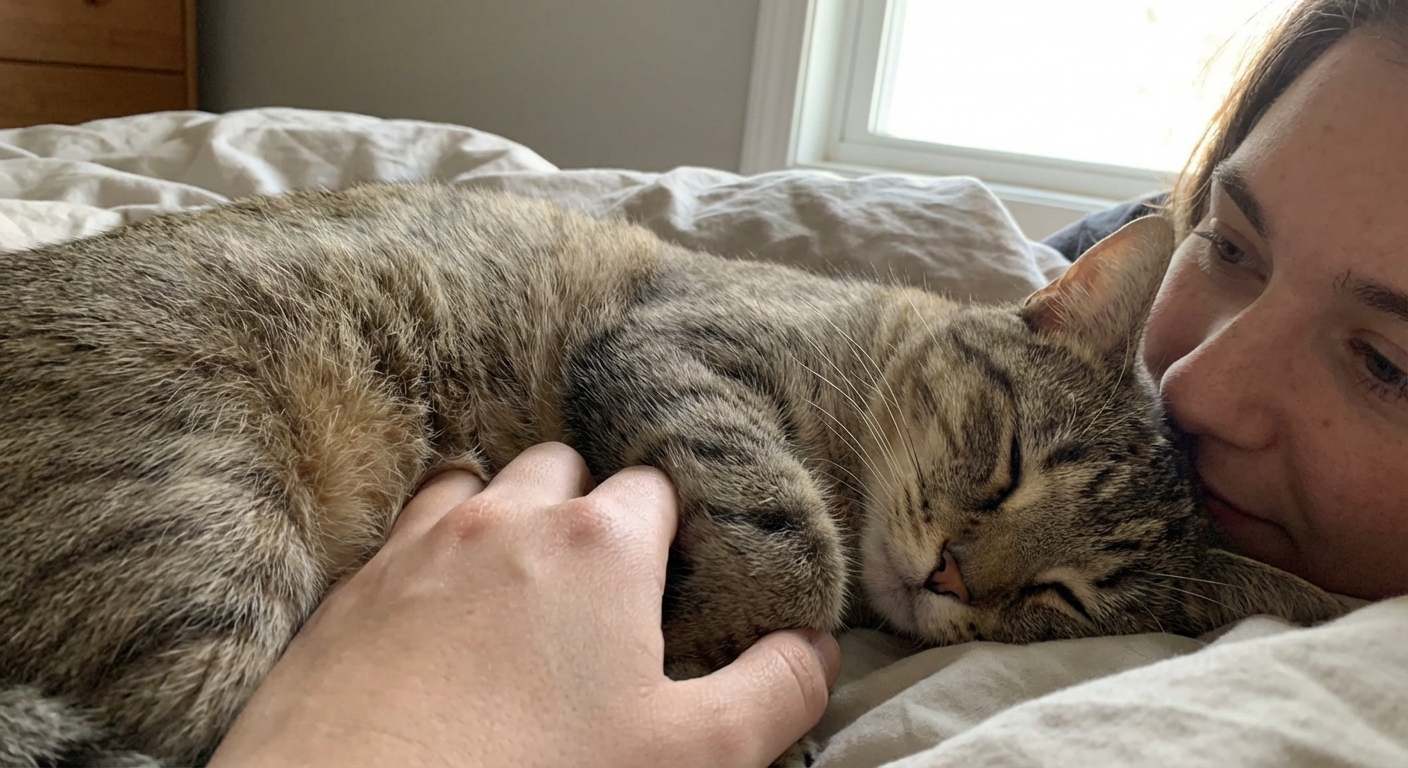
Other changes you may notice
6) Less grooming and a dull coat
When cats feel weak or painful, grooming often decreases. Their coat may look greasy, clumped, or rough. This can happen near the end of life, but it can also be a sign of arthritis, dental pain, obesity, or nausea.
7) Mobility issues
You might see difficulty jumping, stiff walking, dragging back legs, or unsteady steps. Causes can range from arthritis to neurologic disease to electrolyte imbalances. Because falls and injury are risks, mobility changes warrant a veterinary call.
8) Litter box changes
Near the end of life, some cats stop using the litter box reliably. Look for:
- Urinating outside the box
- Accidents while sleeping
- Constipation or straining
- Very little urine output
These may be related to pain, confusion, kidney disease, urinary blockage, or weakness. Male cats who strain or cannot urinate need emergency care.
9) Confusion or awareness changes
Some cats seem disoriented, stare into space, vocalize at odd times, or get “stuck” in corners. Cognitive dysfunction can occur in older cats, but sudden confusion can also be caused by high blood pressure, toxins, low blood sugar, or neurologic issues.
10) Persistent pain or distress
Pain is not always obvious in cats. Signs can include:
- Hunched posture or tucked belly
- Growling, hissing, or avoiding touch
- Facial tension, squinted eyes
- Restlessness, inability to get comfortable
If pain is present, comfort-focused treatment can often help quickly. Your vet can adjust medications or discuss palliative options.
When to get help right away
Trust your instincts, and seek urgent veterinary care if you notice any of the following:
- Difficulty breathing, open-mouth breathing, or blue or pale gums
- Collapse, inability to stand, or repeated fainting
- Seizures
- Suspected poisoning
- Uncontrolled bleeding
- Straining to urinate or inability to urinate
- Severe pain, crying, or extreme agitation
Even if your goal is comfort only, emergency visits can sometimes offer fast relief or help you make clear, compassionate decisions.
Comfort care at home
Small changes can make a big difference when your cat is fragile. Think in terms of warmth, access, hydration, and calm.
Create a cozy, low-effort nest
- Use a soft bed with low sides so stepping in is easy
- Keep the space warm and draft free
- Offer a quiet room away from noise and other pets if your cat seems overwhelmed
Make essentials easy to reach
- Place food, water, and a litter box on the same floor
- Use a shallow litter box or cut down one side for easier entry
- Add rugs or yoga mats for traction if floors are slippery
Offer gentle hygiene support
- Brush lightly if your cat enjoys it
- Use a warm, damp cloth to clean the face or paws as needed
- Keep the rear area clean if there are accidents
Support eating and drinking
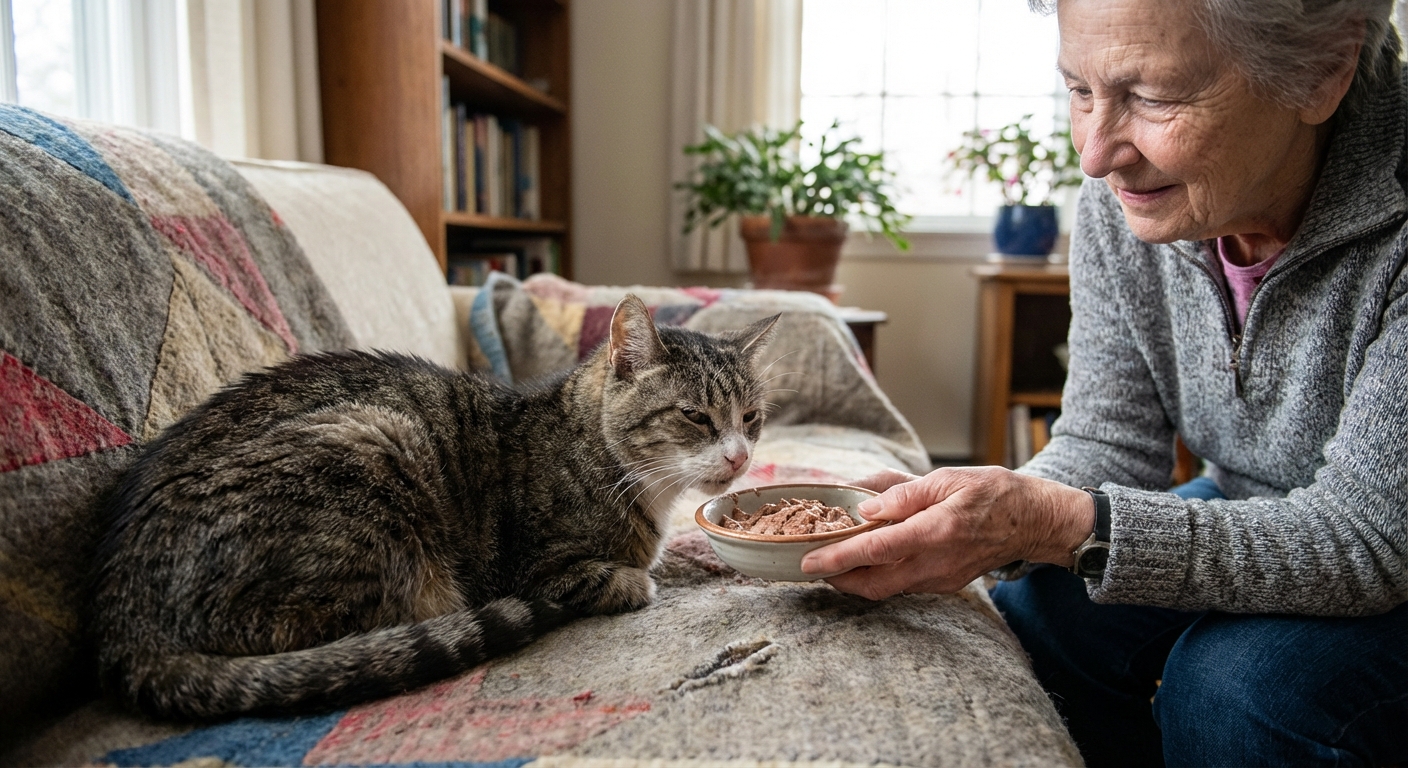
Warm food slightly to increase aroma, offer strong-smelling options (like certain wet foods), and give small frequent opportunities. Avoid force feeding, especially syringe feeding or pushing food into the mouth, unless your veterinarian directs you, since it can increase stress and the risk of aspiration.
Vet-guided hospice supports
If you are pursuing hospice or palliative care, your veterinarian may be able to offer a plan that includes pain relief , anti-nausea medication, appetite stimulants, constipation management, assisted hydration (like subcutaneous fluids), and guidance on creating a calm routine. In some situations, feeding tubes are considered to support nutrition while treating a condition, but this is very individual and should be discussed with your vet in the context of comfort and overall goals.
What not to do
- Do not give human pain medications unless your veterinarian specifically prescribes them. Many are toxic to cats.
- Do not delay care for breathing trouble or inability to urinate.
- Avoid internet “home remedies” that could worsen nausea, dehydration, or pain.
Quality of life check
When families ask, “How will I know?” I encourage focusing on daily comfort and dignity. Consider tracking these points once a day:
- Eating and drinking: Is your cat taking in enough to feel okay?
- Comfort: Is pain controlled? Can your cat rest peacefully?
- Mobility: Can your cat move to essential areas with minimal distress?
- Hygiene: Can your cat stay reasonably clean and dry?
- Connection: Does your cat still enjoy any interaction, touch, or favorite spots?
- More good days than bad: Are calm, comfortable moments still outweighing difficult ones?
Some people also find it helpful to use a simple quality-of-life worksheet, such as the HHHHHMM scale, or to keep a brief daily journal. If you notice a steady decline across several areas, it is a sign to talk with your veterinarian about hospice care , medication adjustments, or end-of-life planning.
What the final hours may look like
Every cat is different, but in the final hours you may notice:
- Very little interest in food or water
- Increasing weakness, difficulty standing
- Paws and ears that may feel cooler than usual
- Slower or irregular breathing, with longer pauses
- Less awareness of surroundings
This can be a tender time to keep the room quiet, speak softly, and stay nearby if your cat finds your presence comforting. If you are unsure whether your cat is suffering, call your veterinarian or an emergency clinic for guidance.
Euthanasia
This is one of the hardest decisions a pet parent can face. Euthanasia is sometimes the kindest way to prevent prolonged suffering when comfort can no longer be maintained. A veterinarian can explain what to expect, including sedation options and whether an in-home visit is available.
If you are struggling, ask your vet to talk through your cat’s quality of life and likely trajectory. You do not have to figure this out alone.
Planning and aftercare
If your cat is declining, it can help to think through practical details ahead of time, even if it feels hard. Your veterinary clinic can explain options such as in-clinic versus in-home euthanasia, and aftercare like cremation or burial. Local rules for home burial vary, so ask what is allowed where you live.
Supporting yourself
Anticipatory grief is real. Many people feel sadness, guilt, or worry about choosing the “right” time. Try to anchor yourself in this truth: choosing comfort and preventing suffering is an act of love.
If children are involved, use clear and gentle language. Let them help in small ways if they want to, like sitting quietly nearby or helping place a blanket in your cat’s favorite spot.
Key takeaways
- End-of-life signs often come as a cluster: appetite loss, withdrawal, weakness, breathing changes, and reduced grooming.
- Some signs can also be treatable illness, so a veterinary check is worthwhile whenever possible.
- Labored breathing, collapse, seizures, and urinary blockage signs are emergencies.
- Comfort care focuses on warmth, easy access to essentials, pain control, and calm companionship.
If you are seeing changes in your cat today, consider contacting your veterinarian and asking directly about pain relief, hydration support, and quality-of-life guidance. Small interventions can help, and when they cannot, you can still choose a gentle path forward.