
Make your dog’s meals more nourishing with 18 homemade recipes for full meals and treats, plus clear safety rules, storage tips, and guidance to keep diets...
Article
•
Designer Mixes
Siberian Husky Care Facts & Insights

Shari Shidate
Designer Mixes contributor
Siberian Huskies are stunning, athletic, and famously social. They are also one of the most misunderstood breeds I see families fall in love with. As a veterinary assistant in Frisco, Texas, I have watched Huskies thrive when their people plan for what this breed truly needs: purposeful exercise, smart training, regular grooming, and proactive health care.
This guide shares reliable Husky facts plus practical steps you can use right away, whether you are bringing home a puppy or trying to make life easier with an adult Husky.
Siberian Husky facts that matter
Bred to run, not to relax
Huskies are a working breed developed for endurance. That heritage shows up as a strong drive to move, explore, and keep going long after you feel “done.” Without adequate exercise and enrichment, many Huskies invent their own jobs, like digging, chewing, fence-running, or redecorating your living room.
Social and often vocal
Many Huskies love people, enjoy canine friends, and communicate with howls, “talking,” and dramatic sighs. This is normal, but it can surprise first-time owners. Plan ahead if you share walls with neighbors.
Escape artists are common
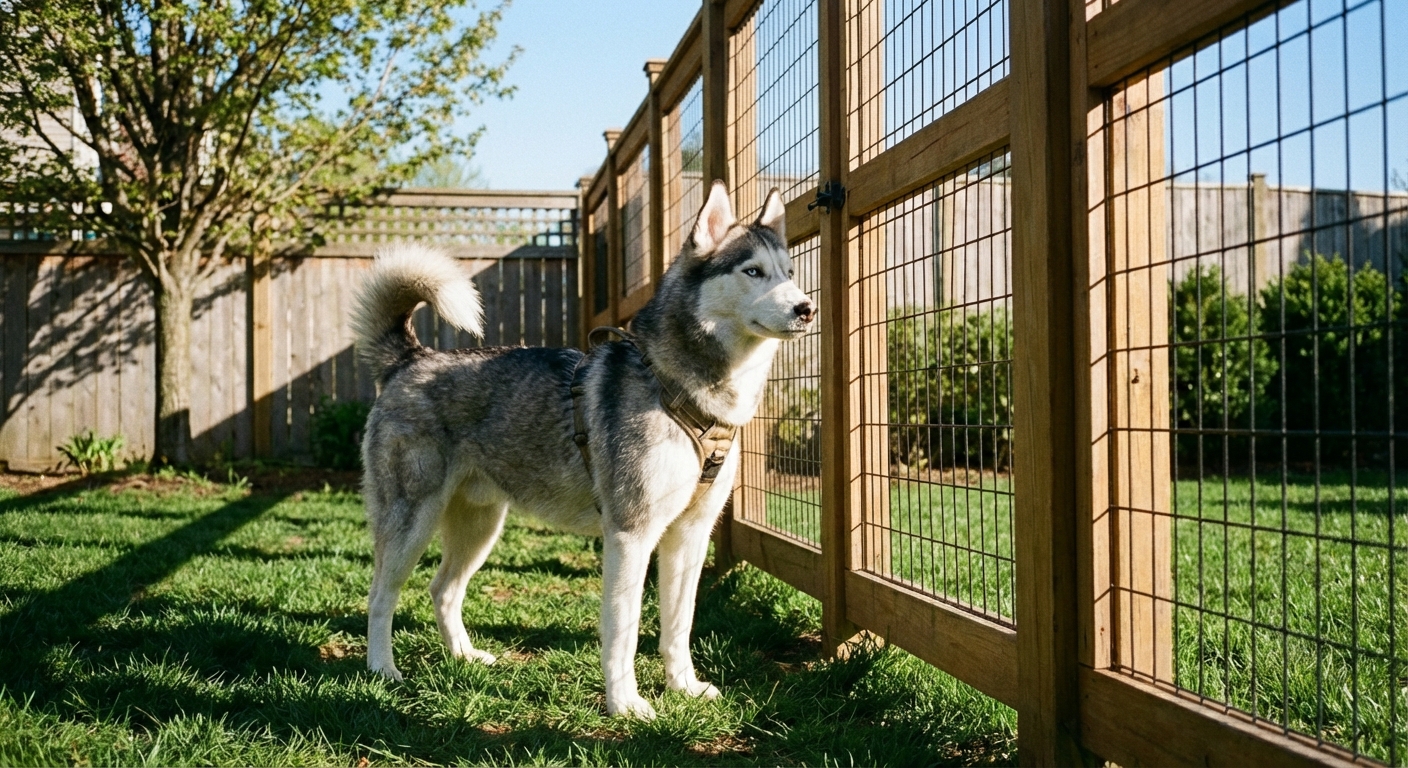
Huskies are known for climbing, digging, and slipping harnesses. This is not “bad dog” behavior. It is usually a mix of athletic ability, curiosity, and under-stimulation. Managing the environment is just as important as training.
Temperament and training
Build the relationship first
Huskies respond best to clear, consistent training that feels rewarding. Harsh corrections often backfire, especially with a breed that can be independent and sensitive.
Positive reinforcement and short sessions
Think of training like a daily vitamin: small, consistent doses work better than rare marathon sessions.
- Keep sessions 3 to 8 minutes and end on a win.
- Reward what you want with tiny treats, a toy, or permission to sniff.
- Practice “real life” cues such as wait at doors, leave it, and drop it.
Recall is a safety skill
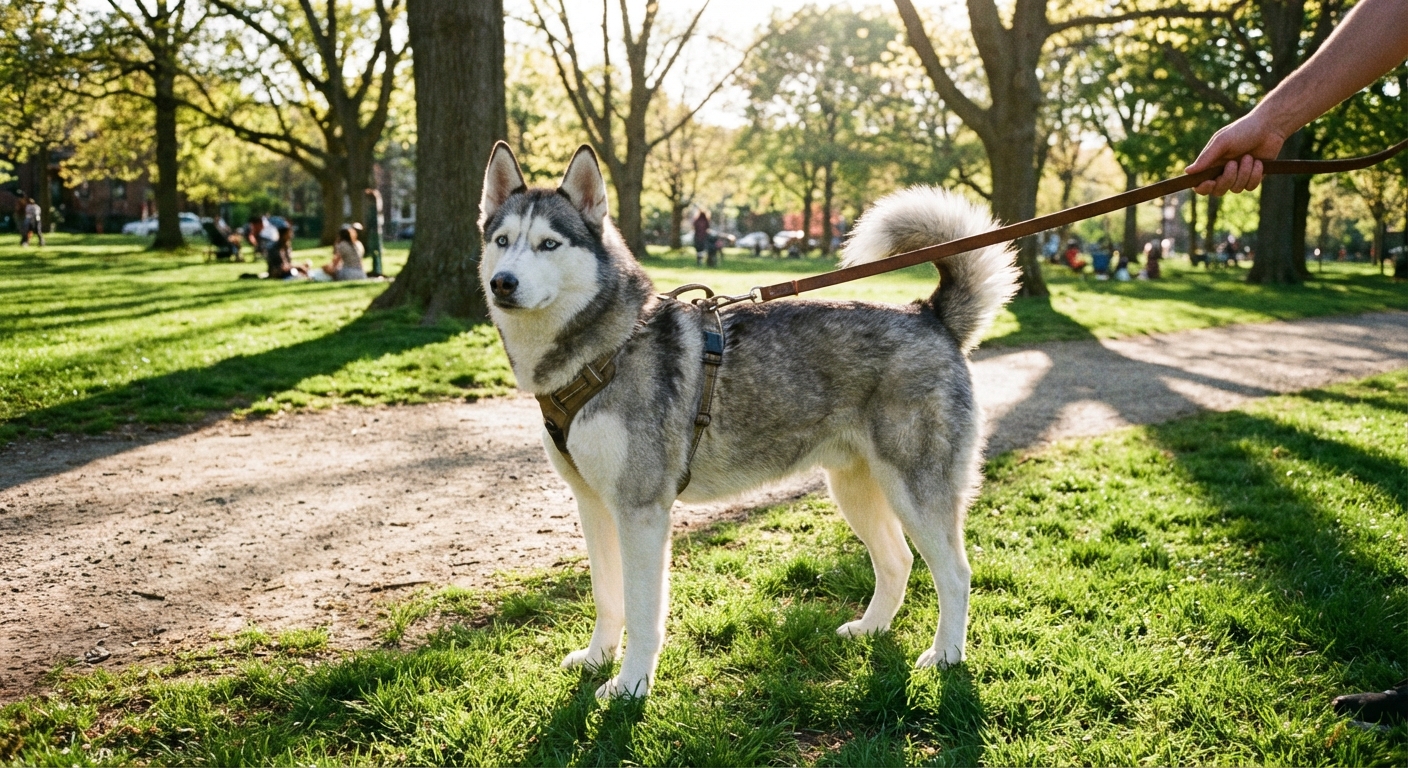
Many Huskies have high prey drive. Even a well-trained Husky may choose a squirrel over you in an open field. Use a long line for practice and consider off-leash areas only if they are fully enclosed.
Action tip: Teach an emergency recall word that you only use for true emergencies, paired with a “jackpot” reward like chicken or a special treat.
Alone-time training matters
One pattern I see in-clinic is a Husky who is “perfect when we are home” but destructive or panicky when left alone. That is often boredom, under-exercise, or separation distress, not spite.
- Practice tiny departures (seconds to minutes) and return before your dog escalates.
- Pair alone time with something good like a frozen food toy or scatter feeding.
- Consider crate training if your dog is comfortable with it, and build it gradually so it feels like a safe nap spot, not a punishment.
Prey drive and small pets
Some Huskies live peacefully with cats and small dogs, and others do not. Plan for supervised introductions, separate spaces when needed, and secure barriers. Outdoors, assume yard wildlife will be interesting and manage with a leash, long line, and solid fencing.
Exercise and enrichment
Most adult Huskies do best with a mix of aerobic exercise and brain work every day. Puppies need play and training, but avoid forced long-distance running until your veterinarian confirms growth plates are mature. For many dogs, that is often somewhere around 12 to 18 months, but individual timing varies.
Daily routine ideas
- Structured walk, run, or hike: a helpful baseline is 30 to 60 minutes for many adults, but plenty of Huskies need more total activity split into multiple sessions.
- Job-style activities: canicross, bikejoring (with safe training), hiking, or pulling sports where available.
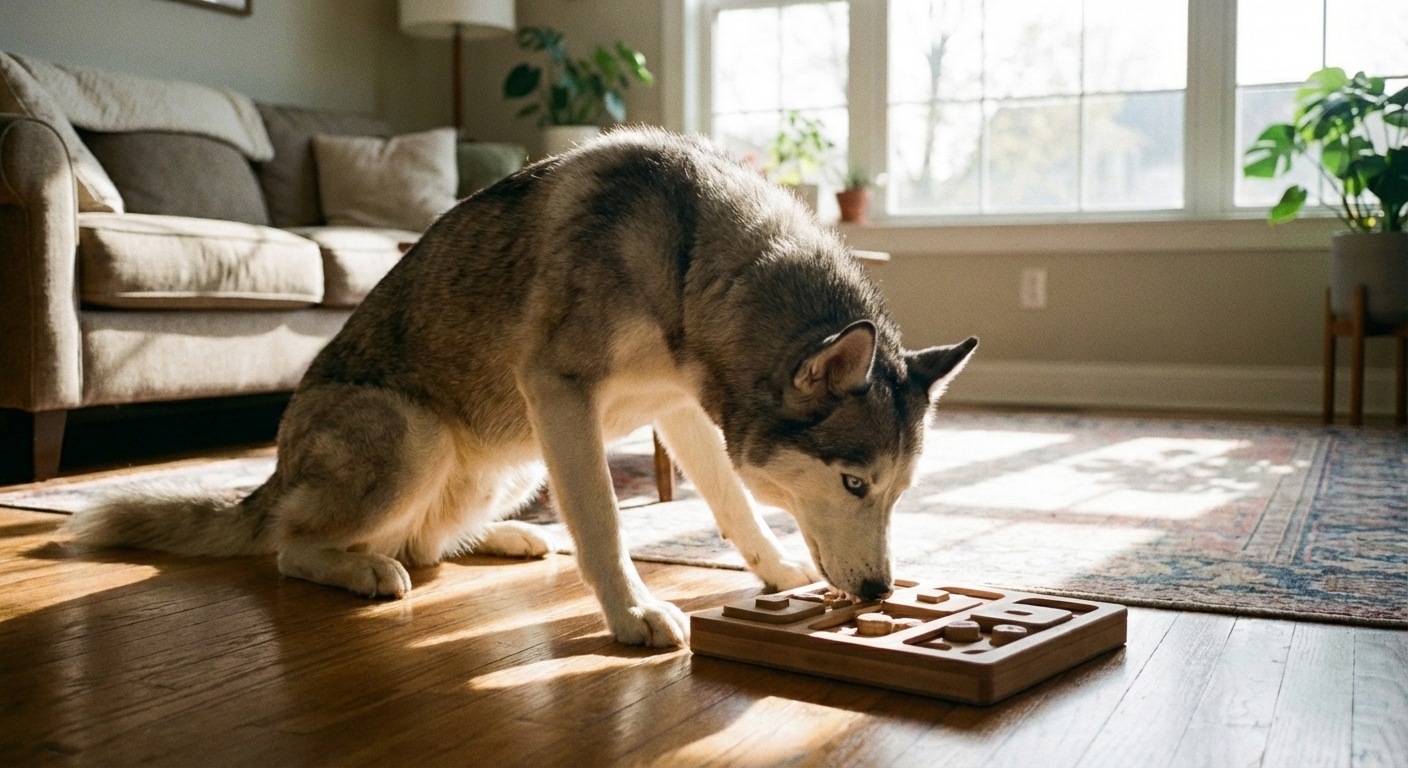
- Brain games: snuffle mats, treat puzzles, scatter feeding, beginner nose work.
- Training built into life: sit before clipping the leash, wait before eating, hand-target practice.
Hot weather caution: In North Texas heat, plan early morning or late evening exercise, provide water breaks, and watch for overheating. Thick double coats can reduce sun exposure to the skin, but Huskies can still overheat when conditions are extreme.
Cold weather note: In icy conditions, protect paws from cracked pads and chemical deicers. Rinse and dry feet after walks, and talk with your vet about booties or a paw balm if your dog gets sore.
Nutrition and healthy weight
A lean Husky is a healthier Husky. Extra weight increases strain on joints and can worsen endurance and heat tolerance. Choose a complete and balanced diet that meets AAFCO standards for your dog’s life stage and talk with your veterinarian if you want to incorporate fresh foods.
Smart feeding habits
- Measure meals instead of free-feeding, especially after spay or neuter.
- Use treats strategically for training, and keep treats to about 10% of daily calories.
- Track body condition monthly. You should be able to feel ribs with light pressure and see a defined waist.
Action tip: If your Husky is always “hungry,” try adding low-calorie volume like veterinarian-approved veggies (such as steamed green beans) and increase enrichment feeding rather than increasing calories.

Coat care and grooming
The Husky double coat is designed to protect from cold and weather. It also means shedding, and then shedding again. The good news is that with a consistent routine, grooming can be manageable and even soothing.
Brush smart during shedding
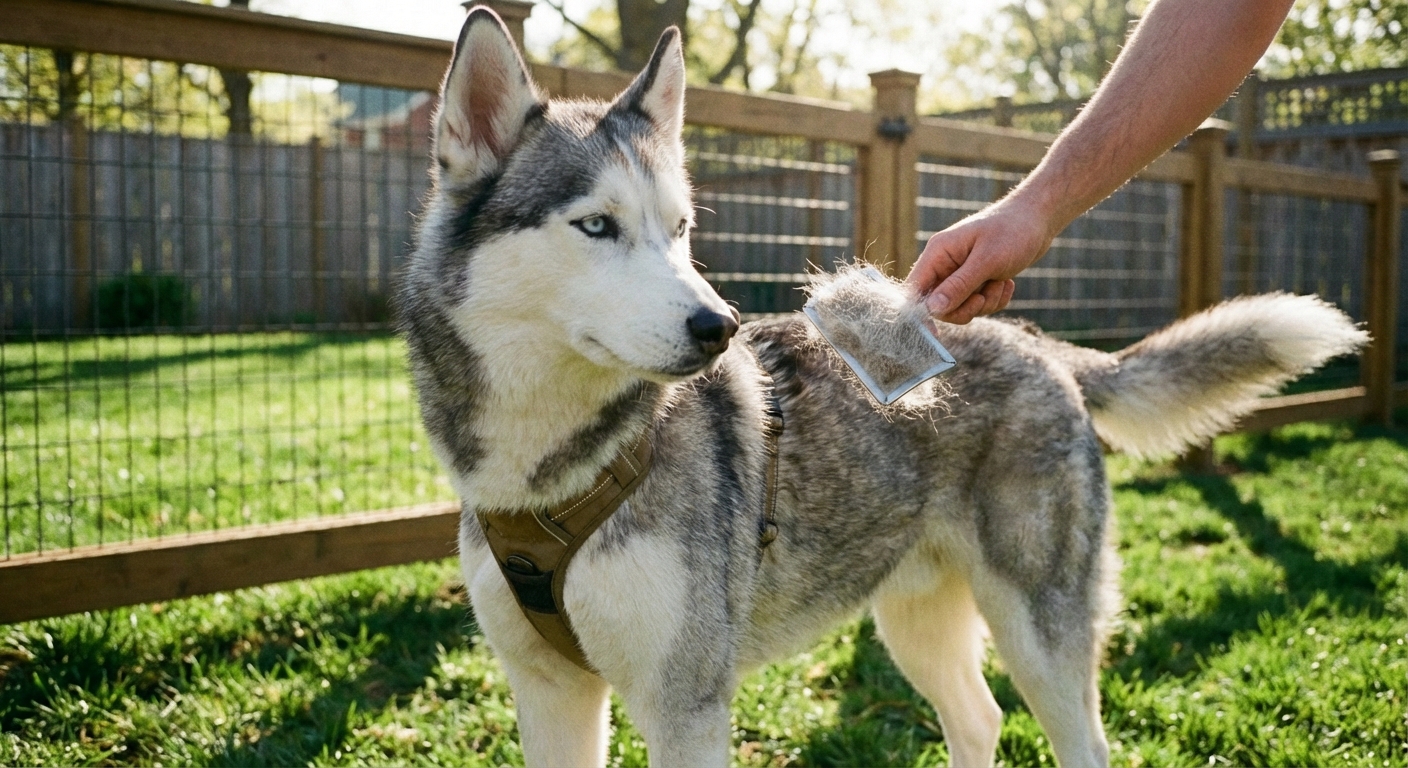
- Weekly brushing most of the year helps reduce loose undercoat, dander, and tangles, and it helps prevent an impacted coat during heavy shedding.
- During “blowing coat” seasons (often spring and fall), plan for more frequent brushing.
- Use the right tools: a slicker brush and an undercoat rake can be helpful, but use gentle technique to avoid skin irritation. Be cautious with aggressive deshedding tools if you are not trained to use them.
Bathing and drying
Most Huskies do well with occasional baths as needed, not constant bathing. The key is rinsing thoroughly and drying the coat all the way down to the skin, especially in humid weather, so moisture does not get trapped in the undercoat.
Should you shave a Husky?
In general, shaving a double-coated breed is not recommended unless your veterinarian advises it for a medical reason. The coat provides insulation and helps protect the skin from sun and irritation. Shaving can increase sunburn risk and may affect how the coat regrows. For cooling, focus on shade, airflow, hydration, and smart exercise timing.
Common Husky health concerns
Huskies are often robust, but every breed has patterns we should watch for. Preventive care and early detection make a huge difference.
Eyes
Siberian Huskies can be predisposed to inherited eye conditions such as juvenile cataracts and progressive retinal atrophy. Ask your veterinarian about eye exams, and consider breeder health testing if you are purchasing a puppy.
Joints and mobility
Huskies are not among the highest-risk breeds for orthopedic disease, but hip dysplasia and other joint issues can still occur. Keeping your Husky lean, building fitness gradually, and using veterinarian-recommended joint support strategies can help.
Skin, coat, and allergies
Itchy skin, recurrent ear issues, and licking paws can signal allergies, parasites, or infection. Please do not assume it is “just food” without an exam, because fleas, mites, and yeast can look similar at home. Some Huskies can also have zinc-responsive dermatosis, so scaly skin or crusting deserves a vet visit.
Hormone-related issues
Hypothyroidism can happen in the breed and may show up as weight gain, low energy, recurrent skin issues, or coat changes. Bloodwork helps sort out what is really going on.
Dental health
Dental disease is extremely common in dogs. Brush teeth with dog-safe toothpaste, use veterinarian-approved dental chews, and schedule professional cleanings when recommended. In a busy clinic, dental disease and preventable weight gain are two of the most common “quiet problems” I see that owners did not realize were building over time.
Heat-related illness
Huskies can overheat, especially with humidity, high temps, and intense activity. Know the signs of heat stress: heavy panting, drooling, weakness, vomiting, or disorientation. Seek veterinary care immediately if you suspect heat stroke.
When to call your vet
- Eye squinting, cloudiness, redness, or sudden light sensitivity
- Persistent limping, difficulty rising, or refusing exercise
- Ear odor, head shaking, or ongoing paw licking
- Repeated vomiting, diarrhea, weakness, or unusual tiredness
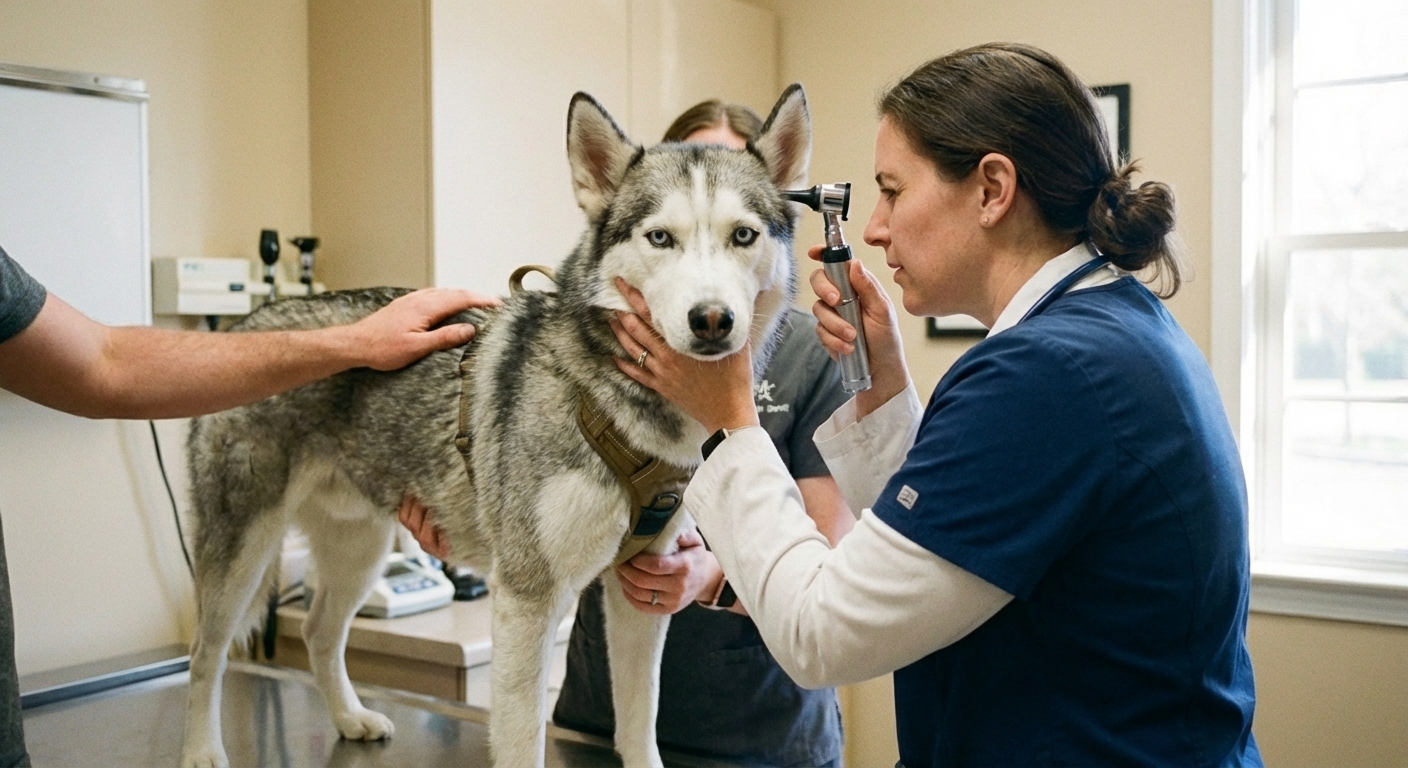
Preventive care checklist
When families ask me what makes the biggest difference long term, I always come back to basics: vaccines, parasite prevention, routine lab work, and a relationship with a veterinary team you trust.
- Annual or semiannual wellness exams based on age and health history.
- Core vaccines as recommended by your veterinarian for your region and lifestyle.
- Year-round heartworm prevention and regular testing.
- Flea and tick prevention appropriate to your area and activities.
- Spay or neuter timing discussed with your veterinarian, especially for large, athletic dogs.
- Baseline bloodwork and dental assessments to catch issues early.
Action tip: Keep a simple “Husky health file” on your phone with vaccine dates, preventives used, weight trends, and any reactions or sensitivities. It saves time and reduces stress at appointments.
Home setup and safety
Make your yard Husky-proof
- Secure fencing with no gaps. Many Husky households do best with a 6-foot fence, plus checks for climb points near patio furniture or stacked items.
- Check for dig zones and reinforce areas where your dog tests boundaries. Some families use dig guards, patio blocks, or a designated digging area.
- Use a well-fitted harness designed to reduce slipping. Look for a secure chest piece, adjustable points, and a fit that does not slide over the shoulders when your dog backs up.
Have an indoor plan
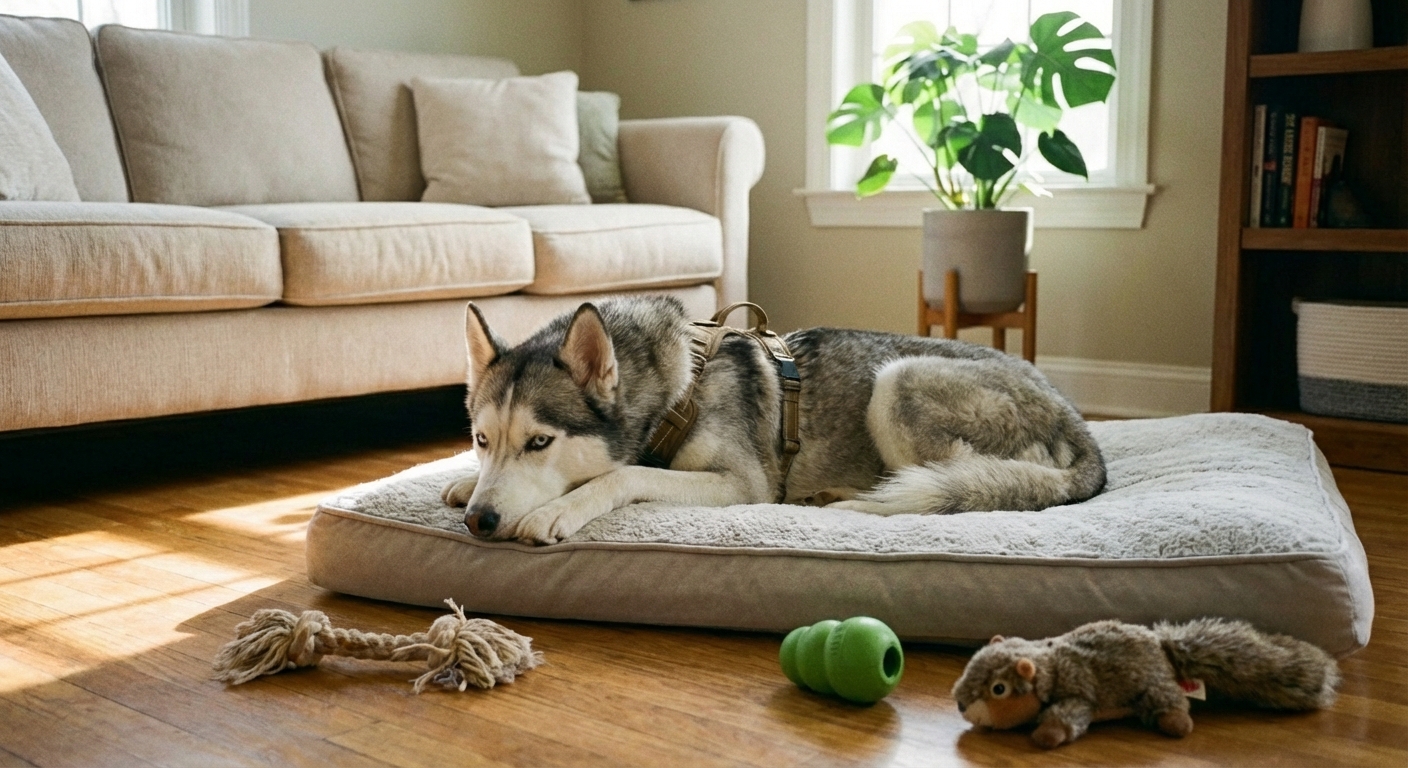
When life gets busy, having easy enrichment options prevents boredom.
- Frozen food toys for quiet time
- Sniff walks where your dog can explore at their pace
- Short training games between meetings or school pickups
Is a Husky right for you?
Huskies are often wonderful family dogs for active households, but they are rarely a “low-maintenance” choice. If you love being outdoors, enjoy training, and can commit to daily exercise and consistent boundaries, a Husky can be an incredible companion.
Healthy Husky life tip: meet your dog’s needs first, then behavior problems get so much easier to solve.
If you are on the fence, consider fostering or volunteering with a Husky rescue. It is one of the best ways to learn the breed’s rhythm before making a lifelong commitment.