No cat is truly hypoallergenic—but some are easier to live with. Learn what Fel d 1 is, why “hypoallergenic” breeds aren’t guaranteed, and practical ...
Article
•
Designer Mixes
Siberian Cat: Personality, Allergy Notes, and Care

Shari Shidate
Designer Mixes contributor
If you love cats but your nose and eyes disagree, the Siberian cat is probably already on your shortlist. Siberians are famous for being affectionate, playful, and people-focused. You will also often hear that they may be easier for some allergy sufferers to live with. The reason is usually tied to Fel d 1, the most common cat allergen. Some limited research and breeder-collected testing data suggest many Siberians may produce lower Fel d 1 on average compared with some other cats, but results vary widely by individual cat and household. No cat is allergy-proof, but this variability helps explain why some people do better with this breed.
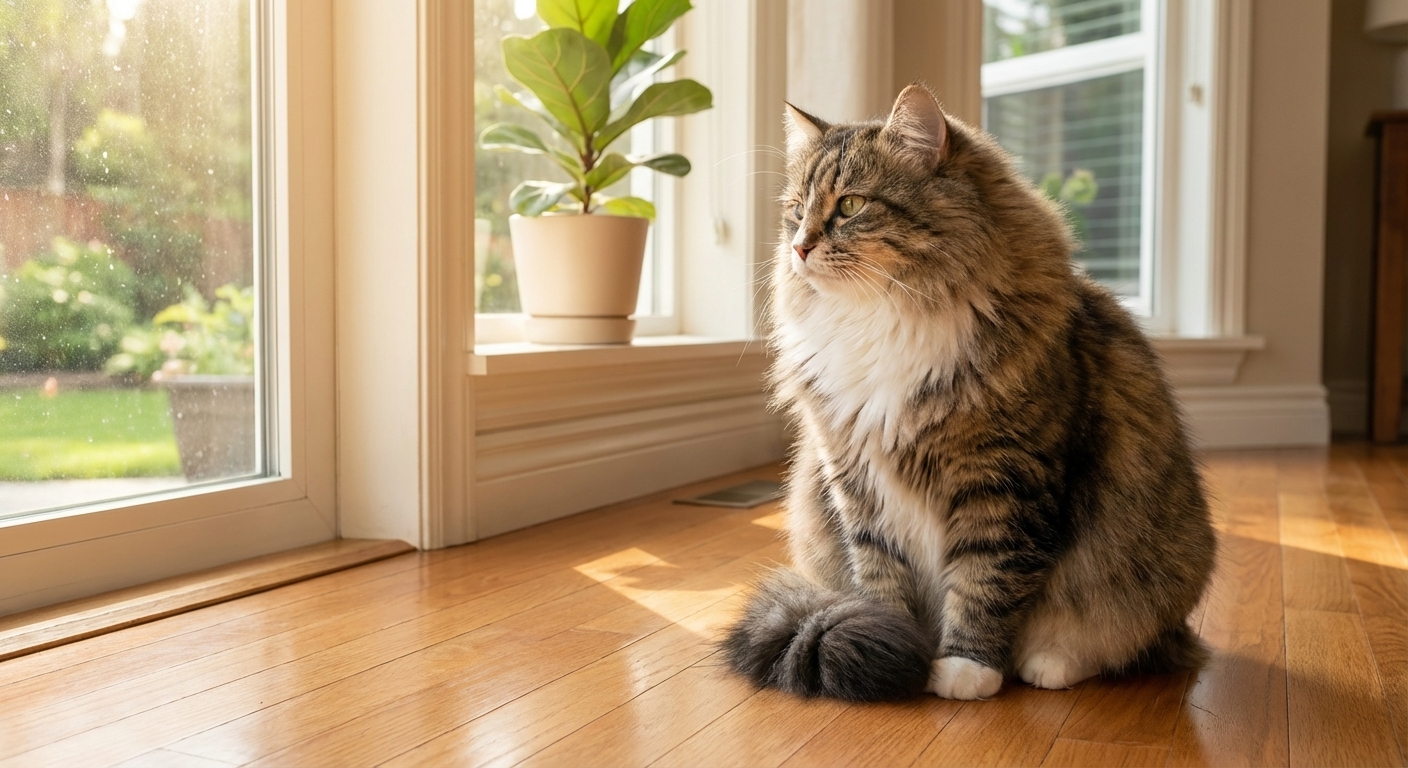
Quick Siberian cat facts
- Temperament: Affectionate, social, playful, often described as dog-like
- Coat: Triple coat, medium-long to long, seasonal shedding
- Size: Medium-large; sturdy and muscular
- Lifespan: Commonly 12 to 15+ years with good care
- Hypoallergenic: Some people report fewer symptoms, but no cat is truly hypoallergenic
- Common health watch-outs: Hypertrophic cardiomyopathy (HCM) and general heart screening considerations
Personality: sweet and confident
Siberians tend to be the kind of cat that wants to be part of the household. Many will follow you from room to room, “help” with chores, and perch nearby while you work. Their calm confidence and people-focused nature often means they bounce back quickly from new situations when they are well socialized.
What owners usually love most
- Affection without being clingy: Many Siberians enjoy cuddles, but they also play independently.
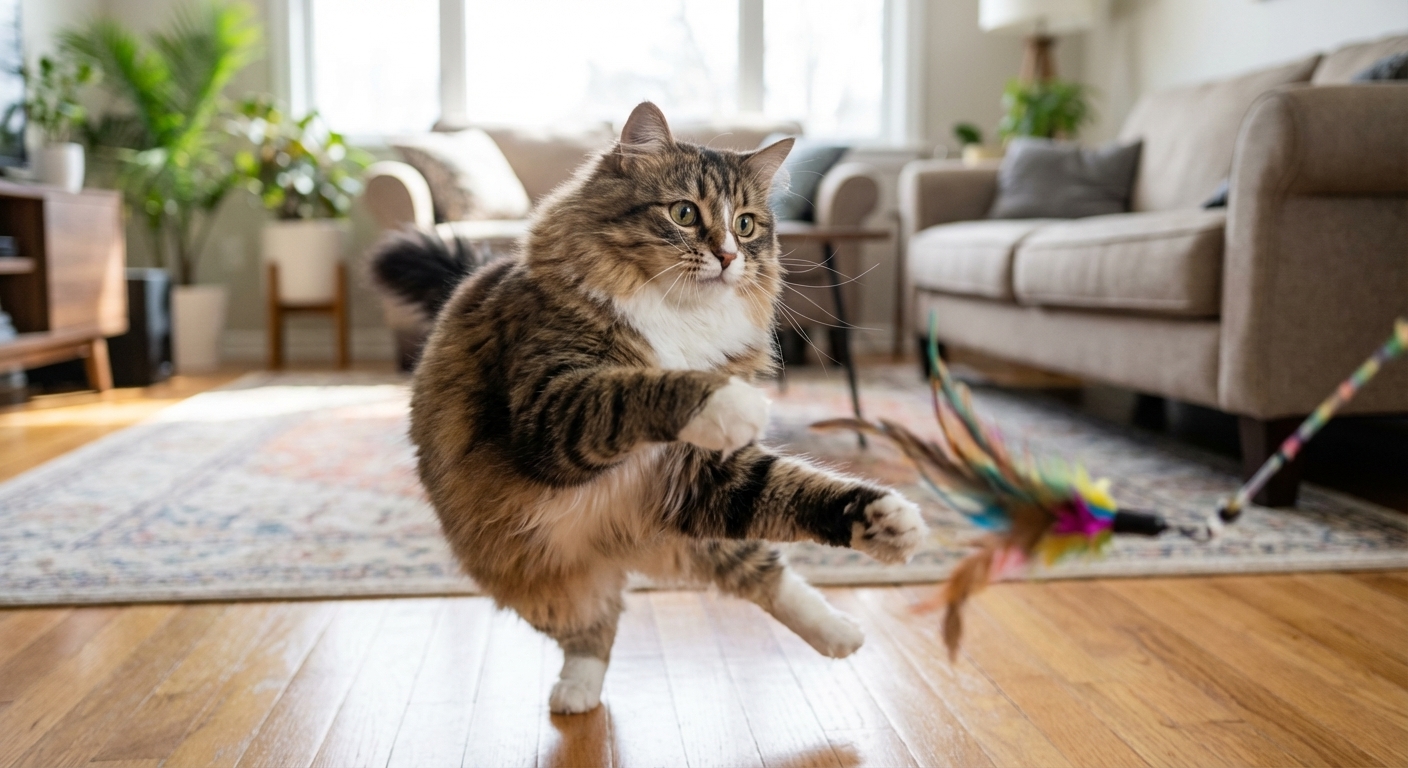
- Playful and athletic: They like climbing and interactive toys, and some enjoy water more than the average cat.
- Good with respectful kids and pets: Their confident, sturdy nature can be a nice fit for busy homes when introductions are done slowly.
Energy and enrichment
This is not typically a “couch potato” breed. Plan for daily play sessions, vertical space, and puzzle feeders. If a Siberian gets bored, you may see extra vocalizing, counter surfing, or nighttime zoomies.
Origins and background
The Siberian is a natural breed that developed in the forests of Russia, where a thick, weather-resistant coat and athletic build were practical traits. That background helps explain their rugged “outdoor ready” look, even when they are living a cozy indoor life.
Are Siberians hypoallergenic?
Let’s talk about what “hypoallergenic” really means. Cat allergies are most commonly triggered by Fel d 1, a protein found mainly in cat saliva and skin secretions. Cats groom themselves, the protein gets on the fur and skin flakes, and it spreads through the home as dander and dust.
However, Fel d 1 is not the only allergen. Some people also react to other proteins (such as Fel d 4), and your symptoms can be influenced by factors like ventilation, cleaning routines, and how much a cat sheds.
Why Siberians sometimes work better: there is ongoing interest in Fel d 1 variation between cats, and some evidence plus breeder testing programs suggest many Siberians may have lower Fel d 1 levels on average. The key word is may. Individual cats vary, and a Siberian can still trigger significant symptoms.
Why tolerance varies
- Individual variability: Two cats in the same litter can affect allergy sufferers differently.
- Allergen mix: Not all allergies are driven by Fel d 1 alone.
- Household exposure: Ventilation, cleaning habits, fabrics, and grooming routines can change allergen load a lot.
No breed can guarantee zero allergy symptoms. The most reliable approach is to test your reaction to the specific cat you plan to adopt.
Quick takeaway: Think “individual cat plus home setup,” not “breed guarantee.”
Allergy tips for Siberians
If you are allergy-prone, you can still set yourself up for success. Think of it as lowering your total allergen load rather than trying to eliminate it.
Before you bring a cat home
- Meet the exact cat, not just the breed: Spend at least 30 to 60 minutes with the cat on more than one day if possible.
- Do a simple home test: With the breeder or rescue’s permission, rub a clean cloth or worn T-shirt gently on the cat, take it home in a sealed bag, and note symptoms over the next 24 to 48 hours.
- Ask about Fel d 1 testing if offered: Some breeders test saliva or hair samples. Useful as one data point, but tests are not standardized across labs and do not guarantee a symptom-free experience.
- Talk with your allergist: Medications, nasal sprays, and immunotherapy can make cat ownership more realistic. If you have severe asthma or a history of serious reactions, get medical guidance before extended exposure.
At-home strategies
- Create a low-allergen bedroom: Keep the cat out of the bedroom, use allergen-proof bedding covers, and wash bedding weekly.
- Use a true HEPA air purifier: Put one in the bedroom and one in the main living area if you can.
- Vacuum and dust smart: HEPA vacuum, damp-dust surfaces, and reduce clutter that traps dander.
- Wash hands and change clothes after cuddles: Simple, but surprisingly effective.
- Brush strategically: If possible, have the least-allergic person do brushing. Brush in a well-ventilated area and clean up fur right away.
- Wipe downs can help: A damp microfiber cloth or pet-safe grooming wipe can reduce loose dander between baths.
- Consider certain allergen-reducing diets: Some diets use anti Fel d 1 IgY technology designed to reduce active Fel d 1 on the coat. Effects vary, and it is not a fit for every cat. Ask your veterinarian whether it makes sense for your situation.
If symptoms escalate, do not push through it. Chronic inflammation is miserable for you, and it can lead to rehoming stress for the cat. A plan early on is kinder to everyone.
Size and lifespan
Siberians are a medium-large breed with real substance. They tend to be muscular, with a broad chest and strong hindquarters. Many Siberians take longer than average to fully mature, sometimes closer to 4 to 5 years.
- Typical adult size: Often around 8 to 17 pounds, with males usually larger than females.
- Growth rate: Slow and steady, with full “adult look” developing over several years.
- Lifespan: Commonly 12 to 15+ years, with some living longer when weight, dental health, and preventive care are well managed.
Grooming the triple coat
That gorgeous fluff is not just for show. Siberians have a triple coat designed for cold climates: a dense undercoat for insulation, a middle layer for volume, and a longer topcoat that can be somewhat water-resistant.
How much grooming?
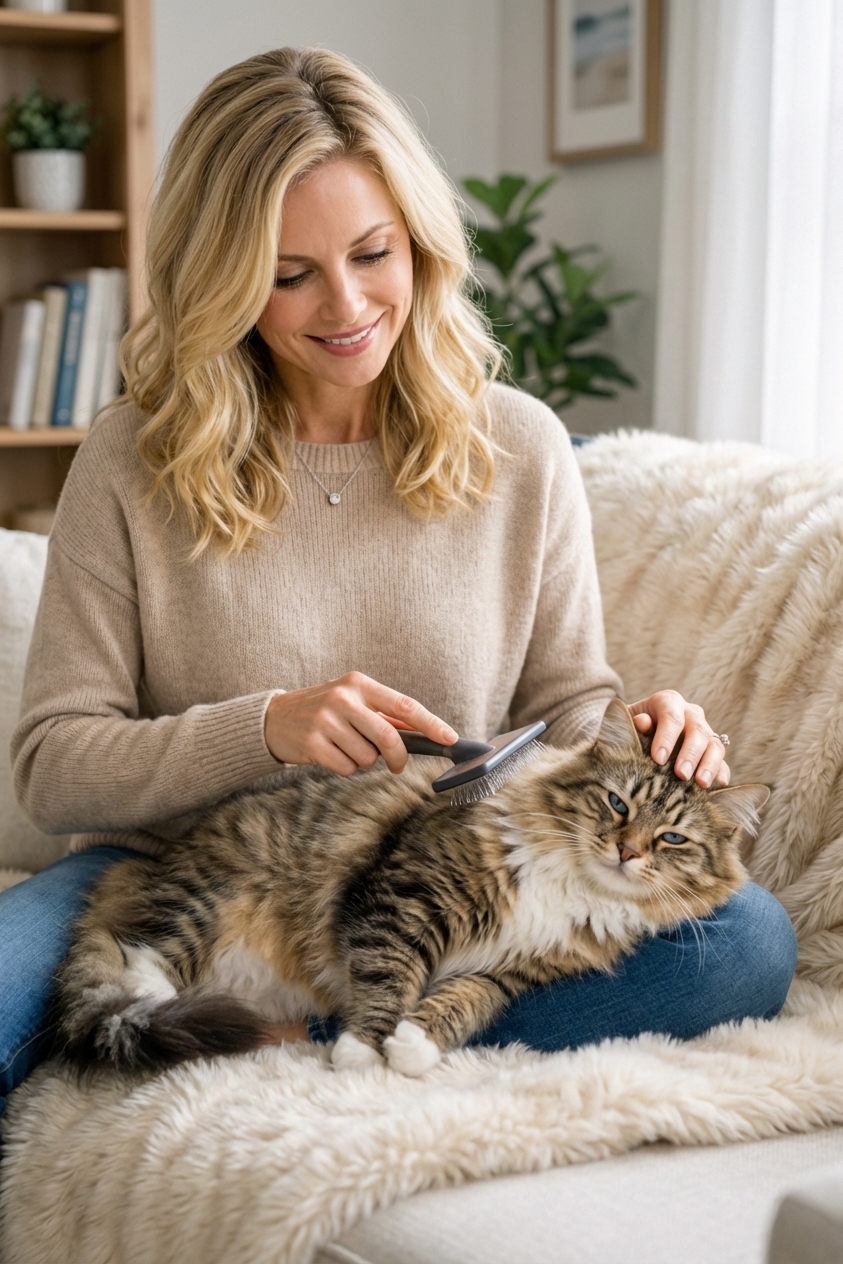
Most Siberians do best with at least 1 to 2 thorough brush-outs per week, and more during seasonal shedding. Even cats that do not mat easily can get tangles in friction areas like the armpits, behind the ears, and the belly.
- Tools: A stainless steel comb plus a slicker brush is a good starting combo.
- Shedding seasons: Expect heavier shedding, often in spring and fall. Add extra grooming sessions then.
- Bathing: Not always necessary, but occasional baths can help some allergy households by reducing dander. Use cat-safe shampoo and keep it calm and gentle.
Common health concerns
Responsible breeding and regular veterinary care make a big difference for any purebred cat. Siberians are often robust, but there are a few conditions worth knowing about.
Hypertrophic cardiomyopathy (HCM)
HCM is a heart disease where the heart muscle thickens, which can affect how well the heart pumps. It can be present with no obvious symptoms early on. Some cats may later show rapid breathing, lethargy, reduced appetite, or sudden weakness.
What you can do:
- Choose breeders who screen breeding cats: Ask whether they do echocardiograms performed by a veterinary cardiologist, and how often they repeat them. In most cats, there is no single DNA test that reliably rules HCM in or out, so imaging-based screening is the practical standard.
- Keep up with wellness exams: Your veterinarian can detect murmurs or rhythm changes that warrant further testing.
- Know the red flags: Open-mouth breathing, very fast resting respiratory rate, sudden hind-limb weakness, or collapse are emergencies.
General wellness
- Weight management: Siberians can be food-motivated. Extra pounds strain joints and heart health.
- Dental disease: Regular dental checks and home dental care help prevent pain and systemic inflammation.
- Parasite prevention: Even indoor cats can get fleas through hitchhiking. Use veterinarian-recommended preventives.
If you are adopting, ask for any available veterinary records and a clear plan for follow-up care. A “healthy today” cat still benefits from baseline exams and preventive screening.
Home setup essentials
Nutrition
Feed a complete and balanced diet (look for an AAFCO statement for your cat’s life stage). Because Siberians can be active and muscular, they often do well with a high-quality, protein-forward diet. If your cat is gaining weight, portion control matters more than brand switching.
Litter, scratching, and climbing
- Litter boxes: Provide one box per cat plus one extra, placed in quiet, accessible locations.
- Scratching: Offer both vertical and horizontal scratchers. Cats scratch to mark territory and maintain nail health.
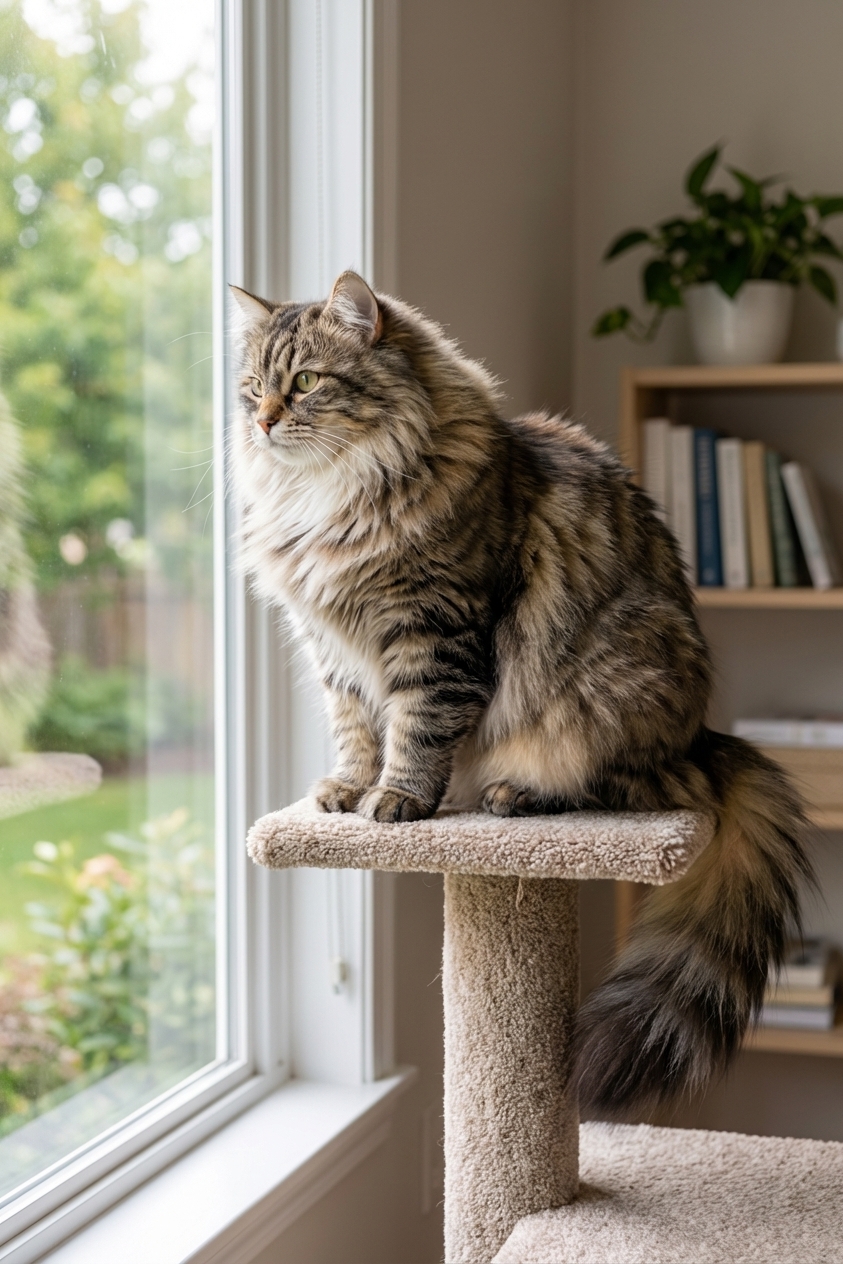
- Climbing: A tall, stable cat tree and window perches keep Siberians happy and reduce boredom behaviors.
Social needs
Siberians often thrive with companionship and routine. If you are away long hours, a second compatible pet or scheduled interactive playtime can help meet their social needs.
Adoption and sourcing
Whether you adopt from a rescue or buy from a breeder, prioritize transparency and long-term support. Siberians can be in rescues, but many are found through reputable breeders who focus on health, temperament, and early socialization.
- Ask for documentation: Wellness records, vaccinations, parasite prevention history, and any heart screening information for parents when available.
- Discuss socialization: Kittens should be handled gently and exposed to normal household sounds before going home.
- Review policies: A clear return policy and ongoing guidance are green flags, especially for allergy households.
Is a Siberian right for you?
If you want a warm, family-friendly cat with a plush coat and a playful spirit, the Siberian is a wonderful breed to consider. For allergy sufferers, the biggest takeaway is simple: choose the individual cat carefully, test your reaction, and plan your home routine to reduce allergens.
With consistent grooming, preventive veterinary care, and a home environment that supports both enrichment and cleanliness, many households find the Siberian to be an affectionate companion that fits beautifully into everyday life.