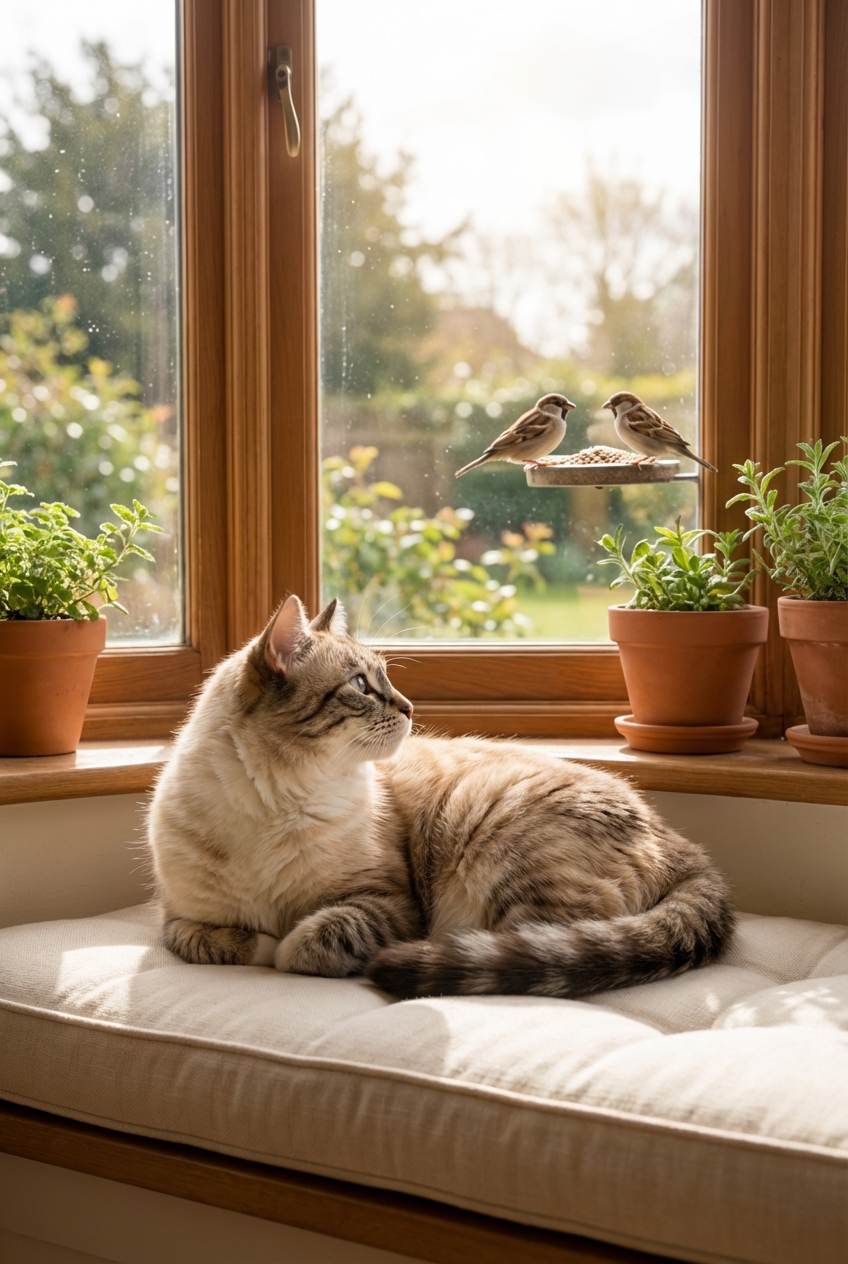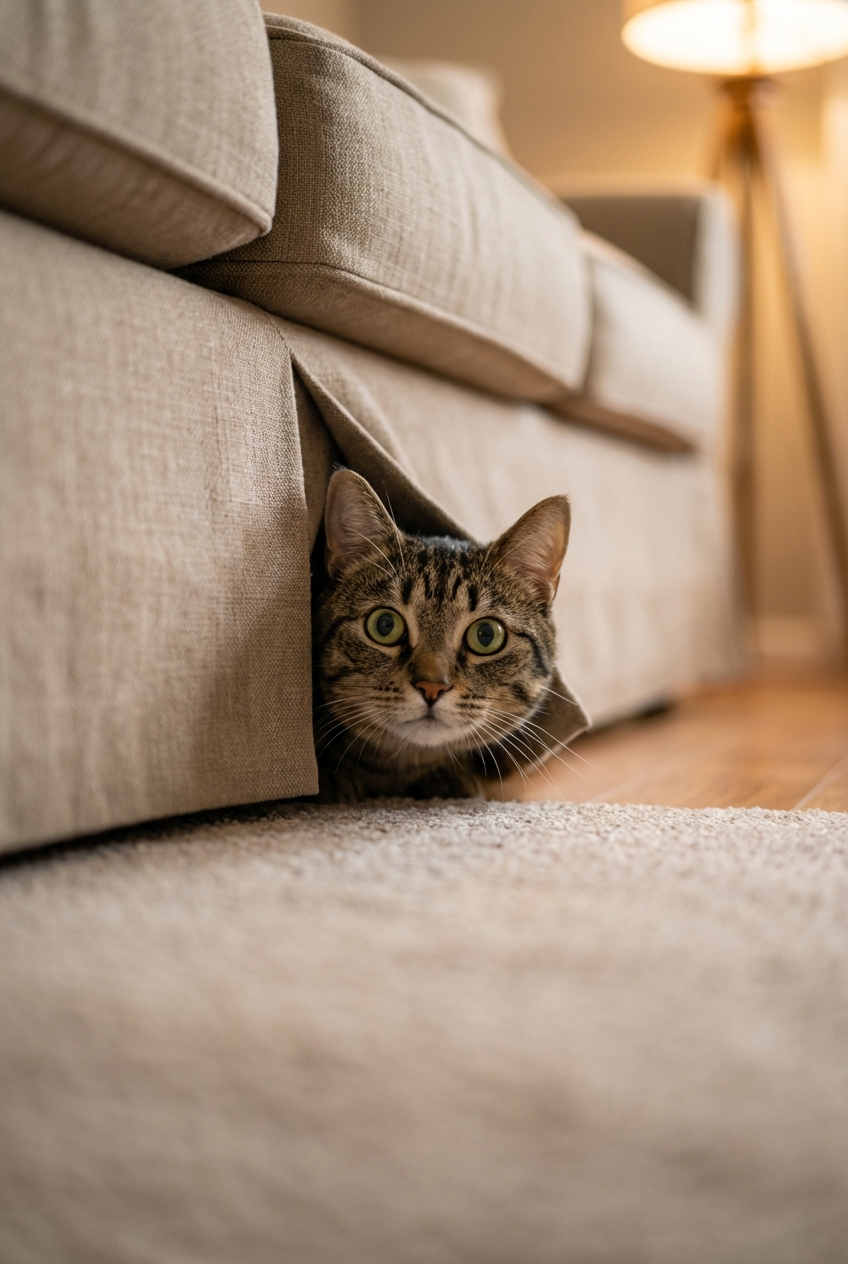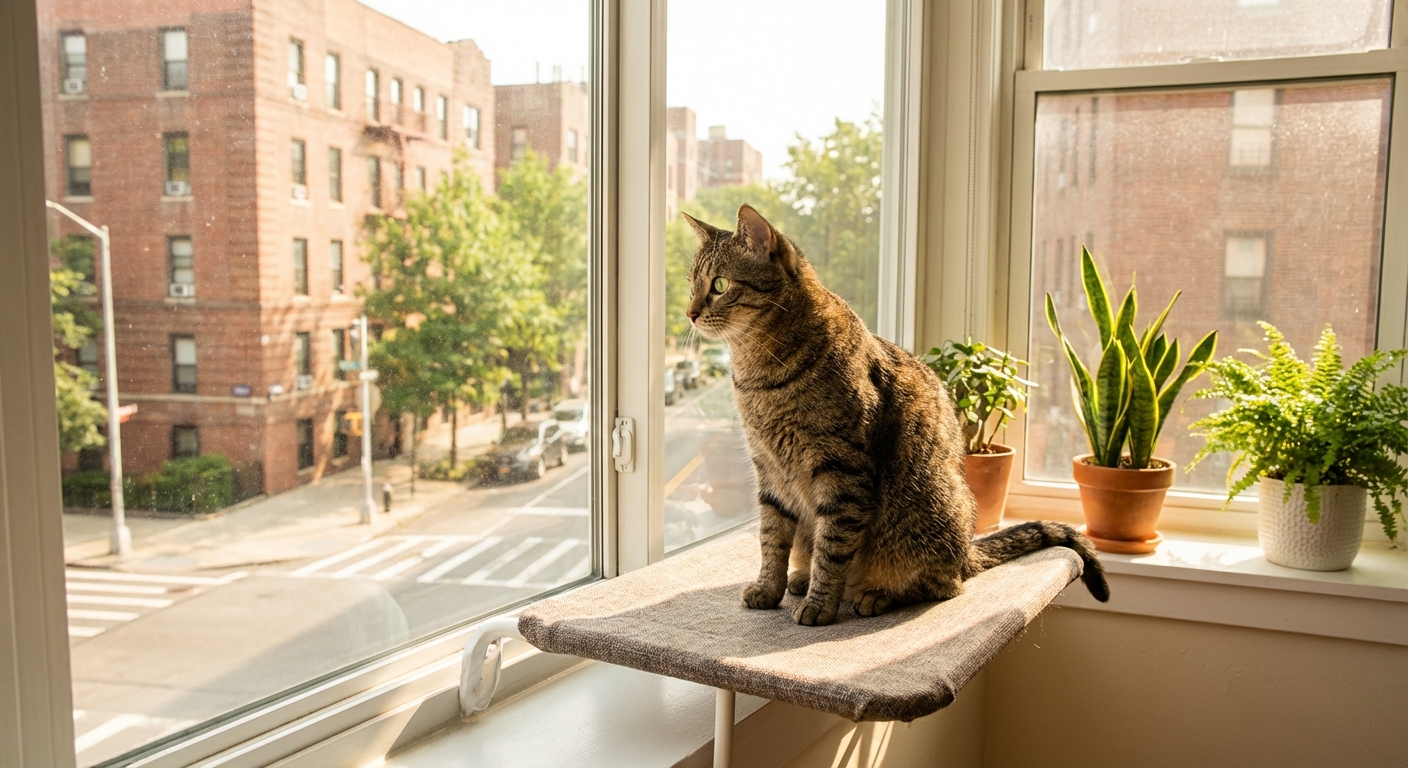
Help your indoor cat thrive in a small apartment with smart enrichment: vertical routes, window perches, puzzle feeders, prey-style play, scratch zones, quie...
Article
•
Designer Mixes
Siamese Cat Guide

Shari Shidate
Designer Mixes contributor
Siamese cats are famous for their striking color points, bright blue eyes, and big personalities. They are also known for being very people-focused. If you love a “talkative best friend” who wants to be involved in everything you do, this breed may feel like a perfect match.
As a veterinary assistant here in Frisco, Texas, I always encourage families to look at the whole picture before choosing a breed: temperament, health tendencies, grooming needs, and what it really takes to keep a cat mentally and physically thriving. Let’s walk through Siamese personality, common health concerns, and complete care in a simple, evidence-based way.
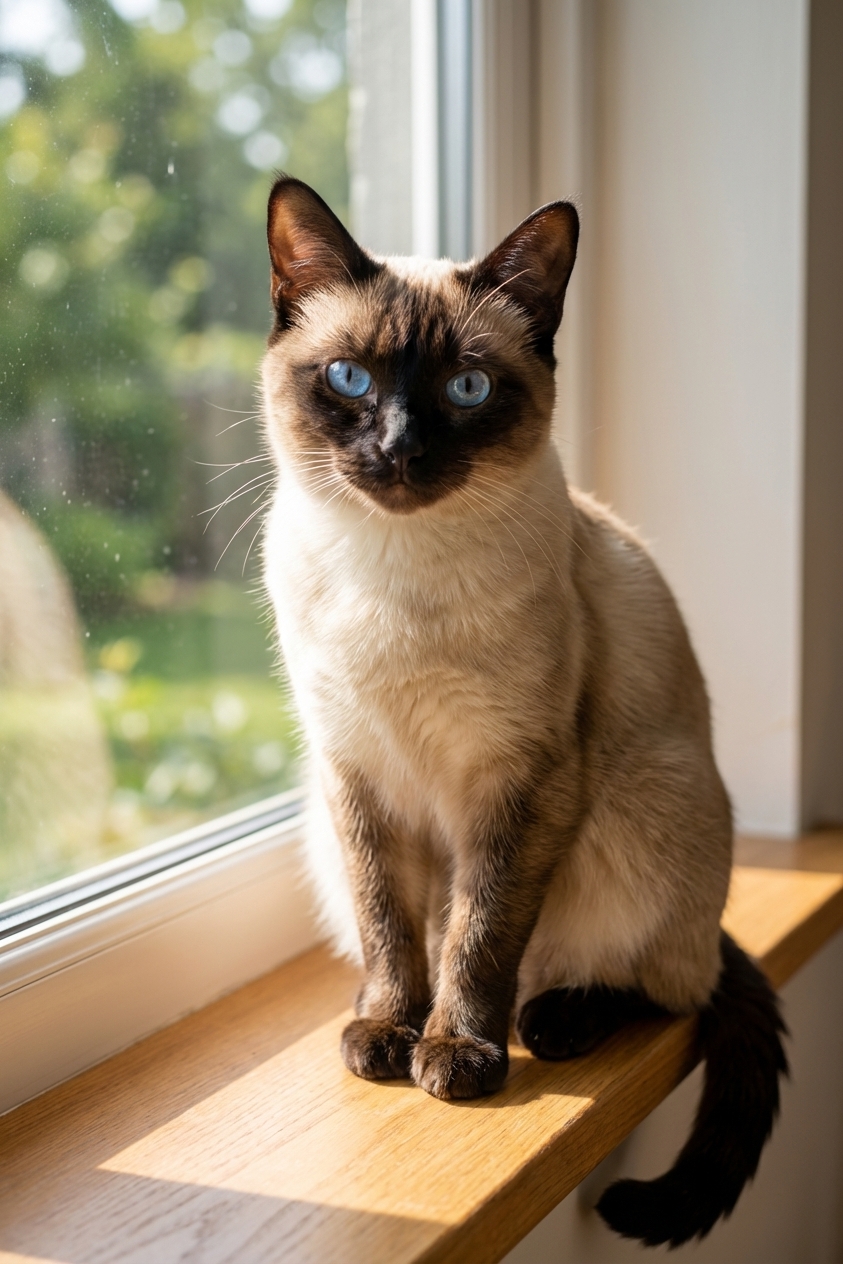
Quick Siamese overview
- Temperament: Social, curious, vocal, sensitive, highly bonded to people
- Energy level: Medium to high, especially in young cats
- Coat care: Short coat, generally easier grooming; often less noticeable shedding than many double-coated breeds (but they still shed year-round)
- Best fit homes: Households that want an interactive cat and can provide daily play and companionship
- Life expectancy: Often 12 to 16+ years with good care, genetics, and preventive vet visits
Personality traits
They bond deeply
This breed tends to form strong attachments to their people. Many will follow you from room to room, supervise chores, and settle near you whenever possible. This closeness is wonderful, but it also means they can struggle if they are regularly left alone for long stretches.
If your household is gone most of the day, consider whether you can add structured enrichment, a pet sitter drop-in, or even a compatible feline companion. Many Siamese do better with another cat to socialize with, especially if they are introduced thoughtfully and slowly.
They are famously vocal
They often communicate with loud, distinct meows. Some owners describe it as having a cat that “holds conversations.” Vocalization can be normal for the breed, but sudden changes in voice, frequency, or intensity can signal stress or medical issues like pain, hyperthyroidism, or cognitive changes in senior cats.
One practical note: try not to accidentally train the behavior. If yowling reliably leads to food or immediate attention, some cats will understandably do it more. Instead, reward quiet moments and build predictable routines around meals and play.
They are smart and easily bored
They generally thrive with enrichment. Without it, you may see behaviors like nighttime zoomies, persistent meowing, or getting into cabinets. The goal is not to “stop the Siamese from being Siamese,” but to give that brain something healthy to do.
A note on “types”
You may hear people talk about “traditional” (Thai-style) and “modern” (more wedge-shaped) Siamese. Personality is often similar across types, but health tendencies can vary by line and breeding priorities. That is one reason choosing a responsible breeder or a reputable rescue matters.
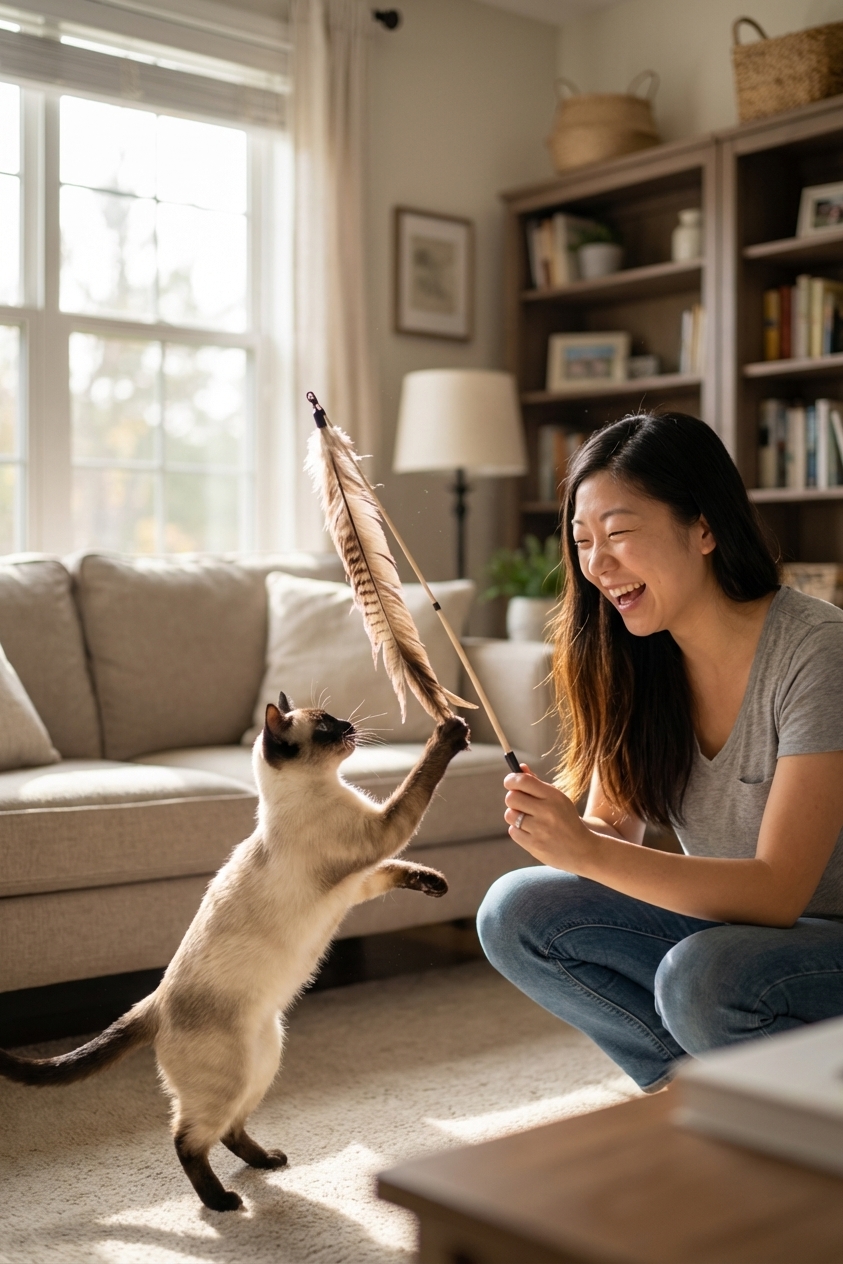
Is a Siamese right for your home?
Ask yourself these questions before committing:
- Do I want a cat that needs daily attention and interactive play?
- Am I okay with a cat that may meow frequently and loudly?
- Can I provide vertical space, scratching options, and puzzle toys?
- Do I have time and budget for preventive veterinary care?
If you answered “yes” to most of these, you are likely a great candidate for a Siamese. If you want a more independent, quiet cat, you might feel overwhelmed by one in a small or low-stimulation environment.
Complete care basics
Nutrition
Feeding a Siamese is not drastically different from feeding other cats, but their lean build and high activity can make diet quality really noticeable. Choose a complete and balanced food appropriate for your cat’s life stage (kitten, adult, senior). For most cats, a diet with strong animal-based protein is ideal. Your veterinarian can help you pick a plan that fits your cat’s body condition, preferences, and any medical needs.
- Prioritize hydration: Many cats do better with at least some wet food, especially if they are prone to urinary issues. A cat water fountain can help too.
- Keep treats modest: Aim for treats to stay under about 10% of daily calories.
- Watch body condition: You should be able to feel ribs with a light layer of padding, and your cat should have a visible waist when viewed from above.
If your cat has vomiting, chronic soft stool, itchy skin, or repeated ear infections, talk with your veterinarian about the possibility of food sensitivity or another medical cause before switching diets repeatedly.
Grooming and coat care
They have short coats that are typically easy to maintain. A quick brush once a week can reduce loose hair and help you spot skin problems early.
- Nails: Trim every 2 to 4 weeks, depending on growth and scratching habits.
- Teeth: Dental health is a big deal in cats. Daily brushing is best, but even a few times per week helps. Ask your vet about dental diets or approved dental treats if brushing is not realistic right away.
- Ears and eyes: Wipe away mild debris with a damp cotton pad. If you see redness, bad odor, or thick discharge, schedule a vet visit.
Exercise and enrichment
They do best when their day includes structured play and independent enrichment. Think of it like meeting a working dog’s mental needs, just in a cat’s body.
- Interactive play: 10 to 15 minutes, 1 to 2 times daily using wand toys or chase games.
- Climbing: Cat trees, window perches, and shelves give them safe vertical territory.
- Puzzle feeders: Great for slowing fast eaters and reducing boredom.
- Training: Many enjoy clicker training for sit, high-five, target touch, and carrier comfort.
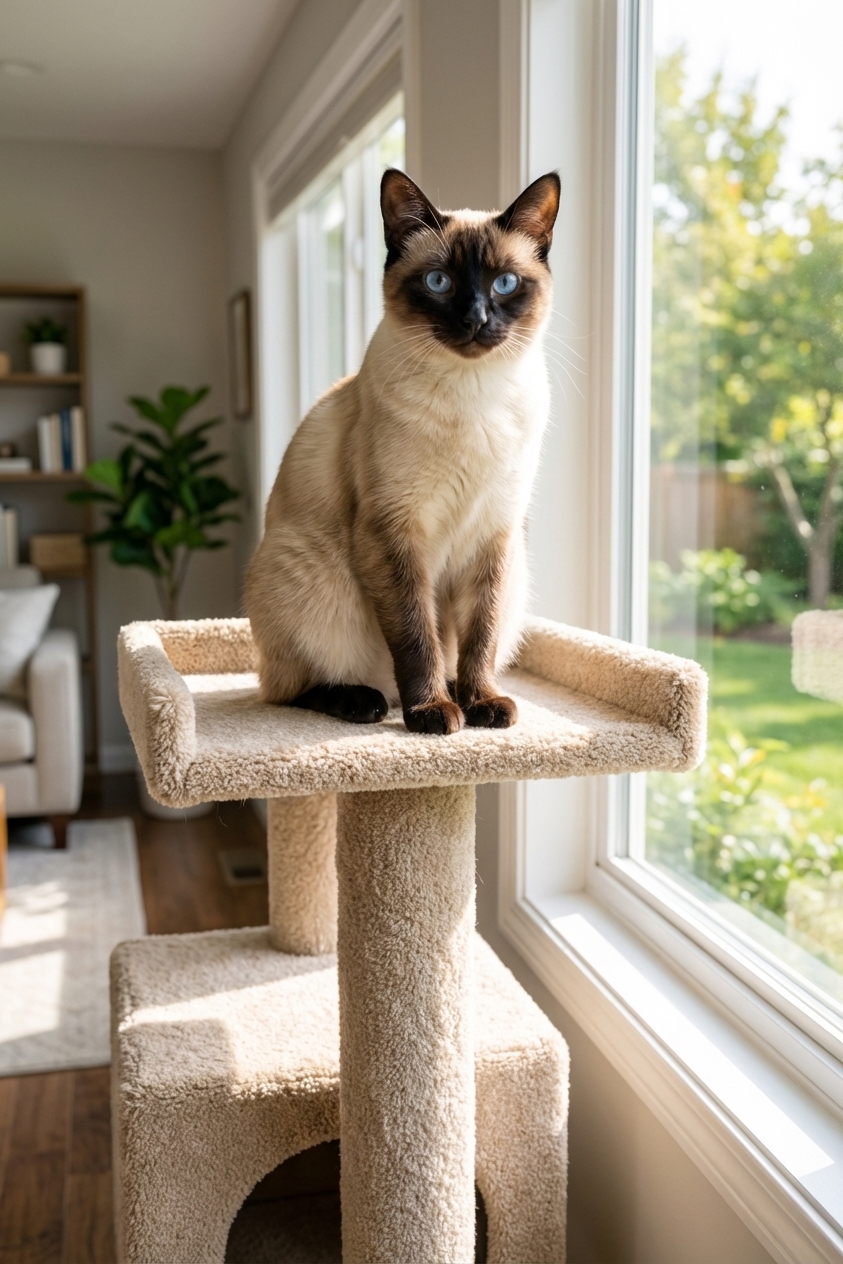
Litter box and home setup
Stress and litter box issues can go hand-in-hand, especially with smart, sensitive cats. A good setup prevents so many problems.
- Box count: Aim for one box per cat, plus one extra.
- Placement: Quiet, accessible, and not next to loud appliances.
- Cleanliness: Scoop daily, top off as needed, and fully replace per your litter type (often every 1 to 4 weeks).
- Scratching: Provide vertical and horizontal scratchers near sleeping areas and social zones.
Common Siamese health concerns
No breed is “guaranteed” to have certain diseases, but Siamese cats can be predisposed to a few conditions. Knowing what to watch for helps you catch issues early, when treatment tends to be easier and outcomes are better. If you have questions about your cat’s specific risk (especially if you know their family line), your veterinarian is the best resource.
Dental disease
Like many cats, they can develop gingivitis and periodontal disease. Signs include bad breath, drooling, pawing at the mouth, tartar buildup, and dropping food. Preventive dental care, including professional cleanings when recommended by your veterinarian, can protect comfort and overall health.
Asthma and airway disease
Siamese are well known for having a higher risk of feline asthma (also called chronic bronchitis in some cases). This is different from the common “upper respiratory infections” many cats get, especially in shelters. Asthma signs can include coughing (often mistaken for a hairball), wheezing, rapid breathing, or breathing with increased effort. Open-mouth breathing is never normal and needs urgent veterinary care.
Heart disease (including hypertrophic cardiomyopathy)
Hypertrophic cardiomyopathy (HCM) can occur in cats of many breeds. You might not see symptoms early. Your veterinarian may detect a heart murmur or abnormal rhythm during a routine exam. If recommended, an echocardiogram can provide clearer answers.
Kidney and urinary tract issues
Urinary problems are common across cat breeds. Watch for frequent trips to the litter box, straining, blood in urine, peeing outside the box, or crying while urinating. Male cats can develop life-threatening urinary blockages, which is an emergency.
Eye and vision issues
They can have unique eye traits, including mild strabismus (crossed eyes) or nystagmus in some individuals. Not all differences are dangerous, but squinting, redness, cloudiness, or pawing at the eyes should always be checked promptly. Some Siamese and related lines may also be predisposed to inherited eye disease such as progressive retinal atrophy (PRA), depending on lineage.
Amyloidosis (in some lines)
Amyloidosis is an inherited condition reported in Siamese and related breeds where abnormal protein can deposit in organs (commonly the liver, sometimes kidneys). It is not something every Siamese will face, but it is worth knowing about if your cat develops unexplained weight loss, decreased appetite, vomiting, increased thirst, or abnormal lab work. Your veterinarian can guide diagnostics and monitoring.
Pica and wool-sucking
Some Siamese and other Oriental-type cats are prone to chewing or sucking on fabric (often called wool-sucking) or eating non-food items (pica). Sometimes it is a stress response or boredom, and sometimes it overlaps with medical issues like GI upset or nutritional imbalance. If you notice fabric chewing, string obsession, or ingestion of non-food objects, bring it up with your veterinarian right away. Foreign body obstructions can become emergencies.
If your cat is suddenly more vocal, hiding, not eating, drinking more than usual, losing weight, coughing, or having litter box changes, treat it as a medical clue. Cats are masters at masking illness.
When to seek urgent care
- Breathing trouble: open-mouth breathing, severe effort to breathe, blue or gray gums, or collapse
- Urinary emergency: straining with little or no urine, repeated box visits with no output, crying in the box (especially in male cats)
- Possible foreign body: repeated vomiting, painful belly, not eating, lethargy after chewing string, ribbon, fabric, or toys
- Severe lethargy or sudden weakness: especially with pale gums or a very fast or very slow breathing rate
Preventive care schedule
Vet visits
- Kittens: Visits every 3 to 4 weeks for vaccines, deworming guidance, growth checks, and socialization support.
- Adults: At least yearly exams. Twice yearly can help catch subtle issues early, especially in cats where stress or behavior changes may be the first sign something is off.
- Seniors: Often every 6 months, plus routine lab work to screen for kidney disease, thyroid disease, diabetes, and other common problems.
Vaccines and parasite prevention
Vaccines and parasite prevention should be tailored to your cat’s lifestyle and local risk. Even indoor-only cats can be exposed through a screened porch, a door-dash moment, or pests that come inside. Your veterinarian can help you choose a plan that is appropriate and not excessive.
Choosing a healthy Siamese
If you are buying from a breeder, look for someone who prioritizes health and temperament, not just looks. Ask what health screening is done in the breeding cats (for example, cardiac screening and any relevant genetic testing based on the line), what the kittens are exposed to during early socialization, and what support the breeder provides after adoption.
If you are adopting, ask the rescue or shelter about observed behavior, appetite, litter box habits, and any medical history. A post-adoption veterinary exam is always a smart first step.
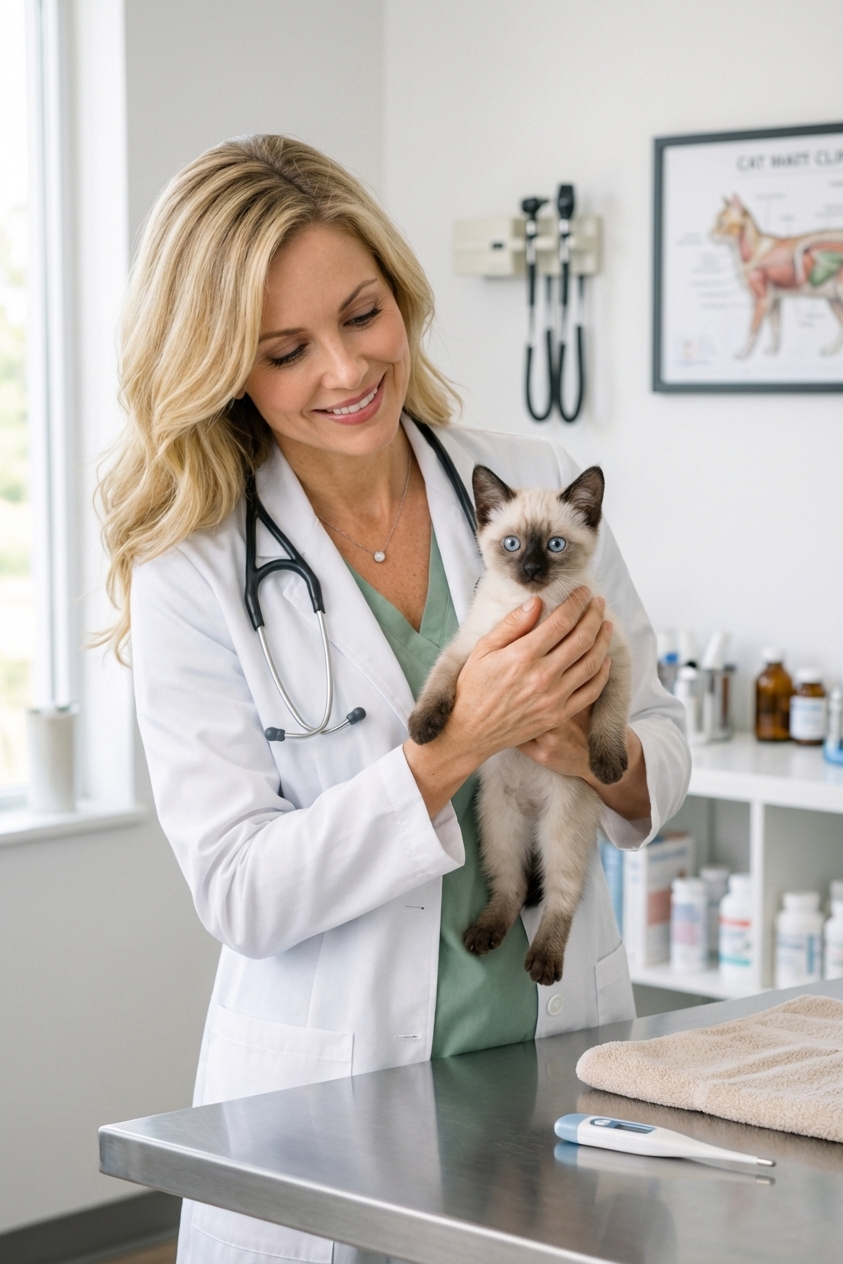
Bringing your Siamese home
A calm, predictable start can prevent weeks of stress. Set up a safe room for the first few days with food, water, litter box, a cozy hiding spot, and a scratcher. Let your cat approach you, then build confidence with play, treats, and routine.
- Carrier training: Leave the carrier out with a soft blanket and occasional treats inside.
- Slow introductions: If you have other pets, use scent swaps and gradual visual introductions.
- Routine: Feed, play, and rest at consistent times. Many Siamese thrive on predictability.
Bottom line
Siamese cats are loving, intelligent, and wonderfully interactive. Their biggest care requirement is usually not grooming. It is companionship and enrichment. If you can provide daily play, a stimulating environment, quality nutrition, and consistent preventive vet care, a Siamese can be an incredibly rewarding family member for many years.