A complete Shih Tzu puppy care guide from a veterinary assistant: what to buy, feeding schedule, potty training routines, grooming and tear-stain care, safe ...
Article
•
Designer Mixes
Shorkie (Shih Tzu Yorkie Mix): Personality, Size, and Health Tips

Shari Shidate
Designer Mixes contributor
If you are looking for a small dog with a big heart and an even bigger opinion, the Shorkie might be your perfect match. This Shih Tzu Yorkie mix often blends the Shih Tzu’s cuddly, people-focused nature with the Yorkshire Terrier’s bold, alert, take-charge energy. The result is a pint-sized companion who wants to be close to you, but also likes to do things their way.
As a veterinary assistant, I love Shorkies because they keep life interesting. They are affectionate and funny, but they also benefit from consistent routines, gentle training, and proactive health care, especially dental care and steady meal timing.

Personality: sweet and spunky
Most Shorkies are deeply attached to their people. Many want to be in your lap, follow you from room to room, and supervise everything you do. At the same time, the Yorkie side can bring a confident, vocal, terrier-style attitude. In clinic, I often see them act brave on the exam table right up until they realize we are checking their teeth.
Common temperament traits
- Affectionate and loyal: Often bonds strongly with one or two people, but can be friendly with the whole household when socialized early.
- Alert watchdog energy: Shorkies frequently bark at noises, visitors, or anything they consider suspicious.
- Playful and feisty: They are small, but many act like they are ten feet tall.
- Sensitive: Harsh corrections can make them shut down or become more stubborn. Calm, consistent guidance works best.
Are Shorkies good family dogs?
They can be wonderful in families, especially with older kids who understand gentle handling. Because they are small and easy to injure, rough play can lead to accidents. If you have toddlers, plan on close supervision and teaching “hands-off” boundaries from day one.

Size and weight
Shorkies are typically in the toy-size range, but exact size depends on which parent they take after and the size of the parents themselves. Breeder lines vary a lot, so expect a range rather than a guarantee.
Typical Shorkie size
- Height: often about 6 to 11 inches at the shoulder
- Weight: commonly about 4 to 12 pounds, though some fall outside this range (especially 5 to 15 pounds)
It is not unusual to see petite Shorkies closer to 4 to 8 pounds, especially when bred from smaller Yorkies. A sturdier Shih Tzu line can push them into the low teens.
Why size matters medically
In tiny dogs, even small weight changes are a big deal. A one-pound gain on a 6-pound dog is significant. Keep an eye on body condition, not just the scale, and ask your vet team to show you how to score your dog’s body condition at home.
Coat and grooming
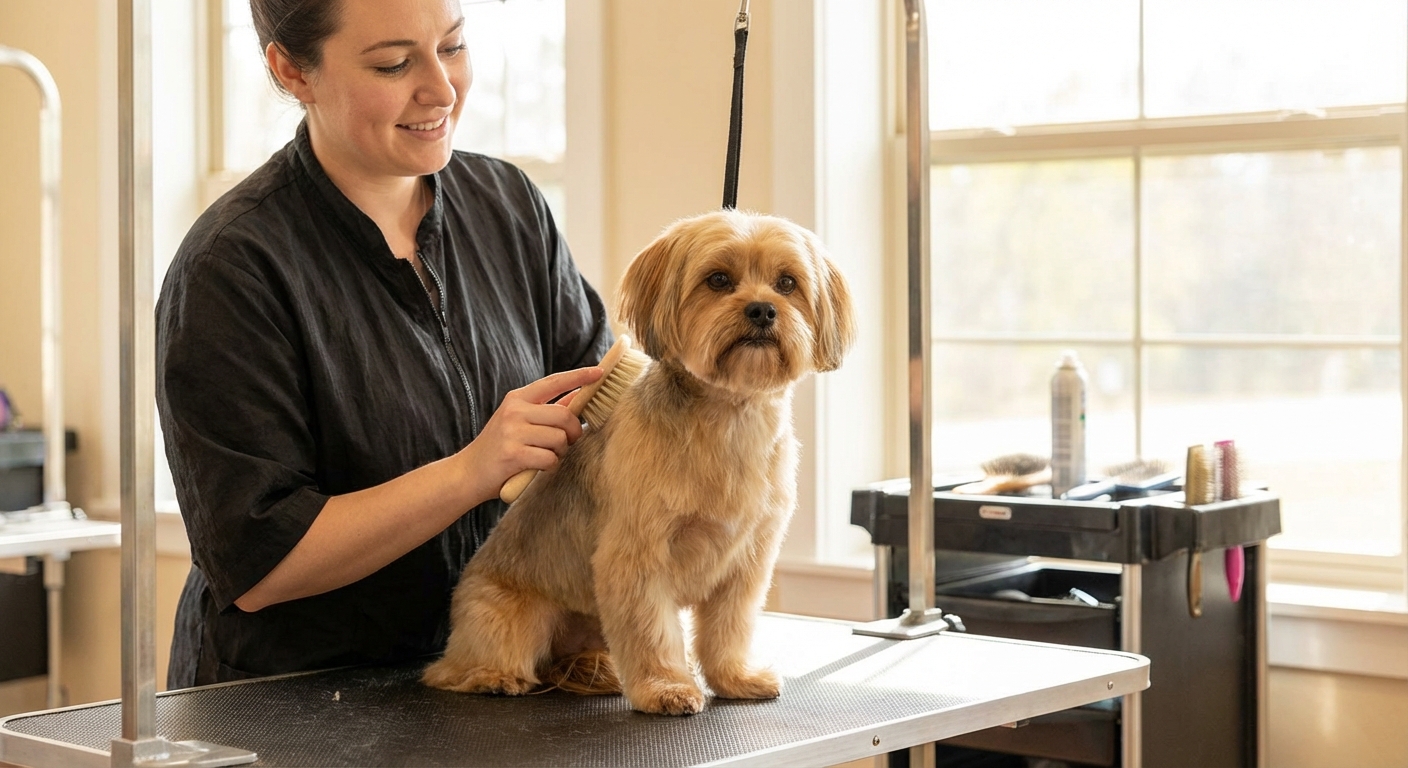
Shorkies often have a soft, silky coat that can range from straight to wavy. Many shed less than other dogs, but coat type varies and no dog is truly non-shedding or hypoallergenic. Even low-shedding coats can be high-maintenance. Their coat can mat quickly, especially behind the ears, under the collar, and on the legs and belly.
A grooming routine that works
- Brush: ideally 4 to 6 days per week, or daily if the coat is kept long
- Bath: about every 3 to 4 weeks (more often if they get dirty paws)
- Haircuts: every 6 to 8 weeks for most pet trims
- Eye care: gently wipe tear staining daily with a soft, damp cloth
- Ear care: check weekly for redness, odor, or wax buildup
Many Shorkie families love a “puppy cut” because it reduces matting and makes home brushing easier. If you keep the coat long, plan on more frequent brushing and professional grooming.
Quick note on tear staining: wiping helps keep the area clean, but persistent tearing can have underlying causes such as hair irritation, allergies, or blocked tear ducts. If it is frequent, smelly, or paired with squinting or redness, it is worth a vet visit.
Exercise and enrichment
Shorkies do best with a little daily movement and a lot of together time. Most are happy with a couple of short walks plus indoor play, as long as you keep it consistent.
- Daily activity: 20 to 45 minutes total for many adults, split into short sessions
- Brain work: sniff walks, basic training refreshers, food puzzles, and “find it” games
- Tiny dog caution: watch for overexertion, overheating, or jumping off furniture. Use ramps or steps if your dog is a frequent jumper.
In clinic, one of the most common issues I hear is “he acts tired but still wants to play.” When in doubt, choose several short bursts of activity instead of one long session.
Common health issues
Mixed-breed dogs can be wonderfully hardy, but they can still inherit health tendencies from both parent breeds. The best approach is simple and effective: preventive care, early detection, and smart daily habits at home.
1) Dental disease
Shorkies are at high risk for tartar buildup, gum inflammation, and tooth loss. Small mouths often mean crowded teeth, and crowded teeth trap plaque. This is one of the top problems I see with Shorkie-type mixes, even in young adults.
Helpful signs to watch for: bad breath, red gums, pawing at the mouth, dropping food, chewing on one side, reluctance to eat hard kibble.
What helps:
- Brush teeth daily or at least 4 times per week using dog-safe toothpaste.
- Ask your vet about early professional dental cleanings, especially if your Shorkie has crowded teeth.
- Use VOHC-accepted dental chews if your dog tolerates them well.
2) Hypoglycemia (low blood sugar)
Hypoglycemia is a top concern in very small dogs, especially puppies. It can happen when a dog does not eat enough, becomes stressed, plays hard without refueling, or gets sick.
Signs can include: weakness, wobbliness, shaking, acting “spacey,” staring, collapse, or seizures.
Prevention tips:
- Puppies: feed 3 to 4 meals per day in early puppyhood, then adjust as your vet recommends.
- Avoid long gaps between meals for very small Shorkies.
- During travel or stressful events, keep meals consistent and bring familiar food.
Adult note: if an adult Shorkie has recurring low blood sugar episodes, it deserves a veterinary workup. Causes can include underlying illness (including liver issues), endocrine problems, infection, or not absorbing nutrients well.
Urgent note: If you suspect hypoglycemia, contact an emergency veterinarian right away. If your dog is conscious and able to swallow, your vet may advise rubbing a small amount of corn syrup or honey on the gums while you head in. Do not force anything by mouth if your dog is not fully alert.
3) Liver shunt
Liver shunts are more common in small and toy breeds. A shunt is an abnormal blood vessel that diverts blood around the liver, reducing the liver’s ability to filter toxins.
Possible signs: poor growth, low appetite, vomiting or diarrhea, excessive thirst or urination, behavior changes after eating (staring, pacing), urinary crystals or bladder stones.
What to do: If your Shorkie has ongoing GI issues, poor weight gain, or “off” episodes after meals, ask your vet about bile acid testing or other diagnostics. Depending on the case, your vet may also discuss ammonia testing and imaging such as ultrasound or CT angiography. Many dogs can do well with a tailored plan, and some shunts are treatable with surgery.
Other issues Shorkies may face
- Luxating patella: kneecap slipping, often seen as a skipping gait.
- Tracheal collapse: honking cough, worse with excitement or pulling on a collar.
- Eye irritation: hair rubbing the cornea, dry eye, or chronic tearing.
- Allergies and skin sensitivity: itching, licking paws, ear infections.
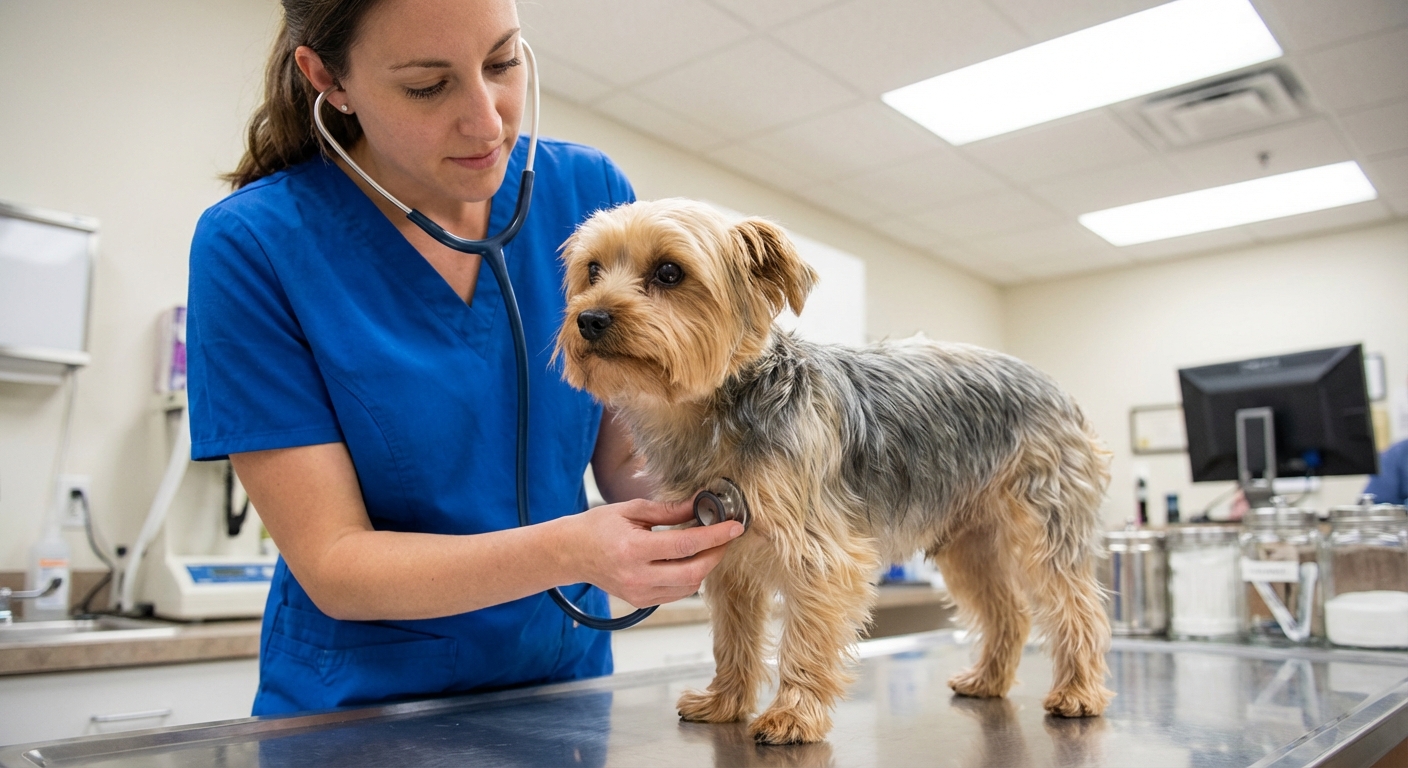
Partnering with your vet team early is a gift to your Shorkie. Small dogs often hide discomfort until problems are advanced, so routine exams really matter.
Training tips
Shorkies are smart, but they can be stubborn. The Shih Tzu side may be independent, and the Yorkie side may be determined. That is not a bad thing. It just means training should be short, positive, and consistent.
What works best
- Keep sessions short: 3 to 5 minutes, a few times per day.
- Use high-value rewards: tiny soft treats, praise, and play.
- Be consistent with rules: if barking at the door is allowed “sometimes,” it will become “always.”
- Teach calm: reward quiet behavior, not just tricks.
House training
Many toy breeds take longer to house train because their bladders are tiny. Set your Shorkie up for success:
- Take them out first thing in the morning, after meals, after play, and after naps.
- Use a predictable potty schedule and a consistent outdoor spot.
- Consider crate training and or a playpen for safe supervision.
- If you live in an apartment or have extreme weather, potty pads can be a helpful bridge, but keep the routine clear so your dog understands where “yes” is.
Barking
Shorkies often bark because they are alert and easily reinforced. If barking gets attention, it will grow. Teach a simple “quiet” cue, reward silence, and provide enrichment like sniff walks and food puzzles so they are not looking for a job at the window.
Daily care checklist
Small steps add up fast with little mixes. If you want a simple routine that supports long-term health, start here.
- Dental: brush teeth regularly and schedule dental exams as recommended.
- Nutrition: feed a high-quality, age-appropriate diet. For training, budget treats as part of daily calories and keep them small.
- Meal timing: consistent feeding times, especially for puppies and tiny adults.
- Safe walking gear: use a harness instead of a collar to reduce neck and trachea strain.
- Grooming: brush, keep hair out of eyes, and check ears weekly.
- Preventives: stay current on parasite prevention and vaccines based on your vet’s guidance.
If you only pick one “extra” habit, make it tooth brushing. Dental disease is painful, expensive, and incredibly common in toy breeds, but it is also one of the most preventable issues we see.
Lifespan
Many Shorkies live about 12 to 15 years, and some live longer. Genetics, dental care, weight management, and early treatment of chronic issues can make a real difference in quality of life over time.
Is a Shorkie right for you?
A Shorkie can be an amazing companion if you want a dog who is affectionate, portable, and full of personality. They do best with people who enjoy daily interaction, can commit to grooming and dental care, and appreciate a confident little dog who may try to run the household.
Choosing a breeder or rescue
If you are adopting a Shorkie puppy or adult, schedule a vet visit early. If you are buying from a breeder, ask about the parents’ size and health history, and look for transparency around health testing. Useful screening discussions often include patellas, eye health, and basic cardiac checks. Also be cautious of online puppy scams and sellers who will not show you where the puppies are raised or provide veterinary records.
A little planning now can mean a healthier, happier life for your tiny best friend.