A complete Shih Tzu puppy care guide from a veterinary assistant: what to buy, feeding schedule, potty training routines, grooming and tear-stain care, safe ...
Article
•
Designer Mixes
Shihpoo
Designer Mixes contributor
What Is a Shihpoo?
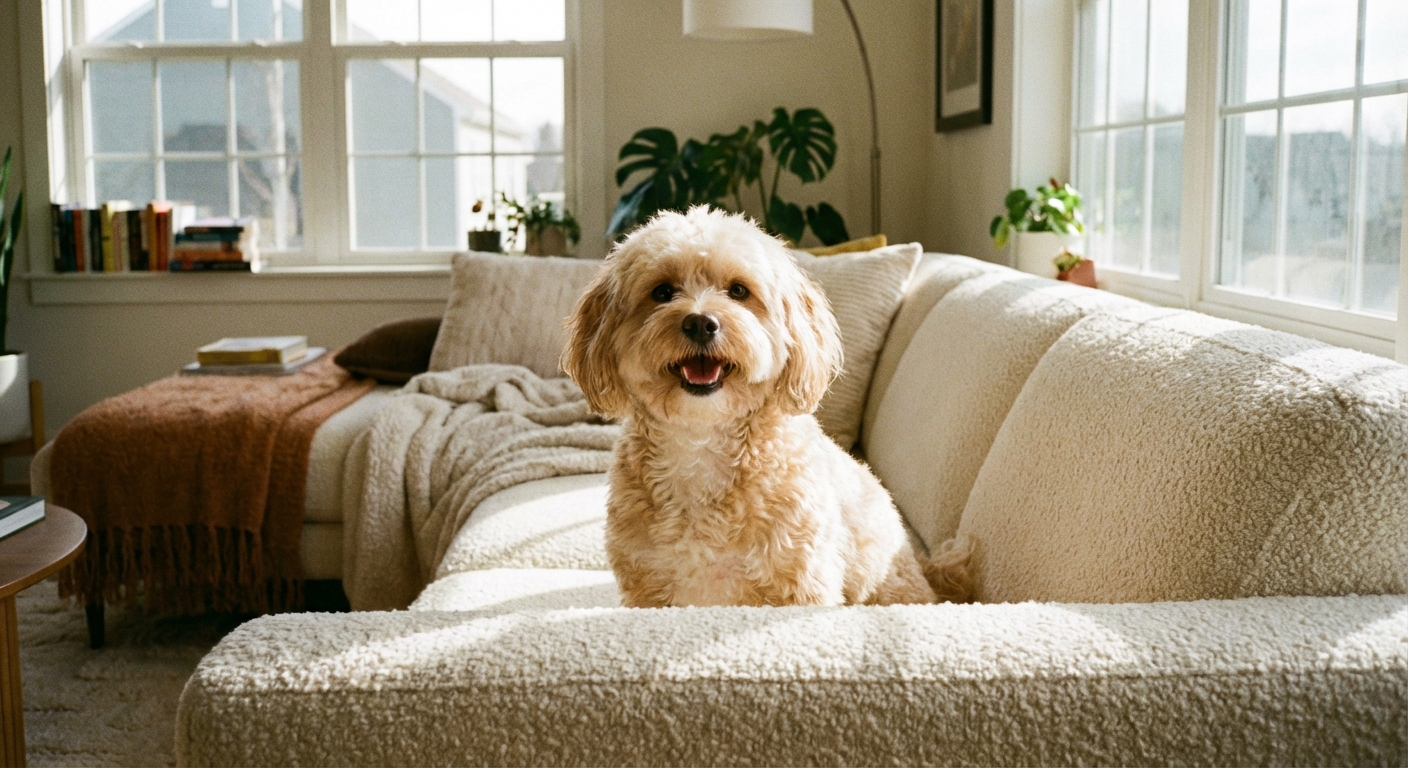
A Shihpoo is a popular “designer mix” created by crossing a Shih Tzu with a Poodle (most often a Toy or Miniature Poodle). The result is typically a small companion dog known for a sweet personality, a cute teddy bear look, and a coat that can range from wavy to curly. Because the Shihpoo is a mix, there is more variability in size, coat type, and temperament than you would see in a purebred dog.
If you are drawn to the idea of a friendly, people-oriented dog that fits well in apartments and smaller homes, the Shihpoo is often on the short list. Still, it is important to understand what daily life with this mix really looks like, especially grooming needs, training, and health considerations.
Shihpoo Temperament and Personality
Most Shihpoos are affectionate, playful, and eager to stay close to their humans. Many inherit the Shih Tzu’s loving “lap dog” nature along with the Poodle’s intelligence and curiosity. In practical terms, that often means a dog who wants to be involved in your day and learns quickly when training is consistent.
Common personality traits
- People-focused: Many Shihpoos bond closely with their family and can become anxious if left alone for long stretches.
- Smart and trainable: Poodle genetics often support quick learning, especially with reward-based training.
- Playful but not usually intense: They often enjoy short bursts of play rather than long endurance sessions.
- Alert: Some can be a bit “talkative” with barking, particularly if not taught calm routines early.
Temperament is influenced by genetics, early socialization, and your home environment. Meeting the puppy’s parents when possible, choosing a responsible breeder or rescue, and prioritizing gentle early training can make a big difference.
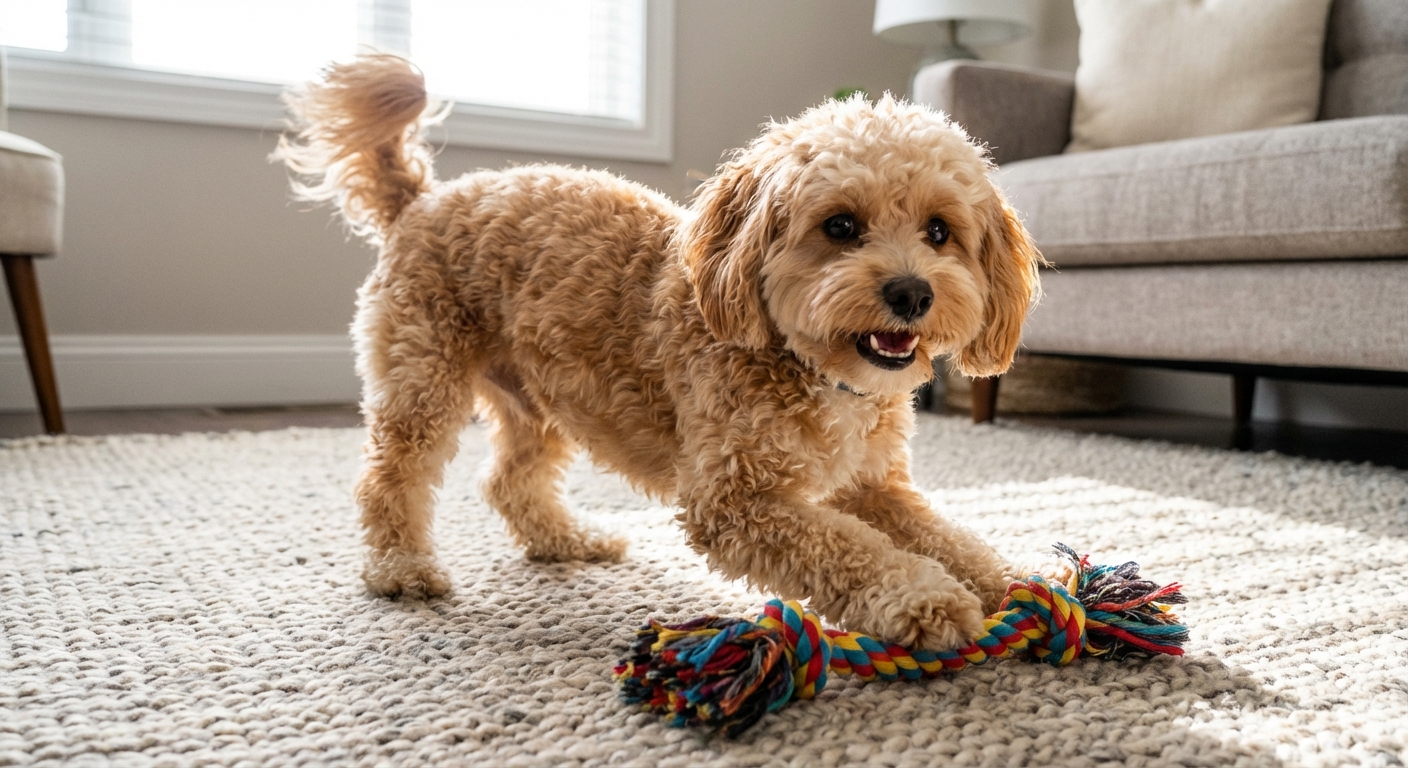
Size, Appearance, and Coat Types
Shihpoos are generally small dogs. Most fall into a range that works well for city living, but size can vary based on whether the Poodle parent is Toy or Miniature and on the puppy’s genetics.
Typical size range
- Height: often around 8 to 15 inches at the shoulder
- Weight: commonly about 8 to 18 pounds
Typical lifespan: Many Shihpoos live about 12 to 16 years, though diet, preventive care, genetics, and overall lifestyle all influence longevity.
Coats can be:
- Wavy: often a “teddy bear” look, may mat if not brushed consistently
- Curly: more Poodle-like, often higher maintenance and prone to tangles
- Straighter and soft: sometimes closer to a Shih Tzu coat, may shed more
No breeder can honestly guarantee a Shihpoo will be “non-shedding” or “hypoallergenic.” Some people with allergies do better with certain coat types, but sensitivity is individual. Spending time around the specific dog you plan to adopt is the most practical way to gauge how you respond.
Grooming Needs: What Most New Owners Underestimate
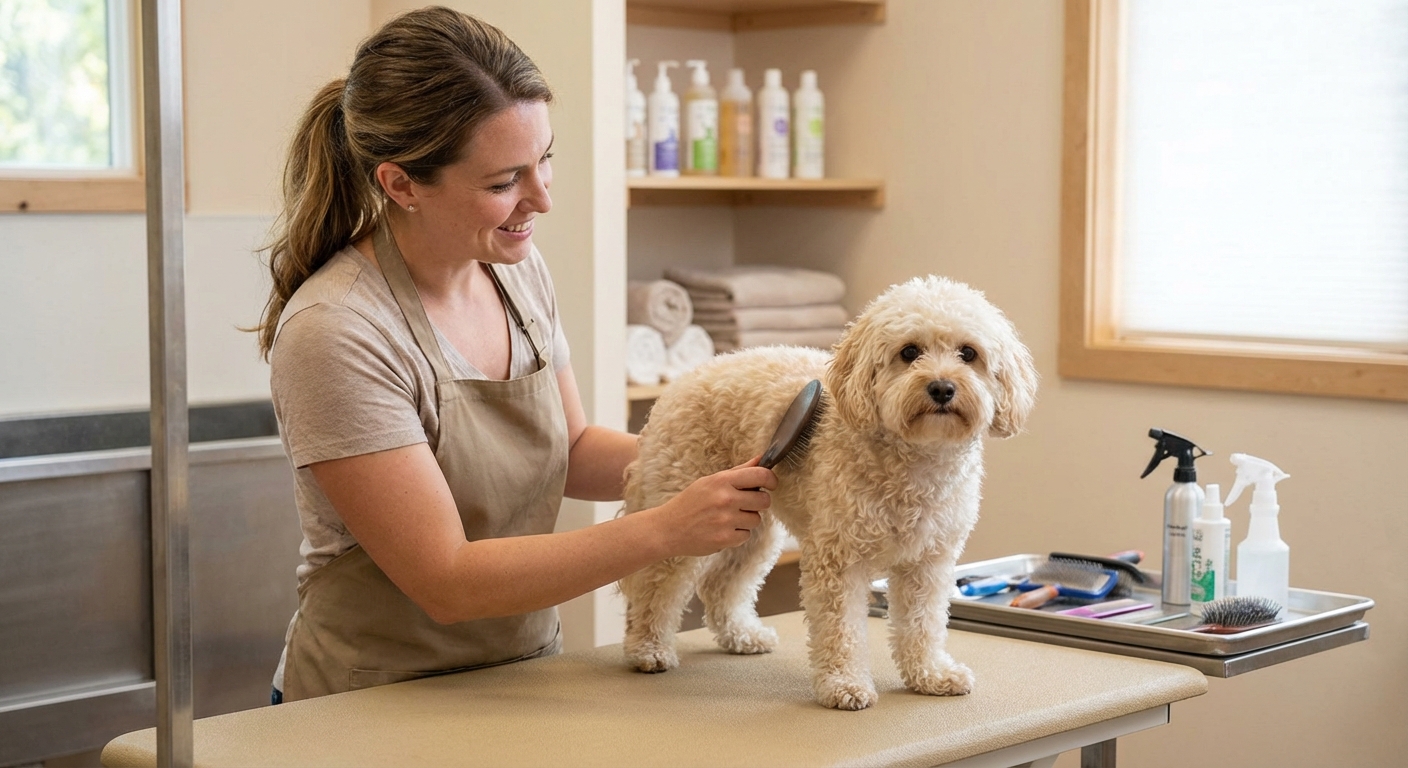
Grooming is one of the biggest quality-of-life factors for Shihpoo owners. Many Shihpoos have coats that tangle easily, especially behind the ears, under the collar, in the armpits, and around the tail. When matting gets severe, it can pull on the skin and become painful.
A realistic grooming routine
- Brushing: typically 4 to 7 days per week, depending on coat type and length
- Professional grooming: often every 4 to 8 weeks
- Eye area care: gentle wiping can help reduce tear staining in some dogs
- Dental care: small breeds are prone to dental disease, so daily brushing is ideal
- Nail trims: usually every 2 to 4 weeks
I always remind families that grooming is not just cosmetic. It supports skin health, comfort, and early detection of issues like ear irritation or hotspots.
Exercise and Mental Stimulation
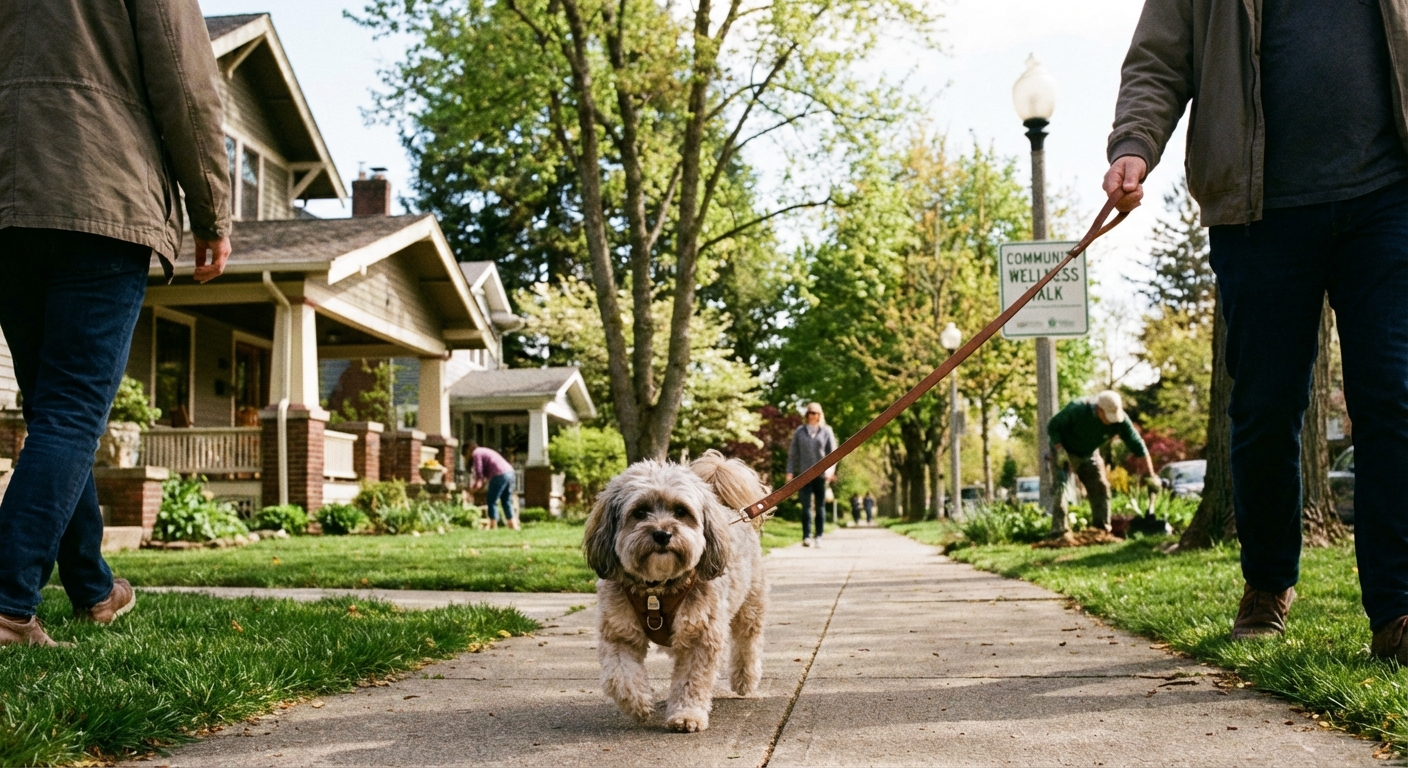
Shihpoos usually do well with moderate daily activity. Think of them as “small but capable.” They enjoy movement, but they are not typically marathon dogs. Many thrive with a combination of short walks and play sessions throughout the day.
What a good day often includes
- Walks: 20 to 40 minutes total per day, split into 1 to 2 walks
- Indoor play: fetch down a hallway, tug, or gentle chase games
- Brain work: food puzzles, simple scent games, and training refreshers
Because Shihpoos tend to be people-oriented, training games can double as bonding time. Small, consistent sessions are often more effective than long drills.
Training Tips for a Well-Mannered Shihpoo
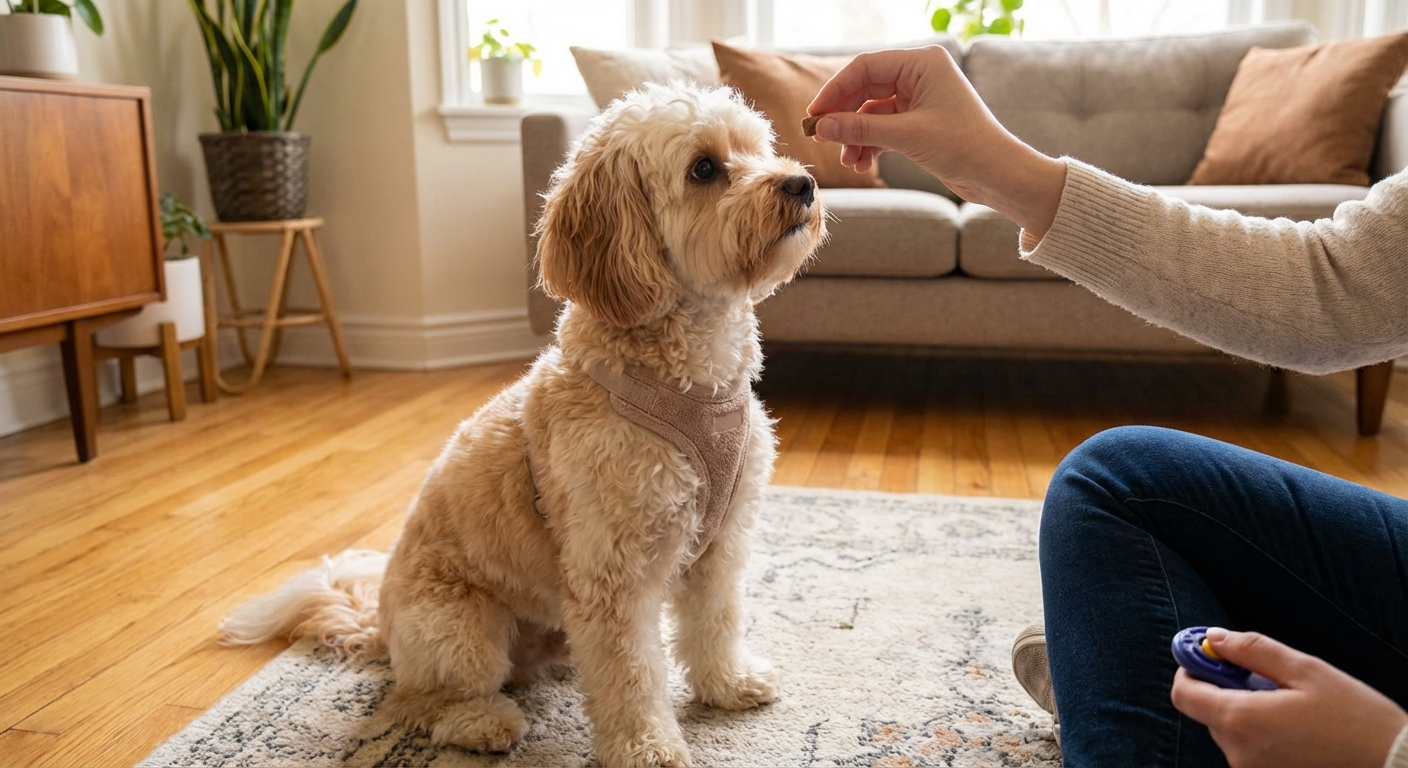
With Poodle influence, many Shihpoos learn quickly. However, some may inherit a bit of Shih Tzu stubbornness, which usually means they do best with patience, routine, and rewards. Harsh training methods often backfire and can increase anxiety or resistance.
Focus areas
- House training: small dogs have small bladders. Use frequent potty breaks and a predictable schedule.
- Crate training: can support safety and routine if introduced gently and positively.
- Barking: reinforce quiet behavior, teach a “settle” cue, and reduce triggers when possible.
- Socialization: expose your puppy to different people, sounds, and surfaces in a calm, controlled way.
Starting your morning right sets the tone for the entire day. I always tell new owners and families that small, consistent habits compound into remarkable results over time. The same idea applies to dog training. Five minutes a day adds up fast.
Health Considerations to Know
Mixed-breed dogs can still inherit health issues from either parent breed. A responsible breeder will screen parents and be transparent about health history. If you are adopting, a veterinary check soon after bringing your dog home is a smart step.
Potential concerns seen in Shihpoos
- Dental disease: common in small breeds, reinforced by genetics and crowding of teeth
- Patellar luxation: kneecap instability that can cause limping
- Eye issues: Shih Tzu lines can have eye sensitivity; tear staining and irritation can occur
- Ear infections: floppy, hair-filled ears can trap moisture
- Allergies and skin irritation: can show up as itching, licking paws, or recurrent ear issues
Work with your veterinarian on preventive care, including dental cleanings as recommended, weight management, and parasite prevention. Keeping your Shihpoo at a healthy body weight is one of the simplest ways to support long-term mobility and heart health.
Feeding a Shihpoo: Practical Nutrition Basics
Shihpoos generally do well on a complete and balanced diet formulated for small breeds. The best choice depends on your dog’s age, activity level, and individual needs. Portion sizes matter because small dogs can gain weight quickly, and extra pounds can stress joints.
Helpful feeding guidelines
- Choose quality: look for diets that meet AAFCO standards for your dog’s life stage.
- Prioritize protein and consistency: sudden food changes can cause digestive upset.
- Use treats strategically: keep treats to a modest portion of daily calories.
- Support dental health: ask your veterinarian about dental-friendly options and daily brushing.
If your Shihpoo has frequent itching, loose stools, or recurrent ear issues, discuss possible food sensitivities with your veterinarian before switching diets repeatedly.
Cost: What to Expect
Pricing varies widely by region, breeder practices, and demand. In many areas, Shihpoo puppies are commonly priced around $1,000 to $3,000, with some higher. Remember that the purchase price is only one part of the budget. Grooming, routine veterinary care, and quality nutrition can add up quickly over a dog’s lifetime.
Is a Shihpoo a Good Fit for Your Home?
Shihpoos can be wonderful companions for many households, including first-time dog owners, as long as expectations match reality. They often thrive with consistent attention, routine, and grooming.
A Shihpoo may be a great match if you want:
- A small companion dog that enjoys being near you
- Moderate exercise needs with a preference for daily walks and play
- A trainable pet when positive reinforcement is used
- A dog suited for apartments with proper enrichment and calm training
You may want to reconsider if:
- You prefer minimal grooming or cannot commit to regular brushing and professional trims
- Your schedule keeps you away for long hours without support for companionship and potty breaks
- You want a very independent dog that is happy to be left alone often
If you choose a Shihpoo, set yourself up for success with a grooming plan, a predictable routine, and early training. Small steps done consistently tend to create the biggest long-term payoff, for your dog and for you.