A complete Shih Tzu puppy care guide from a veterinary assistant: what to buy, feeding schedule, potty training routines, grooming and tear-stain care, safe ...
Article
•
Designer Mixes
Shih Tzu vs. Maltese: Choosing the Best Lap Dog

Shari Shidate
Designer Mixes contributor
Few things feel better than a small dog curled up in your lap after a long day. If you are choosing between a Shih Tzu and a Maltese, you are already in “professional cuddler” territory. Both breeds are affectionate, people-focused, and well-suited for apartment living. But they have real differences in grooming, training style, health risks, and how they handle a busy household.
As a veterinary assistant here in Frisco, Texas, I always encourage families to choose the dog that fits their lifestyle, not just the cutest face. One important note up front: these are breed tendencies, not guarantees. Individual personality, early socialization, and breeding quality matter a lot.
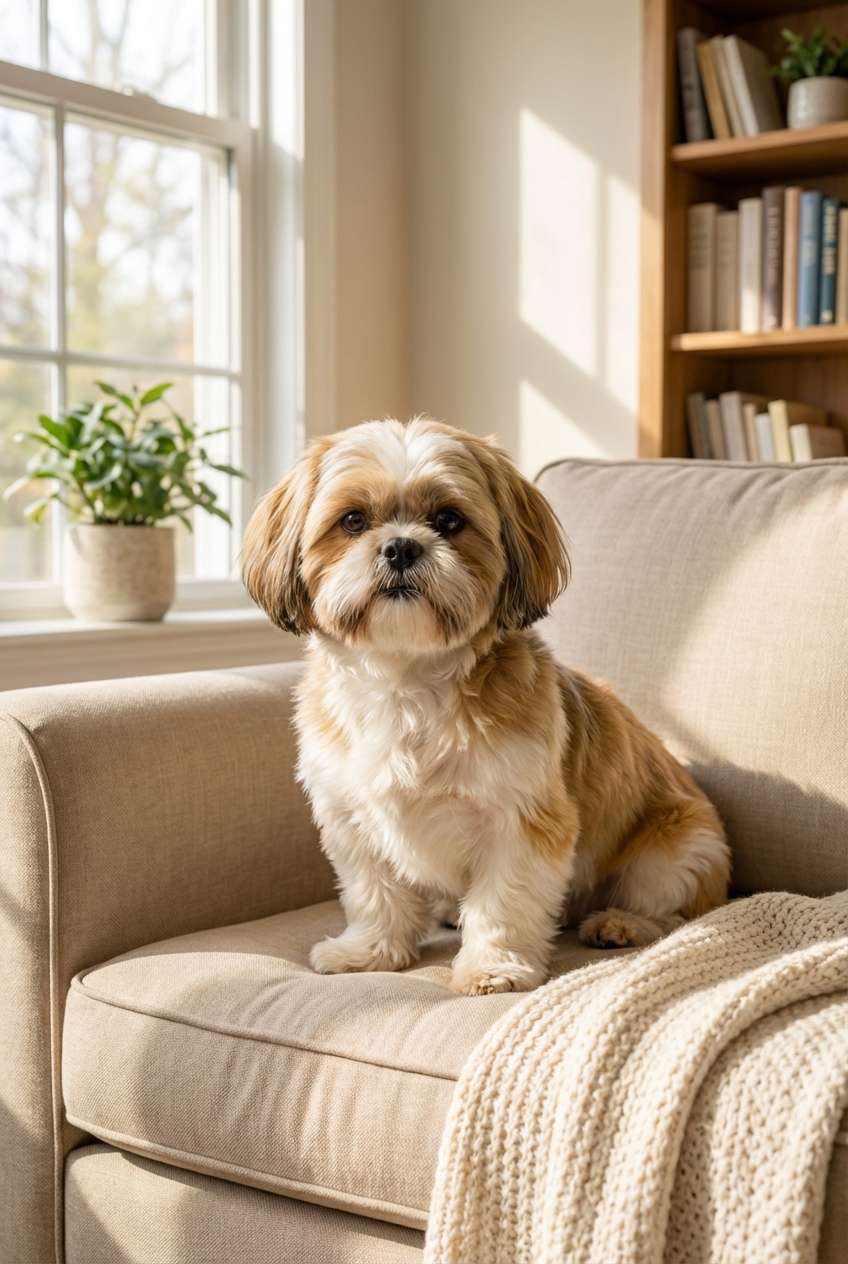
Quick snapshot
- Temperament: Shih Tzu often leans laid-back and steady; Maltese often leans lively, alert, and very people-attached.
- Size: Both are small; Shih Tzu is usually heavier and more solidly built.
- Grooming: Both need consistent coat care; Maltese coats mat easily and tear staining is common.
- Training: Both can do very well with positive reinforcement; Maltese may be more eager to learn, Shih Tzu can be more independent.
- Health considerations: Both have higher dental disease risk; Shih Tzus can be more prone to airway and eye issues due to facial structure, though risk varies by genetics and how extreme the face is.
- Typical weight: Shih Tzu often 9 to 16 lb; Maltese often 4 to 7 lb.
- Typical lifespan: Often 12 to 15 years for both, sometimes longer with great preventive care.
Personality and lap dog vibes
Shih Tzu
Shih Tzus were bred to be companion dogs, and it shows. Many are content to follow you from room to room, then settle in for a nap. They can be playful, but a lot of Shih Tzus are happiest with a predictable routine and a calm home environment.
Best fit: If you want a sweet, steady companion who can handle gentle play and then switch to cuddle mode quickly, a Shih Tzu often fits beautifully.
Maltese
Maltese dogs are also true companions, but they often bring more sparkle and spunk. Many are very tuned in to their people and may want to be involved in everything. They can be sensitive and sometimes a bit barky if not taught quiet habits early.
Best fit: If you want an affectionate shadow who enjoys interaction, training games, and being carried around like royalty, a Maltese can be an excellent choice.
Size and family fit
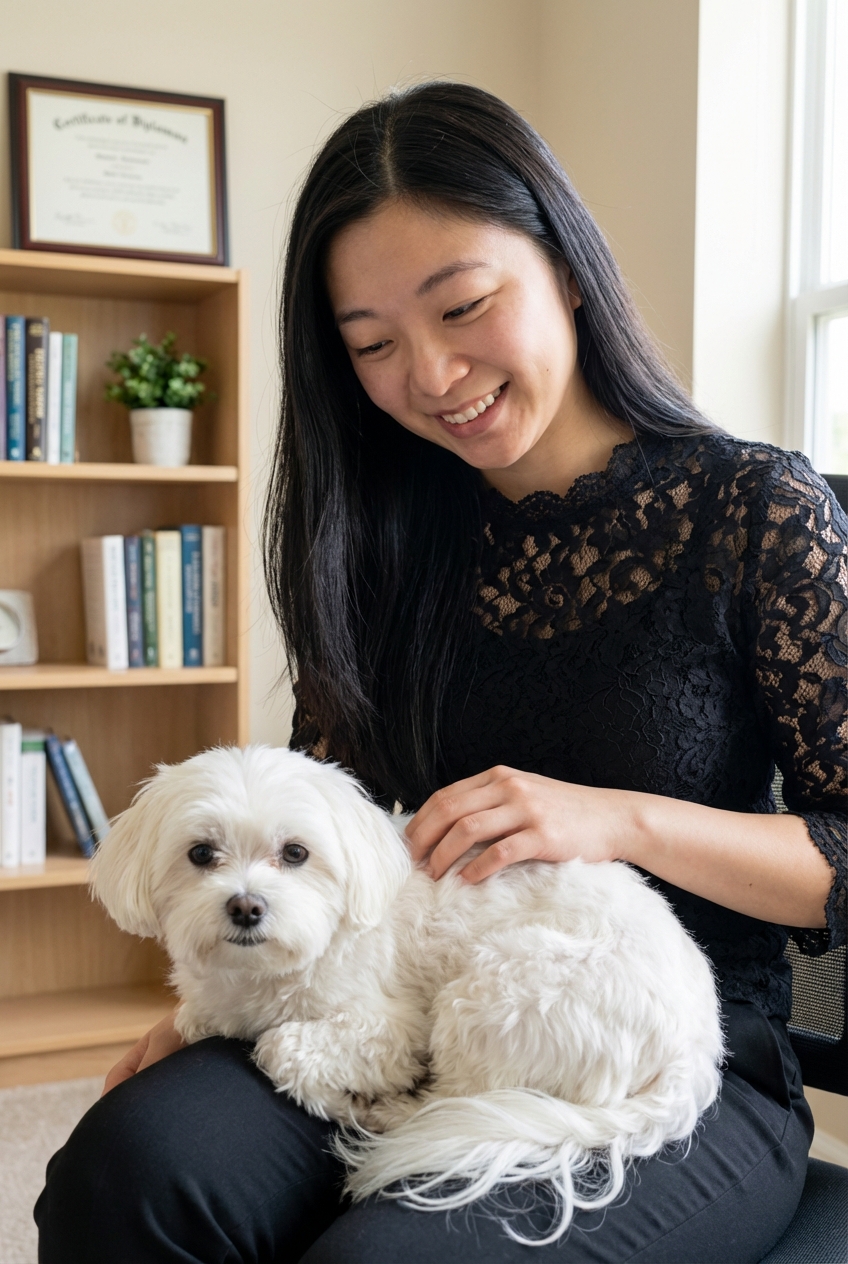
Both breeds are small, but they do not always feel the same in real life.
- Shih Tzu: Typically feels sturdier. They are still small and can be injured by rough handling, but many tolerate careful kids a bit better.
- Maltese: Often more delicate and lighter-boned. In homes with very young children, you will need strong supervision and clear “gentle hands” rules.
If you have toddlers or very active children, I typically recommend waiting until kids can reliably handle a small dog safely, or choosing a dog with a slightly sturdier build and calm temperament. Individual personality matters more than breed labels, but size and fragility are real factors.
Exercise needs
Neither breed requires marathon-level exercise, but both need daily movement and mental enrichment to stay healthy and avoid nuisance behaviors. Think of these as general baselines, then adjust for age, weight, and medical conditions.
Shih Tzu
- Short walks and indoor play are usually enough.
- Because many Shih Tzus have shorter muzzles, they can overheat more easily, especially in Texas summers.
- Watch for noisy or labored breathing, coughing, slowing down, or any distress. Stop activity, cool them down, and contact your veterinarian if it does not resolve quickly.
Maltese
- Often enjoys brisk little walks and play sessions.
- Many love interactive toys and short training sessions, which also help prevent barking and anxiety.
Practical tip: For either breed, many adult dogs do well with one to two short walks plus 10 to 20 minutes of play or training daily. Puppies and high-energy individuals may need more, seniors often need less. Consistency beats intensity.
Grooming reality check
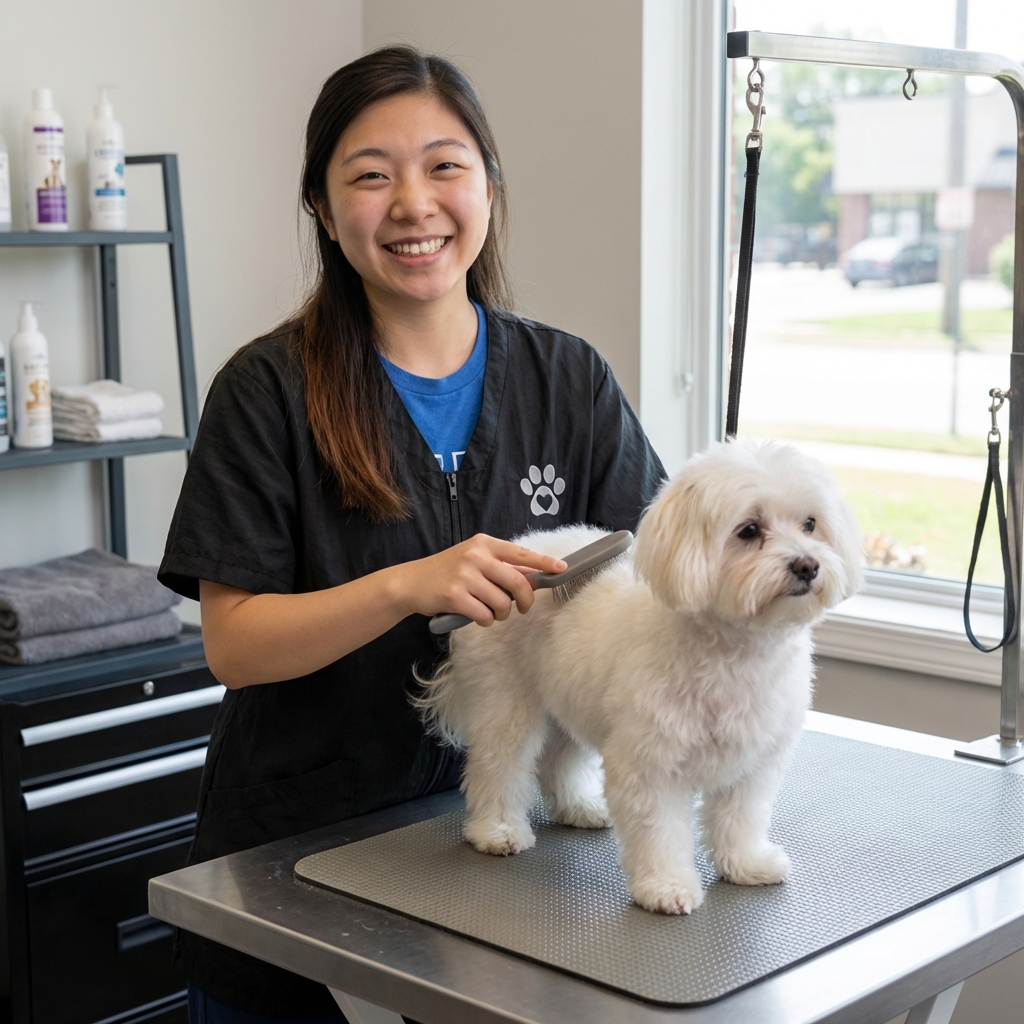
Both Shih Tzu and Maltese have high grooming needs. This is where many families feel surprised. If you want a low-groom dog, neither is the best match.
Shih Tzu coat care
- Coat can mat quickly if not brushed.
- Many owners choose a “puppy cut” to keep maintenance manageable.
- Facial hair and the eye area need regular cleaning.
Maltese coat care
- Fine hair tangles easily and can mat close to the skin.
- Tear staining is common and takes consistent hygiene to manage.
- Regular professional grooming is often needed if you keep the coat longer.
Time and cost reality: Many families schedule professional grooming about every 4 to 8 weeks depending on coat length and lifestyle. At home, plan on brushing several times per week at minimum, and more often for longer coats.
Actionable plan: If you are not brushing at least a few times a week, plan for a shorter haircut. Mats are not just cosmetic, they pull on the skin and can hide irritation, hotspots, and even parasites.
Training and barking
Both breeds respond best to gentle, reward-based training. Harsh corrections tend to create fear and stubbornness, especially in sensitive companion breeds.
Shih Tzu
- Often smart but independent.
- House-training can take patience. Use a schedule, praise, and consistency.
- Short, upbeat sessions work best.
Maltese
- Often very people-focused and quick to learn.
- Can develop separation anxiety or demand barking if boundaries are unclear.
- Early socialization and calm alone-time practice are especially helpful.
Simple tip that works: Teach a “quiet” cue and reward calm behavior, not just silence after barking. Also, give them something to do, like a food puzzle, when you need focus time.
Alone time note: Both breeds can struggle if left alone all day. Gradual alone-time training, a predictable routine, and enrichment go a long way. If anxiety is intense, ask your vet team for help early.
Shedding and allergies
You will often hear Shih Tzus and Maltese called “hypoallergenic.” In real life, no dog breed is truly hypoallergenic. That said, many people with mild allergies do better with lower-shedding breeds, especially when grooming is consistent. If allergies are a concern, spend time with the breed before committing and consider talking with your physician or allergist.
Health considerations
No breed is “problem-free,” and your best protection is choosing an ethical breeder or a reputable rescue, then committing to preventive care. Here are common concerns I see in clinic settings. If you want breed-specific guidance for your exact dog, your vet or vet tech can help you tailor a plan.
Shih Tzu health notes
- Airway and heat sensitivity: Many Shih Tzus have brachycephalic (short-nosed) anatomy, which can contribute to snoring, noisy breathing, and exercise intolerance. Risk varies a lot by breeding, and less extreme facial structure can mean fewer problems.
- Eye issues: Their large, prominent eyes can be prone to injury, dry eye, corneal ulcers, and irritation.
- Dental disease: Small mouths can mean crowded teeth, which increases plaque buildup.
Maltese health notes
- Dental disease: Very common in small breeds, especially if home dental care is not started early.
- Knee issues: Small dogs can be prone to luxating patellas (kneecaps that slip), ranging from mild to more serious.
- Tear staining and skin sensitivity: Often manageable with good hygiene and a vet-guided plan if allergies are involved.
Practical prevention: Start tooth brushing early, schedule regular dental assessments, keep weight lean, and ask your veterinarian about safe exercise and cooling strategies for hot weather. If your Shih Tzu has chronic noisy breathing or exercise intolerance, ask your vet about brachycephalic airway evaluation.
Budget note: Small dogs commonly need professional dental cleanings during their lifetime. Pet insurance or a dedicated savings fund can make routine and surprise care feel a lot more manageable.
Feeding for a long life
Both breeds can live long lives, especially when weight and dental health are supported. Small dogs often gain weight easily because even a few extra treats add up.
- Portion control matters: Measure meals, do not free-feed.
- Choose balanced nutrition: Look for a complete and balanced diet appropriate for your dog’s life stage. Many dogs do well with diets that include quality animal protein, but the key is overall balance and calories.
- Dental-friendly habits: Dental chews can help, but they do not replace brushing.
If you are curious about adding fresh foods, you can start slowly. Small amounts of dog-safe, gently cooked whole foods can be a palatability and variety option, as long as the overall diet stays complete and balanced. A good rule for most dogs is to keep treats and toppers to under about 10% of daily calories unless a veterinary nutritionist formulates the diet. If your dog has pancreatitis history, food allergies, or chronic GI issues, check with your veterinarian before making changes.
Which one is best?
Choose a Shih Tzu if you want:
- A calm, steady cuddle buddy
- A slightly sturdier small dog
- A companion who enjoys short walks and lots of lounging
- You are prepared for coat care and possible eye and airway management
Choose a Maltese if you want:
- A bright, affectionate shadow who loves interaction
- A smaller, lighter dog that fits true “pocket companion” vibes
- More enthusiasm for training games and learning tricks
- You are prepared for frequent grooming and ongoing dental care
My favorite “test” is this: picture your average weekday, not your dream weekend. The best lap dog is the one who thrives in your real routine.
How to pick a healthy dog
Whether you adopt or buy from a breeder, focus on health, temperament, and transparency.
- Ask about veterinary records: Vaccines, deworming, and any prior illnesses.
- Observe breathing: Especially in Shih Tzus, avoid puppies that struggle to breathe at rest.
- Look for clear eyes and clean skin: Redness, discharge, and strong odor can be clues of underlying issues.
- Meet the dog if possible: Choose the temperament that matches your household energy.
- Plan for grooming: Set up your grooming routine before mats become a problem.

Bottom line
Both Shih Tzu and Maltese can be wonderful lap dogs. The Shih Tzu often wins for families who want a calm, sturdy snuggle companion. The Maltese often wins for people who want a lively, deeply bonded little best friend who loves attention and training. Either way, your best results will come from consistent grooming, dental care, healthy weight management, and gentle training. If you are torn, talk it through with your veterinarian or a trusted vet tech and describe your real schedule. That is usually where the answer becomes clear.