The Shih Tzu is one of those breeds people fall for fast. They are small, expressive, and famously people-focused. But living happily with a Shih Tzu is not just about enjoying the cuddles. It is about understanding their grooming needs, keeping their eyes and airway comfortable, and supporting their bodies as they age.
As a veterinary assistant in Frisco, Texas, I have seen Shih Tzus thrive when families set expectations early and build simple routines that fit real life. This guide focuses on the adult dog, not just the puppy stage, so you can plan for a healthy, comfortable companion for years to come.
Quick facts
- Breed group: Toy (AKC)
- Typical size: Small, sturdy build for a toy breed
- Typical adult weight: About 9 to 16 pounds (varies by build)
- Typical lifespan: About 10 to 18 years
- Coat: Long, dense coat that grows throughout life and needs regular trimming, often kept in a shorter pet trim
- Personality: Affectionate, alert, and strongly bonded to their people
- Key considerations: High grooming needs, eye care, dental care, and brachycephalic breathing comfort
- Best fit for: Homes that want a companion dog and can commit to routine grooming and health maintenance
Temperament: what Shih Tzus are really like
Shih Tzus were bred to be companions, and it shows. Most are happiest when they can follow you from room to room and settle close by. In general, they are friendly with familiar people, curious about their environment, and surprisingly confident for their size.
Typical personality traits
- Affectionate and social: They tend to prefer company over being alone for long stretches.
- Playful in short bursts: They often enjoy games, then quickly return to lap-dog mode.
- Alert watchdog tendencies: Many will bark at new sounds, especially door noises.
- Independent streak: They can be a little stubborn, which is not “bad” behavior. It just means training should be consistent and rewarding.
With kids, visitors, and other pets
Many Shih Tzus do well with respectful children and calm household pets. Because they are small, they can be injured by rough handling, so supervision matters. With visitors, early socialization and positive introductions help prevent fear barking or clinginess.
Separation anxiety and “velcro dog” behavior
Some Shih Tzus struggle when left alone, especially if they have always had constant company. If you notice pacing, whining, accidents, or destructive chewing when you leave, talk to your veterinarian. Small changes can help a lot, like predictable departure routines, food puzzles, and gradually practicing short absences.
Exercise and enrichment: small dog, real needs
Shih Tzus do not need intense exercise, but they do need daily movement and mental stimulation. Think of it as keeping joints limber, weight stable, and the brain busy.
Daily routine ideas
- Two short walks per day, adjusted for heat and humidity
- Brief play sessions indoors, like gentle tug or fetch down a hallway
- Sniff time on walks, which is enriching and calming
- Food puzzles or slow feeders to reduce boredom
Texas heat note: Shih Tzus are brachycephalic, meaning their airway anatomy can reduce how efficiently they pant and cool off. In warm weather, walk early and late, keep outings shorter, and offer water often.

Grooming: the Shih Tzu reality check
If you love a Shih Tzu look, you also need a Shih Tzu plan. Their coat can mat quickly, especially behind the ears, in the armpits, and around the collar and harness areas. Grooming is not optional. It is healthcare for their skin and overall comfort.
Coat types and what they mean day-to-day
Most Shih Tzus have a long, dense coat that can be kept in different styles. The goal is to choose a style you can maintain, not just a style you admire in photos.
Pet trim vs show coat
- Pet trim (puppy cut or teddy bear style): Shorter overall length. Easier brushing, fewer mats, and often more comfortable for active households. Still needs regular brushing and professional grooming.
- Show coat (long, floor-length coat): Beautiful, but high maintenance. Expect frequent brushing sessions, careful bathing and drying, coat protection, and more time investment.
How often do Shih Tzus need grooming?
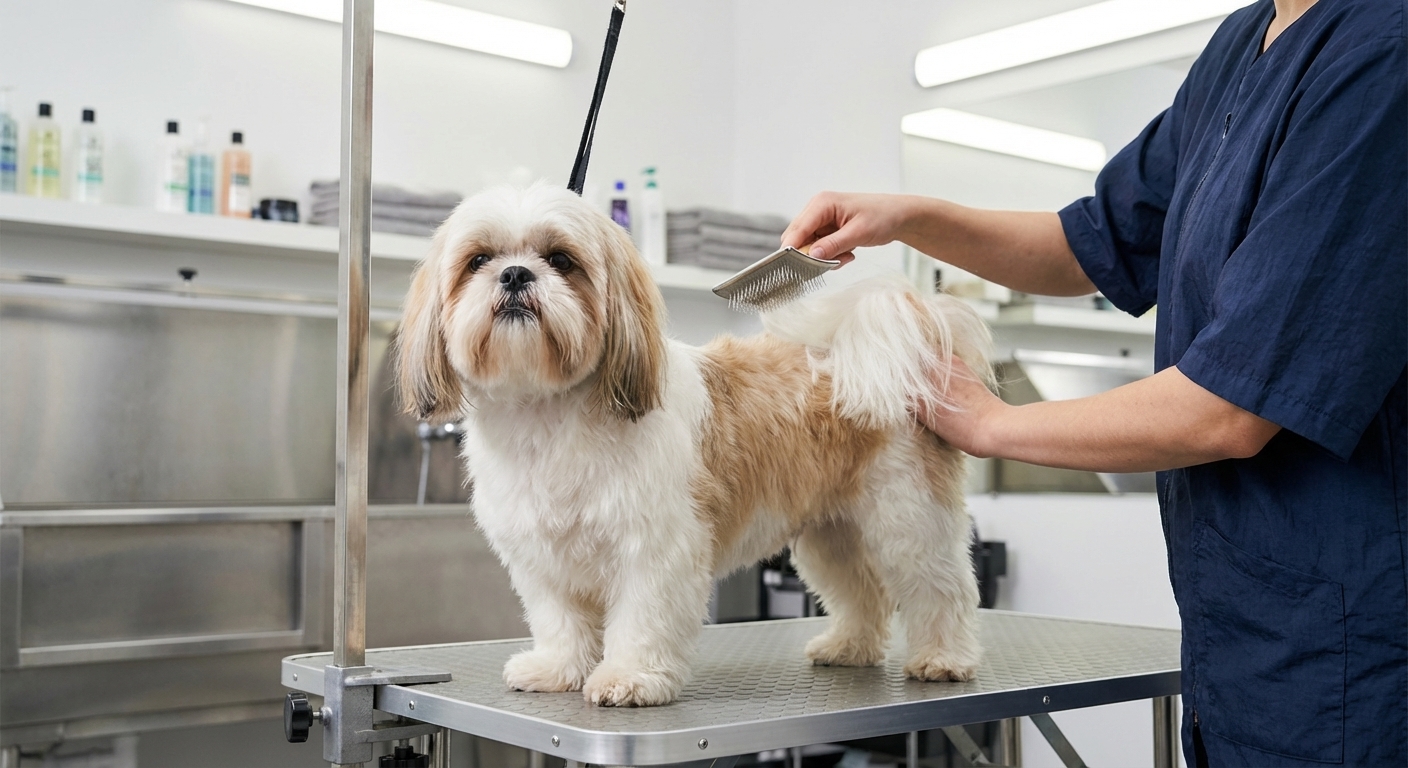
- Brushing: Ideally daily for longer coats, several times weekly for shorter trims
- Professional grooming: Commonly every 4 to 8 weeks depending on coat length and matting risk
- Baths: Often every 2 to 4 weeks, using dog-safe shampoo and thorough drying
- Nails: Usually every 2 to 4 weeks
- Ear cleaning: Only as advised by your veterinarian, especially if they are prone to wax buildup or infections
Matting: why it matters
Mats are not just a cosmetic issue. They can pull painfully on the skin, trap moisture, hide parasites, and contribute to skin infections. If you find mats close to the skin, do not try to cut them out with scissors at home. This is a common cause of accidental lacerations. A groomer or veterinary team can remove them safely.
Face and eye area grooming
Many Shih Tzus need gentle daily face wiping. Tear staining can happen, but the bigger concern is keeping the eye area clean and hair out of the eyes to reduce irritation. In clinic, one of the most common Shih Tzu visits I see is for a suddenly squinty, uncomfortable eye, and sometimes the trigger is as simple as hair rubbing where it should not.
- Use a soft, damp cloth or a dog-safe, fragrance-free wipe
- Keep face hair trimmed or tied up so it does not poke the eyes
- Avoid using human eye drops unless your veterinarian specifically tells you to
Grooming takeaway: Pick a coat length you can maintain, brush consistently, and treat mats like a comfort and skin-health issue, not just a style issue.
Eyes and breathing: two key Shih Tzu priorities
Shih Tzus have prominent eyes and a shorter muzzle. Both features are part of their charm, and both require a little extra vigilance.
Common eye issues in Shih Tzus
- Corneal ulcers and scratches: Their eyes sit more forward, so they can be injured by rough play, brush contact, or even hair rubbing the cornea.
- Dry eye (keratoconjunctivitis sicca): Can cause redness, thick discharge, squinting, or a dull-looking cornea.
- Entropion or trichiasis: Inward-rolling eyelids or misdirected hairs that irritate the eye surface.
When to call your vet quickly: Squinting, pawing at the eye, sudden redness, thick discharge, a cloudy-looking eye, or keeping the eye closed. Eye issues can worsen fast, and early treatment protects vision.
Brachycephalic airway considerations
Because of their facial structure, some Shih Tzus snore, sound noisy when excited, or tire faster in heat. Talk to your veterinarian if you notice exercise intolerance, frequent gagging, collapsing, or trouble breathing. In some dogs, a brachycephalic airway evaluation can clarify whether medical management or surgery could improve comfort and safety.
Practical ways to support easier breathing
- Use a harness instead of a neck collar for walks
- Keep your dog lean, since extra weight can worsen breathing
- Avoid hot, humid outings and limit overexcitement in warm weather
- Keep up with dental care, since oral pain and infection can affect overall comfort and make stress and handling harder
Health takeaway: For Shih Tzus, treat eye squinting and breathing trouble as time-sensitive, not “wait and see.”
Other common Shih Tzu health concerns
No breed is guaranteed to have or avoid certain conditions, but there are patterns we see often enough to plan ahead. The good news is that routine wellness care and early attention to small changes make a big difference.
Dental disease
Small breeds tend to develop plaque and tartar faster, and crowded teeth can trap food. Dental disease can lead to pain, tooth loss, and bacteria affecting the rest of the body. In clinic, dental care is one of the biggest quality-of-life issues I see in adult and senior Shih Tzus, and it is also one of the most preventable.
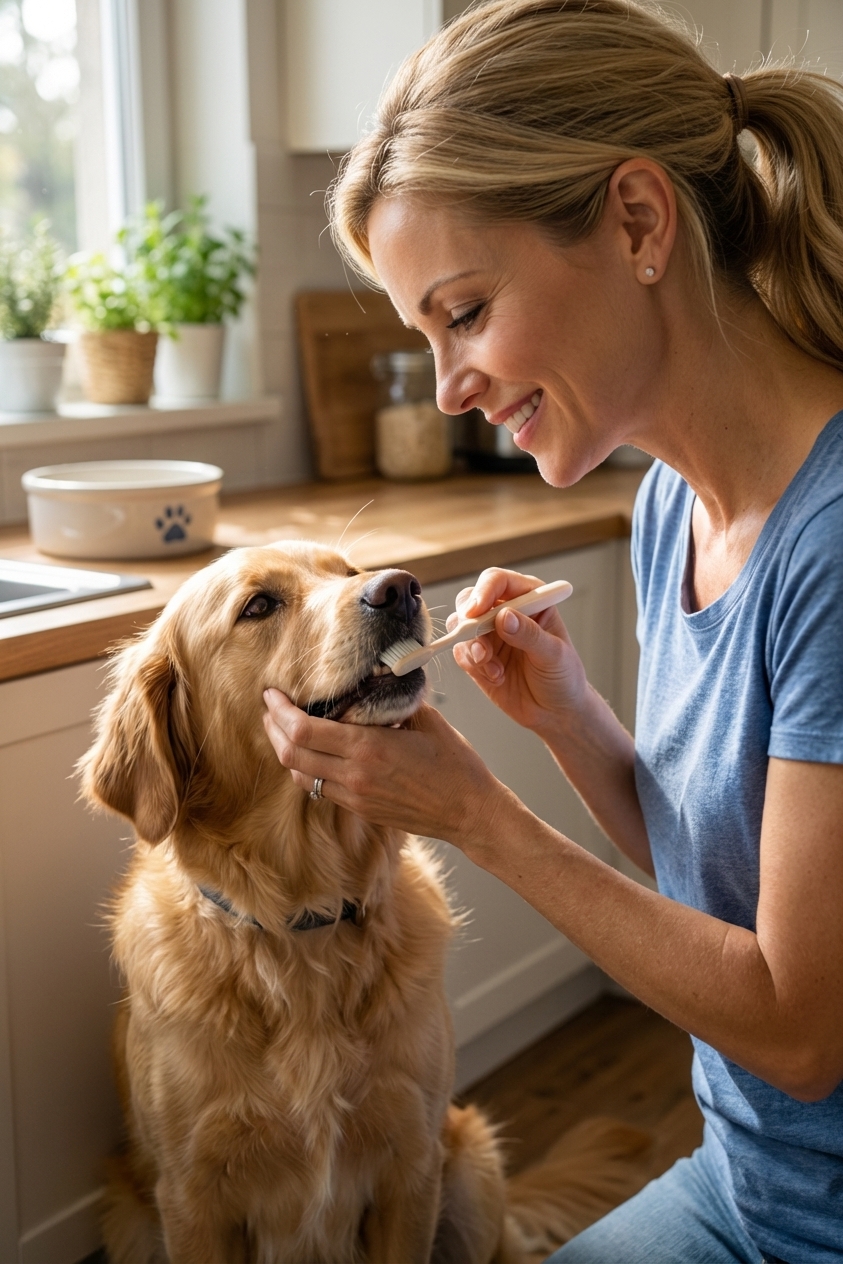
- Brush with a dog-safe toothpaste, ideally most days
- Ask your vet which dental chews are appropriate for your dog
- Schedule professional dental cleanings when recommended
Allergies and skin issues
Shih Tzus can be prone to itching, ear infections, and skin irritation from environmental allergies, food sensitivities, or parasites. If your dog is licking paws, rubbing face, or getting repeated ear problems, your veterinarian can help you build a plan, which may include flea prevention, dietary trials, or allergy medications.
Ear infections
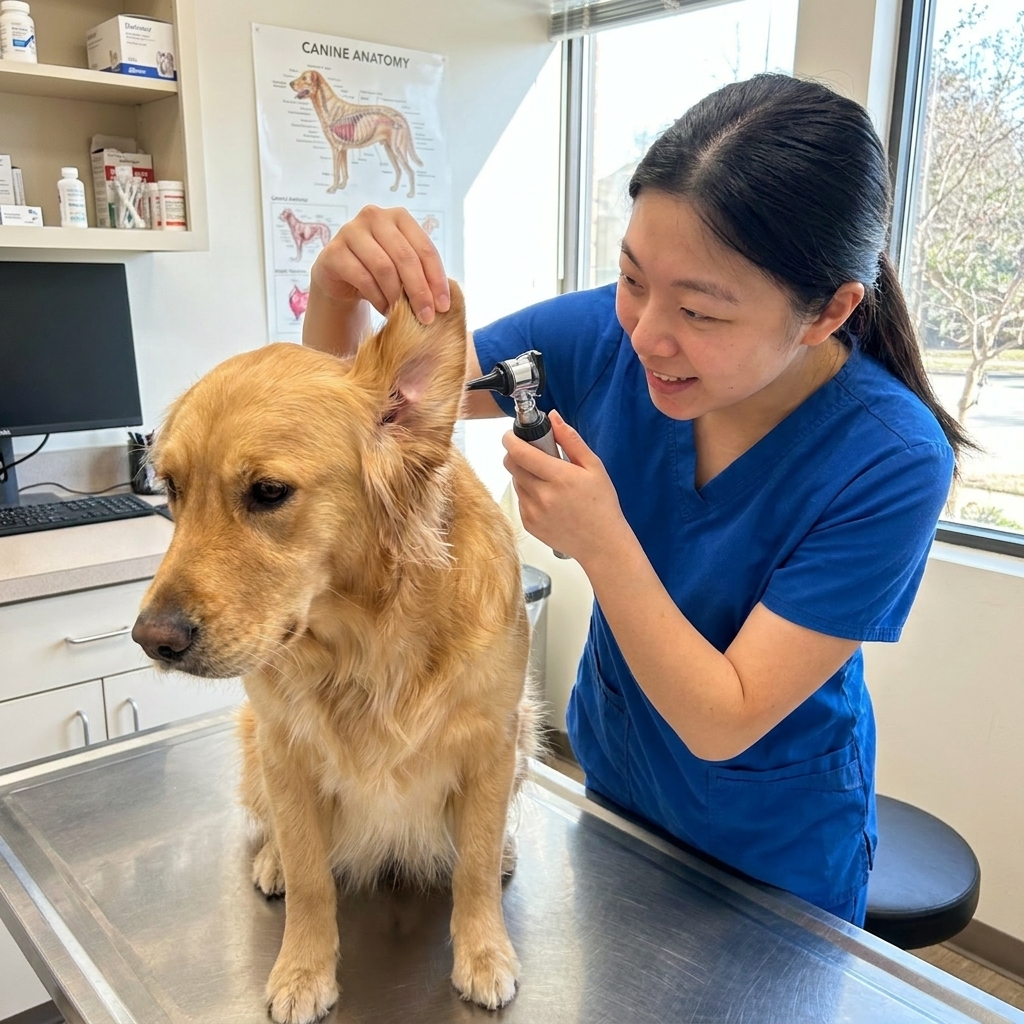
Those cute, hair-filled ears can trap moisture and debris. If you notice odor, head shaking, redness, or dark discharge, it is time for a vet visit. Avoid deep cleaning at home unless your veterinarian has shown you how and recommended a schedule. Over-cleaning can irritate the ear canal.
Patellar luxation and joint comfort
Luxating patellas, or kneecaps that slip out of place, can be seen in small dogs. Keeping nails trimmed, maintaining a healthy weight, and using non-slip rugs on slick floors can help with stability.
IVDD (back and neck pain)
Intervertebral disc disease (IVDD) can occur in Shih Tzus. They are not as classically predisposed as some longer-backed breeds, but we do still see it. Their slightly longer back relative to leg length can increase strain over time, especially with repeated jumping. Avoid frequent launching off furniture. Consider pet stairs or ramps, and call your veterinarian immediately if you notice yelping, reluctance to move, a hunched posture, or weakness.
Parasite prevention basics
Year-round flea and tick prevention and heartworm prevention are not glamorous, but they matter. Your veterinarian can recommend products that fit your dog’s lifestyle and local risk. This is especially important in warm climates where parasites stay active longer.
Feeding and weight: small frame, big impact
Shih Tzus do best when they stay lean. Even a little extra weight can worsen breathing, stress the joints, and reduce stamina. I like to remind families that for small dogs, a few extra bites a day can add up quickly.
What to look for in a diet
- A complete and balanced food that fits your dog’s life stage
- Protein-forward formulas with clearly named animal proteins
- Portion control based on body condition, not just the label
Homemade and fresh foods: a safe approach
If you want to add fresh, whole foods, go slowly and keep it simple. Even adding a small portion of gently cooked, dog-safe foods can boost palatability and variety. The key is balance. Homemade diets should be formulated with veterinary guidance to meet calcium, omega-3, and micronutrient needs over time.
Action step: Start with up to 10 percent of daily calories as fresh add-ins and monitor stool quality, itching, and weight. If you love the results, ask your veterinarian about a balanced plan for longer-term feeding.
Training and behavior tips that actually work
Shih Tzus are smart, but they can be selective about when they feel like cooperating. Gentle consistency beats intensity every time.
House-training
- Use a predictable schedule, especially after sleep, meals, and play
- Reward immediately when they go outside
- Manage the environment to prevent accidents rather than punishing them
Barking
Alert barking is normal. The goal is not silence, it is a cue and a calm follow-up. Teach a simple “thank you” routine: acknowledge the sound, ask for a sit, reward, then redirect to a mat or toy.
Handling and cooperative care
Because Shih Tzus need frequent grooming, teach them that being touched is safe. Practice short sessions of paw handling, gentle brushing, and looking at ears and teeth with treats. It pays off every single week.
Senior Shih Tzu care: comfort first
Shih Tzus often stay playful well into later life, but aging can show up as stiffness, dental decline, or decreased vision. Plan for aging before your dog is struggling.
What changes to watch for
- Cloudy eyes, bumping into furniture, or reluctance in dim lighting
- Bad breath, dropping food, or chewing on one side
- Stiffness after rest, slower walks, or trouble with stairs
- Increased thirst, appetite changes, accidents, or weight loss
Supportive care that helps
- Twice-yearly senior checkups with recommended bloodwork and urinalysis
- Joint support as advised by your veterinarian, which may include weight management, physical therapy exercises, or medications
- Home adjustments like rugs for traction, a ramp to the couch, and a cozy bed that supports joints
- Grooming comfort by choosing a shorter trim if brushing becomes stressful
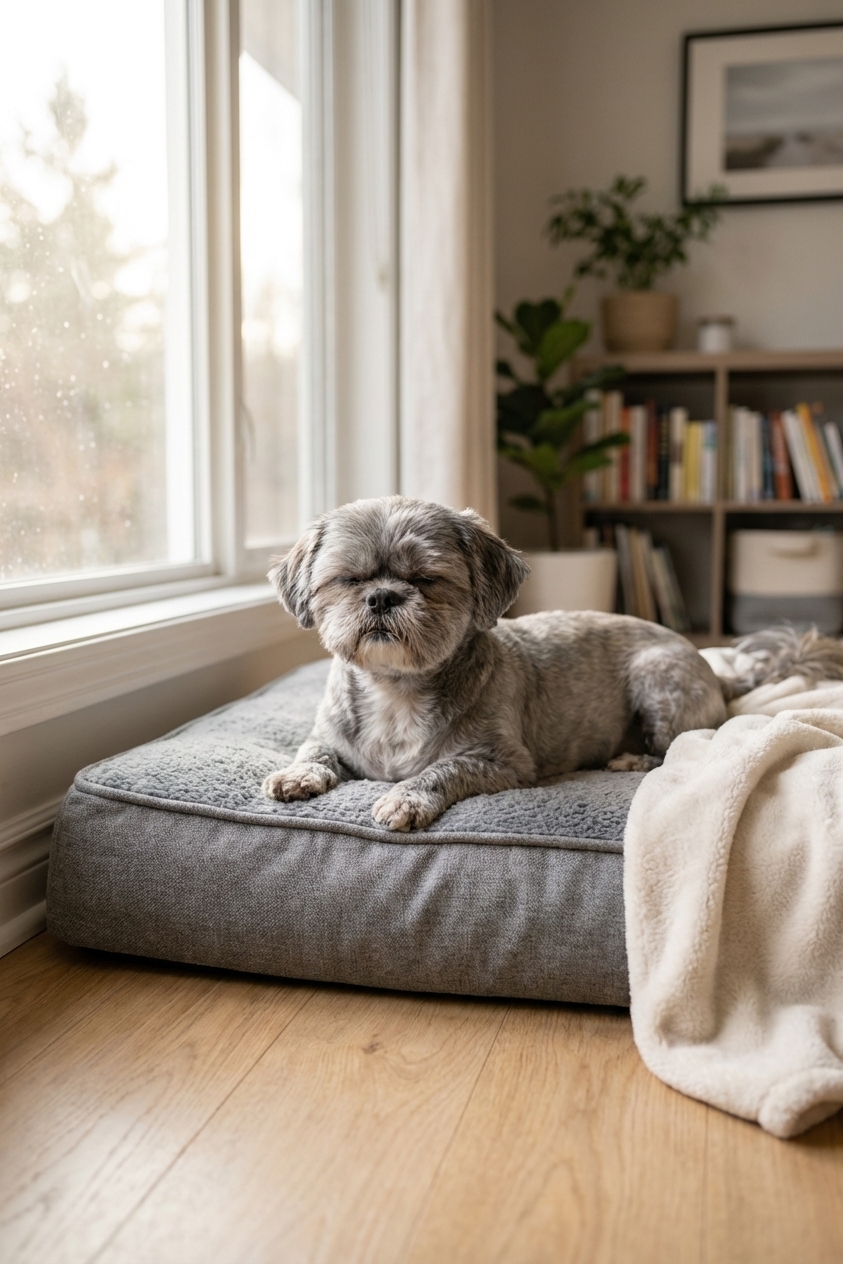
Choosing a healthy Shih Tzu
Whether you are adopting or buying from a breeder, focus on health and temperament first. A cute face is wonderful, but comfortable breathing, healthy eyes, and a stable personality are what make daily life enjoyable.
If you are working with a breeder
- Ask what health testing is done for the parents and why
- Look for puppies and adults that breathe quietly at rest and recover easily after play
- Ask how they socialize puppies with grooming, handling, and normal household sounds
- Confirm you can meet the grooming commitment for the coat length you want
If you are adopting
- Ask about dental status, eye history, and any chronic ear or skin issues
- Plan for an initial veterinary visit to set a baseline
- Expect a decompression period and keep routines calm and consistent
Is a Shih Tzu right for you?
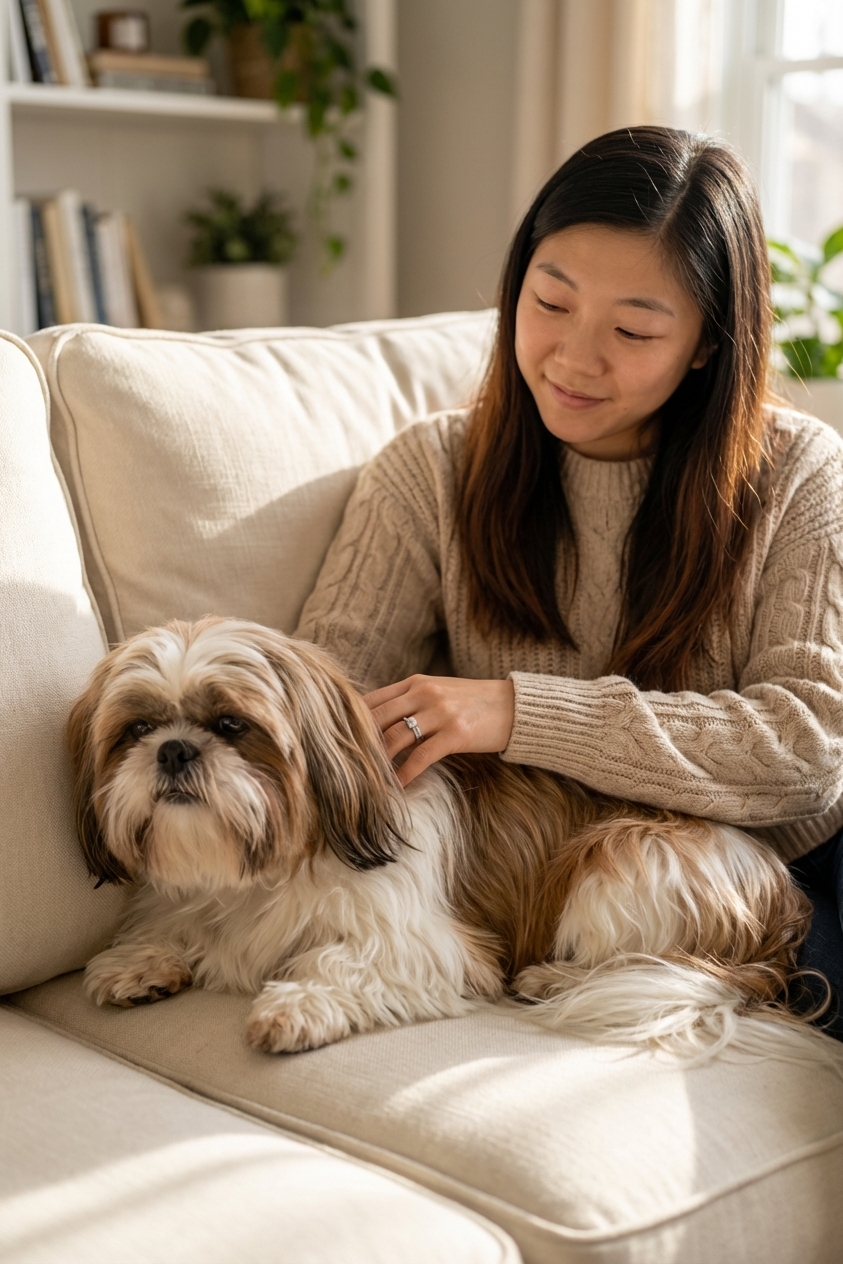
A Shih Tzu can be a dream companion if you want a friendly dog who thrives on closeness. They are often a great match for apartments and quieter households, but they do best with people who are ready for regular grooming, proactive dental care, and mindful management of heat and breathing.
A Shih Tzu may be a great fit if you want
- A cuddly companion who enjoys being with you
- A small dog that does well with moderate exercise
- A breed that can adapt well to city or suburban living
Consider a different breed if
- You want a low-maintenance coat with minimal brushing
- You are away from home for long stretches most days
- You prefer a dog built for running or intense outdoor activities
If you do choose a Shih Tzu, keep it simple and steady: a healthy weight, consistent grooming, routine vet care, and lots of gentle attention. Those basics are what help this little companion dog live a long, comfortable life.
Veterinary note
This guide is educational and not a substitute for veterinary care. If your Shih Tzu has eye redness, breathing difficulty, repeated vomiting, sudden pain, or behavior changes, contact your veterinarian promptly.