A practical guide to dog-safe fruits with portion sizes for tiny to large dogs, smart prep steps (remove pits, seeds, rinds), and urgent avoid list: grapes, ...
Article
•
Designer Mixes
Shiba Inu Personality: Stubborn, Loyal, and Brilliant

Shari Shidate
Designer Mixes contributor
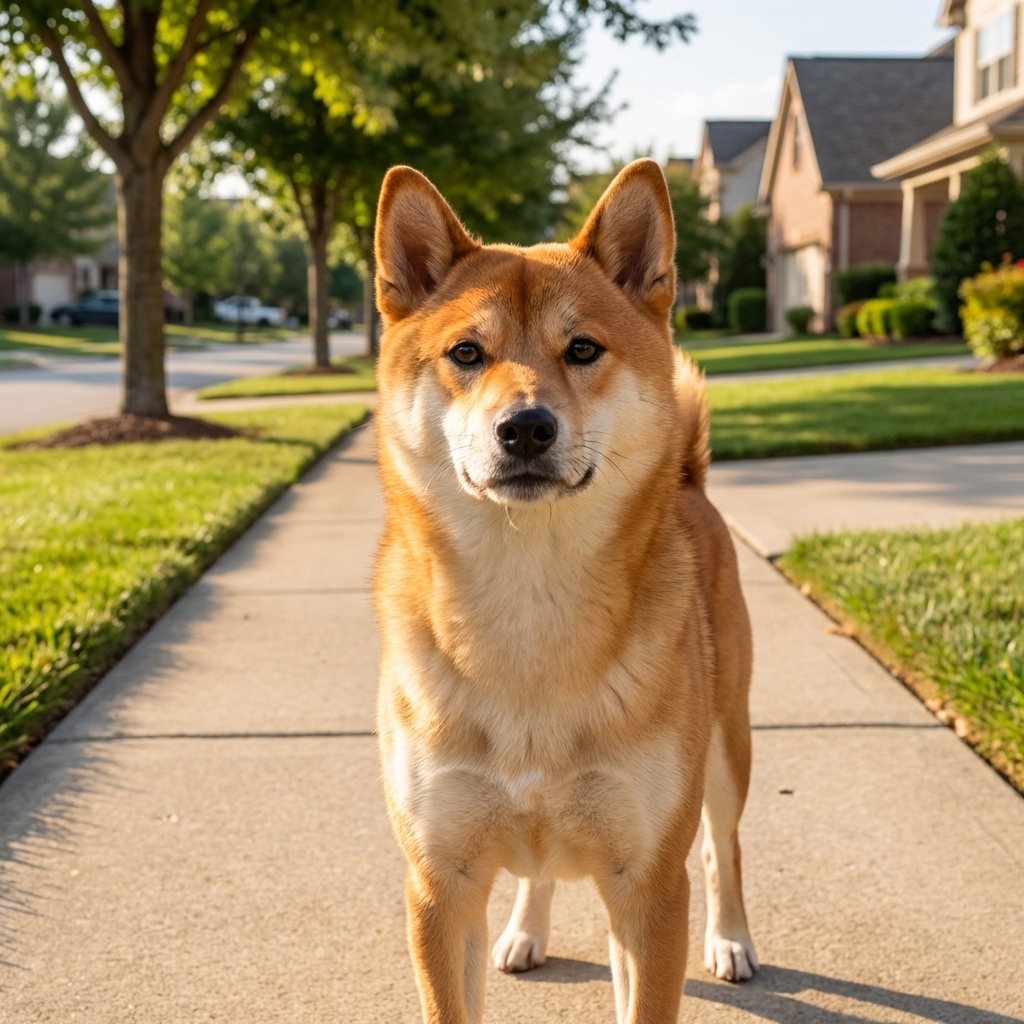
Shiba Inus have a reputation for being stubborn, selective, and a little too smart for their own good. And as a veterinary assistant here in Frisco, Texas, I can tell you that reputation is not entirely wrong. But it is also incomplete.
Also, not every Shiba fits the stereotype. Genetics, early experiences, and training matter, and individual dogs can land all over the map.
When you understand what is driving a Shiba’s behavior, you can stop taking it personally and start working with the dog you actually have. The result is a companion who is deeply loyal, surprisingly affectionate on their terms, and incredibly fun to live with.
Why Shibas seem stubborn
Shibas are an ancient spitz-type breed, which means they tend to be more independent and self-directed than many modern companion dogs. They were originally used for hunting small game and birds in Japan, and that history shows up today as confidence, strong opinions, and a tendency to think before they comply.
Stubborn often means not convinced
A Shiba will often do things because it makes sense to them, because it benefits them, or because you have built enough reinforcement history that your cue is worth responding to.
- They are independent problem-solvers. They notice patterns quickly, including which rules are optional.
- They are sensitive to pressure. Harsh corrections can backfire and create avoidance or defensive behavior.
- They get bored easily. Repetition without reward can lead to shutdown, wandering, or “you can’t make me” energy.
In practical terms, Shiba training is less about dominance and more about motivation, clarity, and consistency. If you want a Shiba to listen, you usually have to make listening pay off.
The loyal side people miss
Shiba loyalty is real, but it often looks different than the golden retriever style of devotion. Many Shibas are not velcro dogs. Instead, they show attachment through quiet proximity, routine, and trust.
Signs of Shiba loyalty
- They follow you from room to room, then act like it was their idea.
- They choose to nap near you, but not on you.
- They are reserved with strangers but soften with their people.
- They are highly aware of household changes and may “check in” more when you are stressed or sick.
One of the sweetest Shiba traits is how much they value earned trust. When you build a relationship the right way, their loyalty is steady and meaningful.
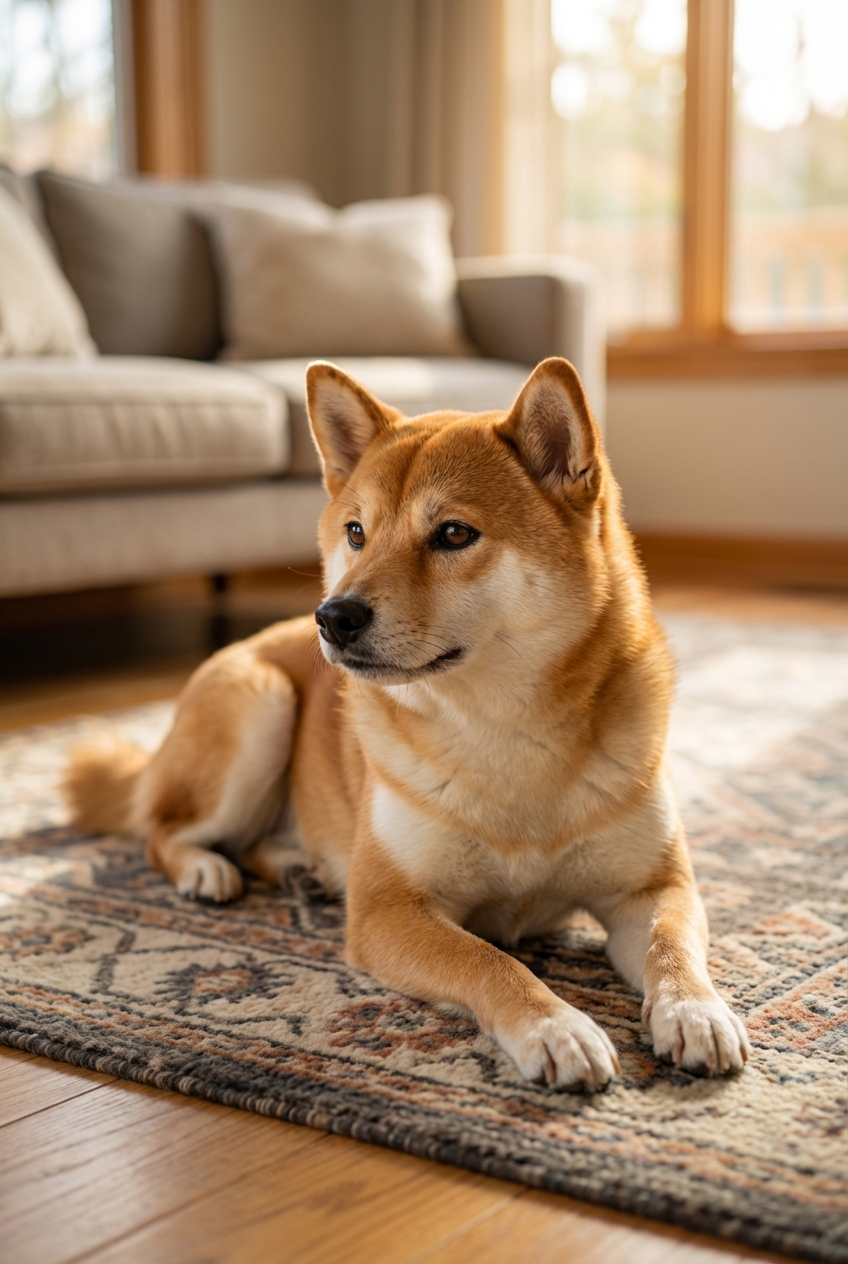
The Shiba scream and big feelings
Let’s talk about the famous “Shiba scream.” It can happen during nail trims, vet visits, grooming, restraint, or even when they feel dramatically inconvenienced. It is loud, intense, and can make a calm situation feel like an emergency.
Most of the time, it is not “badness.” It is a combination of sensitivity, low tolerance for handling, and a strong desire to control their own body.
What helps
- Do not punish the noise. Punishment increases stress and can worsen future handling.
- Use cooperative care. Teach your Shiba to opt in to handling with tiny steps and rewards.
- Watch early signals. Lip licking, freezing, tucked tail, leaning away, and wide eyes (showing more white than usual) often come before the scream.
- Ask your vet about fear-free options. For some dogs, pre-visit meds or alternative handling plans make a huge difference.
Evidence-based training methods, especially positive reinforcement and desensitization, can reduce fear and improve tolerance and cooperation with handling over time.
Training without power struggles
Shibas can be wonderfully trained, but the approach matters. Think of it like teaching a clever toddler who negotiates. If the lesson is clear and rewarding, they are in. If it is confusing or unpleasant, they are out.
What works
- Short sessions. Two to five minutes is often ideal.
- High-value rewards. Soft treats, tiny bits of cooked meat, or a favorite toy, depending on your dog.
- Choice and consent. Give your Shiba chances to say “yes” through body language and participation.
- Clear boundaries. Consistency matters more than intensity.
Skills that matter
- Recall basics. Start indoors, use a long line outdoors, and reward like you mean it. Even with great training, many Shibas are safest on leash, on a long line, or in a secure fenced area.
- Leave it and drop it. Shibas are curious and quick. These cues prevent emergencies.
- Handling skills. Gentle practice with paws, ears, brushing, and the harness.
- Settle on a mat. Great for guests, mealtimes, and teaching self-control.
If you want a simple mindset shift: do not try to “win” against a Shiba. Build a routine where cooperation is the easiest and most rewarding option.
Social behavior
Many Shibas are naturally reserved. Some are dog-social, some are dog-selective, and some prefer people over dogs. Early socialization helps, but it should be done thoughtfully.
Safe socialization
- Prioritize calm exposure over chaotic greetings. Watching the world from a distance counts.
- Choose well-mannered dog friends. Pushy dogs can create long-term reactivity.
- Do not force interactions. A Shiba who can choose to disengage is often a Shiba who feels safe.
- Reward neutrality. Calm behavior around triggers is the goal, not constant play.
For many Shibas, “polite and peaceful” is a better social goal than “best friends with everyone.”
Everyday life
Shibas are clean, observant, and often surprisingly cat-like in their routines. They also have real needs that are easy to underestimate when you focus only on their adorable face.
Traits owners love
- Often low doggy odor and strong grooming instincts
- Bright, expressive face and body language
- Playful bursts of energy and silly zoomies
- Devoted bonding with their core people
Traits to prepare for
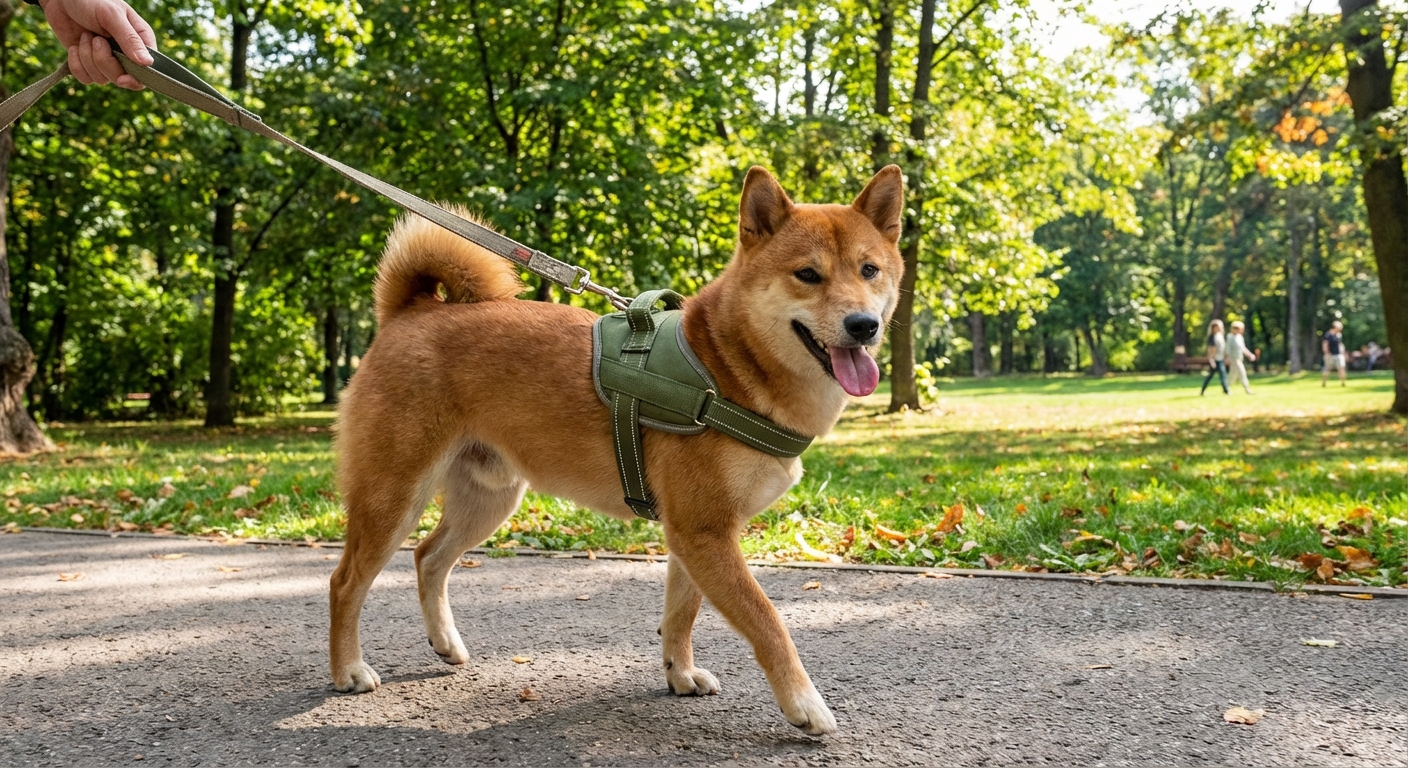
- Escape artistry. Secure fences, double-check gates, and use a harness that fits properly.
- Prey drive. Cats, squirrels, and rabbits can trigger chase, even in well-trained dogs. This is one reason off-leash freedom is not a safe goal for many Shibas.
- Seasonal shedding. The “blow coat” is real. Consistent brushing helps.
- Handling sensitivity. Early cooperative care prevents battles later.
Exercise and enrichment
One reason Shibas get labeled stubborn is that they are under-stimulated. A bored Shiba will invent a job, and you might not like the one they choose.
Most Shibas do best with a mix of daily physical activity and mental work: structured walks, sniff time, training games, and safe play in a secure area.
Enrichment that works
- Sniff walks. Let them stop and investigate. Sniffing is real mental work.
- Food puzzles. Kongs, snuffle mats, and treat balls reduce frustration and build calm.
- Training games. Hide-and-seek, hand targets, and trick training in short bursts.
- Chewing outlets. Vet-approved chews help meet natural needs and reduce destructive behavior.
When you meet their mental needs, you will often see less resistance and more cooperation. They are not trying to be difficult. They are trying to be engaged.
Grooming notes
Shibas have a double coat. During heavy shedding seasons, brushing more frequently can help keep fur tumbleweeds under control and reduce skin irritation from trapped undercoat.
- Use the right tools. A slicker brush and an undercoat rake can help during the coat blow.
- Avoid shaving the coat. In most cases, shaving a double-coated breed is not recommended. If you are considering it for a medical reason, ask your veterinarian or groomer first.
- Pair grooming with rewards. A few seconds of brushing plus a treat can go further than wrestling through a full session.
Is a Shiba right for you?
A Shiba Inu can be an amazing match if you appreciate independence, enjoy training as a relationship, and are willing to be patient. They are not always the easiest first dog, but they can be one of the most rewarding.
A great fit if you want
- A loyal companion who does not need constant physical affection
- A smart dog who enjoys learning when it is fun and rewarding
- A clean, alert, expressive breed with a big personality
Reconsider if you need
- Off-leash reliability without long-term training and management
- A dog who loves handling, hugging, and being dressed up
- A “people-pleaser” temperament that complies automatically
With the right expectations, a Shiba’s stubbornness becomes confidence, and their loyalty becomes something you truly earn and cherish.
Quick vet assistant notes
Any sudden behavior change, like new aggression, hiding, snapping during touch, or refusing walks, deserves a health check. Pain and discomfort can look like “stubbornness.” Common issues we see across many breeds include dental pain, ear infections, arthritis, and skin allergies.
Common Shiba concerns to ask about
- Skin allergies and itchiness
- Kneecap issues like patellar luxation
- Hip concerns (less common than in some large breeds, but still worth discussing)
- Eye issues, including glaucoma, depending on the individual dog and family history
If your Shiba is struggling with handling, grooming, or reactivity, talk with your veterinarian and consider working with a certified positive-reinforcement trainer.
One quick boundary note from me: this is general education, not a diagnosis or an individualized treatment plan. Your vet and a qualified trainer can help you tailor a plan to your specific dog.