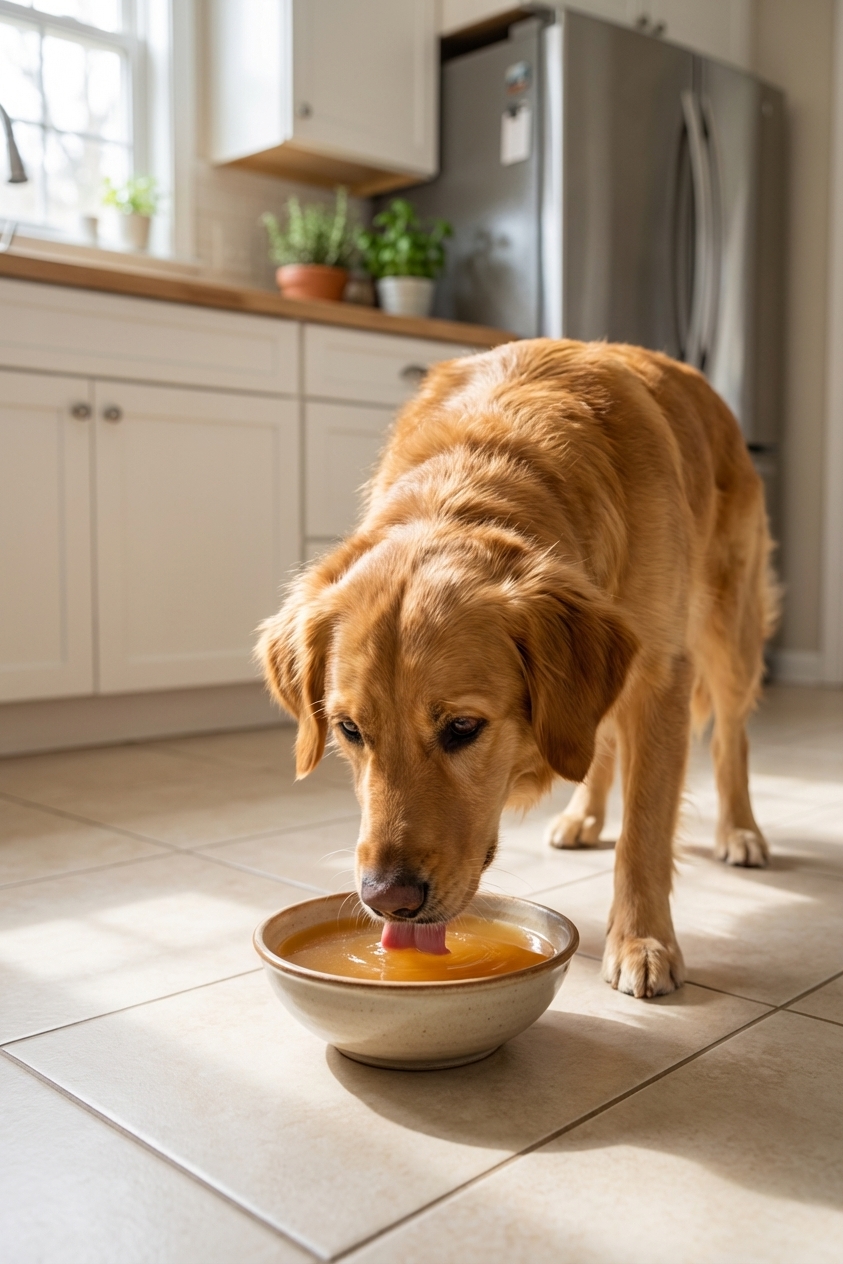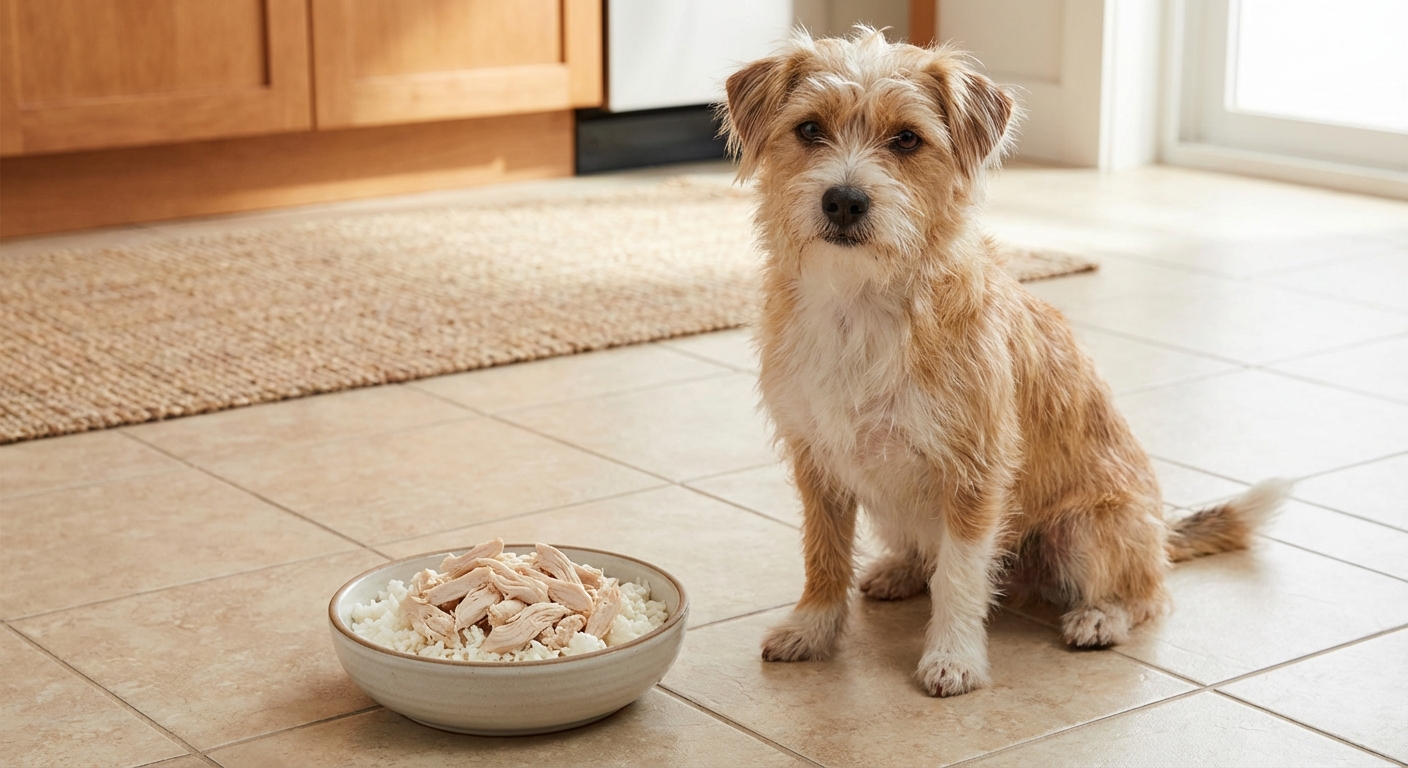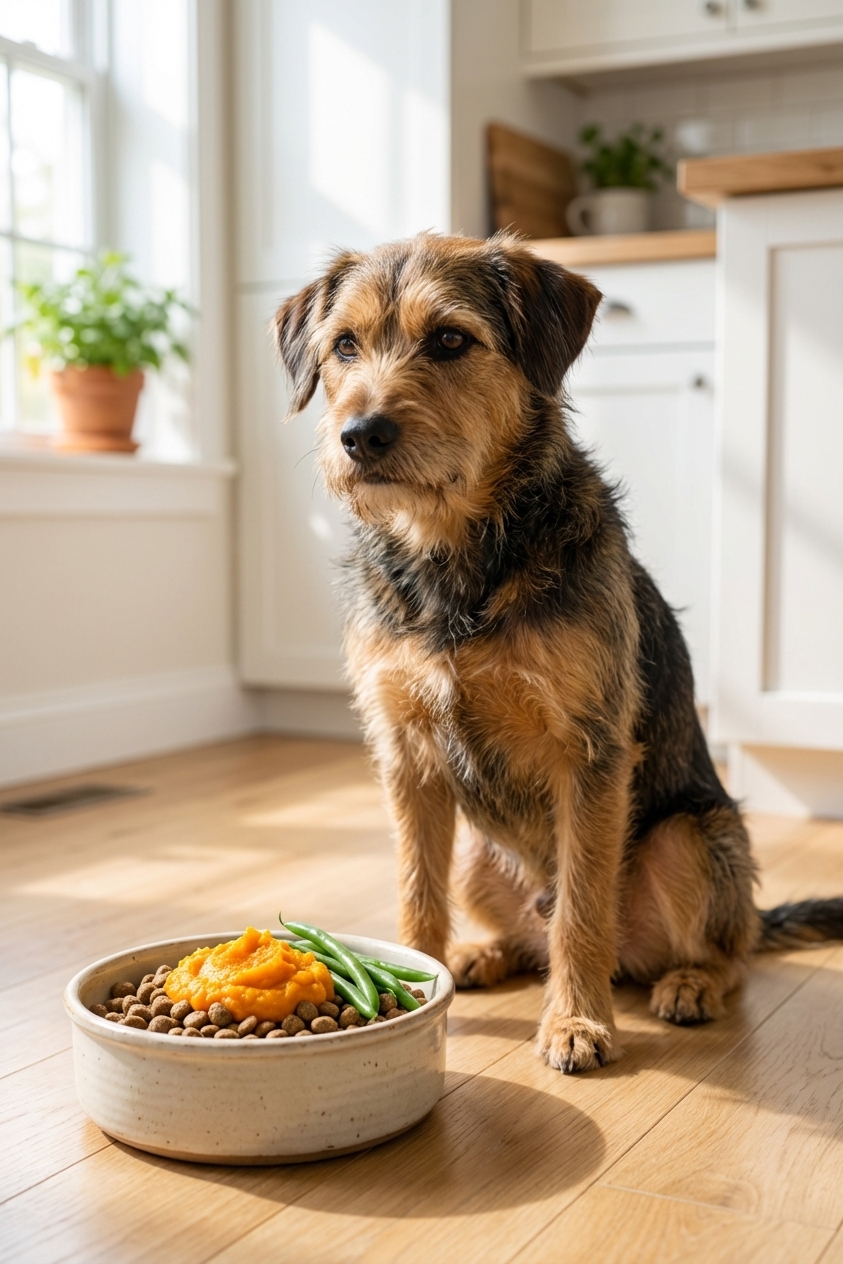
Make meals more tempting and nutritious with simple dog food toppers: bone broth, cooked eggs, sardines, pumpkin, and steamed veggies—plus portions, storag...
Article
•
Designer Mixes
Separation Anxiety in Dogs

Shari Shidate
Designer Mixes contributor
Separation anxiety is a very common wellness challenge I see families struggle with, and it can feel heartbreaking. Your dog is not being “bad” or “spiteful.” In many cases, they are experiencing real distress when they are left alone or separated from a specific person, and in more severe cases that distress can look like panic. The good news is that separation anxiety is treatable, and small changes done consistently can make a big difference.
What it looks like
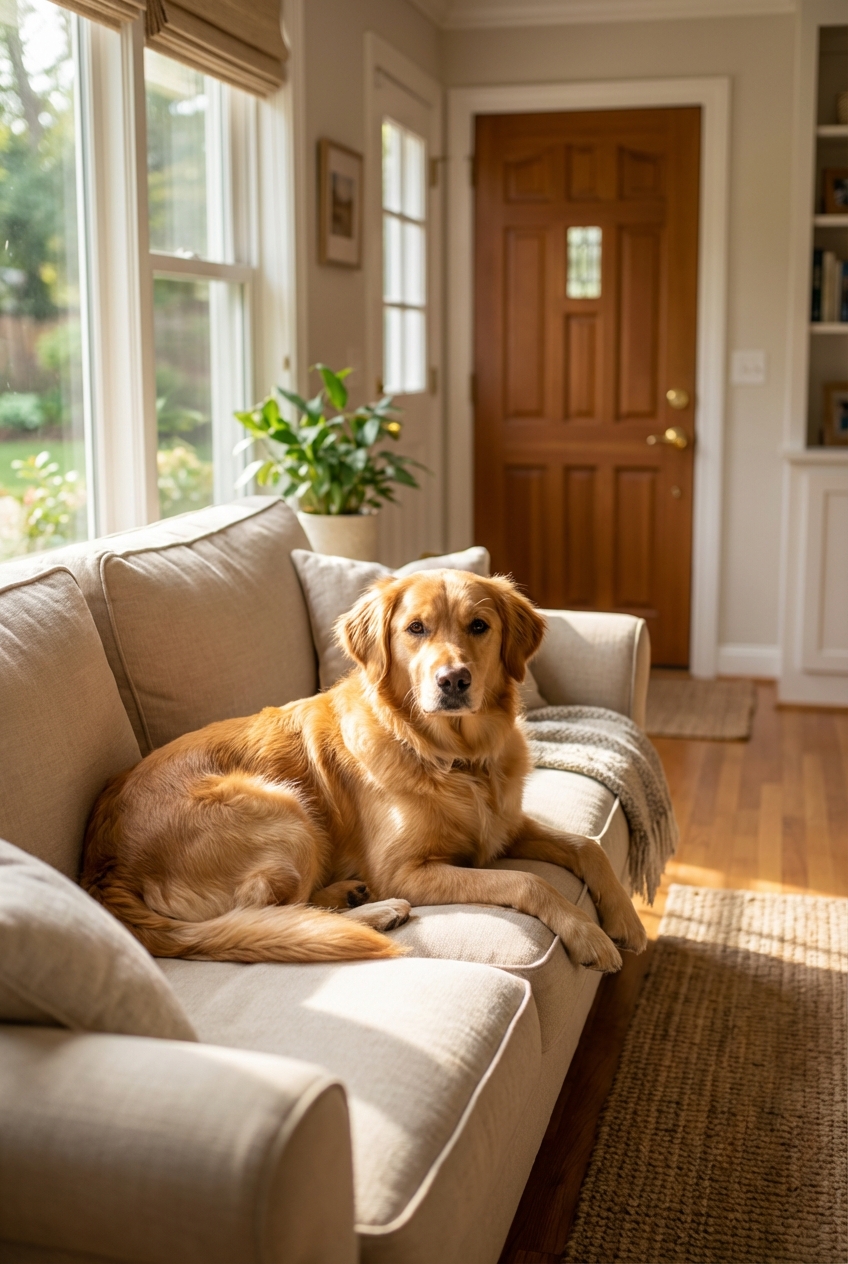
Separation anxiety is more than occasional whining. It is a distress response that happens when a dog anticipates or experiences separation. Many dogs show a predictable pattern: they are fine when you are home, then symptoms appear soon after you leave.
Common signs
- Vocalizing: barking, howling, or whining soon after you leave.
- Destructive behavior: scratching doors, chewing window sills, tearing blinds, or destroying items that smell like you.
- House soiling: urinating or defecating even though the dog is house-trained.
- Escape attempts: trying to break out of crates, rooms, or yards, sometimes leading to injuries.
- Drooling, panting, pacing: stress behaviors that may show up on a pet camera.
- Velcro behavior: following you from room to room, distress when you move toward the door, or intense greetings when you return.
If your dog’s signs are mild, you may mostly notice clinginess and restlessness. With more severe anxiety, you may see self-injury, nonstop vocalizing, or repeated escape attempts. Those cases deserve prompt veterinary attention.
Similar issues
Many families use “separation anxiety” as an umbrella term, but a few related patterns matter because they can change your setup and training plan.
- Separation anxiety: distress tied to being away from a specific person or people.
- Isolation distress: distress about being alone in general, even if the dog is not attached to one person.
- Confinement anxiety: panic that shows up mainly when the dog is crated or closed into a room, even if people are home.
These can overlap, and the right plan often starts with figuring out what, exactly, your dog is struggling with.
Why it happens
Separation anxiety is a mix of biology, learning, and life experience. It can develop at any age and in any breed, including “confident” dogs.
- Change in routine: a new job schedule, kids returning to school, moving, or a partner leaving the home.
- History of loss or instability: rehoming, shelter background, or inconsistent early experiences.
- Under-socialization: dogs who never learned to be alone gradually.
- Genetics and temperament: some dogs are simply more sensitive.
- Unmet needs: insufficient enrichment, lack of predictable exercise, or long periods alone.
Important note: separation anxiety can look like “too much energy,” but it is typically fear-based. That distinction matters, because punishment increases fear and makes the problem worse.
Rule out medical
Before you assume it is separation anxiety, it is smart to rule out problems that can mimic it. I always encourage families to start with a veterinary visit, especially if the behavior is new or suddenly worse.
Common look-alikes
- Urinary tract infection or urinary incontinence (especially in older dogs).
- Gastrointestinal upset causing urgency or accidents.
- Cognitive dysfunction in senior dogs (confusion and changes in sleep patterns).
- Noise phobia (storms, fireworks, construction) that happens while you are away.
- Barrier frustration (the dog wants access to a room or person, but is blocked).
Your veterinarian may recommend a physical exam and possibly lab work. Getting the “why” right saves time and helps you choose the most effective plan.
How it is diagnosed
A separation anxiety diagnosis is usually based on history and patterns. A pet camera is incredibly helpful, because many dogs look “fine” when the family returns, but were distressed earlier.
What to capture
- How long after you leave symptoms start.
- Whether your dog settles or escalates over time.
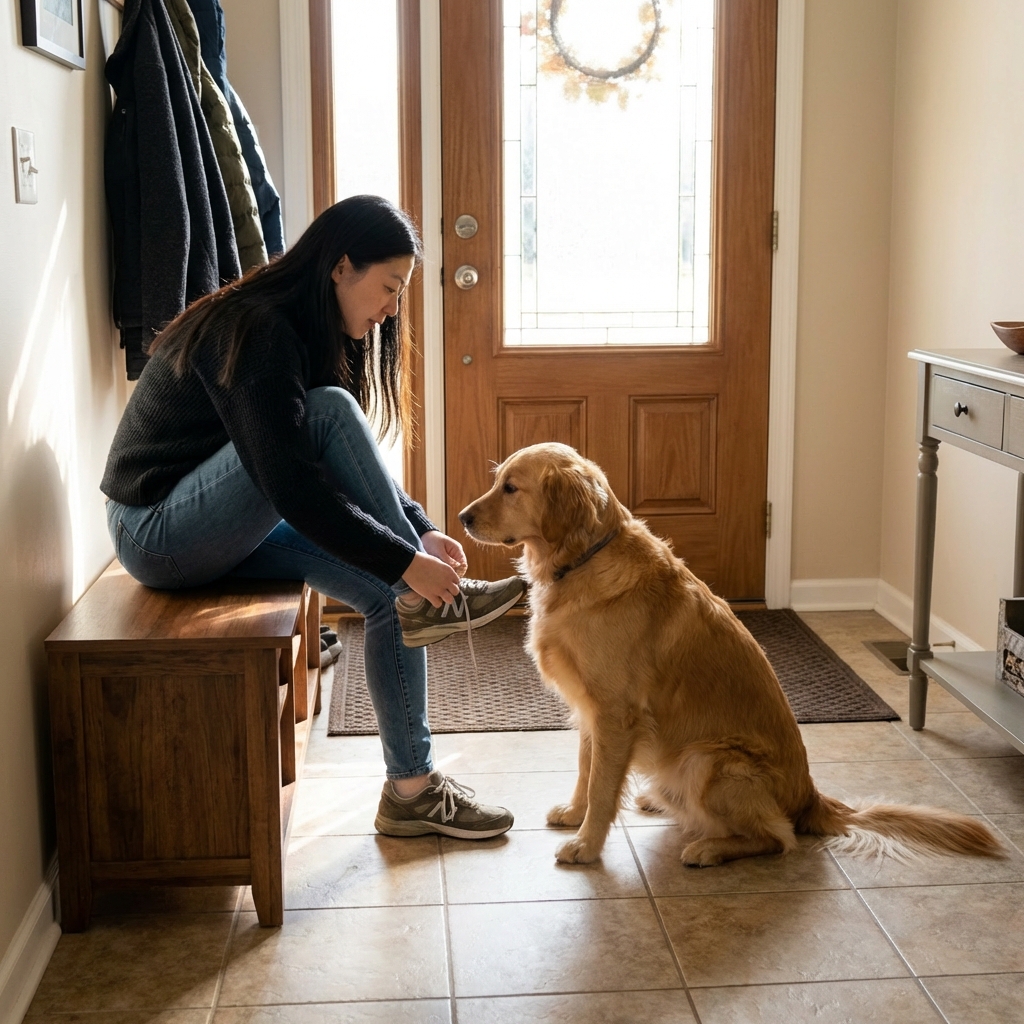
- Specific triggers like keys, shoes, purse, uniform, or the garage door.
- Whether they eat enrichment items (many anxious dogs cannot).
Why it matters
Separation anxiety is not just a behavior problem. Chronic stress affects the whole body. Ongoing stress hormones can contribute to digestive upset, sleep disruption, skin flare-ups from licking, and an overall reduced quality of life in some dogs.
For families, it can also create safety risks (chewing electrical cords, breaking windows, crate injuries) and housing stress due to complaints about noise or damage. Treating separation anxiety is a wellness decision for everyone in the home.
What not to do
- Do not punish anxiety behaviors. Yelling, shock collars, or “crating as a consequence” can intensify fear.
- Do not force “cry it out.” Flooding a dog with long alone times often worsens the problem.
- Do not increase departures too fast. Progress is rarely linear, and setbacks are normal.
- Be cautious with crates. Some dogs feel safer in a crate, but others panic more. A dog injuring teeth or nails trying to escape needs a different setup.
The three-part plan
The most successful approach is usually a combination of (1) management, (2) behavior modification, and (3) support for the nervous system, which may include medication or supplements under veterinary guidance.
This is also where I want to gently normalize something: you are not trying to “fix” this with willpower. You are helping your dog’s brain relearn safety.
1) Management
Think of management as protecting your dog’s brain while you retrain the fear response. Each intense episode can reinforce the pattern, so reducing them often speeds progress.
- Prevent long alone times during the training period when possible. Use a trusted friend, family member, pet sitter, dog daycare, or bring your dog with you if appropriate.
- Create a safe home base. This might be a puppy-proofed room, a gated area, or a crate only if your dog truly settles there.
- Use camera feedback. It is hard to improve what you cannot measure.
- Consider sound buffering. A fan or white noise can reduce outside triggers and may help some dogs relax.
2) Behavior training
The gold standard is gradual desensitization and counterconditioning. In plain language: you teach your dog that tiny separations are safe and predictable, then build up slowly.
Stay under threshold
Threshold is the point where your dog tips from uneasy to overwhelmed. Training works best when you stay below threshold.
Signs you are too close to threshold: freezing, hard staring at the door, pacing, panting, whining, sudden barking, frantic scanning, or refusing food they normally love.
If you see those signs, make the next repetition easier. Shorten the absence, add distance more slowly, or switch to practicing behind an interior door or baby gate instead of leaving the home.
A simple sample plan
- Step 1: Walk to the baby gate, step behind it for 1 second, return. Repeat until your dog stays loose and relaxed.
- Step 2: Step behind the gate for 3 to 5 seconds, return. Mix in easier 1 second reps.
- Step 3: Briefly go out of sight for 3 to 5 seconds (around a corner), return before stress rises.
- Step 4: Add one real-life cue, like picking up keys, but do not leave yet. Reward calm.
- Step 5: Start tiny real departures, like opening and closing the front door, then stepping out for 1 to 3 seconds.
Keep sessions short and successful. Two to five minutes can be plenty. Quality beats quantity.
Make cues boring
If keys, shoes, or a handbag trigger anxiety, practice those cues when you are not leaving. Pick up keys, sit down. Put on shoes, make coffee. The goal is to break the link between cues and panic.
Calm departures and arrivals
Aim for low-key transitions. Avoid dramatic goodbyes and big, emotional greetings that can make the leaving and returning feel like a major event. You do not have to ignore your dog. Just keep it calm and routine.
Enrichment that is safe
Many anxious dogs will not eat once panic starts, so timing matters. Offer high-value enrichment before you leave only if your dog can actually engage with it calmly.
- Stuffed food toys, lick mats, or long-lasting chews that are appropriate for your dog’s chewing style.
- Sniffing games like scattering kibble in a towel or using a snuffle mat.
- Rotate options to keep them interesting.
Safety note: Always supervise new chews and food toys at first. Avoid items that could splinter, break teeth, or be swallowed in chunks, especially for dogs who shred or gulp. When in doubt, ask your veterinarian what is safest for your individual dog.
3) Veterinary support
For moderate to severe cases, medication can be life-changing. It does not have to mean “knocking a dog out.” The goal is to reduce panic so your dog can learn. That said, some medications may cause drowsiness, especially at first, and your veterinarian can help you balance comfort, learning, and safety.
There are also non-prescription supports that may help some dogs, such as pheromone products, calming diets, or supplements. Evidence and quality are mixed, so I suggest choosing products recommended by your veterinarian and tracking effects with a camera and a simple log.
Daily support
As a veterinary assistant, I love behavior plans, but I also love the basics: sleep, movement, and good nutrition. They do not replace training, but they can make training easier.
Habits that help
- Predictable exercise: a consistent morning walk plus a short midday enrichment session often beats one huge burst of activity.
- Sniff time: letting your dog sniff on walks is real nervous system regulation.
- Sleep protection: many anxious dogs are overtired. Quiet rest periods matter.
- Balanced diet: stable mealtimes and a nutritionally complete diet support overall wellness.
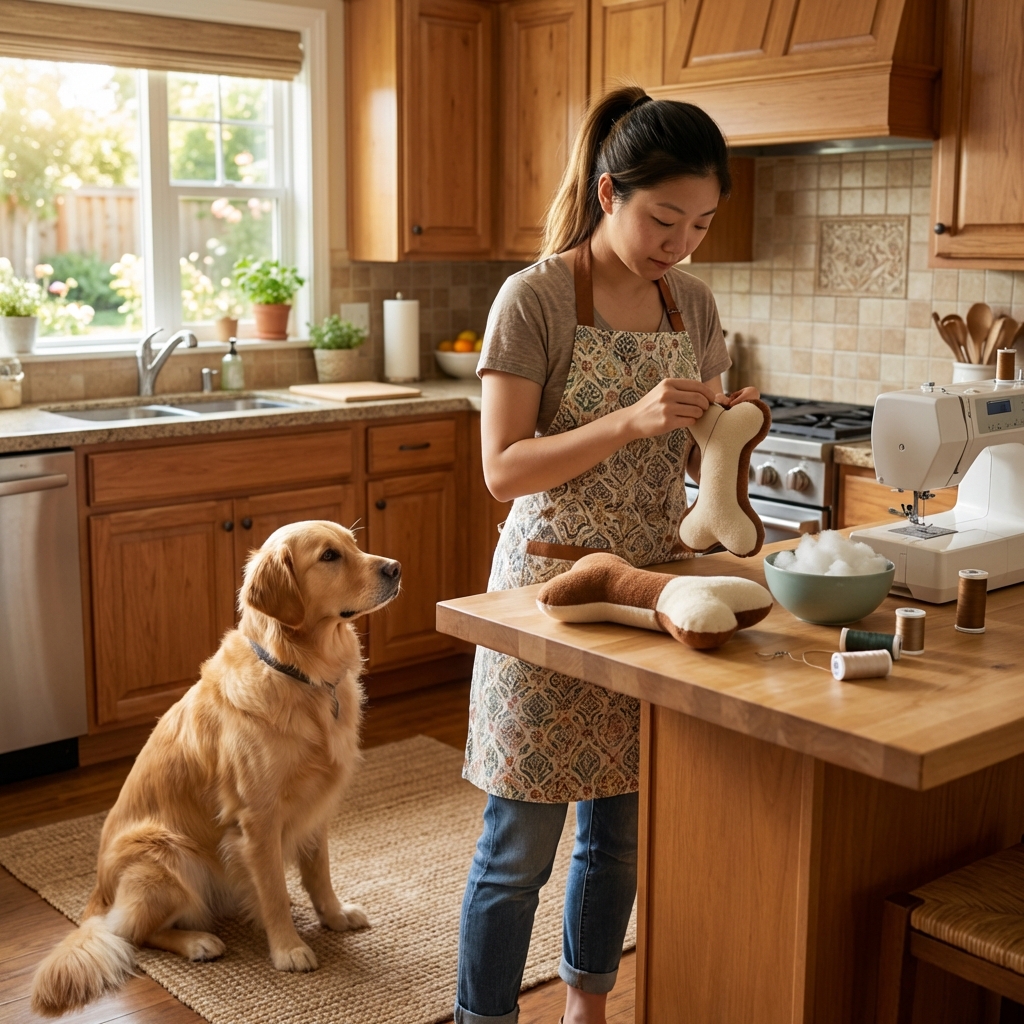
If you want to add homemade toppers or transition to more whole foods, do it gradually and keep the base diet complete and balanced. Sudden diet changes can create stomach upset, which can increase stress for sensitive dogs.
How long it takes
That depends on severity, how long it has been happening, and how consistent the plan can be. Mild cases may improve in weeks. More entrenched cases may take months. What matters most is reducing distress episodes and building successful repetitions, even if they seem tiny at first.
Progress often looks like this: fewer intense episodes, faster recovery, and longer calm stretches on camera. Celebrate those wins.
When to get help
If your dog is injuring themselves, cannot settle within minutes, or panics nearly every time you leave, please get help early. Look for a credentialed professional who uses reward-based methods, and involve your veterinarian.
- Consider a board-certified veterinary behaviorist (DACVB) for complex or severe cases.
- Look for trainers with reputable credentials such as CSAT (separation anxiety specialty), CPDT-KA, or KPA-CTP.
- Avoid plans that rely on punishment, intimidation, or aversive tools.
Quick checklist
- Set up a camera and record the first 30 minutes after you leave.
- Schedule a vet visit if the problem is new, escalating, or includes accidents.
- Stop punishment and avoid long alone periods during training when possible.
- Practice short micro-departures as your schedule allows, staying under threshold.
- Make keys, shoes, and bags boring through repetition when you are not leaving.
- Build a calm routine: mat training, sniff walks, and predictable rest.
If you take one thing from this overview, let it be this: separation anxiety is a treatable medical-behavioral issue, and your dog can learn that alone time is safe again.