
Turn chicken and rice into a more balanced homemade dog meal with veggies, calcium carbonate, and omega-3s. Includes gram weights, portion guidance, swaps, a...
Article
•
Designer Mixes
Separation Anxiety in Cats: Signs and How to Help

Shari Shidate
Designer Mixes contributor
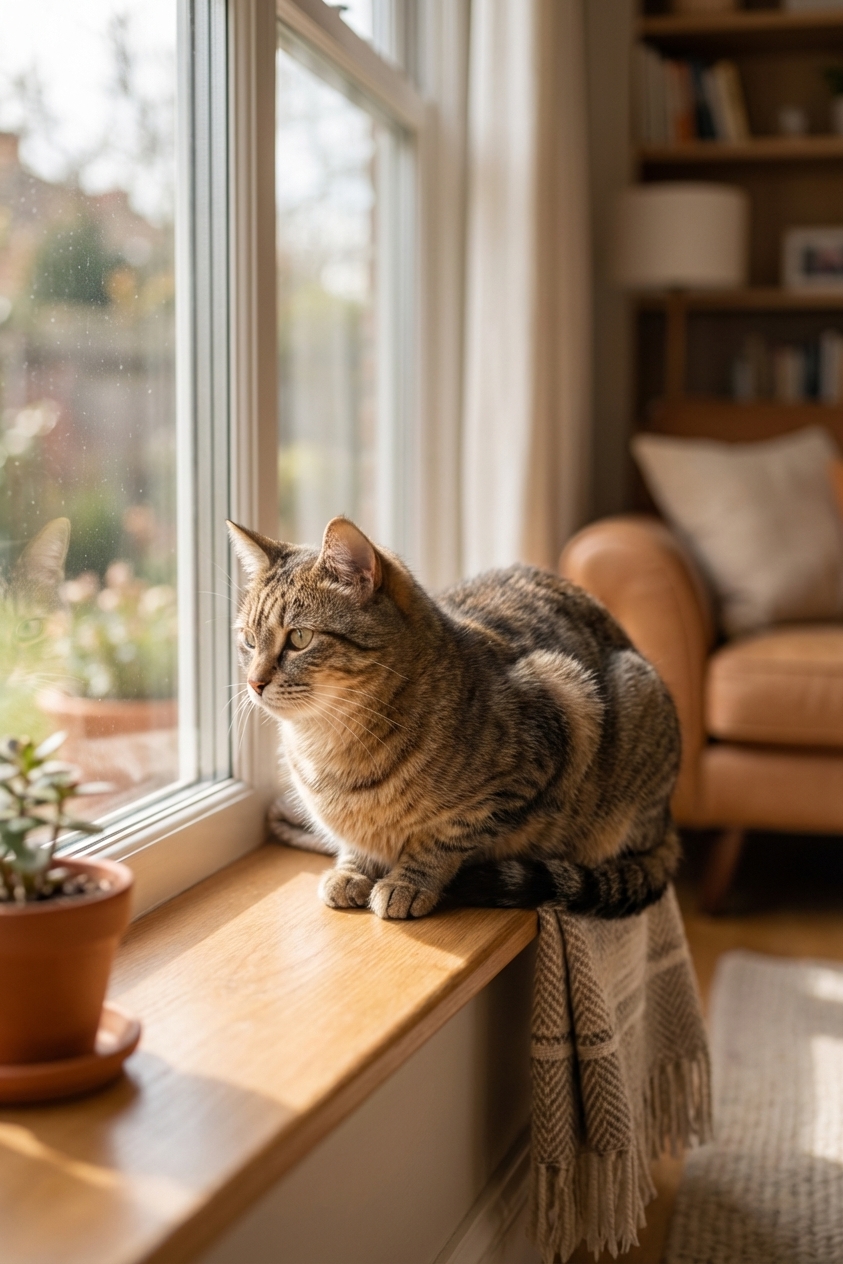
If your cat seems "fine" while you are home, but turns into a different cat the moment you leave, you are not imagining it. While separation anxiety is talked about more in dogs, cats can absolutely struggle with distress when a favorite person is gone. As a veterinary assistant in Frisco, Texas, I have seen how quickly this can snowball from annoying behaviors into real welfare concerns for both cats and their humans.
The good news is that feline separation-related distress is often very manageable, and many cats improve significantly with the right plan. The key is recognizing the signs, ruling out medical causes, and then using a combination of enrichment, predictable routines, and gentle behavior training. In some cases, medication can be a kind and effective support.
What it can look like
Separation-related behaviors are not "spite" and they are not your cat trying to punish you. They are stress responses. Some cats get clingy before departures, while others act normal and then unravel later.
Common patterns include:
- Pre-departure anxiety: pacing, hovering by the door, shadowing you room to room, agitation when you pick up keys or put on shoes.
- During absence distress: vocalizing, eliminating outside the litter box, destructive scratching, or repetitive behaviors.
- Reunion over-attachment: excessive following, demanding attention, or difficulty settling after you return.
Is it anxiety or something else?
A lot of problems happen when you are gone, but they do not all mean true separation anxiety. Three common look-alikes are:
- Boredom or under-stimulation: your cat is energetic, curious, and looking for an outlet, especially young cats and high-drive cats.
- Generalized anxiety: your cat seems tense even when you are home, startles easily, or worries in multiple situations.
- Multi-cat stress: conflict, resource guarding, or "silent" tension that becomes more obvious when routines shift.
If you are not sure what is happening while you are away, a pet camera can be incredibly helpful. It can confirm timing, identify triggers (like hallway noises or another cat blocking access), and show whether your cat settles after a few minutes or stays distressed for hours.
Signs to watch for
Many signs overlap with other issues, so think of this as a checklist to bring to your veterinarian and use as a starting point.
Excessive vocalization
Your neighbors may report persistent meowing, yowling, or crying after you leave. Some cats vocalize most intensely at predictable times, like right after the door closes or around the time you usually return.
Destructive behavior
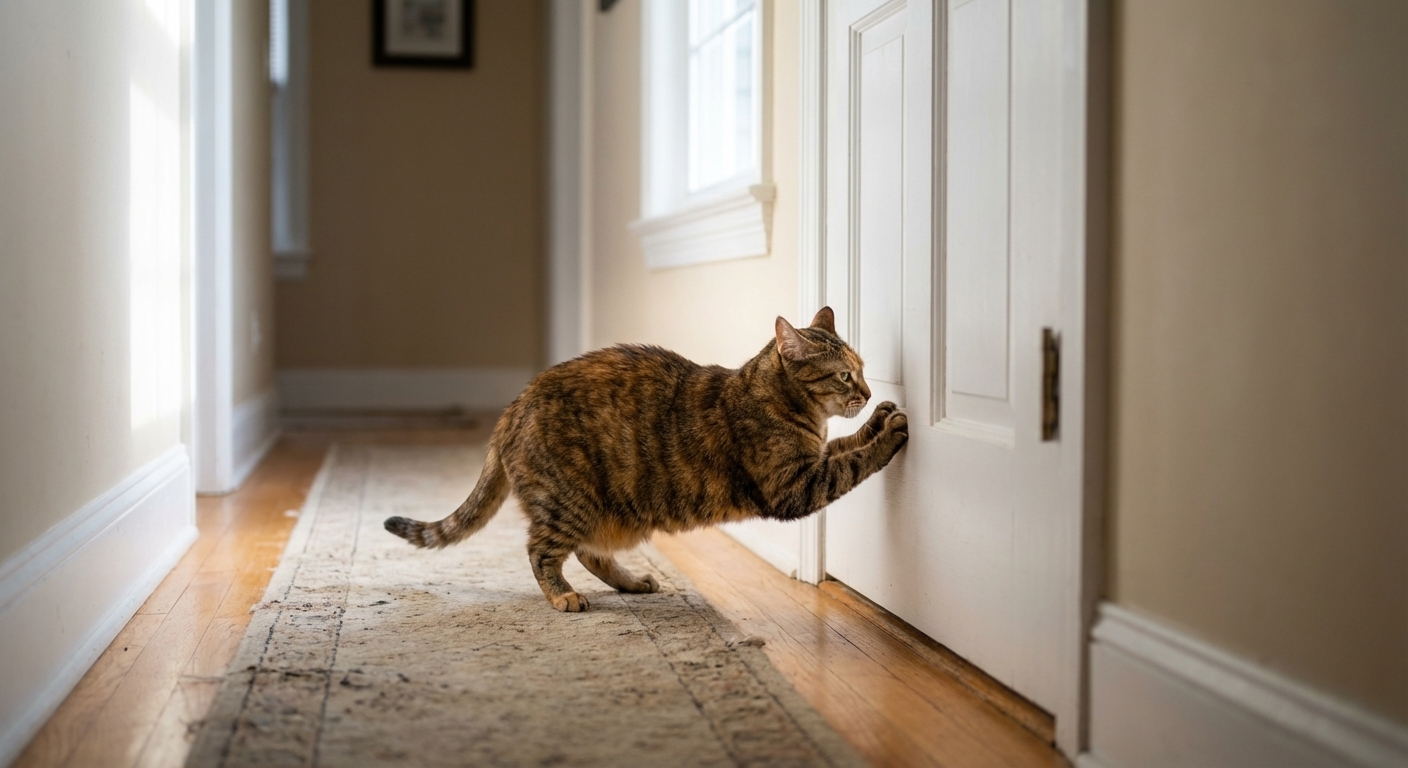
Anxious cats may scratch doors or windows, chew houseplants, shred blinds, or knock items down. Often the destruction is focused near exit points or areas that smell like you.
Litter box avoidance or house soiling
Stress can trigger urination or defecation outside the box, especially on beds, laundry, or near doors. This is one of the most important signs to address quickly because it can become a learned habit and it can also signal medical problems.
Overgrooming and skin changes
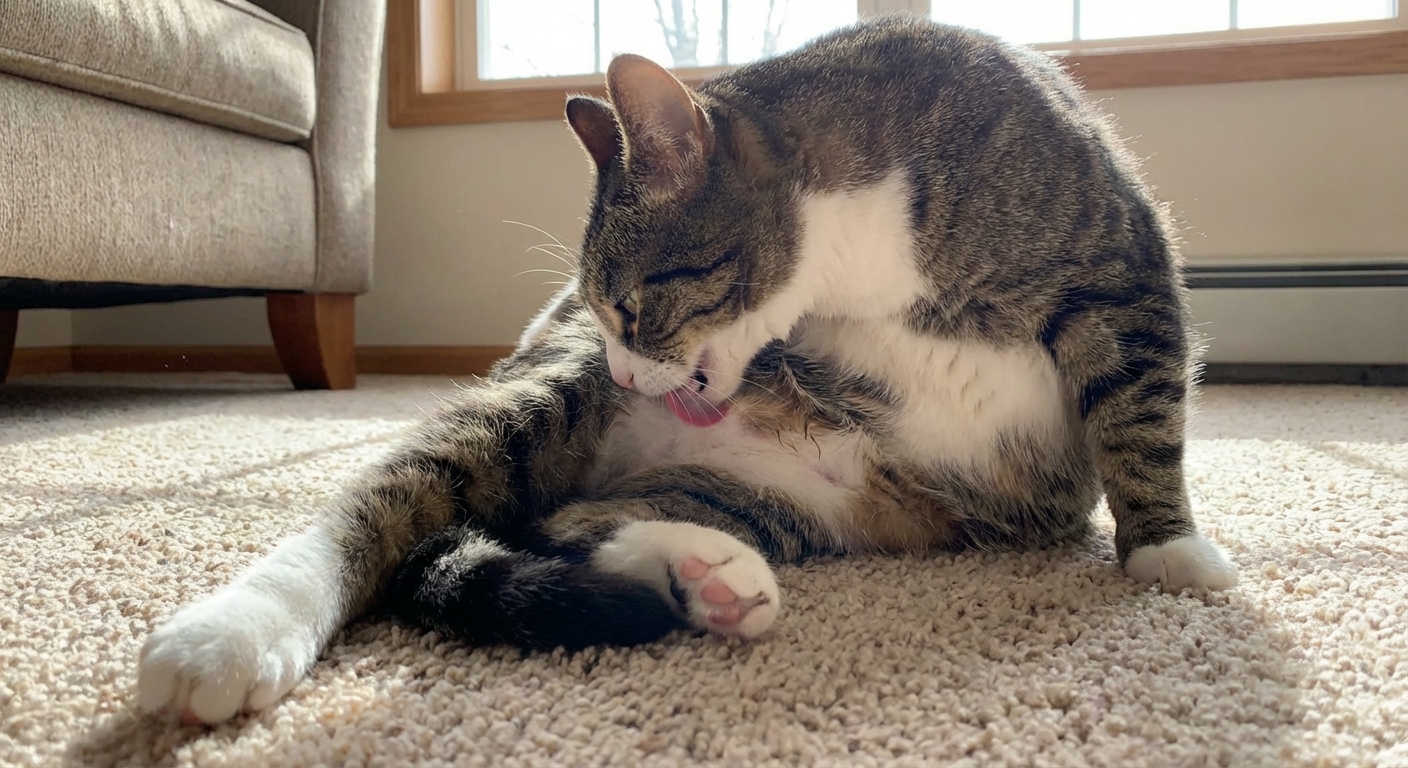
Compulsive licking can lead to thinning hair, bald patches, or irritated skin, commonly on the belly, inner thighs, or legs. Stress can also worsen underlying skin disease, so a flare-up may look like "stress dandruff" or recurring irritation when routines change.
Changes in appetite, vomiting, or diarrhea
Some cats stop eating when alone. Others eat too fast as soon as you return. Stress can aggravate gastrointestinal upset. Any ongoing vomiting, diarrhea, or appetite change deserves a veterinary check.
Clinginess or withdrawal when you are home
Not all anxious cats are "needy." Some become unusually quiet, hide more, or seem tense and watchful. Others demand constant contact and become upset when you move away.
First step: medical check
Before assuming anxiety, schedule a veterinary visit. This is especially important with litter box issues and overgrooming.
- Litter box changes can be caused by feline idiopathic cystitis (sterile inflammation), bladder stones, kidney disease, constipation, arthritis, or pain. True bacterial UTIs are less common than people expect in many otherwise healthy adult cats, so antibiotics are not automatically the answer.
- Overgrooming can be triggered by fleas, allergies, skin infection, pain, or endocrine problems.
- Vocalization can be related to hyperthyroidism, hypertension, cognitive changes in seniors, or pain.
Ask your veterinarian what diagnostics make sense for your cat. A urinalysis is commonly recommended when there is urination outside the box. Skin and flea evaluation is essential when grooming is excessive.
Why it happens
There is rarely one single cause. Most often it is a mix of genetics, early experiences, and changes in routine. Common risk factors include:
- Sudden schedule shifts like returning to work after months at home.
- Major household changes such as a move, new baby, new pet, or a roommate leaving.
- Single-person bonding where a cat relies heavily on one caregiver for social needs.
- Under-stimulation meaning long periods with little play, hunting outlets, or environmental variety.
- History of rehoming or inconsistent early-life social stability.
Enrichment that helps
Enrichment is not just "more toys." The goal is to meet your cat’s natural needs: hunting, climbing, scratching, hiding, and predictable access to resources. When those needs are met, baseline stress often drops.
Daily play
- Use a wand toy or prey-style toy for 5 to 10 minutes, once or twice a day.
- End with a small meal or a few treats to complete the hunt-catch-eat cycle.
- Rotate toys weekly so they stay interesting.
Foraging meals
- Use puzzle feeders, treat balls, or hidden kibble stations.
- If your cat eats wet food, you can still add enrichment by offering small portions in multiple locations or using lick mats made for pets. Supervise at first, keep portions reasonable, and avoid any foods with xylitol or ingredients your veterinarian has told you to avoid.
Vertical space
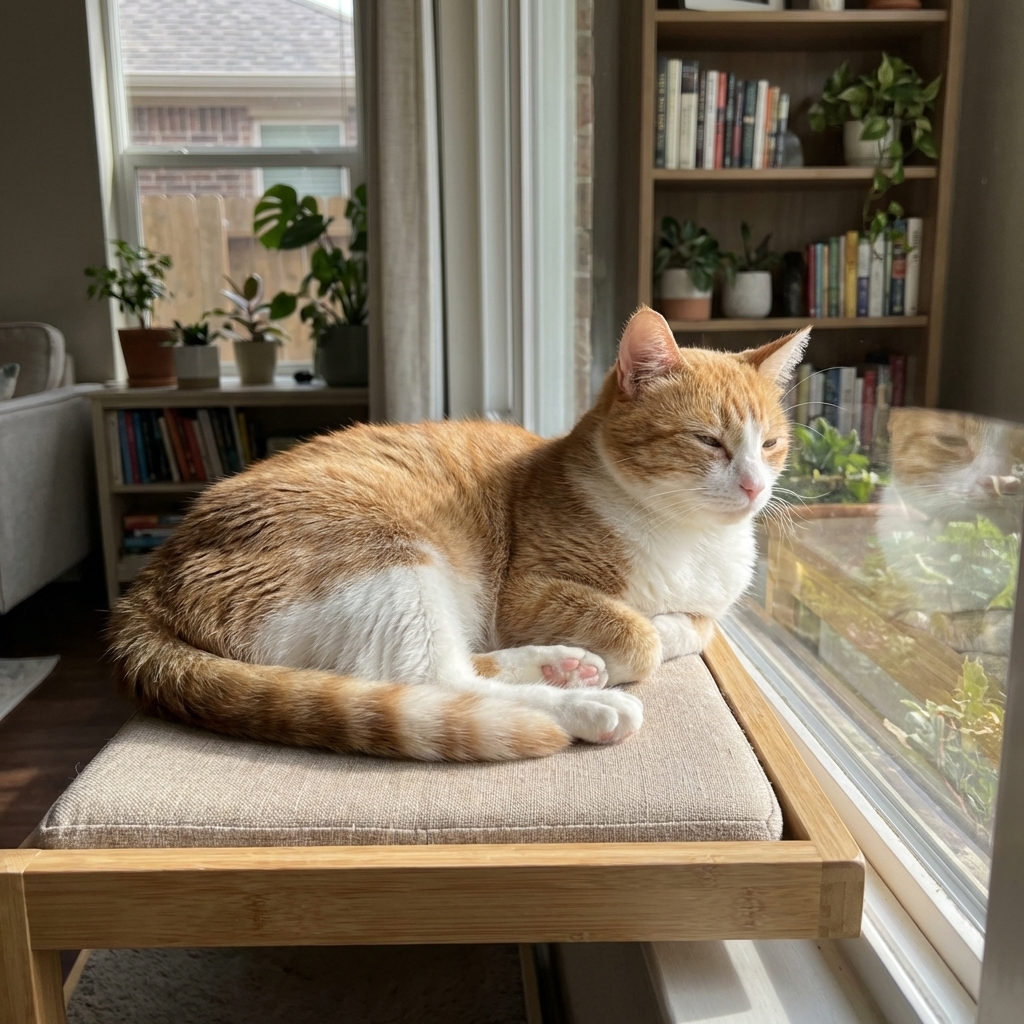
- Add a cat tree, wall shelves, or a window perch.
- Make sure there are multiple "safe" resting spots, especially in multi-pet homes.
Scratch options
- Offer both vertical and horizontal scratchers.
- Place a scratching post near common stress points, such as near the door or by a favorite window.
Calm sensory input
- Try species-appropriate calming pheromones (plug-in diffusers) in your cat’s main living area.
- Leave gentle background sound, like low-volume talk radio, if sudden silence seems to trigger alertness.
Multi-cat basics
If you have more than one cat, aim to lower day-to-day tension. Stress between cats can make separation distress worse.
- Provide multiple feeding stations and water bowls in different locations.
- Offer enough litter boxes (one per cat, plus one extra) and place them so one cat cannot block another.
- Add multiple beds, hiding spots, and vertical routes so cats can pass each other without conflict.
Practice departures
Desensitization and counterconditioning sound technical, but the idea is simple: break the "leaving" routine into tiny pieces, and pair those pieces with something your cat loves, at a level your cat can handle calmly.
Step 1: list departure cues
Many cats start to worry when they see keys, shoes, a purse, a laptop bag, or a uniform. Make a list of your cues.
Step 2: repeat cues without leaving
- Pick up keys, then sit down.
- Put on shoes, then make a cup of tea.
- Grab your bag, then play with your cat.
This helps those cues lose their power.
Step 3: very short absences
Start with seconds, not minutes, if your cat is highly reactive.
- Step outside the door for 5 to 10 seconds, come back calmly.
- Gradually increase time only if your cat stays relaxed.
- If your cat panics, you went too fast. Shorten the next trial.
- Avoid suddenly jumping from short practice sessions to long absences. Fast increases can undo progress.
Step 4: pair leaving with something great
Offer something that lasts: a food puzzle, a special treat your cat only gets when you leave, or a timed feeder that releases food after you are gone. The goal is to change the emotional meaning of your exit from "danger" to "good things happen." If you change feeding routines, do it gradually so it does not add stress.
About greetings
When you return, keep greetings calm for the first minute or two. Then invite attention and play. In some cats, big, intense reunions may increase arousal and make transitions harder, so aim for calm, consistent routines.
Litter box support
If your cat is avoiding the box when alone, you want to make the "bathroom experience" as easy and safe as possible.
- Number of boxes: aim for one per cat, plus one extra, placed in different areas.
- Location: quiet, accessible, and not trapped behind closed doors.
- Type: many cats prefer large, uncovered boxes with unscented litter.
- Cleanliness: scoop daily, and fully wash the box regularly.
- Odor cleanup: use an enzymatic cleaner on accidents to remove lingering scent cues.
If accidents continue, do not punish. Punishment increases stress and can worsen the problem.
When medication can help
Medication is not a last resort and it is not a failure. For some cats, anxiety is intense enough that learning cannot happen without lowering the panic first. In those cases, medication can be the bridge that allows behavior work to succeed.
Signs your cat may need extra support
- House soiling that persists after medical causes are addressed and litter setup is optimized.
- Self-injury from overgrooming or repeated frantic behavior.
- Severe vocalization or destruction that happens consistently when you leave.
- Your cat cannot settle even with enrichment and a structured plan.
What your veterinarian may discuss
Your veterinarian may recommend daily medication, situational medication for predictable events, or both, depending on severity and pattern. Common options your vet may mention include SSRIs (such as fluoxetine), TCAs (such as clomipramine), and situational anxiolytics (such as gabapentin). Your veterinarian will decide what is appropriate for your cat’s health history.
Never give human medications without veterinary guidance. Dosing and safety can be very different in cats.
Timeline expectations
Behavior change is usually incremental. Training plans often take weeks, and daily medications may take several weeks to reach full effect. Progress is still progress, even if it is not perfect yet.
A simple leaving plan
If you want a starting point that feels doable, here is a gentle routine:
- 10 minutes before leaving: short play session with a wand toy.
- Right before leaving: set out a food puzzle or special treat.
- Environment: open access to a window perch or cat tree, turn on calm background sound.
- Departure: neutral and quick.
- Return: calm greeting, then attention and routine.
Track what you see for 2 weeks and consider using a camera so you can measure what happens after the door closes. Even small improvements matter.
When to get help fast
Please contact your veterinarian promptly if you notice:
- Straining to urinate, frequent tiny urinations, or blood in urine.
- Sudden refusal to eat for more than 24 hours.
- Rapidly expanding bald patches, skin wounds, or signs of infection.
- Sudden behavior changes in a senior cat.
If your cat’s behavior is new or worse, it is always worth checking for pain or illness first. Treating the underlying medical issue can make the behavior plan much easier.