Make meals more tempting and nutritious with simple dog food toppers: bone broth, cooked eggs, sardines, pumpkin, and steamed veggies—plus portions, storag...
Article
•
Designer Mixes
Senior Dementia in Dogs: Pet-Friendly Behavior Guide

Shari Shidate
Designer Mixes contributor
Caring for a senior dog with dementia can feel heartbreaking and confusing. One day your sweet pup seems “mostly normal,” and the next they are pacing, staring at walls, or waking you up at 2 a.m. to wander the hallway. I am Shari Shidate, a veterinary assistant in Frisco, Texas, and I want you to know this first: you are not failing your dog. Cognitive changes happen in many older pets, and with the right support, a lot of dogs can stay comfortable and connected to their families.
This guide will help you recognize canine cognitive dysfunction (CCD), understand common behavior changes, and make practical, pet-friendly adjustments at home.
What is canine dementia (CCD)?
“Dog dementia” is commonly called Canine Cognitive Dysfunction. It is an age-related decline in brain function that can affect memory, learning, awareness, and sleep patterns. CCD is not the same as “being stubborn” or “just getting old,” and it is also not always obvious at first.
Many of the signs overlap with other senior health conditions like arthritis, vision or hearing loss, thyroid disease, kidney disease, pain, or even urinary tract infections. That is why a veterinary exam is so important before assuming the cause is dementia.
Common behavior changes
Veterinarians often group CCD signs into a pattern called DISHA. You do not need every sign for CCD to be possible.
- D: Disorientation (getting “stuck” in corners, staring into space, seeming lost in familiar rooms)
- I: Interaction changes (less interest in family, clinginess, irritability, changes in greeting behavior)
- S: Sleep-wake changes (restless nights, wandering, vocalizing after bedtime)
- H: House soiling (accidents indoors, forgetting cues, not signaling to go out)
- A: Activity changes (pacing, aimless wandering, reduced play, anxiety, repetitive behaviors)
Other common notes from pet parents include new sensitivity to sounds, increased startle response, and episodes of confusion that come and go.
How CCD is diagnosed
CCD is usually diagnosed based on a combination of your dog’s history, behavior patterns (often using the DISHA checklist), and ruling out other medical causes. In other words, it is often a diagnosis of exclusion. The more specific you can be about timing and triggers, the easier it is for your veterinarian to help.
First step: rule out medical causes
Behavior is communication, and in seniors, behavior changes often start with a body problem. Before you label it dementia, ask your veterinarian about screening for:
- Pain (arthritis, dental pain, spine discomfort)
- Vision changes (cataracts, retinal disease)
- Hearing loss
- Urinary tract infection or urinary incontinence
- Kidney or liver disease (especially in more advanced cases, these can contribute to nausea, restlessness, or confusion)
- Endocrine disorders (thyroid disease, Cushing’s)
- Neurologic disease (seizures, brain tumors, vestibular disease)
If your dog is newly restless at night, suddenly aggressive, rapidly declining, or having accidents out of nowhere, that is especially worth checking right away.
Home setup for comfort
When dogs feel confused, they do best with a predictable environment. Think of your home like a gentle “memory care” space for pets: fewer obstacles, more traction, and clear routines.
Make walking easier
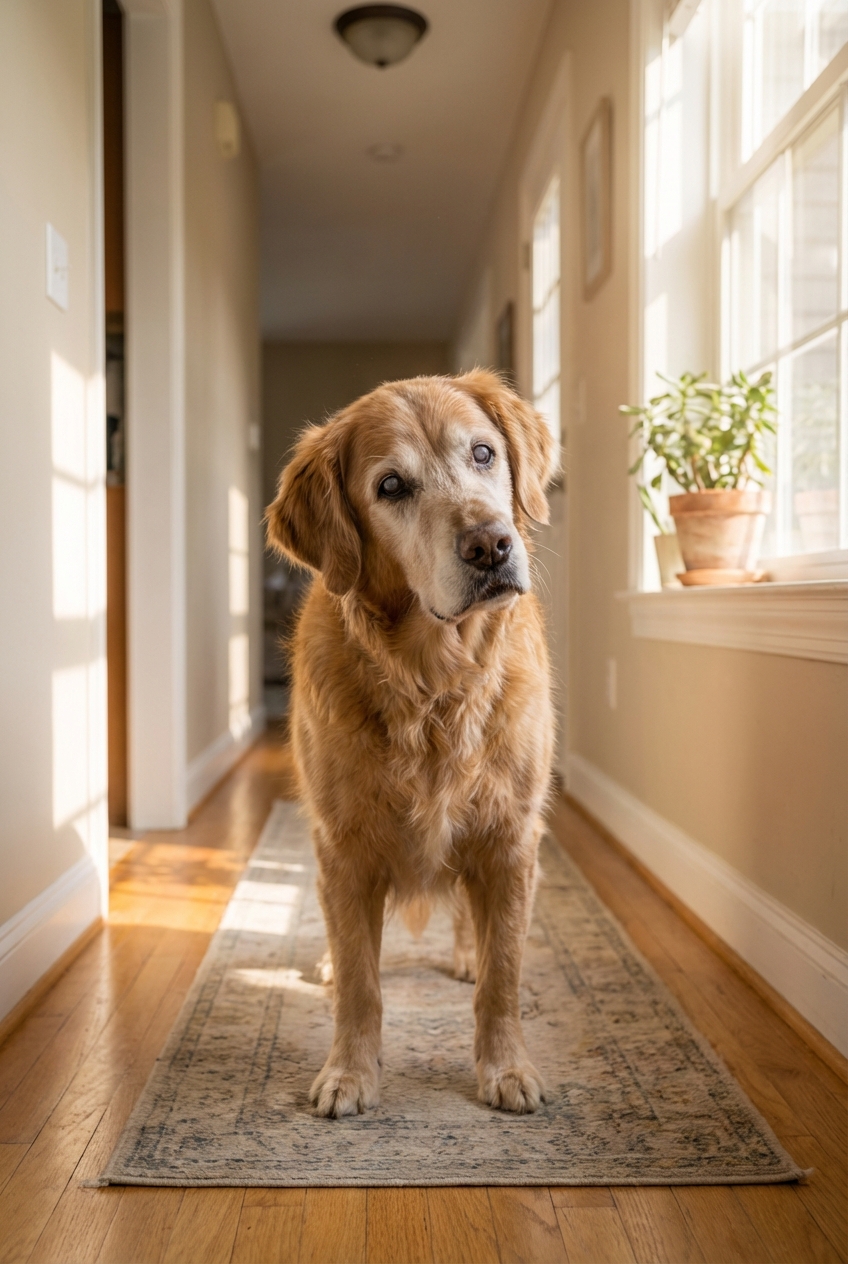
- Add non-slip rugs or runners in hallways and near food and water.
- Yoga mats or traction strips can also help on slippery floors.
- Consider toe grips for some dogs, but skip them if your dog has paw injuries, irritated nails/pads, or severe gait issues. When in doubt, ask your veterinarian or a canine rehab professional for help with fit and safety.
- Block access to stairs or install a sturdy baby gate if balance is an issue.
Create a calm “home base”
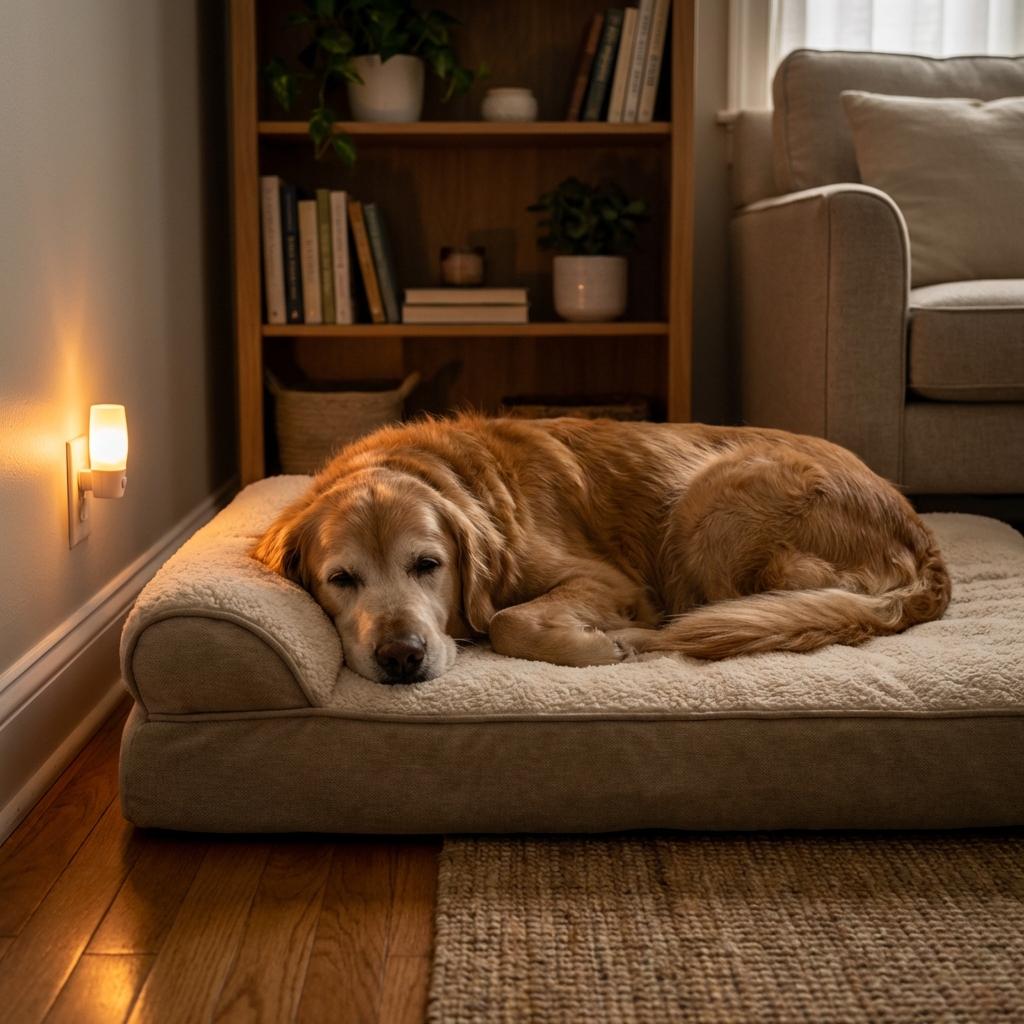
- Choose one quiet area for a bed, water, and familiar blanket.
- Keep furniture layout consistent. Avoid frequent rearranging.
- Use a night light in hallways for dogs with reduced vision.
- Some dogs settle with gentle background sound (white noise or soft music) if nighttime noises trigger anxiety.
Prevent getting stuck
- Use gates to limit access to tight spaces where your dog could wedge into corners.
- Try a circular “donut” bed or bolster bed to help dogs settle and feel oriented.
Prevent wandering outside
- Use extra caution with doors and fences, especially at night.
- Make sure your dog wears an ID tag and is microchipped, and that contact info is current.
Daily behavior support
Stick to routine
Dogs with CCD lean heavily on routine when their memory is unreliable. Keep feeding, potty breaks, and bedtime at consistent times. Even small routine anchors can reduce anxiety.
Use gentle cues
- Use the same short phrases for the same actions.
- Pair verbal cues with hand signals if hearing is reduced.
- Reward with praise or a small treat when your dog “gets it right,” even if it is something they used to do automatically.
Choose calm enrichment
We still want brain engagement, but we want it to be easy wins, not frustration.
- Snuffle mats, lick mats, and simple food puzzles
- Short “find it” games with a treat placed in easy-to-reach spots
- Gentle walks with lots of sniffing, shorter distance, slower pace
Avoid anything that makes your dog frantic, overly tired, or more confused afterward.
Evening restlessness
Many CCD dogs struggle most in the evening. Some families call this “sundowning,” a term borrowed from human medicine, but the general idea is the same: symptoms can feel worse later in the day.
Support better sleep
- Increase daytime light exposure and keep the home brighter in the late afternoon.
- Add a calm, predictable bedtime routine: potty break, a chance to drink, then bed.
- Offer a safe chew or lick mat earlier in the evening to support relaxation.
Check for hidden triggers
- Are they waking due to pain when they lie down or stand up?
- Do they need a late-night potty break due to weaker bladder control?
- Is their bedding supportive enough for arthritic joints?
If nighttime vocalizing or restlessness is frequent, ask your veterinarian about pain control and CCD-focused options. Many families see real improvement when underlying discomfort is addressed.
House soiling solutions
Accidents are one of the hardest parts emotionally. Please remember: your dog is not being “bad.” Their ability to recognize potty signals and control elimination can change with age and disease.
What helps most
- More frequent potty breaks, especially after naps and right before bed
- Reward-based reminders for going outside, even if your dog is trained already
- Water access should remain available. If nights are difficult, ask your veterinarian whether adjusting timing could help. Do not restrict water without veterinary direction.
- Enzyme cleaners for indoor accidents to reduce repeat marking or confusion
- Belly bands or dog diapers for some dogs, especially overnight, with frequent skin checks
Sudden new accidents can also be a sign of UTI, incontinence, kidney disease, diabetes, or pain. Always rule those out.
Anxiety and irritability
Dogs with cognitive decline may startle more easily or seem “on edge.” Support them like you would a nervous senior: slowly, kindly, and with fewer surprises.
- Approach from the front when possible and speak softly before touching.
- Avoid forced interactions with kids or other pets. Give your dog a quiet retreat space.
- Use baby gates to create a peaceful zone instead of constant correction.
- Consider a well-fitted harness for steadier walks and less neck pressure.
If your dog growls when they never used to, treat it as information. Pain and fear are common causes, and both deserve medical attention.
Nutrition and brain support
Food matters, especially as dogs age. While CCD is not “cured” by diet alone, nutrition may support brain health and help some dogs maintain more consistent energy and comfort. Your veterinarian can also tell you if a prescription senior or cognitive-support diet is appropriate.
What to discuss with your veterinarian
- Omega-3 fatty acids (especially DHA and EPA) for brain support
- Antioxidants as part of a complete and balanced diet
- Protein level and quality based on your dog’s overall health needs
- Digestive support if appetite or stool changes are present
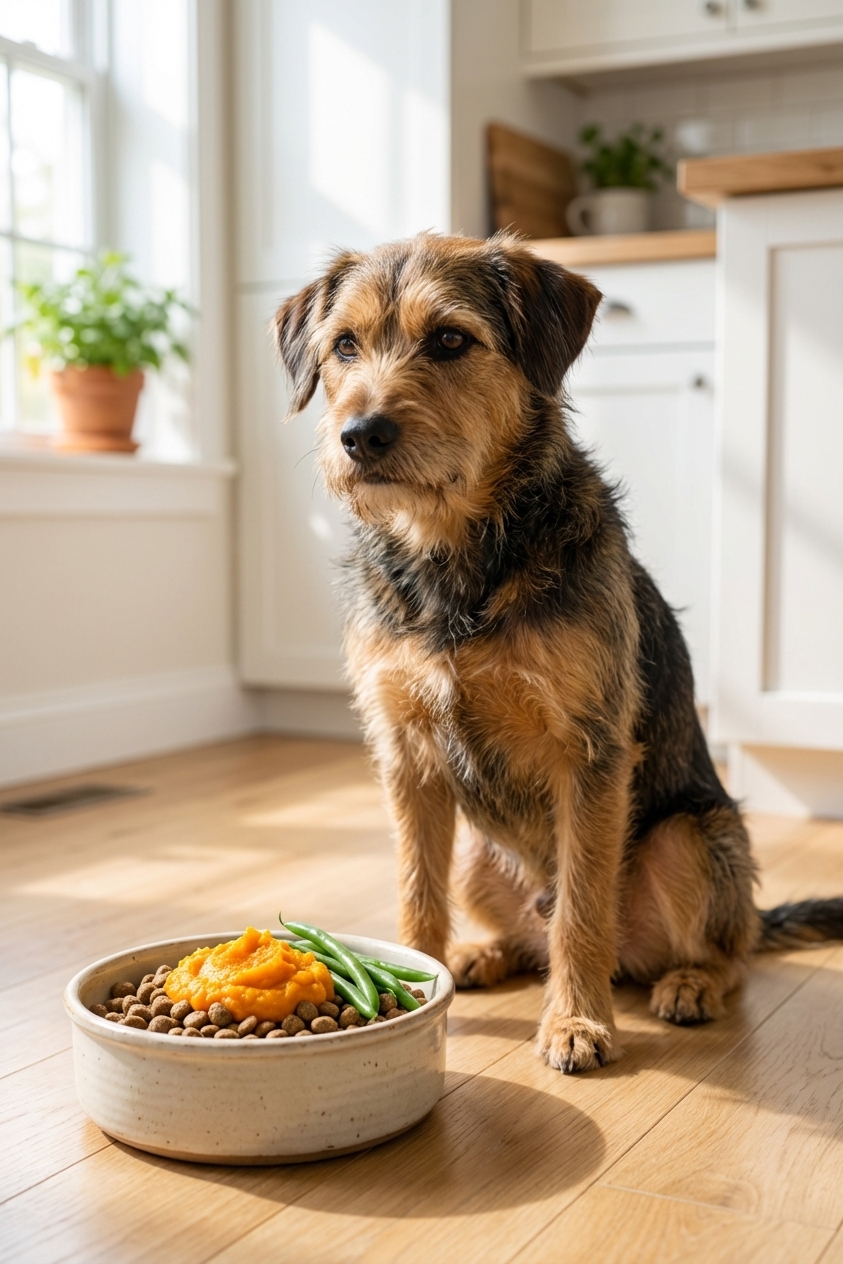
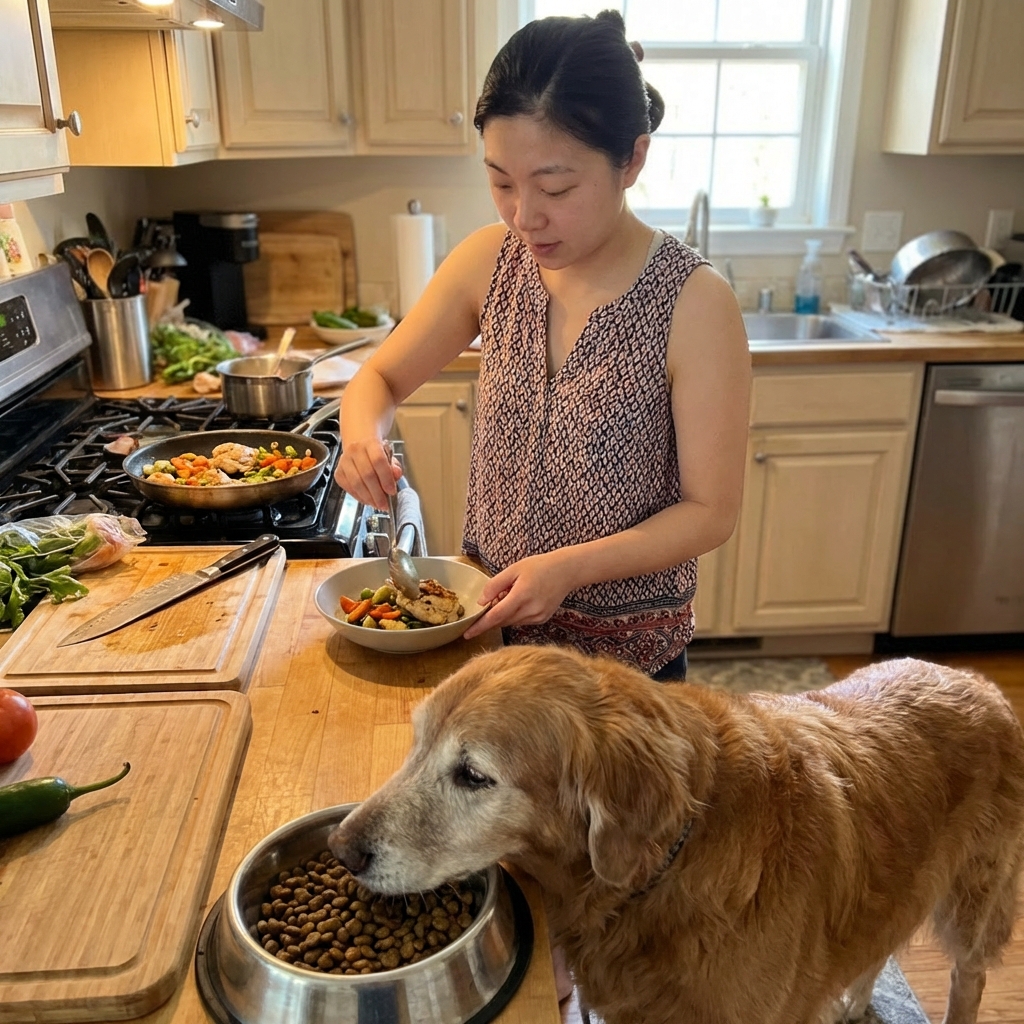
If you are interested in adding fresh, human-grade foods, go slowly. A simple approach many families do well with is a small topper of cooked lean protein and gently cooked vegetables, while keeping the overall diet balanced. Seniors can have sensitive stomachs, so gradual change is your best friend.
Medications and supplements
There are veterinary medications, therapeutic diets, and supplements that may help some dogs with CCD symptoms. Because other conditions and current medications matter so much in seniors, this is one area where individualized veterinary guidance is essential.
If your veterinarian feels it is a good fit, they may discuss options such as a CCD-labeled medication (for example, selegiline in some cases), prescription cognitive-support diets, and short-term help for sleep or anxiety when appropriate. Do not start human sleep aids or leftover prescriptions without veterinary instructions.
Bring a written list of behaviors and timing to your appointment. For example: “pacing starts around 8 pm,” “accidents happen after naps,” or “gets stuck behind the couch twice a week.” These details help your veterinarian tailor a plan.
Red flags
CCD tends to progress gradually. If something changes fast, think medical emergency or a new medical problem until proven otherwise.
- Sudden collapse, head tilt, or loss of balance
- Seizures or fainting episodes
- Rapid behavior change over days
- Severe pain signs: trembling, panting at rest, yelping, refusing to lie down
- Not eating for 24 hours, repeated vomiting, or diarrhea
- Blood in urine or straining to urinate
Quality of life check
CCD care is a marathon, not a sprint. I encourage families to track a few simple metrics weekly so you can notice trends and celebrate small wins.
- Sleep quality: nights restful or restless?
- Appetite and hydration
- Mobility and interest in short walks
- Accidents: frequency and timing
- Joy moments: greeting you, enjoying treats, relaxing in the sun
If the hard days begin to outnumber the good days, ask your veterinarian to help you assess comfort and quality of life. Loving a senior dog also means making sure their days feel safe and peaceful. It can also help to talk early, before a crisis, about late-stage planning and what a kind goodbye could look like if suffering cannot be controlled.
Small changes can make a big difference: softer lighting, more traction, shorter walks, and predictable routines often reduce confusion and stress.
Caregiver support
If CCD is stealing your sleep or increasing your stress, you are not alone. Ask for help when you can. Rotate nighttime duties with a family member, talk with your veterinarian about options for evening restlessness, and simplify the house setup so you are not constantly “on alert.” Safer routines help both of you.
A loving note
Dogs with dementia are still your dog. They still recognize safety in your voice, comfort in your routine, and love in the way you show up for them. Start with one or two changes from this guide, keep notes, and lean on your veterinarian for a customized plan. You do not have to figure it all out in one week.