
Senior Cat Care: Screenings and Quality of Life

If your cat is entering the “senior” years, you are not imagining things. Many veterinary guidelines place cats in the senior range somewhere around 10 to 12+ years (often 11+), but every cat ages a little differently. Cats also tend to show subtler signs of change than we expect, so aging can look like sleeping more, jumping less, drinking a little more water, or getting pickier about food. Sometimes it is just normal aging. Other times, it is the earliest stage of a treatable condition like kidney disease, hyperthyroidism, dental pain, or arthritis.
As a veterinary assistant, I always tell families this: your goal is not just longevity. It is comfort. With a simple screening routine and a few home tweaks, many senior cats feel better than they have in years.
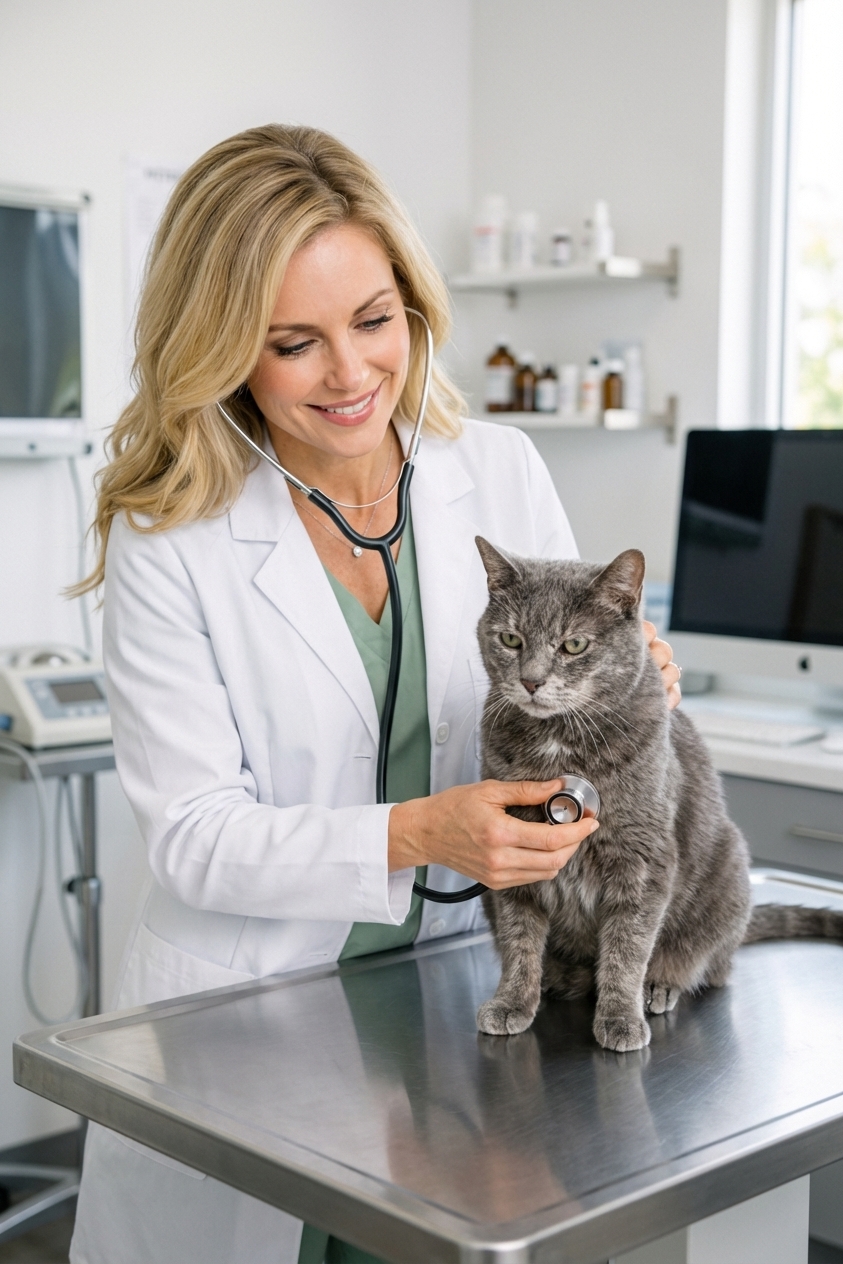
What changes at age 11+
Senior cats can look “fine” while their bodies are working harder behind the scenes. Aging commonly affects:
- Kidneys: Chronic kidney disease becomes more common with age, and early stages can be missed without lab work.
- Thyroid: Hyperthyroidism can cause weight loss with a big appetite, yowling, restlessness, and high blood pressure.
- Teeth and gums: Dental disease is extremely common and can cause pain, drooling, bad breath, and decreased grooming.
- Joints: Arthritis often shows up as behavior changes rather than obvious limping.
- Muscle mass: Seniors can lose muscle even if their weight looks stable, especially over the back and hind end.
- Senses and cognition: Hearing, vision, and cognitive function can decline gradually.
Senior cat care is mostly about noticing small changes early and responding before your cat has to “tough it out.” Cats are masters at hiding discomfort.
Health screenings
Screening recommendations vary a bit by clinic and by the individual cat, but for many cats 11+, a common baseline looks like this:
- Wellness exam: Every 6 months (twice yearly). Aging changes fast, and cats often compensate until they cannot.
- Basic lab work: At least once a year, and often every 6 months for cats with any chronic condition or borderline values.
- Blood pressure: At least yearly, and more often if kidney disease, hyperthyroidism, heart disease, or vision changes are present.
- Urinalysis: Yearly, or every 6 months if kidney values are changing, there is increased thirst, or there are litter box issues.
- Weight and body condition scoring: At every visit, plus home weigh-ins if possible.
Your veterinarian may recommend additional testing based on your cat’s history and exam, such as fecal testing, chest x-rays, abdominal ultrasound, or a heart evaluation.
Two more prevention notes that are easy to overlook in seniors:
- Parasite prevention: Fleas, ticks, intestinal parasites, and heartworm risk does not magically stop with age. Many cats benefit from year-round prevention based on lifestyle and region.
- Vaccines: For older cats, vaccination is usually risk-based. Your veterinarian will tailor timing to your cat’s exposure risk and health status.
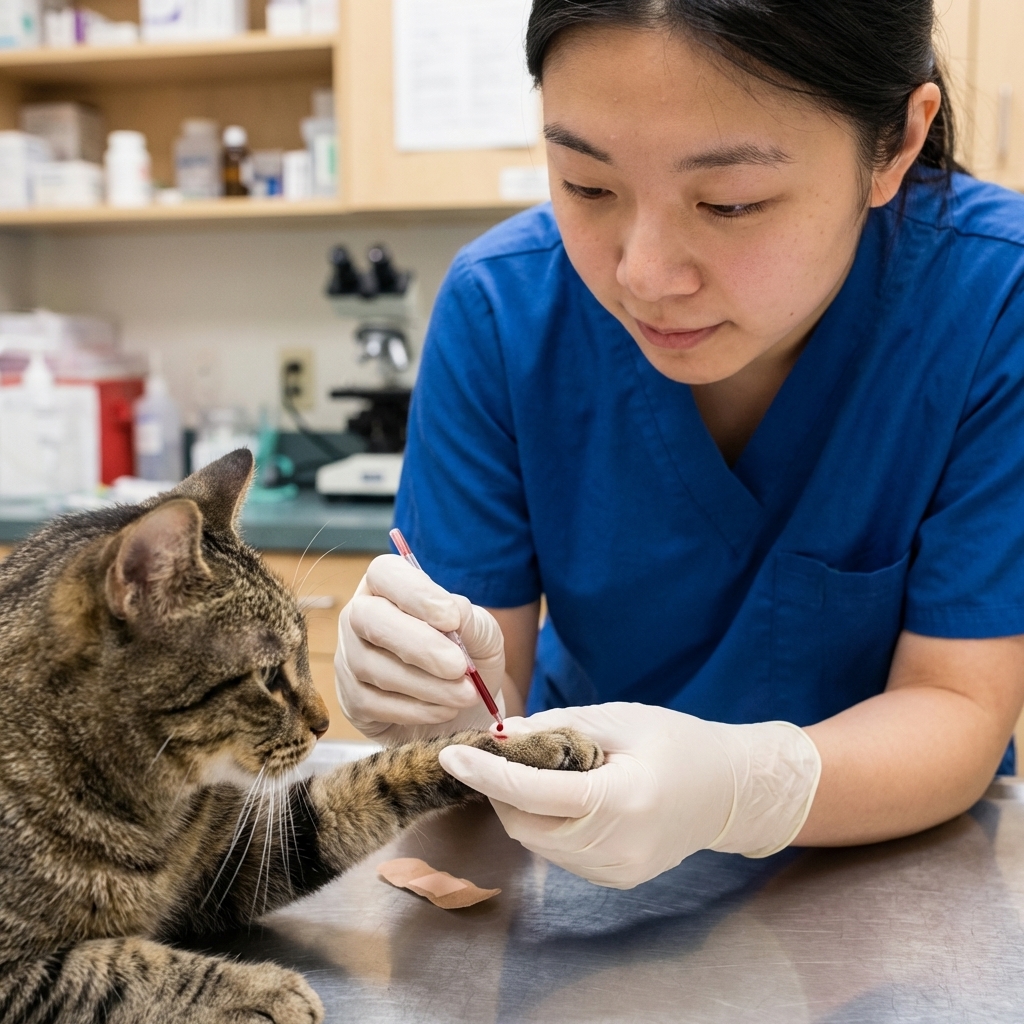
Blood work basics
Once your cat hits the senior years, routine lab work becomes one of the most helpful ways to catch quiet problems early. Senior screening panels typically include a CBC and chemistry panel. Many clinics also add thyroid testing and kidney-specific markers.
Recommended schedule
- Age 11 to 14: Often every 12 months if healthy, and every 6 months if there are changes in thirst, appetite, weight, vomiting, or energy.
- Age 15+: Many veterinarians recommend every 6 months, even if your cat seems stable. This can help catch kidney and thyroid shifts early.
Common markers
- Kidney (blood): Creatinine, BUN, SDMA, phosphorus.
- Kidney (urine): Urine specific gravity (from urinalysis), plus other urine measures your veterinarian may use to assess hydration and kidney function.
- Thyroid: Total T4, and sometimes free T4 or additional testing if results are borderline.
- Liver and pancreas: ALT, ALP, bilirubin, and sometimes feline pancreatic lipase testing if vomiting or appetite changes are present.
- Diabetes clues: Glucose in blood and urine, plus clinical signs like increased thirst and urination.
If your cat has already been diagnosed with kidney disease or hyperthyroidism, your veterinarian will tailor the frequency and add-on tests to track response to treatment.
Dental checkups
Dental pain is one of the most common, most missed causes of “slowing down” in senior cats. Cats rarely stop eating completely. Instead, you might see:
- Bad breath, drooling, or pawing at the mouth
- Chewing on one side or dropping kibble
- Sudden preference for soft food
- Grooming less or looking unkempt
- Irritability or hiding more
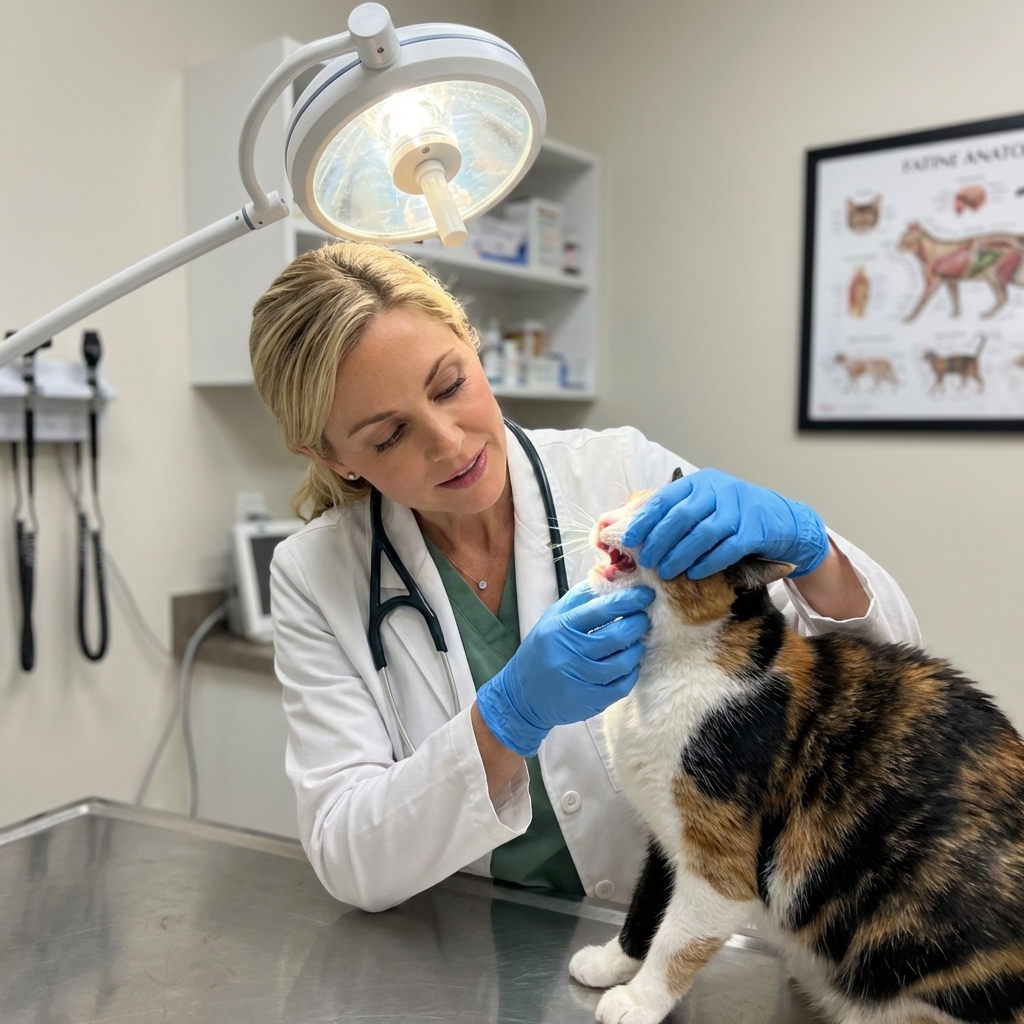
Dental exams should be part of every senior visit. If your vet recommends a professional dental cleaning, ask about dental x-rays. Many painful problems in cats happen below the gum line.
Kidney monitoring
Kidney disease is common in older cats, and early support can make a meaningful difference in comfort and hydration.
Signs to check
- Drinking more water or visiting the water bowl frequently
- More urine clumps in the litter box
- Weight loss, decreased appetite, or picky eating
- Vomiting or nausea behaviors (lip smacking, walking away from food)
- Constipation
- Dull coat and reduced grooming
What your vet may recommend
- Kidney-friendly diet adjustments
- More moisture in the diet (wet food, water added to meals)
- Phosphorus management
- Anti-nausea or appetite support when needed
- Subcutaneous fluids for some cats
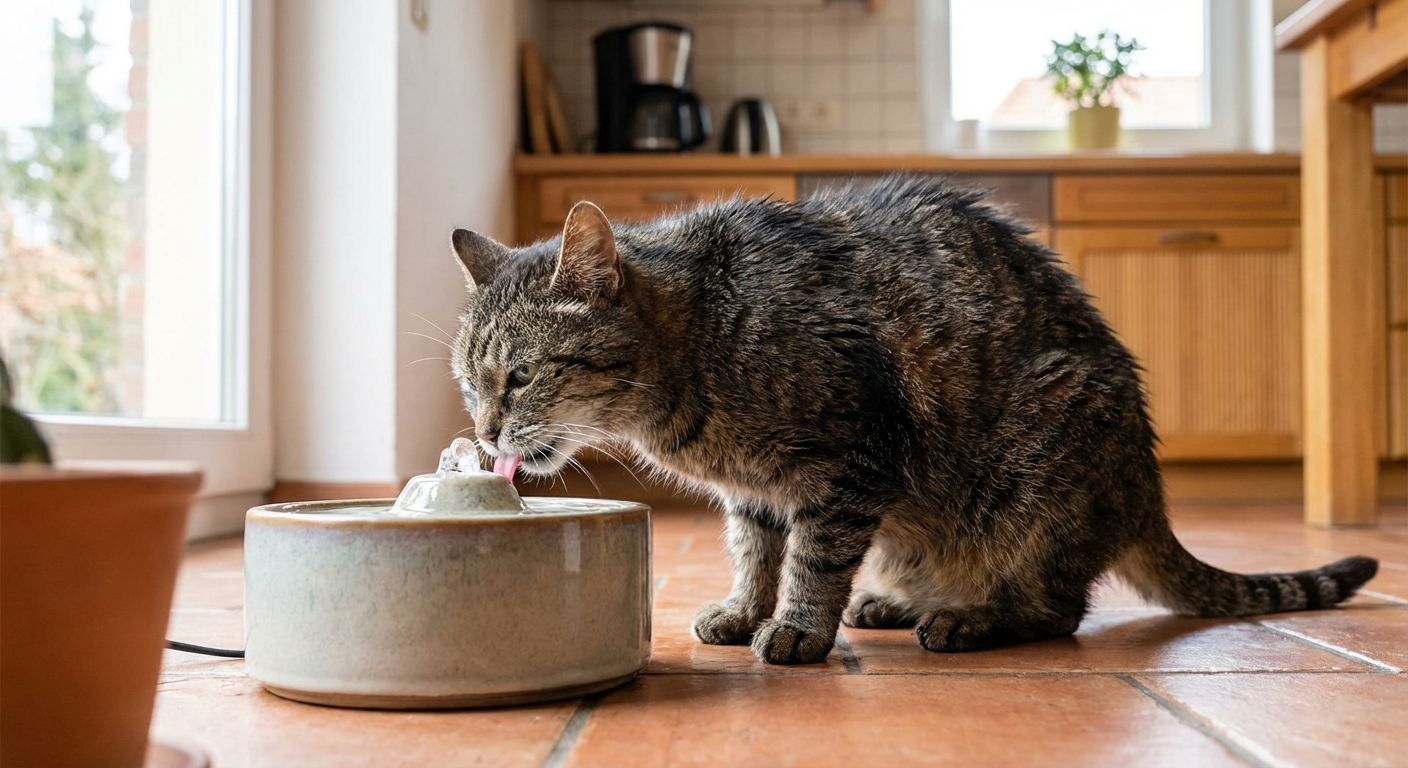
One of the simplest high-impact changes for many seniors is increasing dietary moisture. Many cats do better when more of their calories come from wet food, especially if kidney values are trending up. Water fountains can also encourage some cats to drink more, and extra water stations in quiet areas can help.
Thyroid monitoring
Hyperthyroidism often appears in senior cats and can look like a personality shift. A cat may seem hungrier, more vocal, more restless, or suddenly thin.
Common signs
- Weight loss despite a strong appetite (some cats eat less later in the disease)
- Increased thirst and urination
- Vomiting or diarrhea
- Fast heart rate
- Yowling, agitation, or nighttime wake-ups
Because hyperthyroidism can increase blood pressure and strain the heart and kidneys, early diagnosis matters. Treatment options are very effective, and your veterinarian can help you choose what best fits your cat and your household routine.
Arthritis
Many senior cats have arthritis, but they rarely limp dramatically. Instead, they adapt. They stop jumping, choose easier routes, and may avoid the litter box if the sides are high.
Subtle signs
- Hesitation before jumping up or down
- Sleeping in lower spots instead of favorite high perches
- Stiffness after rest, especially in the morning
- Less grooming, matting along the back end
- Overgrown nails from reduced scratching and movement
- Grumpiness when picked up or touched over hips or spine
If you suspect arthritis, talk to your veterinarian before giving any pain medication. Many human medications are dangerous for cats. The good news is that there are safe veterinary options, and many clinics can do a simple pain or mobility scoring check to help track response to treatment and home changes.
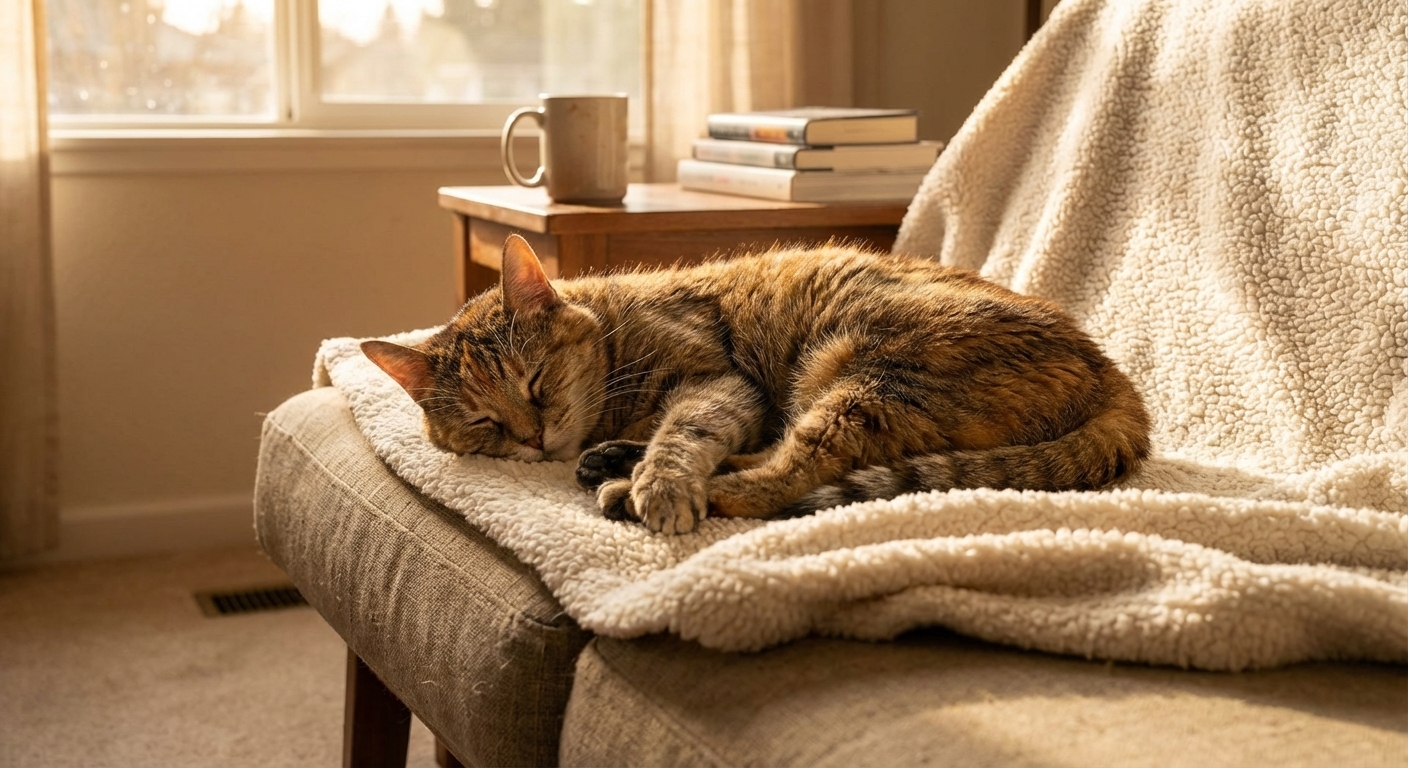
Litter box access
Litter box issues are one of the top reasons senior cats lose comfort at home, and it is often not a behavior problem. It is access, pain, or urgency.
Simple modifications
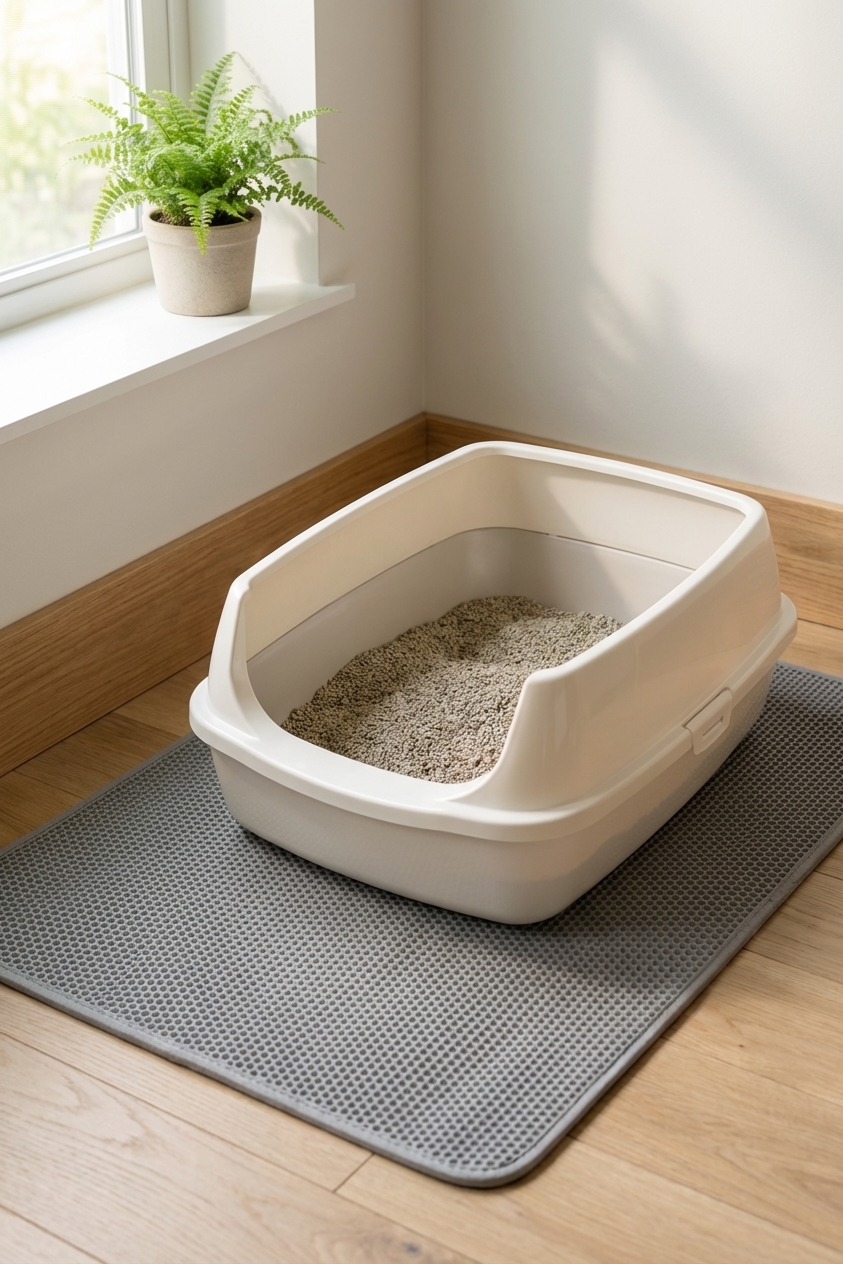
- Lower entry: Use a senior-friendly box with a low doorway, or use a large storage bin with a cut-out entry.
- More boxes: Aim for at least one box per cat plus one extra, and place them on each level of the home.
- Easy routes: Avoid making your cat climb stairs for every bathroom trip.
- Non-slip footing: Put a washable mat under and around the box to prevent slipping.
- Keep it predictable: Seniors do best when box location and type stay consistent.
If your cat is urinating outside the box, schedule a vet visit. Urinary tract disease (including infection in some cats), arthritis, constipation, kidney disease, and thyroid disease can all be involved.
Diet adjustments
There is no single “perfect” senior diet for every cat. The right choice depends on kidney function, dental health, body condition, and any medical diagnoses.
Senior nutrition goals
- Protect muscle: Seniors often need highly digestible, high-quality protein to maintain muscle mass. Your veterinarian will guide you if kidney disease changes the protein strategy.
- Increase moisture: Wet food, water added to meals, and broth-style toppers can support hydration.
- Support digestion: Some cats benefit from gradual fiber adjustments for constipation or hairballs.
- Maintain a healthy weight: Both obesity and being underweight can reduce quality of life.
Tips for picky seniors
- Warm wet food slightly to enhance aroma
- Offer smaller, more frequent meals
- Use wide, shallow bowls to reduce whisker stress
- Track appetite changes for your vet, rather than guessing week to week
If you use toppers or broths, choose options that are low-sodium and free of onion and garlic. If your cat has kidney disease, hyperthyroidism, diabetes, or heart disease, do not switch diets without guidance. In seniors, nutrition is part of the treatment plan.
Cognitive decline
Cognitive dysfunction can happen in cats, especially in advanced senior years. It can be heartbreaking because the changes may look like anxiety or stubbornness.
Possible signs
- Increased vocalization, especially at night
- Staring at walls or seeming “spaced out”
- Getting stuck in corners or behind furniture
- Sleep-wake cycle changes
- Reduced interest in play or interaction
- New litter box accidents
Because these signs can overlap with medical issues like hyperthyroidism, high blood pressure, vision loss, pain, and urinary problems, a vet exam and lab work are the first step. Many cats improve when underlying causes are addressed and the home environment becomes more predictable.
Quality-of-life tracking
You do not need a complicated system. A simple daily or weekly check-in can help you spot patterns early and have clearer conversations with your veterinarian.
Track these 10
- Appetite: Eating the usual amount, slower eating, walking away, begging more than normal
- Water intake: Any noticeable increase
- Urination: Larger clumps, more frequent trips, accidents
- Stool: Constipation, diarrhea, straining
- Weight: Monthly weigh-ins if possible, especially for thin seniors
- Mobility: Jumping, stairs, getting into the box
- Grooming: Coat condition, dandruff, mats, urine staining
- Breathing: Any open-mouth breathing or increased effort is urgent
- Behavior: Hiding, irritability, clinginess, confusion
- Joy: Still seeking favorite sunny spots, treats, affection, or play in some form
If you like a quick method, use a 0 to 10 score each week for appetite, mobility, and social interest. When the trend drops, even gradually, it is time to check in with your vet.
Call your vet soon
Please do not wait and see if your senior cat shows any of the following:
- Not eating for 24 hours, or eating much less for more than 2 days
- Rapid weight loss
- Repeated vomiting, or vomiting plus lethargy
- Straining to urinate, frequent small urinations, or crying in the litter box
- Sudden weakness, collapse, or trouble walking
- Labored breathing, open-mouth breathing, or blue or pale gums
- Sudden blindness signs, bumping into things, dilated pupils
Senior cats can dehydrate and decline quickly. Prompt care can prevent a small problem from becoming a crisis.
Senior-friendly home
You can make your home “senior-friendly” in an afternoon.
- Easy access: Pet stairs or a stable ottoman to favorite resting spots
- Warmth: Soft bedding in draft-free areas, with safe warming options approved for pets
- Gentle grooming: Short daily brushing sessions, especially if grooming has decreased
- Nail trims: Seniors often need more frequent trims due to less scratching and movement
- Low-stress resources: Food, water, and litter in quiet locations away from noise and other pets when possible
The bottom line
Senior cat care is a partnership between you, your cat, and your veterinary team. If you do just two things, make them these: schedule regular screenings and track day-to-day changes at home. When you catch kidney shifts, thyroid changes, dental pain, and arthritis early, you give your cat more comfortable months and often years.
Your cat does not need to act “old” to be a senior. They just need you to notice the quiet signs and respond with love and a plan.