
Seizures in Puppies: Causes and What to Do

Seeing a puppy have a seizure is one of the scariest things a pet parent can experience. The good news is that some puppy seizures have a treatable trigger. Still, any first-time seizure in a puppy deserves prompt veterinary evaluation, even if your pup seems normal afterward.
In puppies, seizures are often linked to issues we see less commonly in adult dogs, like low blood sugar (hypoglycemia), toxins, infections, and certain congenital conditions (problems present from birth). Below, I will walk you through what puppy seizures can look like, what to do during and after, and when it could mean something more ongoing like epilepsy.

What a seizure looks like in a puppy
A seizure is a sudden burst of abnormal electrical activity in the brain. It can look dramatic, or it can be subtle, especially in very young puppies.
Some seizures are easy to miss and can look like brief staring, spacing out, or odd repetitive movements that stop suddenly.
Generalized (full-body) seizures
- Falling over or suddenly going stiff
- Paddling or jerking limbs
- Jaw chomping, drooling, foaming
- Loss of bladder or bowel control
- Not responsive to your voice during the episode
Focal (partial) seizures
- Twitching of one side of the face
- Repeated head bobbing
- One limb jerking
- Unusual fly-biting behavior (snapping at the air)
- Sudden fear, hiding, or odd behavior that stops as quickly as it started
The post-seizure phase (postictal period)
After a seizure, many puppies seem confused, wobbly, clingy, restless, very hungry, or temporarily blind. This phase can last minutes to hours.

Puppy seizure causes that are different from adult dogs
Adult dog seizures are often associated with idiopathic epilepsy (a diagnosis made when other causes are ruled out). Puppies can develop epilepsy too, but when a young dog seizes, veterinarians put a lot of focus on finding a trigger that can be corrected.
1) Hypoglycemia (low blood sugar)
This is a big one in puppies, especially toy breeds and very small pups who burn energy quickly. A puppy can become hypoglycemic from skipping meals, stress, intestinal parasites, illness, or simply not eating enough.
Clues that point toward hypoglycemia:
- Very young age (more common in younger puppies)
- Weakness, tremors, glassy eyes
- Seizure happens after play, stress, or missed meals
Why it matters: low blood sugar can be life-threatening, but it is also very treatable once recognized.
2) Toxins and poisons
Puppies explore the world with their mouths. Because they are small, even a little toxin can cause big symptoms. Some exposures can trigger seizures quickly.
Common seizure-triggering toxins for puppies include:
- Certain rodenticides (for example, bromethalin). Note: other rodenticides more commonly cause internal bleeding rather than seizures, but any suspected bait exposure is an emergency.
- Insecticides and slug or snail bait
- Some flea and tick products not labeled for puppies or overdosed products
- Human medications (ADHD meds, antidepressants, pain relievers, sleep aids)
- Xylitol (in some sugar-free gum, candy, baked goods, peanut butter)
- Cannabis products
- Certain toxic plants and essential oils
If you suspect toxin exposure, do not wait. Call your veterinarian, an ER clinic, or a pet poison hotline immediately (fees may apply): ASPCA Animal Poison Control or Pet Poison Helpline.
3) Infections and inflammation
Puppies have immature immune systems. Depending on vaccine status and exposure history, infections can affect the brain and trigger seizures.
- Canine distemper can cause neurologic signs including seizures.
- Neospora and toxoplasmosis can affect the nervous system in young dogs.
- Meningitis or encephalitis (inflammation in or around the brain) can cause seizures, fever, pain, and behavior changes.
4) Congenital conditions (present from birth)
Some puppies are born with issues that affect metabolism or blood flow through the liver, which can lead to seizures.
- Portosystemic shunt (liver shunt): abnormal blood vessels bypass the liver, allowing toxins (like ammonia) to build up and affect the brain.
- Hydrocephalus: excess fluid in the brain, more common in some small or brachycephalic breeds.
- Congenital brain malformations: rare, but possible.
Clues that can suggest a liver shunt: poor growth, vomiting or diarrhea, acting “spacey” after meals, urinary issues, or seizures that seem worse after eating.
5) Parasites and severe GI illness
Heavy intestinal parasite loads, vomiting, diarrhea, and dehydration can throw off electrolytes and blood sugar. That combination can lower the seizure threshold in puppies.
6) Vaccination-related events (rare)
True vaccine-associated seizures are uncommon. When they do occur, they are often related to fever or an underlying predisposition rather than the vaccine itself. For most puppies, the benefits of vaccination overwhelmingly outweigh the risks, and common mild effects like sleepiness or a sore spot are far more likely than seizures.
If a seizure happens within hours to a day after vaccination, tell your veterinarian right away so they can advise you on next steps and future vaccine planning.
Epilepsy or a one-time event?
Here is the gentle truth: you cannot diagnose epilepsy at home. Epilepsy is usually considered when a dog has recurrent seizures and testing does not identify a toxin, metabolic problem, or structural brain issue.
When epilepsy becomes more likely
- Repeated seizures over time
- Normal physical exam between seizures
- Normal baseline lab work (as determined by your vet)
- Often starts in young dogs, commonly between about 6 months and 6 years, but this can vary
When a one-time seizure might be more likely
- A clear trigger like toxin exposure, missed meals, or illness
- The puppy is very young and tiny (hypoglycemia risk)
- The seizure stops and does not recur once the underlying issue is corrected
If your puppy has a first-time seizure, treat it as an urgent evaluation even if they seem okay afterward. Puppies can crash quickly, and early treatment can prevent repeat episodes.
What to do during a puppy seizure
Your job is safety first. Most seizures are short, and your puppy is not doing this on purpose and cannot “snap out of it.”
Step-by-step
- Start a timer. Duration matters to your vet.
- Keep your hands away from the mouth. Puppies can bite unintentionally. Dogs do not swallow their tongues.
- Prevent injury. Move furniture away, block stairs, and cushion with a folded towel if you can do so safely.
- Reduce stimulation. If you can, keep the room dark and quiet to support recovery.
- Do not restrain. Gentle protection is fine, but do not hold them down.
- Do not offer food or water during the seizure. Swallowing is not normal during an episode and aspiration is a real risk.
- Video the episode if possible. A 10 to 20 second clip can be extremely helpful for diagnosis.
Important: If a seizure lasts more than 5 minutes, or your puppy has two or more seizures in 24 hours (cluster seizures), treat it as an emergency.
Heat note: Seizures can raise body temperature. If the episode is prolonged, keep the environment cool and get to emergency care.

What to do right after the seizure
Once the seizure ends, your puppy may be disoriented. This is when they can bump into things, fall down stairs, or panic.
- Keep them in a safe, quiet area. Block stairs, pad sharp corners, and guide them away from furniture edges.
- Keep them comfortable. A blanket is fine, but do not overheat them.
- Offer water. Small sips only once they are fully awake and swallowing normally.
- Do not force food immediately. If they are fully alert and can swallow normally, you can offer a small meal.
- If your puppy is tiny or you strongly suspect hypoglycemia: call your vet right away for guidance. In some cases, vets may advise a small amount of a sugar source on the gums, but this should be done carefully because aspiration is a real risk if the puppy is not fully alert.
- Write down details. Time, length, what it looked like, any triggers, and whether they returned to normal.
If your puppy has a known seizure disorder, ask your veterinarian whether you should keep an emergency medication at home (for example, a rectal or intranasal anti-seizure medication) and exactly how and when to use it. Only use these under veterinary direction.
When to go to the emergency vet
Use these as clear, actionable red flags.
Go now
- Seizure lasts over 5 minutes
- Two or more seizures within 24 hours (cluster seizures)
- Repeated seizures without full recovery in between
- Your puppy is having trouble breathing, has blue or pale gums, or collapses
- Suspected toxin exposure of any kind
- Fever, stiff neck, severe pain, or extreme lethargy
- Puppy is very young, very small, or not eating well
Same-day veterinary visit (even if the seizure stopped)
- First-time seizure in a puppy
- Any seizure paired with vomiting, diarrhea, weakness, or tremors
- Seizure followed by prolonged confusion lasting hours
How vets diagnose seizures in puppies
In clinic, your veterinarian will focus on identifying a cause you can treat and prevent from happening again.
Depending on your puppy’s age and symptoms, your vet may recommend:
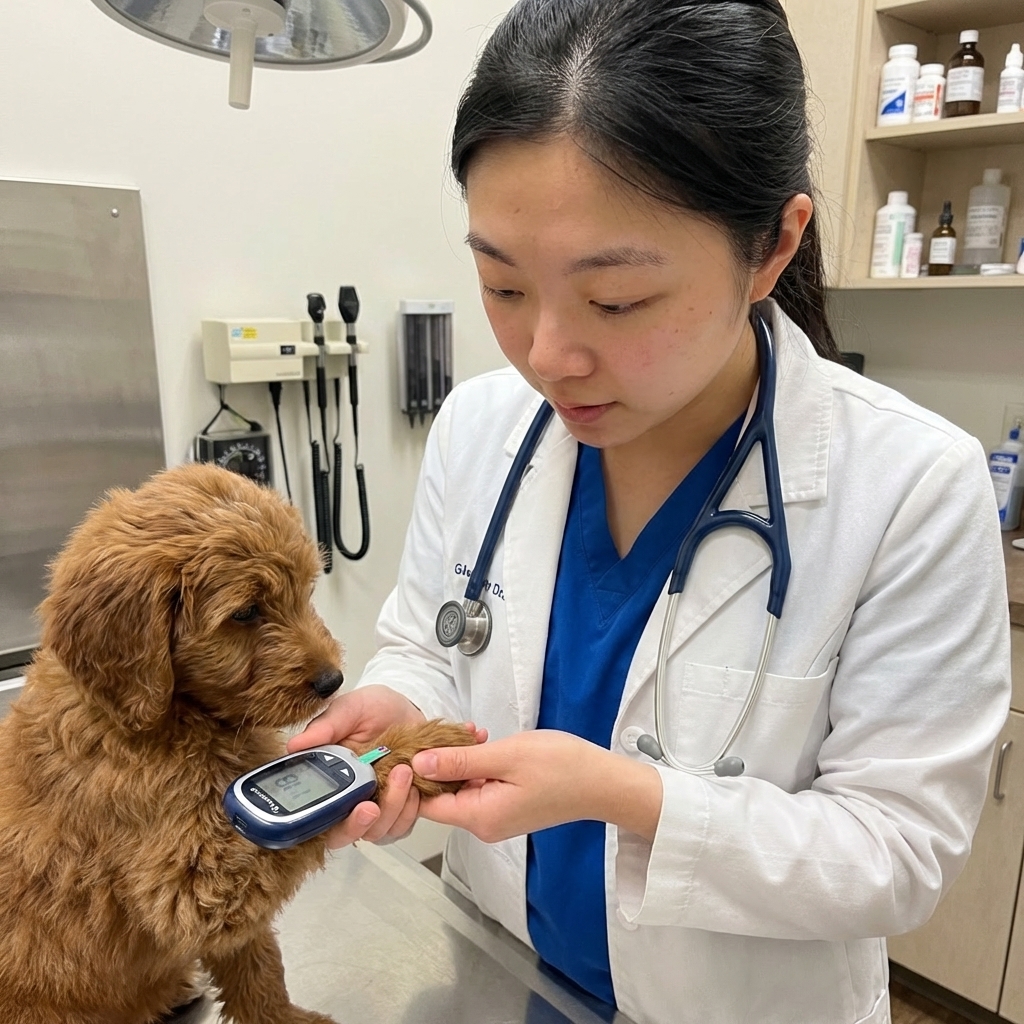
- Blood glucose check (especially for toy breeds)
- Basic bloodwork and electrolytes
- Bile acids testing for suspected liver shunt
- Urinalysis
- Fecal testing for parasites
- Parvo or distemper testing when appropriate
- Advanced imaging (MRI or CT) and possibly spinal fluid testing if brain disease is suspected
Helpful things to bring: a short seizure video, a list of recent meds and preventatives (including flea and tick products), vaccine dates, and any potential toxin packaging or photos.
Preventing puppy seizures when possible
Not every seizure is preventable, but many puppy triggers are.
Practical prevention tips
- Feed small, frequent meals for young or toy-breed puppies. Ask your vet what schedule fits your pup’s size and age.
- Prevent access to toxins. Store medications, gum, chocolate, cannabis products, cleaning products, and pest control products in locked cabinets.
- Use flea and tick prevention correctly. Only use products labeled for your puppy’s age and weight, and avoid layering products unless your vet says it is safe.
- Keep up with vaccines and parasite prevention. Many dangerous infections are preventable.
- Watch for warning signs. Trembling, weakness, acting “spacey,” and poor appetite in a young puppy are reasons to check in with your vet promptly.
Quick checklist
- Time the seizure
- Keep puppy safe and away from stairs
- Do not put fingers near the mouth
- No food or water during the seizure
- Record a short video if you can
- Call your vet, ER, or a pet poison hotline for guidance
- Emergency if over 5 minutes, two or more seizures in 24 hours, toxin exposure, or your puppy is not recovering
If you are worried right now, trust that instinct. I have seen many puppies do very well once the cause is identified. Getting help quickly is the kindest thing you can do.