
Dog seizures can be frightening. Learn signs of generalized vs focal seizures, what to do during and after an episode, when to seek emergency care, and how t...
Article
•
Designer Mixes
Seizures in Dogs: Causes, What to Do, When to See a Vet

Shari Shidate
Designer Mixes contributor
Few things are as frightening as watching your dog have a seizure. The good news is that with prompt, calm first aid and the right veterinary support, many dogs do well. That said, prognosis depends heavily on the underlying cause and how severe the episodes are. In this guide, I will walk you through what seizures can look like, common causes, what to do in the moment, what not to do, and how to know when it is urgent.
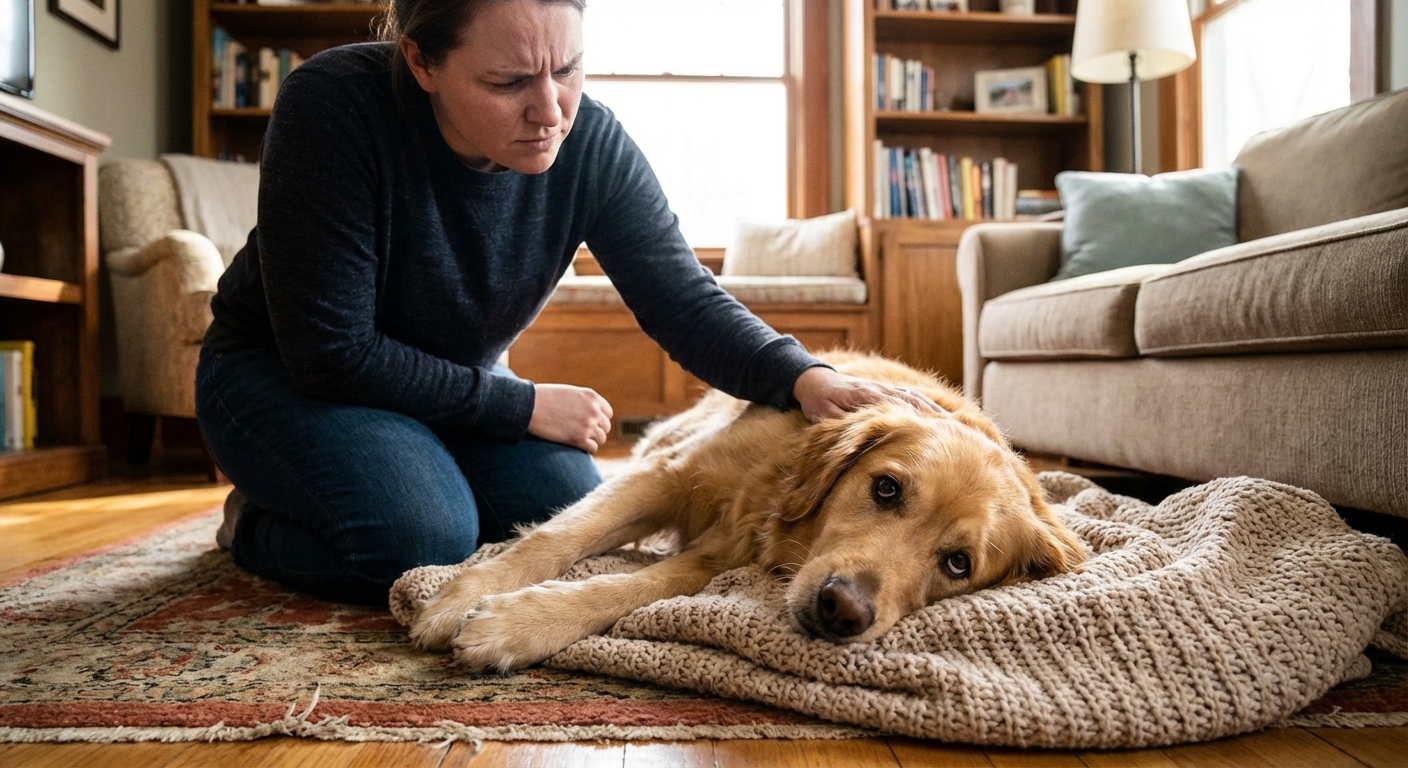
What a seizure looks like
A seizure is a sudden burst of abnormal electrical activity in the brain. It can affect movement, awareness, and behavior. Some seizures are dramatic, while others are easy to miss.
Common signs
- Full-body convulsions with stiffening and paddling legs
- Loss of consciousness or appearing “not there”
- Drooling, chomping, or foaming
- Loss of bladder or bowel control
- Vocalizing such as yelping or whining
- Disorientation afterward including pacing, temporary blindness, clinging, or restlessness
Seizure types
Generalized seizures affect the whole body and are the most recognizable. Focal seizures may involve twitching of one side of the face, repetitive movements, fly-biting behavior, or odd episodes of staring. A focal seizure can sometimes progress into a generalized seizure.
Seizure or something else?
Owners commonly confuse seizures with a few other events. If you can safely record video, it can help your vet sort this out.
- Fainting (syncope): often sudden collapse with quick recovery, sometimes tied to exercise, coughing, or heart disease. Usually there is less paddling and less confusion afterward.
- Vestibular episode: head tilt, loss of balance, rolling, and eye flicking (nystagmus). This can look dramatic, but dogs are often aware and not convulsing.
- Tremors or shivering : rhythmic shaking but your dog remains responsive and aware.
Why seizures happen
Seizures are a symptom, not a diagnosis. Vets often think in three broad buckets: idiopathic epilepsy, reactive seizures (metabolic or toxic causes), and structural causes (brain-related). Finding the “why” helps your vet choose the safest and most effective plan.
Idiopathic epilepsy
Many dogs that start having seizures between about 6 months and 6 years of age are diagnosed with idiopathic epilepsy. This is typically a diagnosis of exclusion, meaning other causes are ruled out with history, exam, and testing (and sometimes advanced imaging). Genetics can play a role, and certain breeds are predisposed.
Reactive seizures
These happen when something outside the brain triggers abnormal brain activity. Examples include:
- Low blood sugar , especially in toy breeds, puppies, or dogs with diabetes treated with insulin
- Liver disease (toxins not cleared properly)
- Kidney disease and severe electrolyte imbalances
- Toxins such as xylitol, certain pesticides, some human medications, illicit drugs, or poisonous plants
Structural causes
These are due to a change in the brain itself. Examples include:
- Brain inflammation or infection
- Stroke
- Brain tumor
- Head trauma
Structural causes are more likely when seizures begin in very young puppies, start for the first time in older dogs, or come with other neurologic signs such as persistent circling, head tilt, weakness, or behavior changes. Definitive classification may require advanced imaging such as MRI or CT.
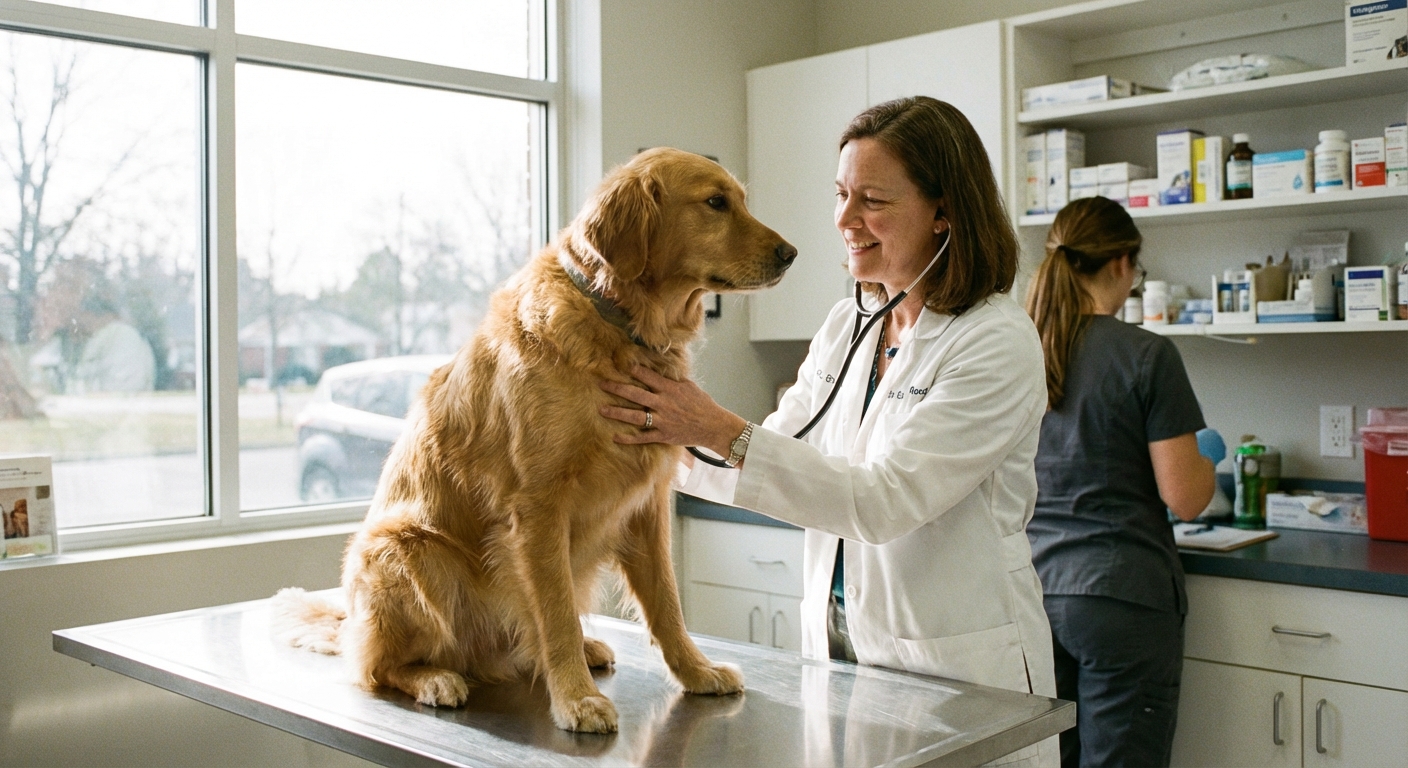
What to do during a seizure
Your job is to keep your dog safe and gather helpful information, not to stop the seizure by force. Seizures often last under 2 minutes, even though it can feel much longer. Any seizure that is approaching 3 to 5 minutes should be treated as an emergency.
Step-by-step first aid
- Stay calm and start timing with your phone. Duration matters.
- Protect from injury. Move furniture away. If your dog is near stairs, gently block access with a pillow or folded blanket.
- Dim lights and reduce noise if possible. This will not stop the seizure once it starts, but it can reduce agitation during recovery.
- Do not put your hands near the mouth. Dogs do not swallow their tongues, but they can bite involuntarily.
- Do not restrain the legs. Let the movements happen while keeping the area safe.
- Record a video if you can do so safely. This can be extremely helpful for your vet.
What not to do
- Do not offer food, water, or pills during a seizure or while your dog is still disoriented. Choking is a real risk.
- Do not try to “hold the tongue” or open the mouth.
- Do not use ice baths. Rapid cooling can be dangerous.
Cooling and overheating
Overheating becomes a concern with prolonged seizures, repeated seizures, or if your dog feels very hot. If you are dealing with a prolonged episode or you are on the way to emergency care and your dog is overheating, you can use a fan nearby or a cool (not ice-cold) cloth on the paws, groin, or belly. Cooling is supportive care and does not replace emergency treatment.
Right after
The post-seizure period is called the postictal phase. Many dogs are confused, wobbly, thirsty, hungry, restless, or temporarily blind. Keep your dog in a quiet, safe room and away from stairs, pools, and sharp corners. Offer small sips of water once they are fully able to swallow normally, and wait to offer food until they are clearly alert and coordinated.
When to see a vet urgently
Some situations require emergency care because seizures can overheat the body and become life-threatening.
Go now
- The seizure lasts more than 5 minutes
- Your dog has two or more seizures within 24 hours (cluster seizures). Many vets use this definition, typically with recovery between episodes.
- Your dog has trouble breathing , severe weakness, or does not return to normal awareness
- The seizure happened after possible toxin exposure (human meds, xylitol, pesticides, drugs, poisonous plants)
- This is your dog’s first seizure, especially if they are very young or older
- Your dog is pregnant, has known diabetes, liver disease, kidney disease, or is on seizure medication and suddenly worsens
Call your vet today
- Your dog had a brief seizure and seems normal now, but it was a first-time event
- Your dog has a known seizure history, but the pattern changes (more frequent, longer, different appearance, or worse recovery)
- You suspect a missed dose, medication reaction, illness, or a new product exposure (for example, a new flea and tick medication)
Practical tip: If you are heading to the vet, bring the video, note the duration, and write down what your dog was doing right before it started. That short timeline can speed up diagnosis.
What your vet may do
Veterinary care focuses on stabilizing your dog, looking for triggers, and deciding whether ongoing medication is needed.
Common diagnostics
- History and exam, including neurologic assessment
- Bloodwork and urinalysis to check glucose, liver and kidney values, electrolytes, and infection clues
- Toxin screening when indicated
- MRI or CT and possibly spinal fluid testing if a structural cause is suspected
Medication plans
Many dogs do not need daily anti-seizure medication after a single brief seizure. Vets often consider long-term medication when seizures are frequent, severe, occur in clusters, or last a long time. The goal is often fewer and milder seizures, not always complete elimination.
Some dogs are prescribed an emergency “rescue” medication for home use in clusters, typically a benzodiazepine given by a route such as intranasal or rectal, based on your vet’s instructions. Do not use human medications or improvised dosing.
If your dog goes on long-term medication, your vet may recommend periodic monitoring (for example, blood levels and organ function checks for certain drugs). Never stop seizure medication abruptly unless your vet instructs you to.
Support at home
Once you have a veterinary plan, consistency is your best friend. Small habits make a big difference over time.
Keep a seizure journal
- Date and time
- Length of seizure
- What it looked like (body stiffening, facial twitching, staring, etc.)
- Post-seizure behavior and how long it lasted
- Possible triggers: missed medication, stress, sleep disruption, new food, boarding, intense exercise, flea and tick products, or illness
Make your home safer
- Use rugs or runners on slippery floors
- Block stair access when unsupervised
- Consider a padded area or crate setup for dogs with frequent seizures
Meds and routine
- Give seizure meds exactly as prescribed and do not stop abruptly
- Use alarms for dosing times
- Ask your vet before adding supplements, CBD products, or changing diets

Common questions
Can my dog die from a seizure?
Most single, short seizures are not fatal. The highest risk comes from prolonged seizures (over 5 minutes), repeated seizures without full recovery, overheating, or an underlying condition like toxin exposure. That is why emergency criteria matter so much.
Should I feed my dog after a seizure?
Some dogs are ravenous afterward. Offer small amounts once they are fully alert, coordinated, and swallowing normally. If your dog has diabetes or is a tiny breed prone to low blood sugar, call your vet for individualized guidance.
Can stress trigger seizures?
For some dogs with epilepsy, changes in routine, sleep disruption, or high excitement can be associated with seizures. Not every seizure has an obvious trigger, and that is normal.
The bottom line
Seizures are scary, but you are not powerless. Time the episode, keep your dog safe, and contact a veterinarian, especially if it is a first seizure, lasts longer than 5 minutes, is approaching that mark, or occurs in clusters. With good tracking and medical care, many dogs with seizures go on to live full, happy lives.
Reminder: This article is educational and not a substitute for veterinary diagnosis or treatment. If you are worried about your dog right now, call your veterinarian or an emergency clinic.