Cats hide pain. Learn the early, subtle signs of feline arthritis—mobility, mood, grooming and litter box clues—plus an at-home check, vet diagnosis, and...
Article
•
Designer Mixes
Scottish Fold Cat: Personality, Health Risks, and Care

Shari Shidate
Designer Mixes contributor
The Scottish Fold is one of those cats people fall for fast: sweet face, quiet presence, and those famously folded ears. But as a veterinary assistant in Frisco, Texas, I also want you to know the full story. The ear fold is linked to a genetic cartilage problem, and that means this breed can come with real, lifelong health risks.
This guide walks you through what Scottish Folds are like to live with, what to watch for medically, and how to care for them in a way that supports comfort and quality of life.
Scottish Fold basics
Origin: Scotland (early 1960s), developed from a spontaneous ear-fold mutation.
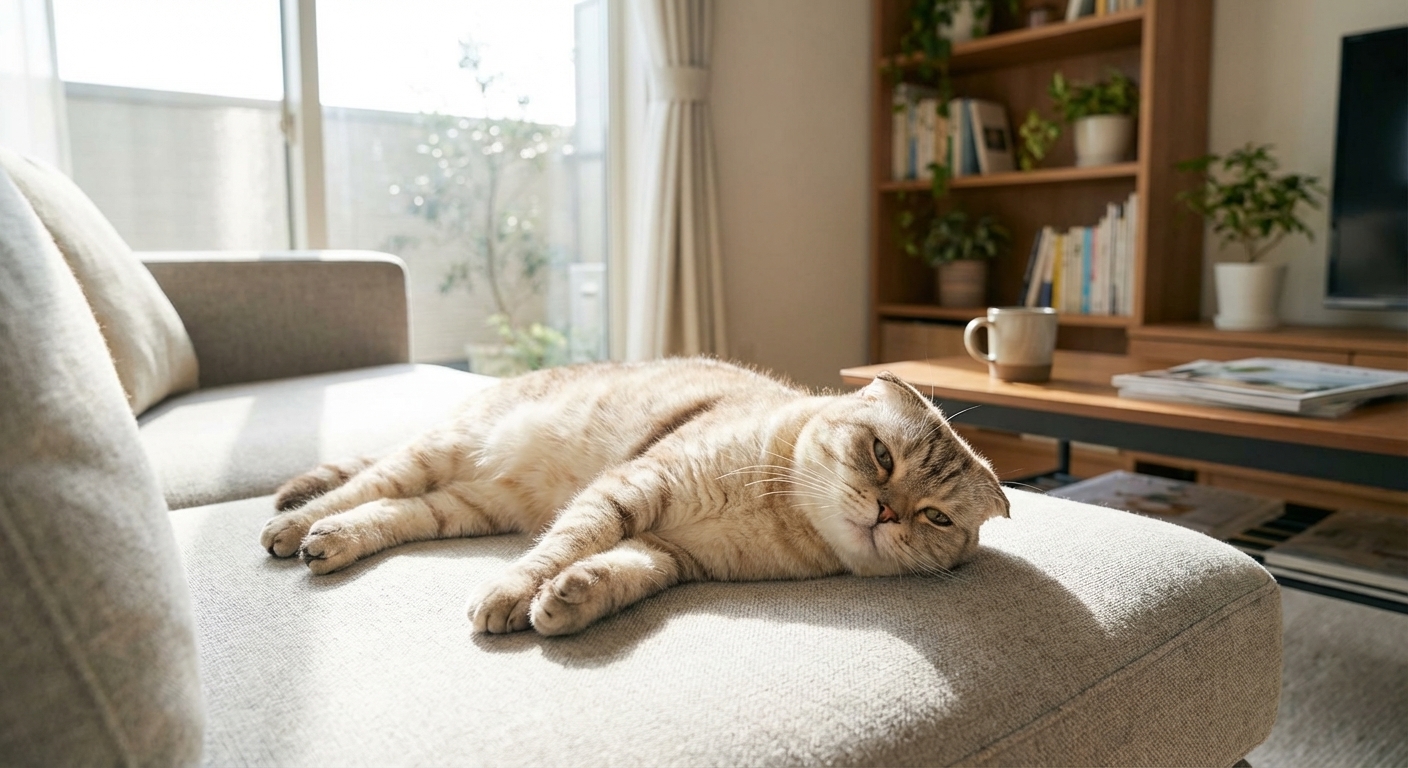
Look: Rounded head and eyes, plush coat (short or long hair), and ears that may fold forward and down.
Important note: Not every kitten born to Scottish Fold lines will have folded ears. Some have straight ears (often called Scottish Straight). The fold is the visible sign of an underlying cartilage trait, which is where the big health conversation starts.
Personality: what they are really like at home
Most Scottish Folds are known for being affectionate, gentle, and people-focused without being overly demanding. Many enjoy being near you more than on you, following you from room to room, supervising your routines, and settling into cozy spots nearby.
- Temperament: Calm, friendly, often adaptable to apartments or quieter homes.
- Social style: Typically does well with respectful kids, cat-friendly dogs, and other cats when introduced slowly.
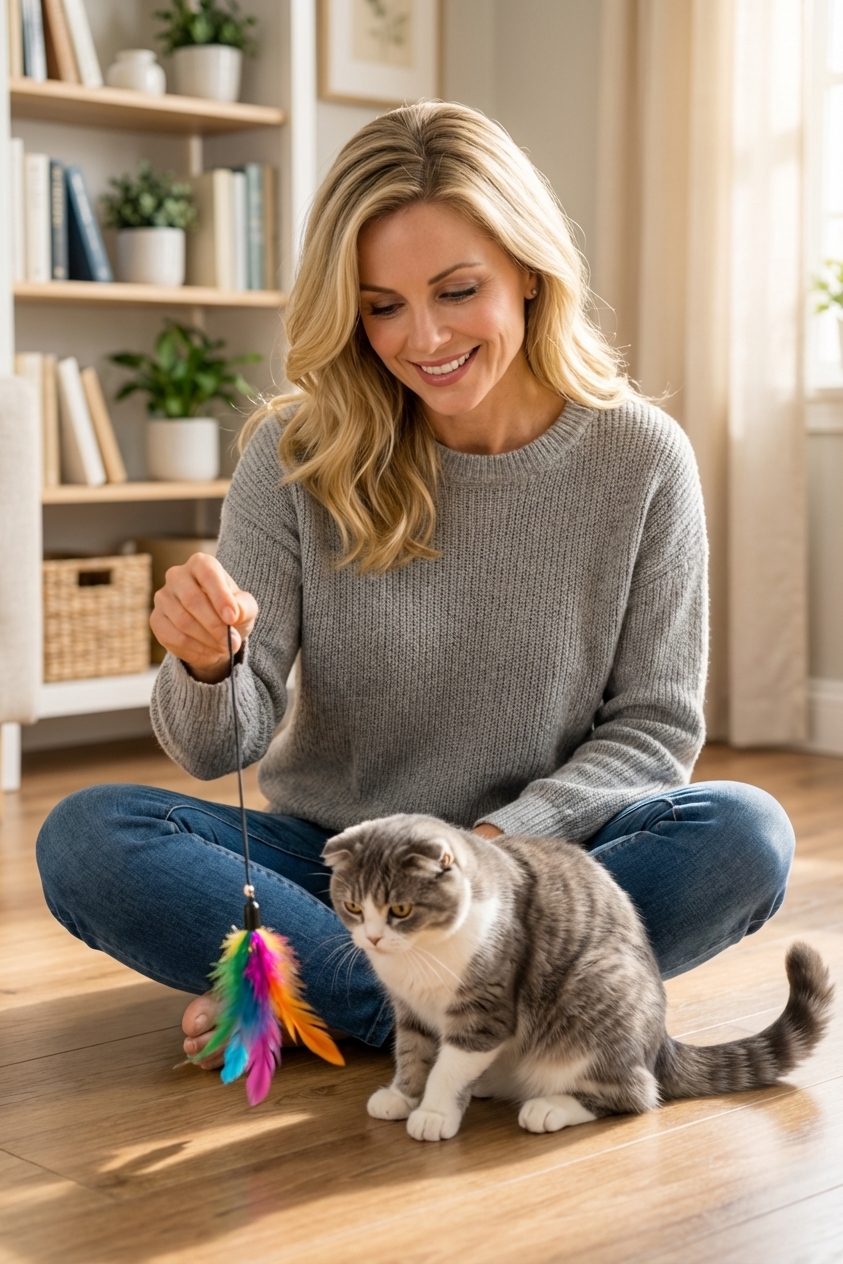
- Play needs: Moderate. They often prefer interactive play (wand toys, gentle chase games) over nonstop zoomies.
- Voice: Usually on the quiet side, though some are chatty with their favorite people.
If you are looking for a cat that feels like a steady companion, this is the appeal. The key is pairing that sweet temperament with proactive, informed health care.
The health risks you must understand
The defining issue is a condition widely referred to as Scottish Fold osteochondrodysplasia (SFOCD). In plain language, the same genetic change that causes the ear cartilage to fold can also affect cartilage and bone development throughout the body. The fold trait is inherited, and cats who inherit it from both parents (which happens with Fold-to-Fold breeding) are much more likely to develop severe, crippling disease.
1) Osteochondrodysplasia (bone and joint disease)
This is the main concern. It can lead to abnormal bone growth, joint pain, stiffness, and decreased mobility. Severity varies, but it can be significant and progressive.
Common signs to watch for:
- Reluctance to jump, climb, or use stairs
- Stiffness after resting, or a “careful” gait
- Tail that seems painful or inflexible when touched
- Limping or shifting weight off a limb
- Less play, more hiding, or irritability when handled
Why it matters: Cats are masters at masking discomfort. By the time a cat is clearly limping, they may have been hurting for a while. Early vet evaluation helps you get ahead of chronic pain.
2) Arthritis and chronic pain
Many Scottish Folds develop arthritis and chronic pain over time, often secondary to the underlying skeletal changes from SFOCD. Managing arthritis is not just about medication. It is about lifestyle, weight, mobility support, and pain monitoring.
3) Ear concerns (wax, debris, infections)
Some Scottish Folds seem to build up more earwax or debris and may need more frequent checks. That does not mean they will always have infections, but it does mean ears should be monitored regularly.
- Look for odor, redness, head shaking, scratching, or dark discharge.
- Do not clean deep in the ear canal at home unless your vet has shown you exactly how and what to use.
4) Other conditions you may hear about
Because Scottish Folds were historically outcrossed with breeds like British Shorthairs and Persians in some lines, you may also hear about polycystic kidney disease (PKD) and hypertrophic cardiomyopathy (HCM). Not every Fold line has these issues, but they are worth asking about.
Your veterinarian may recommend screening based on your cat’s history and exam findings. And if your cat shows stiffness or pain, your vet may suggest an orthopedic exam and imaging (like X-rays) to look for bone and joint changes.
If you remember one thing: the “cute” ear fold is not just cosmetic. It is linked to cartilage changes that can impact lifelong comfort.
Choosing a Scottish Fold responsibly
If you are still considering a Scottish Fold, take your time and ask direct questions. Ethical breeding and transparent medical history matter a lot here.
What ethical breeding looks like
- Ethical breeders do not breed two folded-ear cats together. Fold-to-Fold pairings raise the risk of kittens inheriting the fold gene from both parents, which is associated with much more severe, disabling osteochondrodysplasia.
- You will often see Fold-to-Straight pairings discussed for this reason, but it is still important to understand that any cat with folded ears can be affected.
Questions to ask a breeder or rescue
- Are you able to provide veterinary records for the parents and kittens?
- Are the parents Fold-to-Straight (or Fold-to-non-Fold), and can you explain your breeding choices?
- At what age are kittens evaluated by a veterinarian, and what does that exam include?
- Have any cats from your lines shown signs of stiffness, lameness, tail pain, or early arthritis?
- Have the parents been screened for conditions like PKD and HCM, and can you share results if available?
- What is your policy if a kitten develops orthopedic problems?
Consider adopting
Scottish Folds and Fold mixes sometimes end up in rescue. Adoption does not remove the health risks, but it can be a compassionate choice, especially if you are prepared for potential long-term care.
Everyday care: keeping a Scottish Fold comfortable
Nutrition and weight
If I could give one practical, evidence-based piece of advice for joint health, it is this: keep your cat lean. Extra weight increases joint strain and can worsen pain and mobility issues.
- Feed a complete, balanced diet labeled for your cat’s life stage (kitten, adult, senior).
- Measure portions and limit high-calorie treats.
- Ask your vet to help you confirm your cat’s body condition score.
Joint-friendly home setup
- Low-entry litter box: Helpful for cats with stiffness.
- Steps or ramps: To favorite window perches or beds.
- Soft, warm bedding: Especially in winter or in homes with strong AC.
- Non-slip surfaces: Rugs or runners can help confident movement.
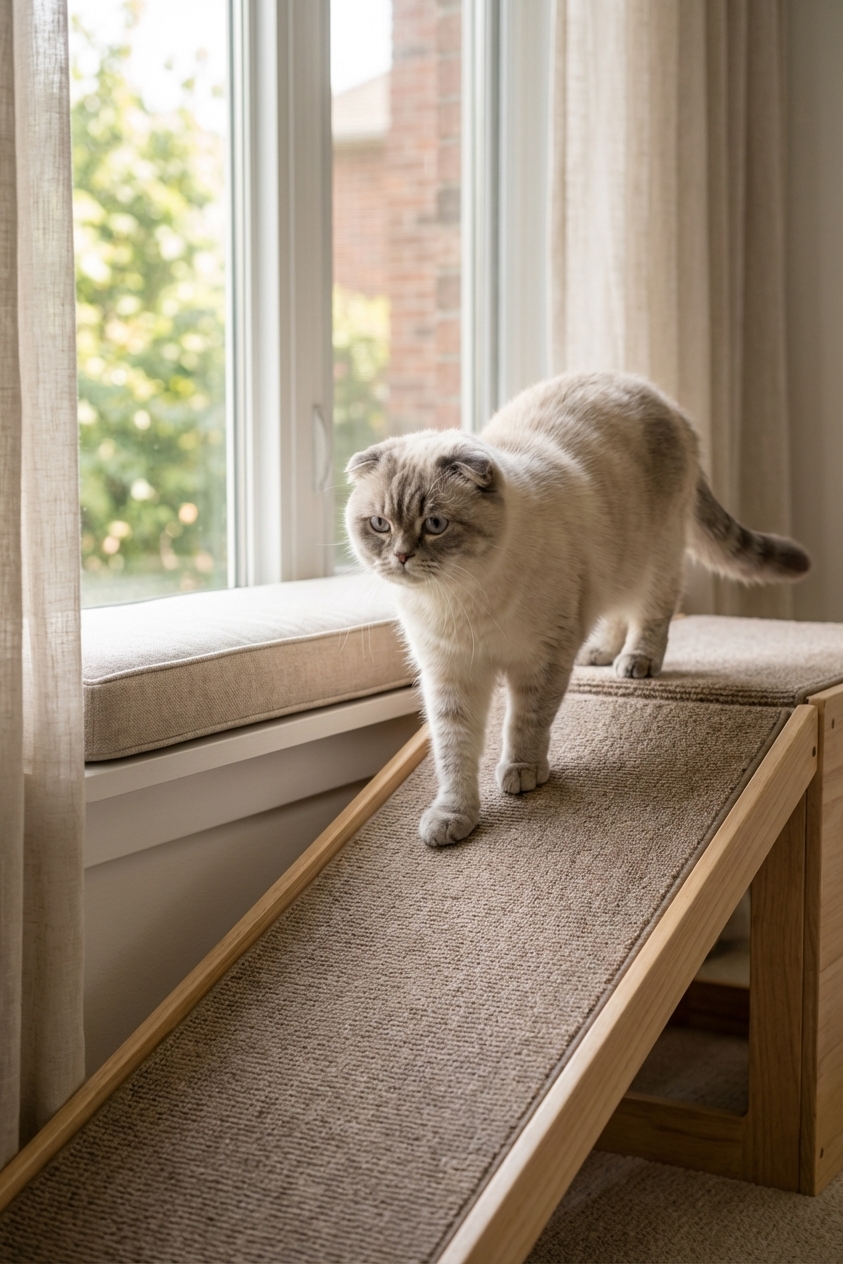
Play and enrichment
Gentle, consistent activity helps maintain muscle, which supports joints. Think short sessions more often.
- Wand toys with slow arcs
- Treat puzzles (watch calories)
- Clicker training with simple cues
Grooming and ear checks
- Coat: Brush short-hair weekly; long-hair several times per week to prevent mats.
- Ears: Check weekly for debris or odor. If you see redness or discharge, schedule a vet visit.
- Nails: Trim regularly. Cats with joint pain may scratch less and need more nail support.
Veterinary care: what to schedule and what to discuss
Scottish Folds benefit from a proactive relationship with a veterinarian because early pain control can protect quality of life.
Suggested vet timeline
- Kittens: Standard vaccine series, parasite prevention, and a baseline orthopedic check.
- Adults: Wellness exams at least yearly.
- Seniors or cats with stiffness: Often every 6 months, depending on your vet’s guidance.
Ask your vet about
- Orthopedic exam findings and whether imaging is appropriate if signs appear
- Pain management options and a long-term comfort plan (never use human pain medications unless your vet prescribes them)
- Weight targets and activity recommendations
- Safe supplements, if appropriate (only under veterinary guidance)
- Whether referral to a rehab, pain-management, or orthopedic-focused veterinarian makes sense for your cat
Signs your Scottish Fold may be in pain
Because cats are subtle, these can look like “behavior issues” at first.
- Stops jumping to places they used to love
- Grooming less, coat looks unkempt
- Hiding more or avoiding touch
- Growling or swatting when picked up
- Accidents outside the litter box (especially if the box has high sides)
- Sleeping more and playing less
If you notice these changes, it is worth a veterinary visit. Pain is treatable, and your cat deserves comfort.
Is a Scottish Fold right for you?
Scottish Folds can be loving, devoted companions, and many owners feel deeply bonded to their gentle nature. But this is not a “set it and forget it” breed. A responsible Scottish Fold home is one that is prepared for:
- Possible lifelong joint issues
- Ongoing monitoring for pain and mobility changes
- Weight management and a joint-friendly environment
- Regular veterinary care
If you are ready to support them thoughtfully, you can give a Scottish Fold something every pet deserves: a comfortable life, built around their real needs, not just their adorable looks.