Considering a Cockapoo? Explore temperament, size and coat types, grooming schedules, training and socialization tips, daily exercise needs, nutrition, and c...
Article
•
Designer Mixes
Schnoodle

Shari Shidate
Designer Mixes contributor
Meet the Schnoodle
A Schnoodle is a cross between a Schnauzer and a Poodle , and it is easy to see why this mix has become such a favorite. Many families are drawn to the Schnoodle’s bright expression, people-focused personality, and coat options that can be lower-shedding than some other breeds. Like all mixed-breed dogs, though, Schnoodles are not one-size-fits-all. Their size, energy level, and grooming needs can vary depending on the size of both parents. Poodles may be Toy, Miniature, or Standard, and Schnauzers also come in distinct sizes and types, including Miniature, Standard, and Giant. The pairing you are considering plays a big role in what “grown-up Schnoodle” will look like.
Starting off with realistic expectations is one of the kindest things you can do for any dog. When you understand what a Schnoodle needs day to day, you set both of you up for an easier, healthier life together.

What a Schnoodle Typically Looks Like
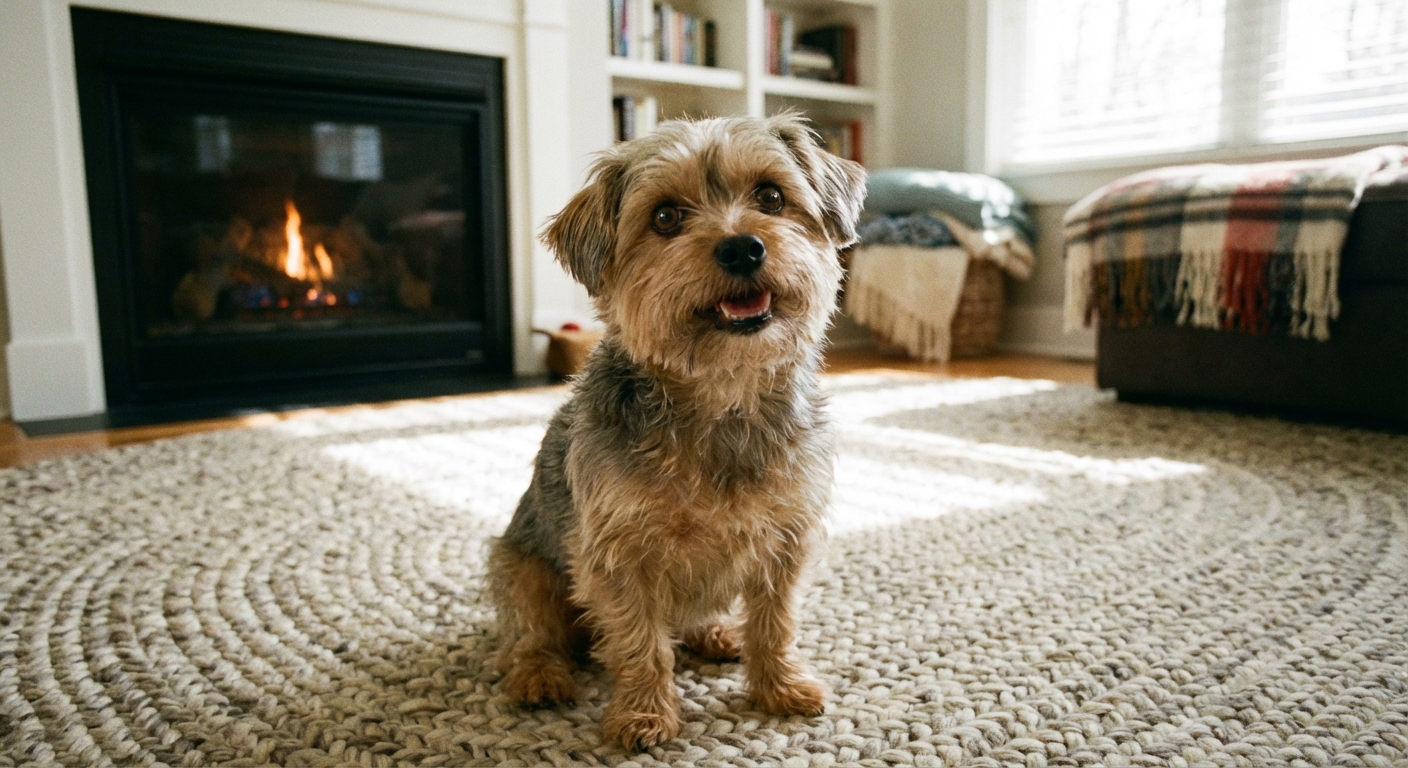
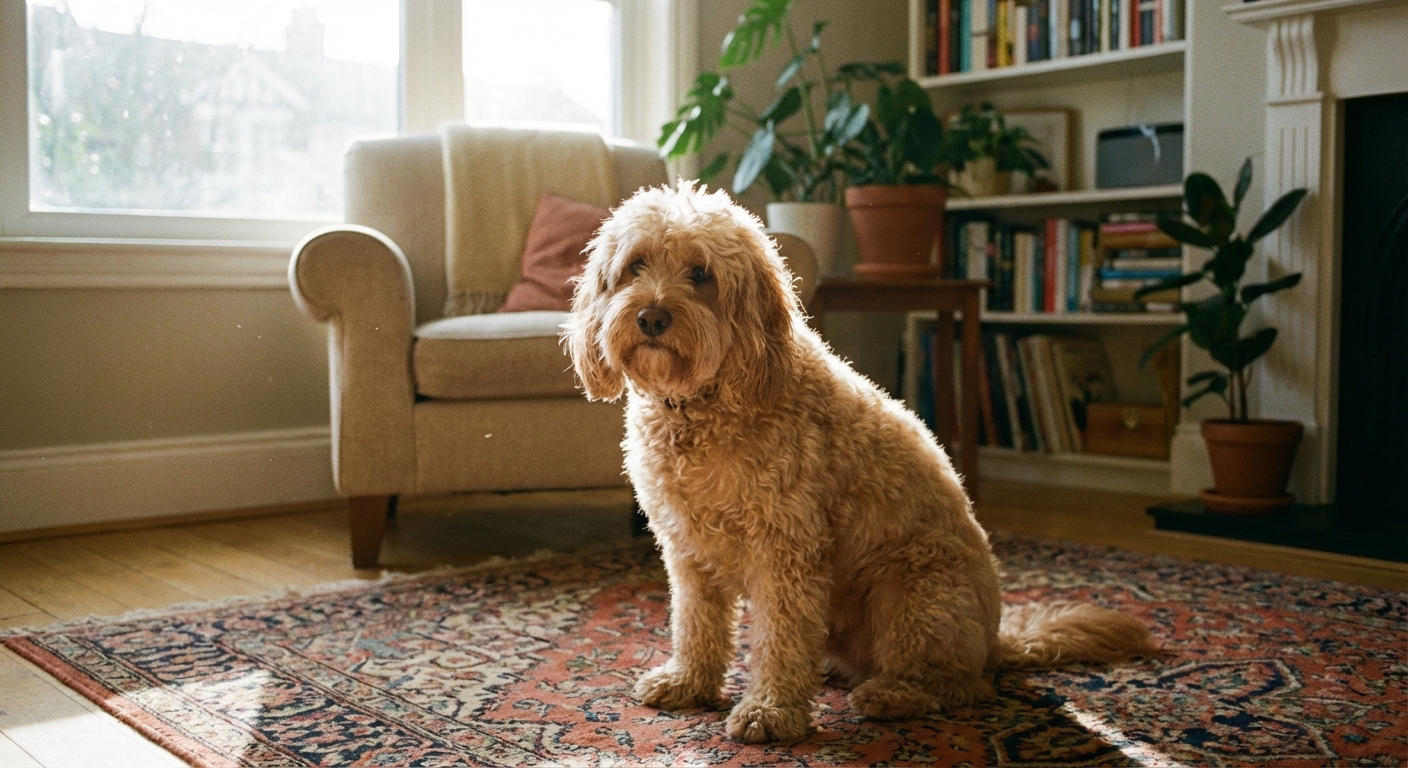
Schnoodles often inherit a mix of the Schnauzer’s distinctive facial furnishings and the Poodle’s curl or wave. Some will have the classic Schnauzer-style beard and eyebrows, while others look more like a teddy-bear Poodle mix . Coat texture can range from soft and wavy to tighter curls, and colors vary widely, including black, salt-and-pepper, gray, white, apricot, and parti-color patterns.
Size and weight
Size is influenced by genetics from both sides of the family tree. Breeders and rescues often talk about Schnoodles in “toy,” “mini,” or “standard” terms based on the Poodle parent, but the Schnauzer parent matters just as much. Miniature and Standard Schnauzers are common in Schnoodle pairings, and some crosses involve a Giant Schnauzer, which can produce a much larger adult than the typical ranges below.
That said, many Schnoodles fall into these general brackets (with plenty of variation):
- Toy Schnoodle: Often small and portable, typically under 15 pounds.
- Mini Schnoodle: A popular middle size, commonly 15 to 30 pounds.
- Standard Schnoodle: Larger and more athletic, sometimes 30 to 60 pounds or more.
Because there is variation even within the same litter, reputable breeders and rescues will talk through expected adult size based on the parents and prior litters.

Temperament: Smart, Social, and Often Sensitive
Schnoodles are commonly described as affectionate, alert, and very tuned in to their people. That is a lovely combination, but it comes with responsibility. Intelligent dogs get bored easily, and sensitive dogs can become anxious if their environment feels unpredictable.
Common personality traits
- People-oriented: Many Schnoodles prefer being near their humans and can struggle if left alone for long stretches.
- Quick learners: They often excel at training when it is consistent and positive.
- Watchful: Schnauzer genetics may bring a bit of “neighborhood watch” energy, including barking at new sounds.
- Playful: Most enjoy interactive games and structured play, not just free roaming.
Early socialization matters. Calm, positive exposure to different people, dogs, sounds, and places helps prevent fear-based behaviors later on.
Exercise and Enrichment: The Secret to an Easier Dog
If there is one thing I wish every new dog parent understood, it is this: a well-exercised, mentally satisfied dog is usually a better-behaved dog. Schnoodles tend to be energetic and smart, which means they need both movement and brain work.
Daily activity needs
- Walks: Many do well with 30 to 60 minutes per day, split into two outings, adjusted for age and size.
- Play: Fetch, tug, and gentle chase games can burn energy quickly.
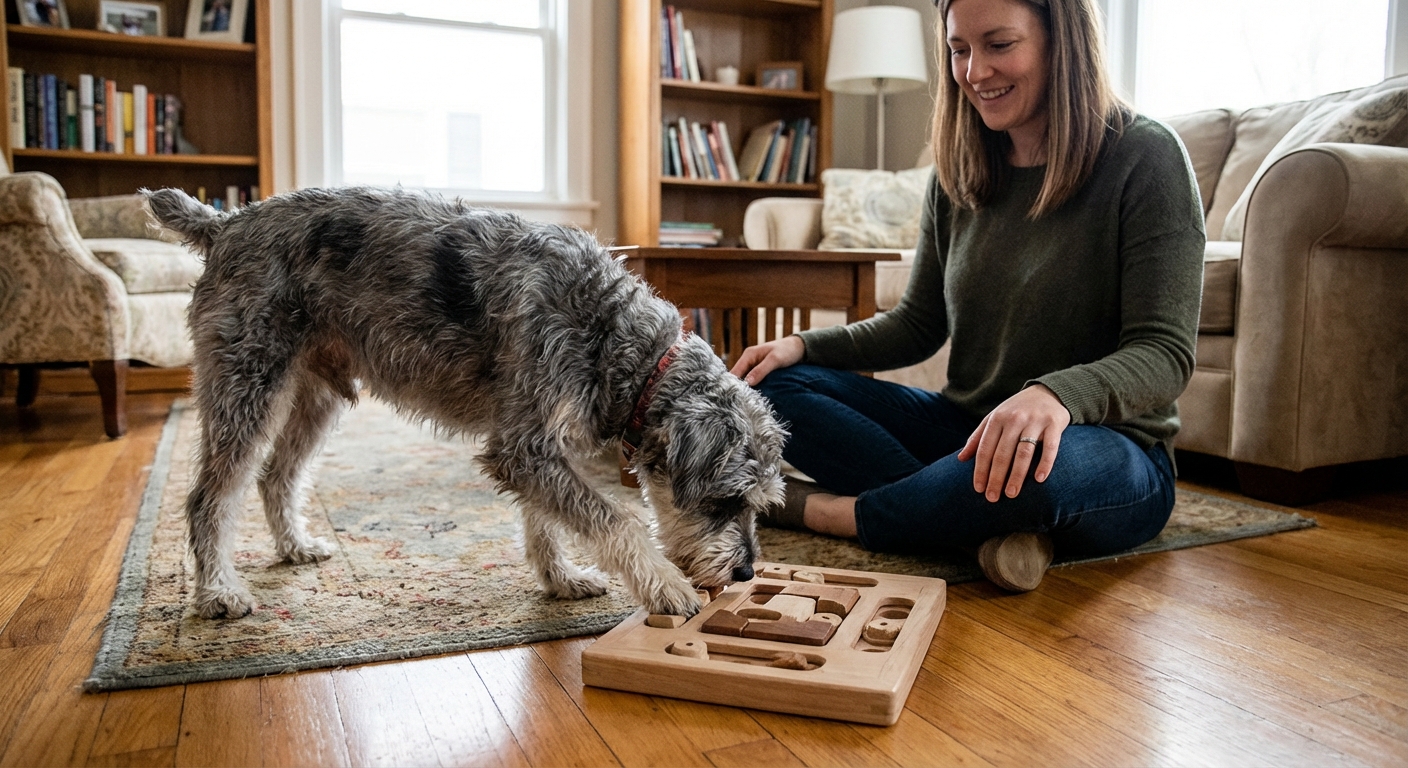
- Mental enrichment: Puzzle feeders, scent games, and training sessions are often just as important as physical exercise.
Puppies and seniors need a lighter approach. Talk with your veterinarian about age-appropriate exercise, especially for larger Schnoodles who may be prone to joint stress if overworked while growing.
Training Tips That Work Well for Schnoodles
Schnoodles often respond beautifully to positive reinforcement training, meaning you reward the behavior you want with treats, praise, or play. Harsh methods can backfire, particularly with sensitive dogs.
Practical training priorities
- Basic cues: Sit, down, stay, come, and leave it for everyday safety.
- Loose-leash walking: Start early so walks stay enjoyable as they grow.
- Alone-time practice: Build independence gradually to reduce separation stress.
- Quiet cue: Helpful if your Schnoodle inherits the Schnauzer tendency to vocalize.
Short sessions work best. Five minutes, a few times a day, can be more effective than one long session, especially for young dogs.
Grooming: What “Low-Shedding” Really Means
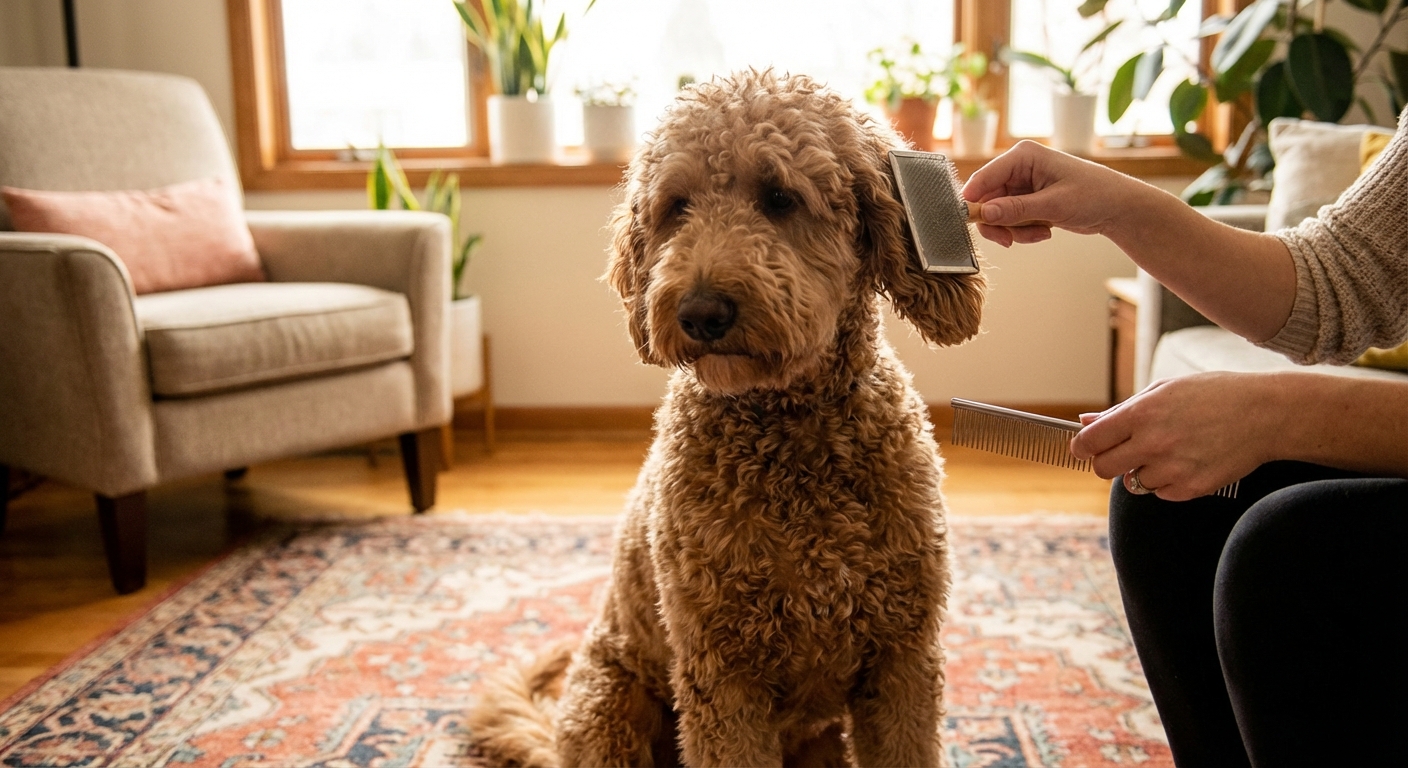
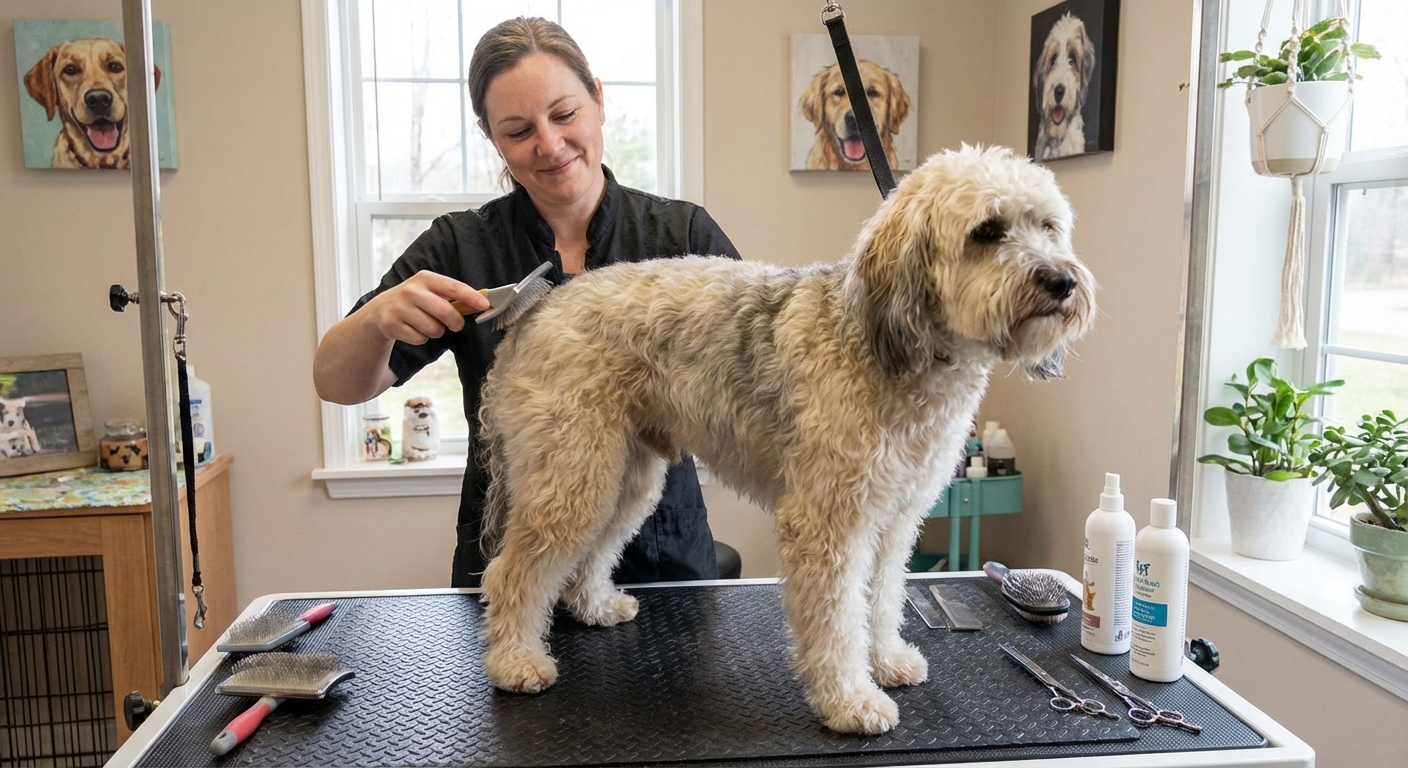
Many Schnoodles shed less than breeds with double coats, but “low-shedding” is not the same as “low-maintenance.” Curly or wavy coats can mat easily, and mats are not just cosmetic. They can pull on the skin, trap moisture, and lead to irritation.
Typical grooming routine
- Brushing: Often 3 to 5 times per week, sometimes daily for curlier coats.
- Professional grooming: Many families schedule trims every 6 to 8 weeks.
- Ear care: Check ears weekly, especially if the dog has hair in the ear canal.
- Dental care: Small and toy mixes can be prone to dental disease, so brushing and veterinary cleanings matter.
Ask your groomer to show you how to line-brush and how to check common mat spots, like behind the ears, under the collar, and in the armpits.
Health Considerations to Know
Mixed-breed dogs can be wonderfully robust, but they can still inherit health risks from either parent. Your best protection is thoughtful sourcing and consistent preventive care.
Potential health issues
- Hip dysplasia: More common in larger dogs, can affect mobility.
- Patellar luxation: A kneecap issue more common in smaller dogs.
- Eye conditions: Both Schnauzers and Poodles can carry inherited eye risks.
- Skin sensitivities: Some Schnoodles experience itchiness or allergies.
- Dental disease: Especially in smaller sizes.
Work with a veterinarian to build a prevention plan that includes routine exams, parasite prevention, and age-appropriate vaccines. If you are purchasing from a breeder, ask for health testing documentation for the parent dogs. Responsible breeders typically screen for genetic and orthopedic issues relevant to Schnauzers and Poodles.
Feeding Your Schnoodle: Simple, Healthy Basics
Nutrition is one of the most practical ways to support long-term health. The right food depends on your dog’s size, age, activity level, and any medical needs, but a few principles apply broadly.
Smart feeding habits
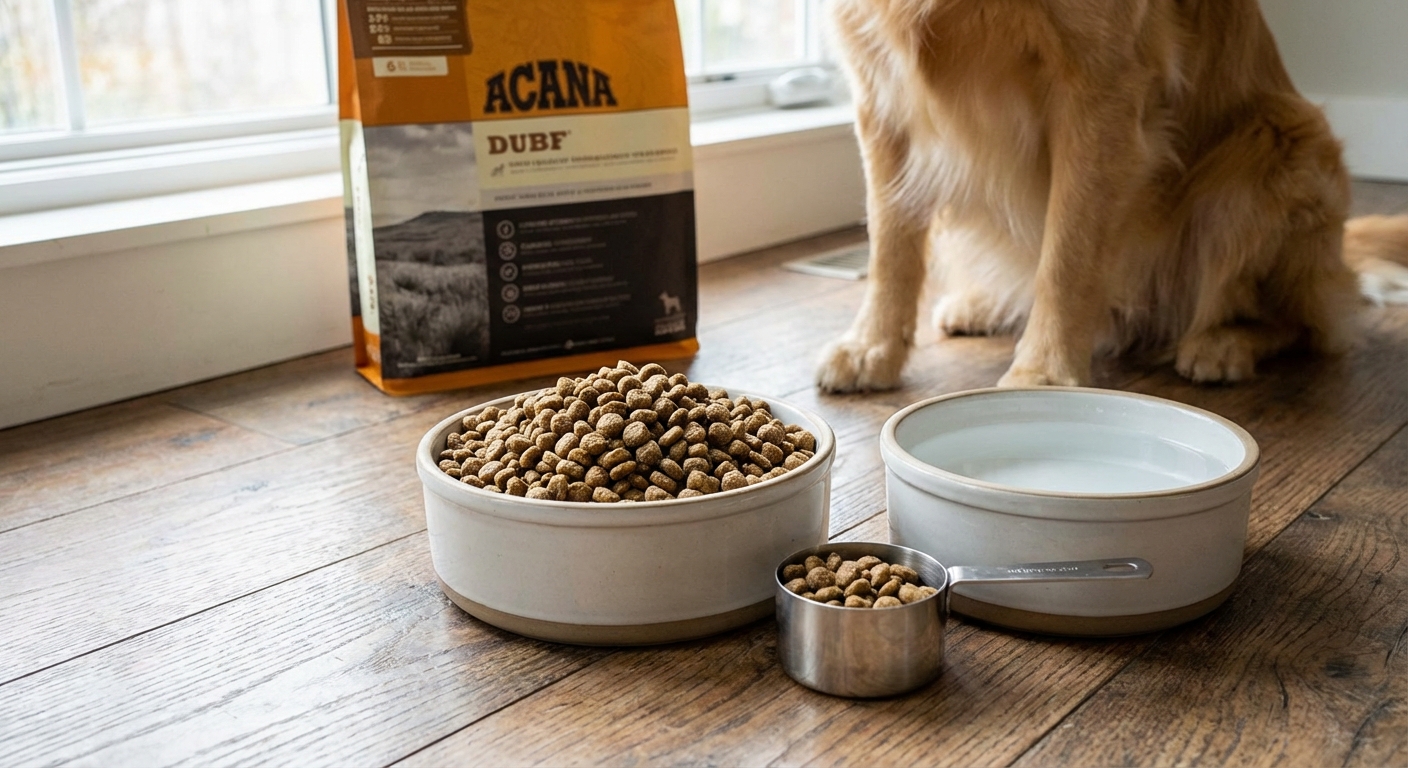
- Choose a complete and balanced diet: Look for foods that meet AAFCO nutrient profiles for your dog’s life stage.
- Measure portions: Overfeeding is easy in small dogs and hard on joints in larger dogs.
- Use treats strategically: Keep treats to about 10 percent or less of daily calories when possible.
- Support dental health: Ask your veterinarian whether dental diets, chews, or brushing routines are a good fit.
If your Schnoodle has ongoing itchiness, digestive upset, or recurrent ear problems, talk with your veterinarian about whether a food trial for sensitivities is appropriate.
Is a Schnoodle Right for You?
Schnoodles can be wonderful companions for people who enjoy an interactive, engaged dog and are willing to keep up with grooming and enrichment. They often thrive in homes where someone is around much of the day, or where alone time is introduced gradually and thoughtfully.
A good match if you want:
- A friendly, intelligent companion who enjoys learning
- A dog that can fit a variety of home sizes depending on their size category
- A pet you can include in family activities like walks and weekend outings
Think twice if:
- You prefer a very low-maintenance grooming routine
- Your schedule requires long, daily stretches of alone time
- You are not interested in training or mental stimulation
If you decide a Schnoodle fits your lifestyle, consider adoption through breed-specific rescues or reputable local rescues. If you choose a breeder, prioritize health testing, transparency, and early socialization practices.
Bringing Your Schnoodle Home: A Gentle First-Week Plan
The first week is about safety, predictability, and bonding. Keep things calm and consistent, and your Schnoodle will settle faster.
- Create a routine: Regular times for meals, potty breaks, walks, and rest.
- Schedule a vet visit: Especially important for new puppies and adopted dogs.
- Start simple training: Name recognition, potty routine, and a basic “sit.”
- Introduce grooming tools early: Brief, positive brushing sessions help prevent future stress.
Small, consistent habits compound into remarkable results over time. With a Schnoodle, that consistency usually pays off in a dog who is confident, connected, and a joy to live with.