Pet-safe ways to deter and remove mice: seal entry points, eliminate food sources, avoid risky “natural” products, use enclosed traps, and clean dropping...
Article
•
Designer Mixes
Scents Mice Avoid: What Works and What Fails

Shari Shidate
Designer Mixes contributor
If you have ever tried to “scent” mice out of your home, you already know the frustrating truth: some smells seem to help for a day or two, while others do absolutely nothing. As a veterinary assistant, I also want to add one more layer: a scent strategy has to be safe for pets and people, not just unpleasant to rodents. I have also seen pets get sick from essential oil exposure, so I take the safety warnings seriously.
If you do one thing today: start sealing gaps and removing food sources. Scents can be a short-term nudge, but they are not the fix.
Here is what evidence and real-world pest control experience suggest about scents mice avoid, what tends to fail, and what to do instead for lasting results.
How mice use smell
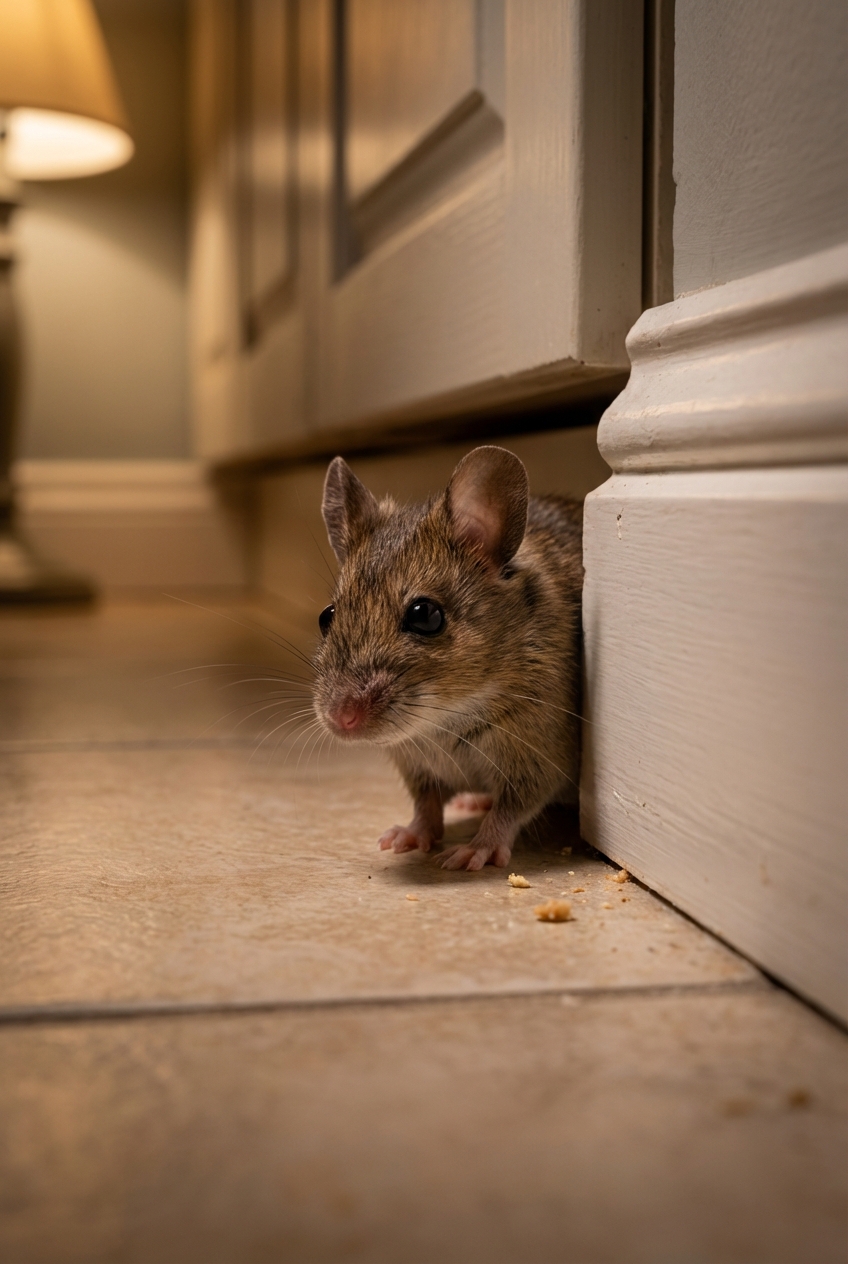
Mice rely heavily on scent to navigate, find food, and follow scent trails left by other mice. Strong odors can sometimes disrupt those trails or make an area feel risky. But odors do not remove the things mice care about most: access to food, water, warmth, and safe shelter.
That is why scents work best as a short-term helper while you fix entry points and remove attractants.
Scents that may repel mice
These options have the most consistent support from pest control field experience and small, mostly lab-based studies on rodent odor aversion. Evidence is mixed, and real-world results can be inconsistent. The key word is may.
Peppermint (essential oil or strong products)
Peppermint is the most commonly recommended scent deterrent. Some studies suggest rodents avoid certain concentrated plant oils, and many homeowners report reduced activity when peppermint is used in targeted spots. In the field, it is hit or miss.
- How it can help: Short-term disruption of mouse movement along edges and corners.
- Why it disappoints: It fades fast, especially in large, drafty spaces.
- Use note: Place near suspected entry points and runways, not just in the middle of a room.
Pet safety note: Essential oils can irritate airways and cause illness, especially in cats and small dogs if they lick it or if it is used heavily in poorly ventilated areas. Avoid diffusers in homes with pets, and never apply oils to pet bedding.
Clove (and clove-based oils)
Clove has a sharp aroma due to eugenol. It shows up in some rodent-avoidance research, but results are not reliable enough to treat it as a stand-alone solution.
- Best use: Small, enclosed spots like a cabinet void (after food is removed).
- Limitation: Temporary, and easily overpowered by attractive food odors.
Predator urine products (usually disappointing)
Many people look for fox or coyote urine products. The idea is that predator scent should scare rodents away, but in real homes the effect is often weak or short-lived, and rodents can habituate. There are also practical issues: the smell is unpleasant for people, and product quality and freshness vary.
- Bottom line: Do not rely on predator urine. Focus on exclusion, sanitation, and trapping.
Ammonia (not recommended)
Ammonia is often claimed online to mimic predator urine. There is little evidence it works reliably as a repellent, and it is a respiratory irritant for humans and pets.
- Bottom line: Skip it. The risk is not worth the uncertain benefit.
- Safety note: Never mix ammonia with bleach or other cleaners. Dangerous gases can form.
Mothballs (not recommended)
Mothballs are frequently mentioned online, but they are pesticides and must be used exactly as the label states. They can cause serious toxicity if pets or children ingest them, and the fumes can be harmful.
- Bottom line: Do not use mothballs as a mouse repellent in living spaces, kitchens, garages, or anywhere pets have access.
Scents that usually fail
Vinegar
Vinegar is great for cleaning and may briefly reduce scent trails on hard surfaces. But mice often return quickly if food and entry points remain.
- When it helps: After you sanitize droppings and want to reduce odor cues.
- When it fails: As a stand-alone deterrent.
Fabric softener sheets
Dryer sheets are a classic internet tip. Some people notice short-term changes, but there is no strong evidence they reliably repel mice. They can also be chewed and dragged into nesting areas.
Cinnamon, cayenne, spice blends
Spices smell strong to us, but they dissipate quickly and do not block access. If mice are already nesting, hunger and shelter usually win.
Important: Powders can become airborne irritants for pets and people.
Ultrasonic devices
Many scent-based systems bundle an ultrasonic plug-in. The consensus from many extension offices and pest professionals is that ultrasonic devices are inconsistent at best, especially once mice habituate.
Why scent-only fails
- Mice habituate: If nothing bad happens, they get used to the smell.
- Airflow dilutes odors: Basements, garages, and attics are drafty.
- Food odors win: A single open bag of pet food can outcompete most repellent smells.
- Nesting sites are hidden: If they are inside a wall void, a room odor rarely reaches them.
What works better
If you want real results, use scents only as a short-term support while you do these steps. This is Integrated Pest Management (IPM): exclusion, sanitation, trapping, and monitoring.
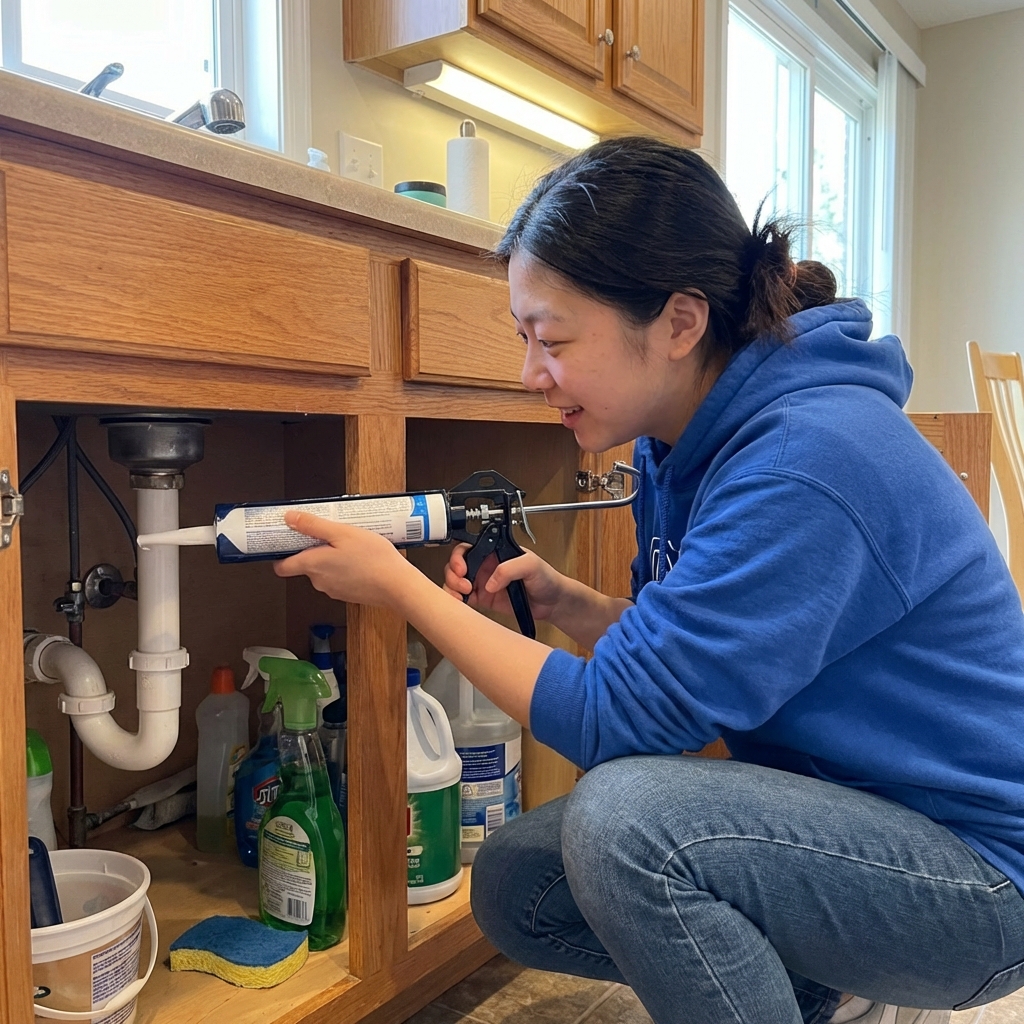
1) Seal entry points
Mice can squeeze through gaps about 1/4 inch (6 to 7 mm), roughly the width of a pencil. Walk the exterior and the hidden interior areas like under sinks and behind appliances.
- Seal small gaps with steel wool plus caulk, or use hardware cloth for larger openings.
- Add door sweeps and repair damaged weather stripping.
- Check where pipes, vents, and wires enter the home.
2) Remove food and water
- Store pantry foods and pet kibble in hard plastic or metal containers with tight lids.
- Clean under appliances and around trash areas.
- Do not leave pet bowls out overnight if you suspect mouse activity.
- Fix drips and reduce moisture in basements and crawl spaces.
3) Trap strategically
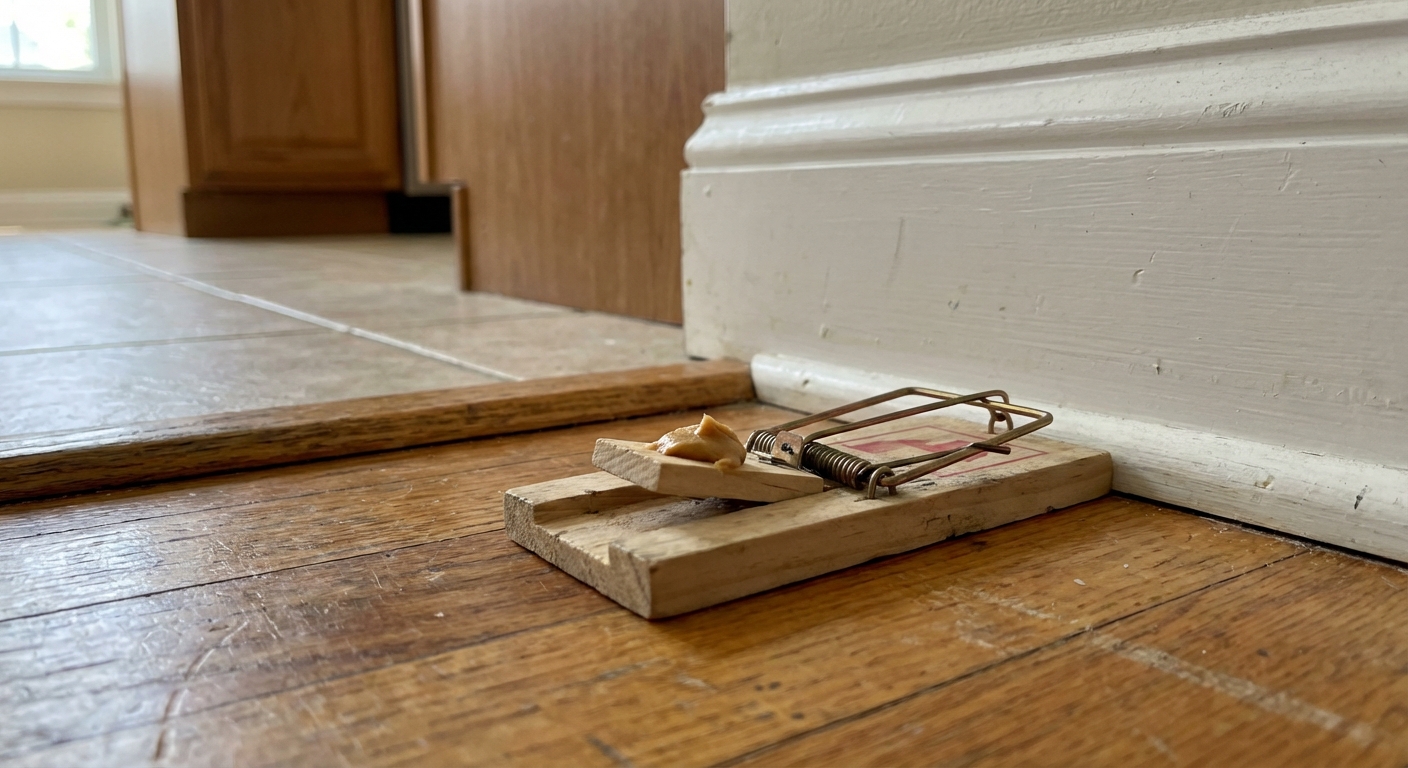
For most households, traps are more reliable than repellents. Place traps along walls where mice travel, especially behind the stove, fridge, and along garage edges.
- Placement tip: Set snap traps perpendicular to the wall with the trigger end facing the wall. Mice tend to hug edges.
- Bait ideas: A pea-sized amount of peanut butter works well. Chocolate or a tiny bit of oatmeal can also help.
- Snap traps: Fast and effective when used correctly.
- Enclosed bait stations: Can improve safety in homes with kids and pets, but still require careful placement.
- Avoid glue boards: Whenever possible due to animal welfare concerns and risk to non-target animals.
Monitoring tip: If you are not sure where activity is happening, sprinkle a light dusting of flour along suspected runways overnight to look for tracks, or use non-toxic monitoring blocks. Monitoring helps you place traps where they matter.
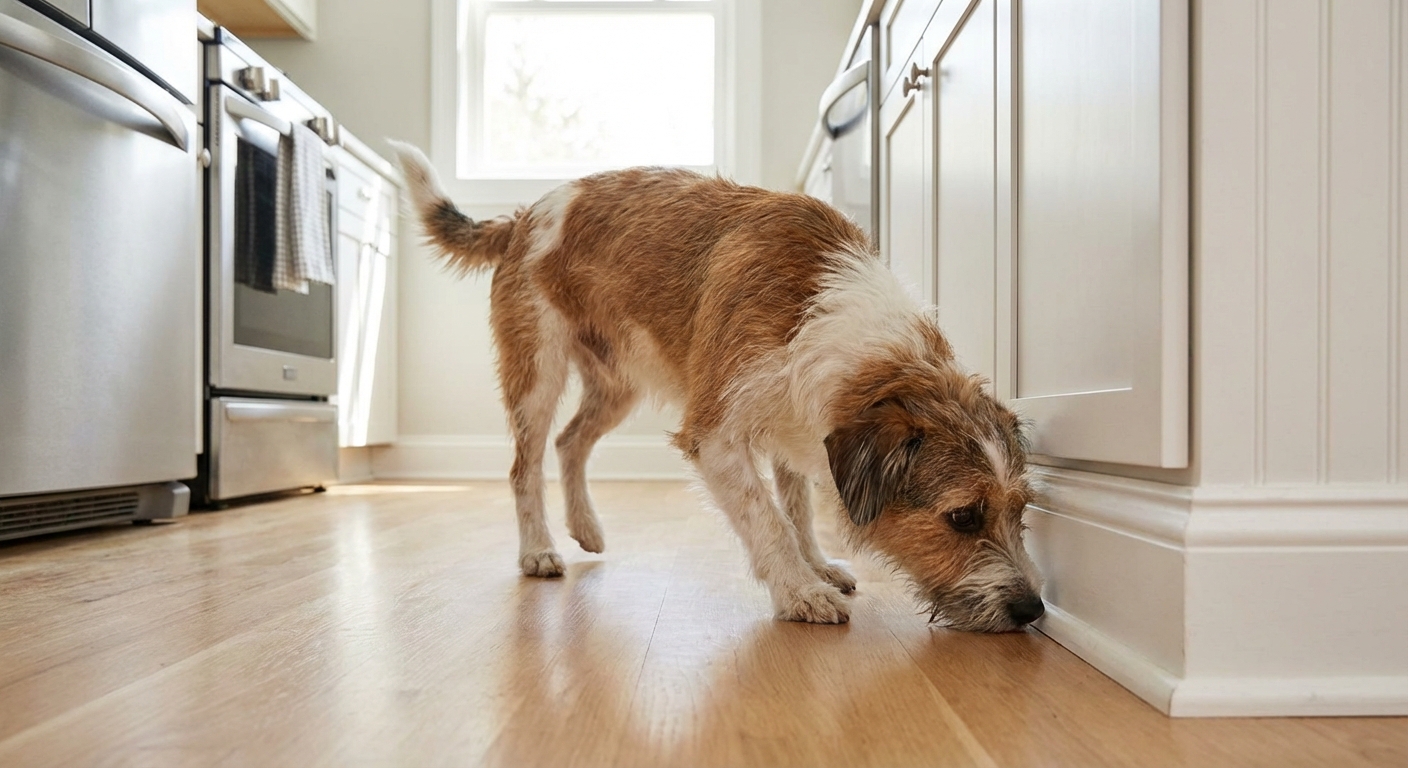
Pet safety note: Keep traps and any bait products where pets cannot access them. If you use rodenticides, involve a licensed professional and ask about pet-safe protocols. Secondary poisoning risk depends on the product, the exposure, and the situation, but it is a real consideration.
4) Clean up safely
Rodent droppings and urine can carry pathogens. Ventilate the area, wear gloves, and avoid sweeping or vacuuming dry droppings into the air. Wet and disinfect first, then wipe up with paper towels and dispose of waste in a sealed bag.
Public health note: In areas where hantavirus is a concern, follow CDC guidance for cleanup precautions.
If you still want scents
If you choose peppermint or clove as a temporary deterrent, aim for targeted and limited use, and keep it away from pets.
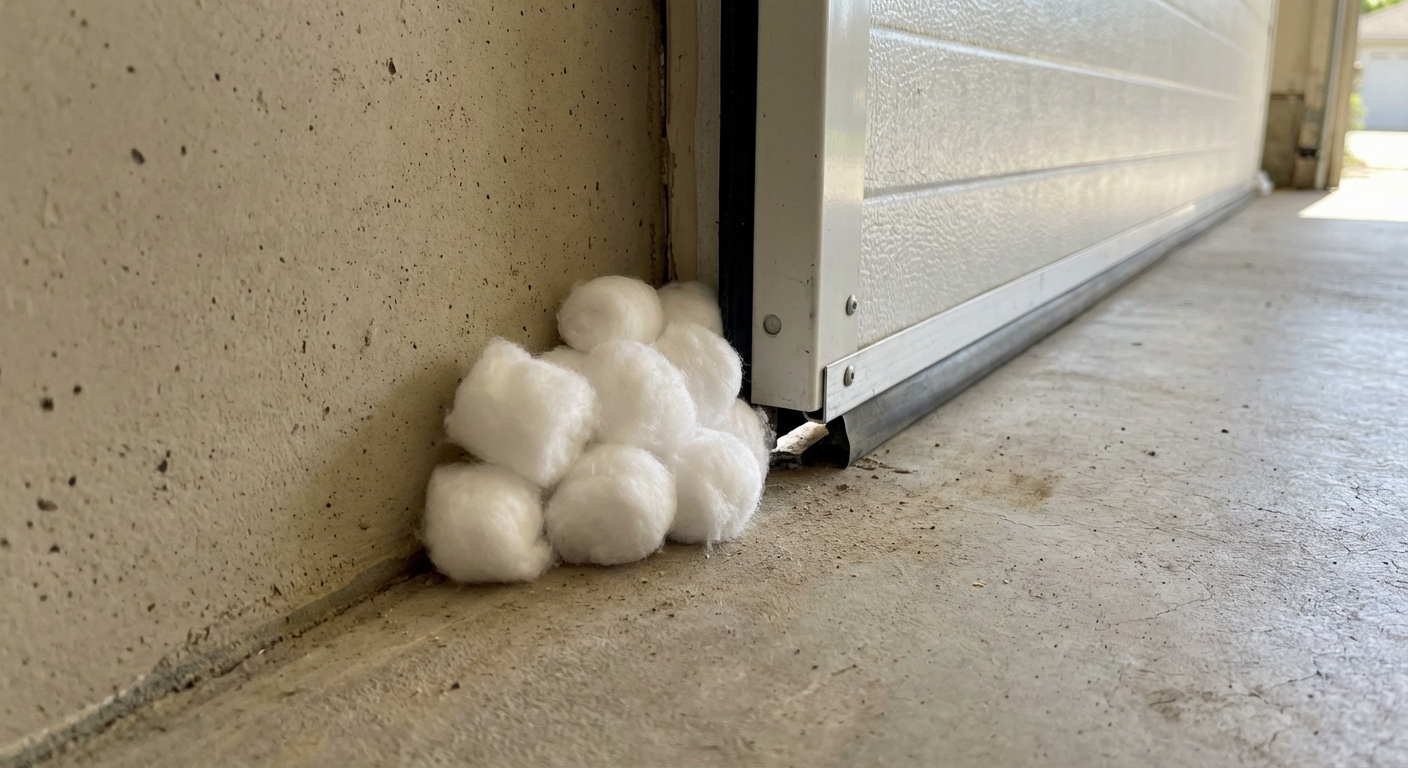
- Apply a small amount to cotton balls and place them inside inaccessible areas like behind appliances or in sealed utility voids, not in open pet areas.
- Refresh every 2 to 3 days since scent fades quickly.
- Use scents alongside sealing, sanitation, trapping, and monitoring.
Think of scents as a nudge, not a solution. The real win is making your home boring and inaccessible to mice.
When to call a pro
Get help from a licensed pest control professional if:
- You see mice during daytime (often suggests a larger infestation).
- You hear scratching in walls or ceilings repeatedly.
- You have recurring activity even after sealing and trapping.
- You need rodenticide-free options due to pets, wildlife, or children.
A good pro will focus on exclusion and monitoring, not just spraying or scattering products.
Quick takeaways
- Best long-term fix: Seal entry points and remove food and water.
- Most promising short-term scents: Peppermint and clove, but evidence is mixed and results vary.
- Common failures: Vinegar (alone), dryer sheets, random spices, and ultrasonic gadgets.
- Avoid for safety: Ammonia and mothballs, especially in pet homes.