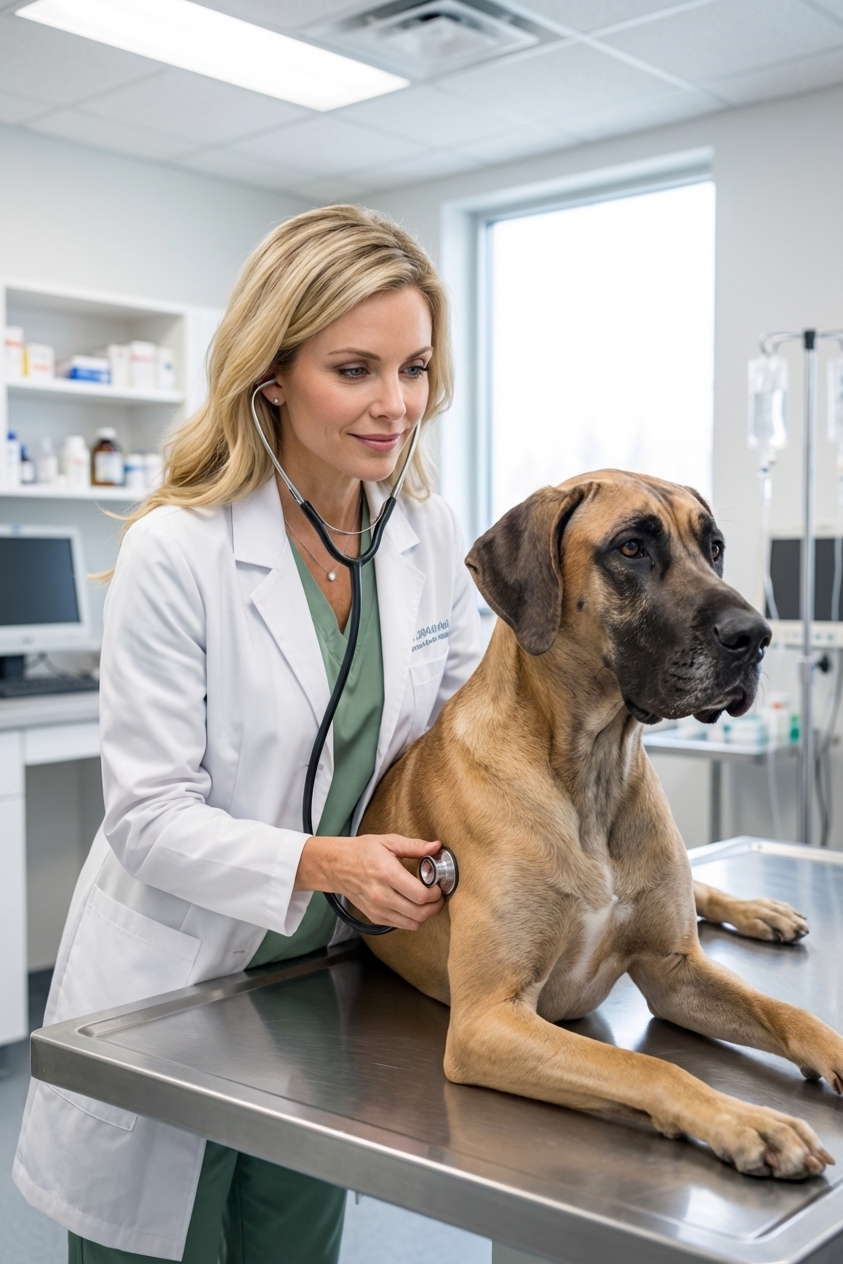
Saint Bernards have a way of making people smile. They look like living teddy bears, they often adore kids, and they can be wonderfully calm housemates. But as a veterinary assistant in Texas, I have to add the practical truth: a gentle giant is still a giant. Size changes everything from training to flooring to how you handle hot weather and drool day-to-day.
This guide covers what most new owners wish they had known earlier, including realistic space needs, temperament expectations, heat sensitivity, joint protection, lifespan realities, and simple drool-smart routines that keep your home and your dog more comfortable.
Saint Bernard size: what “giant breed” means
Saint Bernards are true giant-breed dogs. Most adults land roughly in this range (individual dogs vary by genetics, sex, and body condition):
- Height: about 26 to 30 inches at the shoulder
- Weight: often 120 to 180 pounds, sometimes more
In everyday life, that means:
- Space needs are about pathways, not acreage. Many Saint Bernards do fine without a huge yard if they get consistent walks and have room to turn, stretch, and lie down comfortably.
- Home logistics matter. Plan for a truly giant bed, a properly sized crate (if you crate), wide walking lanes, and a vehicle that can safely fit them. Many families also end up using ramps to reduce jumping into cars and onto furniture, especially as the dog ages.
- Everything costs more. Preventives, anesthesia, orthopedic care, and medications often increase with weight (sometimes in weight tiers). Budgeting for a giant breed is part of responsible ownership.
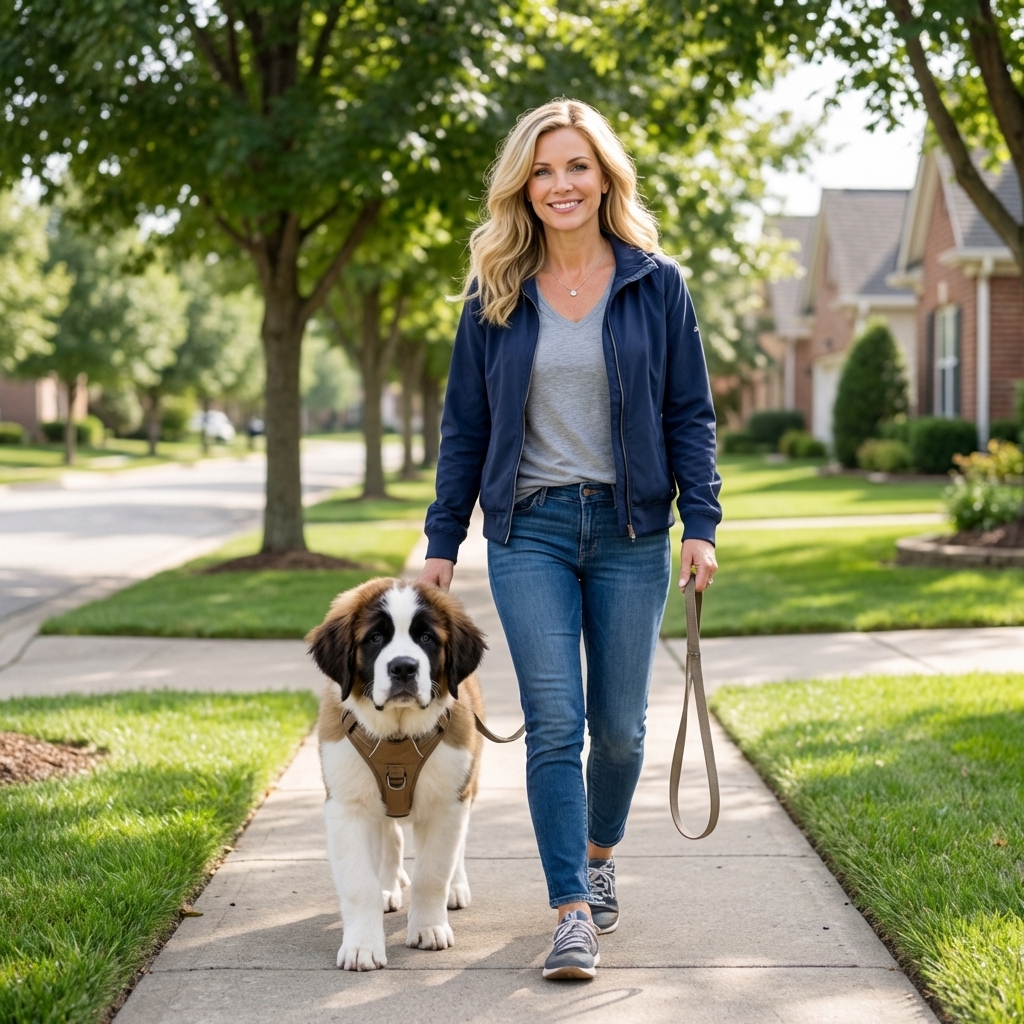
- Strength comes early. A 6- to 9-month-old Saint Bernard puppy can already be strong enough to pull an adult off balance if leash skills are not taught early.
Lifespan reality check: Saint Bernards typically live about 8 to 10 years. That shorter giant-breed lifespan can be the hardest “wish I knew” for new owners, so it is worth preparing emotionally and financially from the start.
Temperament: sweet and still needs training
Saint Bernards earned their reputation as friendly, people-oriented dogs, and many do have a calm, tolerant vibe. But “naturally gentle” does not mean “naturally mannerly.” Without training, a friendly Saint Bernard can still knock someone over, drag you toward a squirrel, or crowd guests at the door.
What many owners love
- Affectionate and loyal: Often happiest near their people, not isolated outside.
- Typically good with kids: Especially when raised with respectful handling and supervised interactions.
- Often lower energy than athletic working breeds: Many enjoy moderate exercise and lots of lounging.
Common challenges to plan for
- Jumping and leaning: A Saint Bernard “hello” can be intense. Teach a sit-for-greetings routine early.
- Mouthiness as puppies: Giant-breed puppies explore with their mouths. Redirect to toys and reward calm behavior.
- Stubborn streak: They tend to do best with short sessions, consistent cues, and positive reinforcement.
Safety note: Any dog can bite when stressed, in pain, or poorly managed. Gentle temperament is a tendency, not a guarantee. Early socialization, humane training, and pain-aware handling matter.
Training priorities for a dog that can outweigh you
If you only focus on one thing with a Saint Bernard, make it training that protects people and the dog. In clinic settings, the “best behaved” giant breeds are not the ones with the strictest owners. They are the ones whose owners practiced calmly and consistently from day one.
Must-have skills
- Loose leash walking: Start with a front-clip harness or well-fitted head halter if needed, and reward walking near your side.
- Reliable sit and down: Especially at doors, around guests, and before meals.
- Leave it and drop it: Giant dogs can swallow dangerous objects fast.
- Handling tolerance: Gentle practice for paws, ears, mouth, and brushing helps with grooming and vet visits.
- Place or mat training: Gives your dog a job when company arrives, and reduces door chaos.
Clinic tip: Look into cooperative care. It is the training style where you reward calm consent for things like nail trims, ear checks, and gentle restraint. It makes veterinary visits and grooming safer for everyone.
Tip: Keep sessions short. Two to five minutes, a few times a day, adds up quickly and stays fun.

Heat sensitivity: a big deal
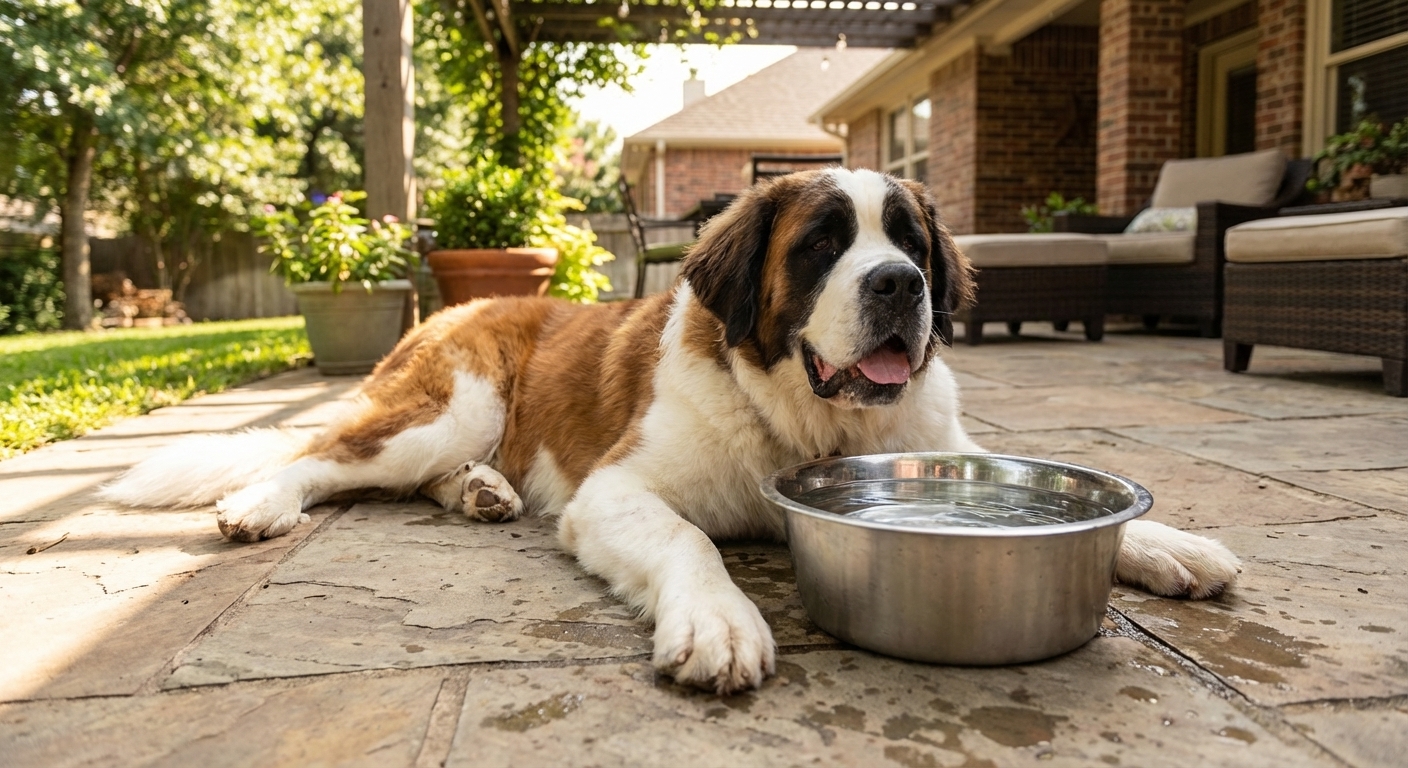
Saint Bernards were developed for cold mountain conditions. Their size and coat can make overheating a real risk, especially in warm and humid climates.
Heat safety basics
- Walk during cooler hours: Early morning and later evening are your friends.
- Prioritize shade and water: Bring water on walks and offer frequent breaks.
- Skip hard exercise on hot days: Even short bursts can push a giant dog into heat stress.
- Use indoor enrichment: Food puzzles, sniff games, and short training sessions can replace long outdoor time.
Warning signs of heat stress
- Heavy, frantic panting
- Drooling more than usual with thick, ropey saliva
- Weakness, wobbliness, or collapse
- Bright red or very pale gums
- Vomiting or diarrhea
If you see these signs, move your dog to a cool area immediately and contact an emergency veterinarian. Heatstroke can become life-threatening quickly.
First-aid nuance: While you are heading to the vet, you can start cooling with cool water (not ice-cold) and a fan if available. Avoid ice baths and do not delay emergency care.
Joint care and growth: protect early
Giant breeds have a lot of weight supported by growing bones and joints. Saint Bernards are predisposed to orthopedic issues such as hip dysplasia and elbow dysplasia, and many develop arthritis as they age. The best joint care starts in puppyhood.
Practical joint-protection habits
- Keep a lean body condition: Extra pounds add major stress to hips, elbows, and knees.
- Choose the right diet for growth: Talk to your veterinarian about large or giant-breed puppy nutrition to support slower, steady growth.
- Use low-impact exercise: Regular walking, controlled play, and swimming can be great. Avoid repetitive high-impact jumping, especially during growth.
- Limit slippery footing: Use runners or non-slip mats on slick floors.
- Supportive bedding: Thick orthopedic beds help older joints and big bodies.
- Ramps help: If your dog has to get into a tall vehicle or climb onto a high bed, ramps can reduce wear and tear over time.
- Discuss supplements thoughtfully: Some dogs benefit from veterinarian-guided joint supplements, but they should not replace weight control and appropriate exercise.
Red flags to check with your vet: limping, stiffness after rest, difficulty rising, “bunny hopping,” reluctance to climb stairs, or decreased interest in walks.
Also worth discussing: spay and neuter timing can be more nuanced in giant breeds. Ask your veterinarian what is most appropriate for your dog and lifestyle.
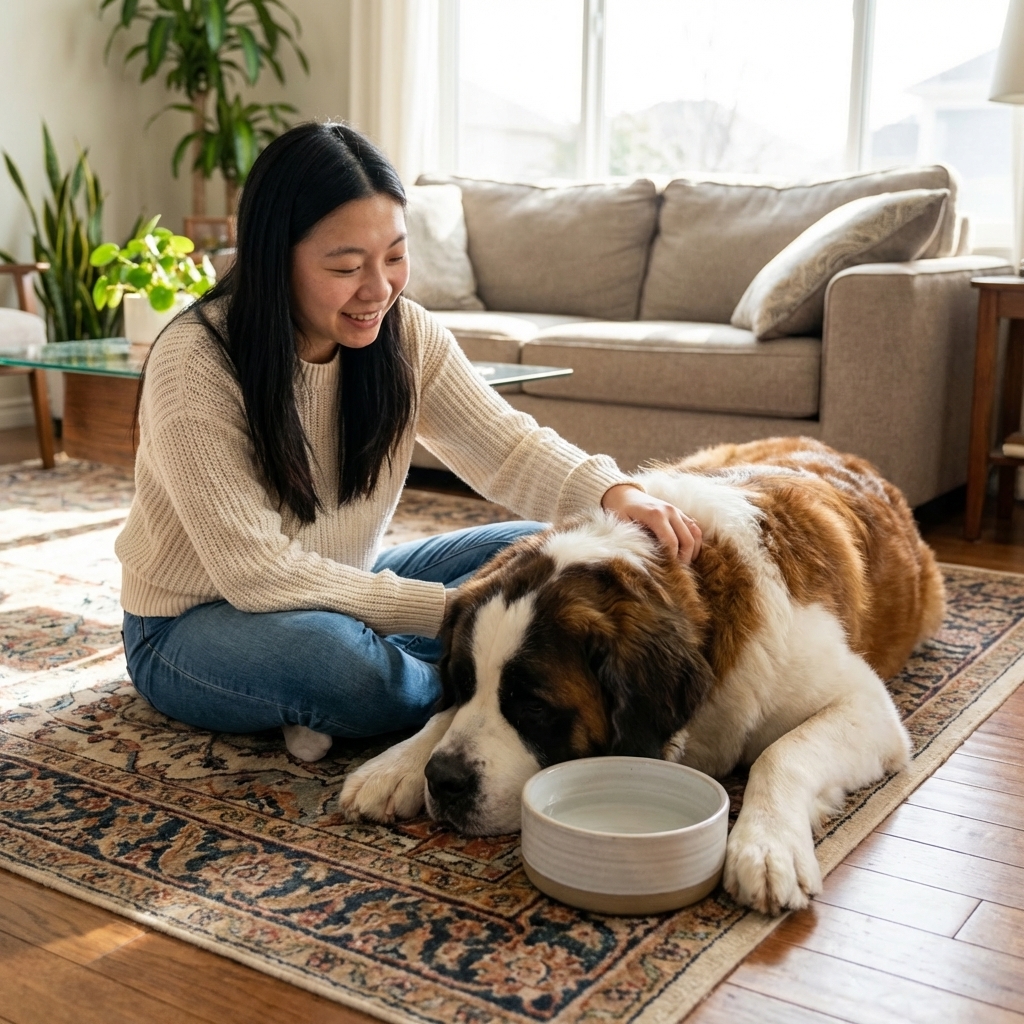
Drool-smart care: keep it manageable
Yes, Saint Bernards drool. Some drool a little, some drool a lot, and nearly all drool more when excited, hot, anxious, or after drinking. The goal is not perfection. The goal is a simple routine so drool does not take over your day.
Why Saint Bernards drool so much
Loose lips and heavy jowls can trap saliva, then release it when your dog moves their head. Heat, nausea, dental disease, and stress can increase drooling too.
Everyday drool management that works
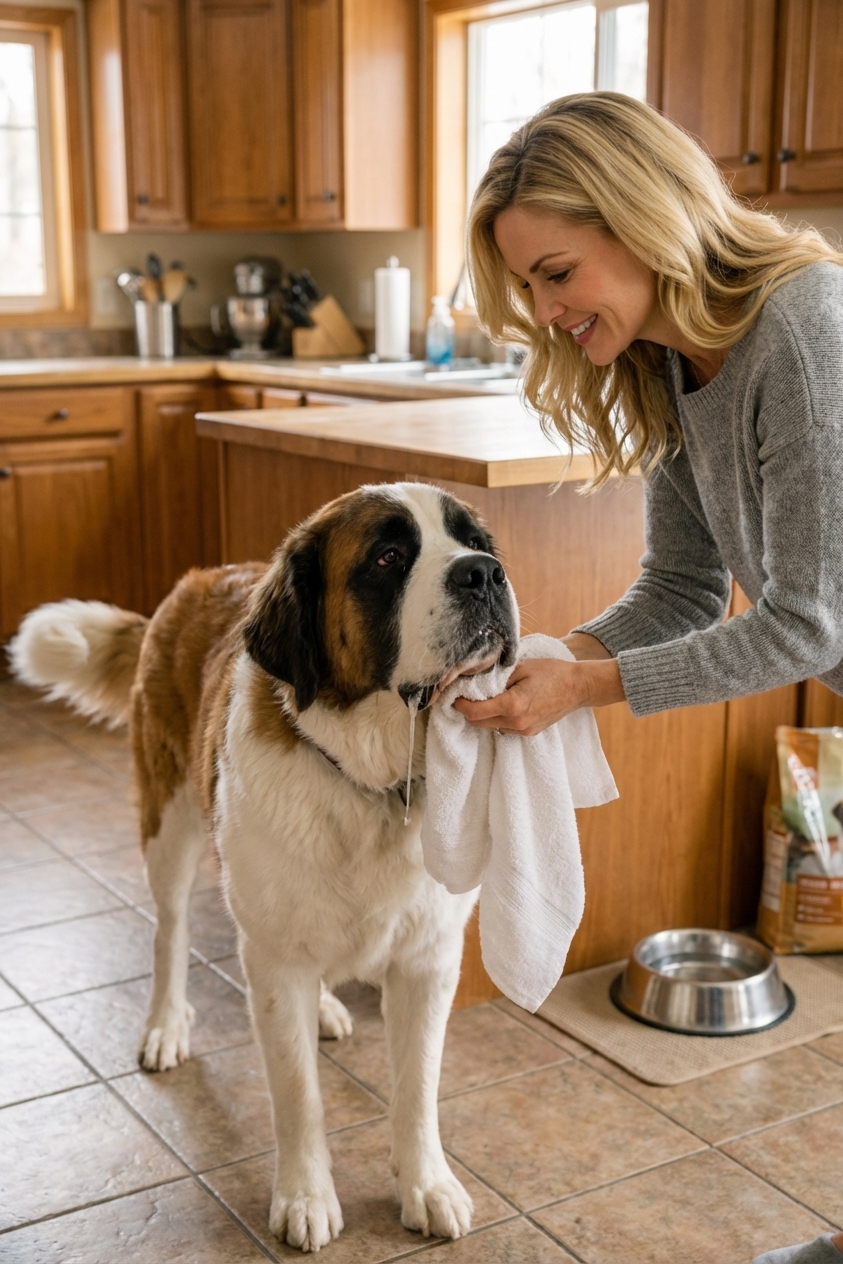
- Keep “drool stations”: Store soft towels in a few key spots like the entryway, living room, and near the water bowl.
- Teach a gentle “wipe” cue: Hold a towel at chest level and reward your dog for touching their lips to it. Make it positive and quick.
- Dry the mouth corners after drinking: A quick dab at the jowls and mouth corners can help prevent irritation and that sour “wet face” smell.
- Use washable throws: Cover favorite sleeping spots with blankets you can toss into the wash.
- Protect walls and corners: Drool flings can spot paint. Wipe regularly with a pet-safe cleaner.
- Choose the right bowls: Wide, heavy bowls reduce spills. Place them on washable mats.
- Mind the car: Keep towels in the vehicle and consider a washable seat cover if your Saint rides along.
When drooling is not “normal Saint Bernard drool”
Call your veterinarian if you notice sudden, heavy drooling along with any of the following:
- pawing at the mouth
- bad breath that worsens quickly
- refusing food
- vomiting or abdominal discomfort
- swollen face
- trouble swallowing
Dental problems, foreign objects stuck in the mouth, nausea, heat stress, and other issues can all show up as drooling.
Feeding and bloat awareness
Large, deep-chested breeds like the Saint Bernard are at higher risk for gastric dilatation-volvulus (GDV), commonly called bloat. This is an emergency where the stomach fills with gas and can twist.
Common signs of bloat
- unproductive retching or trying to vomit
- swollen or tight abdomen
- restlessness, pacing, anxiety
- drooling with distress
- collapse
If you suspect bloat, go to an emergency veterinarian immediately.
Risk-reduction habits to discuss with your veterinarian
- Feed measured meals rather than free-feeding
- Avoid intense exercise right before and after meals
- Use calm feeding routines and slow-feeders if your dog gulps food
- Ask about preventive gastropexy, often performed during spay or neuter in at-risk breeds
There is no single perfect prevention plan, and risk is multifactorial. Knowing the signs and having an emergency plan can save a life.
Grooming and skin care
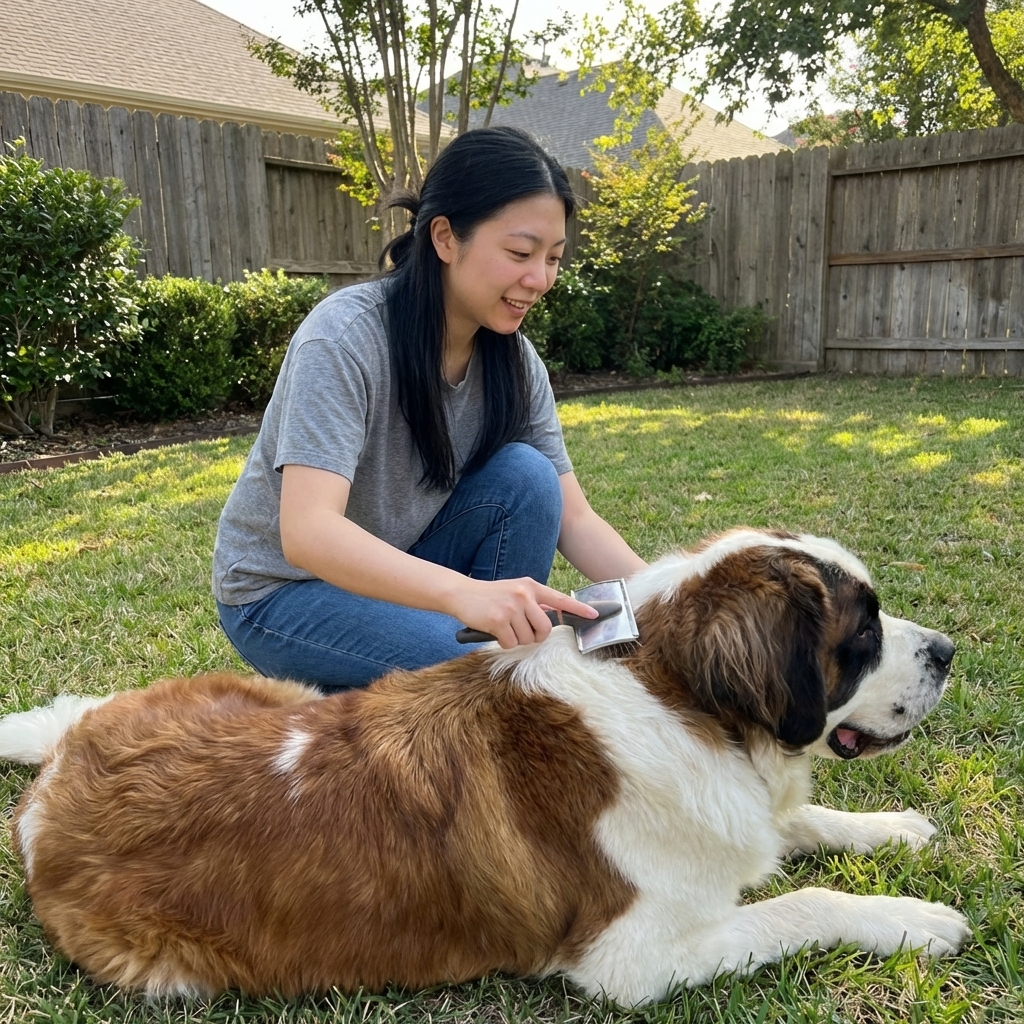
Saint Bernards come in both short-haired and long-haired varieties. Both shed, both benefit from routine brushing, and both can develop skin irritation if moisture and debris stay trapped near the skin.
Simple grooming routine
- Brush 2 to 4 times per week to reduce shedding and prevent mats, especially behind ears and around the legs on long-haired dogs.
- Check ears weekly for odor, redness, or discharge.
- Wipe jowls and mouth corners as needed to prevent irritation from trapped saliva and food.
- Trim nails regularly since long nails can change gait and add joint stress.
If you are new to grooming a giant breed, ask your vet clinic or groomer to show you safe brushing and nail-trim techniques. A calm, low-stress approach makes a huge difference.
Health planning: what to watch for
Beyond joints and GDV, giant breeds can be prone to other serious issues. Not every Saint Bernard will face these, but it is wise to plan ahead and discuss screening with your veterinarian.
- Heart disease: Some lines are at risk for conditions like dilated cardiomyopathy. Ask your vet whether a baseline cardiac exam or echocardiogram makes sense for your dog.
- Eye issues: Loose eyelids can contribute to problems like entropion or ectropion. Chronic redness, discharge, or squinting should be checked promptly.
- Cancer risk: Giant breeds have increased risk for certain cancers, including osteosarcoma. Any new lump, unexplained lameness, or swelling deserves a veterinary exam.
- Ear and skin infections: Moisture, allergies, and anatomy can all play a role. Early treatment helps prevent chronic flare-ups.
Is a Saint Bernard right for you?
Saint Bernards can be wonderful family dogs for the right home, but they are not “easy” just because they are sweet. The best match is someone who likes big-dog routines and is ready for the daily realities, including a shorter average lifespan.
You will likely do well with a Saint Bernard if you can:
- commit to early training and ongoing manners
- handle drool and shedding without resentment
- budget for giant-breed veterinary care and quality nutrition
- provide heat-safe lifestyle choices and reliable indoor cooling
- prioritize joint protection and keeping your dog lean
You may want to reconsider if:
- you need a very tidy home with minimal shedding and slobber
- you live in a very hot climate and cannot provide good indoor cooling
- you cannot comfortably handle a strong dog on leash
- large veterinary bills would be financially devastating
My favorite part of working with big, lovable breeds is watching families bond with them in the right way. When expectations are realistic and routines are consistent, a Saint Bernard can be a steady, affectionate presence for years.
Choosing a breeder or rescue
If you are still in the decision stage, take your time here. It is one of the biggest health decisions you will make for your future dog.
- Reputable breeders: Ask what health screening is done in their lines, especially hips, elbows, heart, and eyes. Also ask about temperament and how puppies are raised and socialized.
- Rescues: Ask about known medical history, behavior notes, and what support the rescue provides after adoption.
Quick checklist: Saint Bernard essentials
- Training: loose leash walking, greetings, leave it, handling tolerance
- Heat plan: cool-hour walks, shade, water, indoor enrichment
- Joint care: lean body condition, non-slip floors, low-impact exercise, ramps
- Drool plan: towels in key spots, washable throws, wipe cue
- Emergency readiness: know bloat signs, have an ER vet plan
- Reality check: plan for an average lifespan around 8 to 10 years
Responsible Saint Bernard ownership is about prevention. Prevent the pull, prevent overheating, prevent extra weight, and prevent panic by knowing your emergency signs.