Want a dog but have allergies? Learn what “hypoallergenic” really means, which low-shedding breeds and doodle mixes may help, and how to test compatibili...
Article
•
Designer Mixes
Saint Berdoodle: Size, Temperament, and Health

Shari Shidate
Designer Mixes contributor
If you love the idea of a gentle giant with a goofy, affectionate side, the Saint Berdoodle might already be on your shortlist. This mix combines the Saint Bernard’s famously sweet nature with the Poodle’s intelligence and, sometimes, a lower-shedding coat. The result can be a big, family-friendly dog, but also a dog with real space needs, serious grooming demands, and a few health risks you should understand before you fall in love with the fluff.
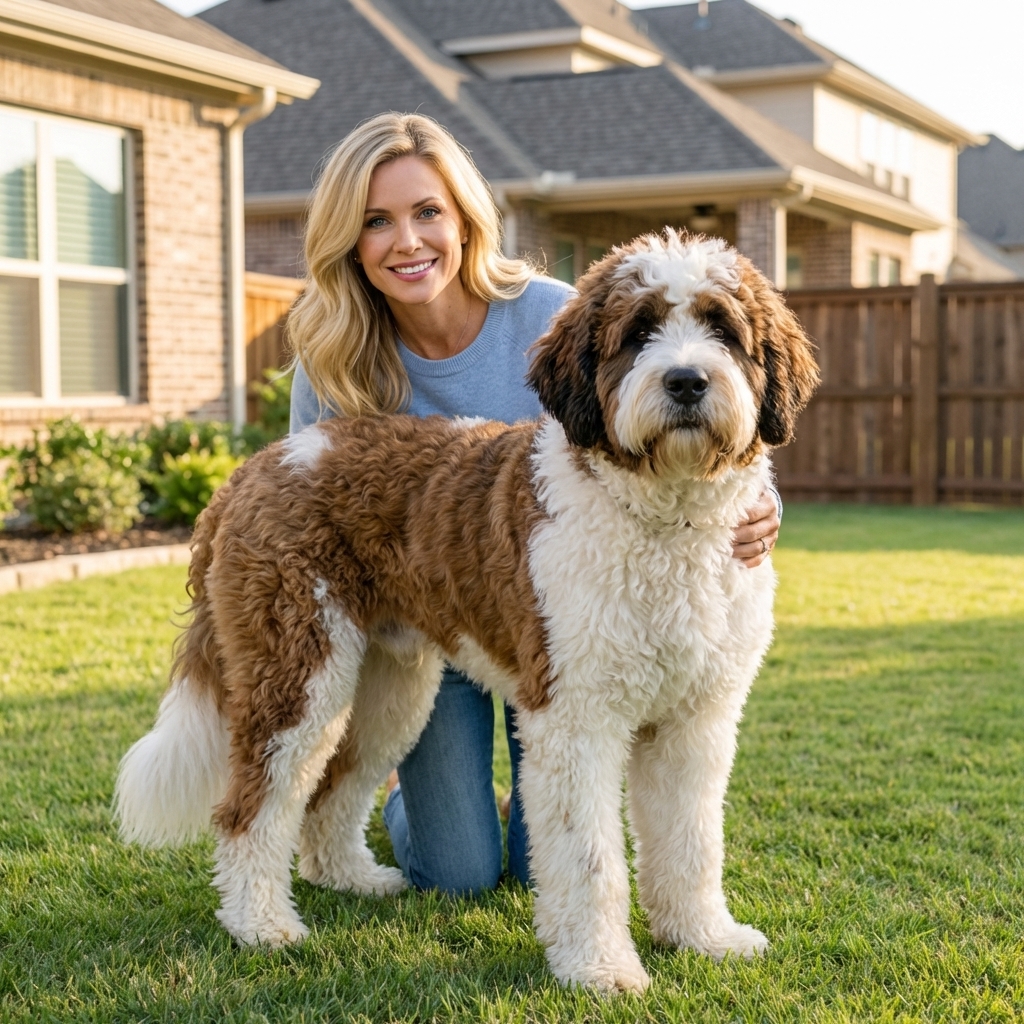
Because Saint Berdoodles are a mix, there is more variation than you will see in a purebred. Coat type, shedding, energy level, and adult size can all swing depending on which traits your puppy inherits and how large the parent dogs are. The best way to set yourself up for success is to plan for the largest size and the highest-maintenance coat, then be pleasantly surprised if your pup ends up smaller or easier.
Quick overview
- Size: Large to giant, often 70 to 140+ pounds
- Height: Commonly 22 to 30+ inches at the shoulder
- Temperament: Usually gentle, affectionate, people-focused
- Exercise needs: Moderate, but consistency matters
- Grooming: Moderate to high, depending on coat type
- Lifespan: Often 8 to 12 years
- Key health concerns: Hip and elbow dysplasia, bloat (GDV), heart disease risk, eye issues, skin and ear problems
How big does a Saint Berdoodle get?
Most Saint Berdoodles land firmly in the “large dog” category, and a good number push into “giant.” Size is heavily influenced by the Poodle parent. Most Saint Berdoodles are bred with Standard Poodles, which helps explain why so many adults end up big. If a breeder uses a smaller Poodle, adult size can trend down, but it is still not a guarantee.
Typical size ranges
- Standard Saint Berdoodle (most common): 70 to 140+ pounds
- Height: roughly 22 to 30+ inches at the shoulder
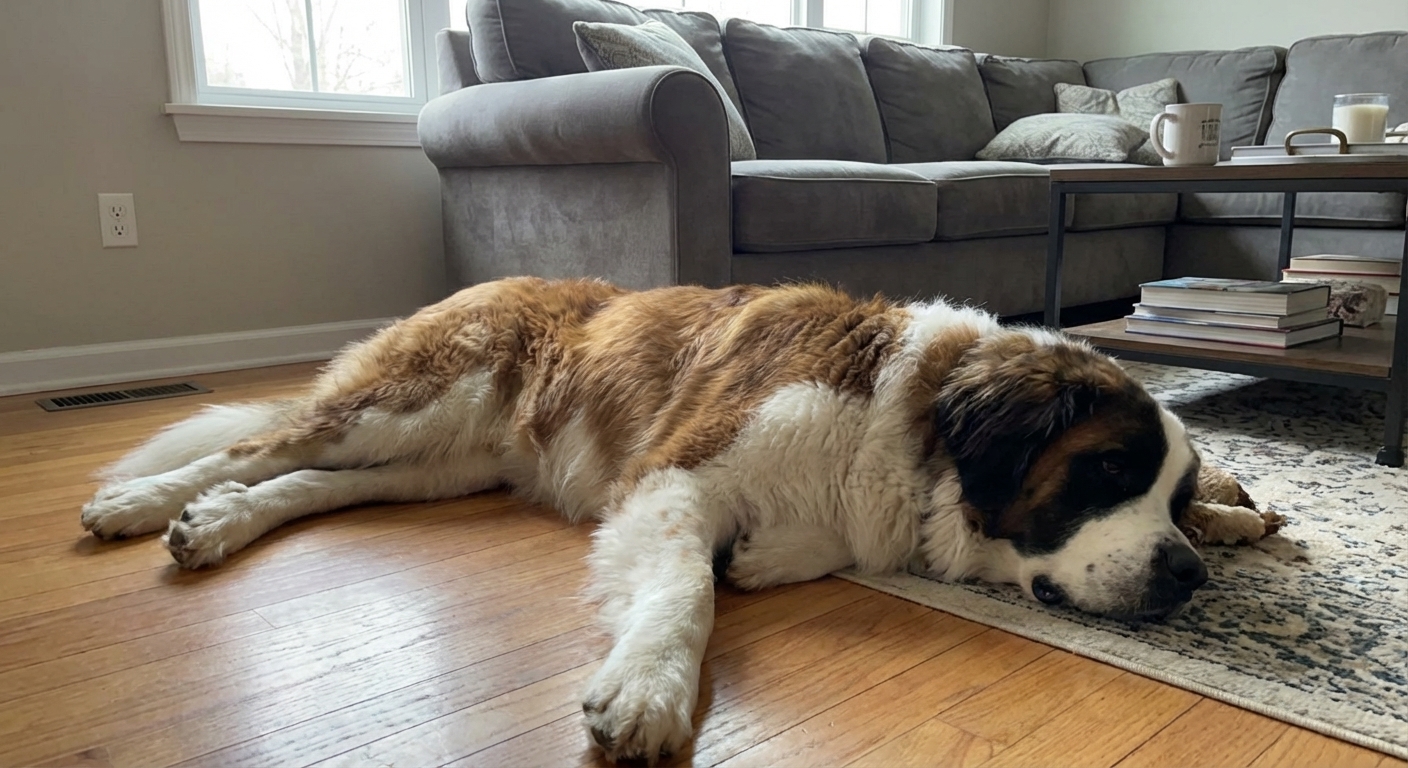
Breeders sometimes market “mini” Saint Berdoodles. In practice, “mini” is often uncommon and can mean a multigenerational mix (not a direct Saint Bernard x Poodle pairing) aimed at reducing size. Even then, these dogs are rarely truly small, and many still mature into solid, strong adults. For many households, the bigger issue is not just weight, but how much space that weight takes up when your dog stretches out across the hallway.
Growth and joint protection
Giant-breed mixes grow fast, and that can stress developing joints. Ask your veterinarian about:
- Giant-breed puppy nutrition to support steady growth, not rapid weight gain
- Keeping your puppy lean, because extra pounds increase strain on hips and elbows
- Appropriate exercise, avoiding repetitive high-impact jumping during growth
Temperament
When people picture a Saint Bernard, they often imagine a calm, patient dog with a big heart. Many Saint Berdoodles inherit that sweet, tolerant nature, especially when they are well socialized and their exercise needs are met. Still, temperament is not guaranteed. Poodle influence can add extra bounce, sensitivity, and a need for mental stimulation.
Common traits
- Affectionate and people-oriented: Many want to be near their humans, not alone in the yard.
- Gentle with a soft mouth: Often careful and friendly, but still clumsy as young dogs.
- Smart and trainable: Poodle genes can bring quick learning, but also more “busy brain” if you do not give them a job.
- Sometimes sensitive: Harsh training can backfire. Consistent, reward-based training tends to work best.
Traits that can surprise people
- Drool: Some inherit classic Saint Bernard drooliness, especially around food and water.
- Stubborn streak: Giant breeds can be wonderfully steady, but not always eager to do things just because you asked.
- Watchfulness: Many are friendly, but some individuals are more protective or alert. Early socialization matters.
One important note: a “gentle” dog can still knock someone over by accident. This is why early training is not optional for giant mixes. Teaching polite greetings, loose-leash walking, and a solid “place” cue can make daily life so much easier.
Good with kids?
Many Saint Berdoodles do wonderfully with children, especially in homes where kids are taught respectful dog manners and adults supervise interactions. Their affectionate nature can be a great match for family life.
Why they can fit
- Patient and tolerant in many lines
- Enjoy being part of the group and lounging near family activity
- Often friendly with visitors when properly socialized
Family cautions
- Accidental bumping: A happy 110-pound dog can knock over a toddler without meaning to.
- Mouthiness in puppies: Doodle pups can be nippy while teething and playing.
- Training commitment: This mix does best with daily practice, not occasional commands.
If you have very young children, focus on management tools that set everyone up to win: baby gates, a quiet rest area for your dog, and short, positive training sessions that build calm behavior around kid energy.

Space and lifestyle
Saint Berdoodles are not typically marathon runners, but they do need room to move and a daily routine that prevents boredom and weight gain.
Apartment vs house
An apartment is not automatically a dealbreaker, but it can be challenging. You will need:
- Reliable daily walks, often 30 to 90 minutes total depending on age, weather, and the individual dog
- Elevator access or a realistic plan for stairs, especially as your dog ages
- Space for a large crate or safe area and a bed that actually fits a giant dog
A home with a securely fenced yard makes life easier, but a yard does not replace exercise. Many Saint Berdoodles are happiest with a couple of structured walks plus some backyard time for sniffing and gentle play.
Heat and travel
- Heat sensitivity: The Saint Bernard side and a thick coat can make hot summers a real concern. Plan outdoor activity for early morning and evening.
- Car space: You may need an SUV, wagon, or a vehicle setup that can safely transport a large dog.
- Boarding and grooming costs: Giant dogs often cost more for professional services.
Coat and grooming
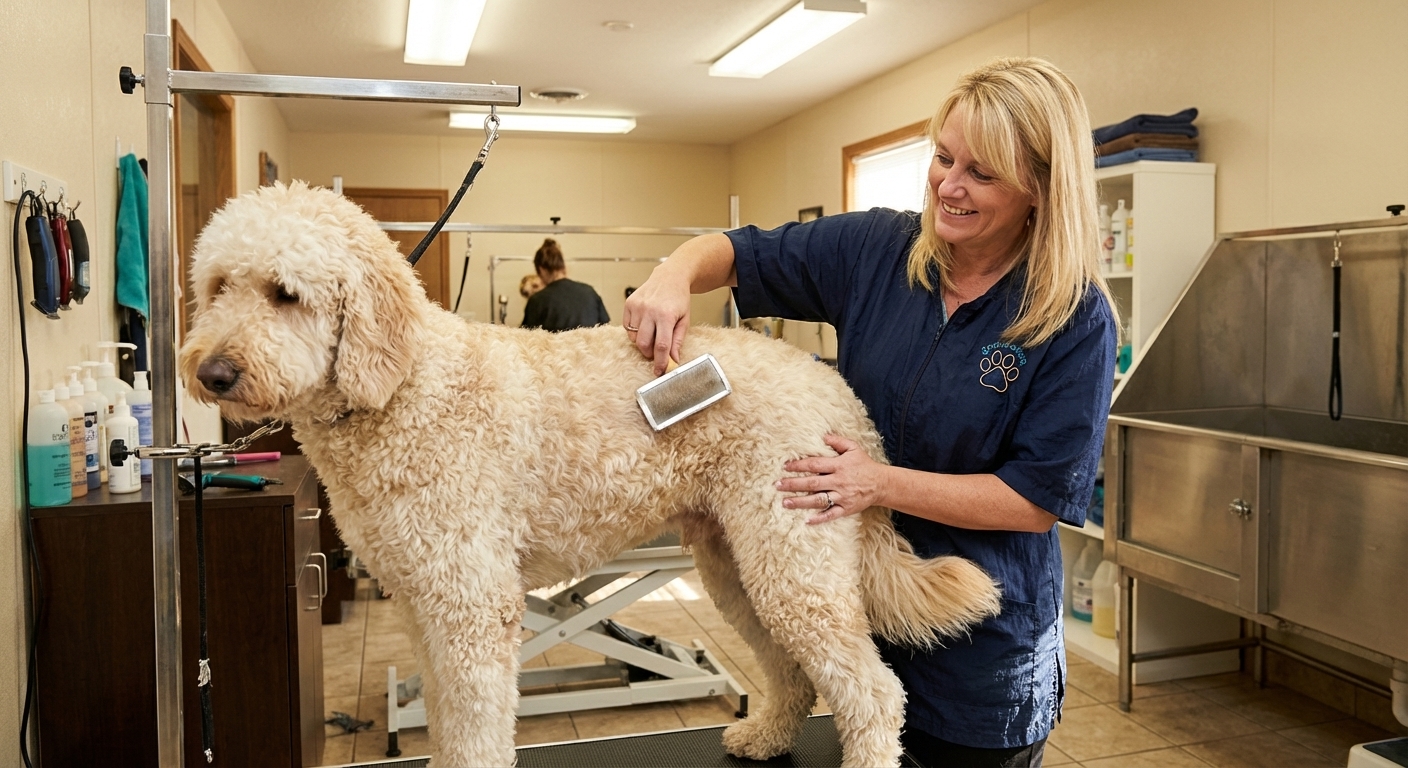
Saint Berdoodles can have different coat textures depending on genetics. Some are curlier like a Poodle, others are wavy, and some are more straight and plush. Coat type matters because it influences shedding, matting, and how often you will need professional grooming.
Important reality check: “Lower shedding” is possible, but not promised. Some Saint Berdoodles shed a lot, especially if they inherit more of the Saint Bernard coat type.
Hypoallergenic?
No dog is truly hypoallergenic. Some Saint Berdoodles shed less and may be more manageable for some allergy sufferers, but allergies can come from dander and saliva as well as fur. If allergies are a concern, spend time with adult dogs from the same breeder line if possible.
Grooming basics
- Brushing: Often 3 to 5 times per week for wavy or curly coats to prevent mats. Plan on 10 to 20 minutes per session for an adult coat, sometimes more if it is thick.
- Professional grooming: Typically every 6 to 10 weeks, depending on coat length and lifestyle.
- Ears: Floppy ears plus hair can trap moisture. Regular ear checks and cleaning help prevent infections.
- Drool and facial care: Some inherit Saint Bernard drooliness. Keeping the mouth area clean helps reduce odor and skin irritation.
My veterinary assistant tip: matting is not just cosmetic. Tight mats can pull on skin, trap moisture, and hide hot spots or infections. If you are unsure whether your brushing is effective, ask your groomer to show you how to line-brush down to the skin.
Exercise and training
Saint Berdoodles often have a moderate energy level. They usually enjoy activity, but they are not always intense athletes. Think steady, consistent movement and mental enrichment. For many giant dogs, shorter, more frequent low-impact sessions work better than one long outing.
Daily exercise ideas
- One to two walks per day, adjusting length based on age and weather
- Sniff walks where your dog can explore at a slower pace
- Low-impact play like gentle fetch on grass or short training games
- Brain work such as food puzzles, scent games, and basic obedience refreshers
Training priorities
- Loose-leash walking before your puppy reaches full size
- Polite greetings to prevent jumping on guests
- Handling skills so vet visits, grooming, and nail trims are less stressful
- Recall and impulse control for safety
Feeding basics
Feeding a giant-breed mix is not just about buying a big bag of food. The goal is steady muscle, a lean body condition, and joints that are not carrying extra weight.
- Keep calories appropriate: Many Saint Berdoodles will happily overeat. Treats count, and “growing puppy” appetite can turn into “adult dog gaining weight” quickly.
- Choose the right formula: Use giant-breed puppy food during growth if your vet recommends it, then transition to a large or giant-breed adult formula.
- Supplements: Joint supplements, fish oil, and add-ons can be helpful for some dogs, but do it with your veterinarian’s guidance. More is not always better.
Spay and neuter timing
This is a great question to discuss early with your veterinarian. In many large and giant breeds, vets may recommend delaying spay or neuter until growth plates have had more time to close. The “right” timing depends on your dog’s size, sex, lifestyle, and health risk factors, so it is not one-size-fits-all.
Lifespan
Saint Berdoodles often live around 8 to 12 years. Giant breeds tend to have shorter lifespans than smaller dogs, and the Saint Bernard influence can pull the average down compared with some other doodle mixes.
The good news is that lifestyle makes a difference. Keeping your dog lean, building muscle with appropriate exercise, maintaining dental health, and staying current on preventative care can support quality of life for many years.
Common health concerns
Mixed breeds can inherit health risks from either parent breed. Ethical breeding and smart puppy raising help, but they cannot guarantee a problem-free dog. For Saint Berdoodles, a few concerns deserve special attention.
Hip and elbow dysplasia
Large and giant dogs are at higher risk for abnormal joint development. Signs can include stiffness, difficulty rising, limping, or reluctance to jump or climb stairs.
Helpful prevention steps:
- Keep your puppy and adult dog lean
- Use giant-breed appropriate food during growth
- Avoid high-impact repetitive exercise while growing
- Ask breeders for orthopedic screening results on parent dogs (hips and elbows)
Bloat and GDV
The Saint Bernard side increases concern for gastric dilatation-volvulus (GDV), commonly called bloat. This is when the stomach fills with gas and can twist, cutting off blood flow. GDV can become fatal quickly without emergency surgery.
Urgent signs:
- Distended abdomen
- Repeated unproductive retching
- Restlessness, pacing, drooling
- Weakness or collapse
Risk reduction ideas to discuss with your veterinarian:
- Feeding multiple smaller meals rather than one large meal
- Using slow-feeders for dogs that inhale food
- Avoiding intense exercise right after meals
- Considering a preventative gastropexy in high-risk dogs, sometimes done at spay or neuter
Heart disease risk
Saint Bernards can be predisposed to heart disease, which can include dilated cardiomyopathy (DCM). Your veterinarian may also screen for murmurs and other congenital heart issues, especially in young dogs. If anything seems “off,” early evaluation matters.
Watch for: reduced stamina, coughing, rapid breathing at rest, fainting episodes, or a swollen belly.
Eye issues
Large breeds may experience eyelid or eye surface issues. Regular vet exams help catch problems early, especially if you notice redness, squinting, discharge, or pawing at the face.
Skin and ear infections
Doodle coats can trap moisture. Combine that with floppy ears, and you have a recipe for recurrent ear infections in some dogs.
Prevention basics: keep ears dry, clean as recommended by your vet, and address itching early before it becomes a deep infection.
Choosing a healthier Saint Berdoodle
If you are shopping for a puppy, your decisions here matter. A well-bred dog is not “perfect,” but good breeding practices stack the odds in your favor.
Questions to ask breeders
- What orthopedic testing has been done on the parents (hips and elbows), and can I see results from OFA or PennHIP?
- What cardiac testing has been done (at minimum a vet cardiac exam, and for some lines an echocardiogram)?
- Have the parents had a recent eye exam (often listed as CAER)?
- What is the average lifespan and common cause of death in your lines?
- What does your Poodle line get screened for, and what do you do to reduce inherited risk (for example, endocrine issues like Addison’s disease in some Poodles)?
- How are puppies socialized, and what early handling do you do?
- Can I meet at least the mother, and see where the puppies are raised?
If you are adopting, ask the rescue about body condition, mobility, prior bloat episodes, and temperament in the home. With giant dogs, a little extra information goes a long way.
Is this mix right for you?
A Saint Berdoodle can be a wonderful companion for the right household. They are often loving, gentle, and very bonded to their people. But they are also large enough that planning and training are essential.
Great fit if you want
- A big, affectionate dog who enjoys family time
- A dog that is typically friendly and sociable with proper training
- A moderate-energy companion rather than a constant high-drive athlete
Think twice if you are not ready for
- Giant-dog costs for food, grooming, boarding, and vet care
- Consistent coat maintenance and professional grooming
- The responsibility of managing bloat risk and other large-breed health concerns
If you have the space, time, and commitment, a Saint Berdoodle can bring a whole lot of heart into your home. My best advice is to go in with your eyes open, choose your breeder or rescue carefully, and build a relationship with a veterinarian who can help you tailor prevention, nutrition, and screening to your dog’s size and stage of life.