Worried your kitten hasn’t pooped? Learn gentle, family-safe home steps, what not to do, urgent red flags, when to call the vet, and litter box routines th...
Article
•
Designer Mixes
Safe Home Steps for Kitten Constipation

Shari Shidate
Designer Mixes contributor
As a veterinary assistant here in Frisco, Texas, I can tell you this: constipation in kittens is fairly common, especially around weaning, diet shifts, mild dehydration, parasites, or stress. But it is not something to brush off. Kittens are tiny, their hydration needs are high, and their digestive systems are still learning the ropes. The good news is that many mild cases improve with simple, safe at-home steps you can do right away. The key is knowing what is normal, what is not, and when to call your veterinarian.
What is normal for kittens
Healthy kittens can vary. Many poop once or twice a day, but some (especially on certain diets) may go every other day. Stool should be formed, moist, and easy to pass. If your kitten is comfortable, eating, and not straining, a slightly slower schedule can still be normal. What is not normal is repeated straining, pain, very dry pebble-like stool, or a kitten who seems unwell.
Signs of constipation
Constipation means stool is moving too slowly through the colon, so it becomes dry and difficult to pass. Some kittens will still eat and play while quietly struggling in the litter box, so it helps to watch for patterns.
- Straining in the litter box with little or no stool produced
- Small, hard, dry stools or pebble-like stools
- Crying, restlessness, or repeatedly entering and leaving the litter box
- Reduced appetite, hiding, or acting “not quite themselves”
- Nausea or occasional vomiting can happen when stool is significantly delayed
Important: Straining can also look like a urinary problem, and that can be an emergency. Urinary blockage is most common in male cats, but any kitten who is straining and producing no urine, crying in the box, or licking the genital area more than usual needs urgent veterinary care.
Common causes
Most kitten constipation comes down to a few root causes. Once you address the cause, the fix is often straightforward.
- Dehydration: Not drinking enough, especially after diarrhea or if eating mostly dry food.
- Diet factors: Sudden food changes more often cause loose stool, but some kittens get backed up, especially if the new diet is lower in moisture or not a good match for them.
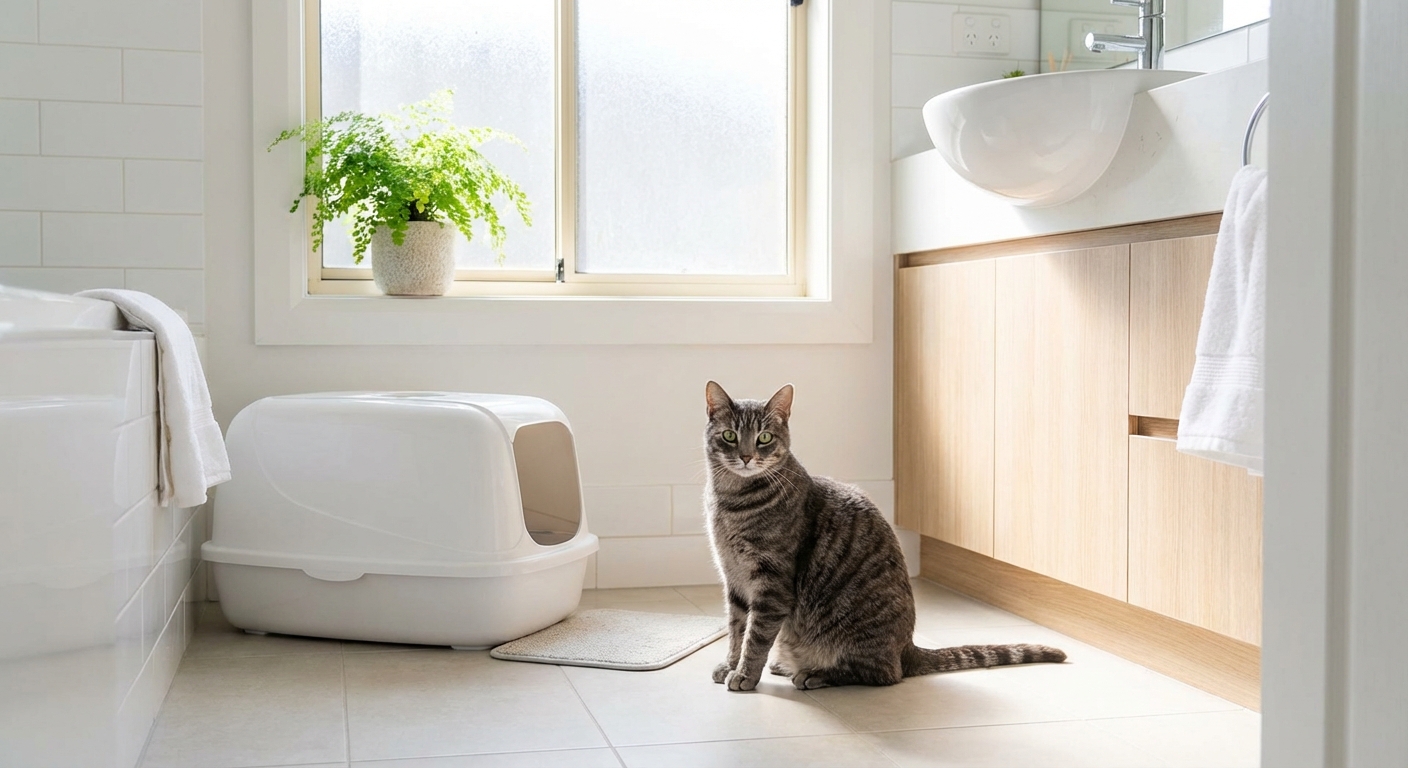
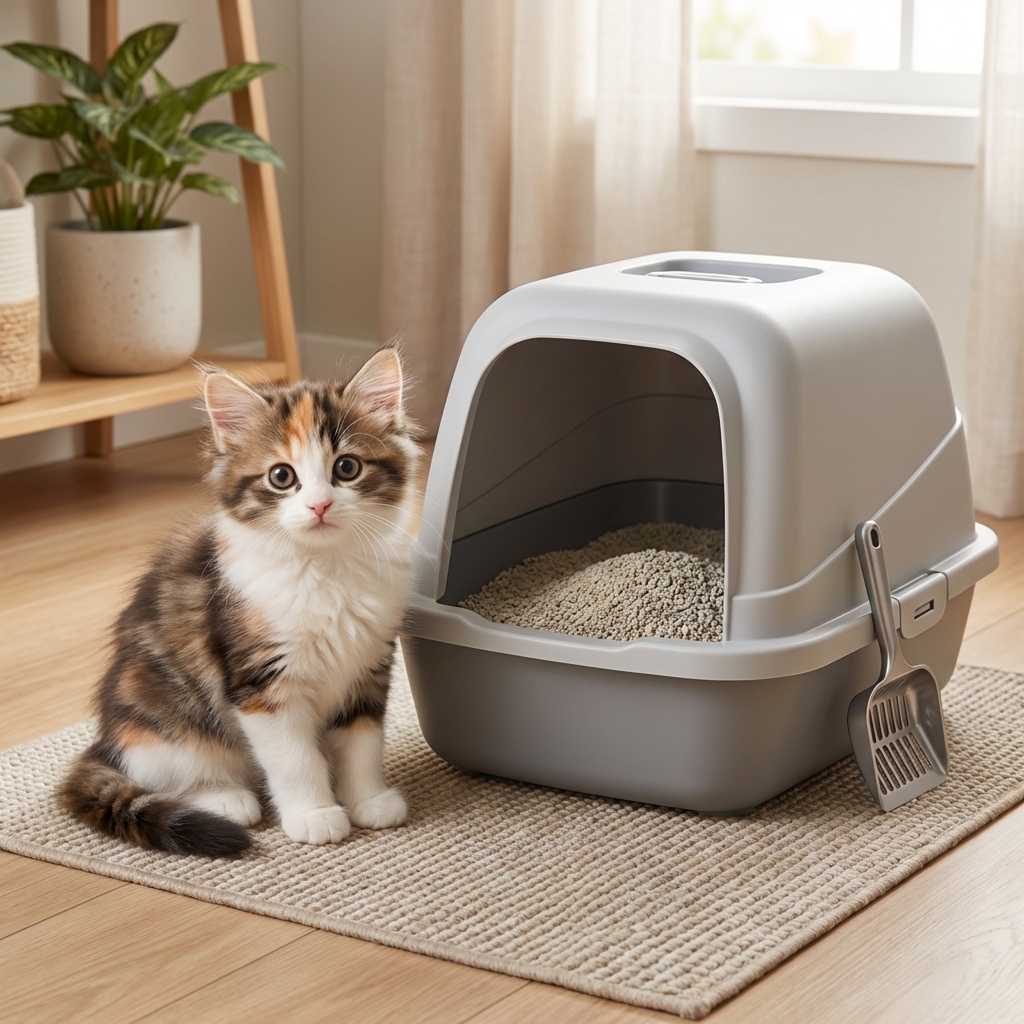
- Litter box issues: A dirty box, scary location, rough litter, or a box that is hard to climb into can make a kitten “hold it.”
- Hair and grooming: Even young kittens can swallow hair, especially long-haired mixes.
- Messy bottoms: In long-haired kittens, matted fur or “dingleberries” can make pooping uncomfortable, which can lead to holding it.
- Parasites or illness: Worms, pain, or underlying conditions can affect motility.
- Orphaned neonates: Very young kittens may need stimulation to poop.
Quick safety check
Before home care, take 60 seconds to check for red flags. If any of these are present, skip home remedies and contact your vet today.
- Kitten is lethargic, weak, or not eating
- Vomiting more than once, or vomiting plus a painful belly
- No stool for about 48 hours and your kitten is straining, not eating, seems painful, or has a distended belly (for very young kittens, call sooner)
- Repeated straining with little to no stool, or any concern about urination
- Bloody stool, severe diarrhea alternating with straining, or obvious abdominal swelling
- Your kitten may have eaten string, ribbon, hair ties, or toys
These situations can move from “simple constipation” to dehydration, obstruction, or other serious problems quickly in kittens.
String warning: If you see string coming from the mouth or anus, do not pull it. Keep your kitten calm and head to a veterinarian or emergency clinic.
Safe at-home steps
If your kitten is bright, alert, eating at least some, and passing small hard stools, you can try these gentle steps. Go slowly and make one change at a time so you can see what helps.
1) Hydration first
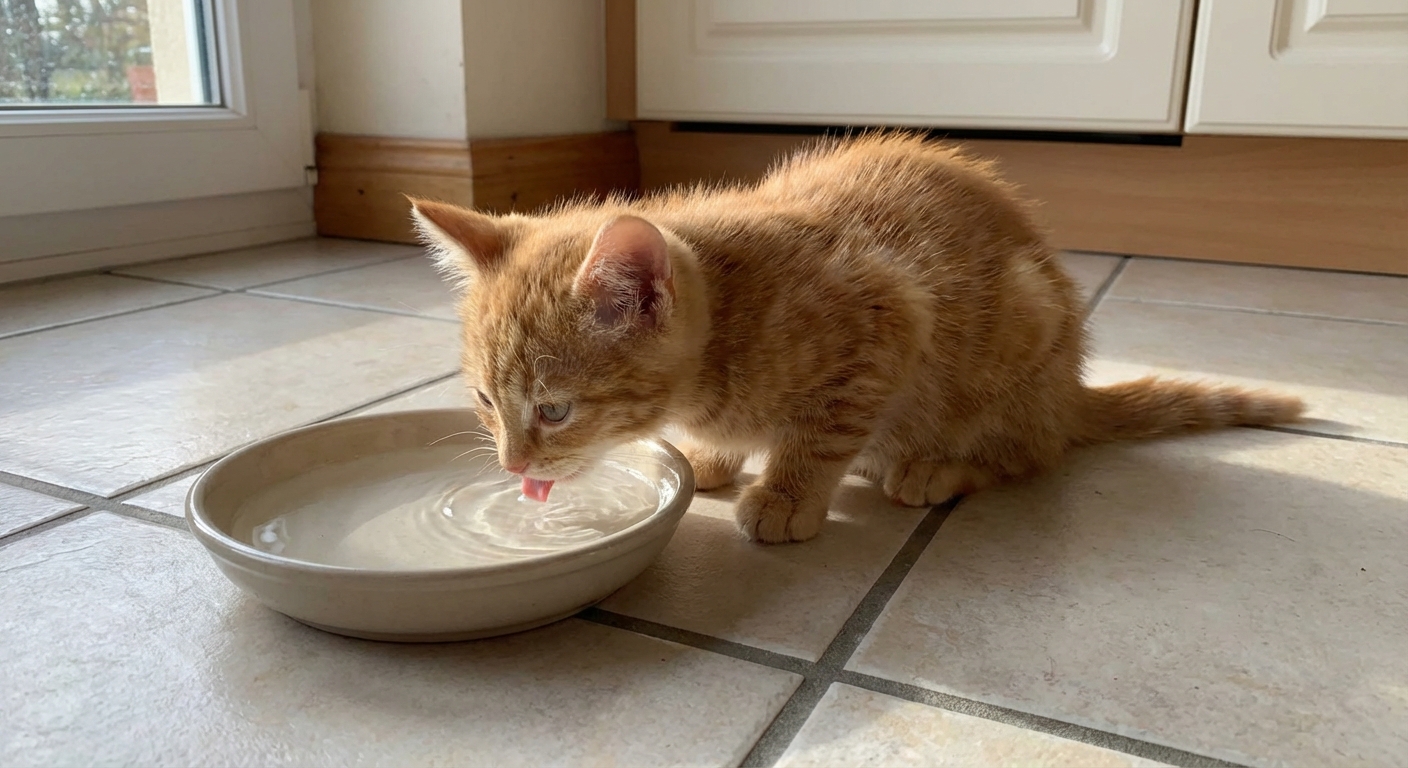
Hard stool is often a hydration issue. Your goal is to increase water intake in easy, kitten-friendly ways.
- Add water to wet food: Stir in 1 to 2 teaspoons of warm water at a time to make a soft “stew.”
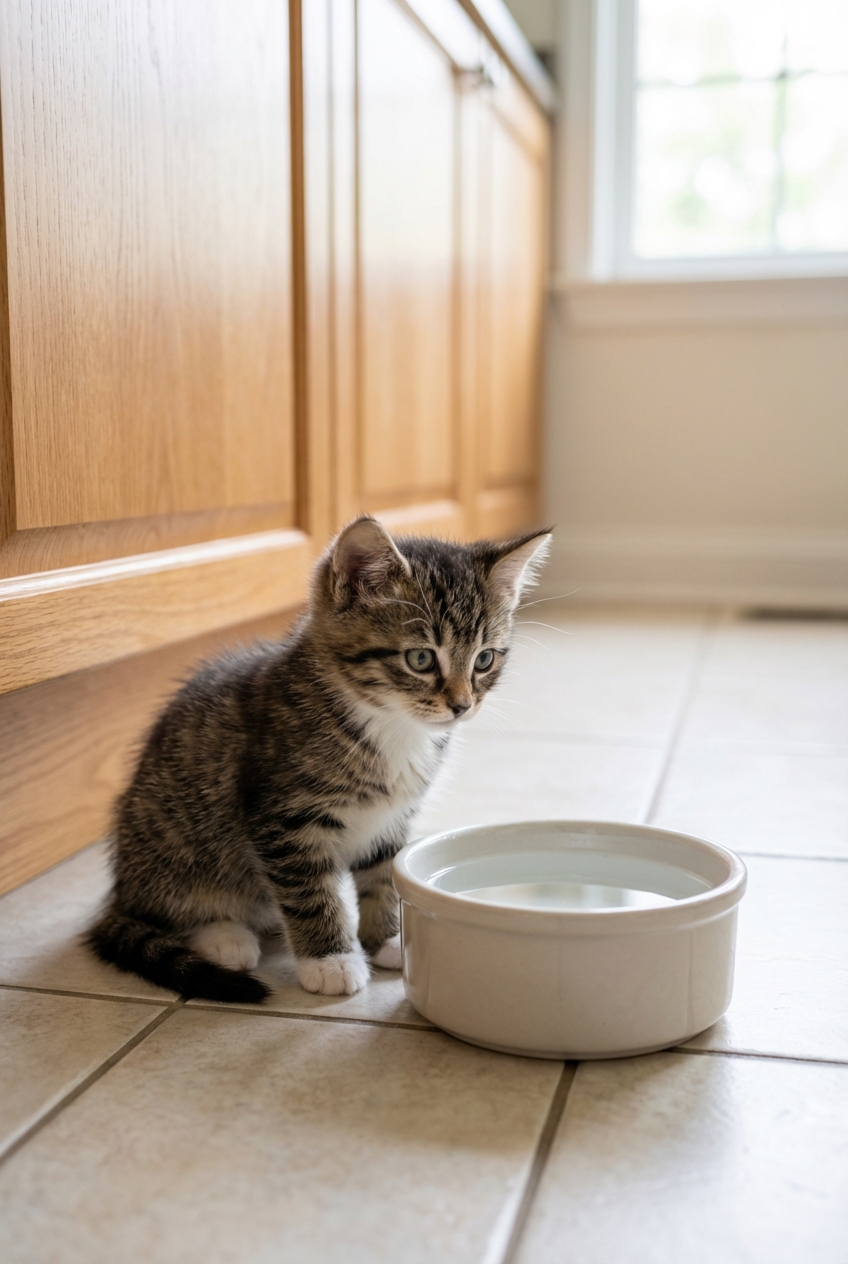
- Offer multiple water stations: Shallow bowls are often preferred.
- Try a pet water fountain: Many cats drink more from moving water.
- Use a kitten-safe broth: Only use broth with no onion or garlic and low sodium. Avoid products with vague “natural flavors,” heavy salt, or sweeteners (xylitol is rare, but it should never be present).
If your kitten is on dry food only, consider adding at least one wet meal daily. Moisture is one of the most reliable supports for stool quality.
2) Gentle fiber with plain pumpkin
Plain pumpkin can help some constipated kittens by adding soluble fiber and helping stool hold moisture. Use plain canned pumpkin, not pumpkin pie filling.
- For an average, weaned kitten, start with 1/4 teaspoon mixed into food once daily.
- If tolerated and needed, you can increase to 1/2 teaspoon daily.
For very small kittens, kittens under 8 weeks, or kittens with any diarrhea, talk to your veterinarian before using fiber. If pumpkin makes stools looser or gassy, back off. Fiber can help, but too much can swing the other direction.
3) Encourage movement
Activity helps stimulate intestinal motility. A few short play sessions can make a difference.
- Use a wand toy for gentle chasing
- Try a few minutes of “hunt the kibble” (if your kitten eats dry)
- Encourage climbing on a small cat tree or sturdy boxes
4) Keep the box easy and calm
Stress makes many cats tighten up, literally. Keep the litter box area quiet and make sure your kitten feels safe.
- Place the litter box in a low-traffic area
- Use a low-sided box so entry is easy
- Scoop at least once daily
- If you recently changed litter, consider switching back temporarily
5) For very young kittens: stimulation
Kittens under about 3 to 4 weeks may not poop on their own. They normally need mom to stimulate them.
- Use a warm, damp cotton ball or soft cloth
- Gently rub the genital and anal area after feeding for 30 to 60 seconds
- Continue until they urinate and pass stool
If you are caring for an orphaned kitten and stools are absent, hard, or the belly looks bloated, your veterinarian should guide you.
What not to do
This is where I see well-meaning pet parents accidentally make things worse. Kittens are more sensitive than adult cats, and many human products are unsafe.
- Do not give human laxatives unless your veterinarian specifically instructs you. (Some vets use medications like polyethylene glycol or lactulose in kitten-specific doses, but this should not be a DIY situation.)
- Do not use mineral oil by mouth. It can be aspirated and cause serious lung issues.
- Do not give enemas at home unless prescribed and demonstrated by a vet. Some enema ingredients are toxic to cats.
- Do not force-feed water with a syringe if your kitten resists. Aspiration risk is real.
- Avoid dairy as a constipation “fix.” Many kittens are lactose intolerant and end up with diarrhea and dehydration.
When to call your vet
If you try hydration plus one gentle dietary step and you do not see improvement, it is time to call. Kittens can dehydrate quickly, and constipation can sometimes signal parasites, pain, or a blockage.
- No stool after 24 to 48 hours despite home care
- Any vomiting, refusing food, or obvious abdominal pain
- Very hard, large stool stuck at the anus
- Repeated straining with no stool or no urine
- Constipation that keeps coming back (chronic constipation needs a veterinary workup; megacolon is uncommon in kittens, but recurring issues should not be ignored)
In clinic, your vet may recommend a kitten-safe stool softener, hydration support, parasite treatment, hygiene help for messy bottoms, or imaging if obstruction is a concern.
Prevention tips
Once your kitten is feeling better, these habits help keep things moving.
- Feed at least some wet food for moisture support
- Transition foods slowly over 7 to 10 days
- Keep water fresh and easy to access, consider a fountain
- Maintain a clean, comfortable litter box setup
- Ask your vet about an appropriate deworming plan and fecal testing
- Brush long-haired kittens to reduce swallowed hair and check for stool getting stuck in fur
Gentle home care can help mild constipation, but your kitten should still look like themselves: alert eyes, normal interest in food, and at least some stool output. If that picture changes, your veterinarian is your best next step.
Quick checklist
- Add warm water to wet food
- Offer a second water bowl in a quiet area
- Try 1/4 teaspoon plain pumpkin in food (for a weaned kitten)
- Do two short play sessions to encourage motility
- Make the litter box extra inviting and freshly scooped