Stop the flea cycle with a proven plan: confirm fleas, use cat-safe vet-recommended treatments, treat every pet, and clean your home with vacuuming, laundry,...
Article
•
Designer Mixes
Safe Home Remedies for Fleas on Cats

Shari Shidate
Designer Mixes contributor
If your cat is scratching, you are not alone. Fleas are incredibly common in warm, humid regions (and they show up everywhere), and they can turn a calm house into an itchy, stressed-out mess fast. The good news is that there are several safe, at-home steps that can reduce fleas and make your cat more comfortable.
As a veterinary assistant, I want to be clear and kind about this: home care works best as support, not as a replacement for proven flea preventatives. Fleas reproduce quickly, and skipping effective treatment can drag the problem out for weeks. Still, you can absolutely do a lot at home to knock down the flea population and help your cat feel better while you get a real plan in place.
First, confirm it is fleas
Before you treat, make sure you are treating the right problem. Cats can itch from allergies, dry skin, mites, or infection. Here is a simple at-home check.
Quick flea check
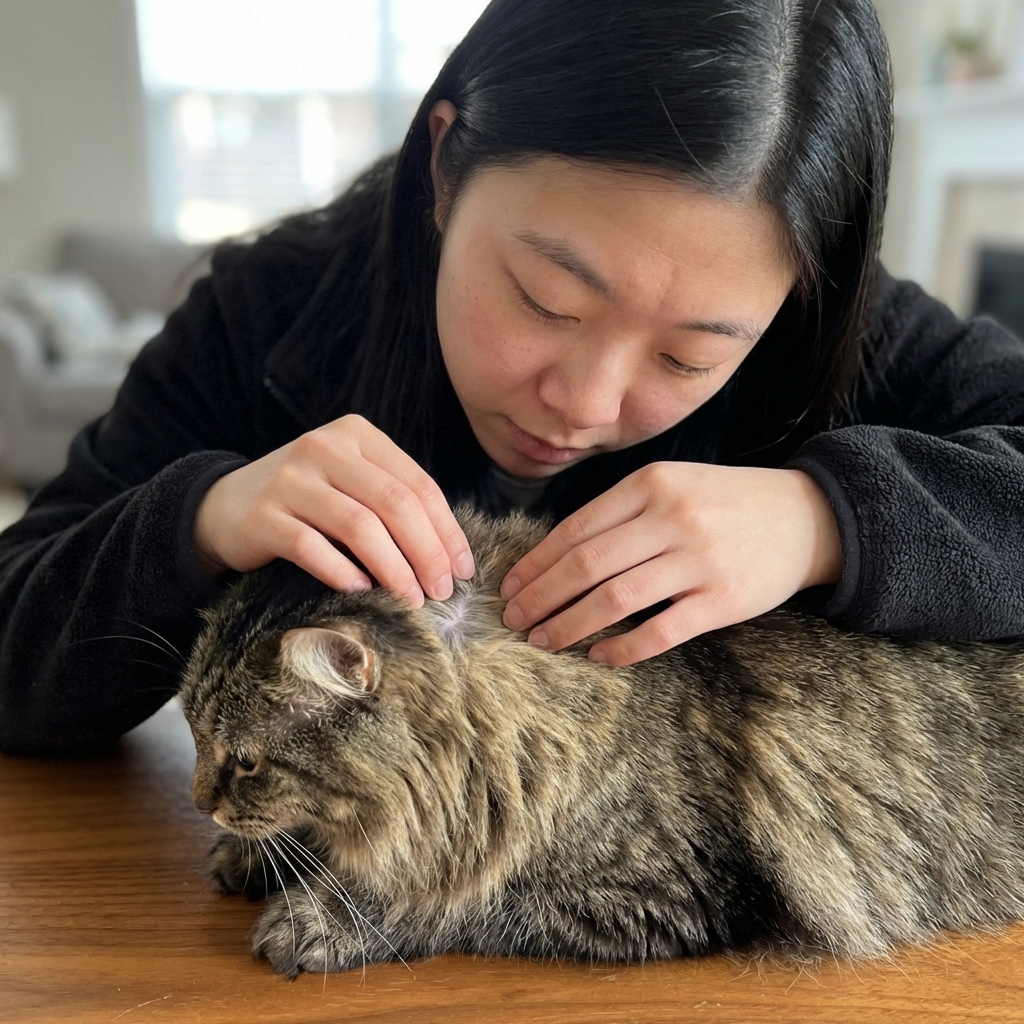
- Look for tiny fast-moving dark insects around the neck, base of the tail, belly, and inner thighs.
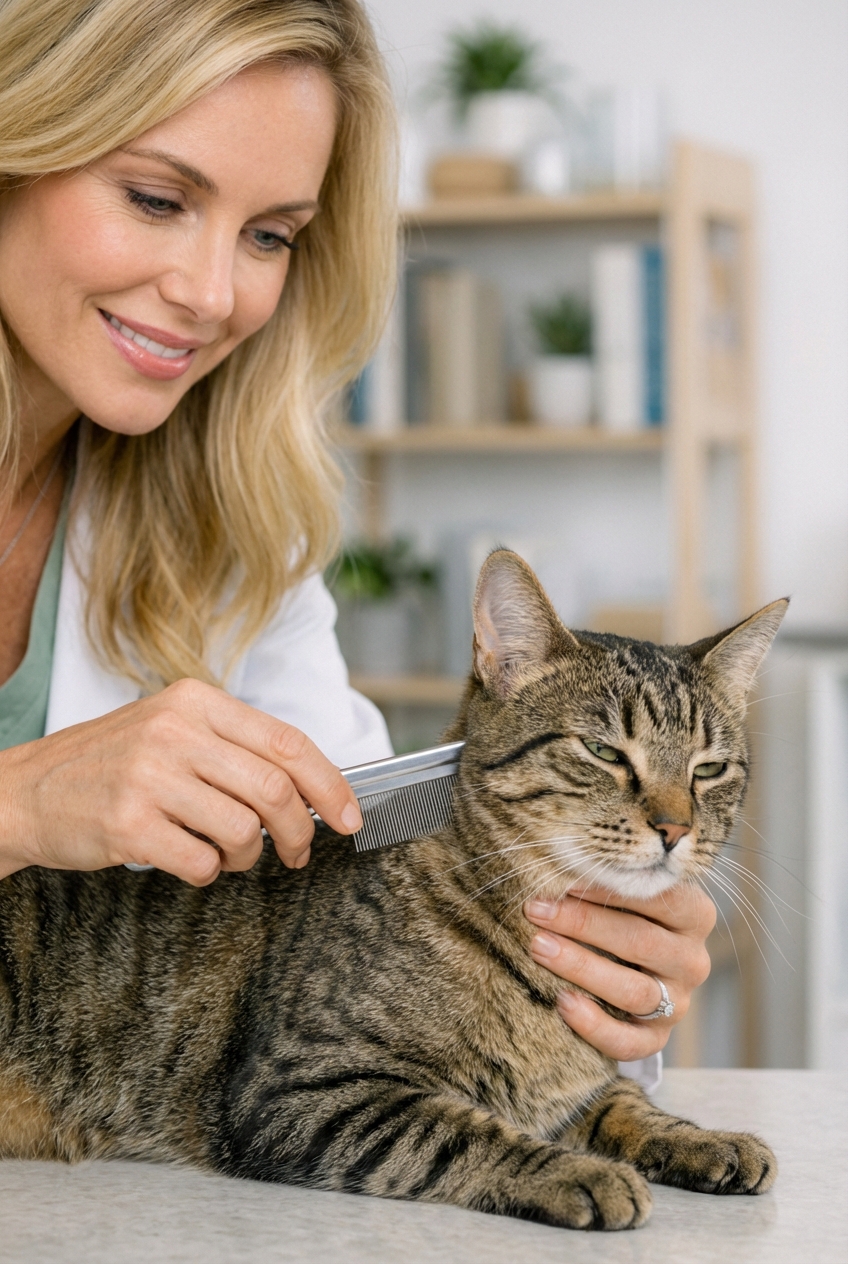
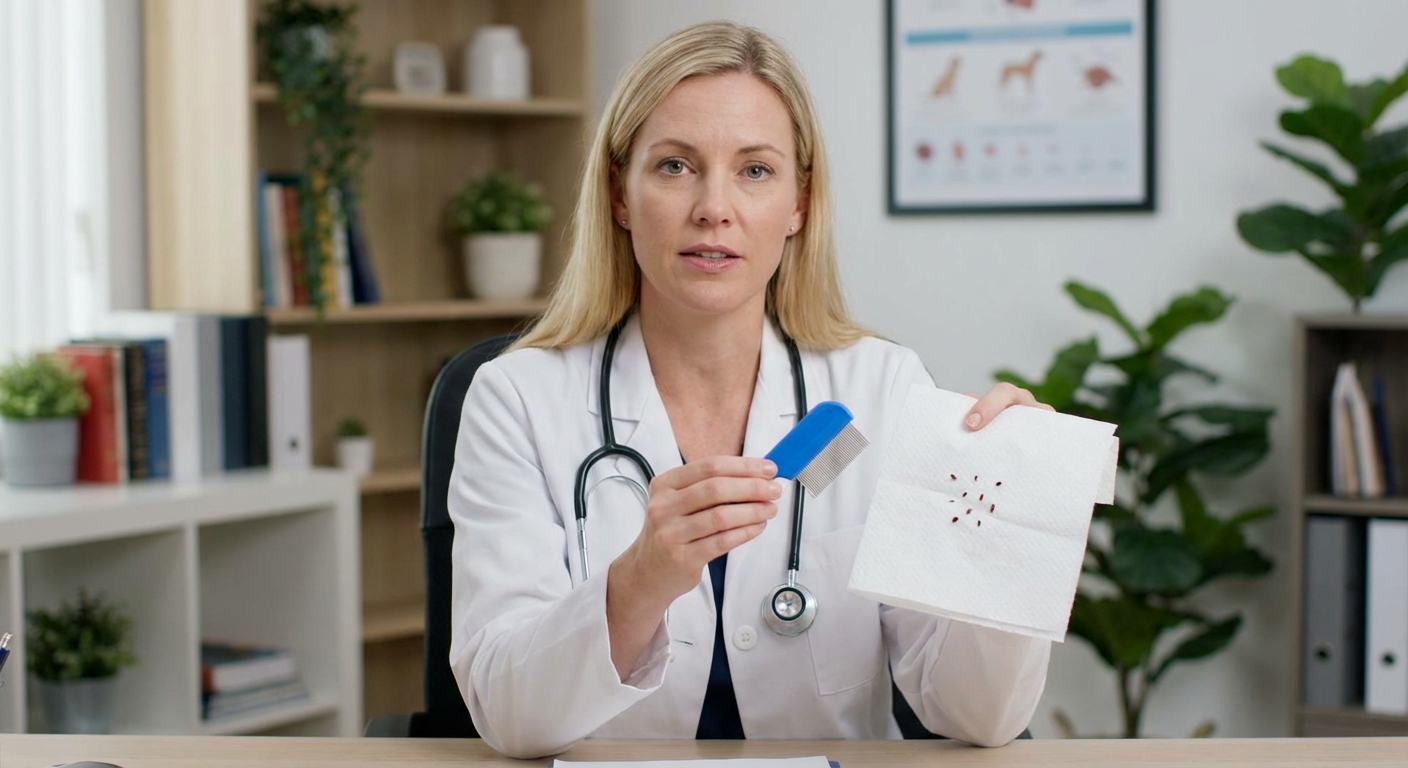
- Use a flea comb and comb from head to tail, especially near the rump.
- Check for flea dirt, which looks like black pepper. Put the specks on a damp white paper towel. If it turns reddish-brown, that is digested blood.
Note: Some cats have flea allergy dermatitis, which means a single bite can cause intense itching, scabs, and overgrooming even if you are only seeing a few fleas.
Why fleas are hard to eliminate
Here is the frustrating part: most of the flea life cycle happens in the environment, not on your cat.
- Adult fleas bite your cat and lay eggs.
- Eggs fall off into carpets, bedding, couch cushions, and floor cracks.
- Larvae and pupae develop in the environment and can “wait” to emerge when conditions are right.
This is why a successful plan is always a two-part strategy: treat the cat and treat the environment.
Safe, simple steps you can do today
These steps are cat-friendly and practical. Pick a few and do them consistently for the best results.
1) Flea comb routine
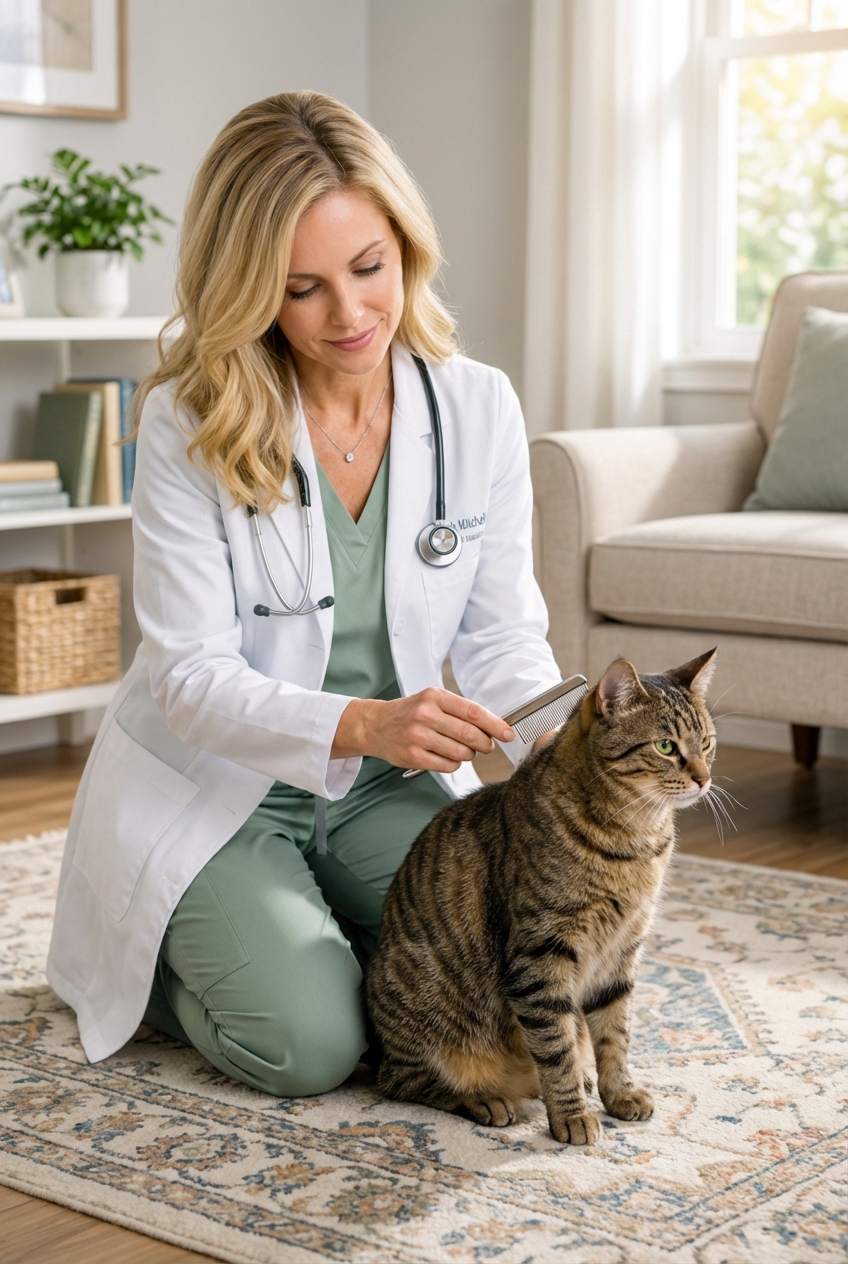
Flea combing is one of my favorite low-risk tools, especially for kittens, seniors, and cats that cannot tolerate baths.
- Comb for 5 to 10 minutes once or twice a day.
- Keep a cup of warm water with a drop of mild dish soap nearby to dunk the comb and drown fleas you catch. This soapy water is for the cup, not for washing your cat.
- Focus on the neck and base of the tail.
Make it easier: pair combing with a lickable treat or a calm “window perch” session so your cat builds a positive association.
2) Wash and heat
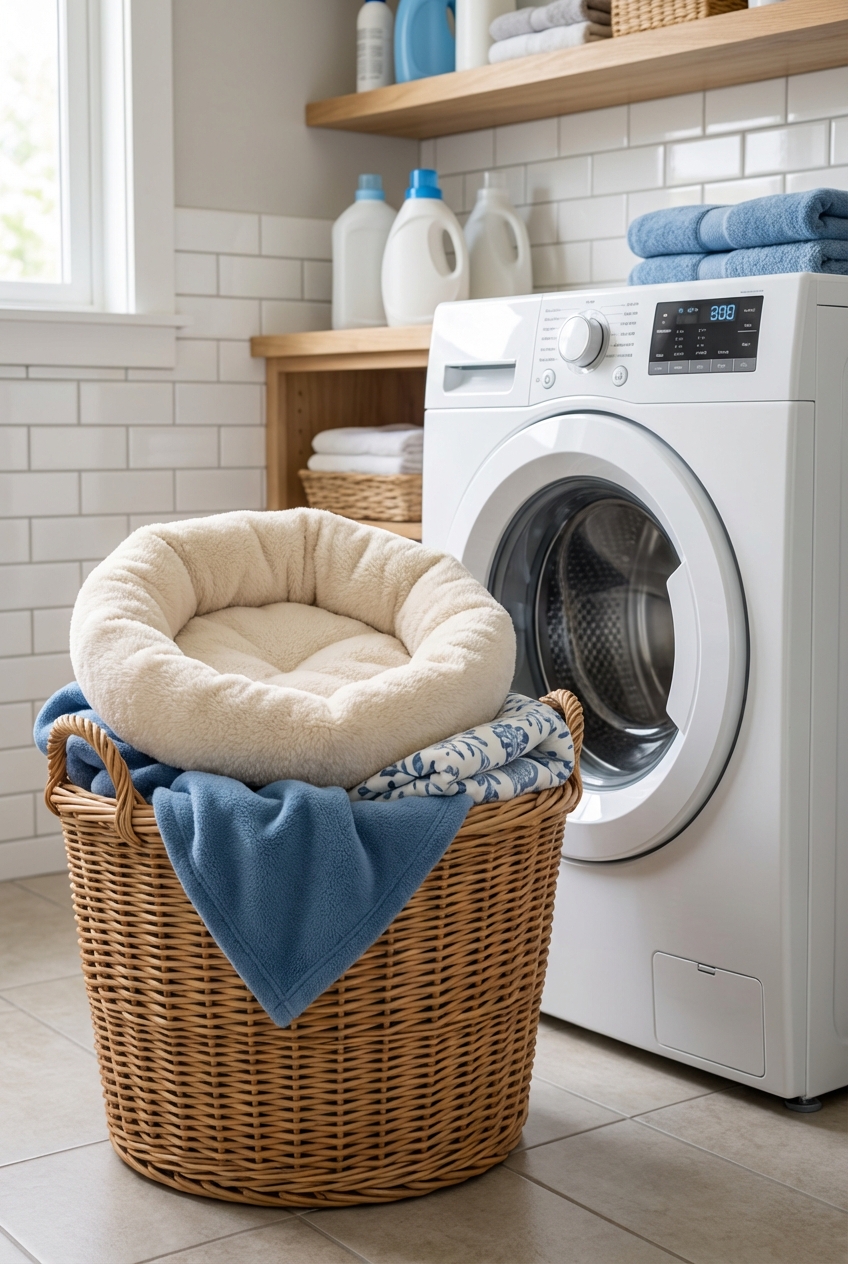
Wash anything your cat sleeps on.
- Wash bedding, blankets, and slipcovers in hot water if the fabric allows.
- Dry on high heat long enough for the items to fully heat through (often 30 minutes or more, depending on the load and dryer).
- Repeat every 2 to 3 days for the first couple of weeks if you are dealing with an active infestation.
3) Vacuum like you mean it
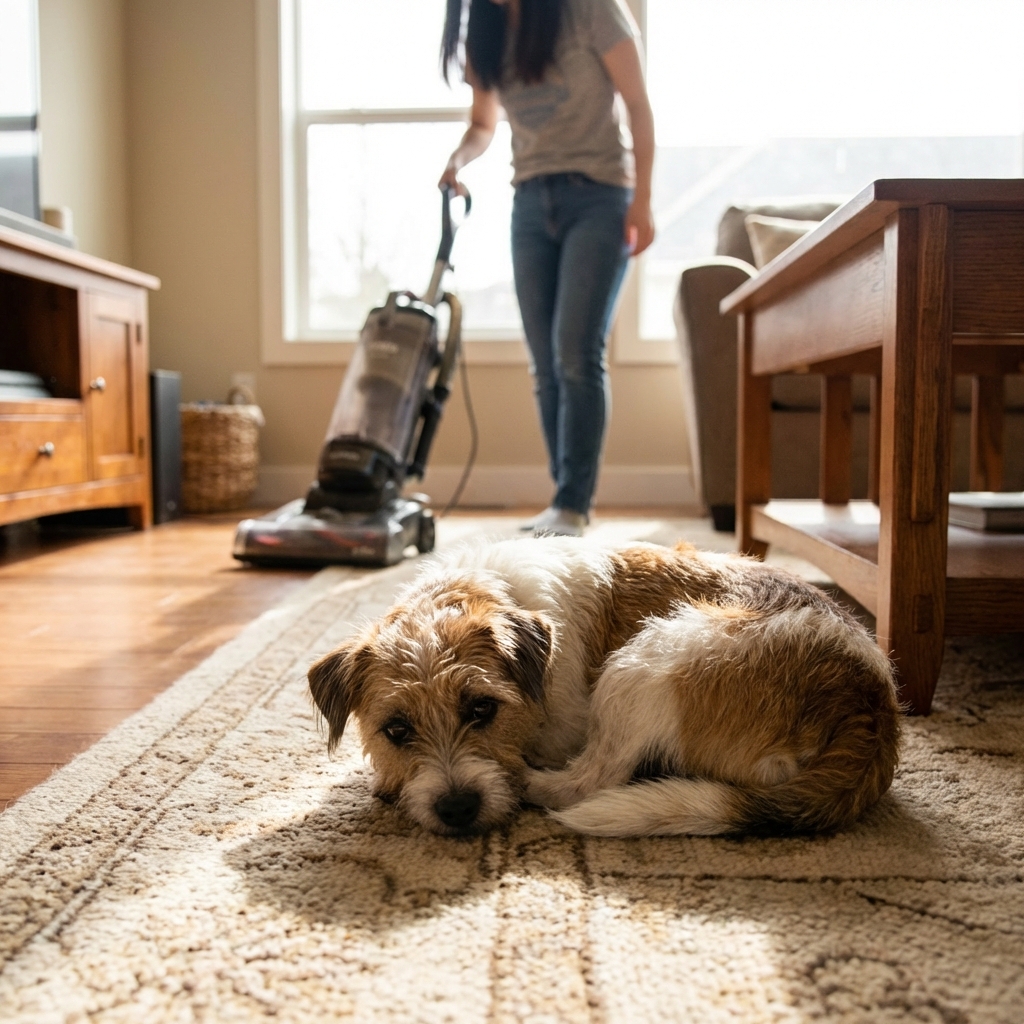
Vacuuming removes eggs and larvae. It can also help stimulate some pupae to emerge due to vibration and activity, which sounds gross but can actually help you catch them sooner once you are treating consistently.
- Vacuum carpets, rugs, baseboards, under furniture, and couch cushions daily for 7 to 10 days.
- Use attachments in cracks and along edges where larvae hide.
- Immediately empty the canister outside or seal the bag in a trash bag and take it out.
4) Gentle spot cleaning
Most cats do not need full baths, and many cats hate them. If your cat has flea dirt buildup or greasy areas, try a small, targeted clean.
- Use a soft washcloth with warm water and a tiny amount of cat-safe shampoo.
- Wipe, rinse the cloth, and wipe again to remove residue.
- Dry thoroughly and keep your cat warm.
Avoid essential oils and harsh soaps on cats. Their livers metabolize certain compounds differently, and some oils can be toxic even in small amounts.
5) Diatomaceous earth (DE), used cautiously
Food-grade diatomaceous earth can damage the waxy coating on insects, which dehydrates them. Some people use it as a dry-environment tool, but real-world results are variable, and the dust can irritate lungs. If you use it, do so carefully and do not rely on it as your main strategy.
- Use food-grade only, never pool-grade.
- Apply a very light dusting to carpet edges or cracks, then vacuum later.
- Keep cats and people from breathing dust. Use it only when your cat can be in another room, and ventilate well.
If anyone in your home has asthma or respiratory sensitivity, skip DE and focus on vacuuming, laundering, and vet-approved preventatives instead.
Home remedies to avoid
I know the internet means well, but cats are not small dogs. Some popular DIY ideas can be dangerous.
- Essential oils (tea tree, peppermint, eucalyptus, clove, citrus oils): can cause drooling, wobbliness, tremors, liver issues, or worse.
- Garlic or onion: can damage red blood cells and lead to anemia.
- Apple cider vinegar as a flea killer: may make the coat smell different, but it does not reliably kill fleas and can irritate skin.
- Dog-only flea products used on cats: some contain ingredients that are toxic to cats.
- Permethrin risk: never use products containing permethrin on cats. It is found in some dog flea and tick treatments and can be life-threatening to cats.
- “Natural” OTC collars and sprays: “natural” does not automatically mean cat-safe or effective. Read labels carefully and ask your vet before applying anything you are unsure about.
- Homemade sprays with alcohol: can dry and irritate skin, and cats may ingest it while grooming.
How to actually win
If your cat has fleas, the fastest path to relief is pairing environmental cleanup with a vet-recommended flea preventative. Modern preventatives are designed to interrupt the flea life cycle, which is what home steps alone struggle to do.
What to ask your veterinarian
- A cat-specific flea preventative appropriate for your cat’s age and weight
- Whether your cat needs treatment for tapeworms (fleas can spread them)
- How to treat all pets in the household at the same time
If you treat only one pet or skip the environment, fleas often come right back. Consistency is what breaks the cycle.
14-day knockdown plan
If you like checklists, here is a realistic schedule you can start today.
Days 1 to 3
- Flea comb your cat daily and dunk the comb in soapy water
- Wash bedding and dry on high heat
- Vacuum thoroughly each day and dispose of vacuum debris outside
- Start a vet-recommended cat-safe flea preventative as directed
- Treat all pets in the household with species-appropriate products (do not mix dog and cat products)
Days 4 to 10
- Continue daily vacuuming
- Wash bedding every 2 to 3 days
- Continue combing once a day or every other day
- Keep all pets on their flea control, on schedule
Days 11 to 14
- Vacuum every other day
- Keep laundering weekly
- Monitor itching and skin for scabs, redness, or hair loss
Most homes start to feel dramatically better within 1 to 2 weeks, but heavy infestations can take longer because pupae can be stubborn.
Prevent reinfestation
- Stay consistent with prevention: many cats need year-round flea control, especially in warm climates.
- Do a quick weekly reset: wash pet bedding and vacuum favorite nap zones routinely.
- Reduce hitchhikers: if your dog goes outdoors, keep them on prevention too. Fleas often enter the home through other pets.
When to call the vet
Please reach out promptly if you notice any of the following:
- Your cat is a kitten, senior, pregnant, or has a chronic illness
- Pale gums, weakness, or lethargy (possible anemia, especially in kittens)
- Open sores, intense scabbing, or signs of infection
- Fleas persist after 2 to 3 weeks of consistent home cleanup and proper pet treatment
- Your cat drools, trembles, vomits, or acts “off” after any product is applied
You are not failing if you need help. Fleas are relentless, and a quick vet-guided plan is often the kindest choice for your cat.
Quick FAQs
Can indoor cats get fleas?
Yes. Fleas can hitchhike inside on shoes, clothes, or other pets, and wildlife near entry points can contribute too.
Will a bath kill fleas?
A bath can remove some adult fleas, but it does not fix the life cycle in your home. Many cats also find bathing stressful, so it is not my first choice.
Do I need to treat my house if I only see a few fleas?
Usually, yes. If you see fleas, there are almost always eggs and larvae in the environment already. And if your cat has flea allergies, a few fleas can still cause a lot of misery.