Spot rice-like segments or spaghetti-like worms in your dog’s stool? Learn the key differences between tapeworms and roundworms, how dogs get them, what to...
Article
•
Designer Mixes
Roundworms in Dogs: Symptoms, Treatment, and Prevention

Shari Shidate
Designer Mixes contributor
Roundworms are one of the most common intestinal parasites I see talked about in clinics and rescues, especially in puppies. The good news is that roundworms are very treatable. The even better news is that with a simple prevention plan and a little yard and home cleanup, you can dramatically reduce the chance they come back.
If you found short white worms in dog poop or you are worried your puppy’s belly looks bloated, this guide will walk you through what roundworms are, how dogs get them, what they look like, and what to do next. Quick heads up: if what you are seeing looks like tiny grains of rice or sesame seeds, that is more typical of tapeworm segments, and tapeworms require a different medication.

What are roundworms?
Roundworms are intestinal worms (nematodes) that live in a dog’s small intestine and feed on nutrients. The most common roundworm in dogs is Toxocara canis. Another species, Toxascaris leonina, is also seen.
Roundworms matter for two big reasons:
- They can make dogs sick, especially puppies.
- They can infect people (zoonotic risk), most often through accidental ingestion of microscopic eggs from contaminated soil or surfaces.
Lifecycle (why reinfection happens)
Understanding the lifecycle makes prevention feel much less mysterious.
- Adult worms live in the intestine and lay eggs.
- Eggs pass in stool and can contaminate yards, parks, and kennel areas.
- Eggs become infectious after time in the environment, often about 2 to 4 weeks under typical conditions (faster in warm, moist conditions). These eggs are very hardy and can persist in soil for years.
- Dogs get infected by swallowing eggs from the environment, eating a small infected animal (like a rodent), or through mother-to-puppy transmission.
Because eggs can persist and because puppies can be infected early in life, treatment often needs to be repeated on a schedule, and cleanup really matters.
How dogs get roundworms
Puppies
- From their mom before birth (transplacental transmission is common with Toxocara canis).
- Through milk in some cases, though this is less common than infection before birth.
- From the environment once they start exploring, licking, and eating random things.
Adult dogs
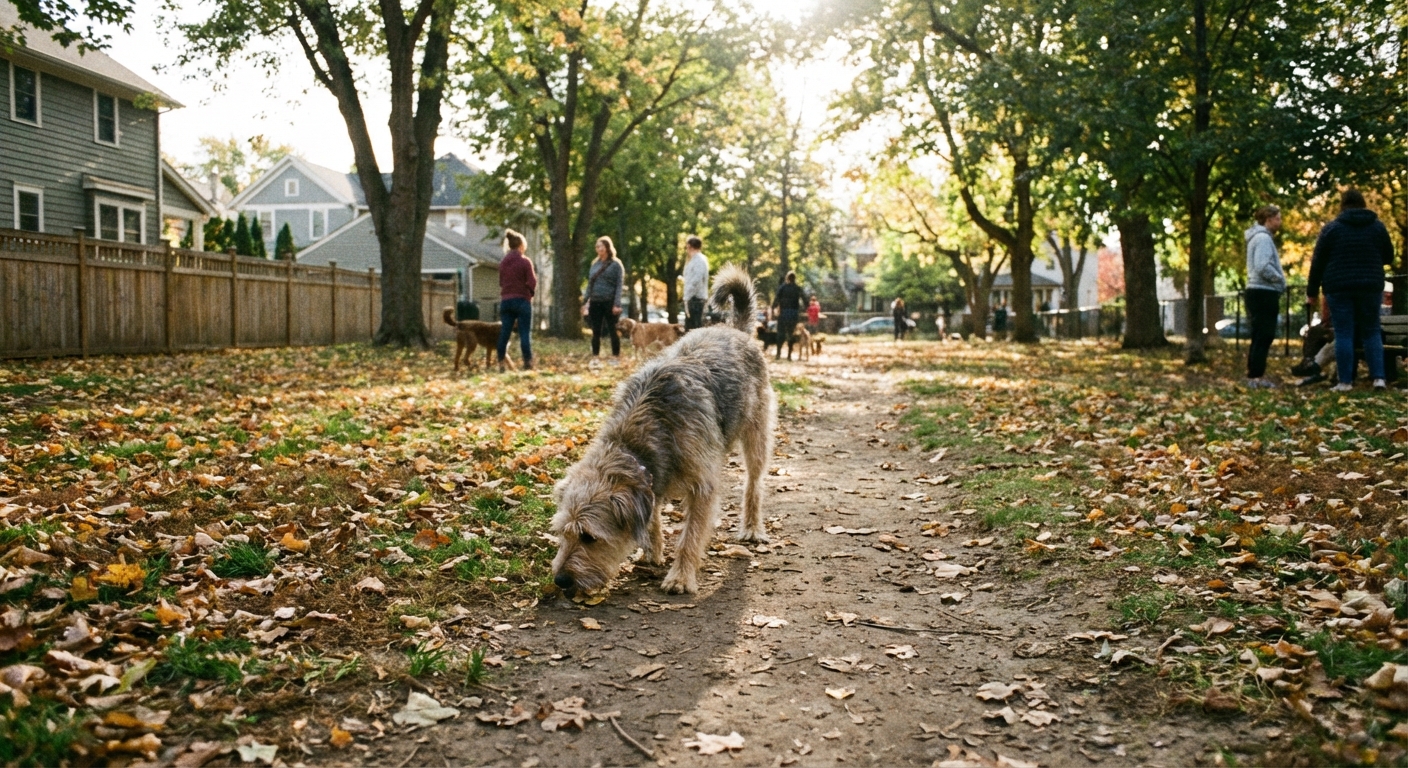
- Ingesting eggs from contaminated soil, dog parks, shared yards, or on paws and fur.
- Eating prey such as rodents that carry larval stages.
- Exposure from other pets if feces are not promptly picked up.
What they look like in poop
People often describe them as short white worms in dog poop. Classic roundworms look like spaghetti, pale to white or light tan, and may be several inches long. You might see:
- Whole worms in stool, especially after deworming.
- Worms in vomit in heavier infections.
- Nothing visible, because many infections are only detected by a fecal test that looks for microscopic eggs.
Not sure what you saw? Here is a quick visual shortcut: spaghetti-like worms are more consistent with roundworms, while rice-like pieces (grains of rice or sesame seeds) are more consistent with tapeworm segments. Tapeworms need a different specific medication, so confirming matters.
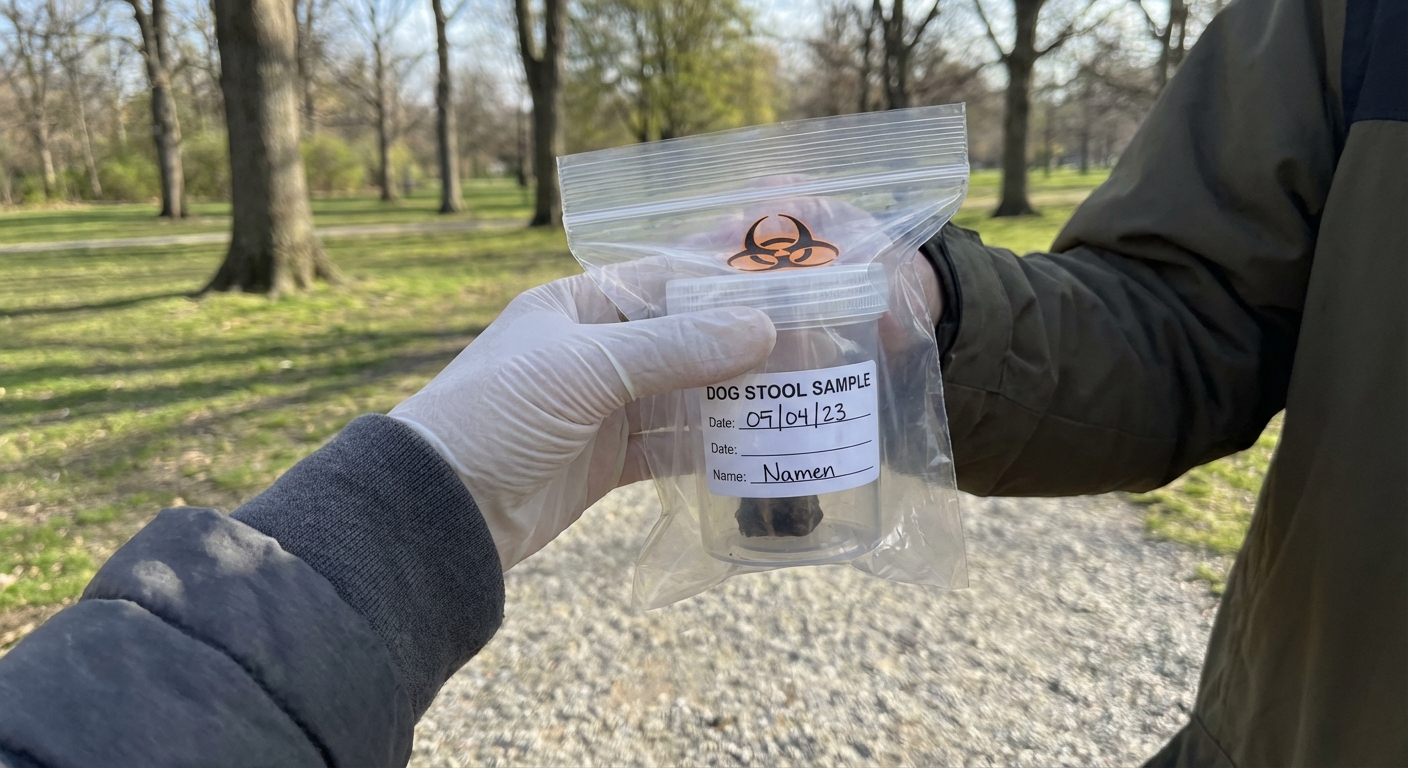
If you are unsure, it can help to snap a photo and bring a fresh stool sample to your veterinarian for confirmation. Different parasites require different medications.
Symptoms in dogs
Some dogs show no signs at all. When symptoms do appear, they tend to be more dramatic in puppies and small dogs.
Symptoms in puppies
- Pot-bellied appearance
- Diarrhea and/or vomiting
- Poor growth or failure to thrive
- Dull coat
- Low energy
- Visible worms in stool or vomit
Symptoms in adult dogs
- Soft stool or intermittent diarrhea
- Vomiting
- Weight loss or trouble maintaining weight
- Bloated abdomen in heavier infections
- Coughing can happen in some cases when larvae migrate through the lungs
Call your vet urgently if your puppy is very lethargic, vomiting repeatedly, cannot keep water down, has a swollen, painful belly, or you suspect a large worm burden. Heavy infestations can cause intestinal irritation and, rarely, obstruction.
Diagnosis
The most common diagnostic test is a fecal flotation, where a stool sample is examined for parasite eggs. Some clinics also use fecal antigen testing panels or direct smear methods depending on the case and what is available locally.
Tip from the clinic side: bring a fresh sample (ideally less than 12 hours old), kept cool and sealed.
Why testing matters
A lot of pet owners are trying to identify worms based on what they see, but several parasites can cause similar signs and they do not all respond to the same medications. Roundworms are “spaghetti-like,” tapeworms tend to look like “rice,” and other worms (like hookworms or whipworms) may not be visible at all. Fecal testing is the fastest way to match the right treatment to the right parasite.
Treatment
Roundworms are typically treated with prescription or vet-recommended dewormers. Common active ingredients include:
- Pyrantel pamoate
- Fenbendazole
- Milbemycin oxime (often found in monthly preventives)
- Moxidectin (also found in some preventives)
Why treatment is repeated
Most dewormers kill adult worms in the intestines, but they may not kill all migrating larval stages at once. That is why your vet may prescribe a repeat dose in 2 to 3 weeks, based on your dog’s age, symptoms, and the product used.
Puppy deworming schedule
Your veterinarian will tailor this, but a common approach is deworming puppies starting at 2 weeks of age and repeating every 2 weeks until they are on a monthly preventive. Do not guess on dosing. Puppies are tiny, and accurate weight-based dosing matters.
What to expect after deworming
- You may see worms in stool for a day or two.
- Mild GI upset can happen, especially if the parasite load is high.
- Your vet may recommend a recheck fecal test to confirm clearance.
It can be unsettling to see worms pass after treatment, but it is often a sign the medication is doing its job.
Important: Do not use leftover dewormer or random over-the-counter products without guidance. Some products do not cover roundworms, and others may be unsafe for certain ages, weights, or health conditions.
Multi-pet households
If you have multiple dogs (or a dog and cat) in the home, ask your vet whether other pets should be tested and treated too. Even when only one pet has symptoms, shared yards and shared surfaces can make reinfection more likely.
Prevention
In my experience, prevention is a three-part plan: monthly protection, poop pickup, and smart hygiene.
1) Monthly parasite preventive
Many heartworm preventives also cover common intestinal parasites like roundworms. Ask your veterinarian which product fits your dog’s age, lifestyle, and local parasite risks.
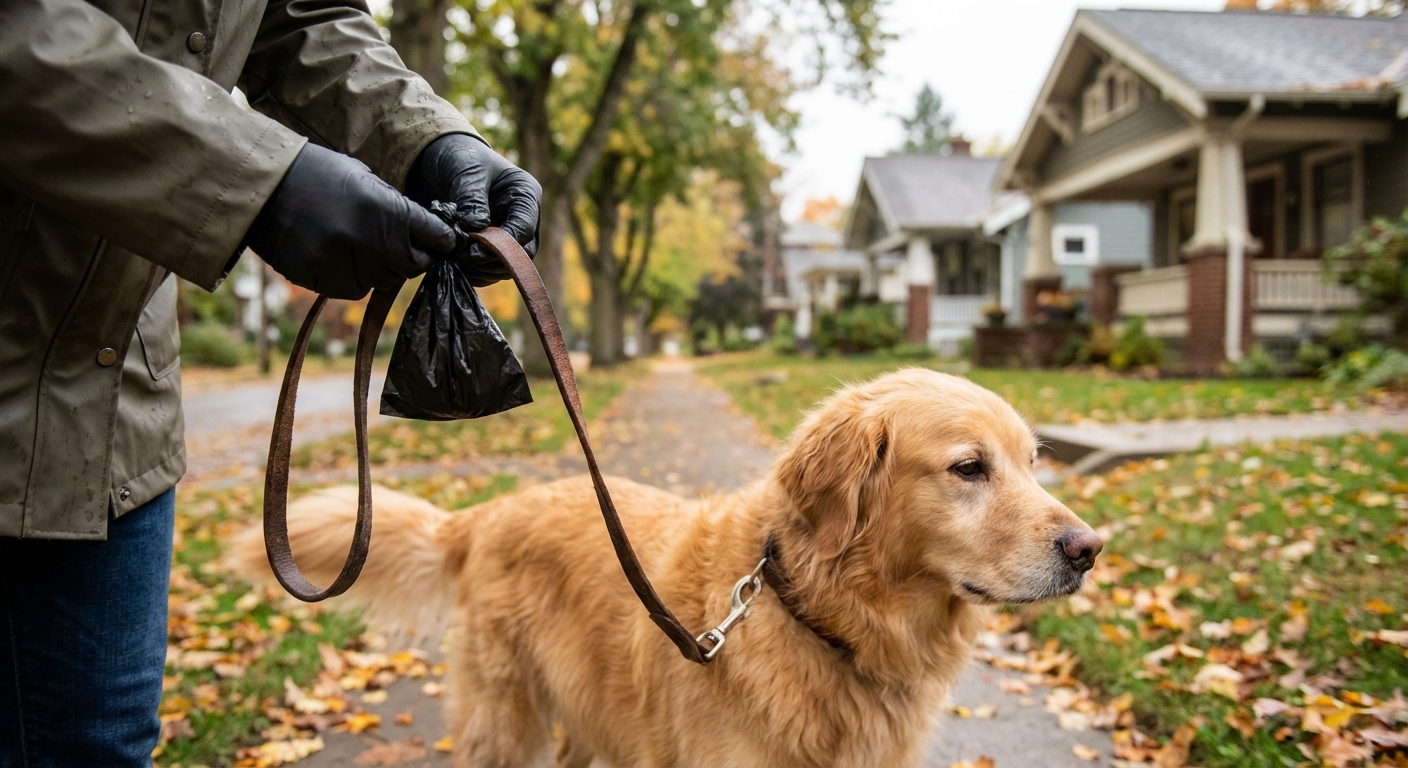
2) Pick up poop fast
Roundworm eggs need time in the environment to become infectious. Prompt feces removal is one of the most powerful steps you can take.
- Pick up stool daily in the yard.
- At parks, pick up immediately and dispose properly.
3) Cleanup (what helps, what does not)
Roundworm eggs are tough, and many common disinfectants do not kill them reliably. What helps most is physical removal and preventing contamination from building up. Also, be realistic: soil is very hard to truly decontaminate, so prevention and prompt pickup do the heavy lifting.
- Remove feces promptly and thoroughly.
- Wash hands after yard work, poop pickup, and playing outside.
- Prevent digging in soiled areas, especially for puppies.
- Wash bedding regularly and clean crates and hard surfaces with hot soapy water.
- For hard outdoor surfaces (like concrete runs), your vet may recommend specific protocols, but soil is much harder to decontaminate.
4) Reduce hunting and scavenging
Discourage eating rodents or wildlife, and consider leash walks if your dog is a dedicated hunter.
5) Routine fecal testing
Even dogs on preventives can be exposed. Many vets recommend fecal testing once or twice per year, and more often for puppies, daycare dogs, and dog park regulars.
Can humans catch them?
Yes. The main risk is accidentally ingesting roundworm eggs from contaminated soil or surfaces. Children are at higher risk because they play on the ground and put hands in mouths. In people, roundworm larvae can sometimes migrate through tissues (visceral larva migrans) and, more rarely, affect the eye (ocular larva migrans).
It also helps to know this: people are infected by eggs in the environment, not by touching an adult worm in stool.
Simple precautions go a long way:
- Pick up dog poop promptly.
- Wash hands after outdoor play and before eating.
- Cover sandboxes when not in use.
- Keep dogs on a vet-recommended parasite prevention plan.
When to call the vet
Reach out to your veterinarian if:
- You saw worms in stool or vomit.
- Your puppy has a pot belly, diarrhea, vomiting, or is not gaining weight.
- Your dog is on prevention but still has GI signs.
- You recently adopted a dog with an unknown health history.
If possible, bring a stool sample and the dates of any deworming or preventives you have used.
Warm reminder: parasite problems are extremely common and not a sign you did anything wrong. The best next step is simple: confirm the parasite, treat correctly, and tighten up prevention.
Quick checklist
- Suspect roundworms? Take a photo, collect a fresh stool sample, and call your vet.
- Start treatment with a vet-recommended dewormer and follow the full repeat schedule.
- Clean up the environment by removing stool daily and practicing good hygiene.
- Prevent reinfection with a monthly parasite preventive and routine fecal checks.