From fleas and allergies to mites, infections, ringworm, and stress grooming—learn the top causes of itchy skin in cats, key symptoms, vet diagnostics, and...
Article
•
Designer Mixes
Ringworm in Cats: Symptoms, Treatment, and Home Care

Shari Shidate
Designer Mixes contributor
Ringworm can be alarming because it often looks dramatic and it spreads easily, but the good news is that it is very treatable with the right plan. As a veterinary assistant, I like to remind families of one key fact right up front: ringworm is not a worm at all. It is a fungal skin infection (dermatophytosis) that lives on and colonizes keratin, the protein found in hair, skin, and nails.
Because it is contagious to other pets and people, quick action matters. With a little organization and consistency, most households can get through a ringworm episode without it taking over your life.
What ringworm looks like in cats
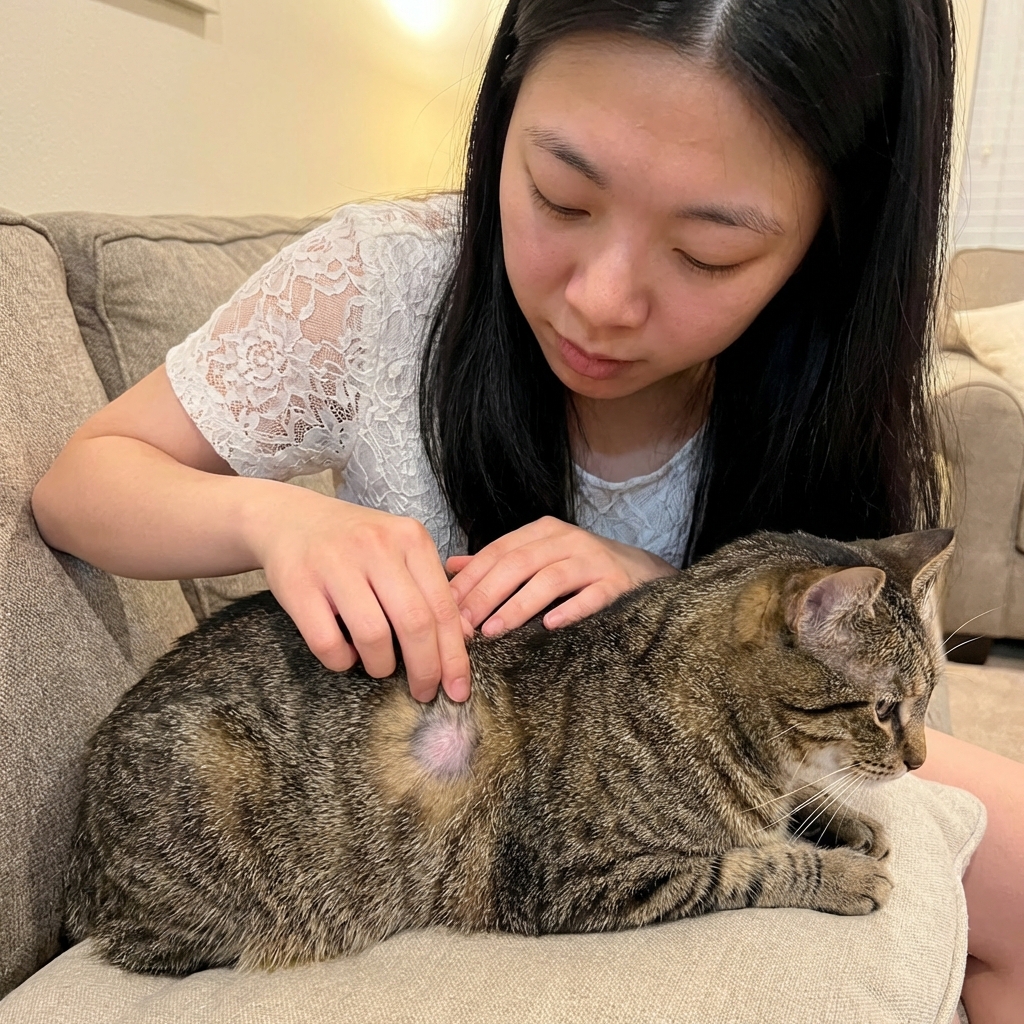
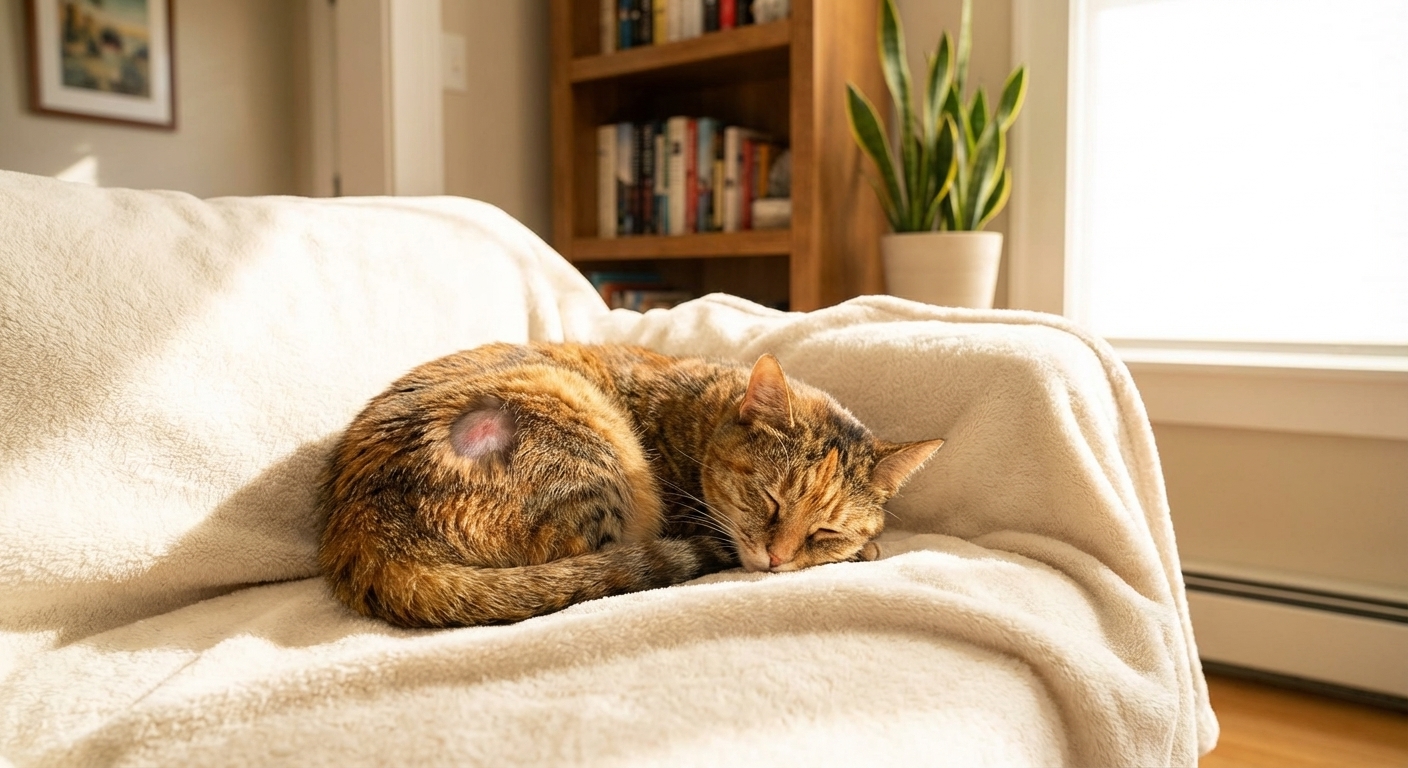
Ringworm often causes circular patches of hair loss, but in cats it can be sneaky. Some cats have obvious spots, while others carry the fungus with minimal or no visible lesions and still spread it.
Common symptoms
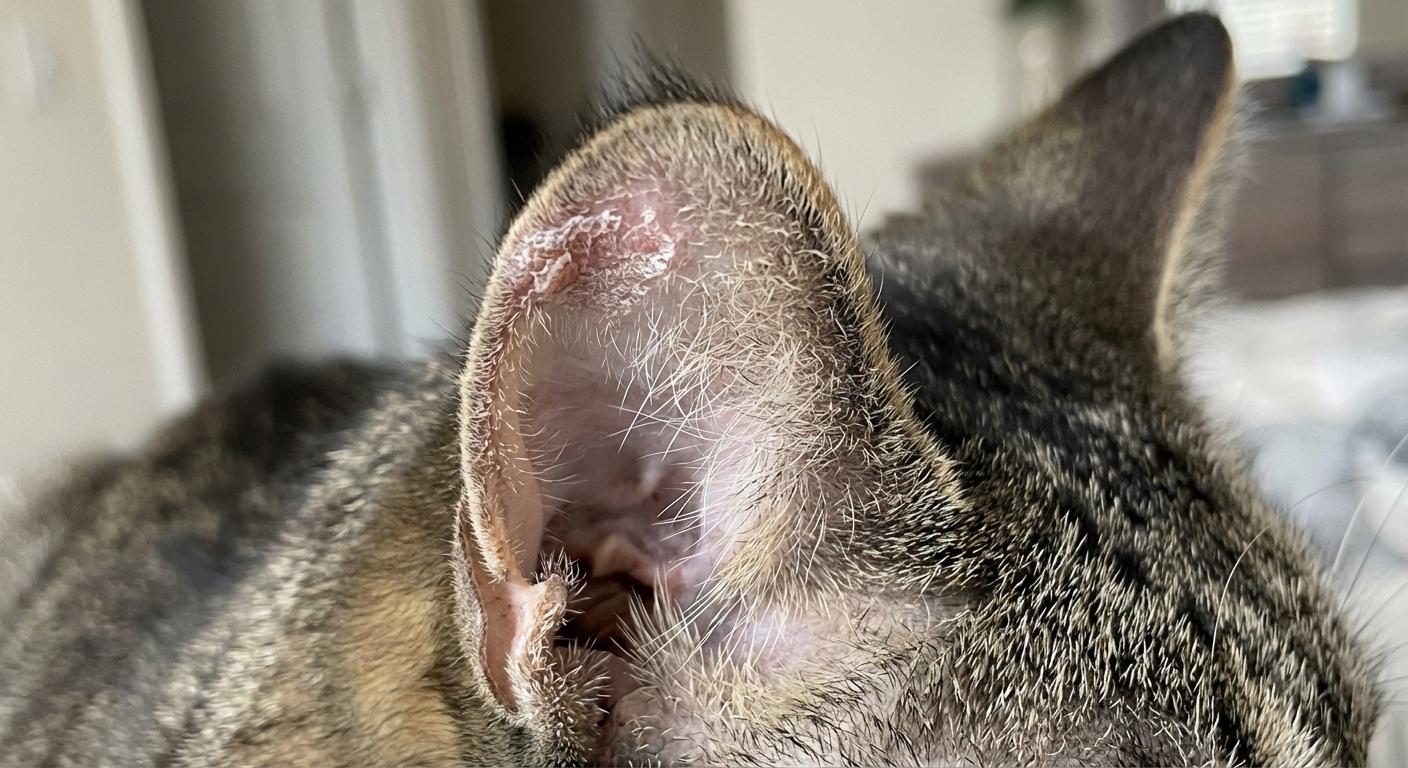
- Patchy hair loss, often on the face, ears, paws, or tail
- Round or irregular bald spots with scaling or dandruff-like flakes
- Broken hairs or a “moth-eaten” coat
- Crusty, scaly skin, sometimes with redness
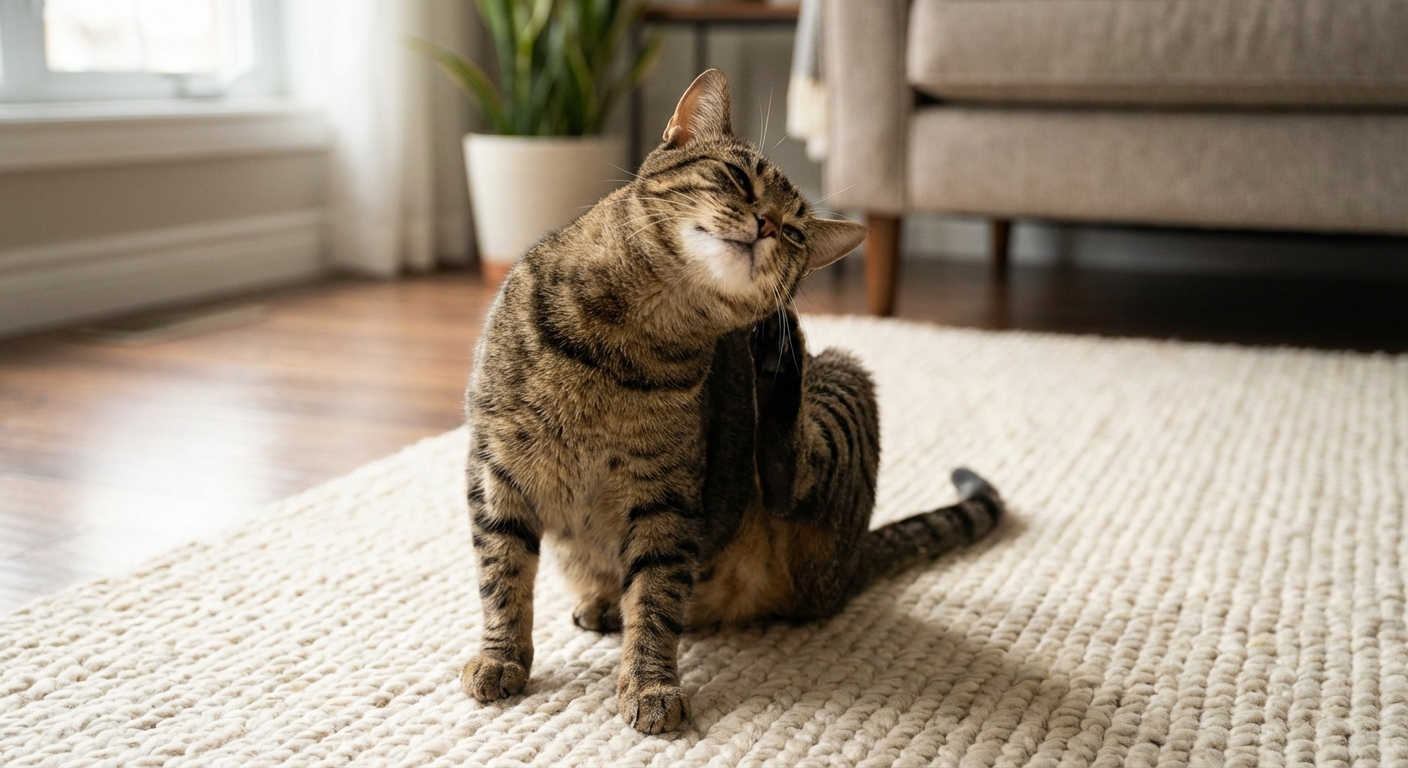
- Mild itching (cats may itch a little, a lot, or not at all)
- Brittle or rough claws in some cases (less common)
In long-haired cats, ringworm may show up as generalized shedding or a dull coat rather than neat circles. Kittens, senior cats, and cats with weakened immune systems tend to develop more noticeable infections.
How cats get ringworm
Ringworm spreads through direct contact with an infected animal, or indirectly through contaminated items and environments. Fungal spores are hardy and can survive for months (sometimes longer) in the right conditions.
Common sources of exposure
- New pets brought into the home (especially kittens from shelters or rescues)
- Shared grooming tools, bedding, carriers, and scratching posts
- Boarding facilities, shelters, grooming salons
- Contact with contaminated dust or shed hair in the environment
Risk factors
- Kittens (immature immune systems)
- Multi-cat households or crowded environments
- Long-haired breeds (spores can hide in the coat)
- Stress, illness, or poor nutrition (reduced immune resilience)
Common cause in cats
In cats, the most common cause of ringworm is Microsporum canis. This matters because it spreads efficiently in group settings (like shelters and multi-cat homes) and it can infect people and other pets.
Is ringworm dangerous to people and pets?
Ringworm is zoonotic, meaning it can spread between animals and people. In humans, it typically shows up as an itchy, circular rash. Children, seniors, and immunocompromised individuals are at higher risk for more persistent infections.
Dogs, cats, and even small mammals can catch ringworm. If you have multiple pets, it is wise to assume spores have spread and to talk with your veterinarian about whether other pets should be checked, cultured, or treated. Some households also have asymptomatic carriers, meaning a pet can test positive and spread spores without obvious skin lesions.
If anyone in your home develops a suspicious rash while your cat has ringworm, contact a human healthcare provider. Treating the pet and the environment is important, but people may need their own treatment too.
How vets diagnose ringworm
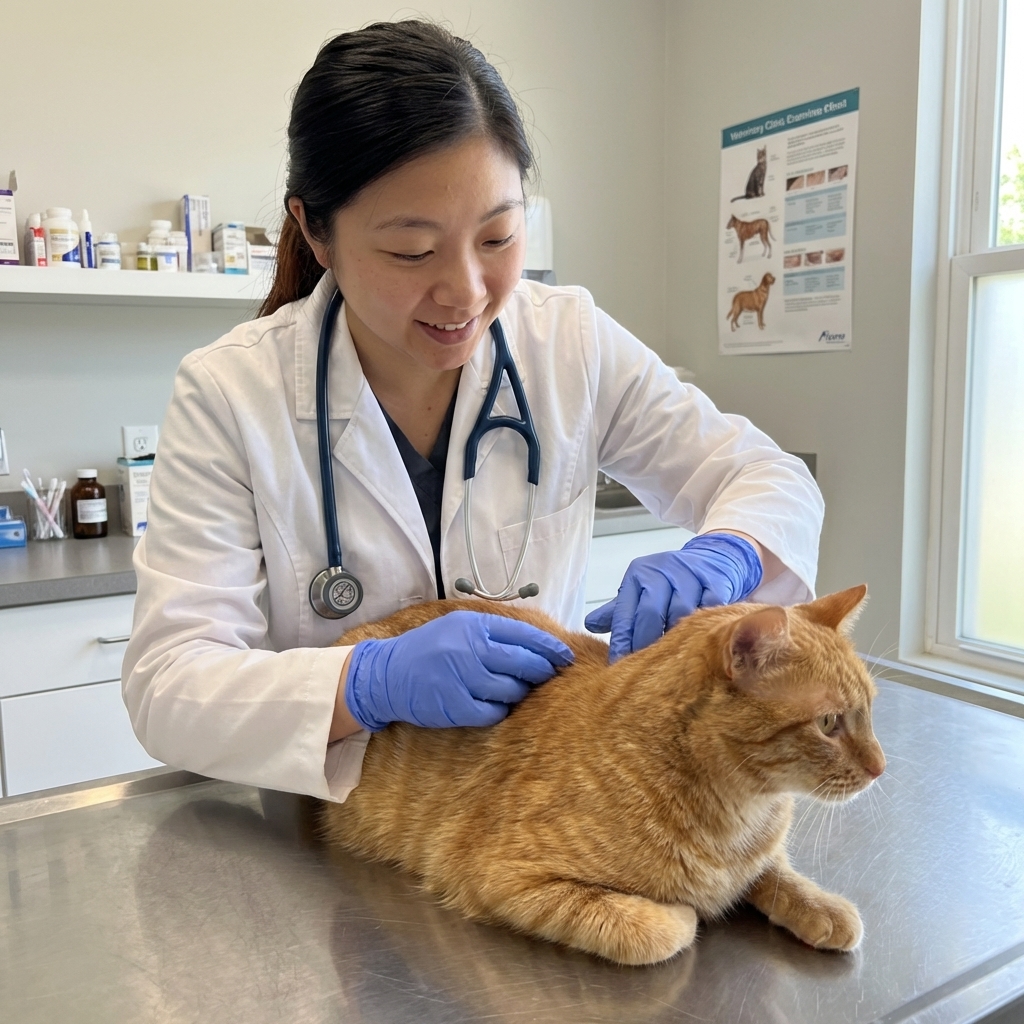
Because ringworm can look like allergies, mites, bacterial infections, or over-grooming, diagnosis matters. Your veterinarian may use one or more of these tools:
- Wood’s lamp exam: mainly some strains of Microsporum canis fluoresce apple-green under special light, but many dermatophytes do not. This is helpful, but not definitive.
- Microscopic exam: hairs and skin debris may show fungal elements.
- Fungal culture (DTM): a common, reliable test. Some positives show up in several days, but it can take up to 2 to 3 weeks to declare a culture negative.
- PCR testing: faster testing available in many clinics. PCR can detect fungal DNA, including from non-viable organisms, so results are often interpreted alongside the exam and, in some cases, culture.
If you are tempted to self-diagnose at home, I get it. The spots can look classic. But because treatment can be lengthy and because other conditions mimic ringworm, getting confirmation can save time and frustration.
Treatment options
Most successful ringworm treatment plans use a combination of:
- Topical treatment to reduce spores on the coat and skin
- Oral antifungal medication for deeper infection or widespread cases
- Environmental cleaning to prevent reinfection
Your veterinarian will tailor the plan to your cat’s age, overall health, lesion severity, and household situation.
Topical therapy
Topicals help reduce contagious spores and speed coat recovery. Common veterinary approaches include medicated dips, rinses, wipes, sprays, creams, or shampoos. Some products are used over the whole body (especially in multi-lesion cases) because spores can be present beyond the obvious spots.
Important: Do not use essential oils or home remedies like vinegar as a substitute for veterinary antifungals. Some substances are irritating, and some are unsafe for cats.
Oral antifungal medication
Oral treatment is often recommended for kittens with multiple lesions, long-haired cats, multi-cat homes, or stubborn infections. These medications can be very effective, but they must be used as prescribed and monitored. Depending on the medication and duration, your veterinarian may recommend rechecks and lab work (for example, to monitor liver values) and will want to know about side effects like poor appetite, vomiting, or lethargy.
How long does treatment take?
Many cats need several weeks of treatment, and sometimes longer. Stopping early is one of the most common reasons ringworm recurs. Many clinics recommend continuing until your cat has improved clinically and has negative testing, not just “looks better.”
Also, some cases may eventually self-resolve, but that can take a long time. In the meantime, the cat can remain contagious and your household can keep getting re-exposed, which is why treatment and cleaning are still worth it.
How long is my cat contagious?
This is one of the biggest stress points, and the honest answer is: it depends. Cats are generally most contagious when they are actively shedding spores from the coat and skin. With appropriate treatment and consistent cleaning, contagiousness usually drops over time, but many vets use negative testing (often follow-up cultures or PCR in context) to guide when it is truly safe to relax restrictions.
If you are unsure what “clear” means for your clinic, ask directly whether they recommend one negative test or multiple, and what timing they prefer. Getting this spelled out early can save a lot of second-guessing later.
Home care
Home care is where you break the reinfection cycle. Medication treats the cat, but cleaning helps prevent your cat (and your household) from getting re-exposed to lingering spores.
Step 1: Set up a simple isolation space
If possible, confine your cat to an easy-to-clean room (like a bathroom or spare bedroom) during treatment.
- Use washable bedding
- Keep toys minimal and washable
- Avoid carpeted areas if you can
- Provide enrichment: a window perch, puzzle feeder, and scheduled playtime
Step 2: Clean smart, not frantic
You are aiming to remove hair and skin flakes that carry spores, then disinfect appropriately.
- Vacuum daily in the isolation area and nearby spaces. Dispose of vacuum contents promptly.
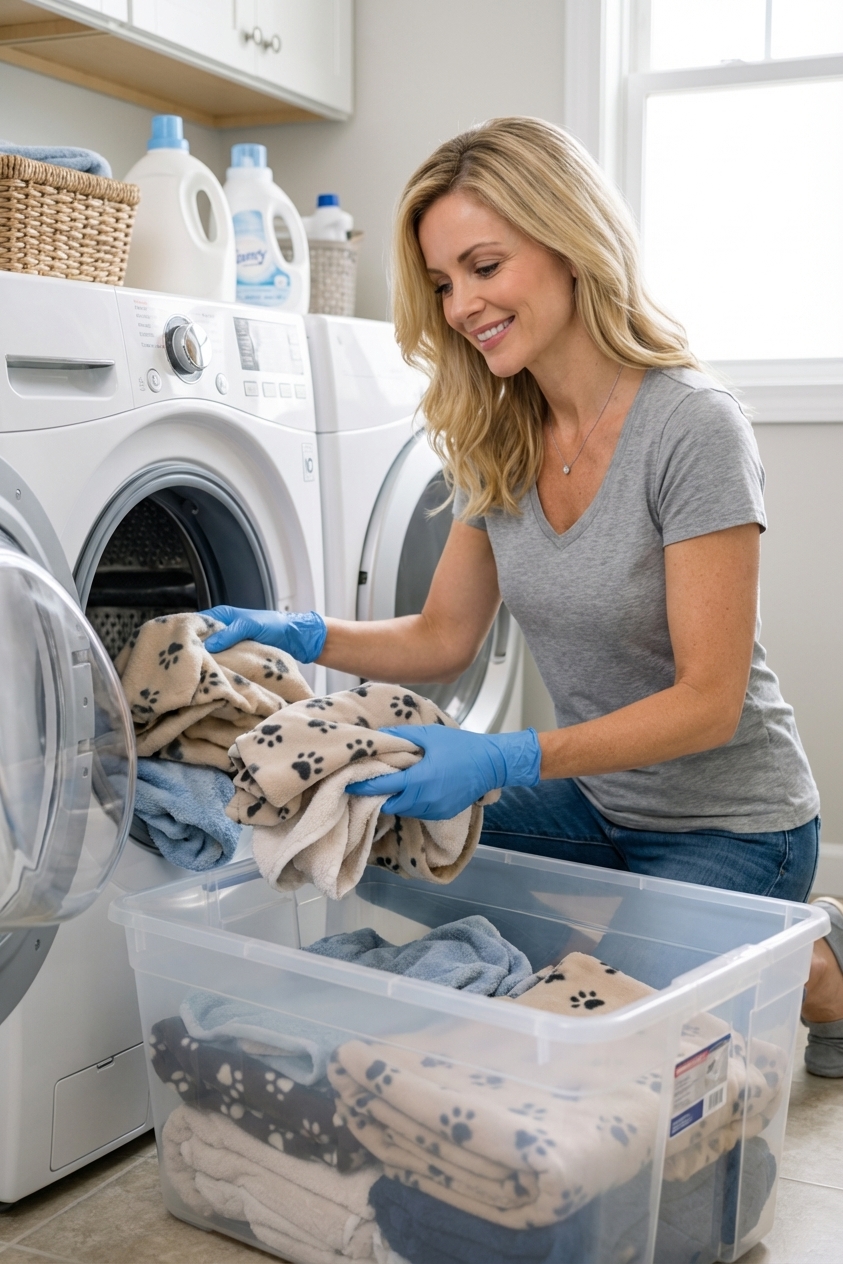
- Launder fabrics (bedding, throws, cat beds) in hot water when possible and dry thoroughly.
- Hard surfaces: clean first to remove debris, then disinfect.
Ask your veterinarian what disinfectant and dilution they recommend for your home and surfaces. Not all disinfectants kill fungal spores effectively, and some are not pet-safe if used incorrectly. Many clinics recommend options like accelerated hydrogen peroxide products or diluted bleach for appropriate hard surfaces, but the “right” product and dilution depends on what you are cleaning. Also, never mix cleaning chemicals.
Step 3: Grooming and handling tips
- Wash hands after handling your cat, bedding, or cleaning the room.
- Consider wearing a dedicated “cat care” shirt in the ringworm room and launder it often.
- Do not share brushes between pets. Disinfect grooming tools or replace them.
- If your veterinarian advises clipping fur, do not do this at home unless instructed. Clipping can spread spores if done improperly.
Step 4: Support skin and immune health
Ringworm is an infection, but overall wellness still matters. Keep stress low, feed a complete and balanced diet, and make sure your cat stays hydrated. If your cat has other illnesses, work with your veterinarian to keep them well-managed during treatment.
When to call the vet
Ringworm itself is rarely an emergency, but complications and look-alike conditions can be serious. Contact your veterinarian promptly if you notice:
- Rapidly spreading lesions or widespread hair loss
- Open sores, pus, significant swelling, or foul odor (possible secondary bacterial infection)
- Lethargy, fever, poor appetite, or weight loss
- Ringworm in a very young kitten, an elderly cat, or an immunocompromised cat
- Difficulty giving oral medication or signs of medication side effects
How to prevent ringworm
Ringworm prevention is mostly about smart intake and good hygiene, especially in multi-pet homes.
- Quarantine new pets for a short period and schedule a vet check before full introduction.
- Wash hands after handling cats outside your home, like at shelters or rescues.
- Keep grooming tools clean and do not share them across animals without disinfection.
- Reduce stress with predictable routines, adequate litter boxes, and safe hiding spaces.
- Maintain good nutrition to support skin and coat health.
If you are adopting a kitten or bringing home a new cat, it is not “overreacting” to ask the shelter what skin screening they do and whether they have had recent ringworm cases. That single conversation can save weeks of cleanup later.
Bottom line
Ringworm can feel overwhelming at first because it spreads and it lingers. But with veterinary guidance, consistent treatment, and focused cleaning, most cats make a full recovery and households get back to normal.
If you are dealing with ringworm right now, take it one step at a time: confirm the diagnosis, follow the treatment plan exactly, and make cleaning part of your daily routine. You have got this, and your cat will be more comfortable on the other side of it.