A step-by-step, family-friendly plan to reduce separation anxiety in dogs using safety management, trigger desensitization, tiny absences, enrichment, and ve...
Article
•
Designer Mixes
Rhodesian Ridgeback Temperament

Shari Shidate
Designer Mixes contributor
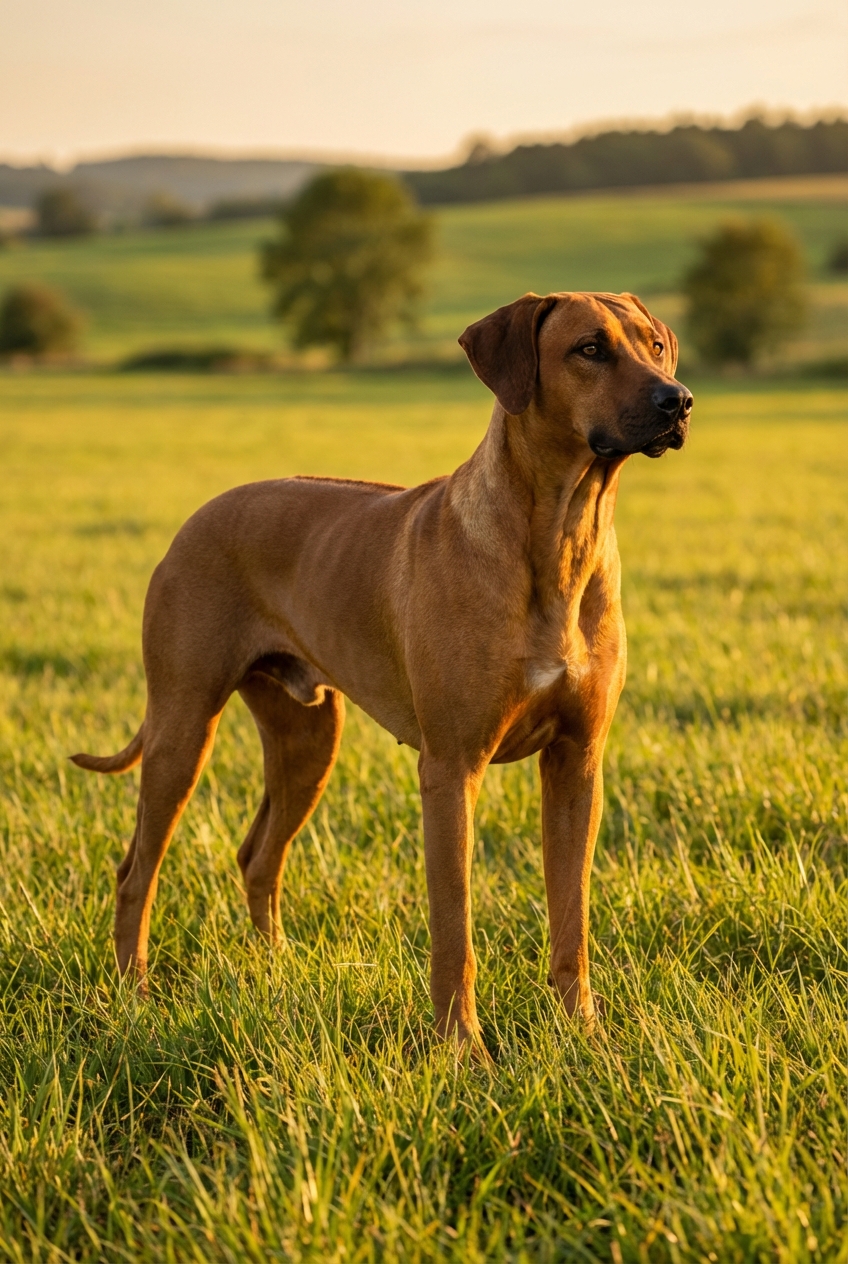
The Rhodesian Ridgeback is often called the “lion dog,” a nickname tied to the breed’s history in southern Africa where these dogs helped hunters track and bay large game, including lions, until people arrived. They were not meant to fight lions, but to be brave, steady, and agile enough to work at a distance. That heritage shows up in the modern Ridgeback’s temperament: confident, athletic, independent, and deeply loyal to their family.
If you are considering a Rhodesian Ridgeback or a Ridgeback mix, you are looking at a dog who can be wonderfully steady and affectionate, but who does best with clear leadership, thoughtful socialization, and plenty of daily exercise.
Temperament at a glance
Most Rhodesian Ridgebacks share a few core personality traits. Individual dogs vary, and early experiences matter a lot, but this is the typical picture:
- Loyal and devoted: They bond closely with their people and often prefer to be near you.
- Calm in the house: With adequate exercise, many Ridgebacks are relaxed indoors.
- Confident and self-possessed: They are not usually clingy, and they can be selective about who they trust.
- Intelligent but independent: They learn quickly, but may ask, “Why should I?” if training is repetitive or unclear.
- Protective without being frantic: Many are naturally watchful and will alert you, but they are not typically yappy.
- High prey drive: Chasing squirrels, rabbits, or neighborhood cats is a common temptation.
Training best practice from modern behavior professionals: independent breeds tend to do best with positive reinforcement, clear routines, and well-timed rewards. Harsh, intimidating methods can increase fear or defensive behavior and can damage trust, especially in a naturally guarded dog.
Confidence and independence
Ridgebacks were developed to be hardy, brave, and capable of making decisions in the field. That working background is part of why they are not usually “people-pleasers” in the way some sporting breeds are.
What does that mean for you in real life?
- They may be slow to warm up to strangers, especially in your home.
- They do best with structured introductions, not crowded, hands-on greetings.
- They often mature mentally a bit later, so you might see adolescent testing of boundaries.
That “late maturity” period is real for many Ridgebacks. Expect the most boundary-pushing between about 8 and 24 months, with impulse control improving as training and consistency add up.
Affection with family
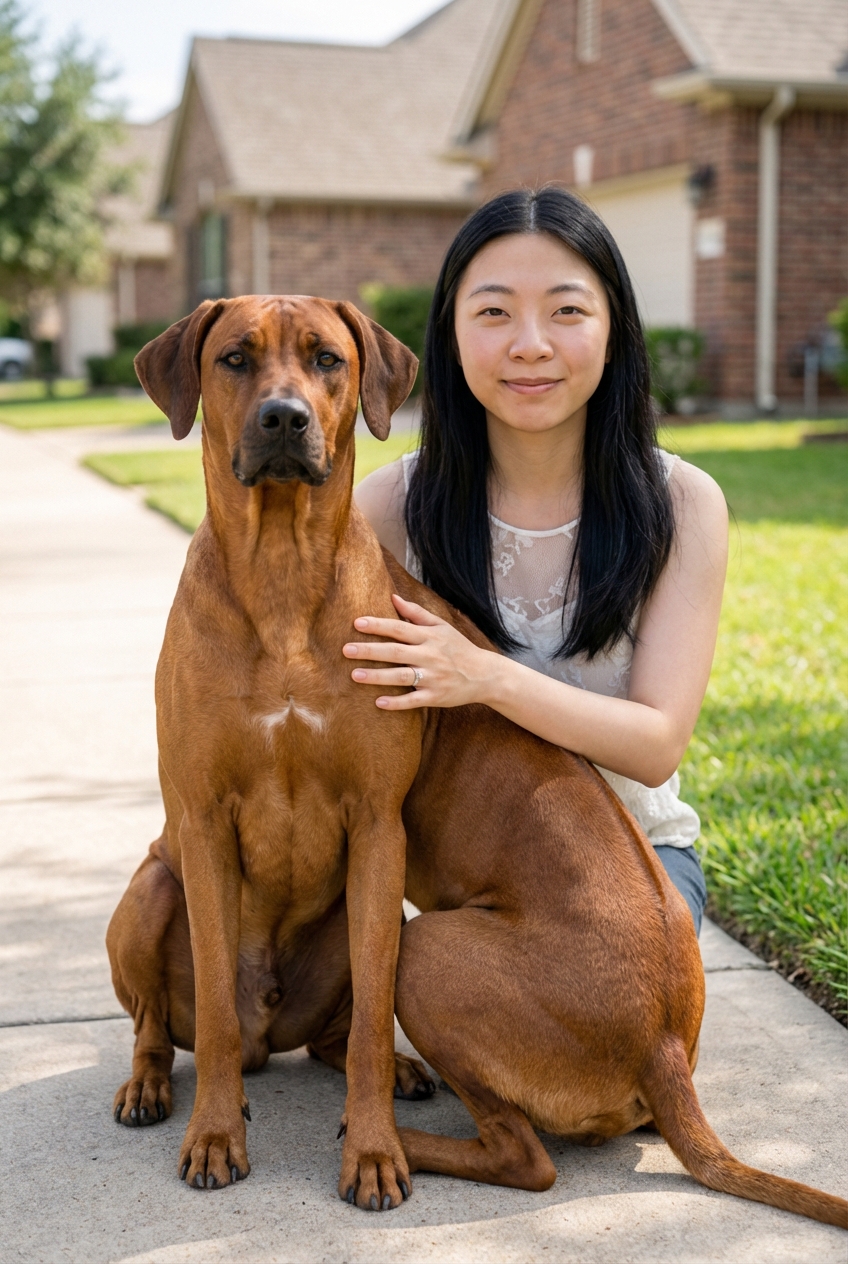
With their own people, Ridgebacks are frequently “close but not clingy.” Many will lean against you, rest a head on your lap, or follow you from room to room, but they also appreciate personal space.
Signs of healthy bonding
- Soft body language and relaxed facial expression around family
- Checking in with you during walks or play
- Settling calmly after exercise, often nearby
Because they are powerful dogs, I encourage families to build polite habits early: sitting for greetings, waiting at doors, and learning to settle on a mat. These small skills make day-to-day life feel easier and safer.
Kids and Ridgebacks
Many Ridgebacks are gentle and tolerant with children they know, especially when raised with respectful kids. But this is a large, strong, athletic breed. Unsupervised rough play can lead to accidental knocks, and some Ridgebacks dislike being climbed on or hugged tightly.
Set everyone up for success
- Teach kid-friendly rules: No grabbing ears, riding, or pulling tails.
- Give the dog an exit: A crate or quiet room where kids do not follow.
- Practice calm games: Treat tosses, scent games, and training sessions rather than wrestling.
- Watch body language: Lip licking, turning away, stiffening, or “whale eye” are signs to pause and reset.
Strangers and visitors
Ridgebacks are often reserved. That does not mean aggressive, but it does mean they may not want instant physical contact from unfamiliar people.
Simple greeting routine
- Ask visitors to ignore the dog at first (no reaching, no direct staring).
- Let your Ridgeback approach at their own pace.
- Reward calm behavior with treats and praise.
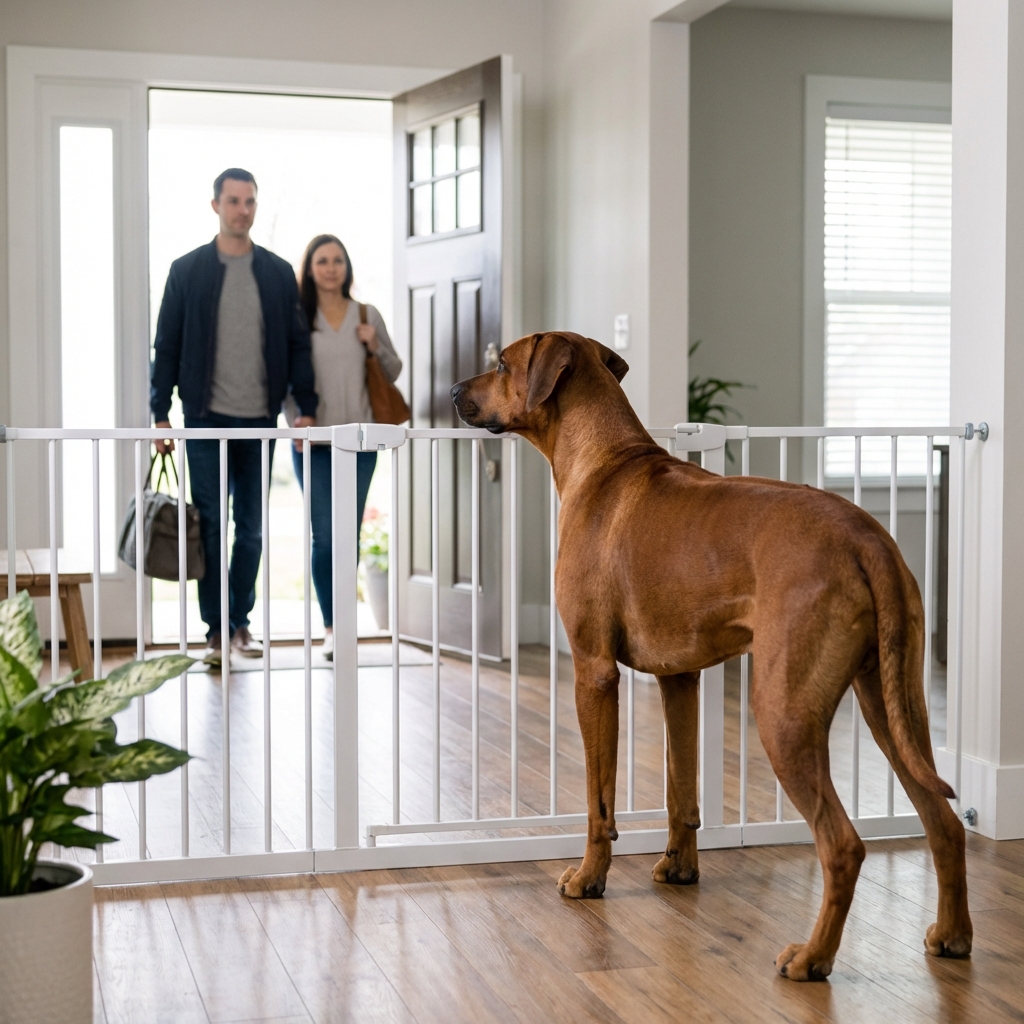
- If your dog is uncomfortable, use a gate or leash and give them space.
If you want a dog who adores everyone immediately, this may not be your breed. If you want a dog who is steady, discerning, and loyal, that reserve can be a positive trait when managed well.
Other dogs and pets
Many Ridgebacks do well with other dogs, especially when socialized early and consistently. However, some individuals can be same-sex selective, and the prey drive can be a real issue with cats, rabbits, and other small pets.
What helps
- Early socialization: Controlled, positive experiences with stable dogs.
- Neutral introductions: Parallel walks and calm sniffing time instead of face-to-face excitement.
- Management for prey drive: Secure fencing, leashes outdoors, and careful cat introductions if you have a feline at home.
From a veterinary assistant perspective, I also like to remind owners: “good with other dogs” does not mean “good at dog parks.” Many Ridgebacks prefer a few dog friends rather than chaotic groups.
Energy and exercise
Ridgebacks are athletic and built for endurance. Under-exercised Ridgebacks often become bored, and bored dogs find their own activities: digging, counter surfing, fence running, or chewing.
A healthy routine may include
- Around 60 to 90 minutes of combined physical activity (walks, jogging for appropriate adults, hiking), adjusted for the individual
- Mental work like scent games, training, food puzzles, or fetch with rules (wait, take it, drop, and done)
- Off-switch practice such as mat training and calm chew time
Puppies should not be forced into long runs or repeated high-impact jumping because their joints are still developing. Ask your veterinarian what is appropriate for your dog’s age and growth stage.
Training and reliability
Ridgebacks can be very trainable, but you will get the best results when training is engaging and practical. Think short sessions, clear rewards, and real-life skills.
Top training priorities
- Loose-leash walking: This is a strong breed, and good leash manners protect your shoulders and your dog’s safety.
- Recall (come when called): Especially important with prey drive. Practice on a long line before trusting off leash.
- Settle: Teaching calm is just as valuable as teaching sit.
- Leave it and drop it: Helpful for safety and polite house habits.
A practical note: because of prey drive, many Ridgebacks are not reliably off leash in unfenced areas, even with solid training. Plan for long-line practice, secure fields, and fenced yards rather than assuming off leash freedom will be a realistic goal.
If you are new to strong, independent breeds, working with a credentialed positive-reinforcement trainer can be a game changer.
Alone time
Independence does not always equal “fine alone.” Some Ridgebacks do well with quiet downtime, while others develop nuisance behaviors or anxiety when left without preparation.
What helps
- Start alone-time training early with short, easy absences and gradual increases
- Use enrichment that is safe for your dog (food puzzles, frozen stuffed toys, chew options)
- Make arrivals and departures low-key
If you see pacing, drooling, howling, or destruction focused around exits, talk with your veterinarian and a qualified trainer. True separation anxiety is treatable, but it is easier to address early.
Common challenges
1) Guarding and over-protectiveness
Some Ridgebacks become overly suspicious if they are not socialized or if they are pressured into uncomfortable interactions.
- Focus on calm exposure to new people and environments.
- Reward neutrality, not just excitement.
- Avoid forcing greetings. Choice builds confidence.
2) Destructive boredom
- Increase structured exercise and enrichment.
- Rotate chew options and puzzle feeders.
- Use management when needed: crates, gates, and safe confinement.
3) Chasing wildlife
- Use secure fencing and a leash outdoors.
- Teach and practice recall with high-value rewards.
- Provide safe outlets like flirt pole play in a secure area, with clear start and stop cues.
Right for you?
A Ridgeback can be an incredible companion if you appreciate a dignified, athletic dog who bonds deeply and thrives with structure.
Best fit for people who
- Enjoy daily walks, hikes, or running (with an adult dog)
- Can commit to training and early socialization
- Prefer a watchful, loyal companion over a social butterfly
- Have secure fencing and a plan for prey drive management
Reconsider if
- You want an easy off-leash dog with minimal training
- You have many small pets and limited ability to manage separation
- You are away long hours without exercise or enrichment support
If you do choose a Ridgeback, your consistency will matter more than perfection. Small daily habits, gentle structure, and meeting their exercise needs go a long way toward bringing out that famous calm, noble temperament.
Health and behavior
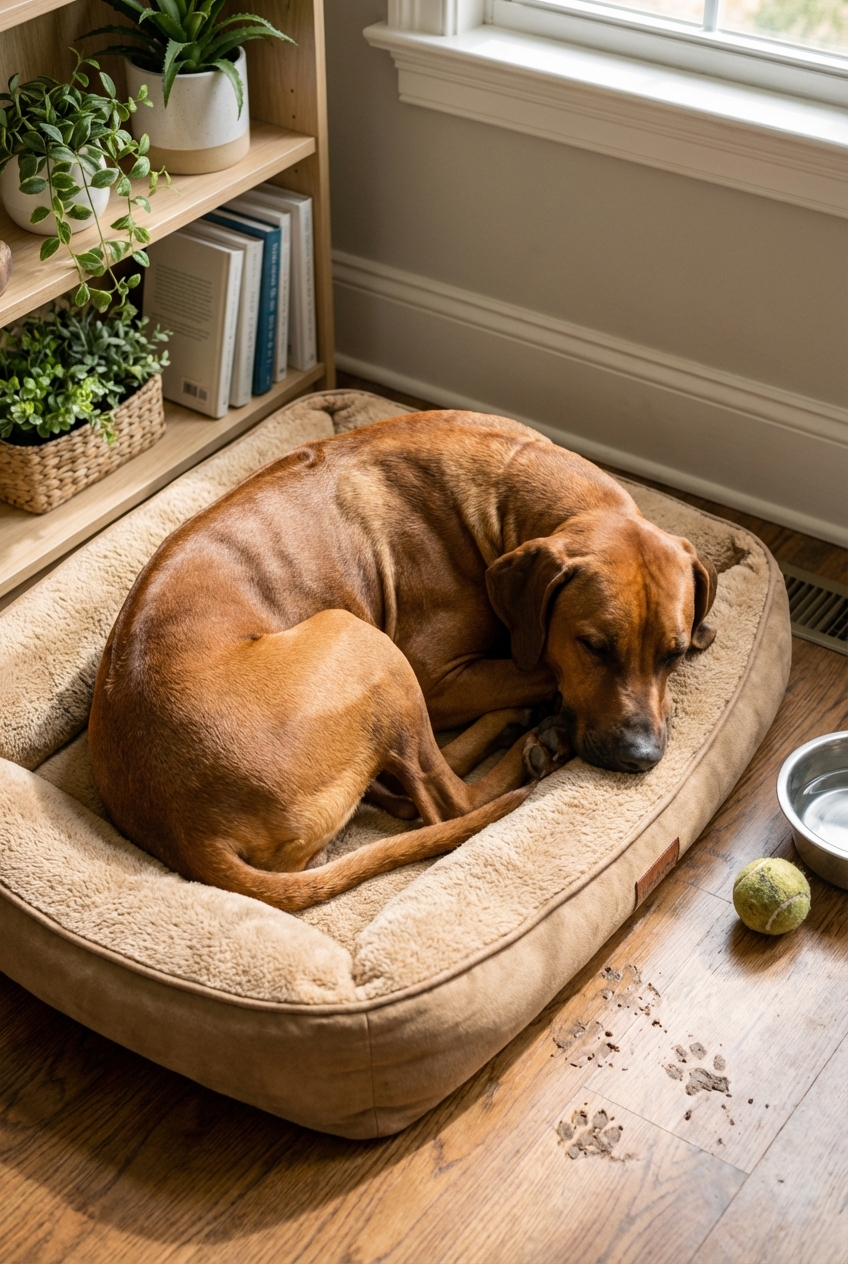
Temperament and health are connected. Pain, itchy skin, ear infections, and gastrointestinal upset can all change behavior and tolerance levels. If your Ridgeback suddenly seems irritable, reactive, or unusually withdrawn, a veterinary check is a smart first step before assuming it is “just behavior.”
Optional breed note: some health issues seen in Ridgebacks can affect comfort and behavior, including hypothyroidism, orthopedic conditions (like hip and elbow dysplasia ), and skin or developmental concerns (such as dermoid sinus). Staying lean also helps protect joints and supports long-term mobility.
FAQ
Are Rhodesian Ridgebacks aggressive?
Most are not aggressive by nature, but they can be protective and reserved. Early socialization, respectful handling, and training are key to a stable adult dog.
Do Ridgebacks bark a lot?
They are not typically excessive barkers. Many will alert when something seems off, then settle.
Can a Ridgeback live in an apartment?
It is possible if exercise and enrichment needs are met daily. The bigger issue is not square footage, it is whether the dog gets enough structured activity and calm training.
Are they good first-time dogs?
They can be challenging for first-time owners because of strength, independence, and prey drive. A committed owner who will train and socialize consistently can absolutely succeed, especially with professional guidance.