Create a calmer home with a predictable routine and reward-based training. Learn mat settle, no-jumping four paws, wait at doors/food, and leave it—plus a ...
Article
•
Designer Mixes
Rhodesian Ridgeback: Size, Exercise, Lifespan, and Health

Shari Shidate
Designer Mixes contributor
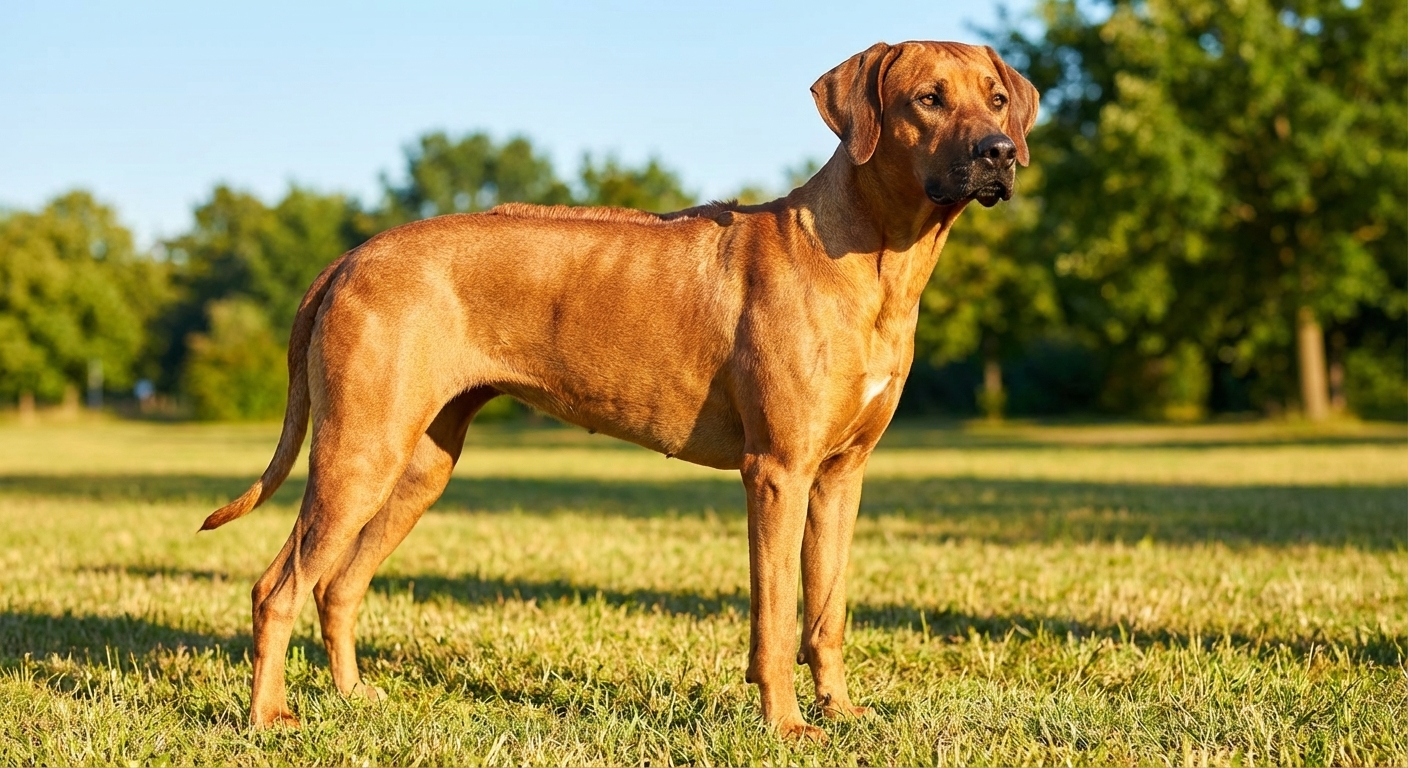
The Rhodesian Ridgeback is a powerful, athletic hound with a big heart and a bigger need for purposeful exercise. They are famously loyal to their people, often reserved with strangers, and they do best with owners who enjoy training, structure, and daily activity. If you are considering a Ridgeback, think “steady leadership plus lots of movement” and you will be on the right track.
The breed’s signature ridge is a strip of hair along the spine that grows in the opposite direction from the rest of the coat.
A quick note on their roots: Ridgebacks originated in Southern Africa and were famously used as “African Lion Hounds,” which helps explain their endurance, confidence, and prey drive.
Quick breed snapshot
- Size: Large
- Best for: Active homes that want a confident companion and can provide training and exercise
- Typical lifespan: Around 10 to 12 years
- Coat: Short, sleek, typically easy to keep clean
- Temperament: Loyal, steady, independent, protective
My veterinary assistant note: Ridgebacks are not usually “busy” in the house once their needs are met. The most common issue I see is under-exercised, under-trained Ridgebacks who become frustrated and hard to manage.
Size and weight
Rhodesian Ridgebacks are tall, muscular dogs built for endurance and speed. Individual size varies based on genetics, diet, and overall conditioning.
Typical height
- Males: about 25 to 27 inches at the shoulder
- Females: about 24 to 26 inches at the shoulder
Typical weight range
- Males: often around 75 to 90 pounds
- Females: often around 65 to 80 pounds
Many Ridgebacks look leaner than other large breeds. That is normal and healthy. You should be able to feel ribs under a light layer of tissue and see a visible waist when viewed from above, but ribs should not look sharply or prominently visible.
Exercise needs
Ridgebacks were developed as capable hunting companions and need real exercise, not just a quick potty break. The goal is a mix of physical activity and mental work.
How much exercise do they need?
Most healthy adult Rhodesian Ridgebacks need about 60 to 90 minutes of combined activity daily. Some individuals need more, especially in young adulthood, while seniors or dogs with health issues may need a modified plan.
Best activities for Ridgebacks
- Brisk walks or hikes with training built in (sit, wait, heel, recall practice)
- Jogging or running once fully grown and cleared by your veterinarian
- Fetch in a secure area (many have strong prey drive, so fencing matters)
- Scent work and “find it” games that use their hound instincts
- Obedience and impulse control drills for mental fatigue

Heat and cold basics
With their short coat, many Ridgebacks get cold faster than you might expect. In winter, plan shorter outings and consider a coat for long walks. In heat, scale back intensity, prioritize early morning or evening exercise, and watch for overheating during runs and hikes.
Puppy exercise and joint protection
Because Ridgebacks are large and athletic, you want to be smart about growth plates and joint stress. For puppies, focus on:
- Multiple short sessions instead of one long workout
- Controlled play on safe footing
- Avoiding repetitive high-impact jumping and long runs on hard surfaces
If you are unsure what is “too much,” your veterinarian can help tailor a plan based on age, weight, and body condition.
Lifespan and what influences it
The Rhodesian Ridgeback’s lifespan is typically 10 to 12 years. Some live longer with excellent preventive care and good genetics.
Ways to support longevity
- Keep them lean: excess weight increases joint strain and can worsen endocrine issues
- Annual wellness visits (twice yearly for seniors), including lab work as recommended
- Daily exercise plus joint-friendly strengthening
- Dental care: brushing and professional cleanings when needed
- Quality nutrition appropriate for a large, athletic breed
Common health concerns
No breed is “guaranteed healthy,” but you can reduce risk with informed breeding choices, early screening, and prompt veterinary care. Below are key issues often discussed with Rhodesian Ridgebacks.
Hip dysplasia
Hip dysplasia is an abnormal development of the hip joint that can lead to pain, arthritis, and decreased mobility. It is influenced by genetics and environmental factors like rapid growth and excess weight.
- Signs to watch for: stiffness after rest, reluctance to jump, bunny hopping gait, decreased activity
- How it is diagnosed: physical exam plus radiographs (X-rays)
- Management: weight control, targeted exercise, physical therapy, joint supplements as advised, pain control medications when needed, and sometimes surgery
Dermoid sinus
Dermoid sinus is a congenital condition where a tube-like tract forms under the skin, often along the back or neck. Because it can connect deeper tissues, it may become infected and can be serious.
- What owners may notice: a small opening or lump along the midline of the back, recurrent swelling, drainage, or tenderness
- Why early evaluation matters: infections can recur and deeper involvement can complicate treatment
- Treatment: surgical removal is commonly recommended when confirmed
If you are adopting a puppy, ask if the litter was checked early by an experienced breeder or veterinarian. Screening is typically a careful hands-on exam rather than a standardized lab test.
Thyroid issues (hypothyroidism)
Hypothyroidism occurs when the thyroid gland does not produce enough hormone, which can impact metabolism, skin, coat, and energy.
- Common signs: weight gain without increased food, low energy, hair thinning, recurrent ear or skin infections, dry coat
- Diagnosis: bloodwork, often including a full thyroid panel based on your veterinarian’s recommendation
- Treatment: daily thyroid replacement medication and periodic rechecks
Other concerns to know about
- Bloat (GDV): deep-chested breeds can be at higher risk. Ask your vet about feeding strategies and whether prophylactic gastropexy is appropriate.
- Elbow dysplasia: another orthopedic issue that can contribute to front-end lameness and arthritis.
- Cancer: like many large breeds, Ridgebacks can develop cancers. If you notice new lumps, unexplained weight loss, or a sudden drop in stamina, get a vet exam sooner rather than later.
- Allergies and skin issues: can show up as itching, ear infections, or paw licking.
Actionable tip: If a Ridgeback suddenly has a swollen belly, repeated retching with little to no vomit, drooling, restlessness, or signs of pain, treat it as an emergency and go to an ER vet immediately.
GDV prevention basics: many vets recommend splitting meals into two or more feedings per day, using slow feeders for fast eaters, and avoiding hard exercise right before and right after meals.
Temperament with families and other pets
Rhodesian Ridgebacks are devoted family dogs with a calm, dignified presence. They are often affectionate with their people while being more reserved with strangers.
With kids
Many Ridgebacks do well with respectful children, especially when raised together. Because they are large and strong, supervision is important around small kids to prevent accidental knocks during playful moments.
With other dogs
Early socialization matters. Some Ridgebacks can be selective with unfamiliar dogs, particularly intact males. Thoughtful introductions, training, and ongoing positive experiences make a big difference.
With cats and small animals
Prey drive varies by individual, but it can be strong. A Ridgeback can absolutely live with cats, but it is not something to assume. Slow introductions, management, and training are essential.

Grooming and shedding
The Ridgeback’s short coat is one of the easier coats to maintain, but basic care still matters for skin health and comfort.
Coat care
- Brushing: 1 to 2 times a week with a rubber curry brush or grooming mitt
- Bathing: as needed, typically every 4 to 8 weeks or when truly dirty
Nails, ears, and teeth
- Nails: trim every 2 to 4 weeks, depending on wear
- Ears: check weekly for odor, redness, or debris
- Teeth: brush several times a week, ideally daily
Because they are athletic, many Ridgebacks get small scrapes outdoors. Regular hands-on checks help you catch minor issues before they turn into infections.
Training: what works best
Ridgebacks are intelligent and independent. They tend to respond best to calm, consistent training and rewards they truly care about.
Training priorities
- Recall: practice in safe, controlled environments before trusting it outdoors
- Loose-leash walking: they are strong and can pull if not trained early
- Impulse control: wait at doors, leave it, place, polite greetings
- Handling skills: paws, ears, mouth, and gentle restraint for vet visits
A bored Ridgeback can invent their own job, which may look like chewing, digging, fence running, or “redecorating” the house. The fix is usually not more rules, it is more structured outlets.
Avoid harsh corrections. In my experience, Ridgebacks can shut down or become resistant if training feels confrontational. Clear rules, fair boundaries, and positive reinforcement go a long way.
What first-time owners should know
Rhodesian Ridgebacks can be wonderful, but they are not a “plug and play” first dog for many households. Before you adopt, ask yourself if you can meet these needs consistently.
Ridgebacks are a good fit if you can:
- Provide daily exercise and enrichment, even on busy weekdays
- Commit to early training and ongoing socialization
- Handle a strong, fast dog safely on leash
- Offer structure and calm leadership without harshness
- Budget for preventive care and large-breed veterinary expenses
They may be a tough match if:
- You want an off-leash dog without a lot of training work
- You are away from home long hours with little exercise support
- You prefer a highly social “everyone is my best friend” temperament
- You have many small pets and cannot commit to careful management
If you are set on a Ridgeback, look for a reputable breeder or rescue that can talk honestly about temperament, health testing, and the dog’s real-world behavior in a home setting.
Before adopting: a simple checklist
- Ask about health screening: request documentation for hips (OFA or PennHIP) and ask about thyroid testing. Also ask about any known dermoid sinus history in the line.
- Meet at least one parent if you are purchasing from a breeder
- Plan your exercise routine: decide who does morning and evening outings
- Choose training support: enroll in a positive, structured class early
- Prepare your home: secure fencing, safe chew items, and a quiet rest area
- Plan feeding basics: use a large-breed puppy food for puppies (slow, steady growth) and avoid intense exercise around meals
With the right match and good guidance, a Rhodesian Ridgeback can be an incredibly loyal, steady companion for years.