Help your dog feel better with gentle homemade meals for sensitive stomachs. Learn a 3-ingredient bland reset, easy recipes, transition steps, and what signs...
Article
•
Designer Mixes
Reverse Sneezing vs. Tracheal Collapse in Dogs

Shari Shidate
Designer Mixes contributor
If you have a small dog, you have probably heard at least one strange respiratory sound that made your stomach drop. One is reverse sneezing, which often looks dramatic but is usually harmless. The other is the classic “honking” cough that can signal tracheal collapse, a condition that may need long-term management.
As a veterinary assistant, my goal is to help you stay calm, notice the right details, and know when it is time to get your vet involved. I cannot diagnose your dog here, but I can help you recognize patterns, and a short video for your veterinarian can be incredibly helpful.
Quick difference (simplest way to tell)
- Reverse sneezing: looks like your dog is snorting or gasping in through the nose. It often lasts seconds to under a minute, then ends and your dog acts normal.
- Tracheal collapse (honking cough): tends to be a dry, harsh “goose honk” cough, often triggered by excitement, pulling on a collar, or pressure on the neck. It can come back repeatedly and may worsen over time.
Helpful rule of thumb: reverse sneezing is mainly an in-breath noise (inhaling), while tracheal collapse is a cough (often on the exhale).
What reverse sneezing looks like
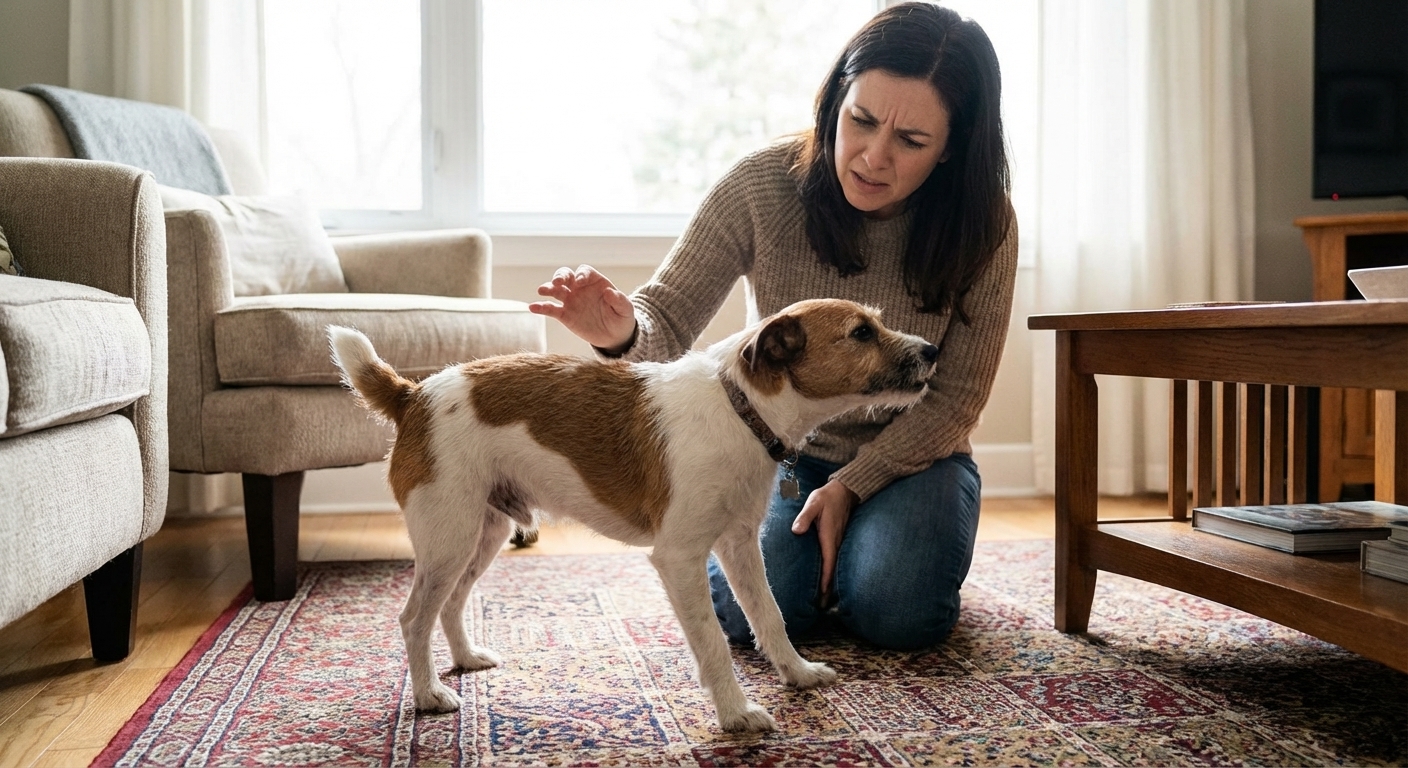
Reverse sneezing is also called inspiratory paroxysmal respiration. It is an upper-airway reflex often linked to irritation or spasm in the nasopharynx and soft palate area. During an episode, many dogs:
- Stand still with elbows slightly out
- Extend the neck forward
- Make repeated snorting, inhaling, or “honking inward” sounds
- Look panicked, but recover quickly
Typical duration: commonly 10 to 30 seconds, but it can be shorter or (less commonly) last up to a minute or two.
Common triggers:
- Excitement or rapid breathing
- Pulling on the leash
- Dust, perfumes, smoke, pollen, seasonal allergies
- Nasal irritation or post-nasal drip
- Drinking or eating quickly
Commonly affected breeds: Any dog can reverse sneeze, but it is especially common in small breeds and brachycephalic dogs such as Pugs, French Bulldogs, and Boston Terriers because their upper airway anatomy can be tighter.
What tracheal collapse cough looks like
The trachea is the windpipe. In tracheal collapse, the cartilage rings that keep the airway open become weaker, and the airway can narrow, especially during excitement or increased airflow.
Classic sound: a dry, harsh cough often described as a goose honk or “honking cough.” Some dogs also gag at the end of a coughing fit or bring up a bit of foamy saliva.
Typical pattern: episodes may last seconds to minutes, can happen multiple times a day, and often recur over weeks to months. Many owners notice it is worse at night, in hot weather, or after activity.
Common triggers:
- Pulling on a collar or any neck pressure
- Excitement, barking, running
- Heat and humidity
- Obesity or poor conditioning
- Smoke or airway irritants
Breed predispositions: Most common in toy and small breeds, especially Yorkshire Terriers, Pomeranians, Chihuahuas, Toy Poodles, Shih Tzus, Maltese, and mixes of these breeds.
Reverse sneezing vs. tracheal collapse
Sound
- Reverse sneezing: rhythmic, forceful inhaling snorts, like they are pulling air in through the nose.
- Tracheal collapse: a repeated cough, often a single harsh honk in bursts.
Timing
- Reverse sneezing: usually short and self-limiting.
- Tracheal collapse: episodes may be short, but recurrence and a chronic pattern are common.
Recovery
- Reverse sneezing: most dogs return to totally normal immediately.
- Tracheal collapse: some dogs keep coughing, seem winded, or avoid activity, especially as the condition progresses.
When reverse sneezing is not just reverse sneezing
Most reverse sneezing is benign. But it can also be a clue that something is irritating your dog’s upper airway. Call your vet if reverse sneezing:
- Happens many times a day or suddenly increases in frequency
- Is paired with nasal discharge, especially yellow, green, or bloody discharge
- Comes with pawing at the face or obvious nasal discomfort
- Is paired with lethargy, fever, reduced appetite, or weight loss
- Occurs after a known risk like foxtails or sniffing in tall grass (possible foreign body)
- Is paired with fainting, blue gums, or labored breathing (emergency)
Possible underlying causes your vet may consider include allergies, respiratory infection, nasal mites, dental disease that affects the nasal passages, elongated soft palate issues, or a foreign body.
When tracheal collapse needs a vet
If you suspect tracheal collapse, it is worth scheduling a visit. Early management can reduce airway irritation and improve quality of life.
See your veterinarian soon if you notice:
- A repeated honking cough that is getting more frequent
- Cough triggered by neck pressure or excitement
- Exercise intolerance or panting that seems out of proportion
- Gagging after coughing fits
- Any coughing in an older small dog that has never coughed before
Go to urgent care or emergency now if:
- Your dog is struggling to breathe or breathing with a wide stance and extended neck
- Gums or tongue look blue, gray, or very pale
- Your dog collapses, faints, or cannot settle
Tracheal collapse is often diagnosed with a combination of history, physical exam, and imaging. X-rays can help, but they can miss dynamic collapse, so your vet may recommend fluoroscopy and sometimes endoscopy depending on the case. Your vet may also discuss ruling out other causes of cough like heart disease, bronchitis, pneumonia, or infectious tracheobronchitis.
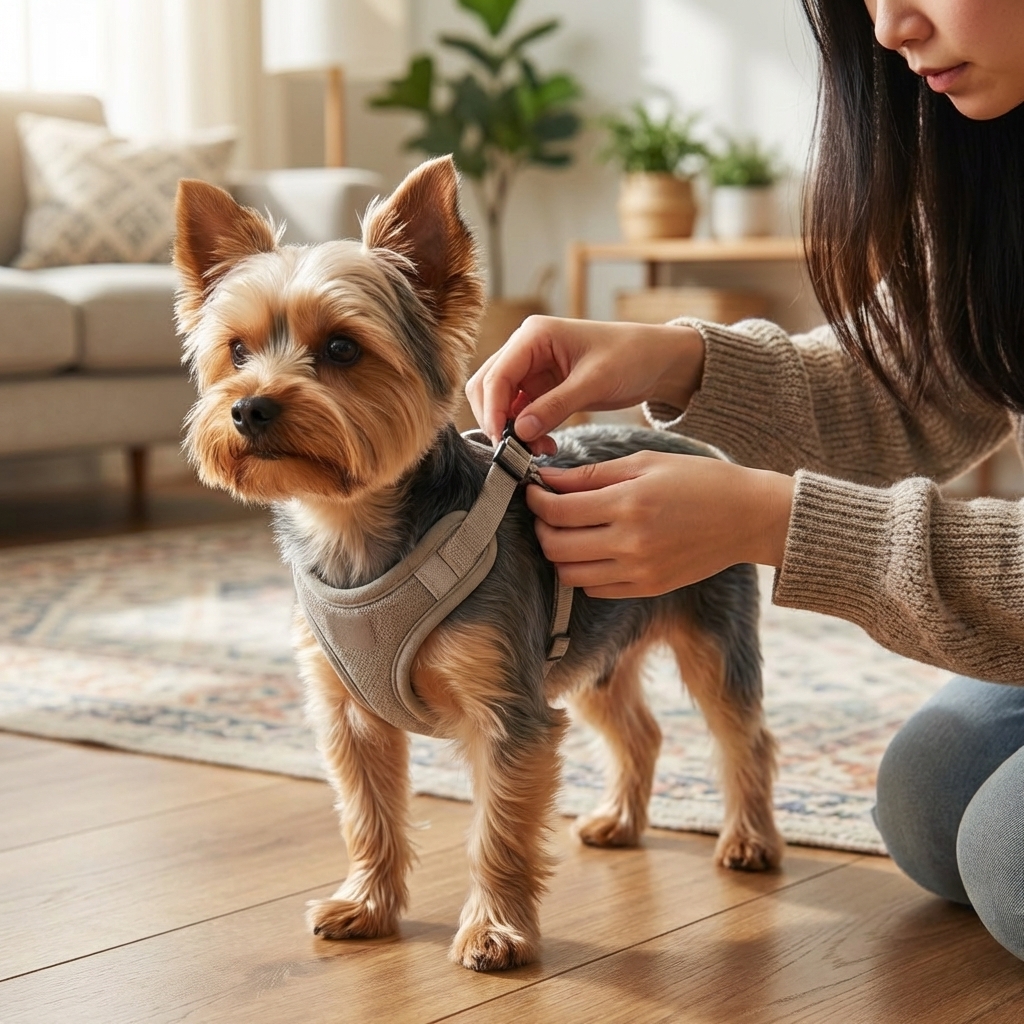
What treatment can look like: Many dogs do well with a plan that includes a harness, weight management, avoiding irritants, and reducing overexcitement. Depending on your dog, your veterinarian may also prescribe medications such as cough suppressants, anti-inflammatories, bronchodilators, or mild anti-anxiety or sedating medications to break the cough cycle. Treatment is individualized, especially if infection, heart disease, or other airway conditions are also involved.
What you can do at home
If it looks like reverse sneezing
- Stay calm. Anxiety can make the episode feel worse for everyone.
- Keep it gentle and brief. Some dogs respond if you briefly close the mouth and gently cover one nostril for a second or two, or lightly massage the throat to encourage a swallow.
- Safety notes: Never cover both nostrils. Do not try these tricks if your dog seems to be struggling to breathe, is turning blue or pale, or is extremely distressed. If in doubt, stop and call a vet.
- Remove triggers if possible, like perfume, smoke, dust, or pollen-heavy areas.
- Track patterns in your phone. Note date, duration, and what your dog was doing right before it started.
If it seems more like tracheal collapse
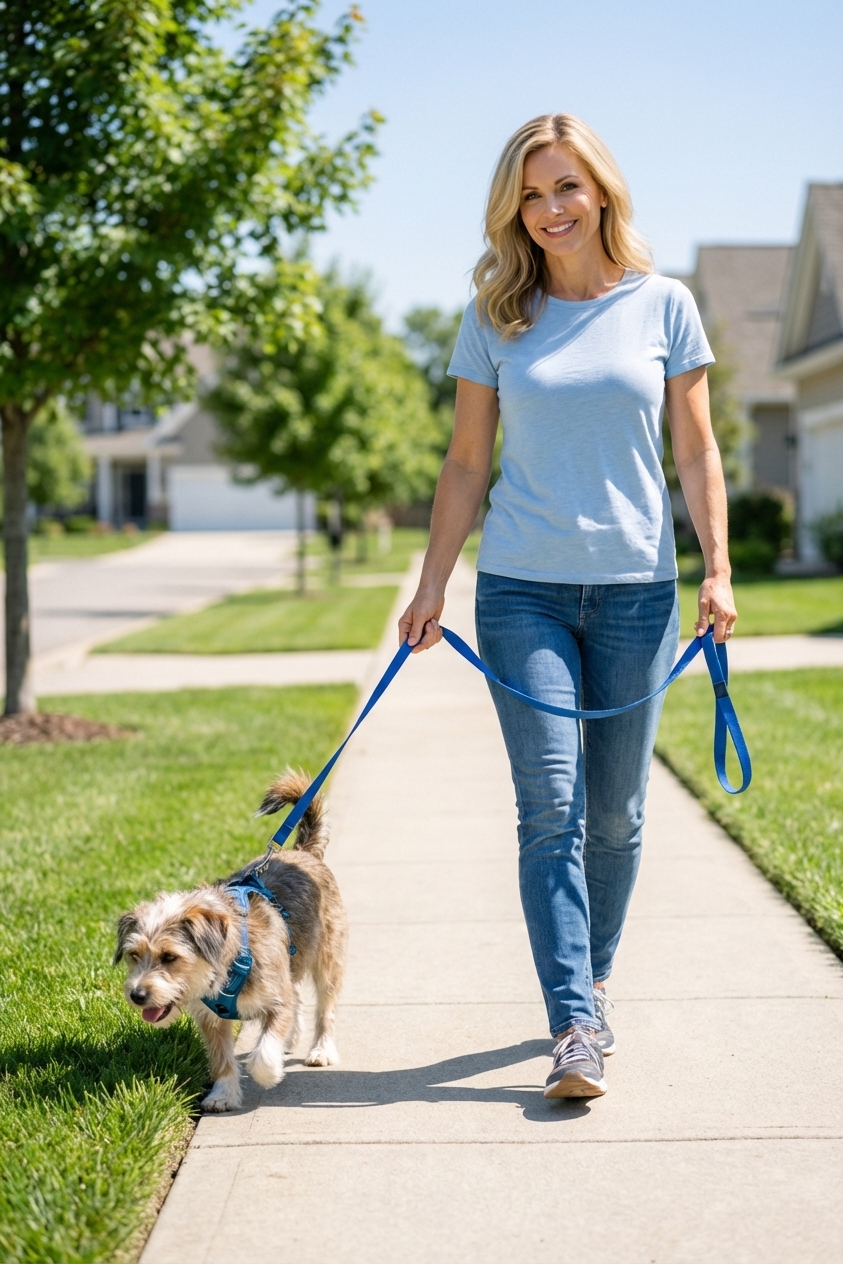
- Switch to a harness if you are using a collar for walks. Reducing neck pressure is one of the simplest, most helpful steps.
- Keep your dog cool and avoid strenuous activity in heat and humidity.
- Support a healthy weight. Even a small weight loss can reduce breathing effort in many small dogs.
- Avoid airway irritants like smoke, scented candles, and aerosol cleaners.
- Call your vet before using over-the-counter cough products. Some human medications can be dangerous, and cough suppression is not appropriate for every cause of coughing.
Common look-alikes
Reverse sneezing and tracheal collapse are not the only causes of odd respiratory sounds. A honking, hacking, or gagging sound can also come from:
- Kennel cough or other infectious respiratory disease (often contagious)
- Chronic bronchitis
- Some heart conditions, especially congestive heart failure, which can cause coughing along with signs like exercise intolerance, faster breathing at rest, or trouble settling
- Laryngeal paralysis (more common in large dogs) or upper airway obstruction
- Brachycephalic airway syndrome in flat-faced breeds
If your dog has a new cough and has recently been around other dogs (daycare, grooming, boarding, dog parks), consider limiting contact with other dogs until your vet weighs in, just in case an infectious illness is involved.
That is why your notes and a quick video of an episode can be incredibly helpful at your appointment.

FAQ
Can a dog have both reverse sneezing and tracheal collapse?
Yes. Small breed dogs can have multiple airway sensitivities. Reverse sneezing comes from upper airway irritation, while tracheal collapse involves the windpipe. If you are hearing more than one type of sound, a vet exam is the safest way to sort it out.
Is reverse sneezing painful?
It usually looks scarier than it feels. Most dogs recover quickly and act normal right after. If your dog seems distressed afterward, the episodes are frequent, or there are additional symptoms, get them checked.
Does tracheal collapse always require surgery?
No. Many dogs do well with medical management and lifestyle changes. Severe cases may be referred for advanced options like stenting, but that decision is very individualized.
Take-home message
Reverse sneezing is often brief, triggered by irritation, and followed by a quick return to normal. Tracheal collapse often sounds like a dry honking cough, is commonly triggered by neck pressure or excitement, and can become a chronic issue that benefits from veterinary guidance.
If you are unsure, you are not overreacting. Take a short video, write down what you notice, and let your veterinarian help you connect the dots.