Is your dog licking paws or getting a red belly in spring or fall? Learn common symptoms, top triggers (pollen, grass, mold), easy home relief steps, and whe...
Article
•
Designer Mixes
Reverse Sneezing in Dogs Treatment

Shari Shidate
Designer Mixes contributor
Reverse sneezing can look scary the first time you see it. Your dog suddenly stands still, stretches their neck, and makes loud snorting or honking sounds as they pull air in. Most of the time, it is harmless and short-lived. But sometimes it is your dog’s way of saying, “My nose or throat is irritated,” and you may need to help them feel better and rule out anything more serious, like allergies, a foreign body (think a grass awn), or an upper respiratory infection.
As a veterinary assistant, I always tell pet parents this: reverse sneezing is usually more dramatic than dangerous. The key is knowing what it is, how to help during an episode, what triggers it, and when it is time to call your veterinarian.
What it is
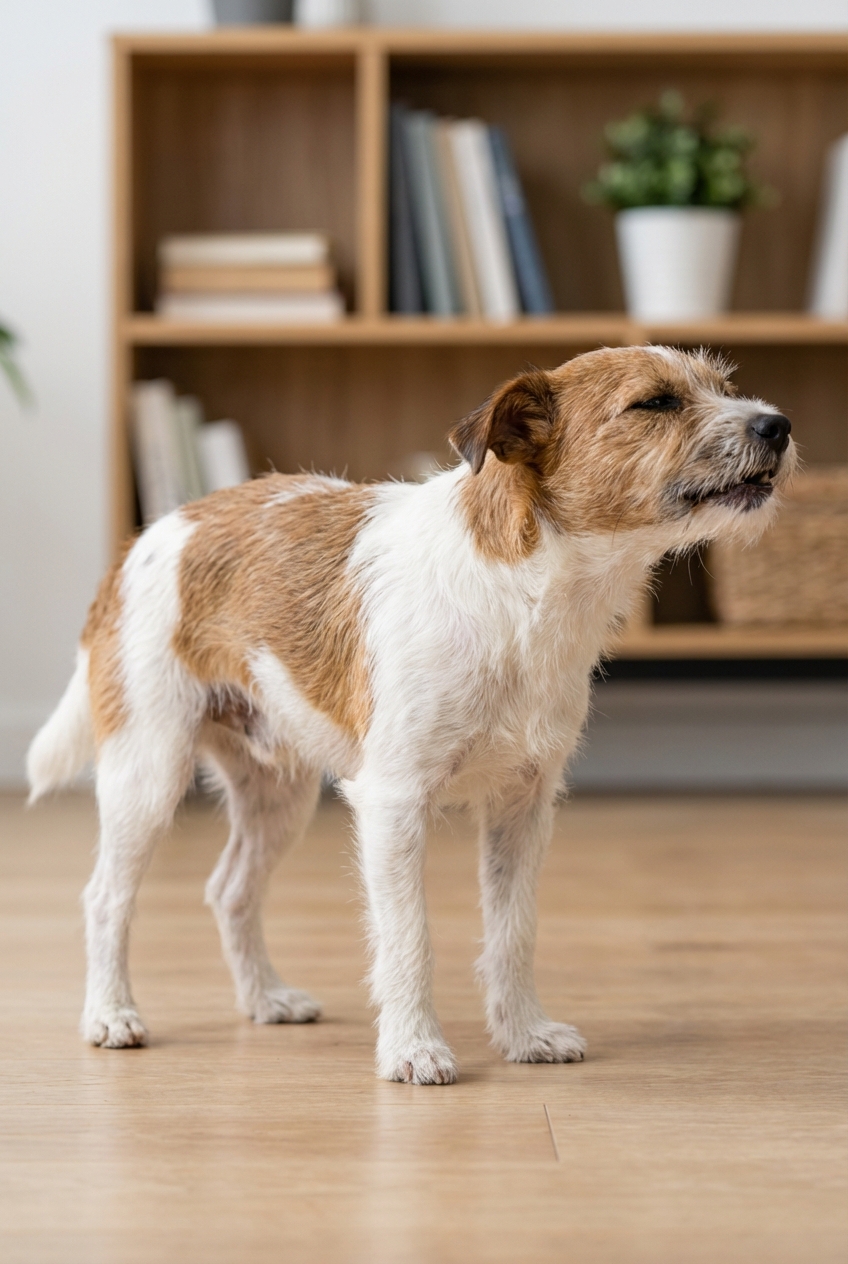
Reverse sneezing is a sudden, reflexive spasm of the throat and soft palate that causes a dog to inhale quickly and forcefully through the nose. You may hear it called reverse sneezing, paroxysmal sneezing, or paroxysmal respiration. It is essentially the opposite of a regular sneeze, where air is pushed out.
Who gets it most? Any dog can reverse sneeze, but it is especially common in small breeds and short-nosed (brachycephalic) dogs like Pugs, Bulldogs, and Boston Terriers.
What it looks like
- Loud snorting, honking, or gag-like sounds
- Neck extended forward, elbows often slightly out
- Wide eyes or an anxious look during the episode
- Episodes often last a few seconds to about a minute
- Dog returns to normal right afterward
Some episodes can last longer than a minute. If it is happening frequently, in clusters, or the pattern is changing, it deserves a vet check.
Reverse sneezing vs choking vs tracheal collapse
These can look similar, so use the pattern to guide you, and when in doubt, record a video for your vet.
- Reverse sneezing: rapid INHALING with snorting sounds, usually stops on its own. It can look like they cannot breathe, but oxygenation is usually normal.
- Choking: pawing at mouth, distress, gagging, trouble inhaling or exhaling, may not resolve quickly.
- Collapsing trachea: repeated “goose-honk” cough, often triggered by excitement, pulling on leash, or pressure on the neck.
If your dog cannot catch their breath, gums look pale or blue, or they collapse, treat it as an emergency. Reverse sneezing should not cause true respiratory failure, even if it looks intense.
Causes and triggers
Reverse sneezing happens because something irritates the nasal passages, throat, or soft palate. Sometimes we never find a single cause, but these are the usual suspects.
Everyday irritants
- Dust, pollen, grass, perfumes, smoke, cleaning sprays
- Dry air or sudden temperature changes
- Excitement or pulling hard on the leash
- Eating or drinking too fast
Medical contributors
- Allergies (seasonal or environmental)
- Nasal mites (less common, but possible with persistent nasal irritation)
- Upper respiratory infections
- Dental disease that affects the nasal passages
- Foreign material like a grass awn
- Anatomy in brachycephalic dogs and some small breeds
How to stop an episode
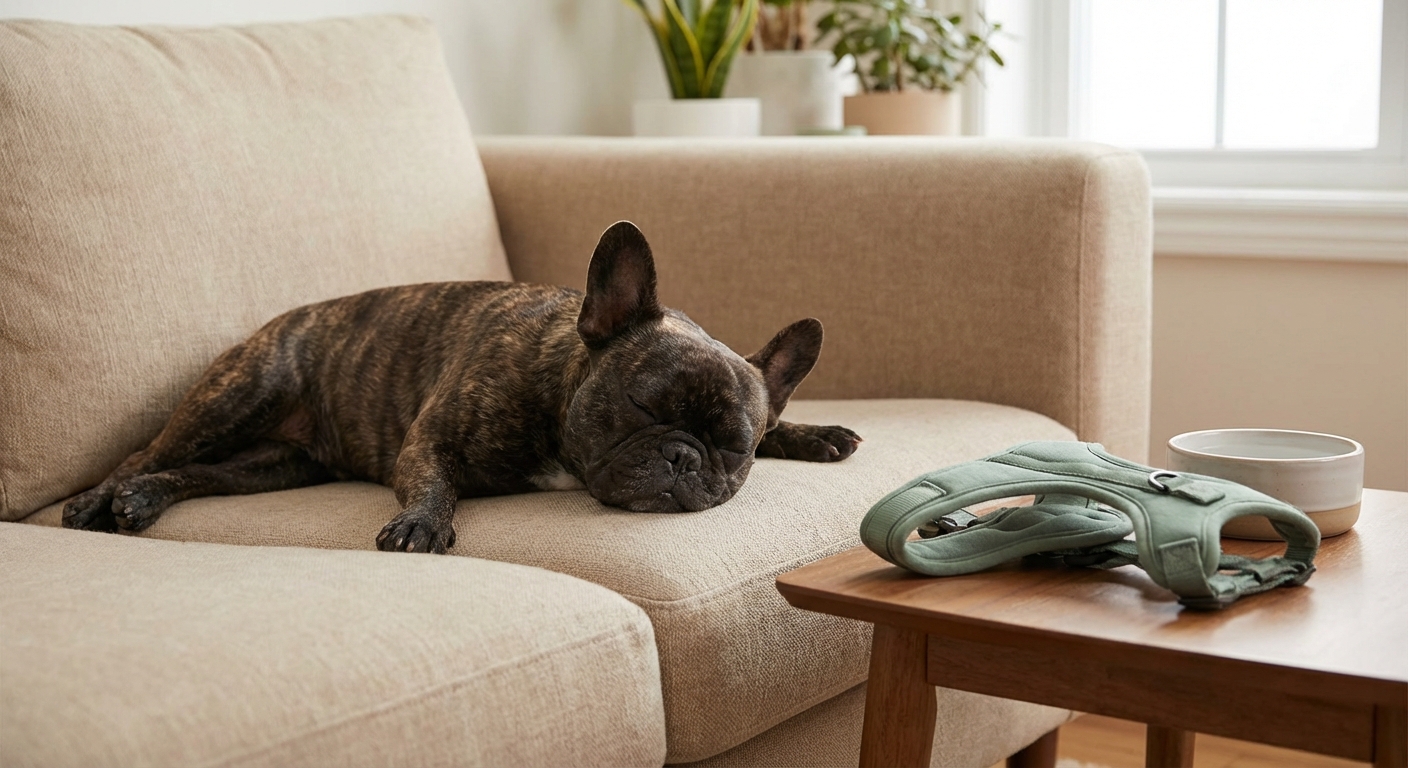
Most episodes stop without intervention. Your goal is to keep your dog calm and help the throat relax. These at-home steps may help some dogs and are generally low-risk when done gently.
Step-by-step
- Stay calm. Your dog reads your energy, and stress can prolong the episode.
- Encourage swallowing. Swallowing can help reset the spasm.
- Offer a tiny sip of water.
- If your vet has okayed it for your dog, you can offer a very small lick of plain honey or a soft treat to prompt swallowing. Avoid honey for diabetic dogs, and do not offer food if you suspect choking.
- Lightly massage the throat. Soft, gentle strokes can help relax the area.
- Try a brief nose-cover only if safe. Some dogs stop faster if you gently cover the nostrils for about 1 second to prompt a swallow, then release. Skip this if your dog panics, and use extra caution with brachycephalic dogs. Never hold longer than a moment.
- Move to fresh air. If the trigger is perfume, smoke, cleaning products, or dusty air, changing rooms can help quickly.
What not to do
- Do not shake your dog, startle them, or pry the mouth open forcefully.
- Do not stick fingers deep into the mouth or throat. You can get bitten, and you can worsen irritation.
- Do not give human cold medicines or decongestants.
When it is a red flag
Occasional reverse sneezing is common. But frequent or changing episodes deserve a veterinary visit, especially to rule out allergies, infection, foreign material, or structural airway issues.
Call your veterinarian if you notice
- Episodes that increase in frequency or intensity
- Episodes that last more than 1 to 2 minutes, happen in clusters, or are hard to interrupt
- Nasal discharge, especially yellow, green, bloody, or one-sided
- Persistent coughing, wheezing, or exercise intolerance
- Pawing at the nose, repeated sneezing, or facial discomfort
- Reduced appetite, lethargy, fever, or signs of pain
- Any concern for choking or a foreign body, especially after running through tall grass
Go to urgent care now if
- Your dog is truly struggling to breathe or cannot settle after the episode
- Gums or tongue look pale, gray, or blue
- Your dog collapses or seems weak and disoriented
- You suspect toxin exposure or anaphylaxis (rapid facial swelling, hives, vomiting, weakness)
Vet diagnosis and treatment
Your veterinarian will typically start with a history and physical exam, then tailor next steps based on your dog’s age, breed, and symptoms. A video of an episode is incredibly helpful.
What your vet may ask
- How often it happens and how long episodes last
- Triggers like excitement, leash pressure, meals, or specific rooms
- Any nasal discharge, coughing, snoring, or sleep breathing changes
- Exposure to new perfumes, candles, cleaning sprays, or smoke
- Travel, boarding, dog parks, or exposure to respiratory illness
Possible tests
- Nasal and oral exam, sometimes with sedation if needed
- Chest X-rays if coughing or lower airway signs are present
- Rhinoscopy or imaging if a foreign body, mass, or chronic nasal disease is suspected
- Dental exam if tooth root disease is a concern
Treatment depends on the cause
- Allergies: environmental control, vet-recommended allergy meds, or longer-term allergy management.
- Infection: treatment targeted to the suspected organism and severity.
- Foreign body: removal, sometimes requiring sedation and specialized tools.
- Nasal mites: prescription antiparasitic treatment.
- Anatomical issues: management strategies for brachycephalic airway syndrome, sometimes including surgery in severe cases.
Reverse sneezing itself is a symptom, not a diagnosis. If it is frequent, your best “treatment” is finding and reducing the trigger.
Prevention tips
Prevention is all about lowering irritation and reducing airway stress. Small changes can make a big difference, especially in sensitive dogs.
Home environment
- Use unscented cleaning products when possible.
- Avoid smoke, aerosols, strong candles, and heavy fragrance diffusers.
- Run a HEPA air purifier during high pollen or dust periods.
- Consider a humidifier if indoor air is very dry, and clean it regularly to prevent mold.
Walking and gear
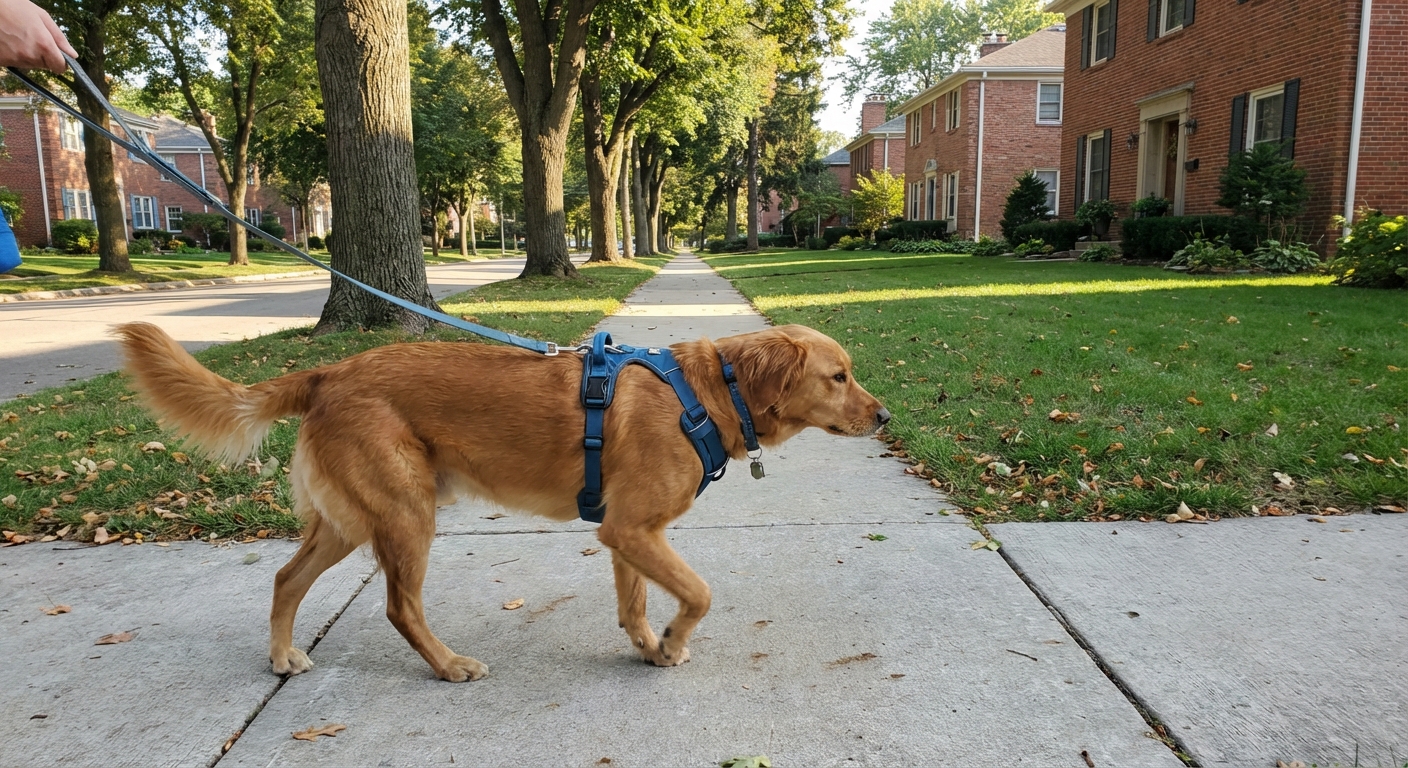
- Switch from a neck collar to a well-fitted harness to reduce throat pressure.
- Avoid letting your dog dive face-first into tall grass, foxtails, or weeds.
- Rinse or wipe your dog’s face after heavy pollen exposure.
Food and routine
- Slow down fast eaters with a slow-feeder bowl.
- Offer smaller meals if episodes happen after large meals.
- Maintain a healthy weight since extra body fat can worsen airway effort.
FAQ
Is reverse sneezing painful?
Most dogs seem startled, not painful. If your dog shows signs of pain, pawing at the face, or avoids eating, schedule a vet visit.
Can reverse sneezing cause death?
Reverse sneezing itself is rarely dangerous. The bigger concern is misidentifying something more serious, like choking, airway disease, or an allergic reaction.
Why does it happen at night?
Nighttime episodes can relate to dry air, allergens in bedding, post-nasal drip, reflux, or the way the soft palate relaxes during sleep. If it is frequent, your vet can help narrow it down.
Should I give Benadryl?
Do not give any medication without your veterinarian’s guidance. Some dogs can safely take certain antihistamines, but correct dosing depends on your dog’s weight, health conditions, and other medications.
Simple action plan
If you want a clear next step, here is a practical approach that works for many families.
- During an episode: stay calm, encourage swallowing, gentle throat rub, move to fresh air.
- This week: switch to a harness, reduce fragrance and aerosols, consider a HEPA purifier, slow down meals if needed.
- Track patterns: note time of day, triggers, length, and recovery. Record a video.
- See your vet: if episodes become frequent, last more than 1 to 2 minutes, change character, or come with coughing, discharge (especially one-sided or bloody), or breathing difficulty.
Your dog’s breathing should feel like a calm, steady rhythm most of the time. If something keeps interrupting that, you deserve clear answers and a plan. And you do not have to figure it out alone.