Reverse sneezing can look alarming but is often harmless. Learn common triggers, how to stop an episode safely, prevention tips, and warning signs that need ...
Article
•
Designer Mixes
Reverse Sneezing in Dogs: Care and Training Tips

Shari Shidate
Designer Mixes contributor
That sudden, loud snorting sound that looks like your dog is struggling to breathe can be scary, especially the first time you see it. The good news is that in many dogs, a reverse sneeze (sometimes called a “backward sneeze”) is more startling than dangerous. As a veterinary assistant and lifelong pet-lover here in Frisco, Texas, I have seen plenty of these episodes. With a calm plan and a few simple training habits, most families can manage them with confidence.
This article is for education and is not a substitute for veterinary care.
What is a reverse sneeze?
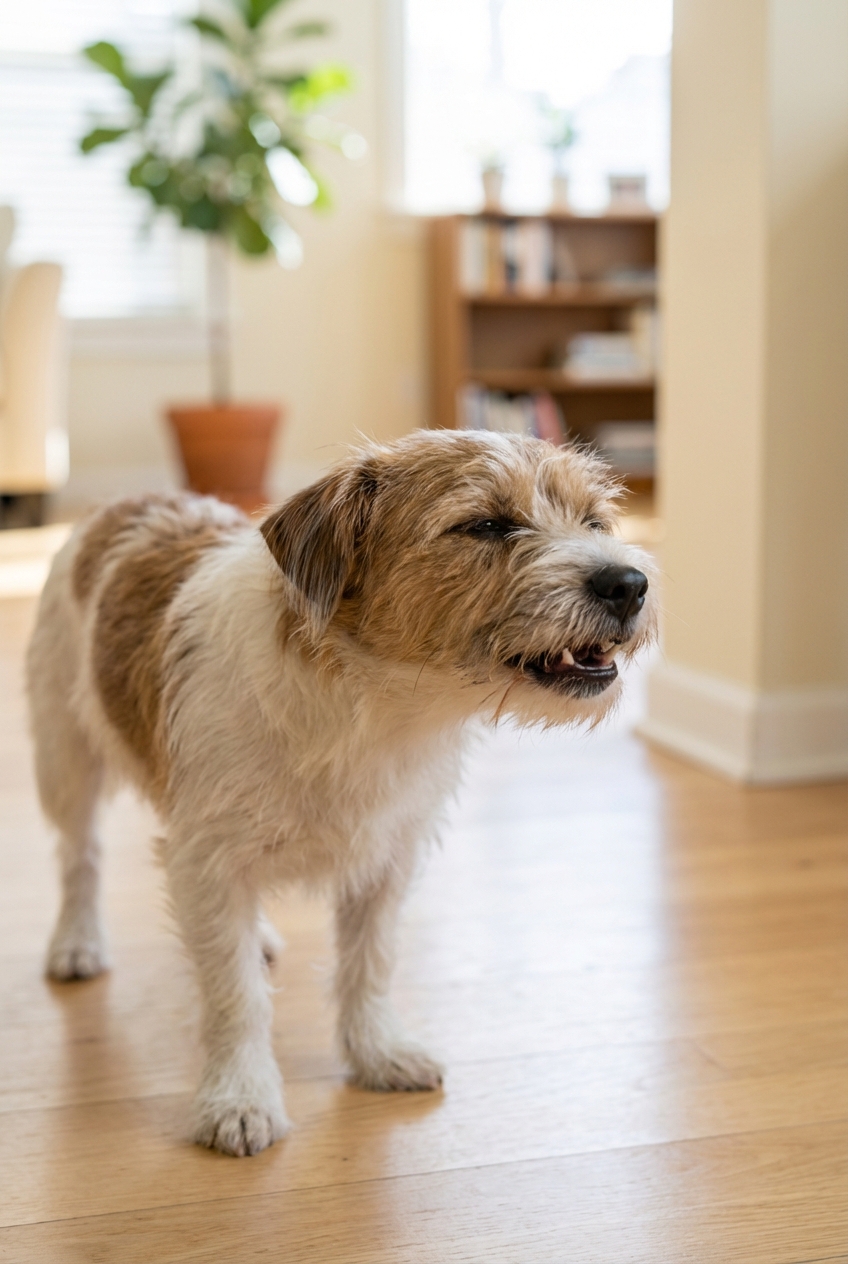
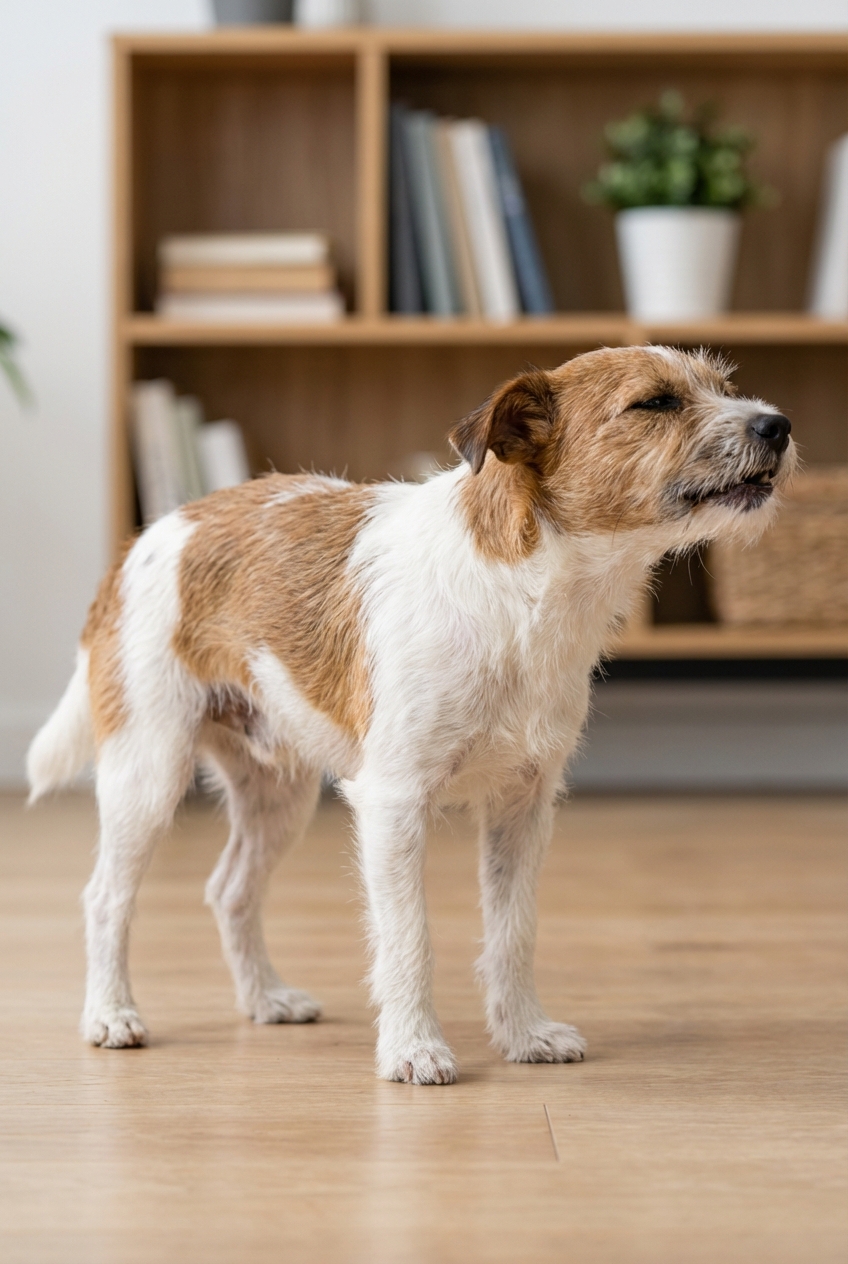
A reverse sneeze, also called paroxysmal inspiratory respiration, happens when a dog makes sudden, forceful inhaling efforts through the nose and nasopharynx (the area behind the nose and above the soft palate). Many dogs keep their mouth closed during the episode, and the sound can be loud and dramatic.
It often looks like:
- Repeated snorting or honking
- Neck stretched out, elbows slightly out
- Dog looks wide-eyed or surprised
- Episode lasts seconds to a minute or two
In plain terms, it is usually a reflex triggered by irritation or a brief spasm involving the soft palate and upper airway. Many dogs act completely normal right after.
Common triggers
Reverse sneezing is often linked to mild irritation. Common triggers include:
- Excitement or leash pulling (especially with neck collars)
- Allergens like pollen, dust, grass, or household scents
- Post-nasal drip from mild respiratory irritation
- Eating or drinking quickly
- Strong odors like perfumes, cleaning sprays, candles, smoke
- Upper airway anatomy: flatter-faced (brachycephalic) dogs are more prone due to narrower airways
- Foreign material like foxtails or plant debris (less common, but important)
Mixed-breed dogs can land anywhere on the spectrum. Dogs with brachycephalic conformation, regardless of breed label, may have more frequent episodes. Longer-nosed dogs may only do it occasionally when allergies flare or they get overexcited.
Note on foxtails and foreign bodies: These are more concerning when signs are persistent, happen on one side, or come with nasal discharge, repeated sneezing, nosebleeds, or constant pawing at the nose.
Reverse sneeze or emergency?
Most reverse sneezing is not an emergency. But some symptoms can look similar and do require quick action.
Usually a reverse sneeze
- Loud snorting or honking that stops on its own
- Dog stays pink in the gums and tongue
- Dog recovers quickly and resumes normal behavior
Helpful clue: Reverse sneezing is typically a noisy inhalation. Coughing is more often a forceful exhalation. If what you are seeing is repeated coughing, especially with a distinct “goose honk,” it is worth a call to your vet.
Call a veterinarian urgently if you see
- Blue, gray, or very pale gums
- Open-mouth breathing at rest or severe respiratory distress
- Collapse, extreme weakness, or fainting
- Persistent coughing (especially a goose-honk cough), gagging, or repeated retching
- Wheezing that continues, or increased breathing effort
- Nosebleeds, one-sided nasal discharge, facial swelling, or nonstop pawing at the nose
- Episodes suddenly become frequent or progressively worse
- An episode lasts longer than a couple minutes or your dog cannot settle afterward
Trust your instincts. If your dog looks panicked, cannot settle, or cannot catch their breath, treat it as urgent and get help.
What to do during an episode
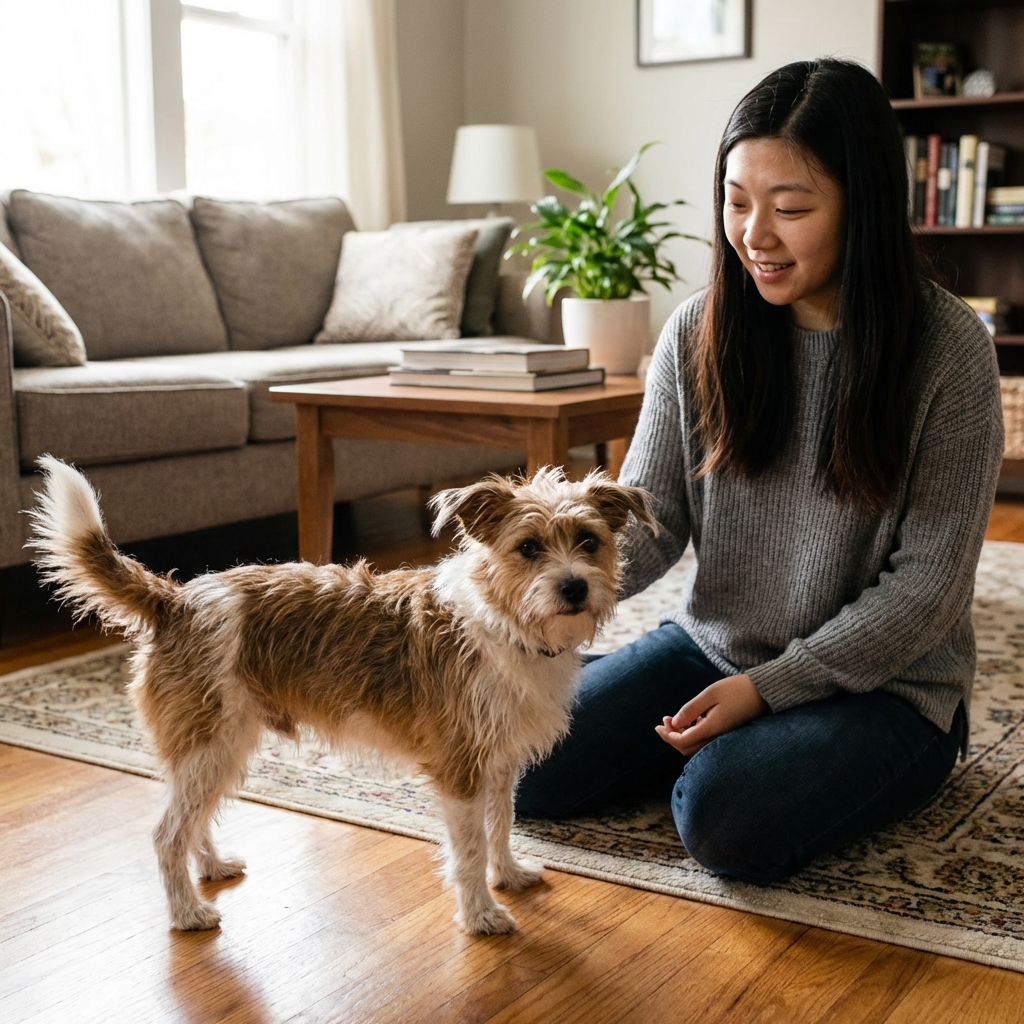
Your calm energy matters. Many dogs stop faster when we keep things quiet and simple.
Step-by-step
- Pause activity and keep your dog still.
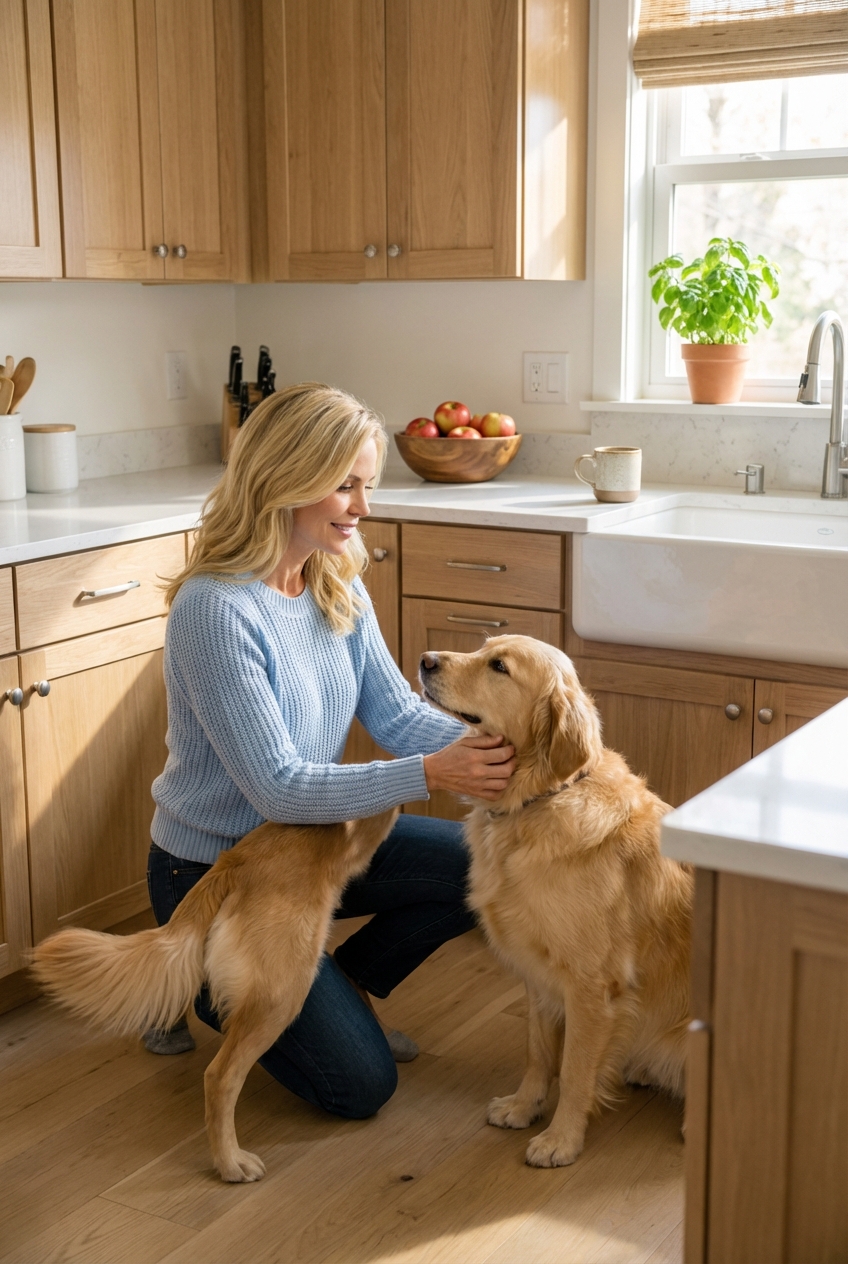
- Gently rub the throat or stroke the neck to encourage swallowing.
- Encourage swallowing: offer a tiny sip of water if your dog can safely take it.
- Try a simple posture change: some dogs do better with the head gently lifted for a moment, as long as it does not stress them.
- Check gum color: nice and pink is reassuring.
You may hear the tip to briefly cover the nostrils for 1 to 2 seconds to encourage a swallow. Some veterinarians suggest this, but it is not right for every dog and can increase distress. If you try it, do it very briefly and stop immediately if your dog panics or breathing looks worse.
Avoid forcing the mouth open or trying to pull the tongue. If your dog is prone to these episodes, record a short video once they are safe. It can help your vet confirm what is happening.
Care at home
Reverse sneezing is often about reducing irritation and improving breathing comfort.
Environment tweaks
- Skip heavy fragrance products and aerosol sprays in the home.
- Use a HEPA filter if allergies are suspected.
- Wipe paws and face after walks during high pollen days.
- Keep dusty bedding clean and vacuum regularly.
Feeding and hydration
- If your dog eats too fast, use a slow feeder bowl.
- Offer smaller meals if gulping triggers episodes.
- Keep water available, especially after outdoor play.
Gear choice
- Switch from a neck collar to a front-clip harness if leash pressure triggers episodes.
- Practice loose-leash walking to reduce pulling and throat irritation.
Training tips
Training is not about “stopping” the reflex. It is about reducing triggers, lowering arousal, and teaching your dog to recover calmly.
1) Teach a relaxation cue
Pick a phrase like “easy” or “settle.” Say it softly, then reward your dog when they soften their body and slow down. Practice when nothing is happening so you can use it during excitement.
2) Reward calm greetings
Many reverse sneezes happen during high-energy moments. Coach your dog to sit for attention, then reward. Over time, less frantic excitement can mean fewer episodes.
3) Loose-leash walking basics
- Reward when the leash is slack.
- Stop moving if your dog pulls.
- Turn and change direction to reset focus.
This is especially helpful for dogs that reverse sneeze after pulling hard or when a collar presses on the throat.
4) Reduce exposure to mild triggers
If your dog reverse sneezes after sniffing grass, dust, or certain areas, shorten exposure and build up slowly while rewarding calm behavior. If allergies are suspected, discuss safe options with your veterinarian.
When to see your vet
Schedule an appointment if:
- Episodes increase in frequency or intensity
- Your dog has nasal discharge (especially one-sided, thick, bloody, or foul-smelling)
- There is chronic sneezing, coughing, gagging, or reverse sneezing daily
- Your dog is short-nosed and seems to struggle with breathing in general
- You suspect foxtail or foreign body exposure
Your vet may recommend an oral exam, nasal assessment, allergy management, or in some cases imaging and referral, depending on the full picture. They may also want to rule out other problems that can sound similar, such as kennel cough, collapsed trachea, laryngeal paralysis, or brachycephalic airway syndrome.
Quick checklist
- Stay calm and pause activity
- Gently rub throat and encourage swallowing
- Reduce triggers: scents, smoke, dust, pulling on leash
- Use a harness and practice loose-leash walking
- Track patterns: season, time of day, activity, location
- See your veterinarian if episodes are frequent, worsening, prolonged, or paired with concerning signs
Most importantly, you are not “overreacting” if it scares you. Reverse sneezing looks dramatic. With a little know-how and a calm routine, you can help your dog get through it safely and comfortably.