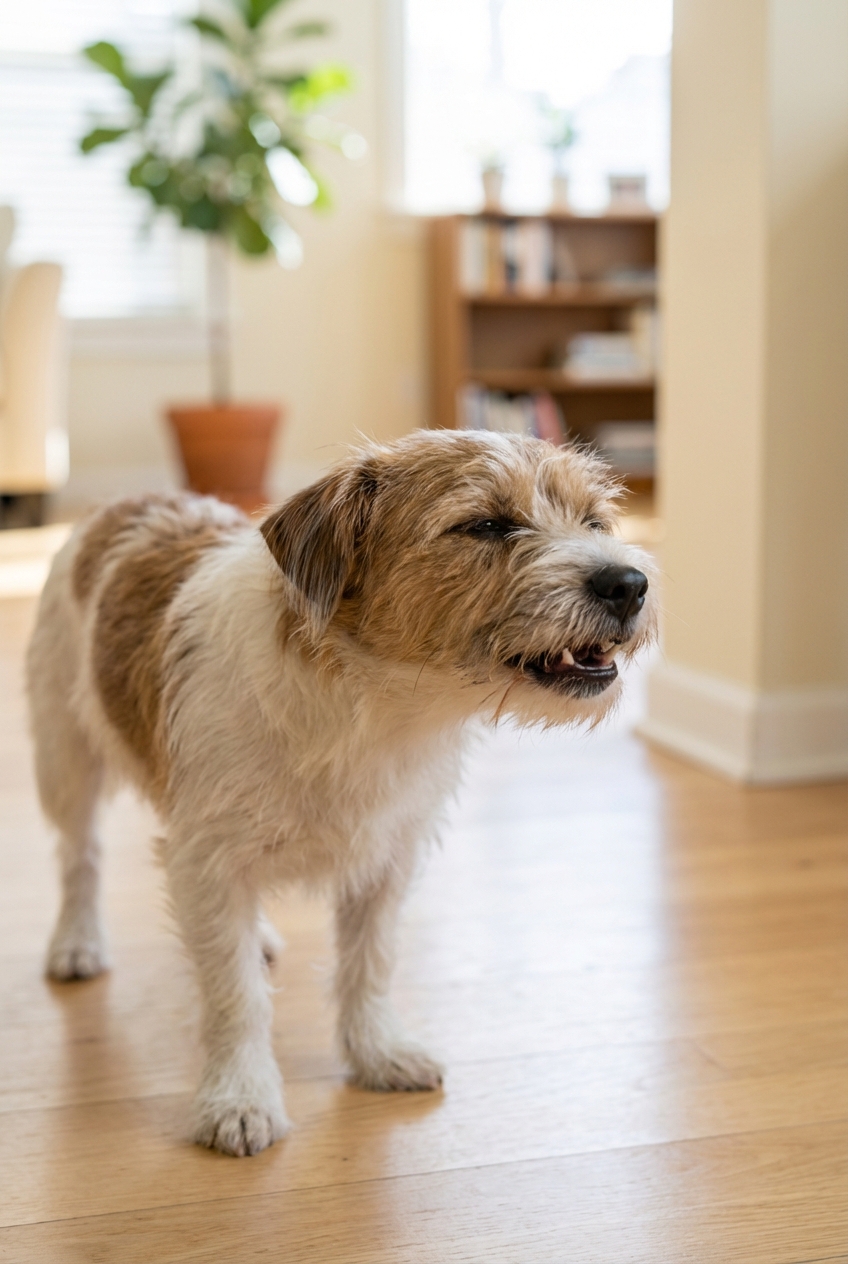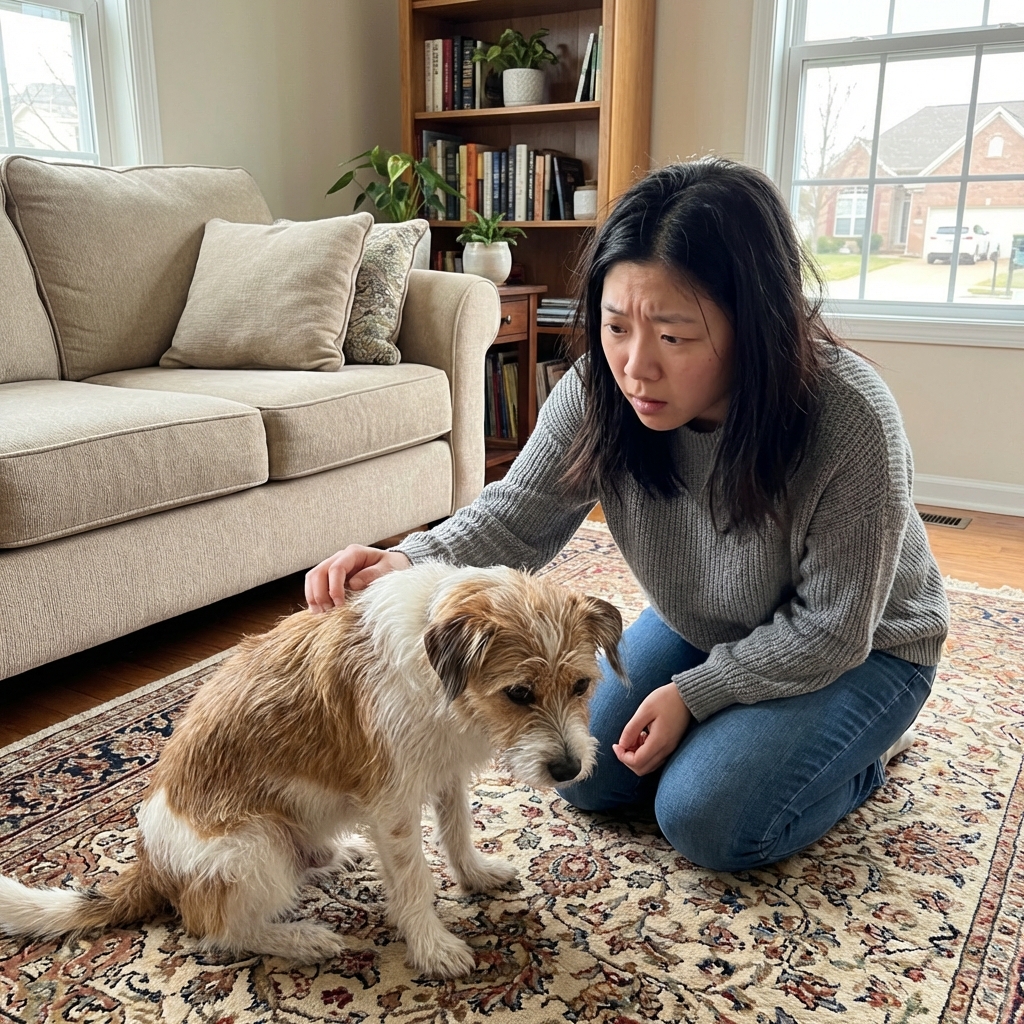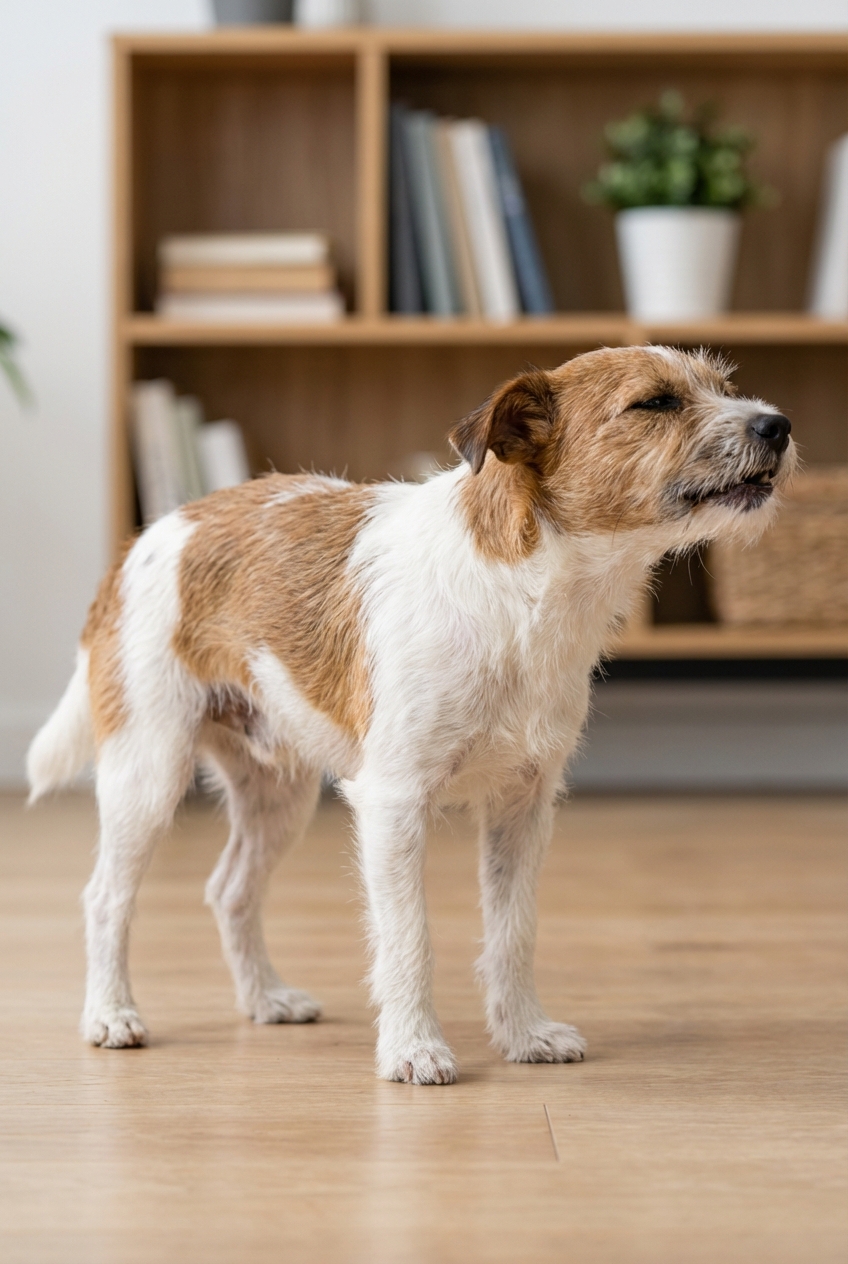
Reverse sneezing can look alarming but is often harmless. Learn common triggers, how to stop an episode safely, prevention tips, and warning signs that need ...
Article
•
Designer Mixes
Reverse Sneezing in Dogs

Shari Shidate
Designer Mixes contributor
Reverse sneezing can sound downright alarming. It often comes out of nowhere, your dog stiffens up, stretches their neck, and makes a loud snorting or honking noise as if they cannot catch their breath.
Take a breath. In most dogs, reverse sneezing is common, brief, and not dangerous. As a veterinary assistant here in Frisco, Texas, I have seen many worried pet parents rush in thinking it was choking or an asthma attack. Usually, it is neither. The key is knowing what it looks like, what triggers it, and when it is time to get your veterinarian involved.
What is reverse sneezing?
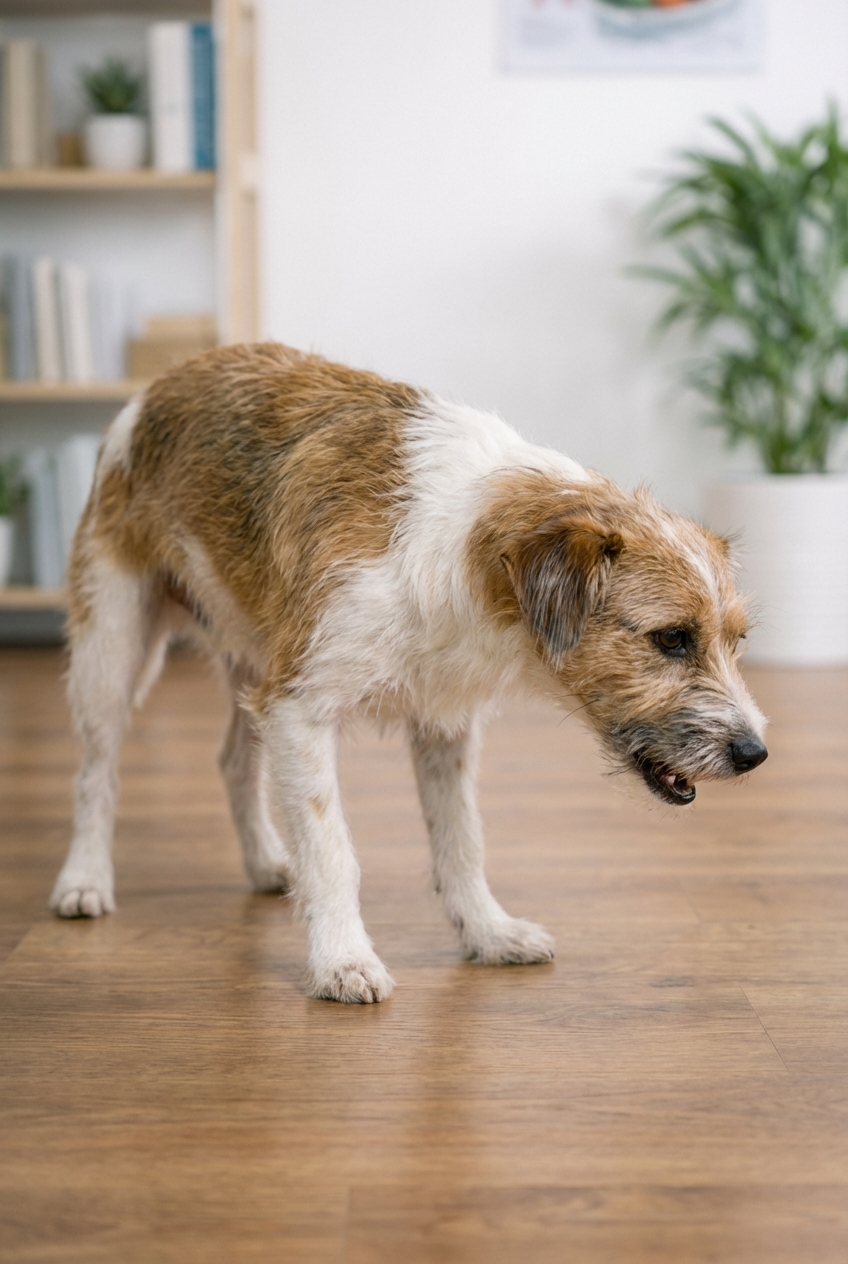
Reverse sneezing is a spasm of the throat and upper airway, most often involving the soft palate and the area right behind the nose. Instead of pushing air out like a normal sneeze, the dog pulls air in quickly and forcefully through the nose. That sudden inward airflow creates the distinctive snorting sound.
Veterinarians may call this paroxysmal inspiratory respiration or paroxysmal inspiratory effort. It sounds dramatic, but in many cases it is simply an upper-airway irritation that resolves on its own in seconds to a couple of minutes.
What does it look and sound like?
Most reverse sneezing episodes have a similar pattern:
- Rapid, repeated snorting or honking sounds
- Neck stretched forward, elbows held out a bit (many dogs do this to help open the airway)
- Chest and belly working harder for a moment
- Some dogs gag , lick their lips, or swallow repeatedly afterward
- It stops as suddenly as it started
Important: many dogs are still able to stand, walk, and stay aware during an episode. That is one clue that helps separate reverse sneezing from more serious breathing problems.
Is reverse sneezing dangerous?
Most of the time, no. Reverse sneezing is usually benign and self-limiting. Many dogs have a handful of episodes throughout their life and never develop any complications.
That said, reverse sneezing can sometimes be a sign that something is irritating the upper airway or nasal passages. If episodes become frequent, intense, or are paired with other symptoms, it is worth investigating the underlying cause. And if this is new in an older dog, I strongly recommend a veterinary check sooner rather than later.
Common triggers and causes
Reverse sneezing is often triggered by mild irritation or stimulation of the nose and throat. Common triggers include:
- Excitement or pulling on the leash
- Allergies and seasonal pollen
- Perfumes, cleaners, smoke, or dusty environments
- Eating or drinking too fast
- Post-nasal drip from mild respiratory irritation
- Foreign material like grass awns or seeds (less common, but important)
- Nasal mites in some regions
Dental disease does not typically “trigger” reverse sneezing by itself, but tooth root infections and oronasal fistulas can contribute to nasal irritation and nasal signs that may look similar. Breed and anatomy matter too. Small dogs and short-nosed breeds (like Pugs , French Bulldogs , and mixes with brachycephalic features) may have more upper-airway turbulence, which can make episodes more noticeable.
Reverse sneezing vs. choking vs. collapsing trachea
These can look similar in the moment, so here are simple, practical clues.
Reverse sneezing
- Loud snorting while breathing in
- Often lasts seconds to a couple minutes
- Usually no blue gums, no collapse
- Dog often acts normal right after
Choking
- Pawing at the mouth, distress, gagging
- May drool heavily or retch
- May have trouble getting air in or out
- Can quickly become an emergency
Collapsing trachea (common in small breeds)
- Classically a goose-honk cough , often with exercise, excitement, or pulling
- More cough than snort, and may be recurring
- Can flare into breathing difficulty and needs veterinary guidance
If you are unsure, it is always okay to take a quick video for your veterinarian. Videos are incredibly helpful because many dogs stop the behavior the moment they walk into the clinic.
What you can do at home
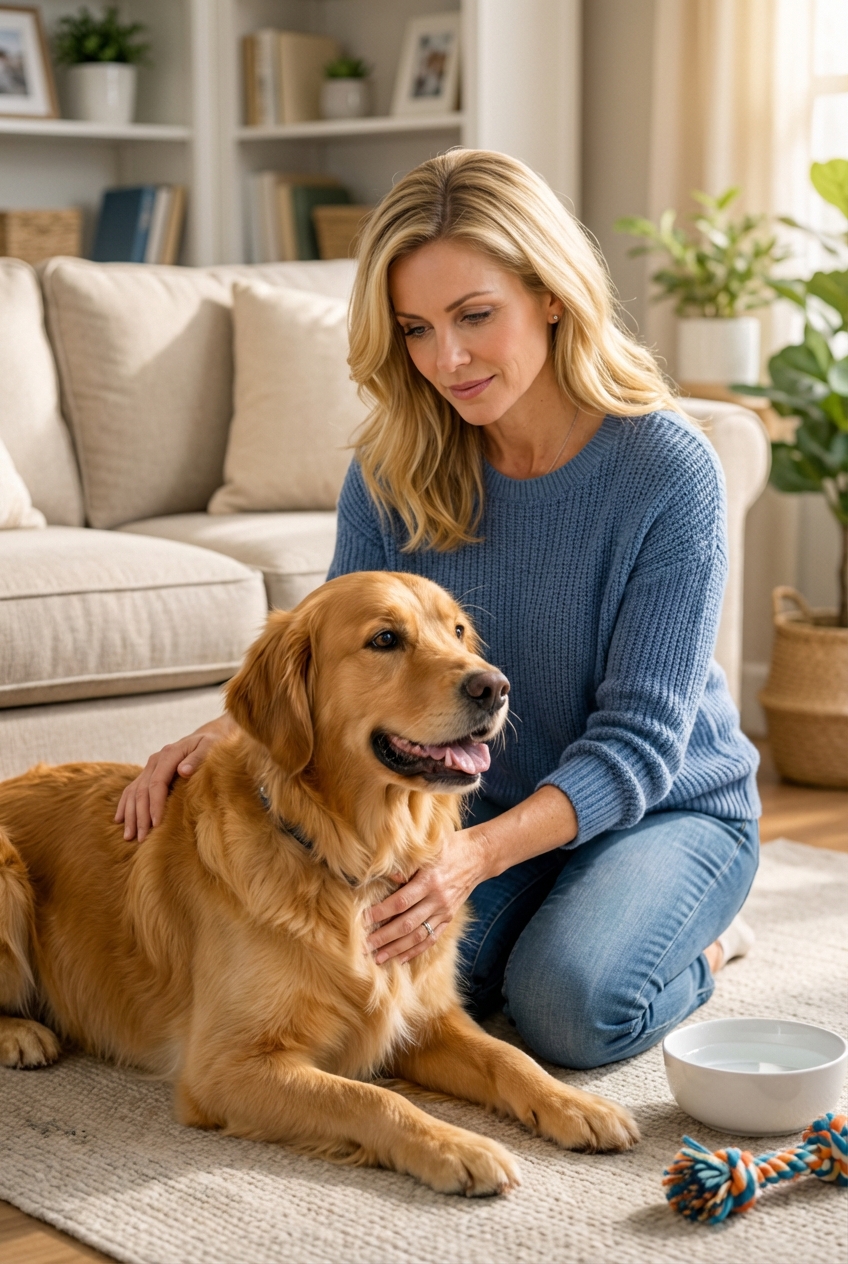
Most episodes end on their own. Your job is to stay calm and help your dog relax. A few gentle techniques may help shorten an episode in some dogs:
- Speak softly and reduce excitement. Avoid tugging on the collar.
- Gently stroke the throat to encourage swallowing.
- If your dog stays calm, you can briefly cover one nostril with light pressure to encourage a swallow and “reset” the airway.
- Offer a small sip of water if your dog is willing and relaxed.
If your dog panics, fights you, or seems to be in real respiratory distress, stop and seek help. I am extra cautious with any brachycephalic dog (short-nosed breeds) or any dog that already struggles to breathe, because adding stress can make things worse.
Do not attempt a Heimlich maneuver unless you truly suspect choking and your dog cannot breathe. If your dog is actively choking or turning blue, that is an emergency.
When to get urgent help
Even though reverse sneezing is usually harmless, treat this as urgent and contact an emergency clinic right away if you notice:
- Breathing effort that does not stop or keeps getting worse
- Blue, gray, or very pale gums
- Collapse, extreme weakness, or your dog cannot settle
- Severe distress, open-mouth breathing, or pronounced belly breathing between episodes
When to call your veterinarian
Contact your veterinarian if you notice any of the following:
- Episodes happen often (for example, daily or several times a week)
- Episodes last longer than a couple minutes or your dog struggles to recover
- There is nasal discharge (especially yellow, green, or bloody)
- Your dog has coughing , wheezing, or labored breathing between episodes
- Lethargy, decreased appetite, fever, or weight loss
- Face or nose rubbing, sneezing fits, or signs something is stuck
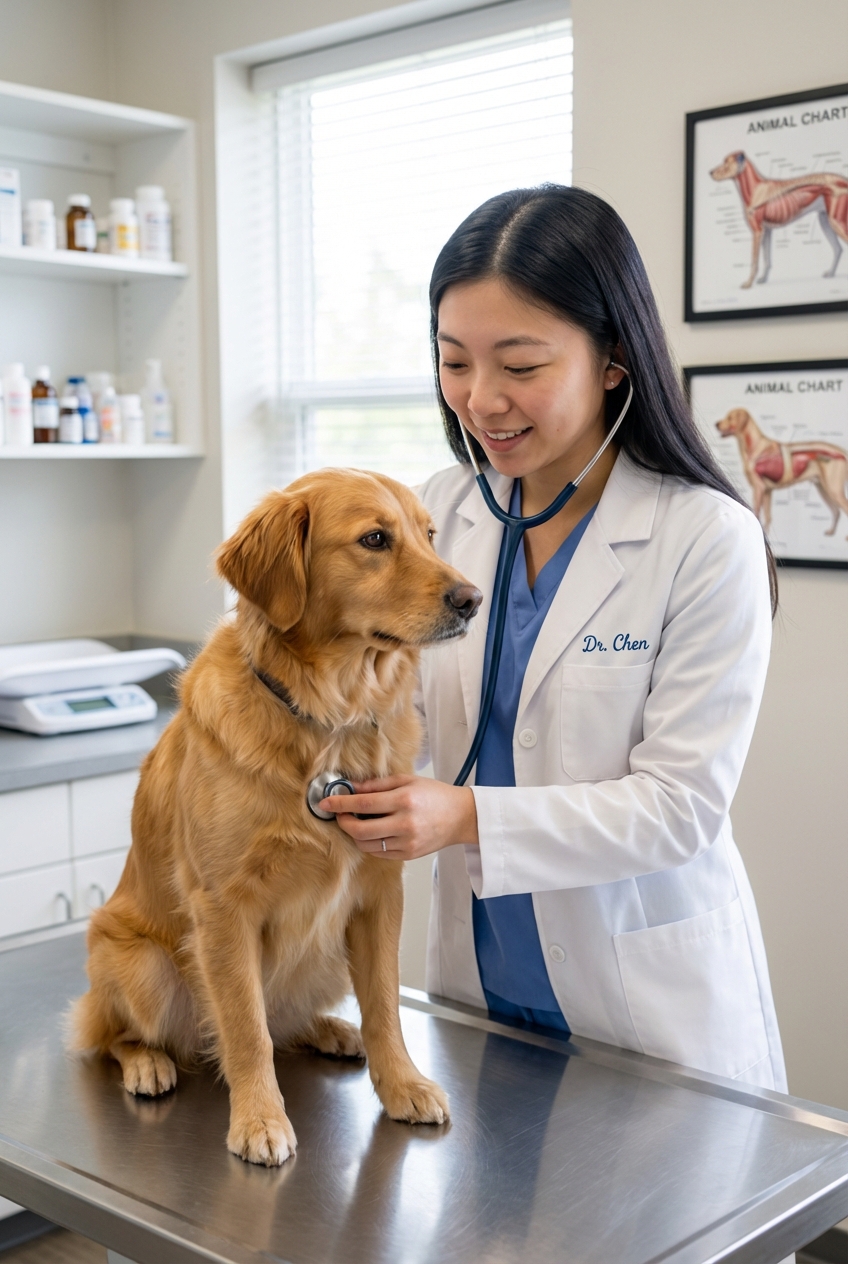
Your veterinarian may recommend a thorough nose and throat exam (and an oral and dental check), listening to the heart and lungs, and possibly diagnostics like chest X-rays. Depending on the pattern, they may discuss allergy management, treatment for infection or parasites, or next steps to look for a foreign body. In some cases, referral for advanced imaging or rhinoscopy is recommended, especially if signs are persistent, one-sided, bloody, or worsening.
Can you prevent it?
You cannot always prevent it, but you can often reduce episodes by lowering irritation and controlling triggers:
- Switch from a collar to a harness for dogs who pull or have sensitive airways.
- Avoid strong scents like candles, plug-ins, smoke, and harsh cleaners.
- Manage allergies with your veterinarian’s guidance if seasonal patterns show up.
- Slow down meals with a slow feeder bowl if episodes happen around eating.
- Keep up with dental care, since oral health can affect nearby nasal structures.
If your dog is a brachycephalic mix and also snores heavily, overheats easily, or struggles with exercise, ask your veterinarian about brachycephalic airway syndrome. That is separate from reverse sneezing but can overlap in the real world.
The bottom line
Reverse sneezing is one of those dog behaviors that sounds scarier than it usually is. Most dogs are not in danger, and episodes are brief and self-resolving.
Your best tools are observation, calm support during an episode, and knowing the red flags. If you are seeing frequent events or any symptoms beyond the snorting spell itself, a veterinary visit can help you rule out allergies, infection, foreign material, or other airway issues. You do not have to guess.