
Retained Puppy Teeth in Dogs

Puppies are supposed to lose their baby teeth. Most do, right on schedule. But sometimes a baby tooth does not fall out when the adult tooth comes in, and you end up with two teeth competing for the same spot. As a veterinary assistant here in Frisco, Texas, I see this a lot, especially in small breeds and in dogs with crowded mouths. The good news is that retained puppy teeth are very treatable, and timing matters.
This article is general information. Your veterinarian may recommend a different plan based on your puppy’s bite, age, and breed.

What are retained puppy teeth?
Retained puppy teeth are also called persistent deciduous teeth. “Deciduous” is just the medical word for baby teeth. A tooth is considered retained when the adult tooth has erupted (broken through the gum) but the baby tooth is still firmly in place instead of loosening and falling out.
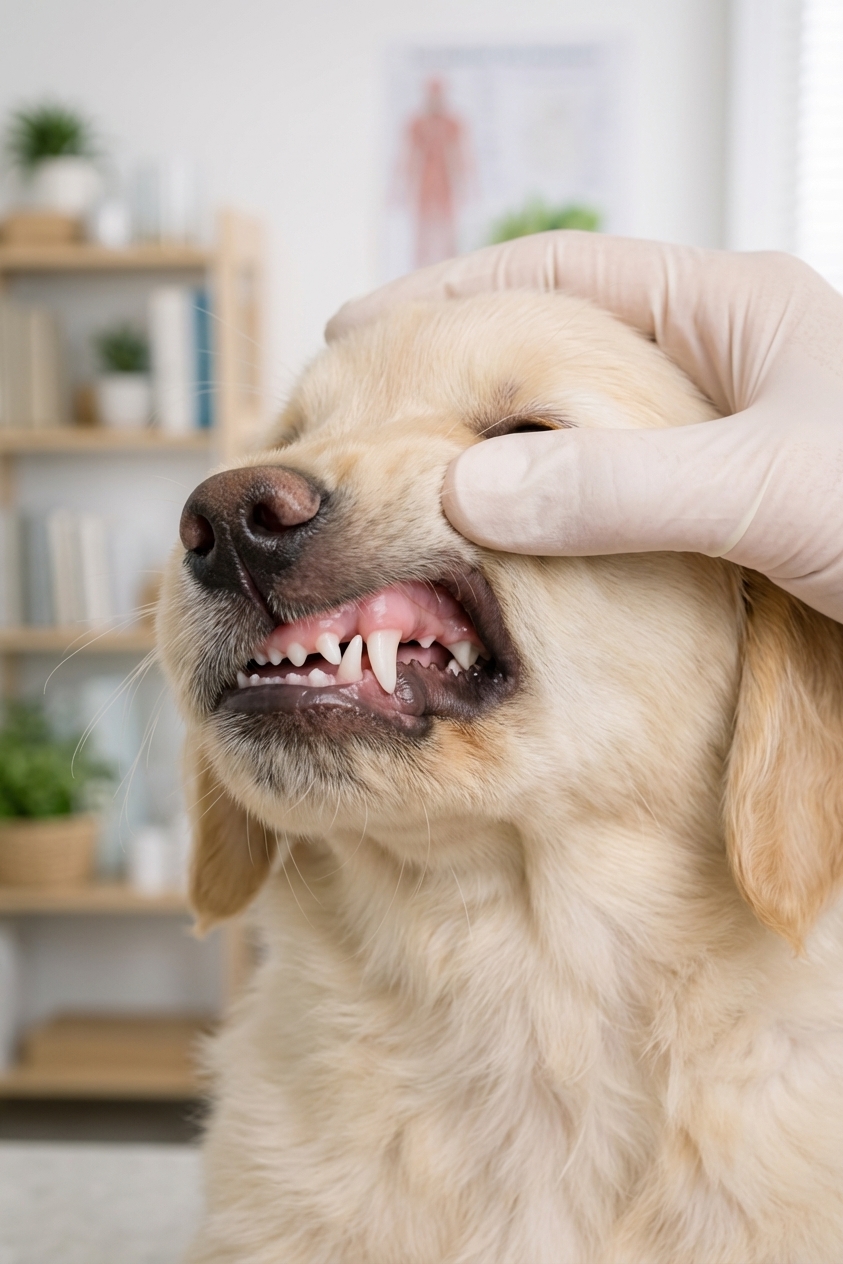
Normal teething is messy, drooly, and sometimes comes with a little gum bleeding. Retained teeth are different because the baby tooth stays fixed, so the adult tooth erupts beside it (that classic “double tooth” or “shark teeth” look many owners notice first).
Why it happens
Puppy teeth usually fall out because, as the adult tooth erupts, it triggers resorption (breakdown) of the baby tooth’s root. If that baby root does not fully resorb, the tooth can stay put. Genetics and jaw size play a role, which is why toy breeds are overrepresented.
What’s normal vs. what’s not
Normal timeline (general)
- Baby teeth appear: about 3 to 6 weeks of age
- Adult teeth start coming in: around 3 to 4 months
- Most adult teeth are in: by about 6 months (complete eruption often finishes closer to 6 to 7 months)
There is individual variation, but by the time many dogs are 6 to 7 months old, we expect the adult teeth to have replaced the baby teeth.
Signs a tooth may be retained
- You see two teeth in the same spot, especially the canine teeth
- The adult tooth is coming in behind or in front of the baby tooth
- The baby tooth looks narrow and needle-like, but it is not loosening
- Gums look red where food and hair are getting trapped
- You notice a new mouth odor earlier than expected
Which teeth get retained most?
Any baby tooth can be retained, but in practice some teeth are much more common offenders.
Most common: canine teeth
The long “fang” teeth, especially the upper canines, are the classic retained baby teeth. When retained, the adult canine often erupts toward the inside of the mouth, creating crowding and bite problems.
Also common: incisors
These are the small front teeth. Retained incisors can still cause crowding, gum irritation, and tartar buildup.
Premolars: less common, still important
Premolars sit farther back. Retained premolars can be harder for owners to spot, but they can create painful gum pockets and periodontal disease early in life.
Why it matters
It can be tempting to wait and see, especially if your puppy is acting normal. But persistent deciduous teeth can create long-term dental and jaw issues. Here are the big ones.
1) Malocclusion (an abnormal bite)
When two teeth compete for space, the adult tooth can be pushed into the wrong position. That can change how the upper and lower teeth meet. In some dogs, a misaligned canine can jab the roof of the mouth or press into the gums, which is painful and can lead to infection.
2) Crowding and trapped debris
Two teeth in one spot create tight areas where food, hair, and plaque collect. This can speed up gingivitis and periodontal disease, even in a young dog.
3) Early tartar and gum irritation
Retained teeth increase surface area and hiding spots for bacteria. They can also create abnormal “pocketing” around the gumline, even if the adult tooth looks pretty normal at a glance.
4) Higher risk of tooth and gum injury
Misaligned teeth are more likely to chip, wear abnormally, or irritate soft tissue.
If the adult tooth is in and the baby tooth is still there, the goal is usually to remove the baby tooth promptly so the adult tooth has the best chance of settling into a healthier position.
When should a vet intervene?
This is the question I hear most: “How long do we wait?” In general, once an adult tooth has erupted, a retained baby tooth is often unlikely to fall out on its own in a timely way, but your veterinarian’s exam is what decides whether watching or extracting makes the most sense.
Typical extraction timing
- If the adult tooth is erupting and the baby tooth is still firm: many vets recommend extraction sooner rather than later.
- By around 6 to 7 months of age: most dogs should not still have baby teeth. If they do, it is time to schedule an exam and discuss removal.
There are exceptions based on breed, tooth position, and how the bite looks, so your veterinarian’s oral exam is key.
Why timing matters
The earlier the baby tooth is removed (when indicated), the more opportunity the adult tooth has to shift into a better location naturally. Waiting too long can “lock in” a malocclusion that may need more involved treatment later. Even with perfect timing, some puppies still need additional help if the bite is significantly off, so it is good to set realistic expectations.
How vets diagnose it
Diagnosis starts with a mouth exam, but a thorough plan often includes dental imaging.
- Oral exam: confirms double teeth, gum inflammation, and bite alignment.
- Dental X-rays: help confirm the baby tooth root is still present and guide safe extraction. This matters because baby teeth can have surprisingly long roots.
What extraction involves
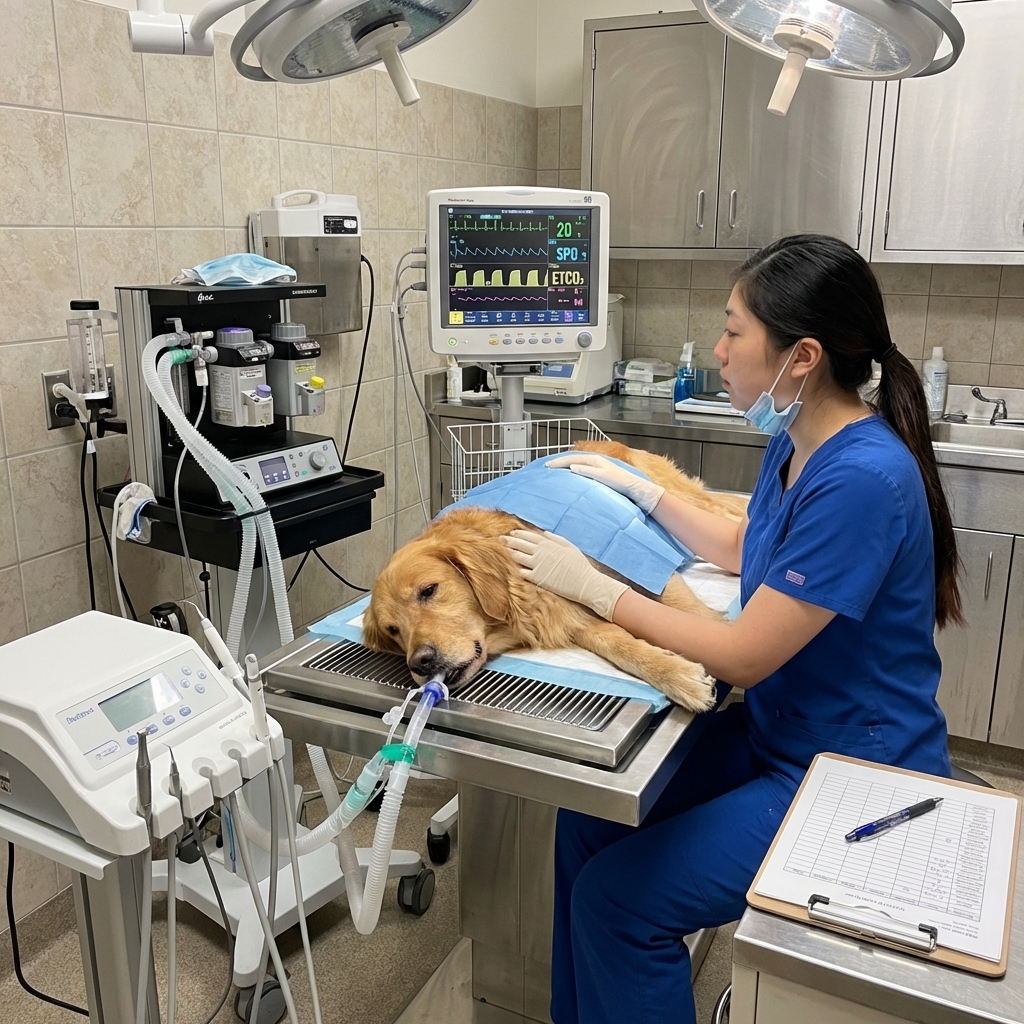
Retained puppy teeth are not usually something to pull while your dog is awake. A safe extraction typically requires:
- General anesthesia for pain control and precision
- Dental X-rays to map the roots
- Surgical technique in many cases, because baby tooth roots can break if not removed carefully
Many puppies have retained teeth discovered around the same time as their spay or neuter appointment, so owners sometimes choose to do both procedures under one anesthetic event. Your veterinarian can tell you if that timing makes sense for your individual puppy.
Aftercare and recovery
Most puppies bounce back quickly. Your vet will send home individualized instructions, but common aftercare includes:
- Soft food for a few days
- No hard chews or tug toys until the gums heal
- Pain medication as prescribed
- Watch for swelling, bleeding, or decreased appetite
Call your vet right away if your puppy seems very painful, will not eat, has facial swelling, or you notice a strong odor from the mouth.
What you can do at home
Do
- Check your puppy’s mouth weekly starting around 3 to 4 months, especially if you have a small breed or a mix known for dental crowding.
- Take a clear photo if you think you see double teeth and share it with your vet.
- Start gentle toothbrushing habits early with dog-safe toothpaste, even if you only manage a few seconds at first.
Avoid
- Do not try to pull a tooth at home. Roots can break and cause pain and infection.
- Avoid very hard chews during teething, like antlers or very hard nylon. They can fracture baby teeth and newly erupted adult teeth.
FAQs
Will a retained baby tooth fall out eventually?
Sometimes. But if the adult tooth is already in and the baby tooth is still firmly present, the odds of it falling out quickly and cleanly are lower. That is why veterinarians often recommend extraction once persistence is confirmed.
Is it an emergency?
Usually not an emergency the same day, but it is time-sensitive. The longer two teeth share one spot, the greater the risk of malocclusion and early periodontal disease.
Does it hurt?
Not every puppy shows obvious pain, but crowding and gum inflammation can be uncomfortable. Dogs are also excellent at masking mouth pain, so behavior alone is not a reliable indicator.
Are some dogs more at risk?
Yes. Small breeds and dogs with crowded mouths are more likely to have retained teeth. If your puppy’s mouth looks tight, be extra proactive with checks.
When to book a vet visit
Make an appointment if you notice any of the following:
- An adult tooth is clearly erupting and the baby tooth is still present
- Your puppy is approaching 6 to 7 months and still has baby teeth
- Red gums or food getting stuck around a double tooth
- A tooth appears to be pressing into the gums or roof of the mouth
Teething is a normal part of puppyhood. Retained puppy teeth are one of those common bumps in the road where a quick veterinary check can prevent bigger dental problems later. If you are unsure, take a photo and ask. It is always better to catch this early.