Cat sneezing, congestion, or watery eyes? Learn common feline URI signs, how long they last, safe home care, vet treatments, what not to give, and when to se...
Article
•
Designer Mixes
Respiratory Problems in Cats

Shari Shidate
Designer Mixes contributor
When a cat has trouble breathing, it can become frightening very quickly. As a veterinary assistant in Frisco, Texas, I have seen how quickly a mild sniffle can turn into a true emergency, and I have also seen how well cats can recover when we catch respiratory problems early. The key is knowing what is normal for your cat, what signs are “wait and watch,” and what signs mean “go now.”
Quick note: This article is for education and safety planning. It cannot diagnose your cat. If you are unsure, call your veterinarian or an emergency clinic.
Breathing trouble is different from most other health issues. If your cat is open-mouth breathing, breathing fast at rest, or looks like they are working hard to breathe, treat it as urgent until proven otherwise.
How cats normally breathe
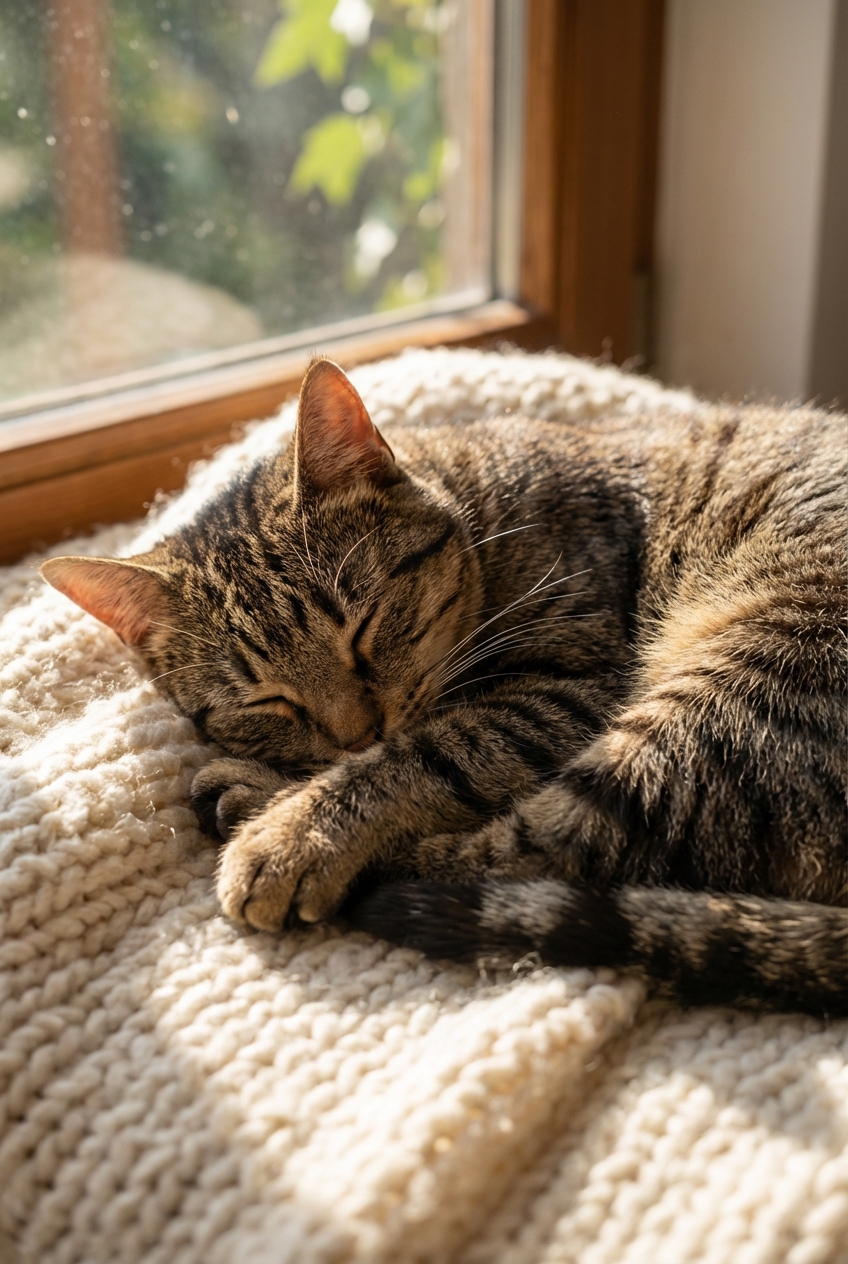
A healthy cat breathes quietly through the nose, with minimal chest movement. Many owners never notice their cat’s breathing at all until something changes, which is why learning a few basics can really help.
Normal resting respiratory rate
When your cat is asleep or calmly resting, most cats breathe about 20 to 30 breaths per minute (some cats run a little lower). You can count by watching the chest rise and fall. One rise and fall equals one breath. Count for 30 seconds and multiply by 2.
- Count only at true rest. Do not count right after play, during purring, while they are stressed, or right after a car ride.
- Consistently over 30 at rest deserves a call to your veterinarian, especially if it is new for your cat.
- Near or over 40 at rest is more concerning. Any sustained increase plus effort, posture changes, or lethargy should be treated as urgent.
If you want a simple habit: count your cat’s resting breaths once a week and write it in your phone. Trends matter.
Red flags that need urgent care
Some respiratory signs can wait for a same-day appointment. Others should be treated as an emergency because cats can compensate until they suddenly cannot.
- Open-mouth breathing (not after intense play, and even then it is unusual in cats)
- Blue, gray, or very pale gums
- Breathing with the belly or obvious heaving or effort
- Rapid, shallow breathing that does not settle when your cat is resting
- Extended neck, elbows held out, reluctance to lie down, or a “sphinx” posture that looks forced
- Harsh or noisy breathing with distress
- Sudden collapse, extreme lethargy, or inability to settle
- Possible toxin exposure (smoke, chemicals, essential oil diffusers, etc.)
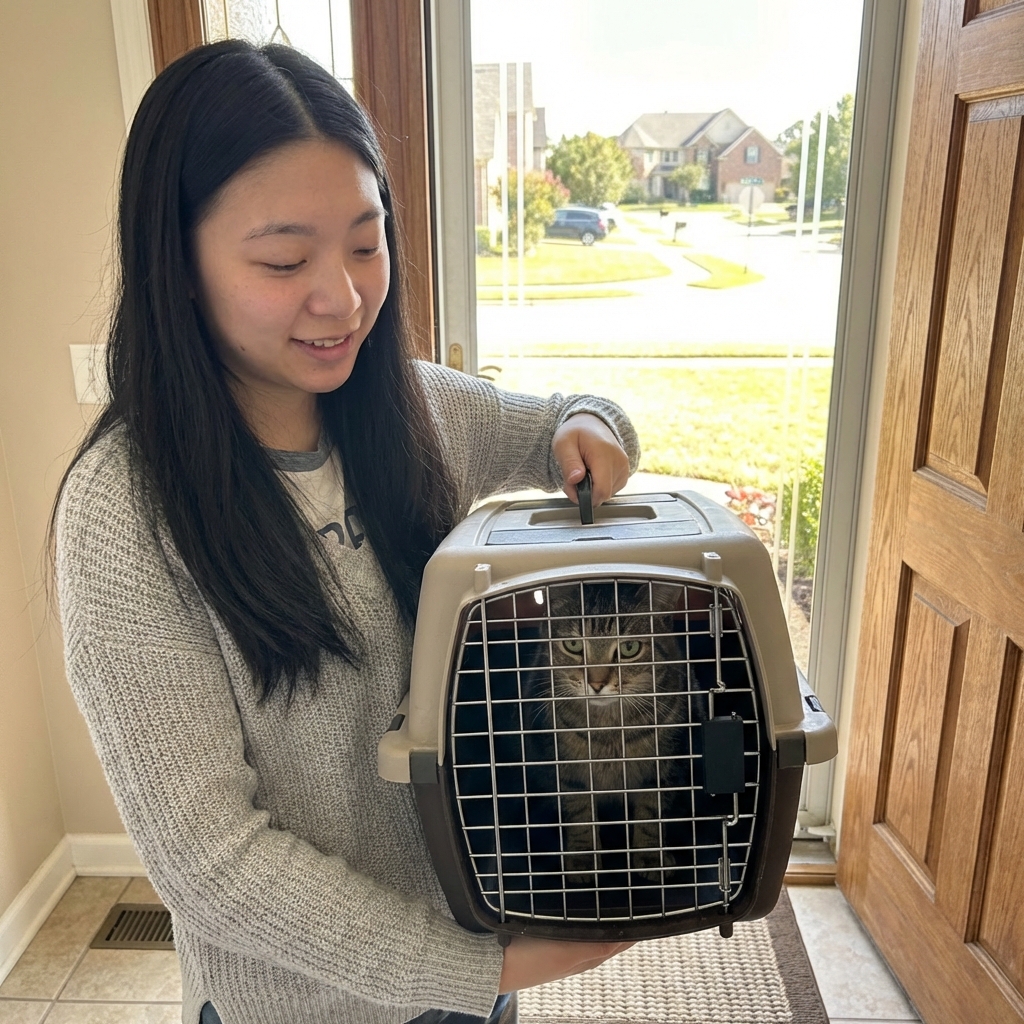
Transport tip: Keep your cat calm and minimize handling. Use a carrier. Call the emergency clinic on the way if you can. Do not force food or water. For most cats, lightly covering the carrier with a towel can reduce stress, but keep plenty of airflow and do not overheat the carrier.
If you see these signs, go to emergency care now. Stress can worsen breathing.
Common respiratory problems in cats
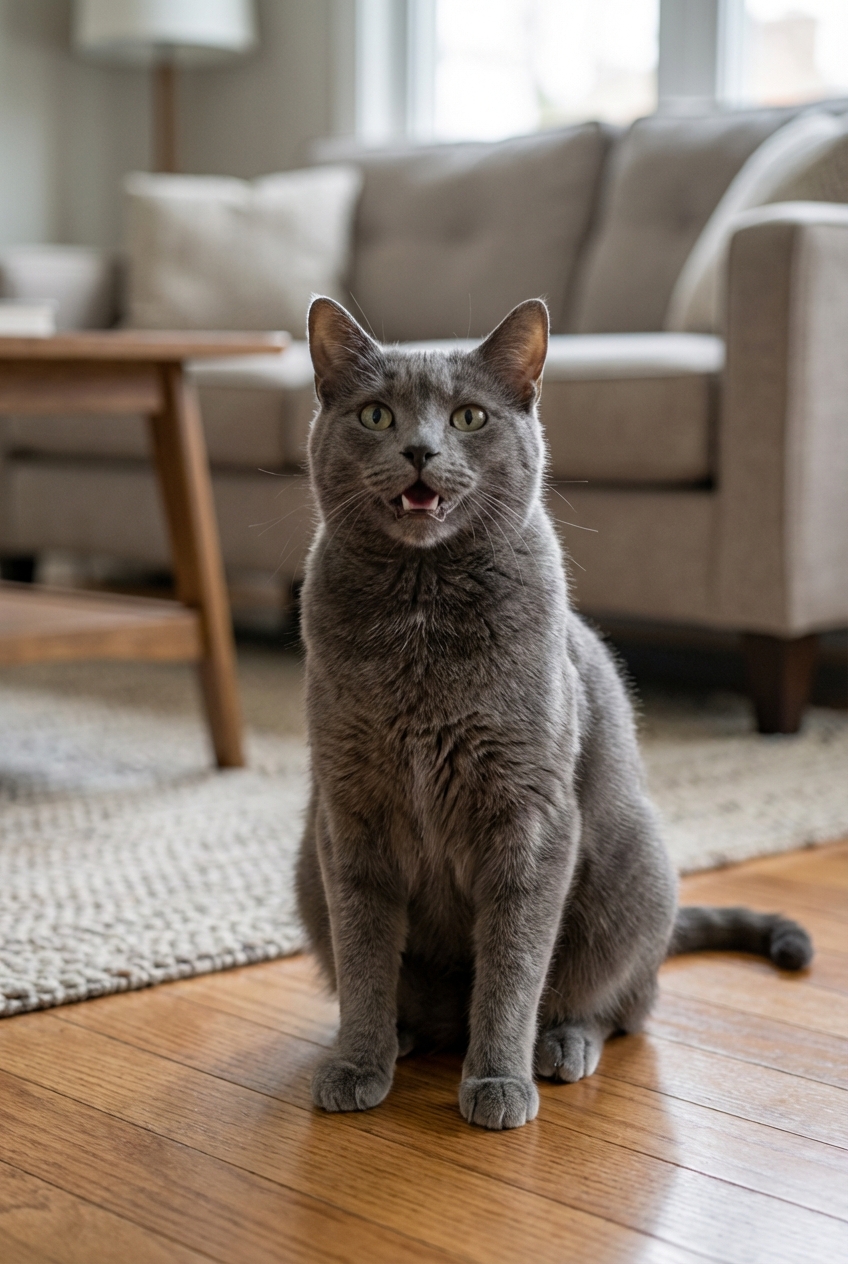
“Respiratory problem” is a big umbrella. In cats, we tend to see a few common categories, and each has different clues, treatments, and home-care needs.
1) Upper respiratory infections (URI)
These are very common, especially in kittens, shelters, or multi-cat homes. Most feline URIs are caused by viruses like feline herpesvirus-1 and calicivirus, sometimes with bacterial overgrowth on top.
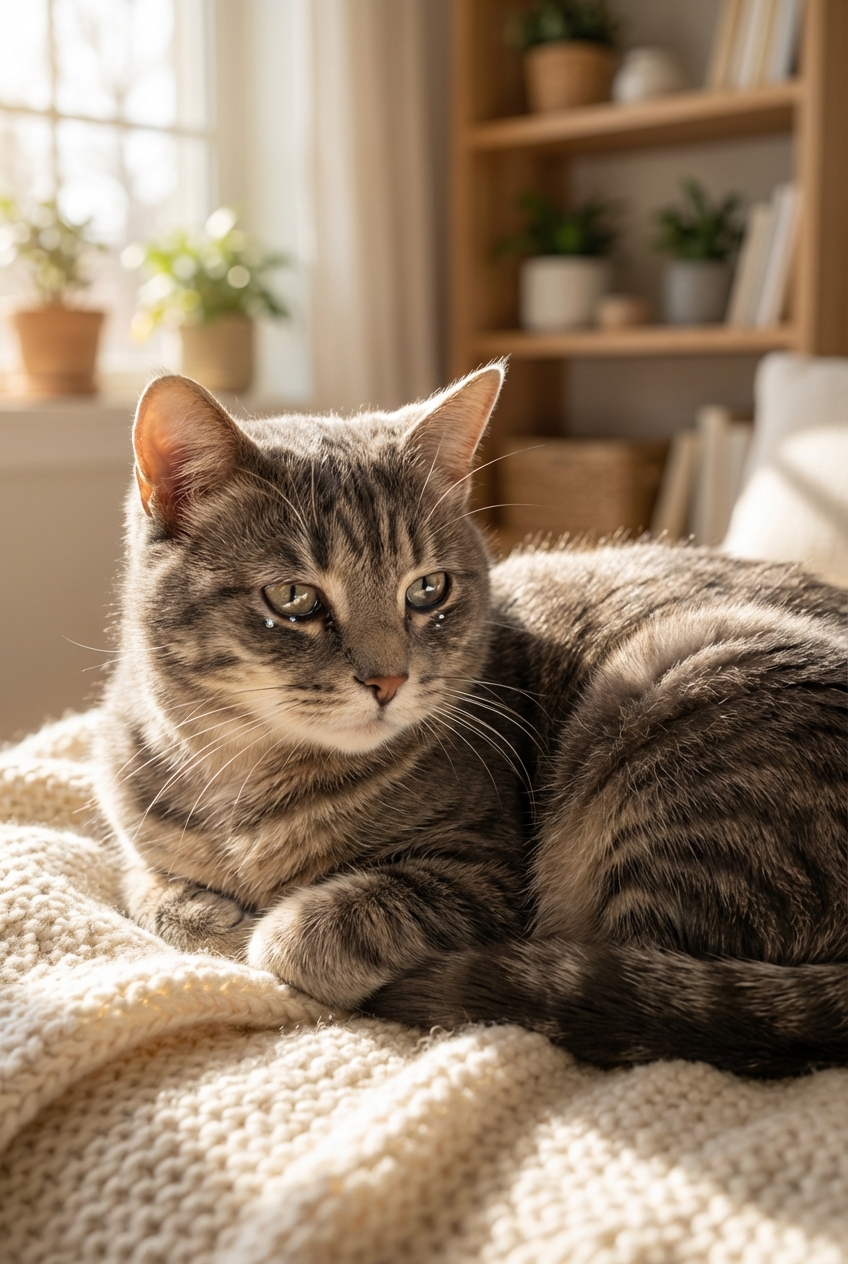
Typical signs: sneezing, nasal congestion, runny eyes, squinty eyes, mild fever, reduced appetite (often because they cannot smell food).
Why it matters: while many URIs improve with supportive care, some cats develop pneumonia, severe dehydration, or painful eye ulcers, especially with herpesvirus.
2) Feline asthma and chronic bronchitis
Asthma is an inflammatory airway disease. In plain language: the airways get irritated, tighten, and produce mucus, making it hard to move air.
Typical signs: coughing (often mistaken for “hairballs”), wheezing, episodes of fast breathing, breathing effort that comes and goes.
Important note: cats do not “just cough.” A repeated cough needs veterinary attention, even if your cat seems fine between episodes.
3) Pneumonia
Pneumonia can be caused by infection (viral, bacterial, fungal), aspiration (inhaling vomit or liquids), or less common conditions. It is more serious than a simple URI because it affects the lungs themselves.
Typical signs: lethargy, fever, decreased appetite, fast or labored breathing, sometimes coughing, sometimes not.
4) Fluid in or around the lungs (often heart-related)
This surprises many families: cats with heart disease can show up looking like they have “asthma” or a “bad cold,” when the real issue is fluid where it should not be.
- Pulmonary edema: fluid in the lungs
- Pleural effusion: fluid around the lungs (cats often sit upright, elbows out, and take rapid, shallow breaths)
Typical signs: fast breathing at rest, sudden breathing difficulty, weakness. A heart murmur may or may not be present.
Why you should not self-treat: giving the wrong medication at home can delay the right care.
5) Nasal disease (polyps, chronic rhinitis, dental-related issues)
Chronic snorting, one-sided nasal discharge, or persistent congestion can point toward nasal polyps, inflammation, or even problems linked to tooth roots.
Typical signs: noisy nasal breathing, chronic sneezing, discharge that may be clear, cloudy, or bloody.
6) Airway obstruction and foreign material
Strings, blades of grass, or irritants can trigger sudden coughing, gagging, or respiratory distress. Cats can also have laryngeal or tracheal issues, though less commonly than dogs.
Noisy breathing: a simple guide
Pet owners often describe any breathing noise as “wheezing,” but the location matters.
- Upper airway noises tend to be snoring, snorting, or high-pitched sounds on inhale. Think nose, throat, or voice box.
- Lower airway noise (true wheeze) often sounds like a musical whistle and is more tied to the small airways in the lungs, as with asthma.
What your veterinarian may do
Many owners worry about the “big workup,” but in respiratory cases, diagnostics are often chosen to answer one main question: Is this an upper airway problem, lower airway disease, heart-related fluid, or something else?
Common exam and tests
- Full physical exam with careful listening to the heart and lungs
- Pulse oximetry to check oxygen levels
- Chest x-rays to evaluate lungs, airways, and heart silhouette
- Respiratory PCR testing for URI pathogens in some cases
- Bloodwork to assess infection, inflammation, hydration, and organ function
- Heart evaluation (proBNP screening, echocardiogram) if heart disease is suspected
- Fungal testing in certain geographic patterns or chronic cases
Treatment might include oxygen support, fluids, nebulization, appetite support, antivirals in select cases, antibiotics when bacterial infection is suspected, inhalers or steroids for asthma, and very targeted medications for heart disease when appropriate.

Safe home care for mild URI symptoms
If your veterinarian confirms your cat is stable and safe for home care, supportive care makes a big difference. Cats can become dehydrated when they eat and drink less, and risk increases if they also have fever, congestion, or faster breathing. Congestion can also make them refuse food because they cannot smell it well.
Support breathing comfort
- Humidity helps. Bring your cat into the bathroom while a hot shower runs for 10 to 15 minutes, 1 to 2 times daily. Do not put your cat in the shower.
- Gently clean the nose and eyes. Use a warm, damp cloth or cotton round. Wipe softly and often to prevent skin irritation.
- Keep them warm and quiet. Stress and cold air can worsen symptoms.
Support appetite and hydration
- Offer smelly, warmed food like warmed canned food. Warming enhances aroma, which matters when the nose is congested.
- Encourage fluids with fresh water, pet fountains, and brothy, veterinarian-approved toppers.
- Monitor eating. If your cat will not eat for 24 hours (or a kitten for much less), call your vet. Cats are at risk for hepatic lipidosis when they stop eating.
Protect other cats
- Consider separation. If you have multiple cats, ask your vet if you should isolate the sick cat, since many URI viruses spread easily.
- Wash hands and bowls. Simple hygiene steps can reduce spread in the home.
What not to do
- Do not give human cold medicines. Many are toxic to cats.
- Avoid essential oil diffusers. Some essential oils are toxic to cats, and airborne exposure can irritate sensitive airways.
- Do not force-feed without guidance. It can lead to aspiration.
When to recheck
- If symptoms are not improving in 3 to 5 days
- If signs last longer than 10 to 14 days
- If appetite, energy, or breathing worsens at any point
Asthma support at home (vet diagnosed)
If your cat has confirmed asthma, the goal is long-term control, not just crisis management.
Common management tools
- Inhaled medications (often a steroid and sometimes a bronchodilator) delivered through a cat-specific spacer and mask
- Trigger reduction by improving air quality
- Weight management if your cat is overweight, because extra weight can increase breathing effort
Reduce triggers in the home
- Use unscented litter and avoid dusty litters if possible.
- Skip aerosols and strong fragrances (sprays, plug-ins, incense).
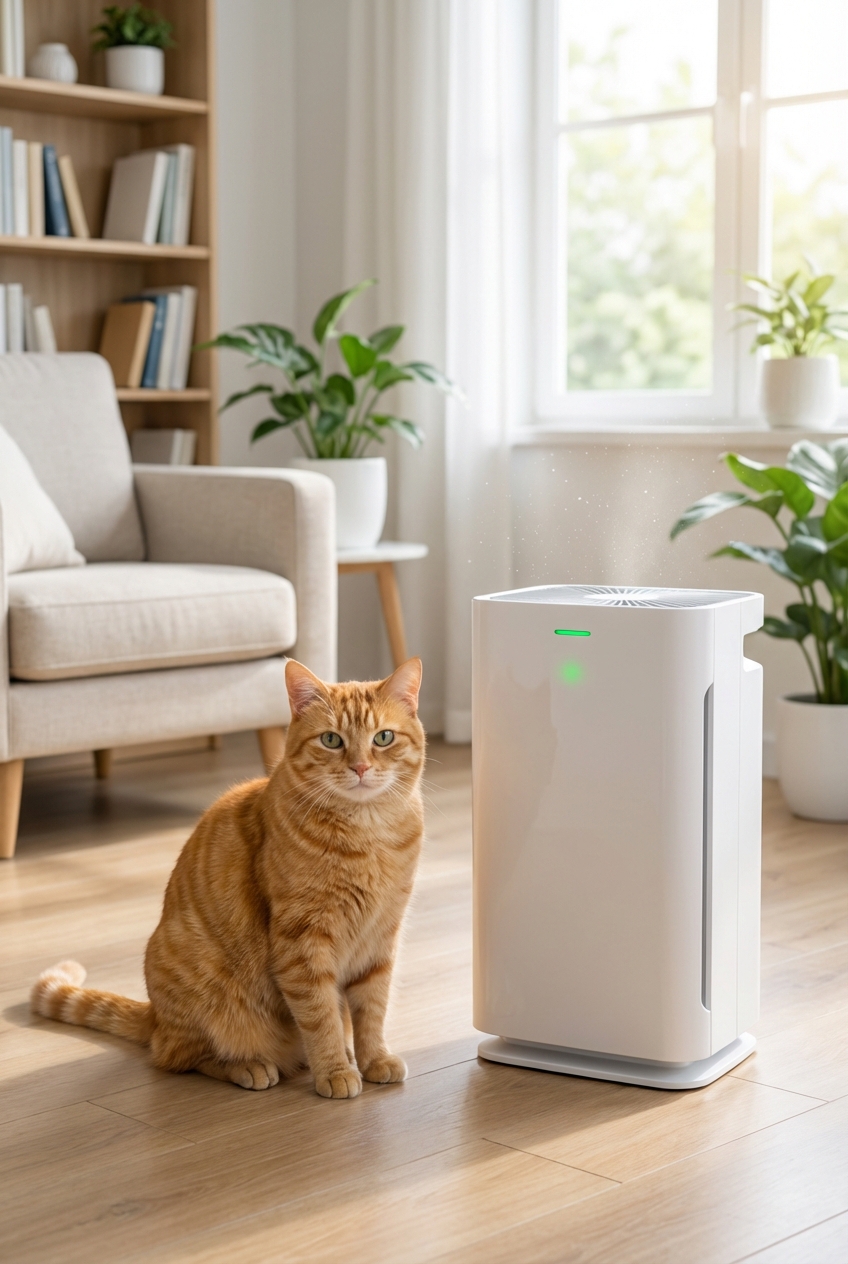
- Use a HEPA air purifier in the main living area.
- Avoid smoke exposure of any kind.
If you ever notice a spike in resting respiratory rate, new wheezing, or increased effort, contact your vet promptly. Asthma flare-ups can escalate.
Prevention
Not every respiratory issue is preventable, but you can lower risk and catch problems earlier.
- Vaccination based on your veterinarian’s recommendations, especially for kittens and multi-cat households
- Good ventilation and low-dust environments to protect sensitive airways
- Quarantine new cats for 10 to 14 days and schedule a vet check before introductions
- Dental care, because dental disease can contribute to chronic nasal issues in some cats
- Regular checkups, especially for seniors, where heart and lung changes can be subtle at home
Quick checklist
Call your vet today
- Resting respiratory rate consistently above 30, or a clear upward trend for your cat
- Not eating for 24 hours (less for kittens)
- Thick yellow or green discharge, fever, or worsening lethargy
- Repeated coughing episodes or suspected asthma signs
- Any eye squinting, excessive tearing, or eye cloudiness
- URI signs that are not improving in 3 to 5 days, or that last longer than 10 to 14 days
Go to emergency care now
- Open-mouth breathing
- Blue, gray, or very pale gums
- Severe effort to breathe, belly breathing, or cannot get comfortable
- Rapid, shallow breathing that does not settle at rest
- Collapse or extreme weakness
Your cat cannot tell you when they are struggling, but their breathing can. Trust your instincts. If something feels off, it is always okay to call and ask.