Resource guarding can escalate fast. Learn safe management plus step-by-step desensitization and counterconditioning, treat-and-retreat, trade games, and bow...
Article
•
Designer Mixes
Resource Guarding: When Your Dog Growls Over Food

Shari Shidate
Designer Mixes contributor
Hearing your dog growl when you walk near their food bowl can feel scary, frustrating, or even a little heartbreaking. I want you to know something important right up front: a growl is information. It is your dog saying, “I’m uncomfortable, please give me space.” When we listen to that message and respond safely, we can prevent bites and help your dog feel more secure over time.
Resource guarding is common in dogs of all breeds, including sweet, family-friendly mixes. It can involve food bowls, chews, bones, crumbs on the floor, and even “stolen” items like socks. The goal is not to punish the growl. The goal is to change how your dog feels when people approach their food so they no longer feel the need to defend it.
What it looks like
Resource guarding is any behavior meant to keep a valued item away from someone else. Dogs guard often for a simple reason: they think the item could be taken.
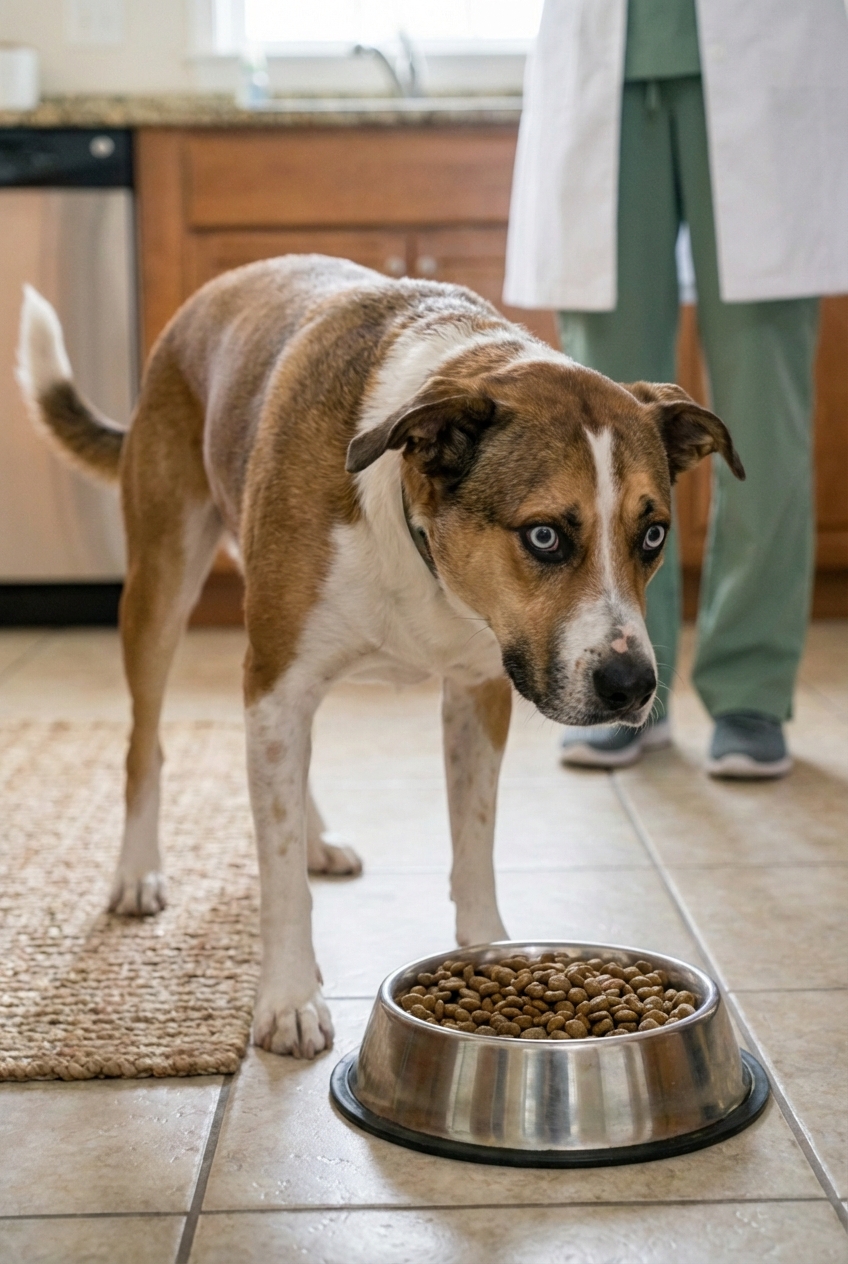
- Early signs: freezing, eating faster, whale eye (showing the whites of the eyes), stiff posture, hovering over the bowl, head lowered over food
- Escalation: lip lift, growling, snapping, lunging, biting
- Common triggers: someone reaching toward the bowl, stepping over the dog, kids moving quickly, another pet approaching, taking away a chew “just because”
One of the biggest misconceptions is that a guarding dog is “dominant” or “trying to be alpha.” Most veterinary behaviorists and modern, reward-based trainers view guarding as usually rooted in fear, anxiety, and learned history.
Why it happens
As a veterinary assistant, I’ve seen resource guarding show up in many situations, including homes where the dog is deeply loved and well cared for. Common contributors include:
- Genetics and temperament: some dogs are simply more anxious or more protective of high-value items
- Past experiences: competition with littermates, shelter life, or previous homes where food was scarce
- Unintentional training: repeated “bowl checks,” kids poking while the dog eats, or taking items away without trading can teach a dog that humans approaching predicts loss
- Pain or medical issues: dental pain, arthritis, GI discomfort, or other illness can reduce tolerance and increase irritability around meals
If this behavior is new or suddenly worse, I strongly recommend a veterinary visit. A dog who hurts may guard more intensely because they feel vulnerable.
What to do now
If your dog is already growling over food, your first job is to prevent a bite. That means changing the situation before you try to “train through it.”
Do
- Give space immediately. Step back and reduce pressure.
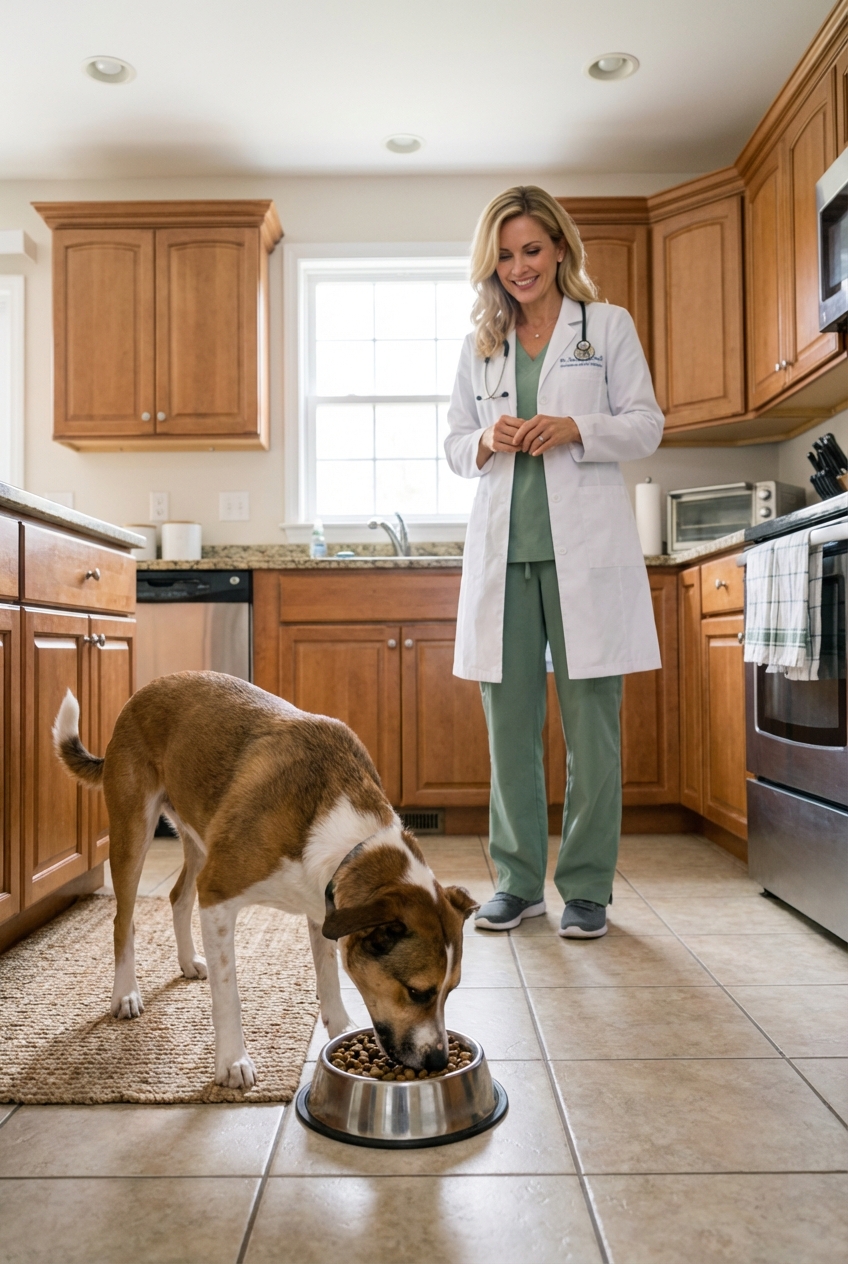
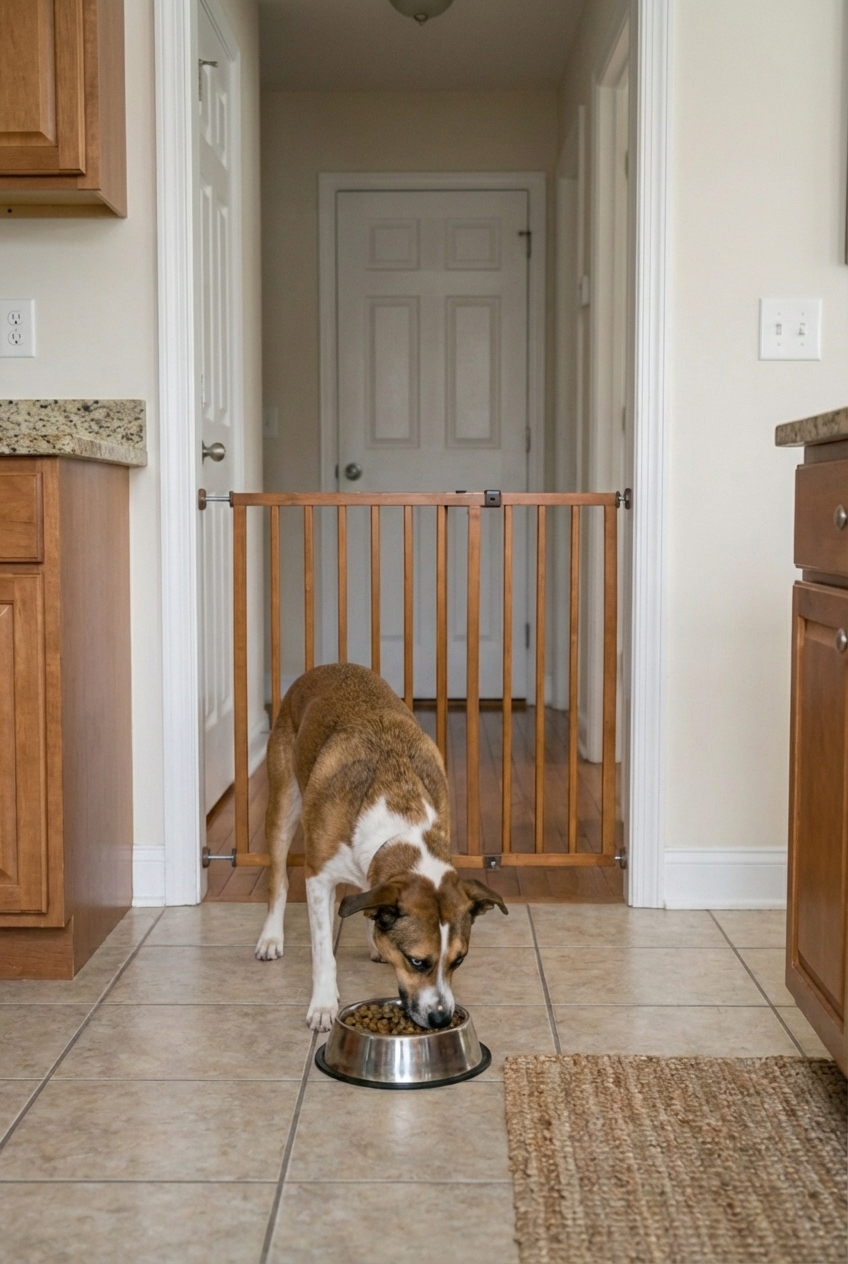
- Create distance with barriers. Use a baby gate, close a door, or feed in a separate room so people are not walking close by.
- Feed in a quiet spot. Fewer surprises means less guarding.
- Supervise kids closely. Kids should never approach a dog who is eating or chewing.
Do not
- Do not punish the growl. If you suppress the warning, you can get a dog who bites “without warning.”
- Do not take the bowl to prove a point. That often confirms the dog’s fear.
- Do not reach in, hover, or “test” them. Testing progress by getting close can set training back and increase bite risk.
- Do not try hand-feeding by the bowl early on. For some dogs, a hand near the food is simply too much, too soon.
Safety note: If your dog has snapped, bitten, or you cannot reliably keep children away from the dog during meals and chews, do not attempt close-range exercises on your own. Focus on management and contact a qualified professional.
Training that helps
The most effective approach is typically desensitization and counterconditioning. In plain language, you teach your dog that people approaching their food predicts something good, not loss.
Step 1: Manage while you train
- Feed your dog in a calm, low-traffic area.
- Pick up bowls after meals only when your dog has walked away.
- Separate pets during meals and chews.
- Use predictable routines so your dog does not feel on edge.
Step 2: Add value from a distance
Start far enough away that your dog stays relaxed. You are looking for a soft body, normal eating pace, and no freezing. Keep sessions short and easy, and aim for many small wins.
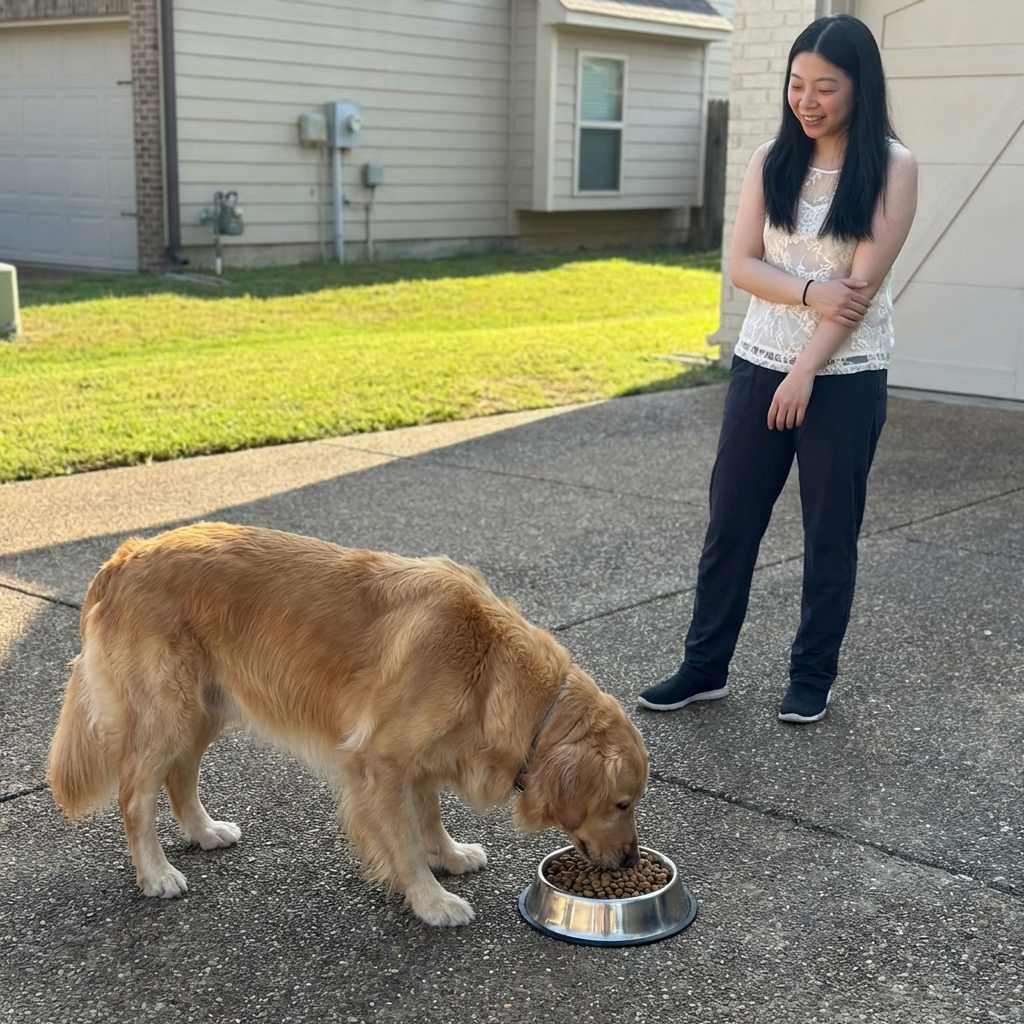
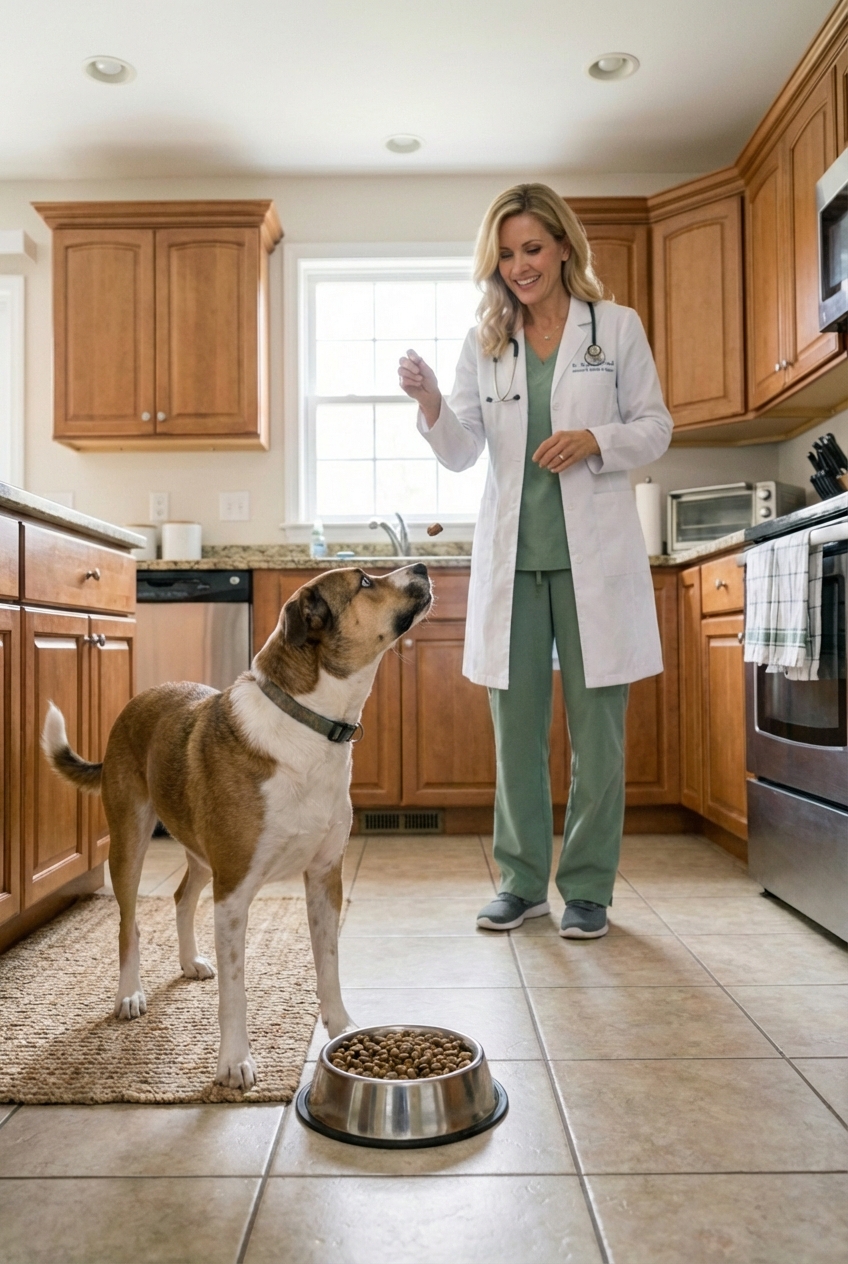
- Walk by at a distance and toss a high-value treat (chicken, turkey, or a soft training treat) away from your dog’s bowl.
- Keep walking. No hovering. No reaching.
- Repeat for several meals over multiple days.
The message you are building is: human approaches = bonus food appears.
Step 3: Slowly get closer
Over sessions, very slowly move a step closer while keeping your dog comfortable. If you see stiffness, faster eating, freezing, or your dog will not take the tossed treat, you are too close or moving too fast. Back up to the last successful distance and stay there for a while.
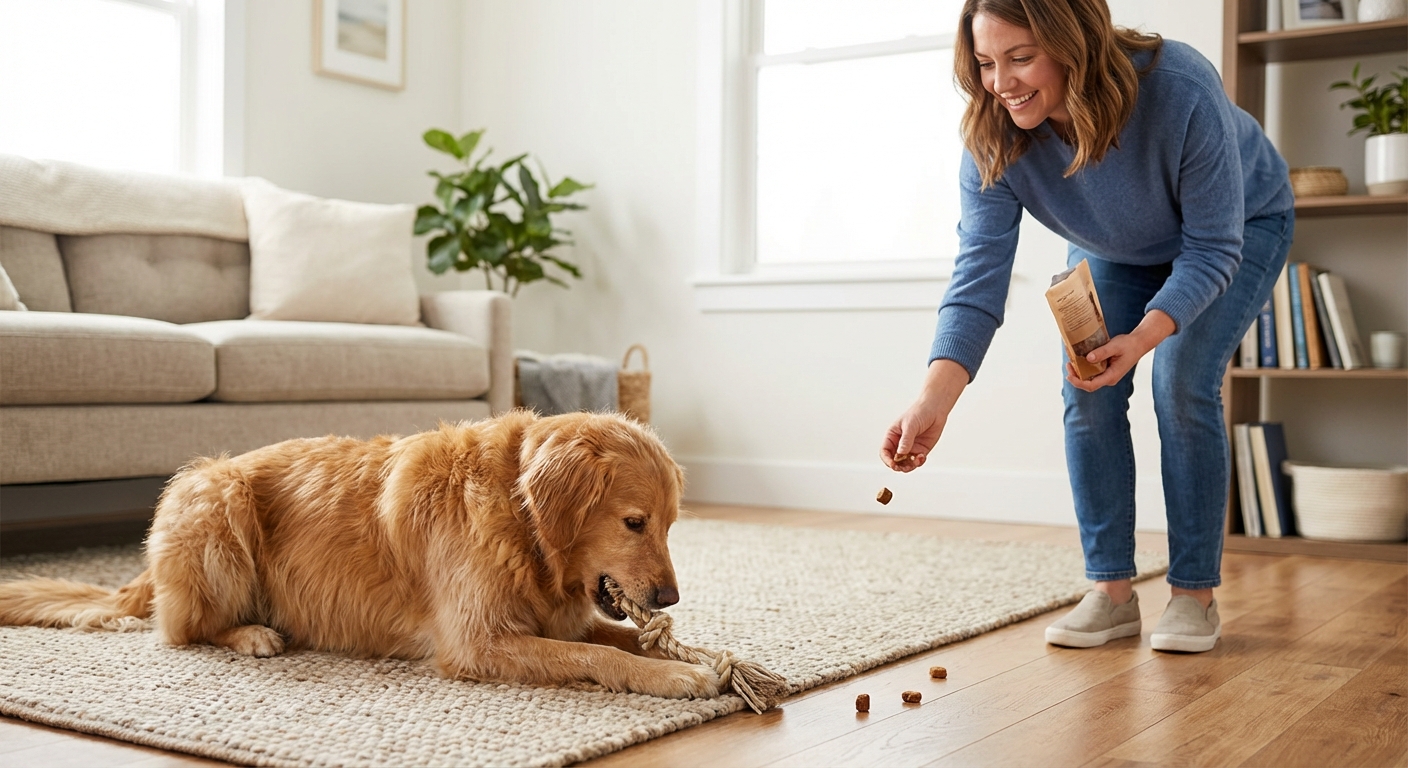
Step 4: Trade games
Chews and bones are common guarding triggers. Instead of grabbing, teach your dog that releasing an item makes something better happen.
- Offer a high-value treat.
- When your dog lets go of the chew, say a calm marker like “yes” and give the treat.
- Then, if appropriate and safe, give the chew back. This can be a powerful trust-builder.
What progress looks like
As training works, you may see your dog stay loose and relaxed when you walk by, pause eating to look up with a softer face, or even wag lightly because your approach predicts a bonus treat. Those are great signs you are on the right track.
Daily tips
Training matters, but your daily setup matters too. Small changes can reduce stress around meals.
- Use food puzzles for some meals if your dog stays calm and it does not increase frustration or guarding. Use puzzles only when your dog is separated from other pets and children.
- Serve multiple small meals if your vet approves. Some dogs may guard less when they are not overly hungry.
- Teach a “go to mat” cue and use it during meal prep so your dog is not underfoot and anxious.
- Avoid crowding in kitchens or tight spaces while your dog eats.
If you are transitioning your dog to healthier foods, do it gradually. Big diet changes can upset the stomach and increase food urgency. Slow, steady changes help behavior and digestion.
When to get help
Please reach out to a qualified trainer or behavior professional if any of the following are true:
- Your dog has snapped, lunged, or bitten
- The guarding involves children in the home
- The guarding is escalating quickly
- You cannot safely manage the environment
Look for a credentialed, reward-based professional such as a CPDT-KA or CPDT-KSA, an IAABC-certified behavior consultant (CDBC or ACBC), or a board-certified veterinary behaviorist (DACVB). Avoid anyone who recommends intimidation, “dominance,” or physical corrections for guarding. Those methods can increase fear and bite risk.
Quick FAQ
Should I take my dog’s bowl away to “teach respect”?
No. That approach often teaches your dog that humans really do steal food, which can intensify guarding.
Is growling a sign my dog is bad?
No. Growling is a normal communication signal. It becomes a problem when we ignore it or punish it instead of addressing the fear underneath.
Will my dog ever stop guarding?
Many dogs improve significantly with consistent management and training, especially when you start early and keep everyone in the household on the same plan.
Bottom line
If your dog growls over food, take it seriously, but do not panic. Create safety first, avoid punishment, and begin teaching your dog that your presence near food means good things happen. With patience and the right steps, most families can reduce guarding behaviors and rebuild trust at mealtimes.