Cats hide pain well. Learn the most common vet-recognized signs—behavior shifts, posture and movement changes, grooming and appetite issues, litter box red...
Article
•
Designer Mixes
Recognizing the Silent Signs of Pain in Cats

Shari Shidate
Designer Mixes contributor
Cats are masters at hiding discomfort. Many veterinary professionals believe this comes from an instinct to avoid appearing vulnerable, and that pattern can still show up in our living rooms today. As a veterinary assistant, I have seen many cats quietly cope for weeks or months before anyone realizes something is wrong.
The good news is you do not need medical training to spot early clues. With a little know-how and a few simple habits at home, you can catch pain sooner and get your cat relief faster.
Why cat pain is easy to miss
Cats often do not yelp, whine, or limp dramatically. Instead, they may become quieter, more withdrawn, or subtly different. Many families assume their cat is just aging, moody, or sleeping more, when the real issue is discomfort.
Also, pain can be intermittent. Your cat might seem fine in the morning, then act tense or hide later in the day. That on and off pattern can make it harder to connect the dots.
Common silent signs of pain
Think of pain signs in cats as small changes that add up. One change might not mean much, but several together deserve attention.
1) Behavior changes
- Hiding more than usual or choosing hard-to-reach spots
- Less social/affectionate, or avoiding being picked up
- Irritability, swatting, growling, or sudden aggression , especially when touched
- Restlessness, trouble getting comfortable, or repeatedly changing positions
- Vocal changes such as new yowling, growling, or hissing (some cats get louder, many stay quiet)
2) Changes in mobility
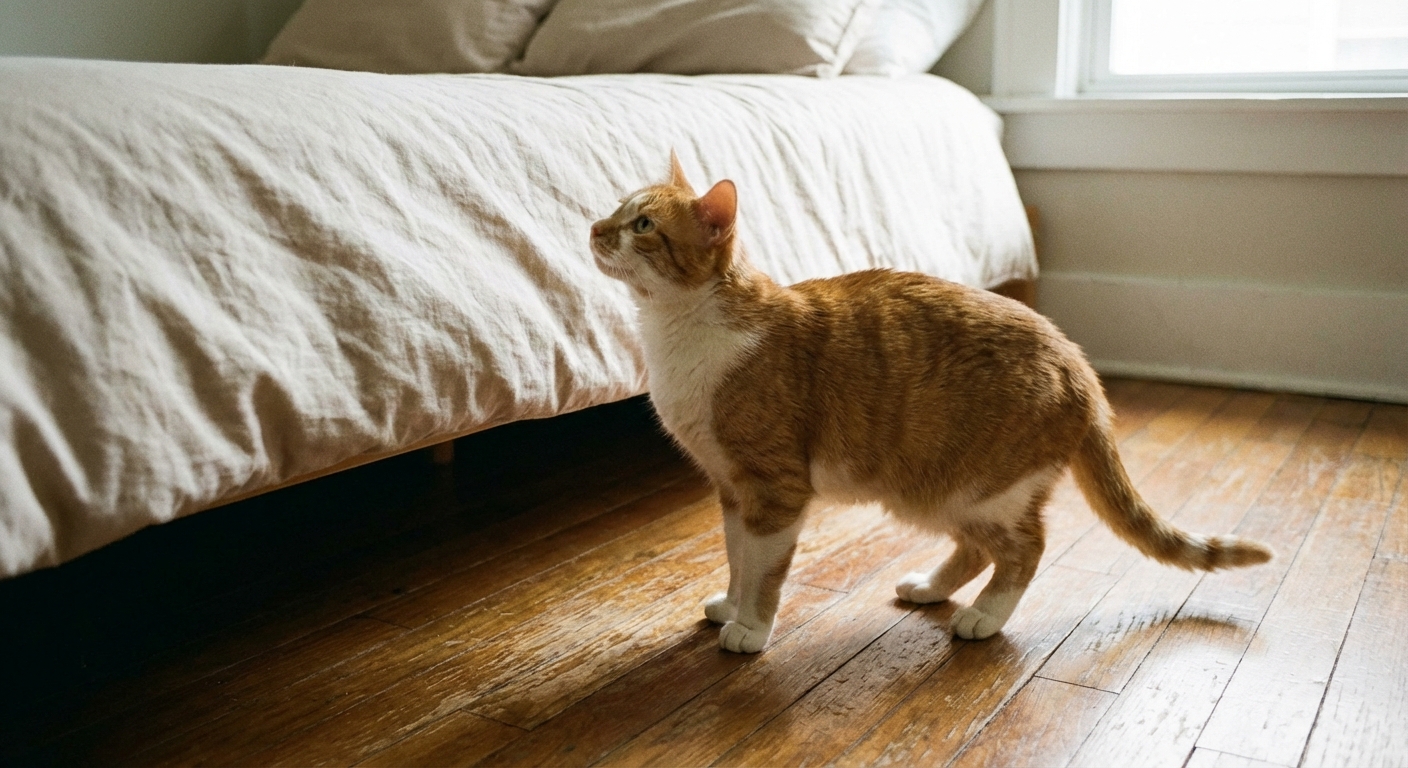
- Hesitating before jumping onto beds, counters, or cat trees
- Using stairs differently or avoiding certain rooms
- Stiffness when getting up, especially after naps
- Moving slower or taking shorter steps
3) Grooming and coat changes
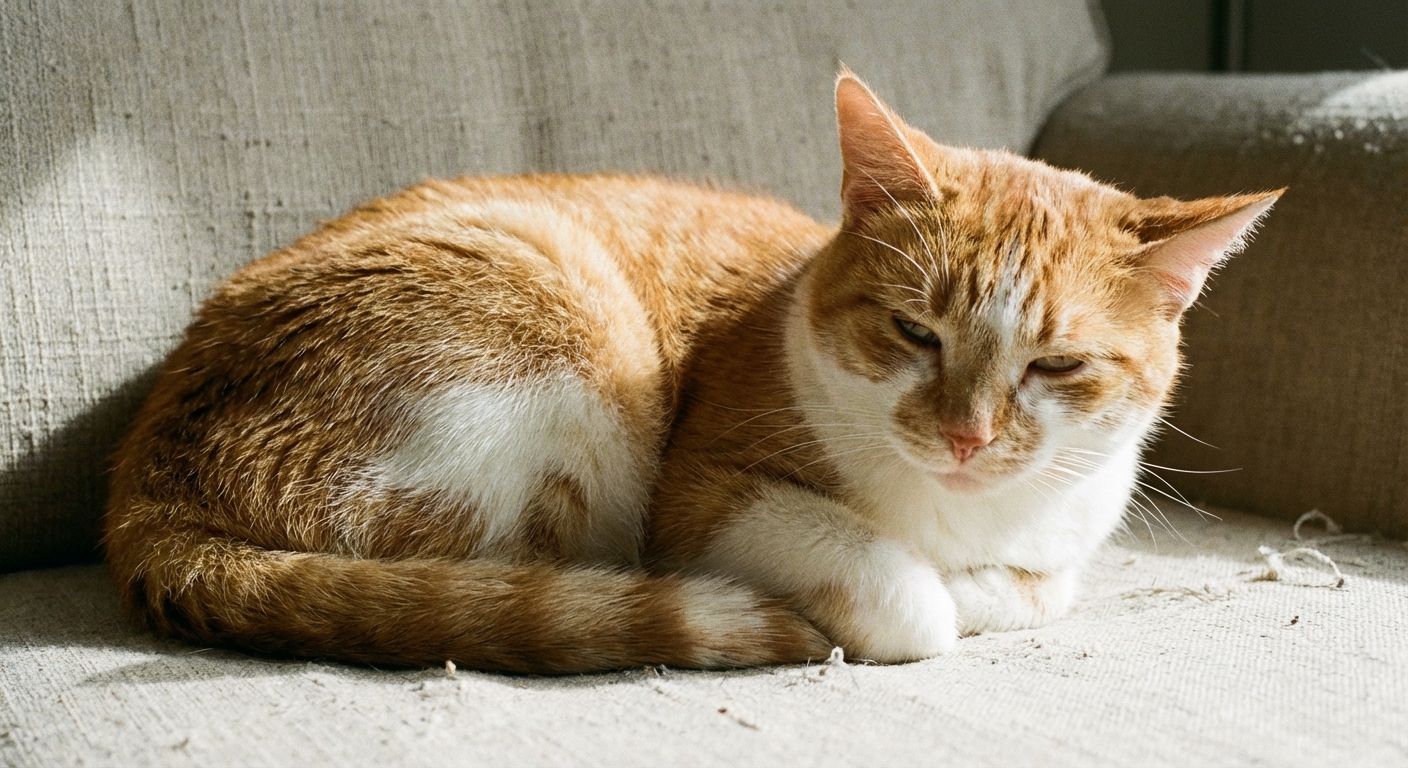
- Less grooming, a greasy or dull coat, or dandruff
- Overgrooming one area (belly, inner thighs, a leg) leading to thin hair or bald patches
- Matting, especially along the back or near the hips, which can happen when twisting hurts
4) Appetite, drinking, and weight shifts
- Eating less or walking away from food more often
- Chewing differently, dropping kibble, or preferring softer food (possible dental pain)
- Weight loss or muscle loss, especially along the spine and hips
- Drinking more can point to issues like kidney disease, diabetes, or hyperthyroidism. These are not always painful, but they often come with changes that deserve a veterinary check.
5) Litter box red flags
- Urinating outside the box (not always behavioral, pain is a common reason)
- Straining, frequent trips, or crying in the box
- Pooping outside the box or constipation (pain can make squatting difficult)
- Not covering waste when your cat usually does
6) Facial expression and body language
These can be surprisingly helpful once you know what to look for. (If you want a deeper dive, look up the evidence-based Feline Grimace Scale, which uses facial cues to assess pain.)
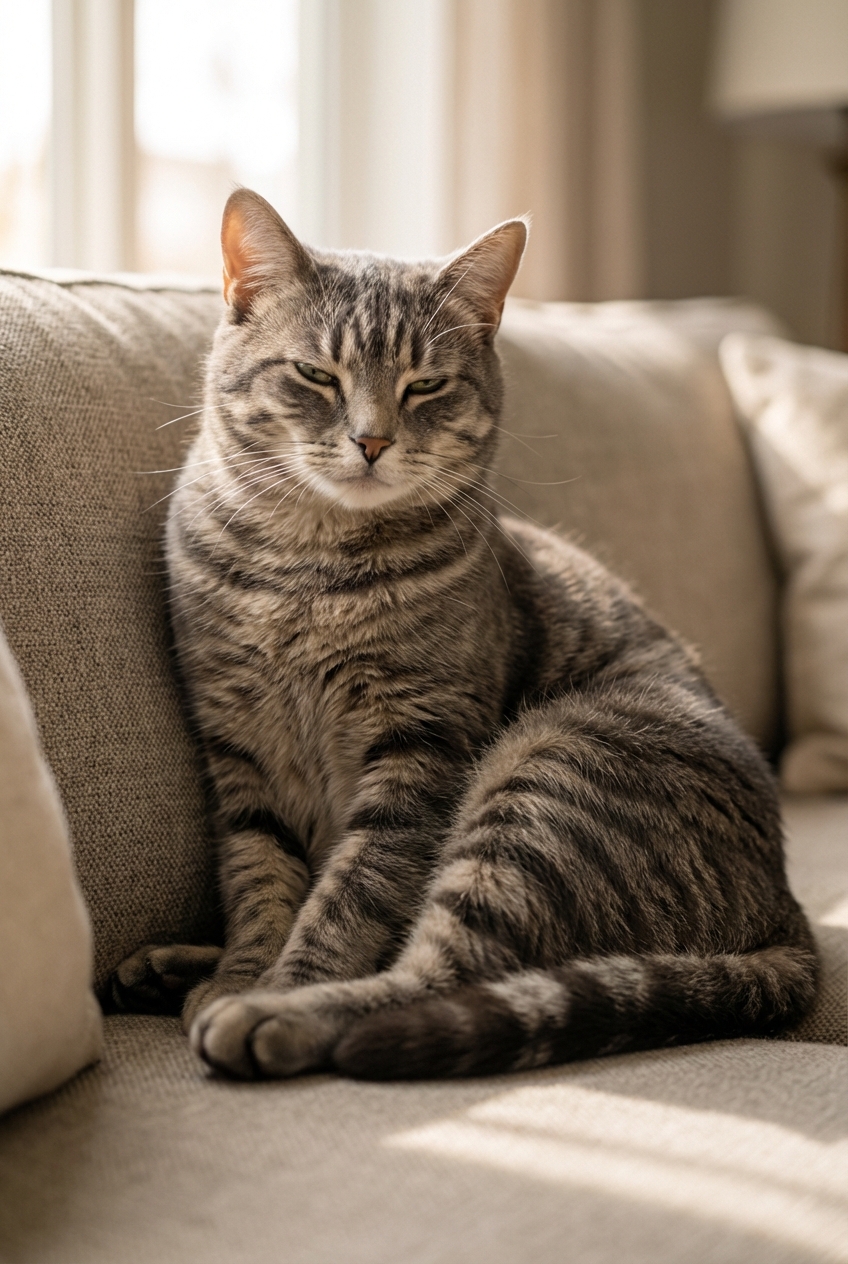
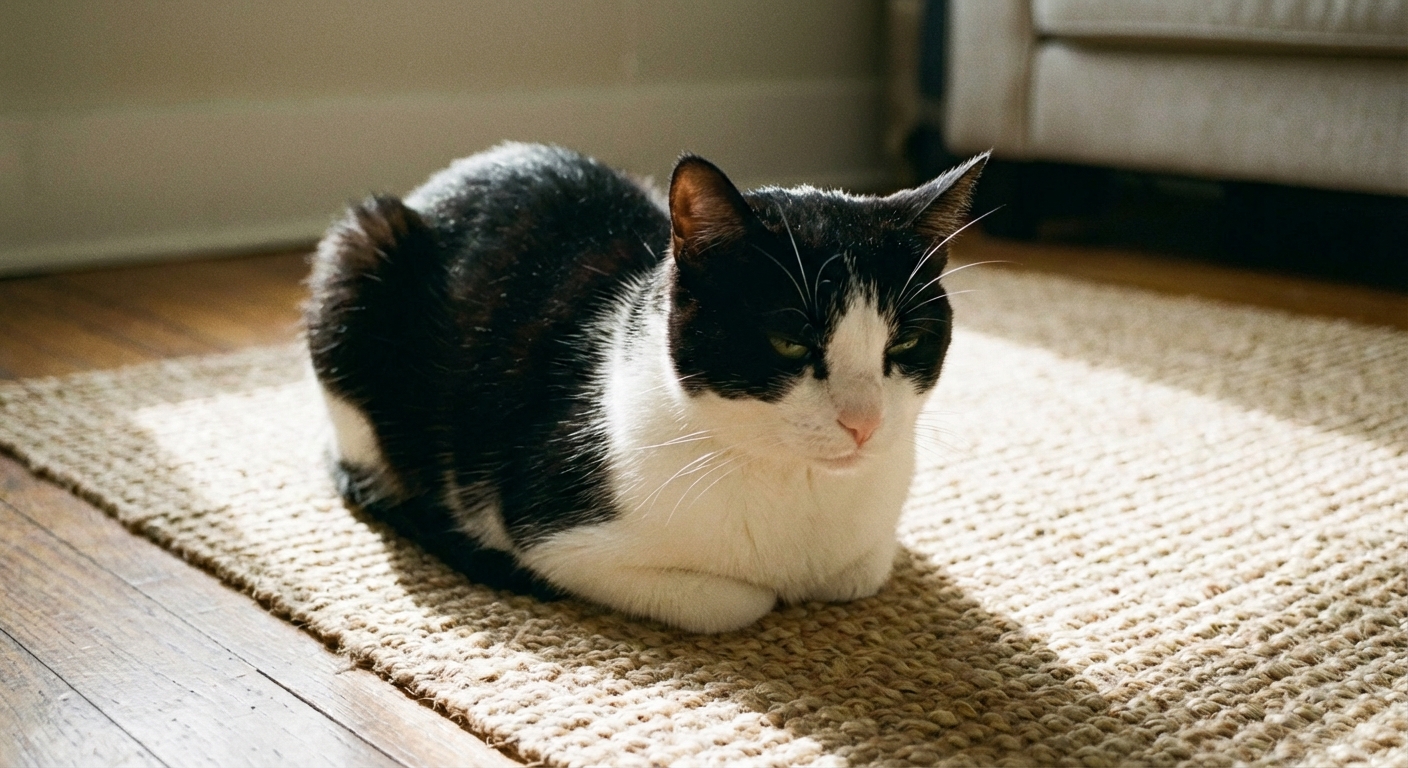
- Squinted eyes or a half-closed look
- Ears to the side or flattened more often
- Tense muzzle, tight whiskers, or whiskers pulled back
- Hunched posture, tucked legs, or guarding the belly
- Tail held close to the body, or repeated tail flicking when touched
- Seeking heat (lying on warm vents, heated beds) or seeming less tolerant of cold
Trust your gut. If your cat seems not quite right, that observation matters. You know their normal better than anyone.
What pain can look like
Those sign lists are a great starting point. The next step is to consider which everyday patterns are changing, because different causes of pain tend to affect different routines.
Arthritis and joint pain
Arthritis is very common, especially in older cats, and it often shows up as lifestyle changes rather than obvious limping. Watch for reduced jumping, stiffness, and changes in grooming along the back and hips.
Dental pain
Dental disease can be very painful, and cats can still eat while suffering. Common clues include bad breath, pawing at the mouth, drooling, chewing on one side, or preferring soft foods.
Urinary pain
Urinary tract issues are urgent, especially in male cats. Straining, frequent attempts to urinate, crying, or blood in the urine are all reasons to call your vet right away. If a male cat cannot pass urine, it is an emergency.
Abdominal pain or nausea
Hunching, hiding, reduced appetite, lip smacking, and reluctance to be touched around the belly can point to GI discomfort, pancreatitis, or other internal problems.
Simple at-home checks
You do not need to poke and prod. The goal is to observe gently and gather useful information for your veterinarian. Avoid forcing movement or testing a painful jump. If your cat shows distress, stop.
- Video their movement: Record your cat walking, jumping, using stairs, or stepping into the litter box. Short clips can be very helpful at the appointment.
- Track appetite and litter box habits: A quick note on your phone is enough. Look for patterns.
- Do a touch tolerance check: When your cat is relaxed, lightly pet along the back, hips, and belly. If they flinch, twitch, growl, or move away, note where.
- Weigh regularly: Even monthly weights can reveal slow weight loss that is easy to miss under fur.
If you notice sudden severe changes, do not wait. Cats can decline quickly once they stop eating or become dehydrated, and going too long without food can raise the risk of hepatic lipidosis (fatty liver disease).
When to call the vet
Please call your veterinarian if you notice ongoing changes for more than a day or two, or if multiple signs show up together. If you are unsure, calling for guidance is always reasonable.
Get same-day help if you see:
- Straining to urinate, especially in male cats
- Open-mouth breathing or significant breathing difficulty
- Sudden inability to walk, collapse, or extreme weakness
- Not eating for 24 hours (sooner for kittens, seniors, or cats with medical conditions)
- Repeated vomiting or vomiting plus lethargy
- Visible injury, bleeding, or severe swelling
A quick note about pain meds
Do not give human pain relievers unless your veterinarian specifically instructs you to. Common medications like ibuprofen, naproxen, and acetaminophen can be toxic to cats.
How pain is treated
Pain relief is not one-size-fits-all. Your vet may recommend a combination of approaches based on the cause, your cat’s age, and lab work.
- Cat-specific prescription pain control (for example, vet-directed options may include NSAIDs formulated for cats, gabapentin, or frunevetmab for arthritis)
- Dental treatment for tooth and gum disease
- Joint support plans that can include weight management, targeted medications, and home modifications
- Environmental changes like lower-sided litter boxes, ramps, heated beds, and easy-access resting spots
- Nutrition support for weight, inflammation, and overall health
One of the kindest things you can do is make daily life easier. A cat who hurts will often stop doing the activities that make them feel like themselves. Comfort can bring those joyful routines back.
Takeaway
If your cat is quieter, less jumpy, grooming differently, acting grumpy, or having litter box changes, pain deserves to be on your short list of possibilities . You are not being overly worried by checking in with your veterinarian. You are being a great advocate.
If you notice any of these changes, start a simple log today. Write down what you see, when it happens, what seems to trigger it, and any videos you can capture. Those details can be an invaluable tool for your veterinarian and can help your cat get relief faster.