
Designer Mixes
Meet the Ragdoll
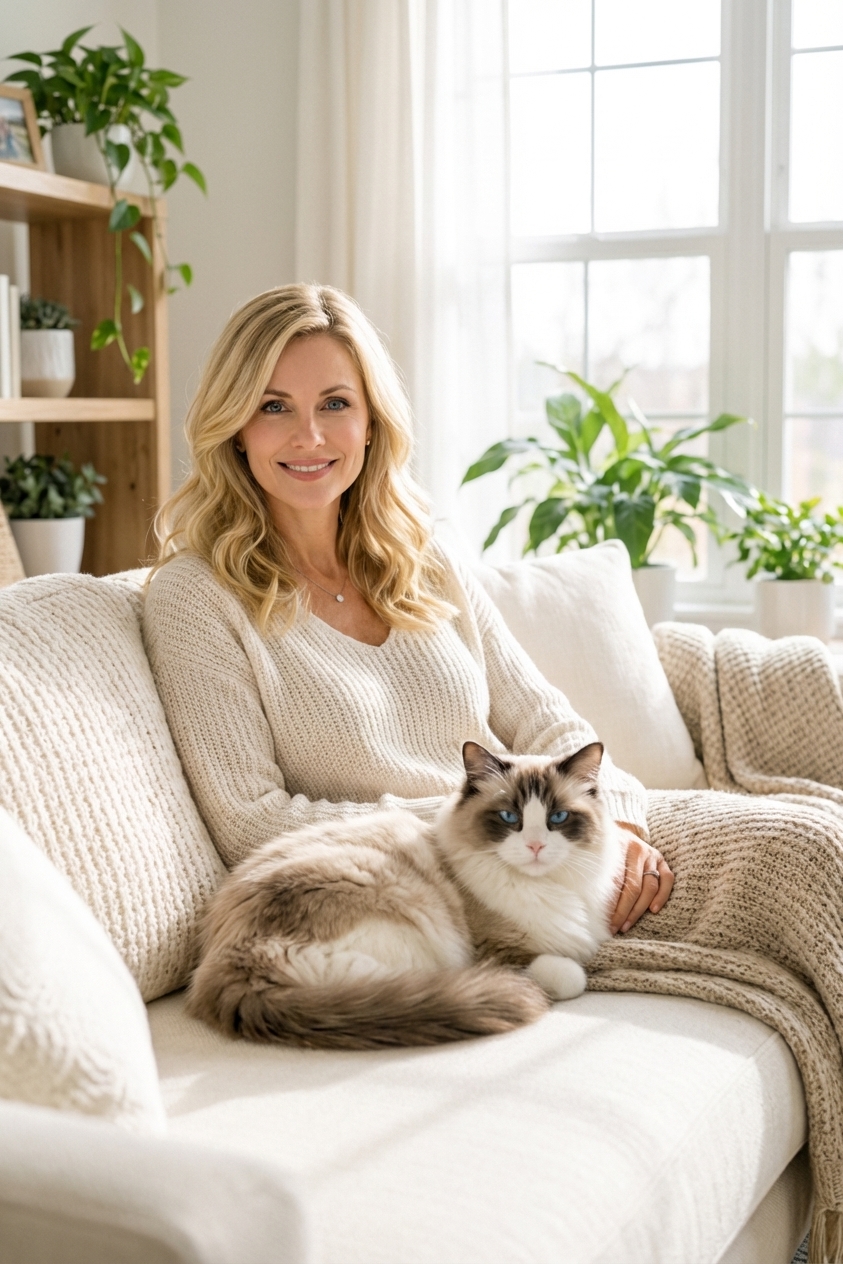
Ragdolls are famous for their calm, affectionate nature and their soft, plush coats with striking blue eyes. Many people fall in love with the breed because some will relax deeply when held, which is part of the classic “ragdoll” lore that inspired the name.
That said, a relaxed body is not the same as consent. Always watch for comfort cues (soft eyes, relaxed posture) and respect signals that your cat wants to be put down.
If you want a cat who prefers being near you, follows you from room to room, and often acts a little dog-like, the Ragdoll is absolutely worth learning about.
Personality and temperament
Ragdolls are often described as gentle, people-focused, and easygoing. While every cat is an individual, the breed is known for being:
- Docile and cuddly: Many enjoy being picked up and held, and some will relax in your arms.
- Social: They frequently prefer company over solitude and may greet you at the door.
- Quiet to moderately vocal: They can “talk,” but typically are not as chatty as some other breeds.
- Patient with routines: Their laid-back attitude can make them a good match for households that want a calmer cat.
One important note: “Docile” does not mean “does not need boundaries.” Teach kids to support the chest and hindquarters when holding any cat, and never allow rough handling.
Dog-like traits
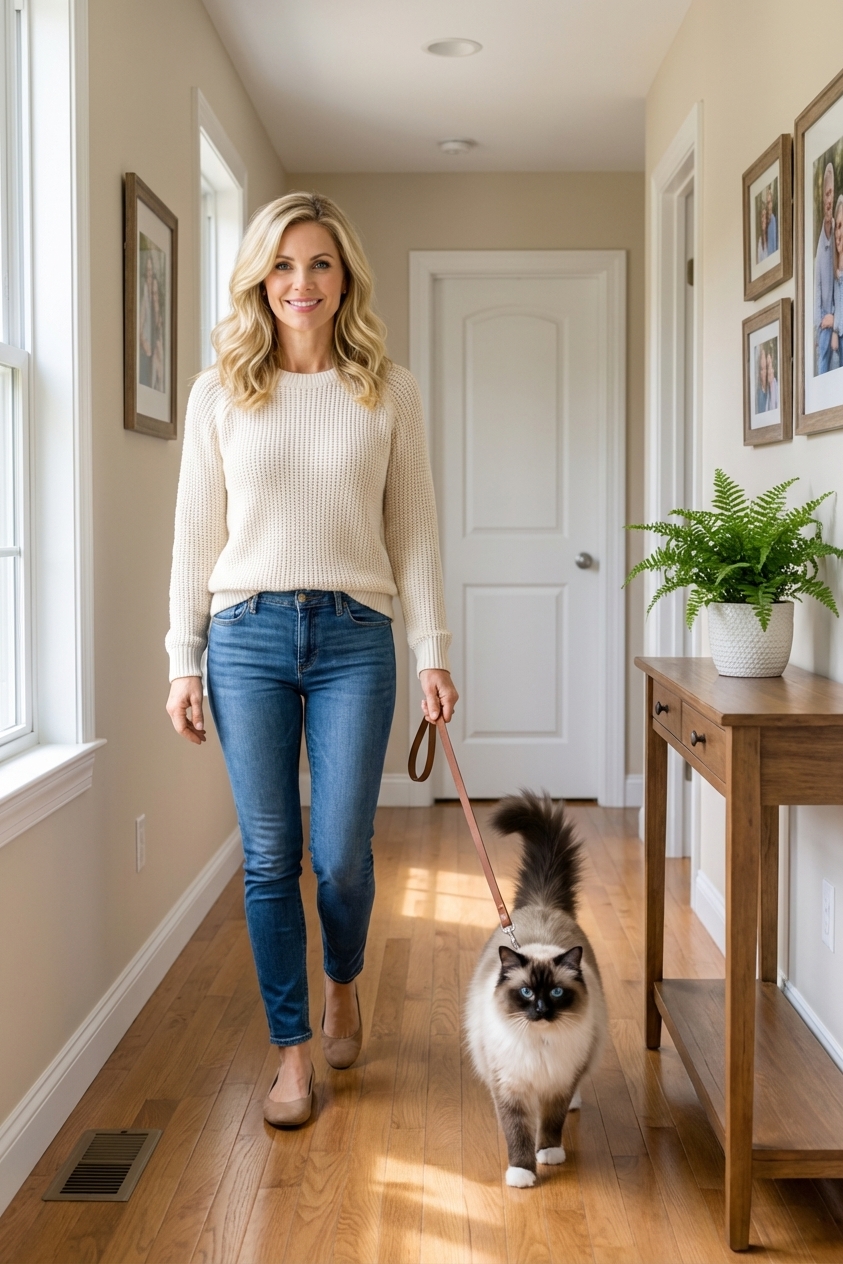
Ragdolls have a reputation for acting like dogs, especially compared to more independent breeds. Common behaviors include:
- Following you around the house to stay close.
- Greeting at the door when you come home.
- Learning routines quickly, including mealtimes and bedtime habits.
- Playing fetch with small toys, especially as kittens and young adults.
- Enjoying leash training when introduced gently and early.
If you love interaction but still want a cat’s calm presence, this mix of affectionate and easygoing can feel like the best of both worlds.
Size and appearance
Ragdolls are one of the larger cat breeds. They are long-bodied, sturdy, and plush, with a soft coat that is often compared to a rabbit-like texture. Many owners are surprised by how heavy they feel when you pick them up.
Typical size
- Average weight: Many adult females are around 10 to 15 pounds, and many adult males are around 15 to 20+ pounds (with some variation by genetics, diet, and body type).
- Slow to mature: Ragdolls may take several years to fully fill out and reach adult size.
Blue eyes and pointed patterns
In the breed standard, purebred Ragdolls have blue eyes. Their coats are “pointed,” meaning the body is lighter while the ears, face, legs, and tail are darker. Common Ragdoll pattern types include:
- Colorpoint: No white markings, with classic point coloration.
- Mitted: White “mittens” on the paws, often with white on the chin and belly.
- Bicolor: More extensive white, often including an inverted V shape on the face.
Within those patterns, you will also see different color variations and striping, such as lynx-style markings. If you are meeting a cat marketed as a “Ragdoll” that does not have blue eyes or a pointed pattern, it may be a mix or a pet-quality lookalike rather than a purebred.
Lifespan and health
With good indoor care and preventive veterinary support, Ragdolls often live around 12 to 15 years, with some living longer. Like all breeds, they can be prone to certain conditions, so it helps to go in with eyes wide open.
Common health topics
- Hypertrophic cardiomyopathy (HCM): A heart condition that can occur in many cat breeds, including Ragdolls. There is a DNA test available for a known Ragdoll-associated HCM mutation, which can be a helpful tool for responsible breeding programs. Keep in mind that a normal genetic result does not guarantee a cat will never develop HCM, since not all causes are explained by one mutation. Reputable breeders may also use heart ultrasound screening, and your veterinarian may recommend monitoring for murmurs or changes over time.
- Urinary issues: Crystals, stones, and urinary tract inflammation can affect many cats. Hydration, diet choice, and prompt vet care for urinary symptoms matter a lot.
When to call your veterinarian
Seek veterinary care promptly if you notice any of the following:
- Fast or labored breathing, open-mouth breathing, or sudden fatigue
- Straining to urinate, crying in the litter box, or frequent small urinations
- Blood in urine, urinating outside the box, or sudden refusal to use the box
- Loss of appetite, vomiting, hiding more than usual, or rapid weight loss
Urinary blockages can be life-threatening, especially in male cats. If a cat cannot pass urine, that is an emergency.
Grooming and coat care
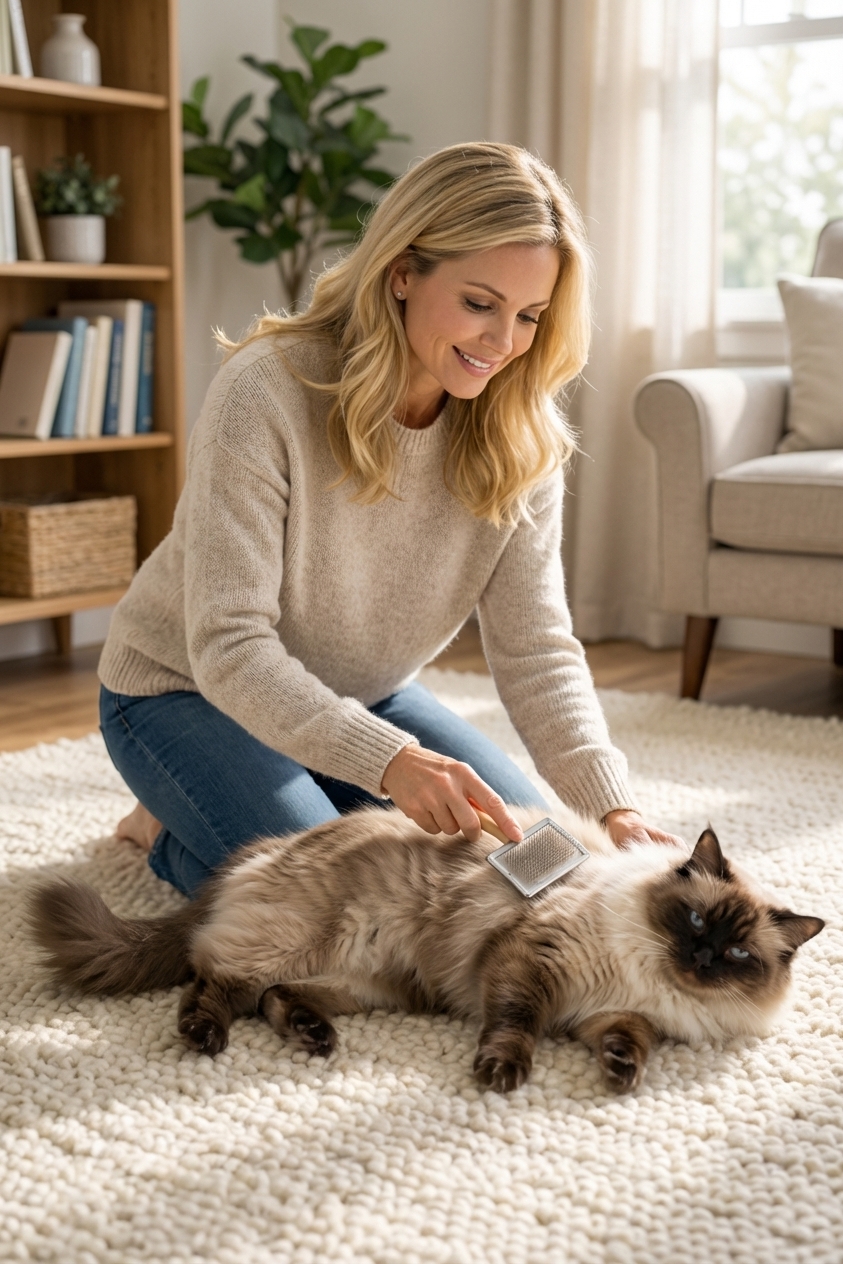
Ragdolls have a plush, medium to long coat that benefits from regular grooming. The good news is that many Ragdolls tolerate brushing well, especially if introduced early and rewarded with calm praise and treats.
Expect regular shedding, with some cats shedding more seasonally. Staying ahead of loose hair helps prevent tangles and mats.
Simple grooming routine
- Brush 2 to 4 times per week to reduce mats and loose hair.
- Check friction areas like behind the front legs, under the collar area, and around the belly, since mats often start there.
- Nail trims every 2 to 4 weeks, depending on growth and scratching habits.
- Dental care with vet-approved brushing or dental treats, as recommended by your veterinarian.
If you ever find a tight mat close to the skin, avoid pulling it with a brush. That can hurt. A veterinarian or professional groomer can help safely remove mats, especially in sensitive areas.
Exercise and play
Ragdolls are often more relaxed than high-energy breeds, but they still need daily activity to support a healthy weight and prevent boredom.
- Daily play: Aim for two short sessions most days (about 10 to 15 minutes each), adjusting for age and interest.
- Mix it up: Wand toys, gentle chase games, and puzzle feeders keep both the body and brain engaged.
- End on a win: Let your cat “catch” the toy at the end of play, then offer a small meal or treat.
Indoor living and home setup
Ragdolls are typically best suited to indoor living. Their trusting nature and relaxed temperament can put them at higher risk outdoors, since they may not be as street-savvy or defensive around other animals.
If you want outdoor time, consider safer options like a secure catio, a stroller, or a harness and leash in a quiet area with close supervision.
Indoor enrichment
- Cat trees and perches: Provide sturdy climbing and lounging spots. Many Ragdolls are large, so choose stable, heavy-duty options.
- Interactive play: Wand toys, soft balls, and puzzle feeders help prevent boredom.
- Scratching options: Offer both vertical and horizontal scratchers to protect furniture and support healthy claws.
- Safe windows: A sunny window perch can be a favorite “cat TV” spot.
Litter box basics
Because Ragdolls are larger, choose an extra-large litter box with comfortable sides, and keep it clean. Many cats avoid dirty boxes, and urinary discomfort can also show up as litter box changes. When in doubt, check in with your vet.
Feeding and healthy weight
Ragdolls can be very food-motivated, and their fluffy coats can hide weight gain. A healthy body condition supports the heart, joints, and urinary health.
- Measure meals and adjust based on body condition, not just what the bag suggests.
- Prioritize hydration: Many cats drink more with a water fountain, and some do well with added wet food, as advised by your veterinarian.
- Use treats strategically for training and grooming cooperation, but keep them a small part of daily calories.
Kids and other pets
Many Ragdolls do well with respectful kids and friendly pets, especially when introductions are slow and supervised. Teach children to sit while holding a cat (or to pet on the floor), and make sure your Ragdoll always has a quiet escape route.
With dogs, look for calm, cat-savvy behavior. Use baby gates or a separate room at first, reward calm interactions, and avoid forced face-to-face greetings.
Is a Ragdoll right for you?
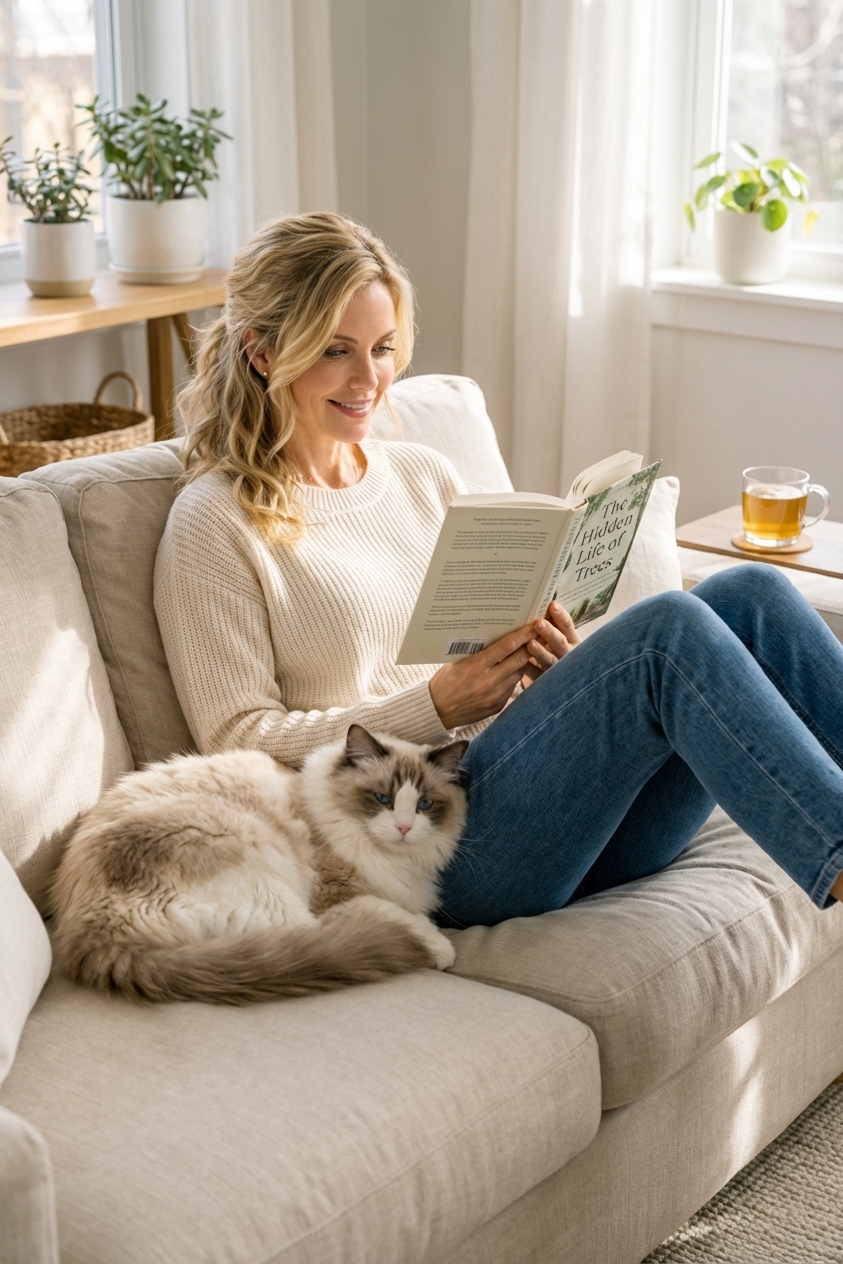
A Ragdoll can be a wonderful choice if you want a friendly, affectionate companion who enjoys being part of your daily life. They often do best in homes where someone is around frequently, and they thrive with gentle attention, predictable routines, and indoor enrichment.
- Good fit if: you want a people-focused cat, enjoy grooming, and can provide daily play and companionship.
- Not the best fit if: you are away most of the day with no pet companionship, or you want a very independent, hands-off cat.
If you are considering a Ragdoll kitten or adult, look for responsible breeding or rescue practices, ask what heart screening is done (including the Ragdoll HCM DNA test, when applicable), and schedule a new-pet veterinary exam early. Preventive care, a balanced diet, and regular grooming go a long way in helping these sweet cats live long, comfortable lives.