Help your indoor cat thrive in a small apartment with smart enrichment: vertical routes, window perches, puzzle feeders, prey-style play, scratch zones, quie...
Article
•
Designer Mixes
Quiet Cat Breeds for Apartment Living

Shari Shidate
Designer Mixes contributor
Apartment life can be a wonderful fit for cats, especially if you choose an individual who tends to be calm, adaptable, and not overly vocal. As a veterinary assistant, I always like to say this upfront: every cat is an individual. Breed can influence personality, but early socialization, daily enrichment, and your home setup matter just as much.
One quick reality check: lists of “quiet breeds” are largely based on breeder/owner reports and clinical experience, not controlled research. Think of the breeds below as commonly cited low-vocal options, not guarantees.
Below are some well-known less chatty breeds, plus practical, evidence-informed ways to help any cat stay peaceful and content in a smaller space.
What “quiet” means
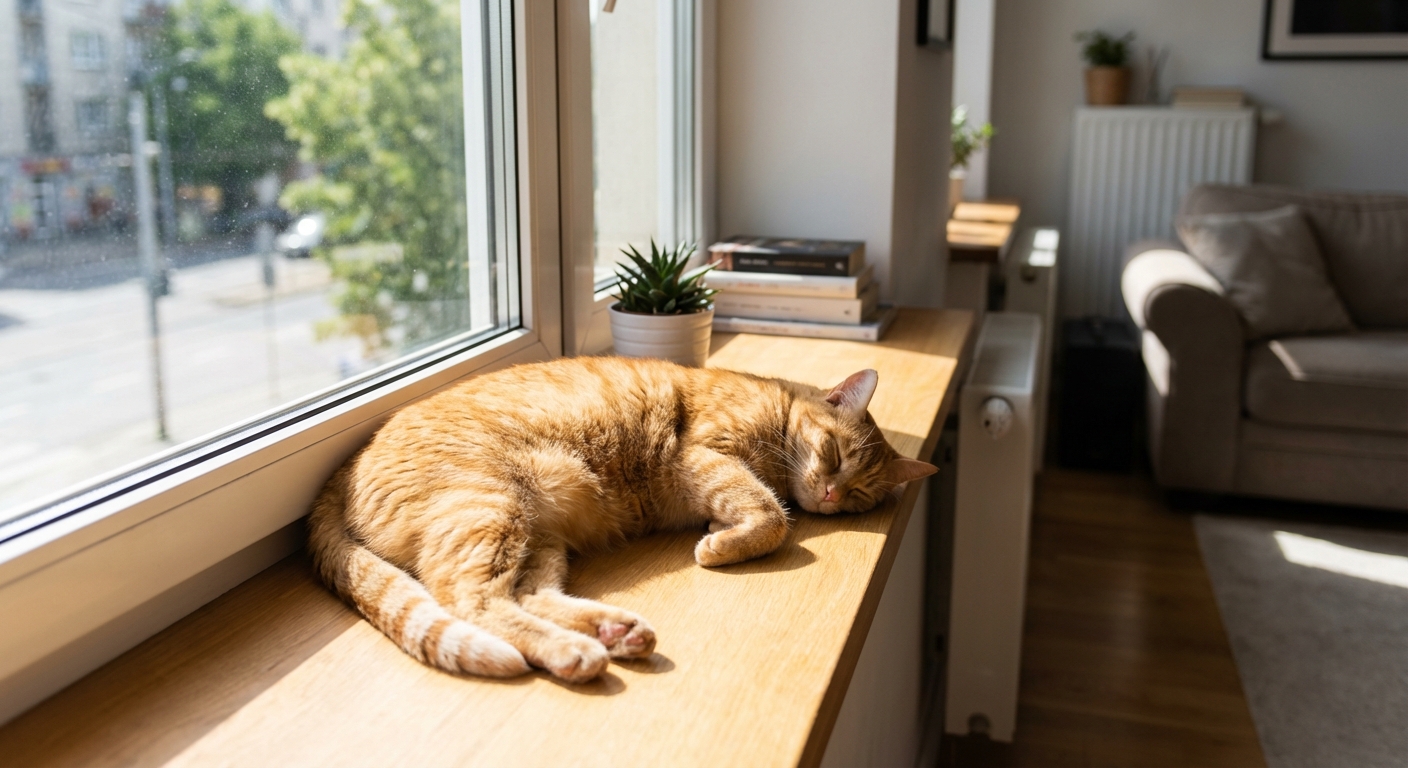
Quiet does not mean “silent.” All cats vocalize sometimes, but the cats below are generally less likely to yowl, demand attention loudly, or become chronically restless. In apartment settings, the most common reasons cats get noisy are:
- Boredom (not enough play or hunting outlets)
- Stress (changes in routine, visitors, other pets, construction noise)
- Attention-seeking (the cat learned that meowing works)
- Medical issues (pain, hyperthyroidism, cognitive changes in seniors, urinary discomfort)
If your cat suddenly becomes much more vocal, it is always worth checking in with your veterinarian. A “behavior problem” can be a health problem in disguise.
Low-vocal breeds for apartments
These breeds are often described as calmer and less chatty overall. I am also including quick apartment-friendly notes so you can picture day-to-day life.
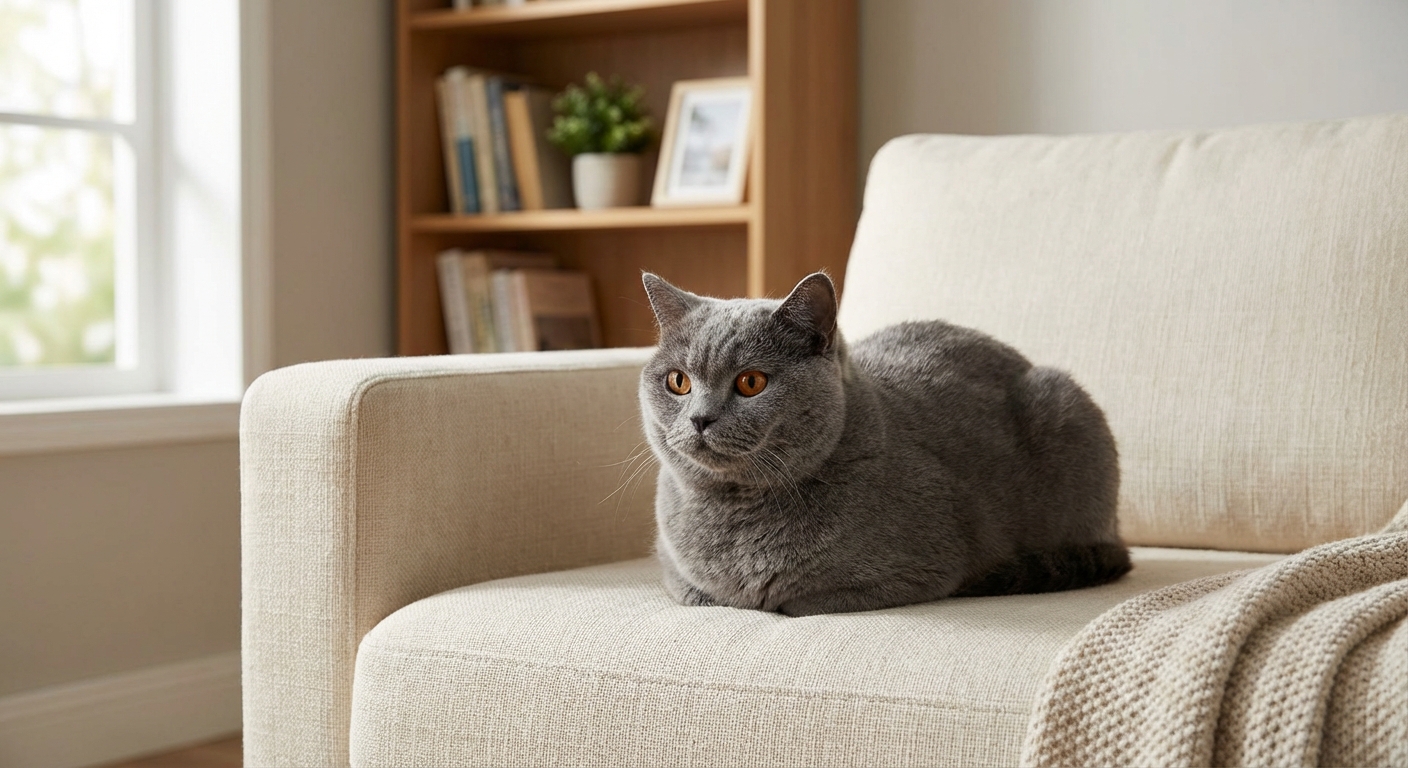
British Shorthair
The British Shorthair is a classic apartment companion: steady, low-drama, and typically not very vocal. Many enjoy being near their people without needing constant interaction.
- Noise level: Usually low
- Energy: Moderate, with short play bursts
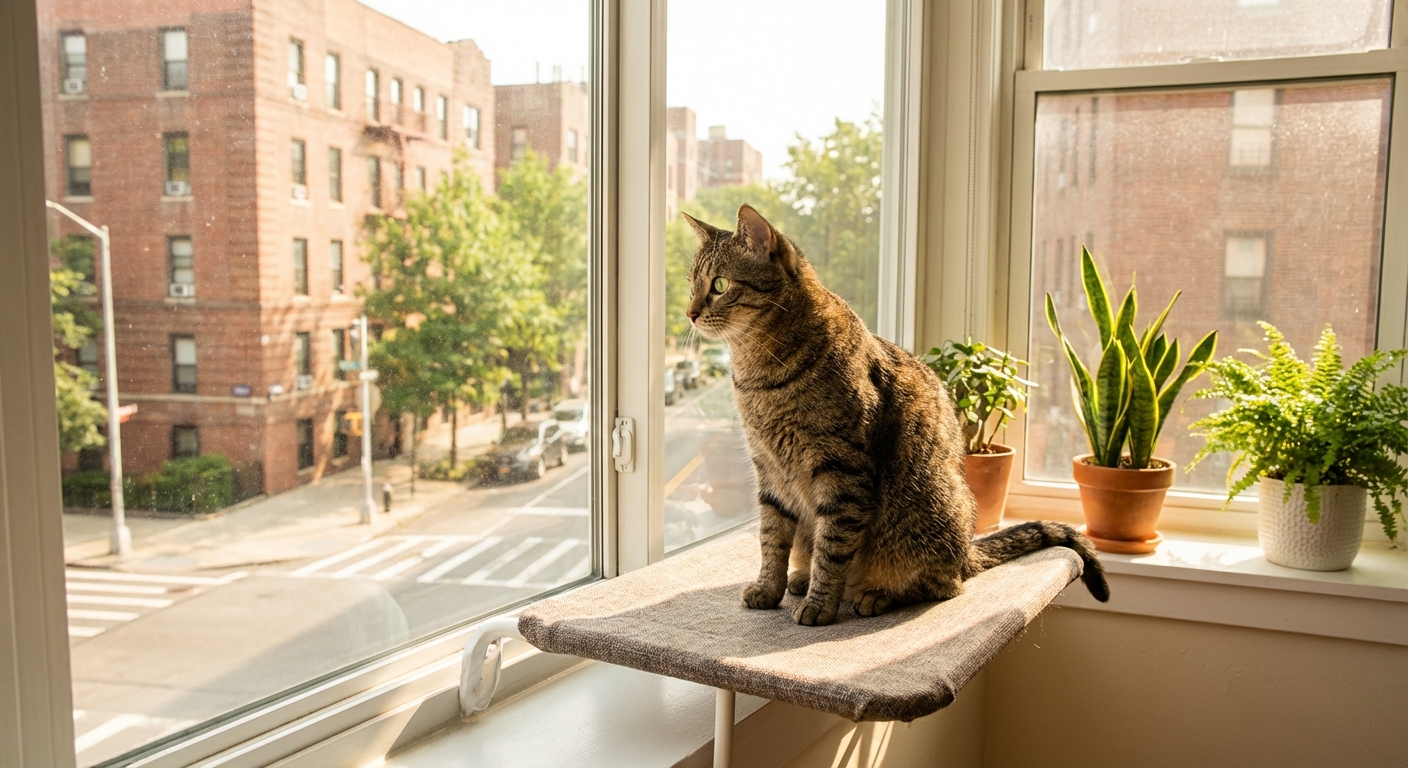
- Apartment tip: Provide a sturdy cat tree and a window perch for “silent entertainment.”
Ragdoll
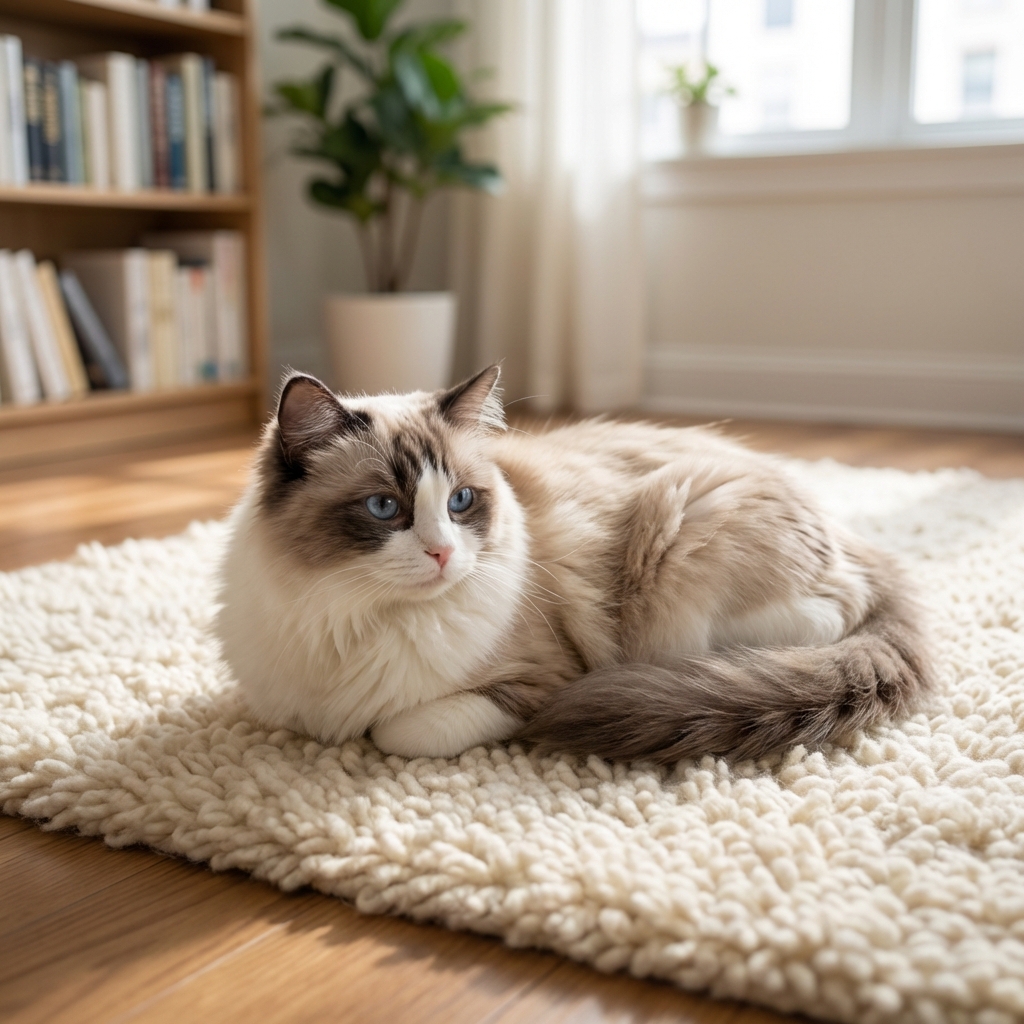
Ragdolls are known for a gentle, easygoing temperament and often communicate with soft, infrequent meows. Many do well in smaller homes as long as they get daily affection and interactive play.
- Noise level: Low to moderate
- Energy: Moderate
- Apartment tip: They can be very people-focused, so plan for daily one-on-one time.
Scottish Fold
Scottish Folds are often described as sweet and calm, and many are not particularly talkative. They can adapt well to indoor life with consistent routines.
- Noise level: Usually low
- Energy: Moderate
- Apartment tip: Choose puzzle feeders to keep their minds busy without turning your living room into a racetrack.
Health and ethics note: Scottish Folds can be prone to painful joint and cartilage disease (osteochondrodysplasia). Because the folded-ear trait is linked to this condition, many welfare-focused veterinary and advocacy groups discourage breeding Scottish Folds. If you love the look and temperament, consider adopting from a rescue, or choosing a different breed with fewer welfare concerns. If you do pursue one, have a frank conversation with your veterinarian about long-term comfort, mobility, and expected care costs.
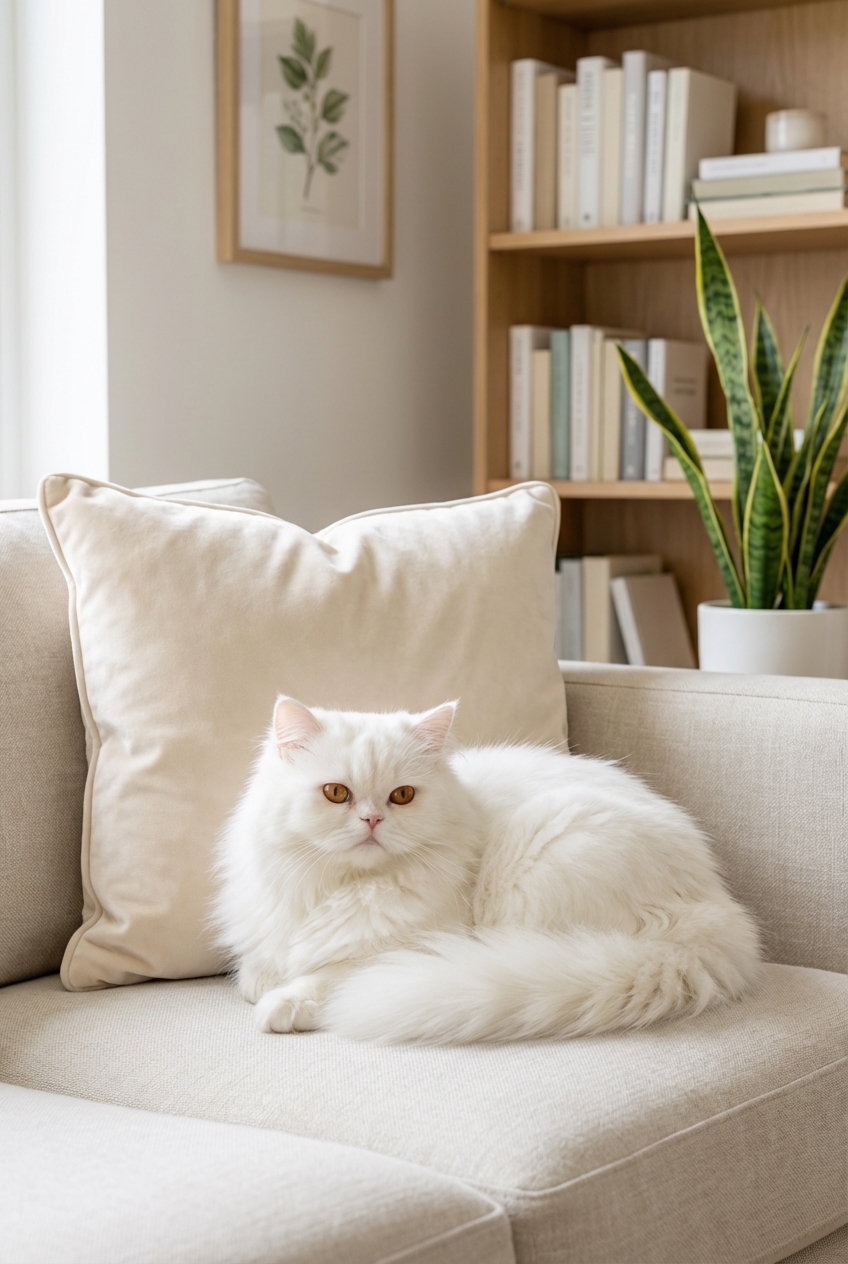
Persian
Persians are often peaceful, soft-voiced companions who prefer calm environments. Many are content to lounge and observe rather than run laps around the apartment.
- Noise level: Low
- Energy: Low to moderate
- Apartment tip: Keep litter boxes extra clean and easy to access, especially for long-coated cats.
Exotic Shorthair
Often called the “short-haired Persian,” the Exotic Shorthair tends to share that calm, quieter vibe, but with less coat maintenance. They are typically affectionate without being constantly demanding.
- Noise level: Low
- Energy: Low to moderate
- Apartment tip: Offer gentle daily play to help prevent weight gain.
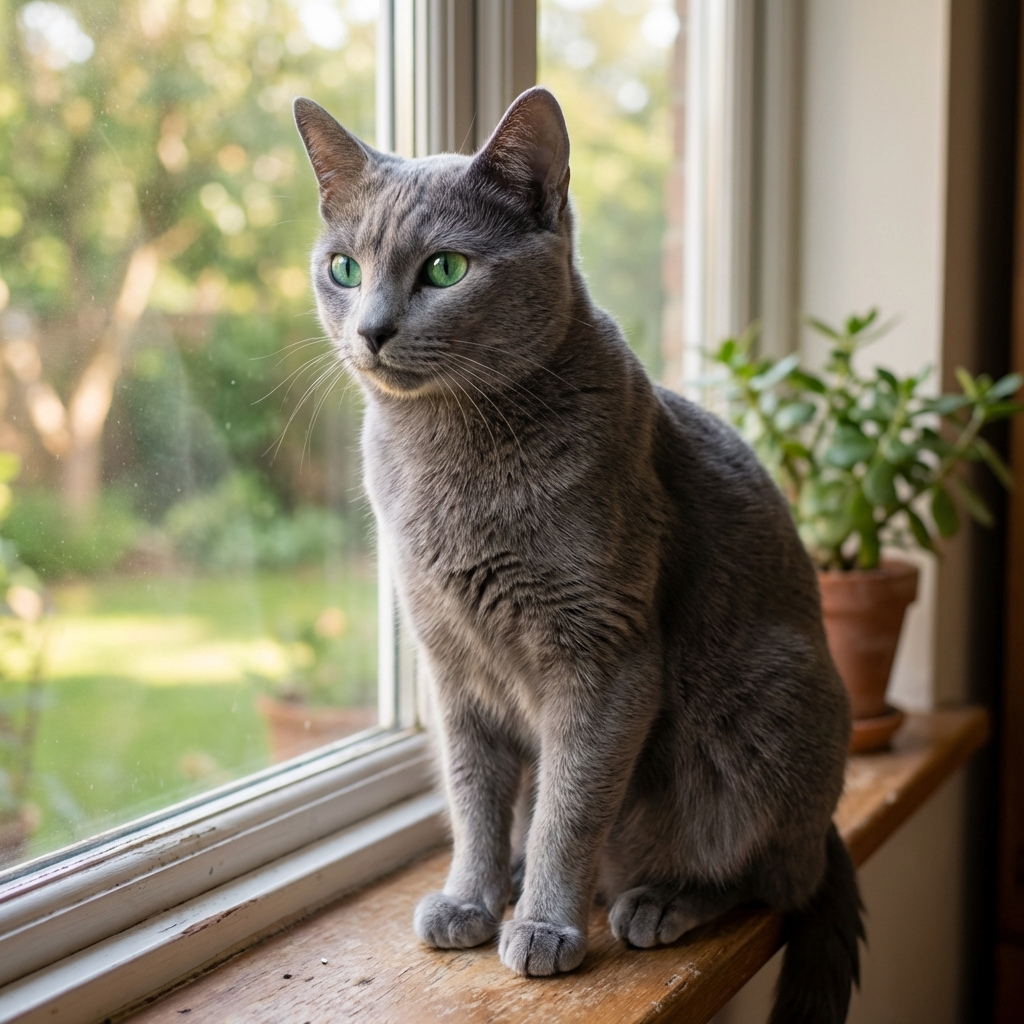
Russian Blue
Russian Blues are frequently described as reserved, soft-voiced, and very bonded to their people. They often prefer predictable routines, which pairs nicely with apartment living.
- Noise level: Low
- Energy: Moderate
- Apartment tip: Give them a “safe zone” like a cozy covered bed or quiet room when guests visit.
Birman
Birmans are social and sweet, usually with a gentle voice. Many owners find them calmer than some other playful, people-oriented breeds.
- Noise level: Low to moderate
- Energy: Moderate
- Apartment tip: They often enjoy companionship, so consider a second cat if you are away long hours (and if your home and budget can support it).
American Shorthair
While not always labeled “quiet,” many American Shorthairs are balanced, easy to live with, and not excessively vocal. For apartments, their adaptability is a big plus.
- Noise level: Low to moderate
- Energy: Moderate
- Apartment tip: Rotate toys weekly to prevent boredom meowing.
Quick contrast: Siamese and Oriental-type cats are often more talkative and socially demanding. There are always exceptions, but if noise sensitivity is your top concern, those types may be a tougher fit in close quarters.
Set up a calmer home
Even a naturally low-vocal cat can get loud if their needs are not being met. The good news is that small changes can make a big difference.
1) Go vertical
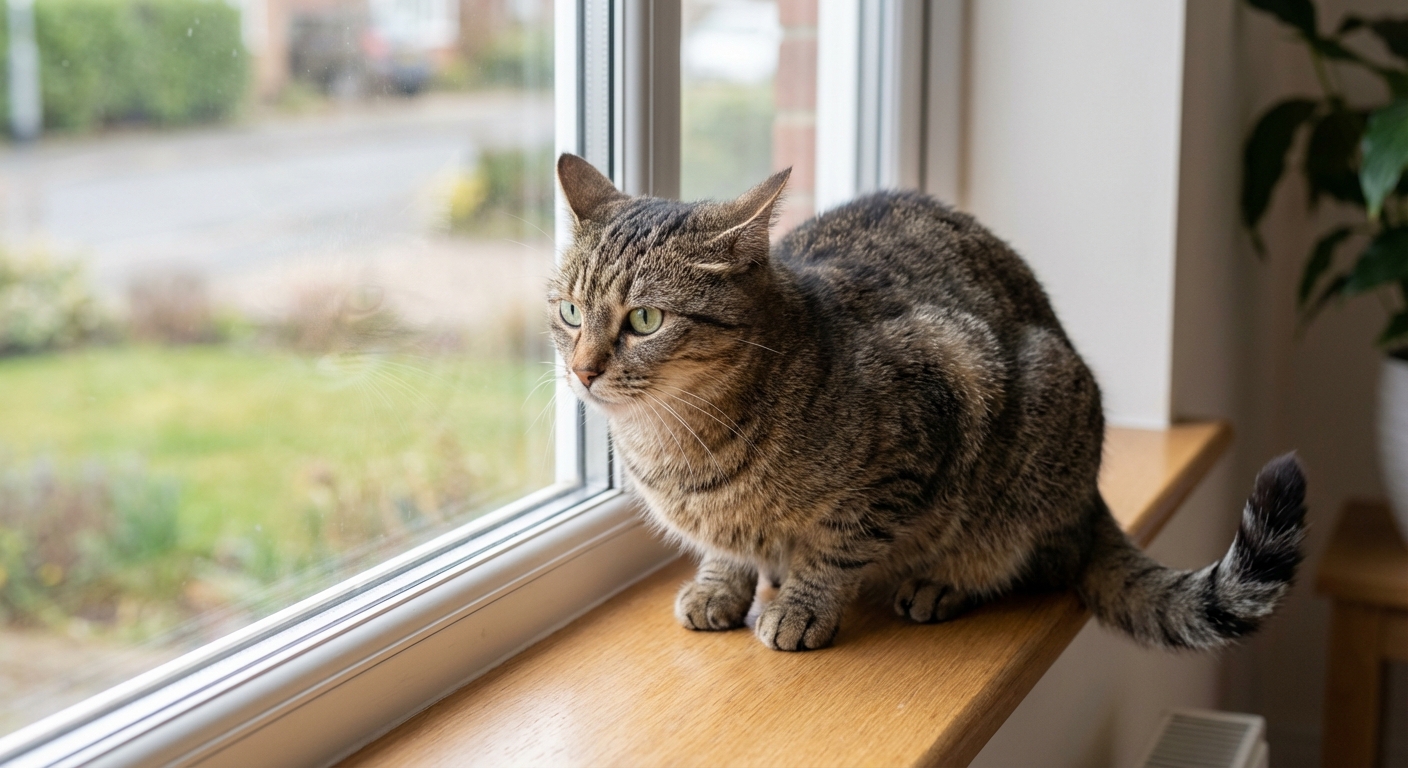
Cats feel safer and calmer when they can climb, perch, and observe. Add one tall, stable cat tree and a window perch if you can.
- Cat tree with at least one hiding cubby
- Window seat for bird watching
- One high “quiet shelf” space away from foot traffic
2) Keep play predictable
Two short play sessions (10 to 15 minutes) often reduce nighttime zoomies and attention meowing. Use wand toys or toss a small toy to mimic hunting.
3) Add food enrichment
Puzzle feeders, treat balls, and scatter feeding help your cat “work” for food in a natural way. Mental exercise is powerful for calmer behavior.
4) Make the litter box easy
Litter box discomfort can lead to stress and vocalizing. A common behavior guideline is one box per cat, plus one extra, placed in quiet, accessible locations.
5) Reduce outside triggers
If your cat vocalizes at hallway noises, try a white noise machine, a draft stopper at the door, and a calming routine around peak noise times.
6) Plan for multi-cat harmony
In apartments, cats can get louder when they feel crowded or blocked from resources. If you have more than one cat, spread out key resources (boxes, water, resting spots) so one cat cannot “own” the whole space.
When a calm cat gets loud
Sometimes the issue is not breed, it is a need. Here are a few common patterns I see in practice:
- Nighttime yowling: Often boredom, hunger habits, or in seniors, cognitive changes. Also consider hearing loss, vision changes, or high blood pressure in older cats. Try an evening play session, then a small meal, and talk with your vet if it is new.
- Constant meowing for food: Measure meals, use slow feeders, and avoid rewarding demand meows with instant snacks.
- Sudden vocalizing or hiding: Pain, urinary problems, thyroid disease, stress, or other illness. A vet visit is the safest first step.
Humane ways to reduce attention meowing
If your vet has ruled out medical issues, focus on what you can reinforce. In most homes, the goal is to reward quiet, not punish noise.
- Feed on a schedule, not on demand
- Wait for a brief pause in meowing before you give attention, meals, or play
- Proactively offer enrichment before your cat escalates (play, puzzle feeder, window time)
- Avoid yelling or punishment, which can increase stress and vocalizing
A calmer home usually comes from meeting a cat’s needs consistently, not from expecting a cat to “behave.”
Adopting a quiet shelter cat
If you are open to adoption, you can absolutely find a low-vocal apartment buddy without focusing on breed. Look for:
- Adult cats (often calmer than kittens)
- Cats described as “laid-back,” “couch buddy,” or “gentle”
- Cats that recover quickly after a visitor approaches their kennel
Ask the shelter staff what the cat is like at different times of day. A cat who stays relaxed during busy hours often does well in apartments.
Kittens note: Kittens are adorable, but they are usually higher-energy and more likely to vocalize from boredom. If your goal is a quieter home, an adult cat is often the easiest win.
Quick apartment checklist
- Comfortable with indoor life and enrichment
- Moderate to low energy, or energy that is easy to redirect with play
- No history of chronic stress behaviors (or you have support to manage them)
- You can provide vertical space, routine, and quiet resting spots
With the right environment, many cats become naturally calmer, more confident, and more affectionate. Apartment living can be a perfect little world for them.