A vet assistant’s guide to safe homemade dog treats: vet-friendly ingredients, common toxins to avoid, 3 simple recipes, portion guidance, and storage best...
Article
•
Designer Mixes
Quick Homemade Dog Treats That Beat Store-Bought

Shari Shidate
Designer Mixes contributor
As a veterinary assistant here in Frisco, Texas, I hear it all the time: you want to give your dog treats they love, but the store-bought options can be pricey, heavily processed, or full of extra ingredients you do not really need. The good news is you can make simple, budget-friendly treats at home in minutes using basic, human-grade foods.
This is not about being perfect or cooking like a chef. It is about swapping in a few smarter options that can help support your dog’s routine, especially when it comes to comfort, weight management, and digestion. Treats are supplemental, though, and your dog’s main diet matters most.
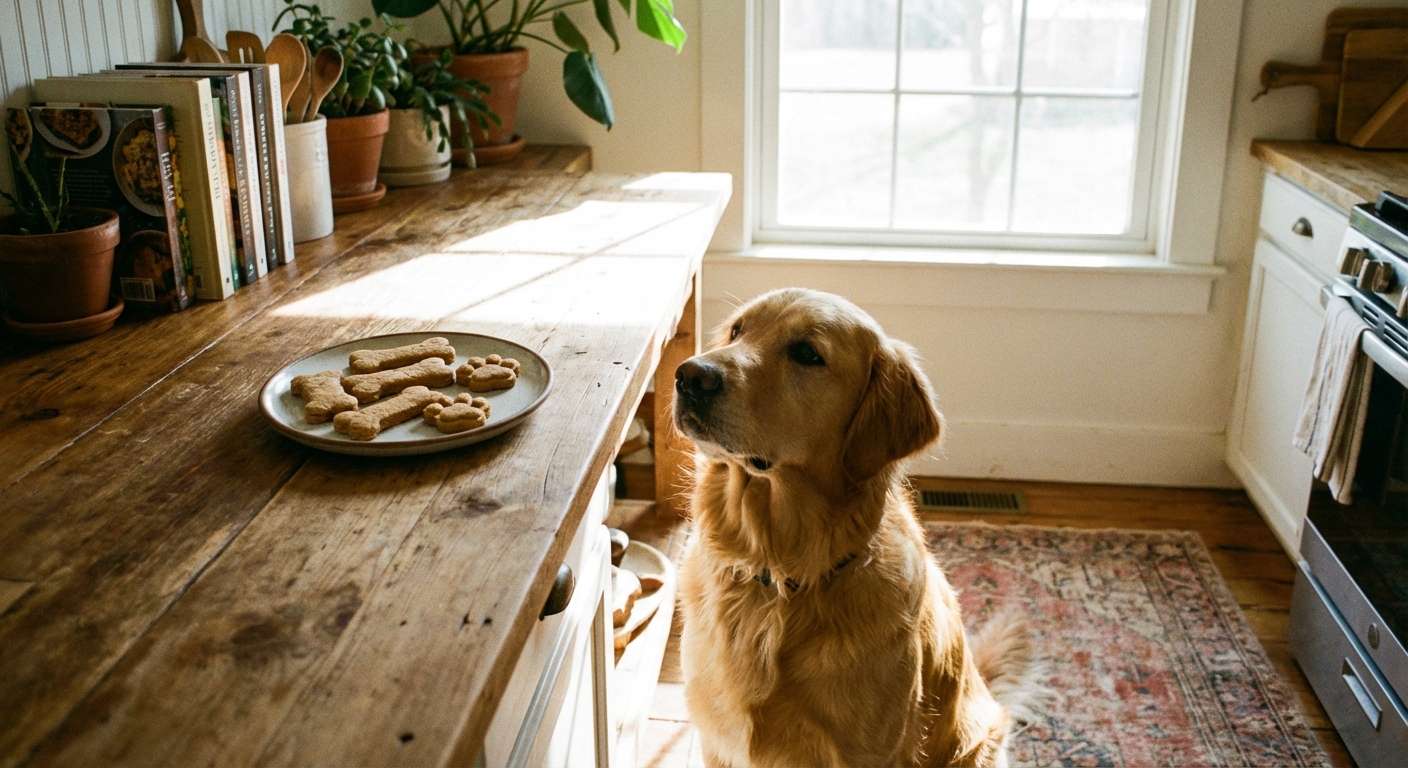
Why homemade helps
Many commercial treats are designed to be shelf-stable and irresistible. That can mean extra starches, flavor enhancers, or vague “meat” ingredients. Homemade treats let you control the quality and keep recipes simple. That said, there are also excellent high-quality store-bought treats, so you do not have to go all-or-nothing.
- Fewer ingredients: Helpful for dogs with itchy skin or sensitive stomachs.
- Better portion control: Treat calories add up fast, especially for small dogs.
- Cost savings: Many great treats are just leftovers used wisely, like plain chicken, pumpkin, or yogurt.
Quick note: The “10% rule” is often recommended in veterinary medicine: treats should make up no more than about 10% of your dog’s daily calories. It varies by dog, but it is a helpful starting point. If your pup is gaining weight, shrinking treat size is often the easiest fix.
How many treats? Instead of counting treats, think in “treat budget.” If you do a longer training session, cut dinner back a bit or use part of your dog’s regular kibble as rewards. Tiny treats still feel like a big win to most dogs.
Before you start
Homemade treats are still treats, and safety matters. A few evidence-based guidelines can keep you on the right track.
Use simple staples
- Plain cooked meats (chicken, turkey, lean beef) with no salt, seasoning, butter, or oils
- Eggs (cooked, plain)
- Plain pumpkin puree (not pumpkin pie filling)
- Plain yogurt or kefir (unsweetened, no artificial sweeteners)
- Oats, rice, and whole wheat flour (if your dog tolerates grains)
- Dog-safe fruits and veggies like blueberries, carrots, apple (no seeds), green beans, and sweet potato
Avoid common hazards
- Xylitol: Often found in sugar-free peanut butter, gum, and candies. It is extremely dangerous for dogs.
- Grapes and raisins: Can cause kidney injury.
- Onion: Toxic to dogs. (Garlic is debated and dose-dependent, but for quick treats, I keep it simple and leave all alliums out.)
- Chocolate and macadamia nuts: Toxic.
- Cooked bones: Can splinter.
Digestive note: Even dog-safe foods can cause stomach upset in some dogs. With yogurt or kefir, choose plain and start with a small amount. If you notice gas, loose stool, or vomiting, stop and switch to a different treat.
If your dog has pancreatitis history, food allergies, kidney disease, diabetes, or is on a prescription diet, check with your veterinarian before changing treat routines.
5 quick homemade treats
These are simple, inexpensive, and designed for real life. Pick one and start small.
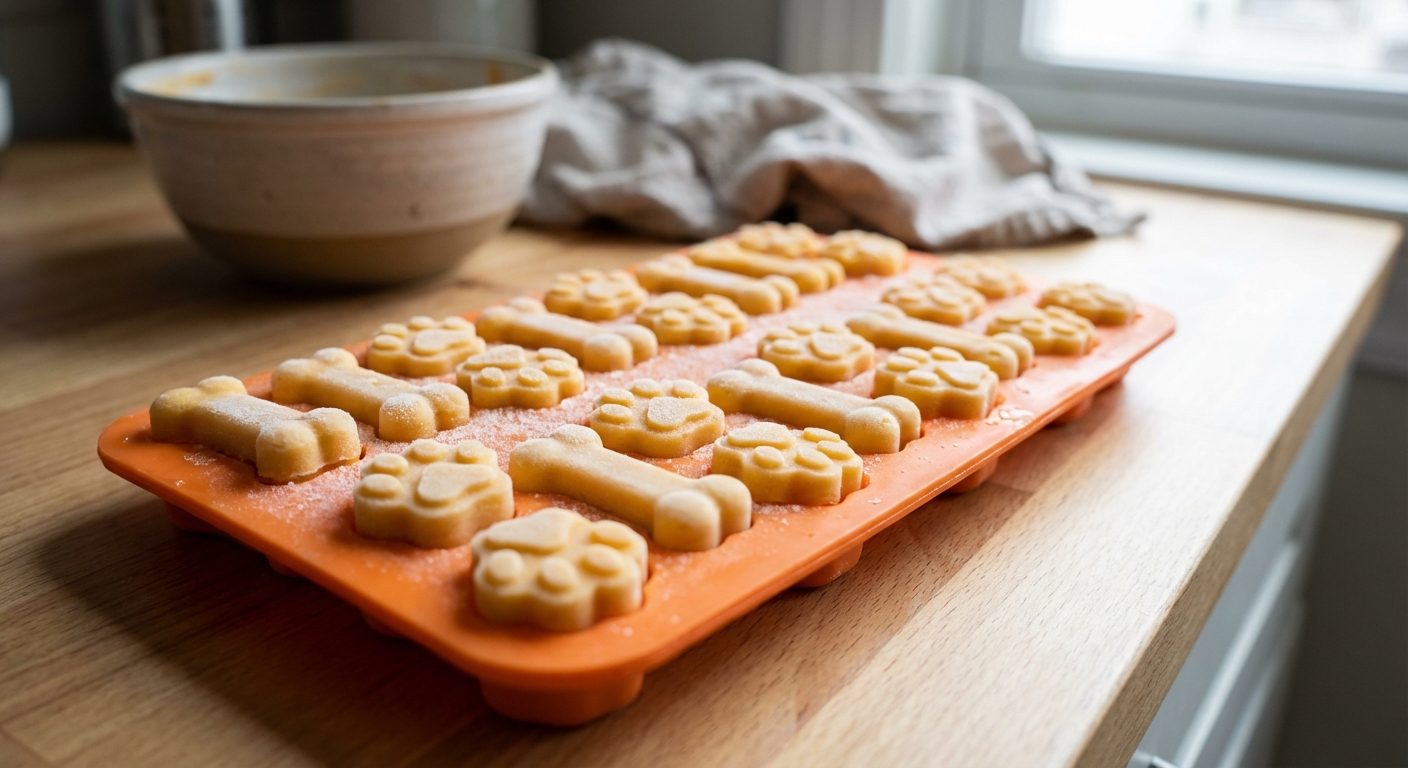
1) Frozen pumpkin yogurt bites (2 minutes)
Best for: sensitive tummies, hot Texas afternoons, dogs who love creamy treats.
- Mix 1/2 cup plain yogurt with 1/2 cup plain pumpkin puree.
- Spoon into silicone molds or an ice cube tray.
- Freeze 2 to 3 hours.
Serving tip: For tiny dogs, break cubes into smaller pieces. For all dogs, supervise frozen treats to reduce choking risk.
2) Peanut butter oat no-bake balls (5 minutes)
Best for: busy weeks, training treats, picky eaters.
- Use 1/2 cup oats, 1/4 cup natural peanut butter, and 2 to 4 tablespoons warm water.
- Stir until it forms a dough, then roll pea-sized balls.
- Refrigerate 30 minutes to firm up.
Safety check: Confirm the peanut butter label says no xylitol.
Portion note: Peanut butter is calorie-dense, so keep these tiny, especially for dogs prone to weight gain or pancreatitis.
3) One-ingredient sweet potato chews (hands-off)
Best for: budget chew option, dogs who need more fiber, store-bought chew replacement.
- Slice sweet potato into 1/4 inch strips.
- Bake at 250°F for 2.5 to 3 hours, flipping once.
- Cool fully before serving.
Texture tip: Bake less time for softer chews, longer for drier chews.
Safety tip: Make chews size-appropriate and supervise chewing to reduce choking risk. If your dog is a gulper, skip chew-style treats and use softer, smaller options.
4) Egg muffins with leftovers (10 minutes prep)
Best for: using up odds and ends, higher-protein treat.
- Whisk 2 to 3 eggs.
- Add a small handful of chopped cooked meat and dog-safe veggies (like spinach or carrots). Keep everything plain, with no salt or seasoning.
- Pour into a greased mini muffin tin.
- Bake at 350°F for 12 to 15 minutes.
Portion tip: Mini muffins are perfect for treat sizing.
5) Two-ingredient banana oat cookies (15 minutes)
Best for: dogs who love a soft cookie, simple pantry ingredients.
- Mash 1 ripe banana.
- Mix in 1 cup oats (quick oats work well).
- Scoop onto a lined baking sheet and flatten slightly.
- Bake at 350°F for about 12 to 15 minutes.
Optional add-in: A few blueberries for antioxidants.
Portion note: These are higher-carb than single-ingredient treats, so go smaller if weight is a concern.
Save more money
Healthy treats do not have to be fancy. In fact, the simplest options are often the best.
- Use “bonus bites” from meals: Reserve a few pieces of plain cooked chicken or turkey from dinner prep.
- Buy in-season produce: Sweet potatoes, carrots, and pumpkin are usually budget-friendly.
- Freeze in small portions: Prevents waste and keeps treats fresh.
- Cut treats tiny: Dogs do not need big treats to feel rewarded. They need consistency and excitement.
Storage and safety
Homemade treats do not have preservatives, so storage matters.
- Refrigerator: Most soft treats keep 3 to 5 days.
- Freezer: Many treats keep 2 to 3 months. Freeze on a tray first, then store in a freezer bag.
- Crunchy baked treats: Keep in an airtight container, but if they soften, re-crisp briefly in the oven.
Food safety reminder: Meat-based treats and egg muffins should be refrigerated promptly. As a general rule, do not leave them out for more than about 2 hours, and less time if your kitchen is warm.
If you see mold, smell “off” odors, or notice slime, toss them. When in doubt, throw it out.
Smart swaps
- Instead of rawhide: sweet potato chews or a vet-approved dental chew.
- Instead of high-calorie biscuits: frozen pumpkin yogurt bites or tiny banana oat cookies.
- Instead of processed jerky: small pieces of plain cooked meat, or dehydrated meat made at home if you have the time.
My best “real life” tip: Start with a 50/50 approach. Keep a couple of trusted store-bought treats for convenience, then rotate in homemade options during the week. Your dog still gets variety, and you stay consistent.
When to talk to your vet
If your dog has chronic ear infections, itchy skin, frequent diarrhea, or weight gain, treats can be a surprising contributor. A simple “treat reset” can be a helpful troubleshooting step: for 2 weeks, use only one or two single-ingredient treats (like plain cooked chicken or pumpkin) and see how your dog does.
If symptoms are significant or persist, it is time to talk with your veterinarian about diet, allergies, parasites, and gut health. Treats can support your plan, but they cannot replace a diagnosis.
Easy next step
Pick one recipe above and try it this week. If you want the simplest possible start, do the frozen pumpkin yogurt bites. Two ingredients, no baking, and most dogs love them.
Your dog does not need perfect treats. They need consistent love, smart ingredients, and portions that support a long, energetic life.