Confused by your dog’s heat cycle? Learn the key signs, how long bleeding and discharge last, when fertility is highest, and simple steps to prevent pregna...
Article
•
Designer Mixes
Pyometra in Dogs: Recognizing the Signs

Shari Shidate
Designer Mixes contributor
Pyometra is one of those diagnoses we never want to hear in the exam room, because it can turn life-threatening fast. It is a serious uterine infection that most often affects unspayed female dogs, typically after a heat cycle. The good news is that when you know what to watch for and you act quickly, many dogs can do very well with prompt treatment.
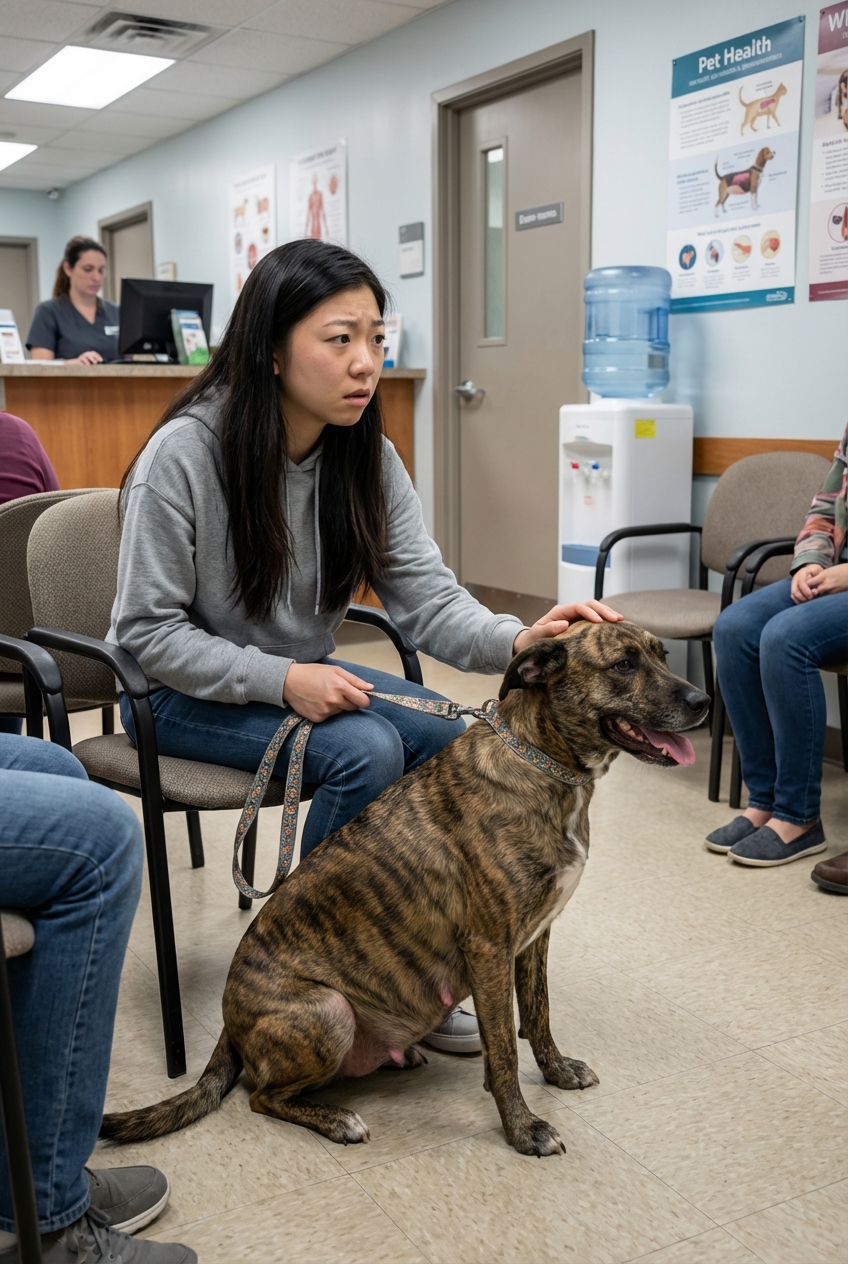
If your unspayed dog seems “off” and you are noticing increased thirst, vomiting, lethargy, or unusual discharge, treat it like an emergency and call your veterinarian right away.
What pyometra is (and why it happens)
Pyometra literally means “pus in the uterus.” It most commonly develops during the weeks after a dog has been in heat, usually about 2 to 8 weeks later. During this time, progesterone influences the uterus and can cause the uterine lining to thicken and change in a way that makes infection more likely.
It is a common misconception that pyometra only happens when a dog was not bred. Pyometra can still occur even if a dog was bred, and in rare situations it can occur after pregnancy. The bigger risk factor is the hormonal environment after heat, especially when there are underlying uterine changes like cystic endometrial hyperplasia.
Bacteria often enter through the cervix from the vagina. The most common bacterium involved in dogs is E. coli, though other bacteria can be involved too. As the infection progresses, the uterus can fill with fluid and pus. Toxins and bacteria can then affect the whole body, leading to sepsis, kidney injury (renal impairment), and shock.
Open vs. closed pyometra
- Open pyometra: the cervix is open and infected material can drain out. You may see discharge.
- Closed pyometra: the cervix is closed, so the uterus cannot drain. This is especially dangerous because the uterus can become very enlarged and may rupture, spilling infection into the abdomen.
Signs of pyometra in dogs
Pyometra can look like a stomach bug at first, with gastroenteritis-like signs, or like your dog is just “not herself.” The signs can also be subtle early on, which is why it helps to know the common patterns.
Common signs
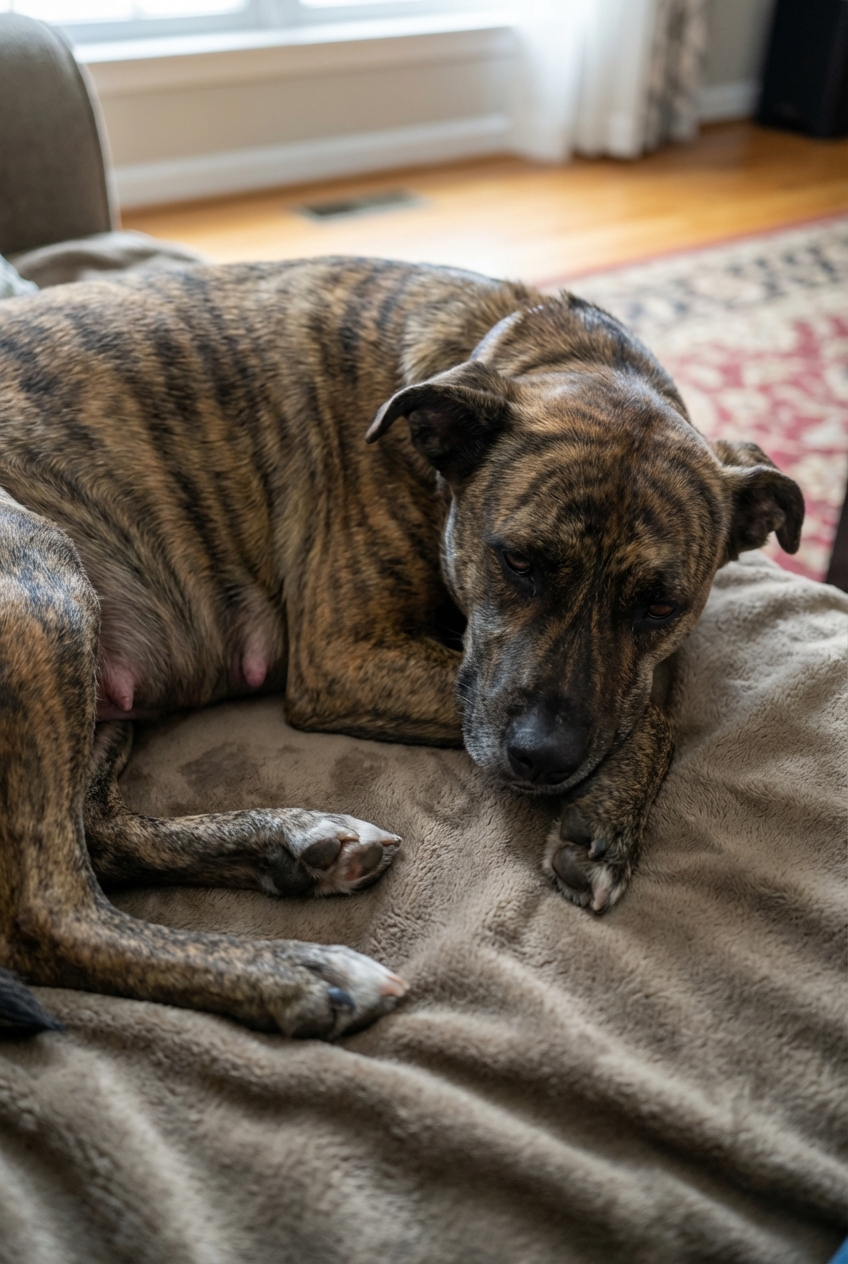
- Low energy, weakness, or acting withdrawn
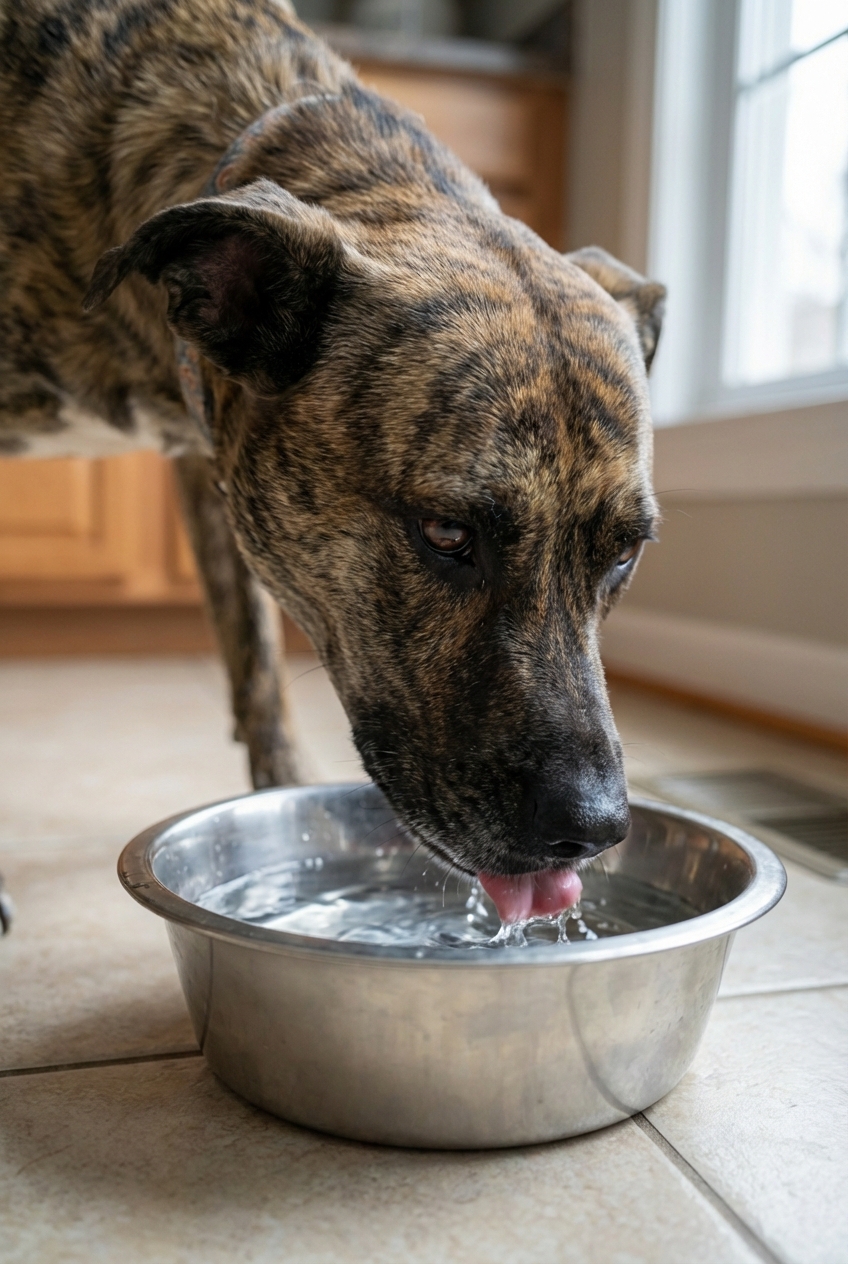
- Increased thirst and increased urination
- Decreased appetite
- Vomiting and sometimes diarrhea
- Fever (not always present)
- Abdominal discomfort or a swollen-looking belly
Signs you might only see with open pyometra
- Vaginal discharge that may be white, yellow, greenish, brown, or bloody
- Excessive licking of the vulva
- A strong odor from the discharge
Why it can be missed
Dogs are very good at hiding discomfort. Also, many dogs clean themselves frequently, so discharge may be minimal or hard to notice. With closed pyometra, there may be no discharge at all, which can trick even experienced owners into thinking it is just a mild illness.
If your dog is unspayed and sick within about 2 to 8 weeks following a heat cycle, pyometra should be on your radar and deserves a same-day veterinary call.
Who is most at risk?
Pyometra can happen in any unspayed female dog, but some factors are linked with higher risk.
- Age: more common in middle-aged to older dogs, though it can occur in younger dogs too.
- Recent heat cycle: most often develops about 2 to 8 weeks after being in heat.
- History of uterine changes: conditions like cystic endometrial hyperplasia can set the stage for infection.
- Hormonal medications: some hormone-based breeding or heat-suppressing drugs can increase risk.
When to seek emergency care
Please do not “wait and see” if pyometra is a possibility. Call your veterinarian, an emergency clinic, or an urgent care clinic the same day if you see:
- Vomiting plus lethargy in an unspayed female
- Any vaginal discharge that is unusual, especially with illness
- A painfully tense belly or sudden abdominal swelling
- Collapse, pale gums, rapid breathing, or extreme weakness
- Very high thirst and urination combined with low appetite
Closed pyometra can deteriorate quickly, and surgery may be urgent.
Other problems can look similar at first, including urinary tract infections, gastroenteritis, pregnancy-related complications, and other reproductive tract infections. The point is not to self-diagnose. It is to get your dog evaluated quickly.
How vets diagnose pyometra
Diagnosis is usually based on history (especially a recent heat), physical exam, and a few key tests. Your veterinarian may recommend:
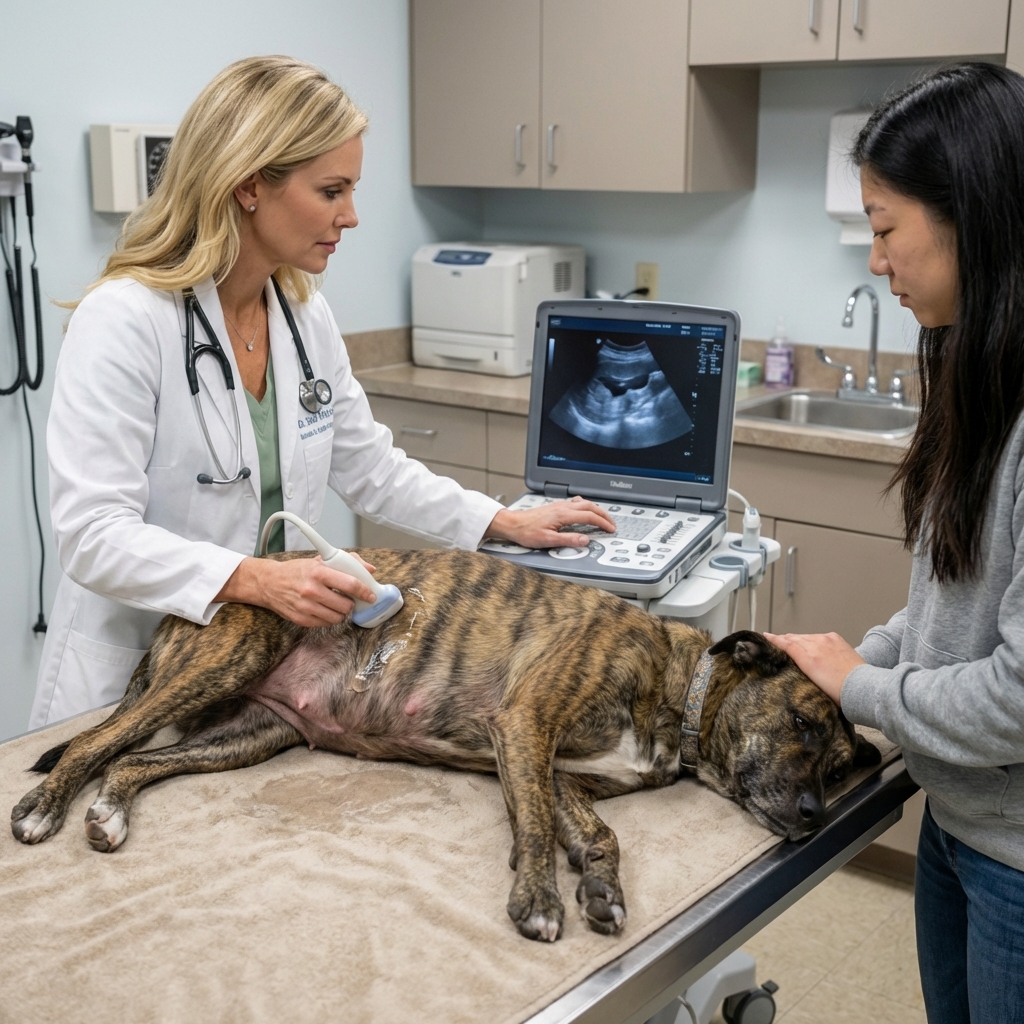
- Abdominal ultrasound: often the best way to see an enlarged, fluid-filled uterus.
- X-rays: may show an enlarged uterus, especially if it is very distended.
- Bloodwork: commonly shows elevated white blood cells, dehydration, or organ stress (kidney values can be affected).
- Urinalysis: helps evaluate hydration and kidney function and rule out urinary issues.
These tests are not “extra.” They help your vet assess how stable your dog is and how urgently treatment is needed.
Treatment options
Surgery is most common
The gold-standard treatment for pyometra is an ovariohysterectomy (an emergency spay), which removes the infected uterus and ovaries. Many dogs also need stabilization and supportive care before and after surgery, such as:
- IV fluids for dehydration and circulation support
- Antibiotics
- Pain control and nausea medication
- Close monitoring for temperature, blood pressure, and organ function
In many cases, dogs improve noticeably after surgery. How quickly they recover depends on how sick they were at the time of treatment and whether the infection had started affecting other organs. Hospitalization is often 1 to 3 days, but it can be shorter or longer depending on stability and lab results.
Medical treatment (limited cases)
In select situations, a veterinarian may discuss medical treatment to preserve breeding potential. This is usually reserved for carefully selected cases and most often for open-cervix pyometra, with intensive monitoring. It typically involves antibiotics plus medications to help empty the uterus. Depending on what is available and appropriate, this may include prostaglandins and, in some regions, antiprogestins like aglepristone.
This approach can carry significant risk, including recurrence, sudden worsening, and the need for emergency surgery anyway. If you are considering this route, it should be guided by a veterinarian experienced in reproduction and emergency care.
At-home care after treatment
- Give all medications exactly as prescribed.
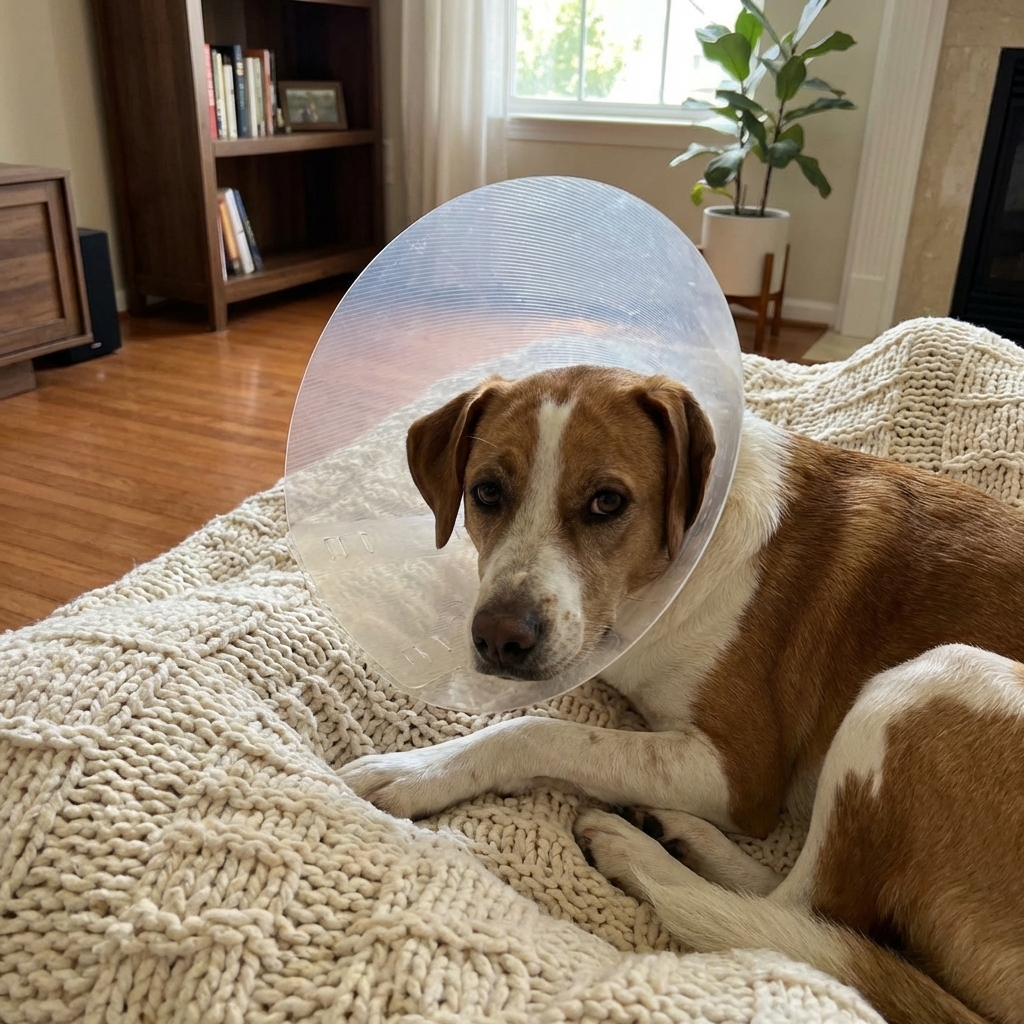
- Use an e-collar or surgical suit if your dog wants to lick the incision.
- Restrict activity as directed, usually 10 to 14 days.
- Monitor for vomiting, loss of appetite, discharge, swelling, or incision redness and report changes quickly.
What not to do
- Do not give leftover antibiotics or human medications.
- Do not delay care just because you are not seeing discharge.
- Do not assume your dog is “fine” because she was bred.
- If medical management is used, do not plan another breeding without a clear, vet-guided plan and follow-up.
Prevention
Pyometra is largely preventable. Spaying removes the uterus, so pyometra cannot occur.
There is one important, rare exception: stump pyometra can occur if a small amount of uterine tissue remains and there is ongoing hormone influence, such as with ovarian remnant syndrome. This is uncommon, but it is worth knowing that no procedure is zero-risk.
If you are not planning to breed your dog, spaying is the most reliable prevention we have. If you are planning to breed, talk with your veterinarian about a safe breeding plan and what signs after heat should trigger an urgent exam. Even experienced breeders can be caught off guard by how quickly pyometra can develop.
Quick checklist
If your dog is unspayed and you answer “yes” to any of these, call a vet today:
- Your dog was in heat within the last 2 to 8 weeks.
- Your dog is drinking more than usual or peeing more than usual.
- Your dog is lethargic, not eating, vomiting, or seems painful.
- You notice unusual vaginal discharge or excessive licking.
Trust your instincts. You know your dog’s normal. When something feels wrong, getting checked early can make all the difference.
Sources
- Merck Veterinary Manual: Pyometra in Small Animals
- American College of Veterinary Surgeons (ACVS): Ovariohysterectomy and reproductive disease information
- VCA Animal Hospitals: Pyometra overview and treatment considerations