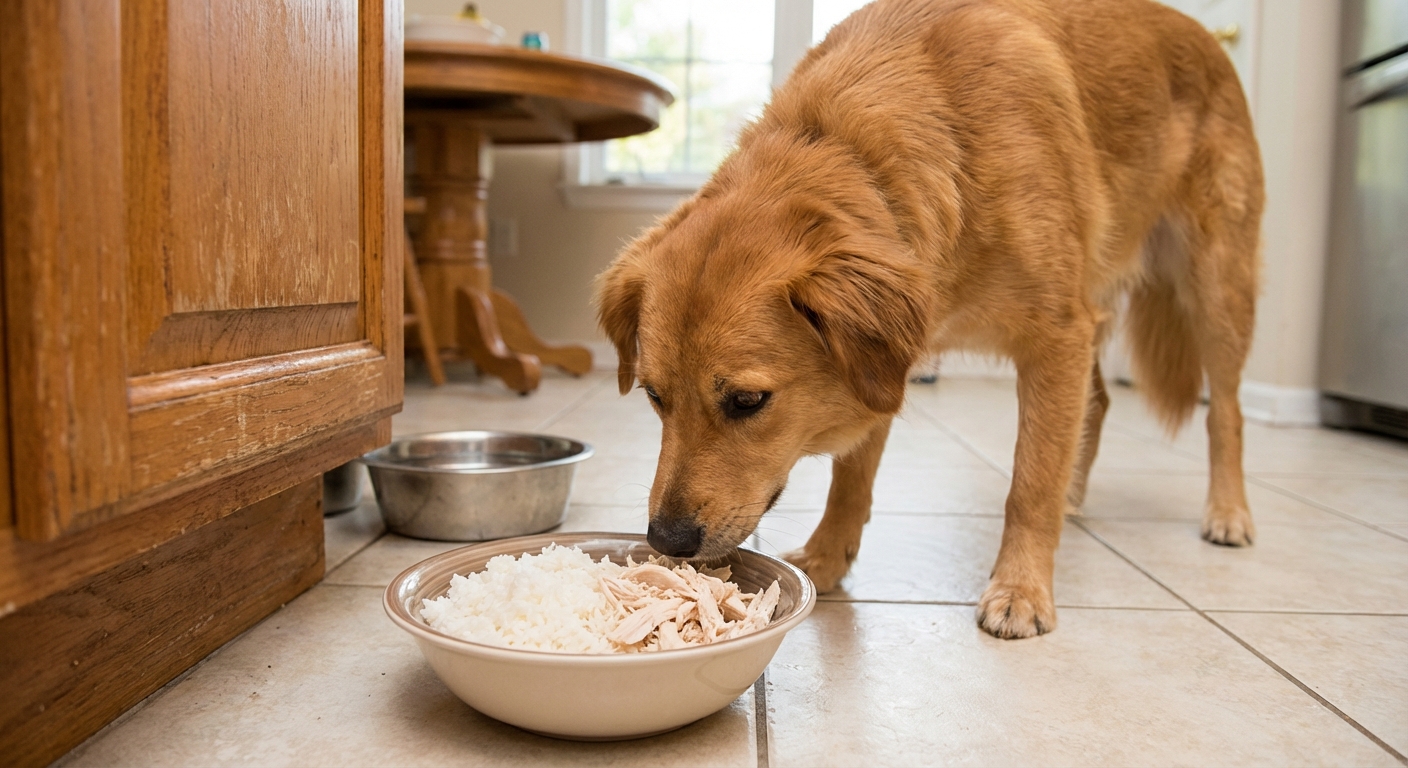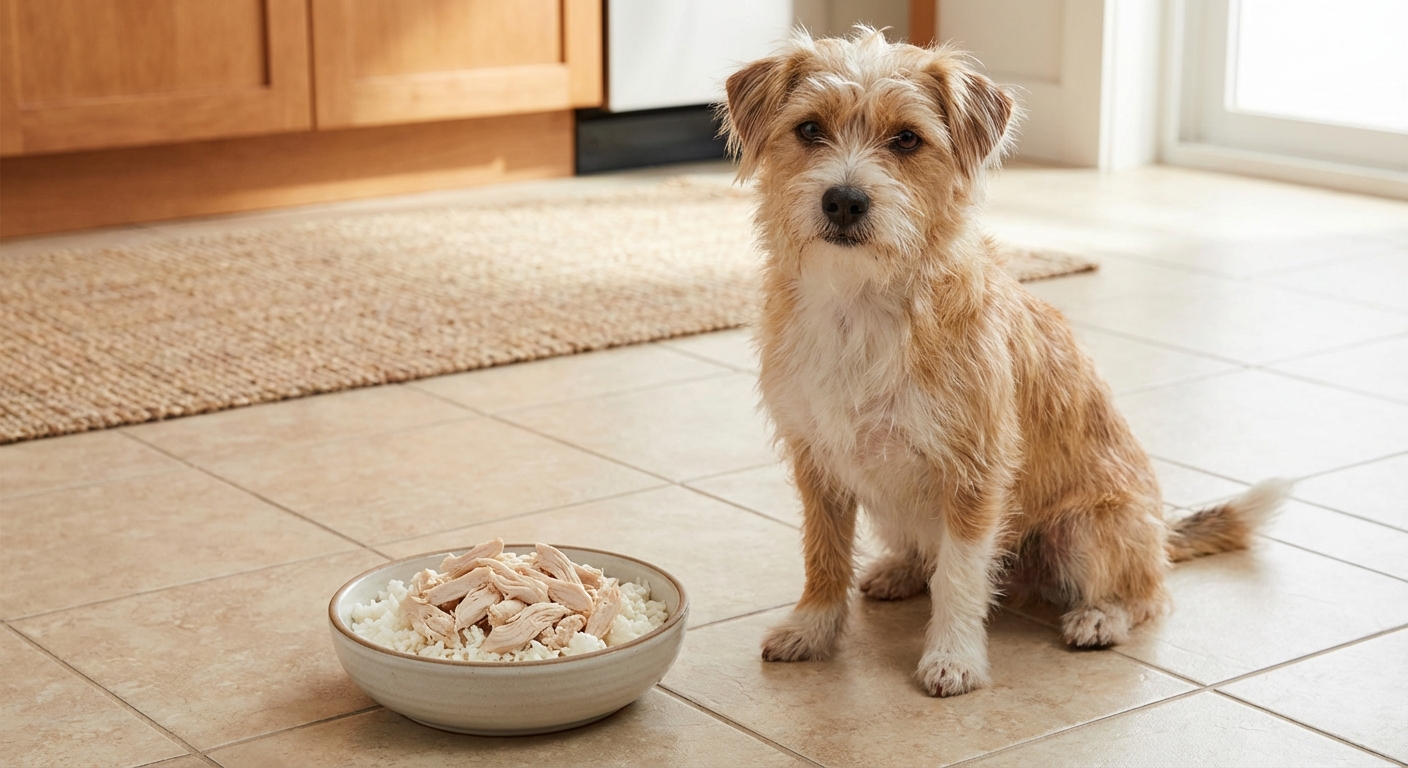
Chicken and rice can soothe mild stomach upset and help dogs transition back to normal food. Learn safe recipes, portions, how long to feed it, and when to c...
Article
•
Designer Mixes
Puppy Vomiting: What It Means and What to Do

Shari Shidate
Designer Mixes contributor
Puppies often throw up more easily than adult dogs. Their immune systems are still learning, they explore with their mouths, and their small bodies can get dehydrated fast. As a veterinary assistant in Frisco, Texas, I have seen everything from a simple tummy upset to true emergencies that needed care right away.
This guide can help you stay calm, spot red flags, and take the next right step based on what you are seeing at home. It is not a substitute for veterinary care, and when you are unsure, calling your vet is always a good move.
First: Is this an emergency?
If your puppy is vomiting, the most important question is whether you should go to an emergency vet now or if you can monitor at home. When in doubt, call your veterinarian or an ER clinic. Describe your puppy’s age, weight, vaccination status, what the vomit looked like, and whether they are still drinking and acting normally.
Go to the vet now
- Very young or very small: under 12 weeks or toy and small breeds, especially if vomiting more than once.
- Not fully vaccinated or unknown vaccination status (concern for parvo and other infectious disease).
- Repeated or ongoing vomiting: more than 2 to 3 episodes in a few hours, or vomiting that keeps happening through the day. In very young or small puppies, persistent vomiting for more than a few hours warrants same-day evaluation.
- Cannot keep water down or vomits right after drinking.
- Dehydration or poor circulation signs: dry or sticky gums, sunken eyes, extreme sleepiness, weakness. Pale or white gums are urgent and can signal poor perfusion, shock, or anemia.
- Blood in vomit (bright red) or vomit that looks like coffee grounds.
- Abdominal pain: tense belly, hunched posture, crying when picked up, refusing to lie down.
- Swollen belly, unproductive retching, heavy drooling (concern for bloat or obstruction).
- Possible foreign body: you suspect they ate a toy, socks, corn cob, string, bones, rocks, or anything non-food.
- Possible toxin exposure: xylitol (sugar-free gum), chocolate, grapes or raisins, medications, nicotine, household cleaners, rodent bait, essential oils.
- Vomiting with diarrhea, especially if watery, frequent, or bloody.
- Higher risk history: known congenital issues, a history of GI disease, or currently being treated for illness or parasites and new vomiting.
Usually okay to monitor at home
- One vomit episode and your puppy is bright, alert, willing to drink, and otherwise acting normal.
- They may have eaten too fast, gotten excited after eating, or had a new treat and vomited once.
Rule of thumb: one isolated vomit with a normal puppy can be “watch and support.” Multiple vomits, a dull puppy, or dehydration signs are “call and go.”
What the vomit can tell you
Vomit appearance is not a diagnosis by itself, but it can help your veterinarian narrow down what is happening.
Common vomit types
- Undigested food: often eating too fast, exercise right after meals, sudden diet change, mild stomach irritation.
- Clear, foamy fluid: empty stomach, nausea, reflux, stress, mild gastritis.
- Yellow or green bile: can occur when the stomach is empty (sometimes called bilious vomiting), but repeated bile vomiting needs evaluation.
- Mucus: stomach or intestinal irritation, parasites, diet intolerance, infection.
- Brown or very foul-smelling vomit: an urgent red flag. It can occur with severe GI disease and, more rarely, with obstruction or other serious problems. Call your vet right away.
- Blood: any blood is a reason to call your vet urgently, especially in puppies.
Vomiting vs regurgitation
This matters. Vomiting usually includes heaving, abdominal effort, drooling, and nausea. Regurgitation is more passive, like food or water comes back up without much effort. Regurgitation can point to esophagus issues and should be discussed with your veterinarian, especially if it happens repeatedly.
Most common causes
Puppy vomiting has a long list of possible causes. Here are the most common ones I see and what typically goes along with them.
1) Diet change or rich treats
Switching foods too quickly, introducing new chews, table scraps, or rich training treats can irritate the GI tract. Many puppies do best with slow transitions over 7 to 10 days.
2) Eating too fast
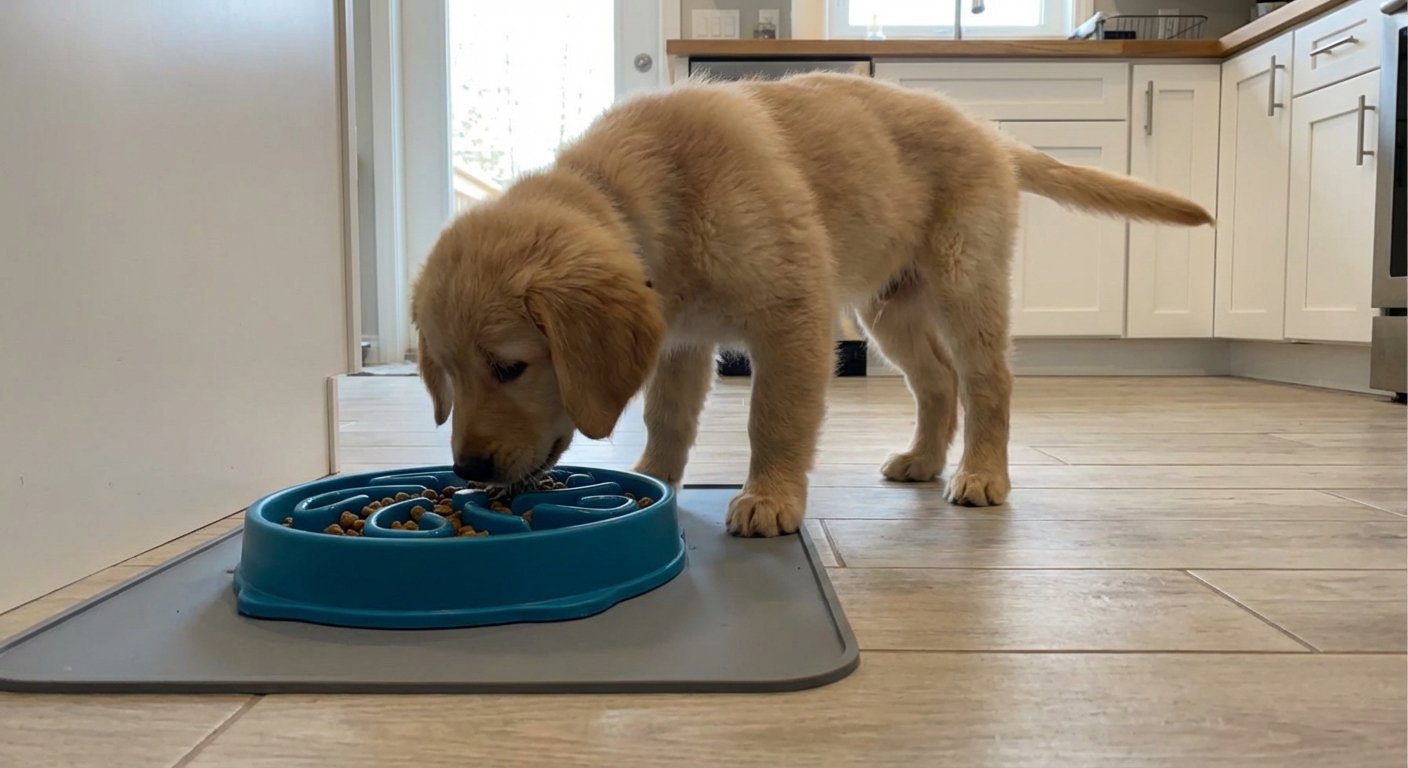
Fast eaters can vomit undigested food shortly after meals. A slow feeder bowl, smaller meals, and calmer feeding routines help.
3) Parasites
Roundworms, hookworms, giardia, and coccidia are common in puppies. Vomiting may come with diarrhea, soft stool, poor weight gain, or a pot-bellied look. A fecal test and appropriate deworming are the fix.
4) Viral and bacterial infections
Parvovirus is the big worry in unvaccinated or partially vaccinated puppies. Classic signs include vomiting, diarrhea (often bloody), lethargy, and dehydration. This is a medical emergency.
5) Foreign body or blockage
Puppies chew. Socks, toys, squeakers, string, and pieces of bones can obstruct the intestines. Signs include repeated vomiting, refusing food, belly pain, and worsening lethargy.
6) Toxins
Toxic exposures can cause vomiting quickly and may also cause tremors, weakness, drooling, seizures, or collapse. Bring the packaging or a photo of what was eaten when you go to the vet.
7) Motion sickness and stress
Car rides, new environments, boarding, and big routine changes can trigger nausea and vomiting in sensitive pups.
8) Less common but important
Some cases are less common in puppies but still worth keeping on the radar, especially if vomiting is recurring or your puppy is not growing well. Examples include pancreatitis (often linked to fatty foods) and congenital conditions such as a portosystemic shunt. These are not “wait and see” situations if signs are persistent.
What to do at home (when your vet says it is safe)
Home care is only for puppies that are otherwise doing well and do not have red-flag symptoms. If your puppy is very young, very small, or not fully vaccinated, your threshold to call the vet should be low. If your veterinarian gives you specific instructions, follow those over any general guide.
Step 1: Pause food briefly
For a stable puppy with a single vomiting episode, your vet may recommend a short break from food, often 2 to 4 hours. Longer fasting is not ideal for young puppies because of low blood sugar risk, so do not withhold food overnight unless a veterinarian specifically directs you.
Step 2: Offer small amounts of water
Dehydration is the biggest risk. Offer small sips frequently. If your puppy gulps and vomits, remove the bowl for 20 to 30 minutes and try again with smaller amounts.
Step 3: Reintroduce bland, puppy-safe food
Once your puppy has gone several hours without vomiting and can keep water down, offer a small bland meal. Common options include:
- Boiled skinless chicken breast with plain white rice
- Boiled turkey with rice
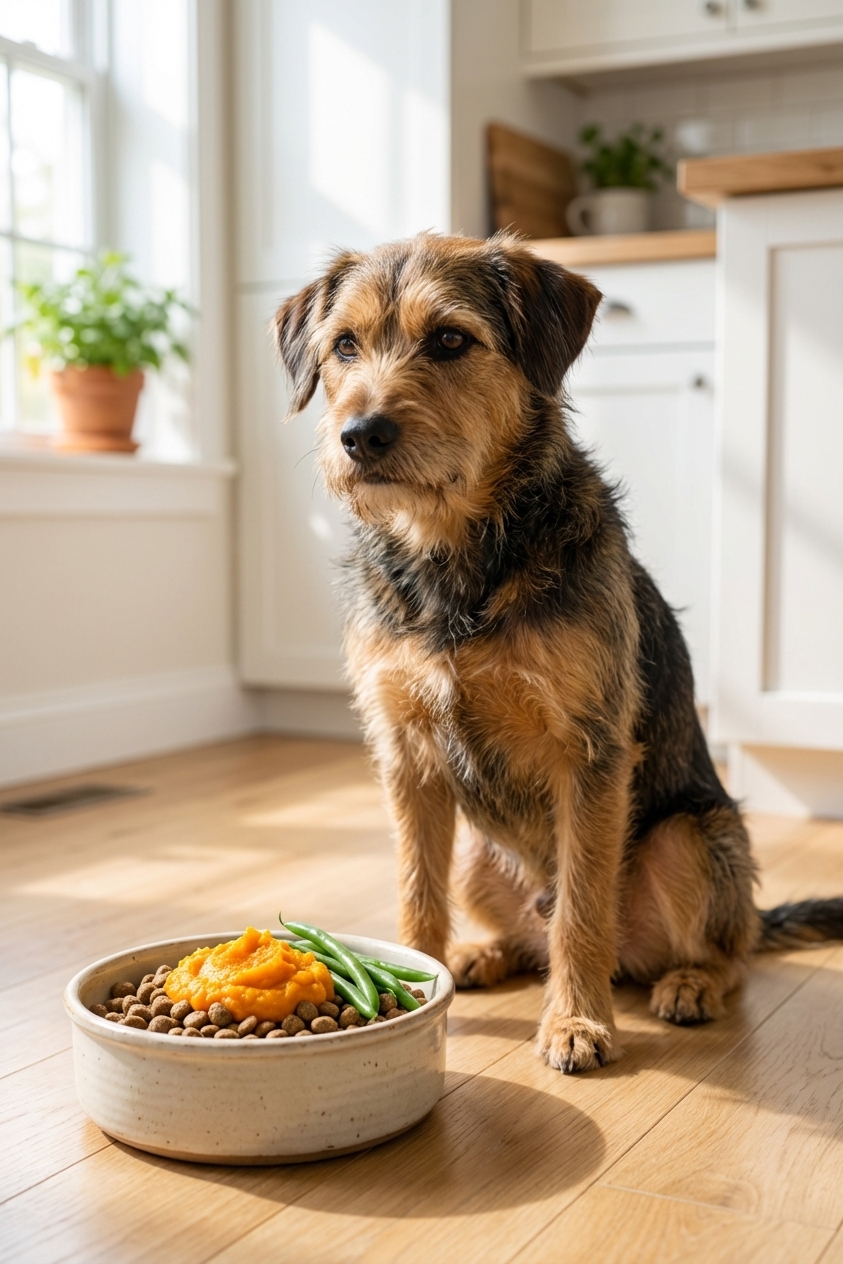
- Plain canned pumpkin (not pie filling) may help some puppies with stool quality. Use a small amount and stop if it worsens diarrhea. A typical starting amount is 1 to 2 teaspoons for small puppies, but your vet can guide you based on size.
Feed small portions every 4 to 6 hours for 24 hours, then gradually mix back into their regular puppy food over 2 to 3 days. If vomiting returns, stop home care and call your vet.
Step 4: Rest and observation
Keep activity calm for the day. Take notes on:
- How many vomiting episodes
- Time of day and relation to eating or drinking
- Vomit appearance
- Stool quality and frequency
- Energy level and appetite
Call your vet even if improved
- Vomiting comes back after seeming better
- Your puppy’s appetite does not return to normal within about 24 hours
- They seem uncomfortable, are losing weight, or vomiting is becoming a pattern over days or weeks
What not to do
- Do not give human medications like Pepto-Bismol, ibuprofen, naproxen, or acetaminophen unless a veterinarian told you to. Pepto-Bismol contains salicylates and can be unsafe for some dogs, and it can also darken stools, which can confuse the picture if there is GI bleeding.
- Do not force water if your puppy is actively vomiting.
- Do not give fatty foods (bacon, cheese, greasy leftovers) during recovery.
Feeding routine tips
A lot of puppy vomiting is preventable with feeding habits that support a sensitive, growing digestive system.
Helpful changes
- Feed 3 to 4 small meals per day for young puppies instead of one or two large meals.
- Use a slow feeder for gulpers.
- Avoid hard play for 30 to 60 minutes after eating.
- Transition foods slowly over 7 to 10 days.
- Limit treat variety while your puppy’s gut is still maturing.
What your vet may do
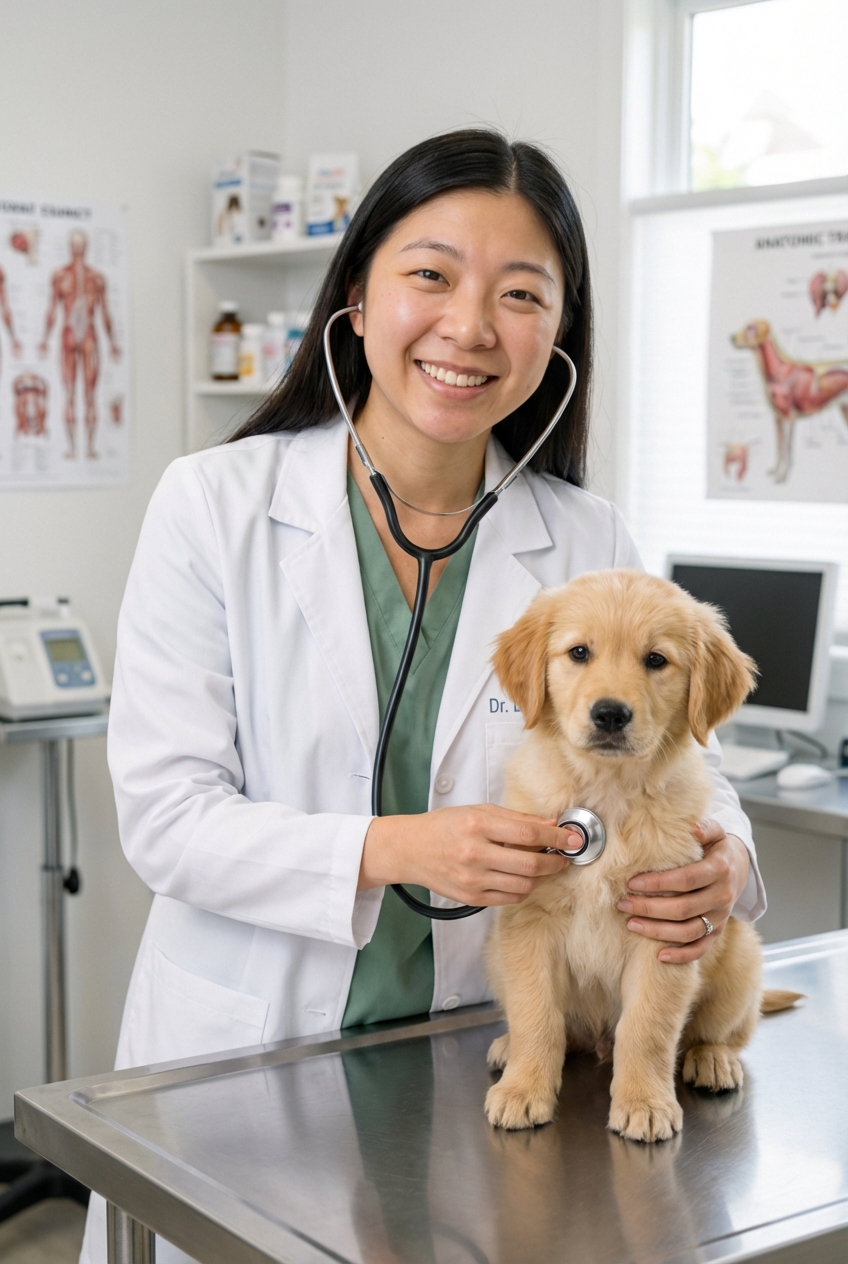
If you visit the clinic, the goal is to protect your puppy from dehydration, identify dangerous causes early, and relieve nausea safely.
Common tests
- Physical exam and hydration assessment
- Fecal testing for parasites
- Parvo testing in young or under-vaccinated puppies
- Bloodwork to assess electrolytes, infection, organ function
- X-rays or ultrasound if obstruction is suspected
Common treatments
- Anti-nausea medication prescribed for dogs
- Fluids under the skin or IV fluids for dehydration
- Deworming or specific parasite treatment
- Prescription GI diets for short-term support
- Hospitalization if your puppy needs close monitoring
Special cases
After vaccines
Mild sleepiness or reduced appetite can happen after vaccines. Vomiting is less common and should be reported to your vet, especially if it repeats or your puppy seems unwell.
Night or early morning vomiting
Some puppies vomit bile when their stomach is empty for too long. Your veterinarian may recommend a small bedtime snack or adjusting meal timing. Repeated episodes still deserve a checkup to rule out other causes.
Vomiting and diarrhea
This combination dehydrates puppies quickly. If diarrhea is frequent, watery, or has blood, seek care promptly.
Prevention checklist
- Keep vaccines and deworming up to date.
- Puppy-proof your home: pick up socks, kids’ toys, string, and chewable plastics.
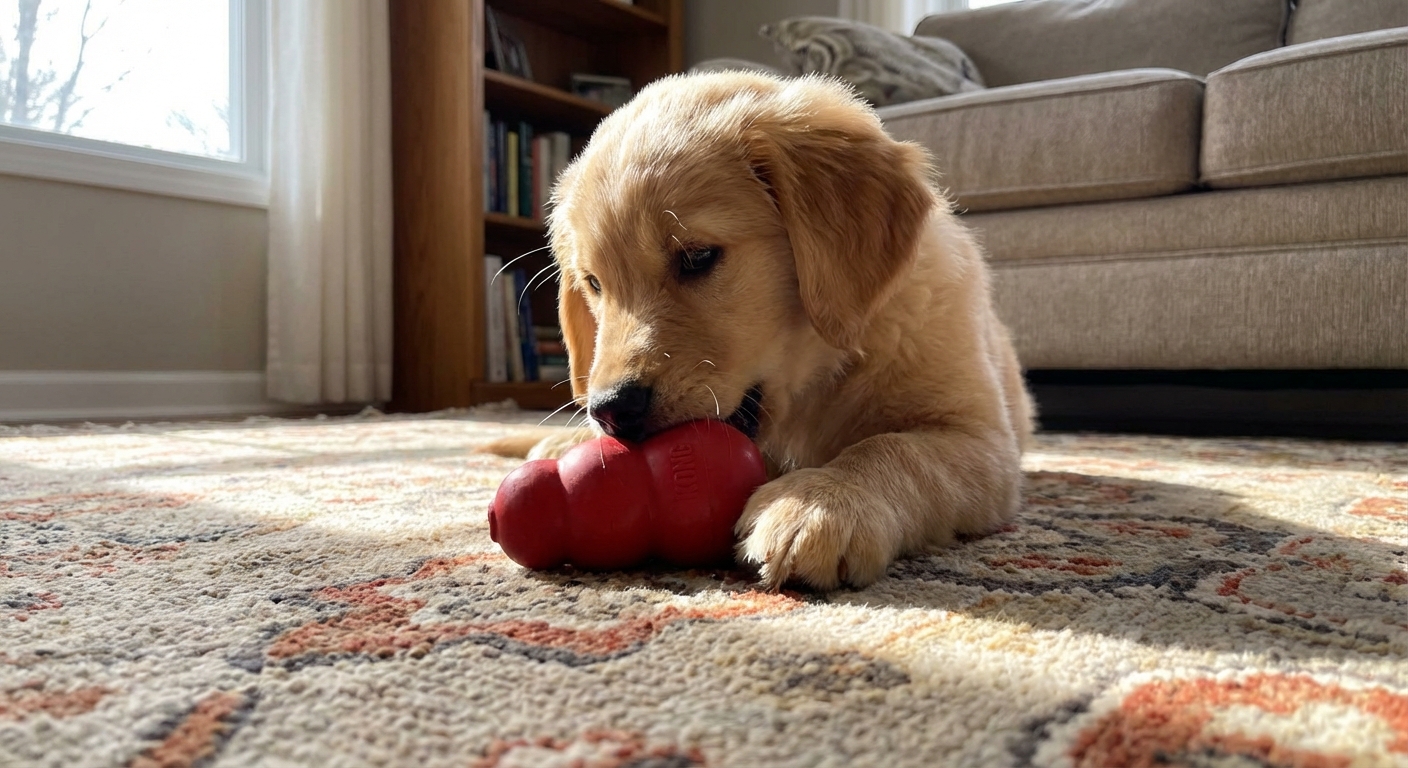
- Use puppy-safe chews sized appropriately for your dog’s mouth.
- Introduce new foods and treats gradually.
- If your puppy has vomiting with diarrhea and is not fully vaccinated, limit contact with other dogs and call your vet. Parvo is highly contagious.
- Clean accidents promptly. If parvo is a concern, ask your vet about proper disinfection. Bleach solutions are commonly recommended for parvovirus on hard, non-porous surfaces when used correctly.
- Schedule a vet visit if vomiting becomes a pattern, even if it seems mild.
You do not have to figure this out alone. A quick call to your vet with clear details can save you a lot of worry and can protect your puppy from getting dangerously dehydrated.
Quick reference: What to tell your vet
- Puppy’s age, weight, breed mix
- Vaccination status
- How many times they vomited and when it started
- What the vomit looked like (food, foam, bile, blood)
- Whether they can keep water down
- Any diarrhea, lethargy, or belly pain
- Any possible foreign body or toxin exposure