Turn teething chaos into calm with vet-informed tips: safe chew choices, what to avoid, bite inhibition training, mouth handling, daily routines, and when to...
Article
•
Designer Mixes
Puppy Teething Symptoms Facts

Shari Shidate
Designer Mixes contributor
Puppy teething can look dramatic, messy, and sometimes a little alarming, especially when you spot drool, a tiny smear of blood on a chew toy, or a pup who suddenly seems to forget their manners. The good news is that most teething symptoms are normal, temporary, and very manageable at home.
As a veterinary assistant, I always tell new puppy parents this: teething is not just “chewing a lot.” It can affect appetite, sleep, potty habits, and even how your puppy responds to handling. Knowing what is normal helps you stay calm, and knowing what is not normal helps you get help early.
When puppies teethe
Puppies are born without visible teeth, then go through two big dental phases.
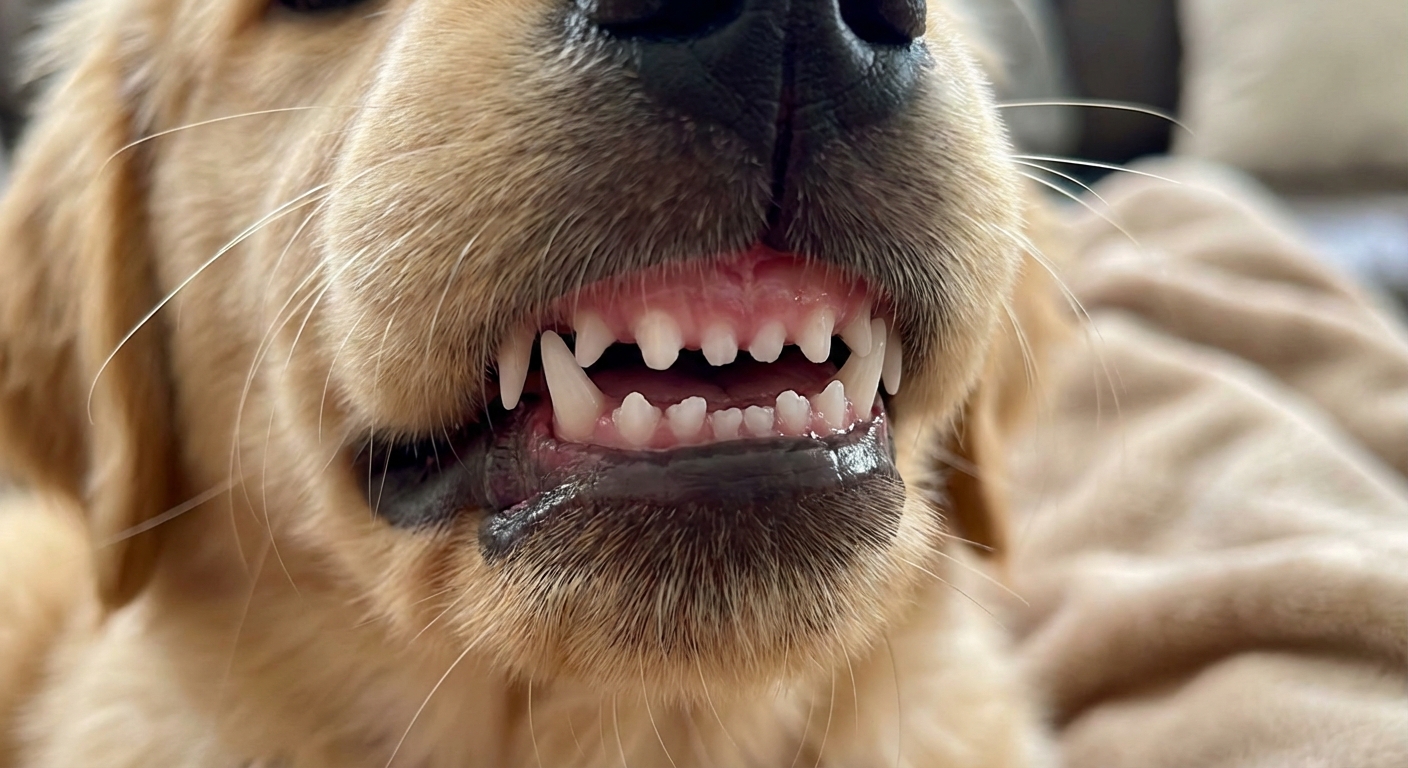
- Baby teeth (deciduous teeth) usually start erupting around 3 to 6 weeks of age.
- Adult teeth typically begin replacing baby teeth around 12 to 20 weeks, with many puppies finishing by about 6 to 7 months (timing varies by breed and individual).
If your puppy is in that 3 to 7 month window, a sudden surge in chewing and mouthiness is often teething, not “being bad.”
Common teething symptoms (and why they happen)
1) Chewing everything in sight
This is the hallmark. Pressure can feel soothing as adult teeth push through the gums. Puppies do not automatically know what is safe, so your job is to make the right choices easy.
2) Drooling more than usual
Extra saliva is common when gums are irritated. Many puppies also mouth toys more during this phase, which adds to the drool.
3) Red, puffy gums
Gums may look mildly inflamed, especially where teeth are erupting. A little tenderness is expected.
4) Mild bleeding
You might see a faint streak of blood on a toy or a slightly pink tinge in drool. That can be normal during tooth loss. Ongoing bleeding, dripping blood, or swollen facial tissues are not normal.
5) “Finding” teeth on the floor (or not)
Many puppies swallow baby teeth while eating or chewing. That is usually harmless. Finding a few tiny teeth is also normal.
6) Temporary appetite changes
Sore gums can make kibble less appealing for a few days. Some pups eat slower, drop food, or prefer softer textures. A complete refusal to eat, repeated vomiting, or lethargy needs a vet call.
7) Increased mouthing and nipping
Teething puppies explore with their mouths and seek gum relief. This is a great time to teach gentle mouth habits with consistent redirection to appropriate chews.
8) Pawing at the mouth
Pawing can be a normal “something feels different” behavior. If pawing is frantic, persistent, or paired with a foul odor or one-sided swelling, think dental pain or a foreign object and get checked.
Overlooked facts
Your puppy may act “off” without being sick
Some puppies get a little clingy, restless, or cranky. Mild discomfort can affect sleep and focus. Think of it like a toddler with sore gums: you may see big feelings over small things.
Loose stools may coincide, but do not assume
Teething itself is not a proven cause of diarrhea. What can happen is that puppies chew and swallow new materials, try new treats and chews, or experience a bit of stress, and the timing overlaps with teething. Still, diarrhea that lasts more than a day, contains a lot of mucus or blood, or comes with vomiting or low energy should be treated as a medical issue, not “just teething.”
Teething can make training feel harder for a week or two
When a mouth hurts, patience goes down. Shorter sessions, more breaks, and a chew toy “reset” can keep training positive.
Not all chewing is teething
Chewing can also be boredom, anxiety, lack of enrichment, or under-exercising. Teething often looks like a sudden increase in chewing intensity and mouth sensitivity in a predictable age range.
How to soothe a teething puppy safely
Offer the right chews
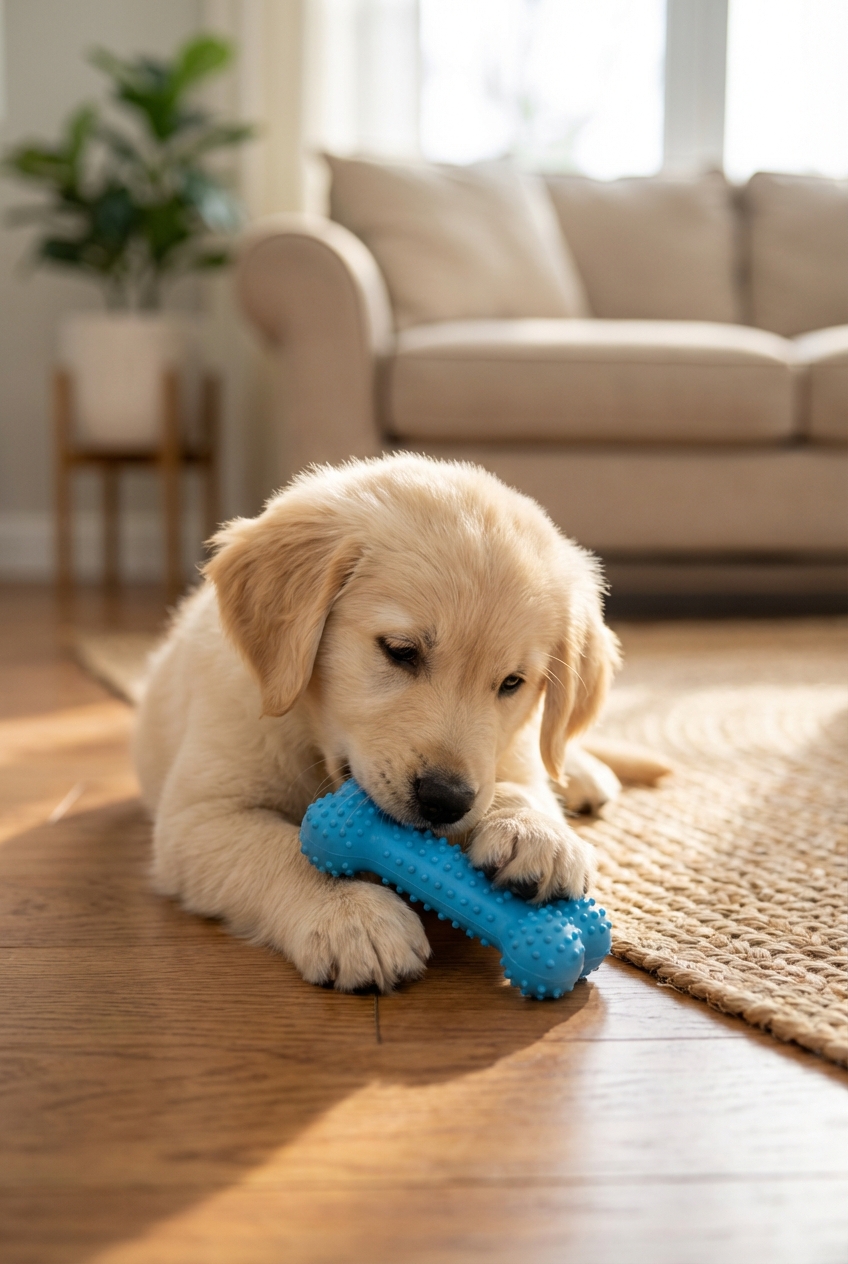
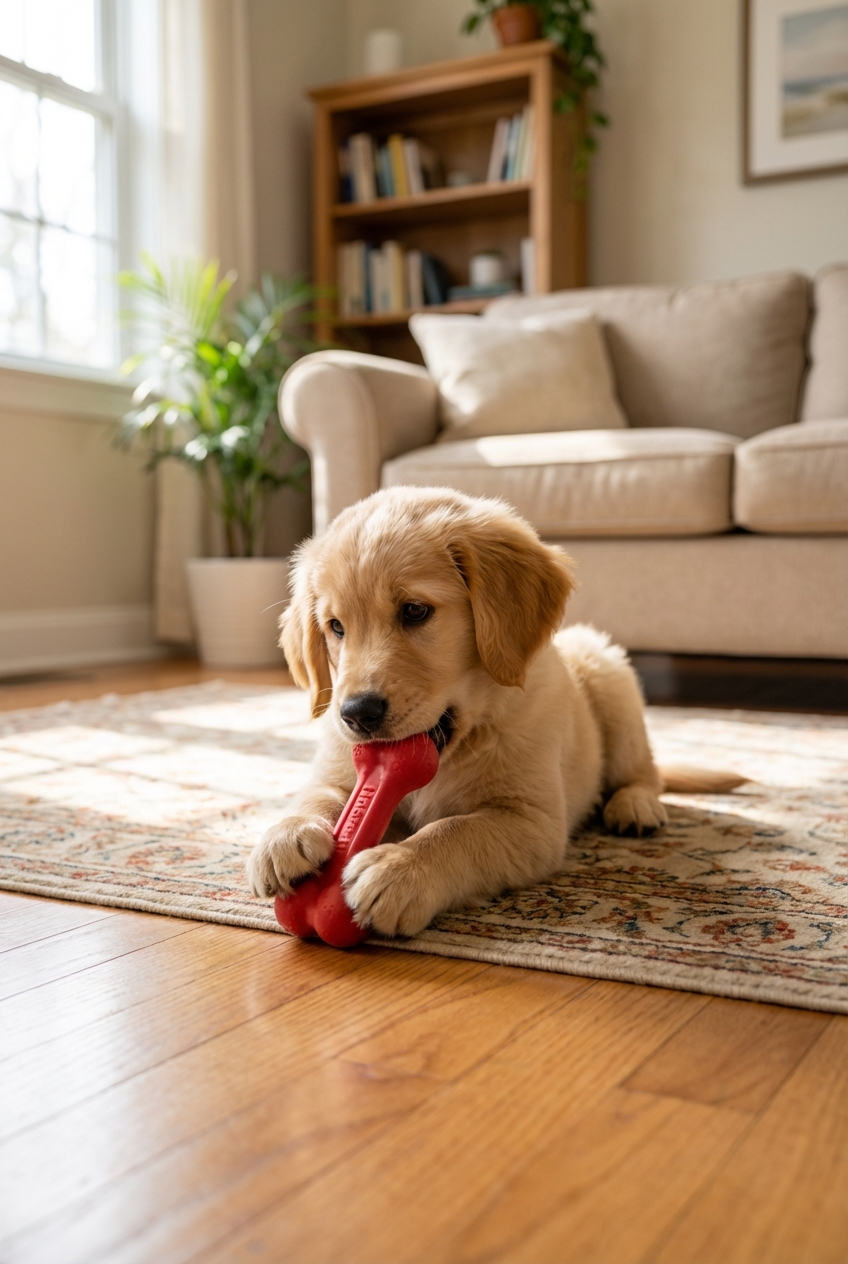
- Rubber chew toys that flex slightly are often a sweet spot.
- Textured chews can massage gums, but avoid anything that seems sharp or brittle.
- Food-stuffable toys (like a durable rubber toy) can keep busy minds occupied.
A simple safety rule of thumb many vet teams use: if you cannot dent it with a firm fingernail press, it may be too hard for puppy teeth. Another easy check: if you would not want it to hit your own front tooth, it is probably too hard.
Use cold to reduce gum irritation
- Chill a rubber chew toy in the fridge.
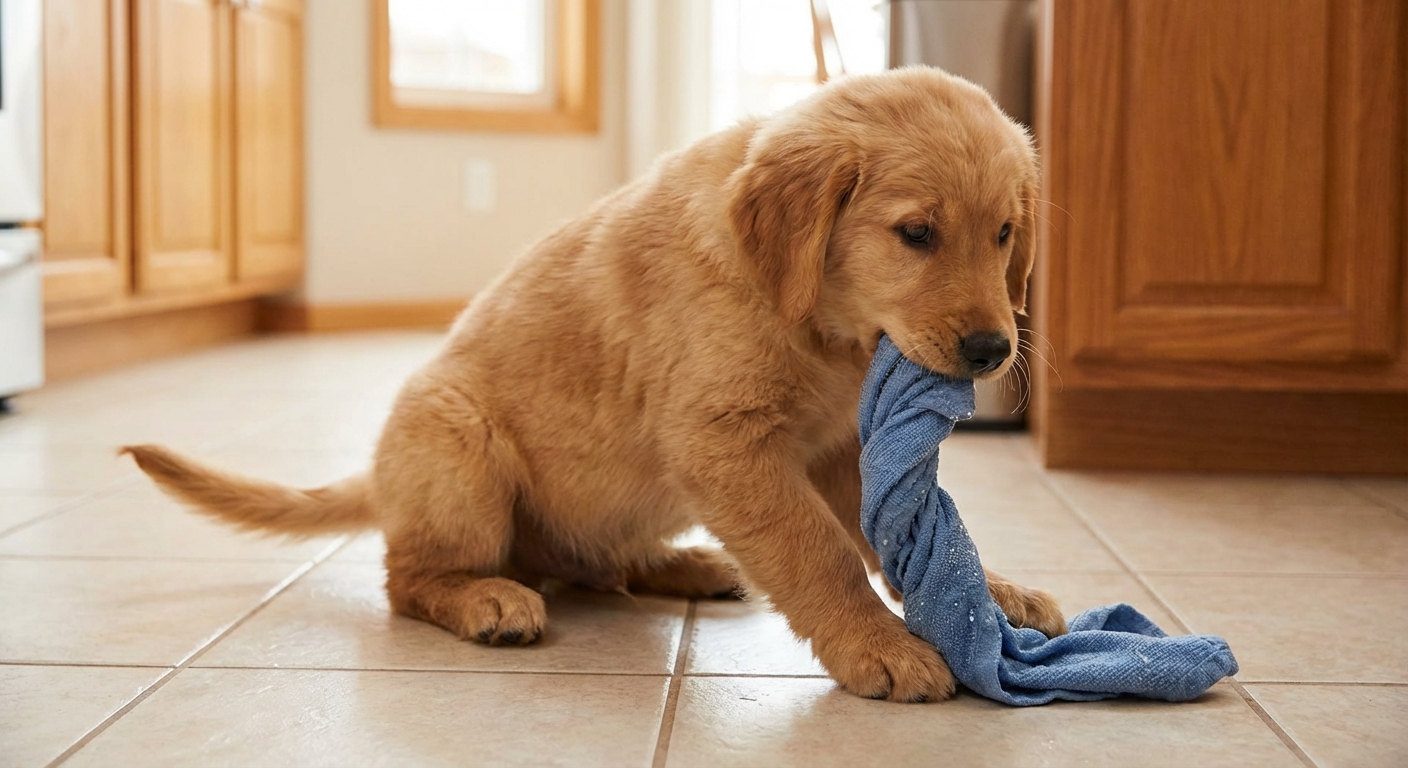
- Offer a cold, damp washcloth for supervised chewing.
- Ask your veterinarian about safe frozen treat ideas for your puppy’s diet and size.
Avoid giving ice cubes as a go-to chew for aggressive chewers, since very hard items can contribute to tooth fractures in some puppies.
Protect your home and your puppy
- Pick up small objects that could be swallowed.
- Cover or block access to power cords.
- Rotate toys so they stay interesting.
- Supervise chew time, especially with soft items like washcloths, and remove anything that starts shredding or breaking into pieces.
- Discard damaged toys and chews promptly to reduce choking and intestinal blockage risk.
What to avoid during teething
- Hard bones and very hard chews that can crack teeth.
- Cooked bones of any kind, since they can splinter and cause serious injury.
- Chews that break into sharp shards or have strong chemical odors.
- Teething gels made for human babies unless your veterinarian specifically okays a product. Ingredients and dosing are not the same for puppies.
- Punishing chewing or nipping. It often increases stress and does not teach the puppy what to do instead.
Red flags that are not “just teething”
Call your veterinarian promptly if you notice any of the following:
- Bad breath that is strong or sudden, especially with gum swelling (could suggest infection).
- Facial swelling, one-sided swelling, or a bump under the eye.
- Refusing food for more than 24 hours, or struggling to chew on one side.
- Persistent bleeding, blood dripping, or gums that look very raw.
- Vomiting, lethargy, fever, or signs of pain beyond mild fussiness.
- Something stuck in the mouth, excessive pawing, gagging, or drooling that suddenly ramps up.
- Adult teeth coming in while baby teeth remain, often called retained baby teeth. This is common in small breeds and mixes and can affect bite alignment and dental health.
If you are unsure, it is always okay to call and ask. A quick exam can prevent a small problem from turning into a big one.
Easy daily routine for teething season
Here is a simple routine that works well for many puppies and their people:
- Morning: short training session, then a chew toy for decompression.
- Midday: enrichment feeding (puzzle feeder or food-stuffable toy).
- Afternoon: supervised chew time with a safe option, then a nap.
- Evening: calm play, gentle handling practice, then a final potty break.
Consistency is your best friend. Puppies feel better when they know what to expect, especially when their mouths are changing day by day.
Teething and dental habits
This is also a great window to build comfort with mouth handling. Keep it gentle and brief: lift the lip, touch the gums, then reward. If your puppy is comfortable, start introducing a puppy toothbrush or finger brush with dog-safe toothpaste in tiny steps. The goal during teething is positive practice, not perfect brushing.
Teething and size differences
Breed, size, and jaw strength matter. A larger puppy may demolish soft chews quickly, while a smaller puppy may be overwhelmed by anything too large or tough. Choose chews based on your puppy’s current size and chewing style, not just their projected adult size.
If you would like, bring a photo of your puppy’s teeth to your vet visit or ask your clinic team to check their mouth during routine vaccine appointments. Catching retained baby teeth or bite issues early can save your pup discomfort later.
Bottom line: most puppy teething symptoms are normal. Your job is to provide safe chewing outlets, soothe sore gums, and know the red flags so your puppy stays comfortable and protected.