Feed your puppy with confidence using age, current weight, and body condition. Includes toy to giant breed charts, meals-per-day guidance, wet vs dry tips, a...
Article
•
Designer Mixes
Puppy Stages Guide

Shari Shidate
Designer Mixes contributor
Bringing home a puppy is pure joy, and also a lot of questions. As a veterinary assistant here in Frisco, Texas, I see the same worry come up again and again: “Am I doing this right for my puppy’s age?”
This guide walks you through puppy development from birth to young adulthood, what is normal at each stage, and what you can do right now to raise a confident, healthy dog.
Quick timeline (so you know where you are)
Note: These stages can overlap. Most puppies come home during the socialization window, which is why early routines and safe exposure matter so much.
- 0 to 2 weeks: Neonatal (sleep, nurse, minimal senses)
- 2 to 4 weeks: Transitional (eyes and ears open, wobbly walking)
- Roughly 3 to 14 weeks: Socialization (most important learning window)
- 8 to 16 weeks: New home + vaccines + bite inhibition practice
- 3 to 6 months: Juvenile (teething, curiosity, training progress)
- 6 to 18 months: Adolescence (big feelings, impulse control work)
Stage 1: Neonatal (0 to 2 weeks)
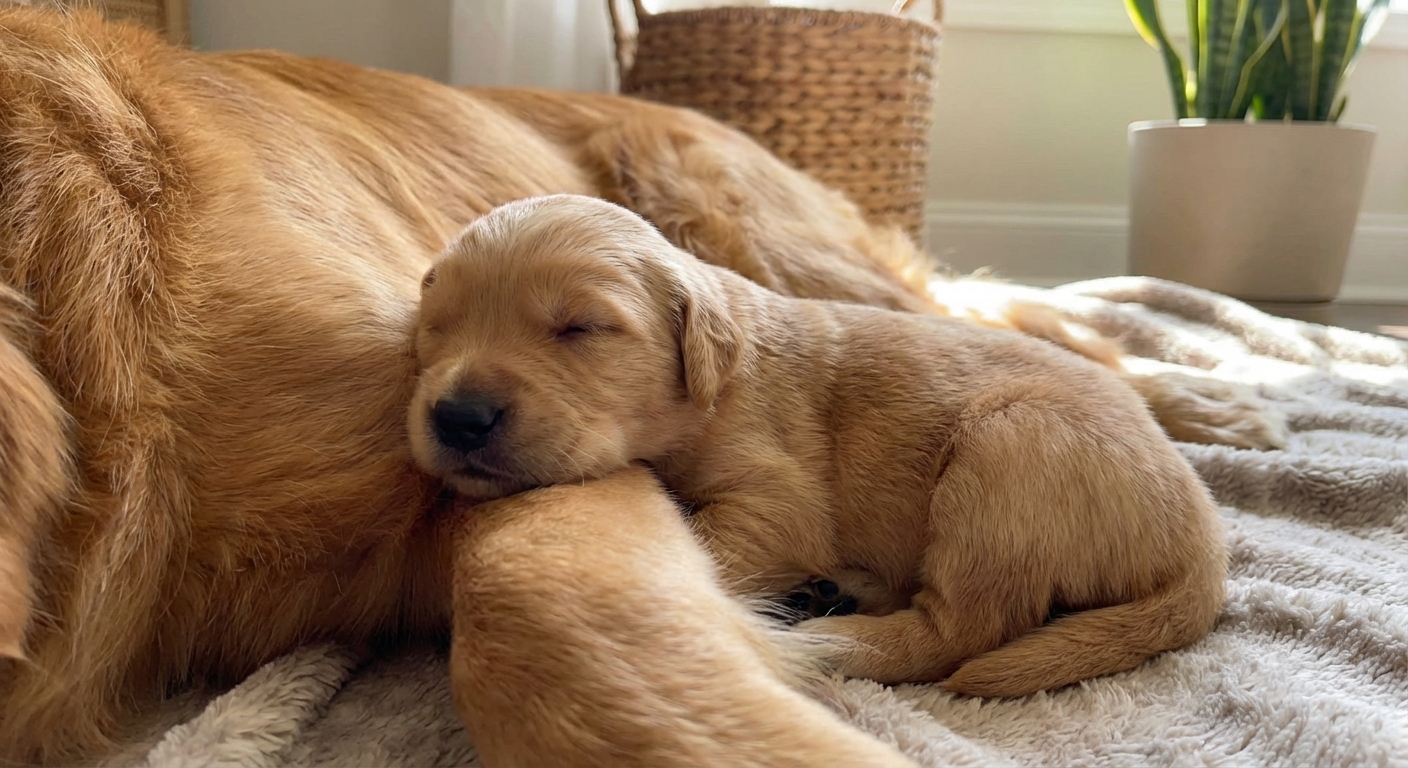
Newborn puppies are designed for two things: warmth and milk. They cannot regulate body temperature well, and they spend most of the day sleeping and nursing. Vision and hearing are not functional yet.
What’s normal
- Sleeping 90% of the time
- Nursing frequently
- Gentle twitching and rooting behavior
- Steady daily weight gain (your breeder or rescue should be tracking this)
How you can help
- Prioritize warmth: Chilling is dangerous for neonates. Heat support must be safe and monitored to avoid burns.
- Minimize stress: Handling should be brief and gentle unless advised otherwise by a veterinarian.
- Health check: If a puppy is crying constantly, not nursing, feels cool to the touch, or fails to gain weight for 24 hours, call a veterinarian right away.
Stage 2: Transitional (2 to 4 weeks)
This is when the “lights come on.” Puppies begin to see and hear, start walking (wobbly at first), and begin interacting with littermates. Their little brains are soaking up information.
What’s normal
- Eyes open (often between 10 to 14 days, then vision improves)
- Hearing develops soon after
- First play behaviors: pawing, mouthing, tiny barks
- Beginning to eat soft food as weaning starts (typically closer to 3 to 4 weeks)
How you can help
- Gentle exposure: Short, positive handling and calm household sounds help puppies adapt.
- Keep it clean: Puppies start moving into potty areas, so hygiene matters for health.
Stage 3: Socialization (roughly 3 to 14 weeks)
If you remember one stage, remember this one. The socialization period is when puppies are especially able to accept new people, sounds, surfaces, handling, and experiences as “normal.” Most behavior research supports early, positive exposure as a major factor in preventing fear and aggression later in life. Many puppies are especially sensitive in the 8 to 12 week range, and individual timing can vary a bit.
The goal is not to overwhelm your puppy. The goal is to create lots of tiny wins.
What’s normal
- Short attention span
- Curiosity mixed with caution
- Strong learning through repetition and rewards
- Developing bite inhibition through play with littermates
How you can help (action list)
- Start a socialization checklist: Men with hats, kids at a distance, wheelchairs, umbrellas, vacuums, doorbells, car rides.
- Pair new things with rewards: Treats, praise, play, and gentle petting.
- Practice handling daily: Briefly touch paws, ears, mouth, and tail while rewarding. This helps future grooming and vet visits.
- Focus on calm: Reward four paws on the floor and relaxed behavior.
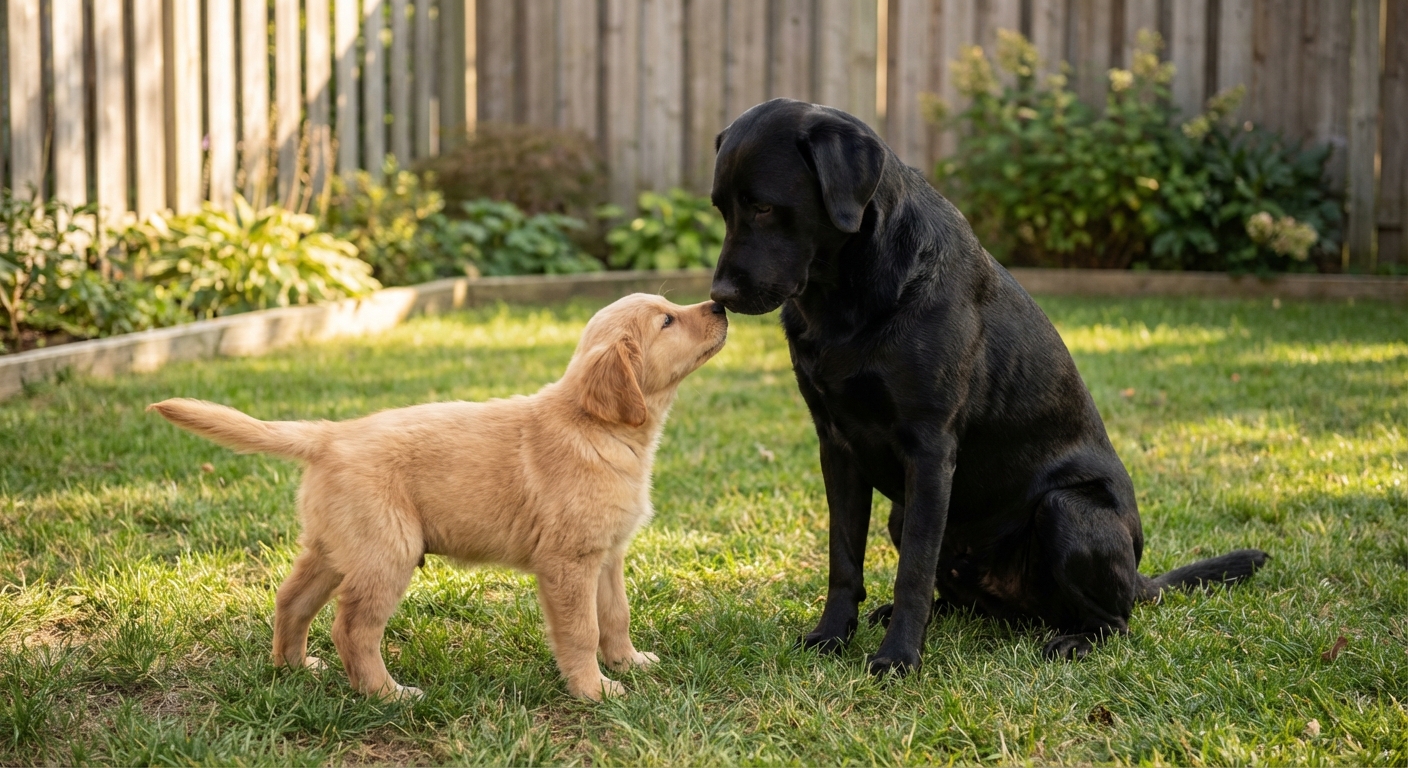
Important: Socialization must be safe. Parvovirus and distemper are real risks for young puppies, and risk varies by region and even by neighborhood. Until vaccines are complete, avoid high-traffic dog areas (like dog parks). Instead, use clean locations, puppy-safe playdates with healthy, vaccinated dogs, and controlled exposure in arms, a stroller, or a clean blanket.
Puppy classes: A well-run puppy kindergarten can be both safe and incredibly helpful if the facility requires age-appropriate vaccines, screens for illness, and follows strong cleaning protocols. Ask your vet what options they trust locally.
Stage 4: 8 to 16 weeks (home, training, vaccines)
Most puppies go to their new homes around 8 to 10 weeks. This stage is busy: bonding, sleep schedules, housetraining, and vaccinations. Your puppy is learning what your household rules mean, and they learn best when those rules are consistent.
Bringing puppy home basics
- Puppy-proof first: Pick up cords, shoes, kids’ toys, small swallowable items, and anything toxic (meds, xylitol gum, grapes, chocolate).
- Set up a safe zone: Crate plus a playpen or gated area, water, a bed, and a few safe chews.
- Plan your first week: Keep life small and predictable, then build up slowly with safe outings and new experiences.
First-week rhythm (simple sample)
- Potty right after waking, after eating, after play, and every 1 to 2 hours while awake
- Short training (1 to 3 minutes) a few times a day
- Planned naps (overtired puppies get extra bitey)
- Calm, positive exposure to one or two new things per day
Training priorities
- Housetraining: Frequent potty breaks, reward immediately after they go, and supervise indoors.
- Crate training: Make it positive with food puzzles and naps, never as punishment.
- Name recognition: Say name, reward eye contact.
- Simple cues: Sit, touch, down, come, leave it (short sessions, lots of wins).
Biting and nipping (very normal)
Puppies explore with their mouths. Your job is to teach “gentle” and redirect to appropriate chew items.
- Offer a chew or toy before hands become the target.
- If teeth touch skin, pause play briefly, then redirect.
- Avoid rough hand play that encourages harder biting.
Vaccines and parasite prevention
Your veterinarian will set a schedule based on age and risk. Many puppies receive a series of core vaccines every 3 to 4 weeks until around 16 weeks, and sometimes longer (up to 18 to 20 weeks) in higher-risk situations (like shelters or outbreak areas). Most also need deworming and ongoing parasite prevention.
- Heartworm prevention: Often monthly, depending on the product and your region.
- Flea and tick prevention: Options vary (monthly, or longer-acting products). Use what your veterinarian prescribes.
Stage 5: Juvenile (3 to 6 months)
This stage often feels easier because puppies start to “get it.” Then teething hits. You may see more chewing, a little crankiness, and selective listening as independence grows.
What’s normal
- Teething and chewing (baby teeth fall out; adult teeth come in)
- Increased confidence and exploration
- Growth spurts and appetite changes
How you can help
- Support teething: Adult teeth usually erupt around 12 to 24 weeks. Use puppy-safe chews and frozen, vet-approved options. Avoid cooked bones and very hard chews that can crack teeth.
- Keep training going: Add short “real life” practice sessions, like sitting before doors open.
- Grooming practice: Brush, nail trims, bathing exposure, and ear checks in tiny steps with treats.
Stage 6: Adolescence (6 to 18 months)
Adolescence is the stage that surprises people. Your sweet puppy can suddenly act like they forgot everything. This is normal brain development plus hormones plus energy. Think of it as a time to reinforce habits, not a sign that you failed.
What’s normal
- Testing boundaries
- More distractibility outdoors
- Higher exercise needs, especially in active mixes
- Possible fear periods where a previously “fine” thing suddenly seems scary
How you can help
- Double down on consistency: Clear rules, predictable routines, and rewards for the behavior you want.
- Increase mental enrichment: Sniff walks, food puzzles, training games, and basic scent work.
- Protect recall: Do not call your dog to you for something unpleasant. Pay well for coming when called.
- Ask for help early: If you see guarding, escalating reactivity, or intense fear, talk to your veterinarian and a qualified trainer promptly.

Feeding by age: simple, safe guidance
Nutrition is one of the biggest drivers of healthy growth. Large and giant breed puppies, in particular, need careful calorie and mineral balance to support safe bone development.
Meal frequency (general guide)
- 8 to 12 weeks: 3 to 4 meals per day
- 3 to 6 months: 3 meals per day
- 6 months and up: 2 meals per day (some small breeds do well with more frequent meals)
Exact portions depend on the food, your puppy’s size, and body condition. Your vet team can help you adjust based on growth and energy.
General evidence-based tips
- Choose a puppy diet labeled “complete and balanced” that meets AAFCO growth standards. Large breed puppies should eat a large-breed growth formula.
- Do not add calcium supplements unless your veterinarian directs it. Too much calcium can be harmful in growing dogs.
- Use body condition, not just the bag: Puppies should be lean with a visible waist. Rapid growth is not the goal.
- Homemade diets: They can work, but they must be properly formulated for growth. If you want to cook, ask your veterinarian for a veterinary nutritionist referral.
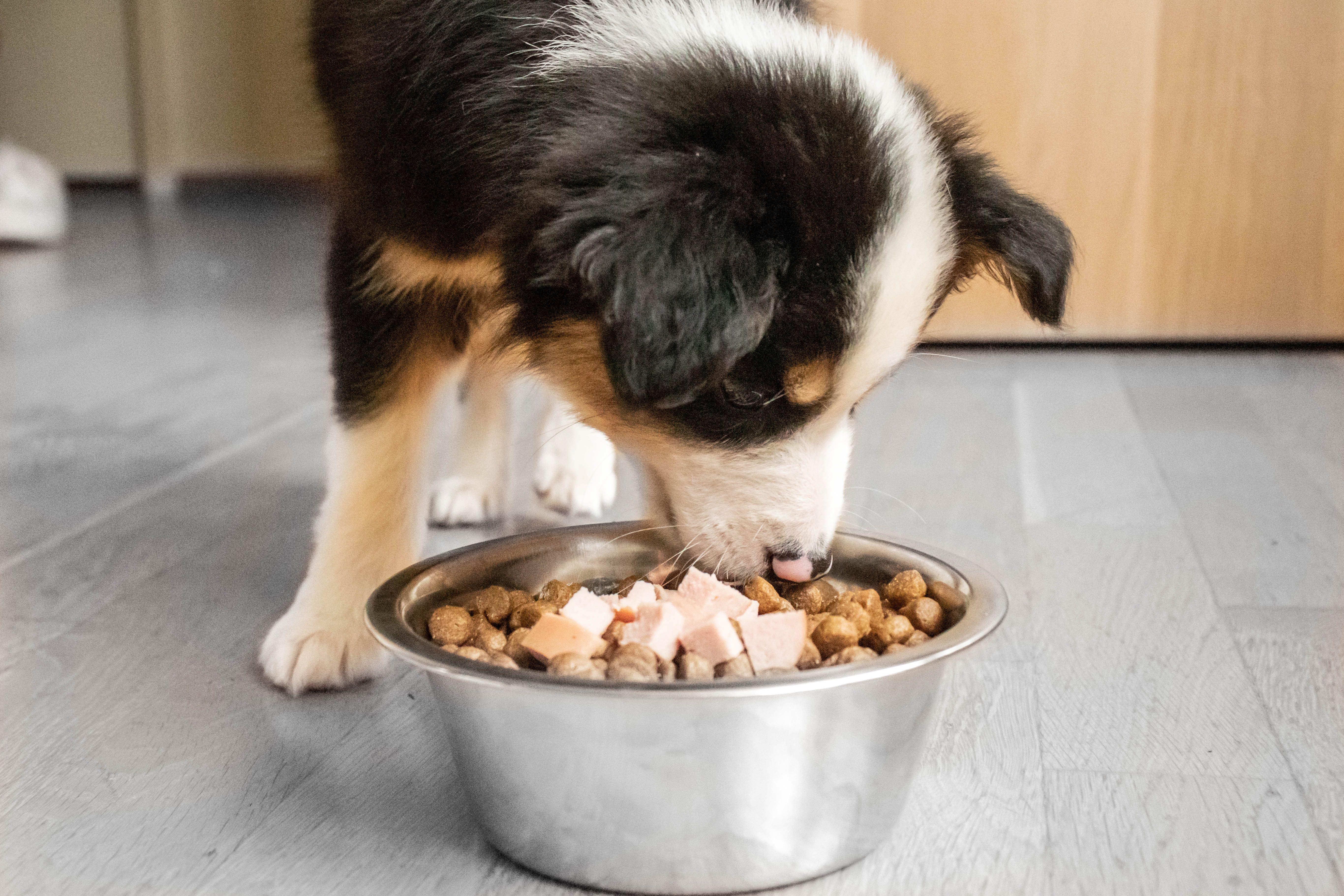
If you want to start “slow and steady” with healthier toppers, you can often add a small amount of plain cooked meat or dog-safe vegetables while keeping the core diet balanced. For puppies, I recommend doing this only with your vet’s approval and keeping extras modest.
Sleep, exercise, enrichment
Puppies need more sleep than most people expect. A tired puppy is often a mouthy, zoomy puppy.
Helpful rules of thumb
- Sleep: Many puppies sleep 16 to 20 hours a day, especially in the early months.
- Exercise: Focus on short, controlled sessions rather than intense, repetitive impact.
- Enrichment: Sniffing, licking, and chewing are calming and age-appropriate.
Easy enrichment ideas
- Frozen food-stuffed toys with vet-approved fillings
- Scatter feeding in grass for sniffing
- Short training games: “find it,” “touch,” “go to mat”
Health milestones to plan for
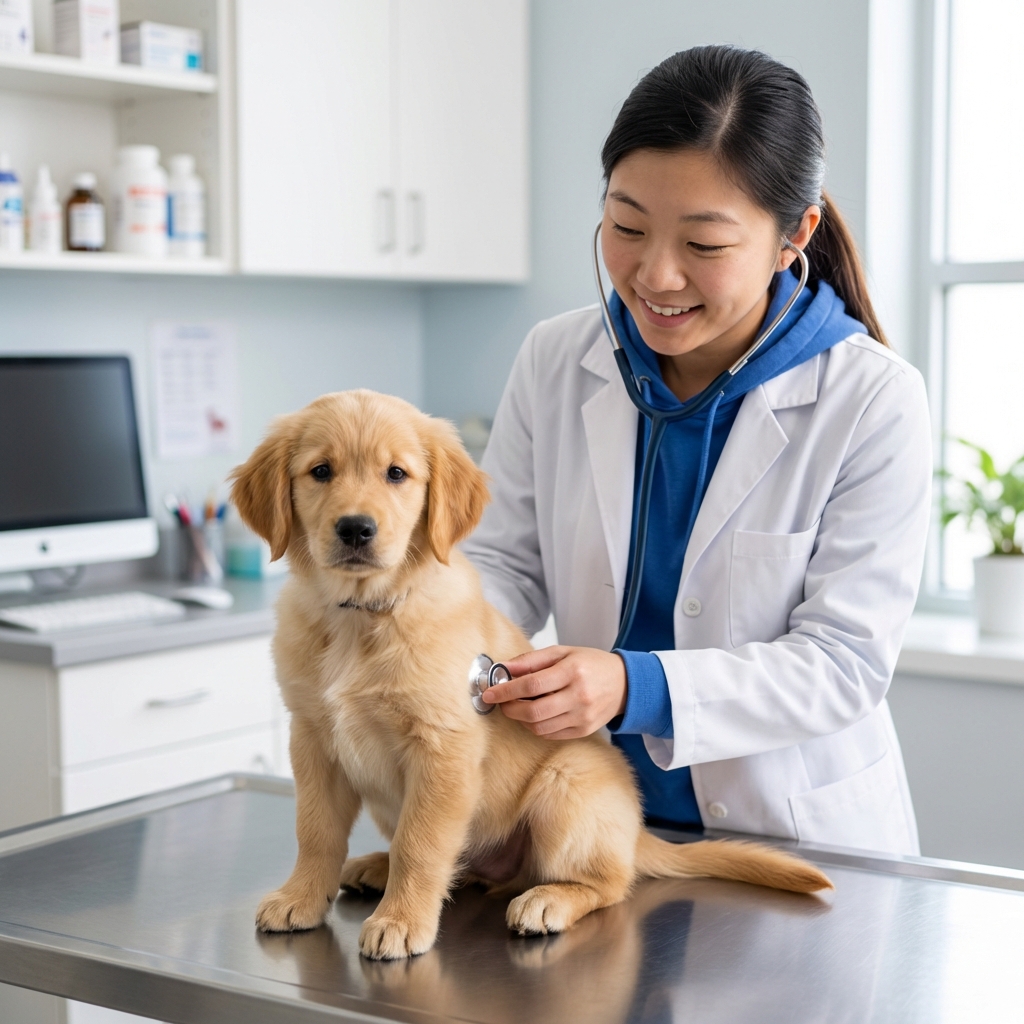
- First vet visit: Within a few days of coming home (or sooner if advised).
- Vaccine series: Often continues until around 16 weeks, and sometimes longer depending on risk, then boosters as recommended.
- Parasite checks: Fecal testing and prevention for fleas, ticks, and heartworm based on your region and your veterinarian’s guidance.
- Spay and neuter timing: Individual decision based on breed, size, and lifestyle. Ask your veterinarian for a personalized recommendation.
- Microchip: If not already done, consider it early.
When to call the vet right away
Trust your gut. Puppies can decline quickly, and earlier care is often simpler and more successful.
- Vomiting repeatedly or inability to keep water down
- Diarrhea that is severe, bloody, or lasting more than a day
- Refusing food or acting unusually lethargic
- Coughing, labored breathing, pale gums
- Swollen face or hives (possible allergic reaction)
- Suspected toxin ingestion or foreign body chewing
The bottom line
Puppyhood is not one stage. It is a series of fast-moving seasons, and each one comes with normal behaviors that can look “bad” if you do not know what you are seeing.
If you focus on three things, you will be ahead of the game: positive socialization, consistent training, and age-appropriate health care. Your puppy does not need perfection. They need patience, structure, and lots of tiny successes that build a confident adult dog.