A practical home-care plan for mild puppy diarrhea: safety check, hydration tips, bland diet portions, probiotics and pumpkin, plus red flags that mean call ...
Article
•
Designer Mixes
Puppy Poop Soft and Smelly

Shari Shidate
Designer Mixes contributor
Soft, smelly puppy poop is one of the most common worries I hear from new pet parents. The good news is that most cases are fixable with a few targeted steps. The tricky part is knowing when it is a normal adjustment (new home, new food, new treats) and when it is a sign your puppy needs veterinary care.
In this how-to guide, I will walk you through veterinarian-recognized causes, quick at-home checks, what to do today, and when to call your veterinarian.
Extra caution: If your puppy is under 16 weeks, very small, or not fully vaccinated, it is safest to call your vet sooner rather than later.
What’s normal vs. not normal
Puppy stools can be a little softer than adult stools, especially during transitions. But there is a difference between “soft” and “concerning.”
Often seen during transitions
These can show up in the first days to couple of weeks after a move, a diet change, or a new routine. The key is that they should improve, not linger or worsen.
- Soft-serve consistency once in a while (holds its shape but is squishy), with normal energy and appetite
- Stronger odor after new treats, rich chews, or a food change
- A small amount of mucus one time after stress (moving, visitors, training class). If mucus repeats, increases, or your puppy seems unwell, call your veterinarian because parasites or infection are also possible.
Not normal and needs attention
- Watery diarrhea or repeated urgent stools
- Blood (bright red streaks or black, tarry stool)
- Vomiting, refusing food, fever, or lethargy
- Dehydration (sticky gums, sunken eyes, weakness). Skin “tenting” can be a clue, but it is not always reliable in very young puppies.
- Very frequent stools that continue longer than 24 hours (sooner if your puppy is very young or small)
Top causes of soft, smelly puppy poop
Stool quality is a clue. Here are the most common, veterinarian-recognized reasons puppies get soft, stinky stools.
1) Parasites (very common in puppies)
Roundworms, hookworms, whipworms, coccidia, and Giardia are common even in puppies from good breeders and rescues. Parasites can cause soft stool, mucus, strong odor, slow weight gain, and sometimes vomiting.
Vet tip: A negative fecal float does not always rule out Giardia or coccidia. These organisms may shed intermittently, and some tests are more sensitive than others. Your vet may recommend a Giardia antigen test or PCR, repeat testing, or both if symptoms continue.
2) Diet changes and rich foods
Switching brands, adding toppers, starting a new chew, or offering “people food” can overwhelm a puppy’s gut. Soft stool and extra odor can show up within a day or two.
3) Overfeeding or too many treats
Puppies are growing, but their digestion still has limits. Too much food can move through the intestines too quickly, leading to softer, smellier poop.
4) Stress-related gut upset
New home, crate training, visitors, dog parks, and even a grooming appointment can trigger intestinal inflammation. This often shows up as frequent soft stool, mucus, and an urgent need to go.
5) Viral or bacterial infection
Parvovirus is the big one we worry about in unvaccinated or partially vaccinated puppies. Other infections can also cause diarrhea. These cases often involve more dramatic symptoms like vomiting, lethargy, refusing food, or dehydration.
6) Food intolerance or sensitivity
Some puppies do not do well on certain proteins, high-fat formulas, or frequent treat rotation. If the problem keeps coming back, your vet may recommend a diet trial.
7) Eating something they should not
Garbage, compost, new plants, and dropped food can all trigger short-term diarrhea. If you also see vomiting, belly pain, or your puppy cannot keep water down, call your vet right away to rule out a foreign body.
Also possible: antibiotics can upset the gut, and pancreatitis is less common in puppies but can happen, especially after very fatty foods.
At-home check: 5 things to note
If your puppy is stable, these observations help your veterinarian make faster, better decisions.
- Frequency: How many stools in the last 24 hours?
- Consistency: Soft formed, pudding-like, or watery?
- Color: Chocolate brown, yellow, green, black, or pale?
- Odor: Normal, strong, or extremely foul (especially with mucus)?
- Whole puppy picture: Energy, appetite, vomiting, drinking, and any weight loss.
If you can, bring a fresh stool sample to your appointment. Many clinics prefer a sample that is less than 12 to 24 hours old. Seal it in a clean bag or container and keep it cool. Do not freeze it unless your clinic tells you to.
Hygiene note: Until you know the cause, assume it could be contagious. Wash hands after cleanup, disinfect soiled areas, pick up poop quickly, and limit contact with other dogs.
What to do today: step-by-step plan
For mild soft stool in a bright, playful puppy who is eating and drinking, these steps are commonly recommended by veterinarians. If your puppy is very young, small, not fully vaccinated, or has vomiting, blood, or watery diarrhea, call your vet first so at-home steps do not delay needed care.
Step 1: Stop the extras for 48 hours
- Pause new treats, bully sticks, pig ears, cheese, table scraps, and rich toppers
- Stick to one main diet
- Use kibble as training treats, or ask your vet about a simple alternative
Step 2: Check portions
Overfeeding is a quiet but common cause. Measure meals with a real measuring cup and confirm your puppy’s daily calories with your veterinarian and the food’s feeding guide.
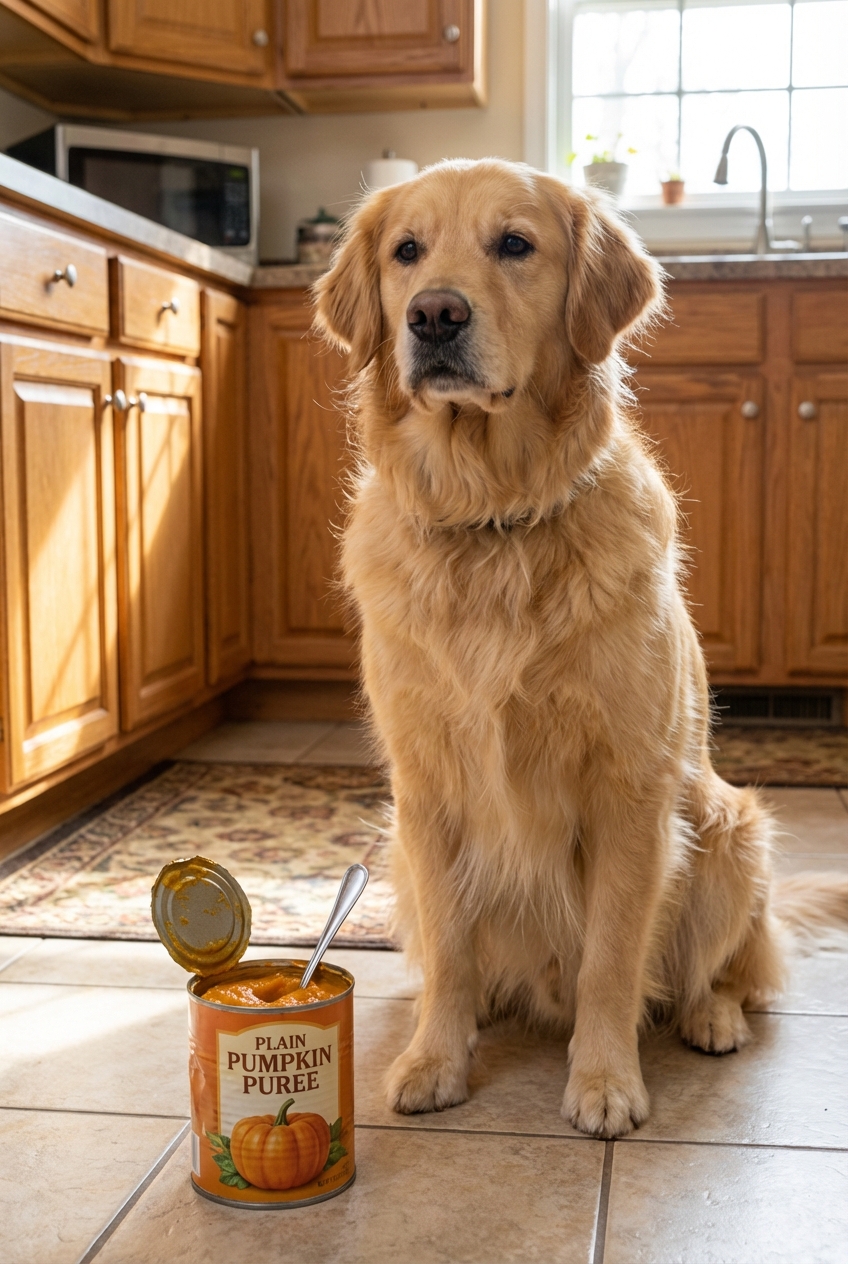
Step 3: Add gentle fiber only if your vet agrees
Many veterinarians use plain canned pumpkin (not pie filling) as a gentle stool-firmer. The right amount depends on your puppy’s size and situation, so ask your clinic for a dose. Too much fiber can backfire, and it is not appropriate for every puppy.
Step 4: Consider a veterinary probiotic
Evidence-based, veterinary probiotics can help normalize stool during stress or after mild GI upset. Ask your veterinarian which product and dose is best for your puppy’s age and weight.
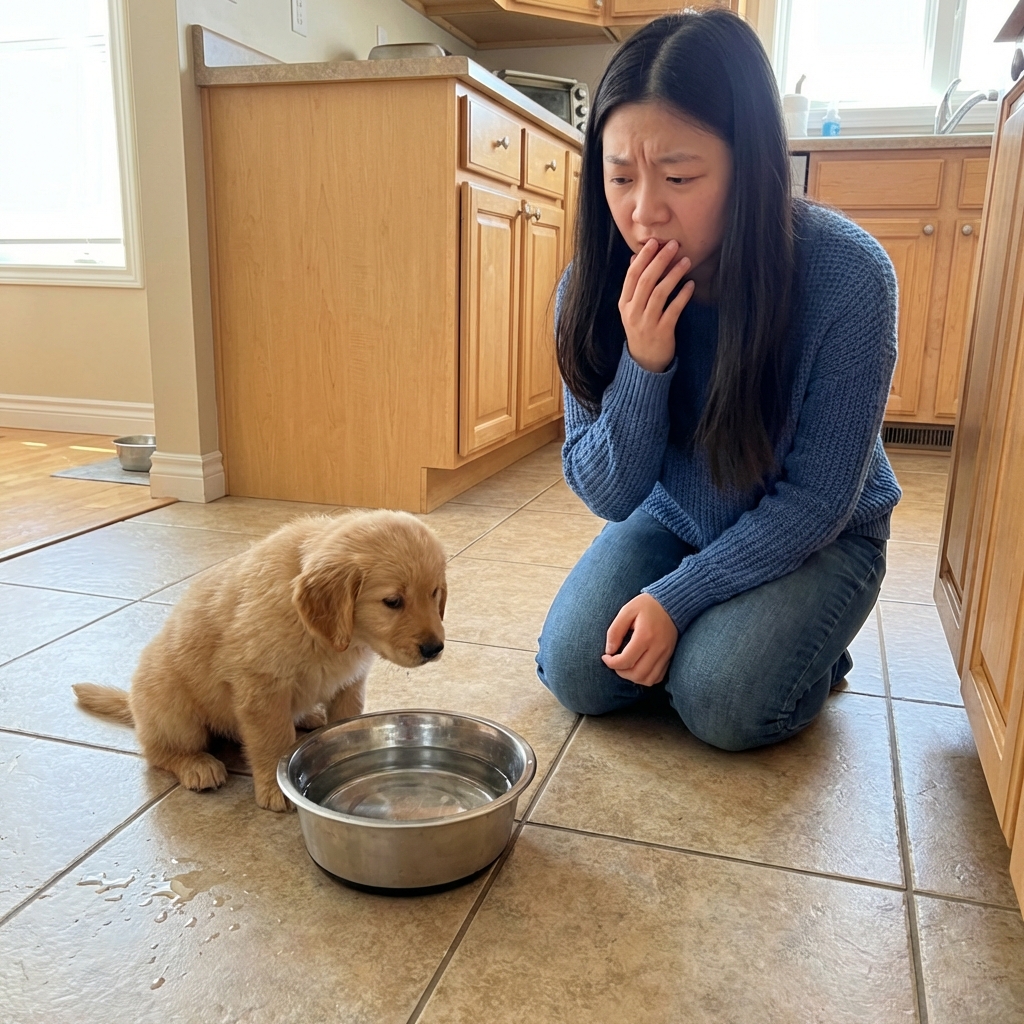
Step 5: Hydration matters
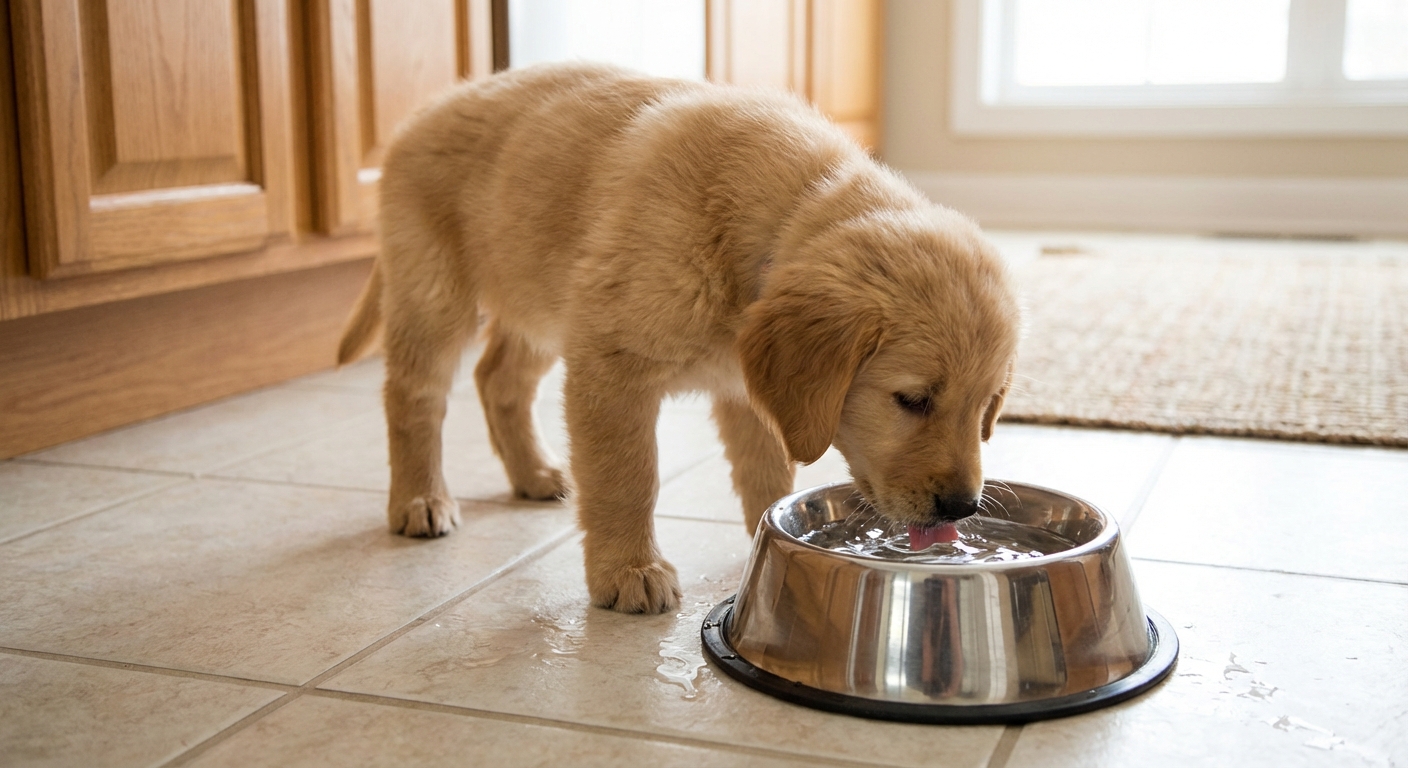
Soft stool can lead to dehydration faster than many people expect. Make sure fresh water is always available. If your puppy seems weak, is not drinking, or is vomiting, contact your veterinarian right away.
Should you feed a bland diet?
A bland diet can be helpful in some cases, but for puppies it should be guided by your veterinarian. Puppies have higher nutrient needs than adult dogs, and “bland” foods can become unbalanced if used too long.
Common vet guidance: a short course of a veterinary gastrointestinal diet, or a carefully selected home bland option for a very short period, then a gradual transition back to the regular puppy food.
If your puppy has ongoing loose stool, your vet may recommend a prescription GI diet that is complete and balanced for growth.
When to seek urgent care
Please seek urgent veterinary care if you notice any of the following:
- Blood in stool or black, tarry stool
- Repeated vomiting or your puppy cannot keep water down
- Lethargy, weakness, collapse, or pale gums
- Signs of dehydration
- Watery diarrhea, especially if it continues, is frequent, or your puppy is young or small
- Parvo risk: not fully vaccinated, recent exposure to unknown dogs or high-traffic areas, plus diarrhea and vomiting
If you are ever unsure, call your veterinarian. With puppies, waiting too long can turn a treatable stomach issue into a dangerous dehydration problem.
How vets diagnose the cause
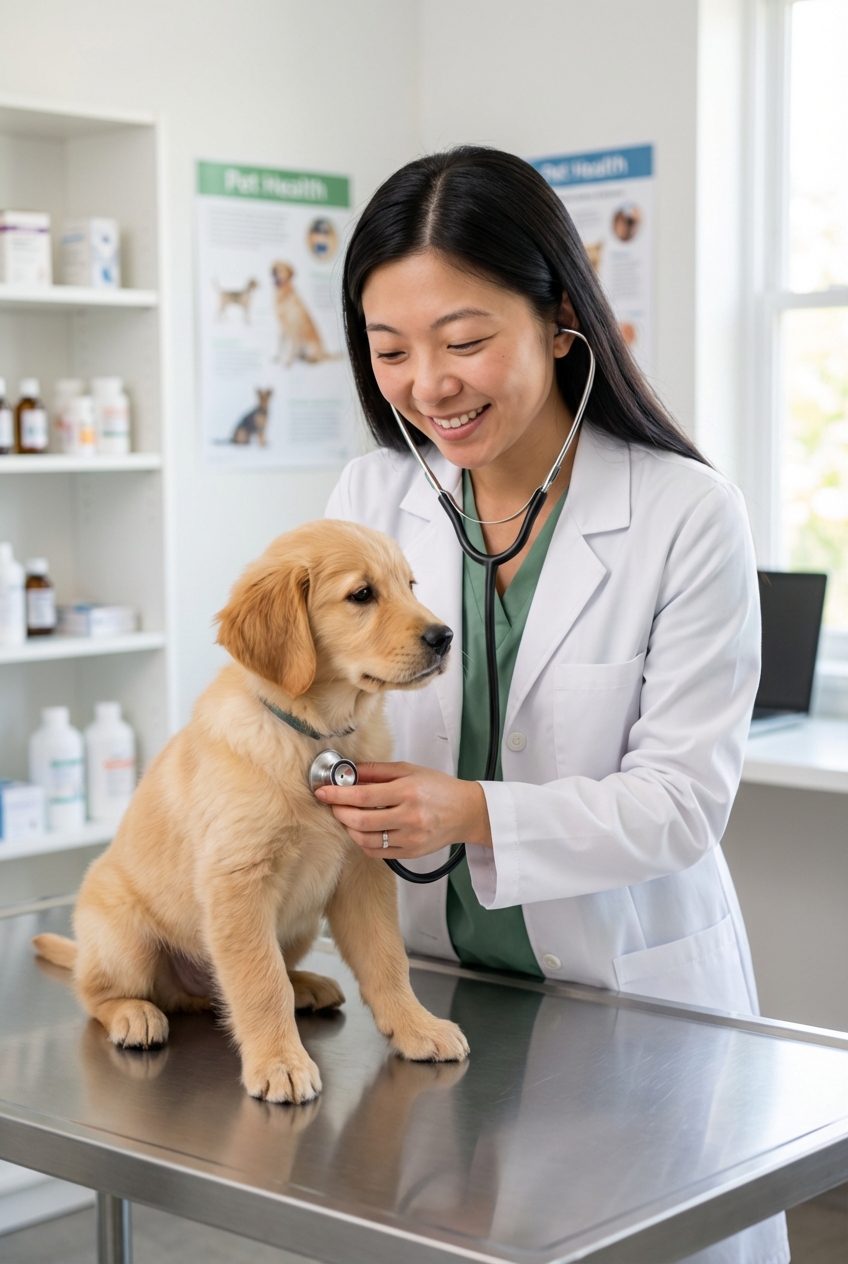
Your vet will usually start with a history, an exam, and fecal testing. Depending on your puppy’s age, vaccine status, and symptoms, they may recommend:
- Fecal float and smear to look for worm eggs and protozoa
- Giardia testing (antigen or PCR), especially when odor is extreme or diarrhea persists
- Parvo test for at-risk puppies
- Deworming based on age and risk, even if tests are pending
- Diet trial if food sensitivity is suspected
Prevention tips
Transition food slowly
Any diet change should be gradual. Many puppies do best with a 7 to 10 days transition, mixing small amounts of the new food into the old and increasing slowly.
Use treats strategically
Keep treats to about 10 percent or less of daily calories, and avoid rotating lots of rich chews. Consistency is your friend when you are trying to get firmer stools.
Stay on schedule with fecal checks and deworming
Follow your vet’s puppy wellness plan. Puppies commonly need multiple dewormings and follow-up fecal tests.
Pick up poop fast
This reduces reinfection risk from parasites like Giardia and coccidia, especially in shared yards or apartment dog areas.
Quick FAQ
Why does my puppy’s poop smell so bad?
Strong odor often comes from undigested food, diet changes, parasites like Giardia, or intestinal inflammation. If the smell is suddenly extreme or the stool is very soft, bring in a fecal sample.
How long is too long for soft stool?
If your puppy is otherwise well, mild soft stool that improves within about 24 hours can happen. For very young or small puppies, or for watery diarrhea, call the same day. If it persists, worsens, or includes vomiting, blood, or low energy, contact your veterinarian.
Can I give my puppy over-the-counter anti-diarrhea medication?
Do not give human medications unless your veterinarian tells you to. Some are unsafe for puppies, and they can mask symptoms that your vet needs to evaluate.
A gentle next step
If you are dealing with soft, smelly poop right now, start by removing extras, measuring meals, and calling your veterinarian to ask what fecal testing they recommend. Puppies can bounce back quickly when we identify the real cause, and you do not have to troubleshoot it alone.