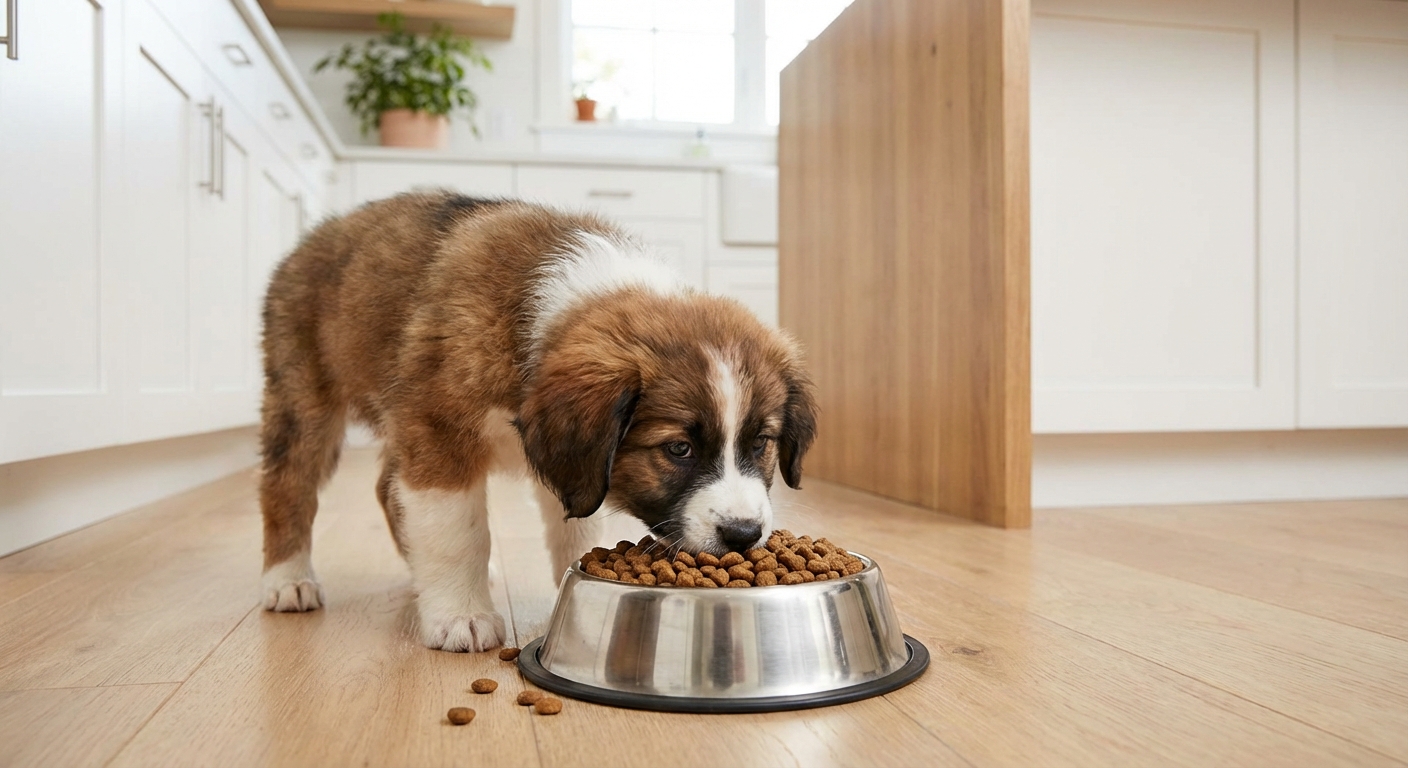
Feed your puppy with confidence using age, current weight, and body condition. Includes toy to giant breed charts, meals-per-day guidance, wet vs dry tips, a...
Article
•
Designer Mixes
Puppy Not Eating: Common Causes and When to Worry

Shari Shidate
Designer Mixes contributor
Bringing home a new puppy is exciting, and it can also be a little nerve-wracking when they turn their nose up at dinner. The good news is that a brief dip in appetite is common, especially during the first few days after rehoming. The not-so-good news is that puppies can get dehydrated and low blood sugar faster than adult dogs, so we want to take appetite changes seriously and know when it is time to call your vet.
Below, I will walk you through the most common reasons puppies stop eating, what you can do at home to help, and a simple checklist for when to worry.
How long is “normal” for a puppy to skip food?
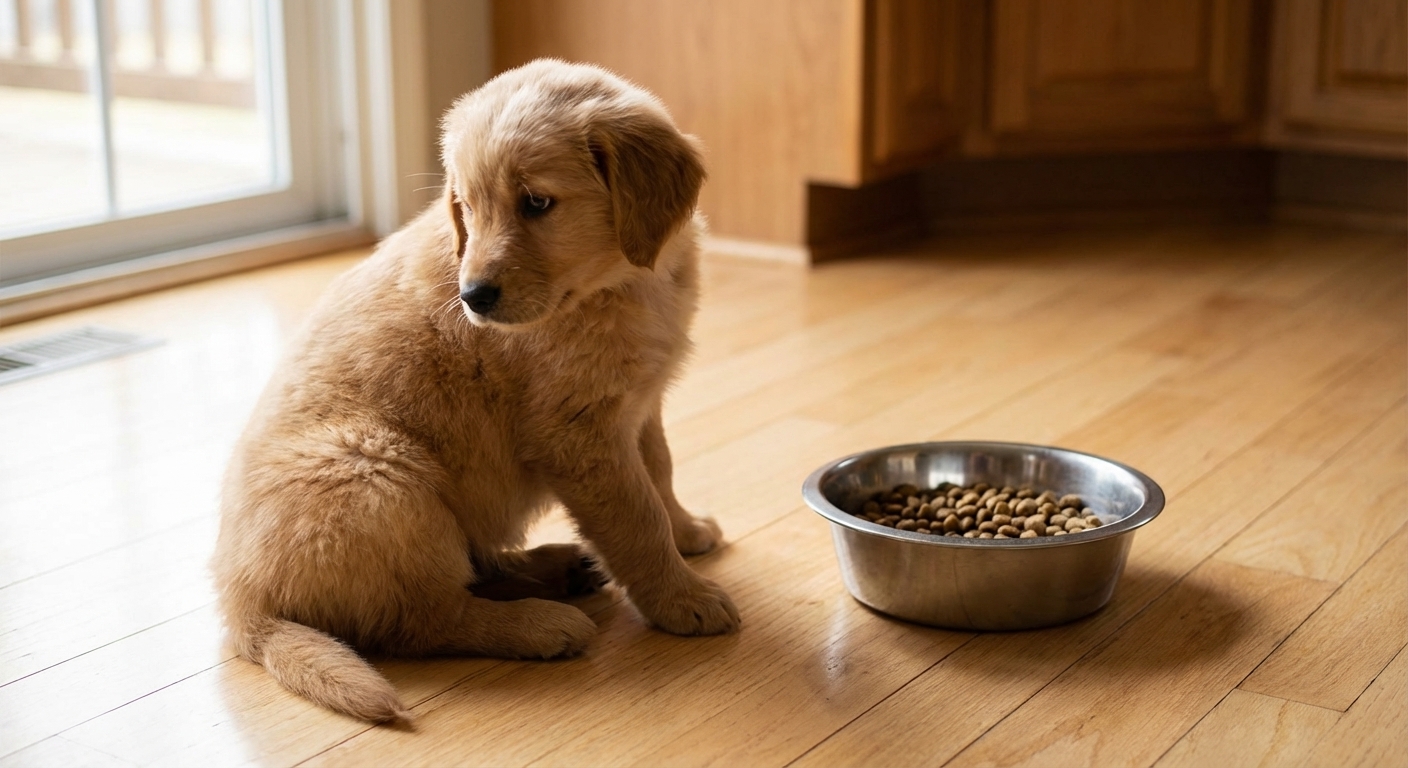
Some healthy puppies can eat less for 24 to 48 hours after a big change, like moving to a new home. A single skipped meal can happen for simple reasons like stress, excitement, or too many treats.
That said, a puppy who refuses multiple meals in a row, seems unwell, or is very young or very small should be evaluated sooner rather than later. Very young puppies and toy breeds are especially prone to low blood sugar (hypoglycemia) when they do not eat.
Watch for hypoglycemia signs: unusual weakness, wobbliness, tremors, acting “spacey,” collapse, or seizures. If you notice these, seek urgent veterinary care.
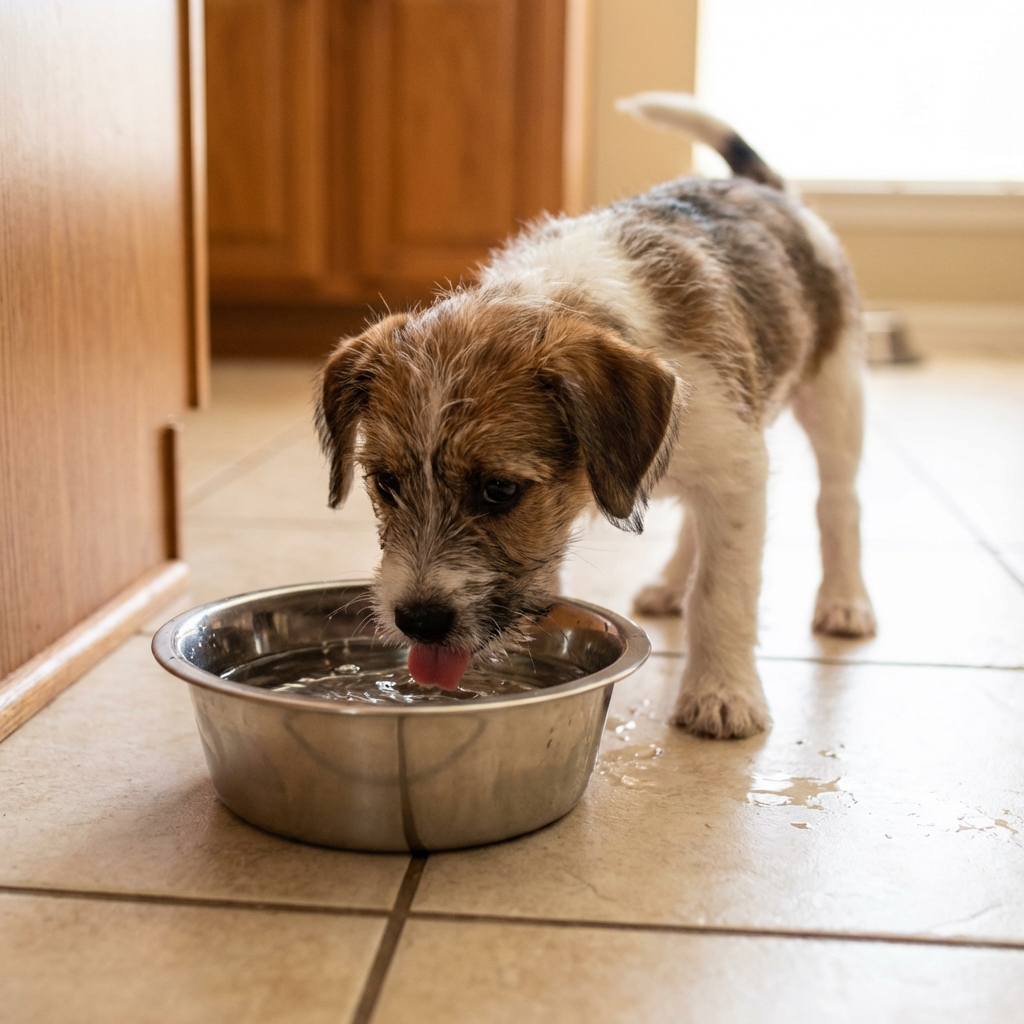
Water matters even more. If your puppy is not drinking, or vomits after drinking and cannot keep water down, that is a more urgent situation.
Common causes of a puppy not eating
1) Stress from rehoming
New smells, new people, new noises, a new schedule, and being away from mom and littermates can all dampen appetite. Some puppies are so busy exploring that they forget to eat.
2) Sudden diet change
If your breeder or shelter fed one food and you switched immediately, your puppy may hesitate, or they may develop an upset stomach. Puppies do best with a gradual transition over about 7 to 10 days when possible.
3) Teething discomfort
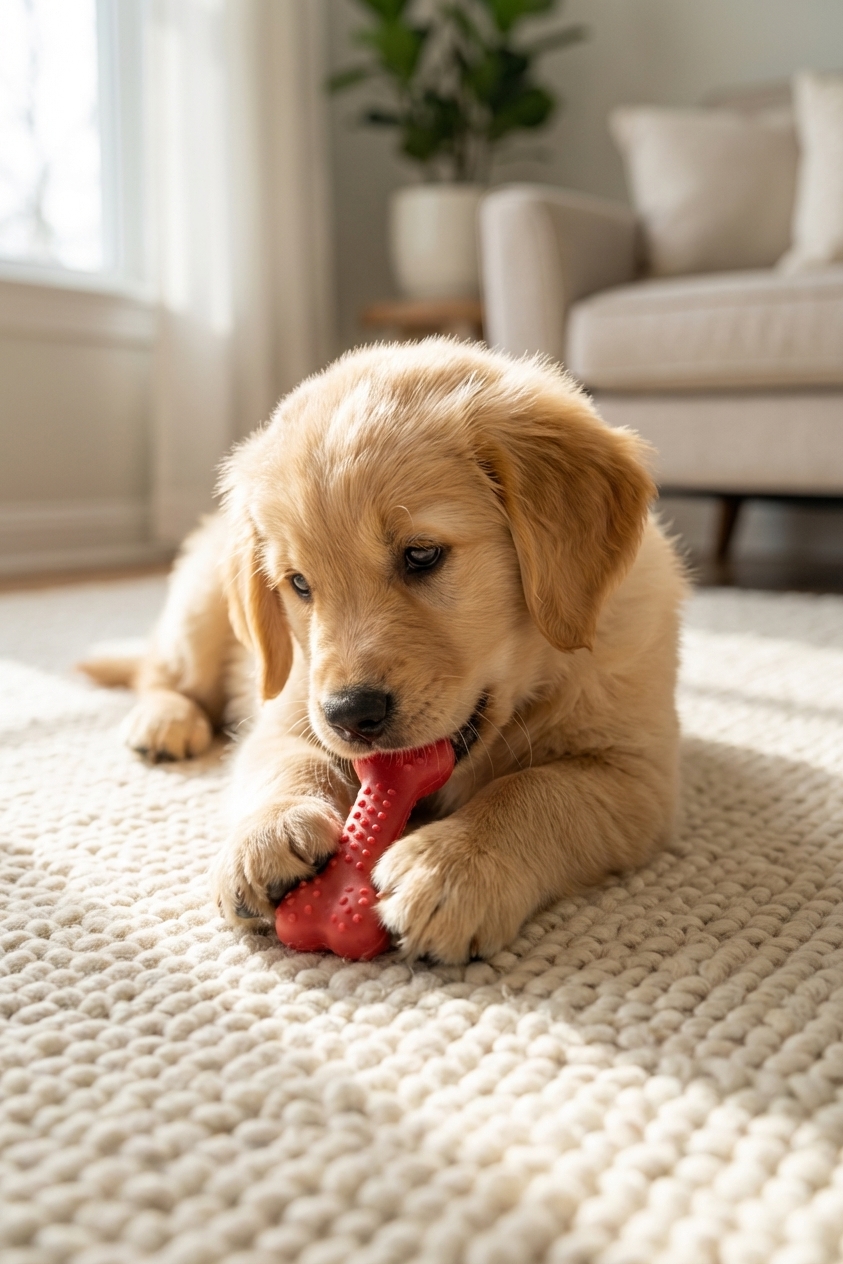
Teething and adult tooth eruption are most noticeable around 3 to 6 months, although mild mouth soreness can start earlier. You might notice more chewing on toys, drooling, or mildly swollen gums. Some puppies do better with softened kibble during this stage.
4) Overfeeding treats or chews
Treats add up fast in small bodies. High-calorie training treats, bully sticks, dental chews, and table scraps can make a puppy “not hungry” for balanced meals. This is one of the most common culprits for new puppy households.
5) Schedule changes and too much freedom
Free-feeding (leaving food down all day) can make it harder to notice appetite changes and can encourage picky behavior. Puppies usually do best with predictable meal times and a calm eating spot.
6) Picky eating and learned behavior
If a puppy refuses kibble and then gets something tastier, they learn quickly. Some puppies hold out for toppings. This is fixable, but it takes consistency.
7) Illness or parasites
Respiratory infections, intestinal parasites (like roundworms or giardia), and viral illnesses can reduce appetite. A puppy might also stop eating if they have nausea, fever, abdominal pain, or a sore throat.
8) Mouth pain (not just teething)
A broken baby tooth, mouth injury, or something stuck in the mouth can make eating painful. If your puppy paws at their face, drops food, or cries when chewing, check in with your vet.
9) Vaccines or deworming side effects
It is not unusual for puppies to feel a little off and eat less for a day after vaccines. Mild lethargy and a small appetite dip can be normal, but vomiting, facial swelling, hives, or trouble breathing are urgent signs.
10) Bowl, location, or setup issues
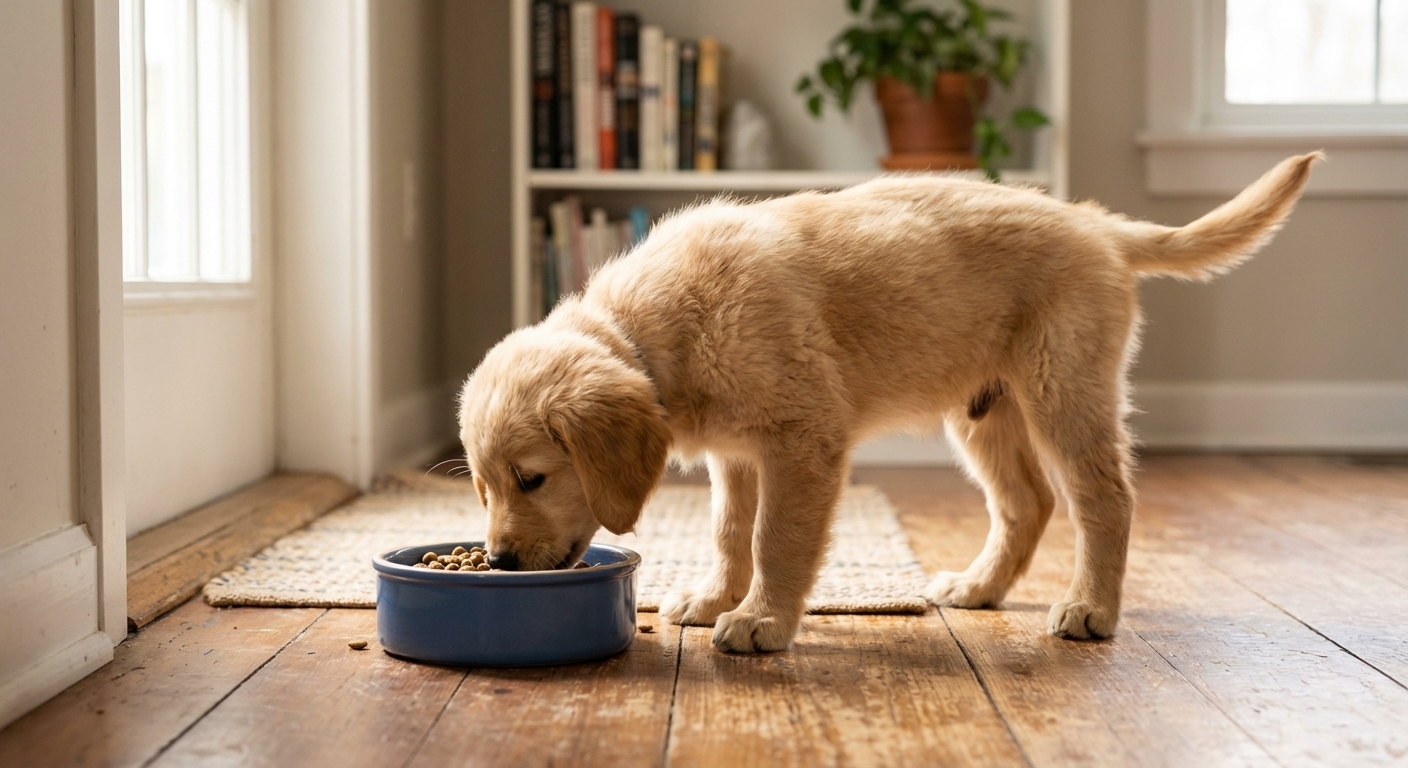
Some puppies avoid eating because something about the setup feels “off.” Common issues include tags clinking on a metal bowl, a bowl that slides on the floor, strong-smelling dish soap residue, or food placed near a loud appliance (like the washer, dryer, or HVAC vent). A quiet corner and a non-slip mat can make a surprising difference.
11) Heat, travel, or overexcitement
Hot weather, long car rides, daycare, or extra play can temporarily reduce appetite. Many puppies will eat better after they cool down, rest, and return to routine.
Quick “when to worry” checklist
Call your veterinarian promptly if your puppy is not eating and you notice any of the following:
- Lethargy (not just a nap, but weak, uninterested, or hard to wake)
- Vomiting more than once, or vomiting plus not drinking
- Diarrhea, especially watery, frequent, or with blood
- Signs of dehydration (dry or sticky gums, very little urine, fewer wet spots than usual, or not peeing)
- Refusing water or cannot keep water down
- Bloated or painful belly, repeated unproductive retching, or pacing and discomfort
- Coughing, nasal discharge, or breathing changes
- Low blood sugar signs (weakness, wobbliness, tremors, collapse, seizure), especially in very small or very young puppies
- Known toxin risk (got into meds, xylitol gum, chocolate, grapes or raisins, rodent bait, antifreeze, onions or garlic)
- Very young or tiny puppy that misses meals (toy breeds and under 12 weeks deserve extra caution)
- Not eating for 24 hours (or sooner if they seem unwell)
Emergency now:
- Repeated vomiting with a swollen belly or repeated retching with nothing coming up
- Trouble breathing
- Collapse, extreme weakness, or cannot stand
- Pale gums
- Seizure
- Suspected toxin ingestion
What you can do at home
Start with the basics
- Check the environment: Offer meals in a quiet spot away from foot traffic, kids, and other pets.
- Use a routine: Put food down for 15 to 20 minutes, then pick it up. Repeat at the next meal time.
- Limit treats: Keep treats to training only and make them tiny. If appetite is low, pause chews for a day.
- Confirm the food is fresh: Kibble can go stale, and some puppies dislike the smell. Keep bags sealed and consider buying smaller bags.
- Troubleshoot the bowl: Try a ceramic or stainless bowl on a non-slip mat, remove noisy tags during meals, and rinse bowls well if you use scented soap.
Make the meal easier to eat
- Soften kibble: Mix with warm water and let it sit 10 to 15 minutes. This can help teething puppies.
- Warm it slightly: Warm food smells stronger and can encourage eating. Serve lukewarm, never hot.
- Try a slow transition: If you are switching foods, blend old and new gradually over about a week.
Portion and schedule reminders
Follow the feeding guide on your puppy food as a starting point, then adjust with your veterinarian based on body condition and growth. As a general routine, many puppies do well with:
- Under 4 months: 3 to 4 meals per day
- 4 to 6 months: 3 meals per day
- 6 months and up: 2 meals per day (many puppies transition here)
If you have a toy breed or a puppy under 12 weeks, ask your vet about the best meal frequency for blood sugar support.
Add toppers carefully (do not create a picky eater)
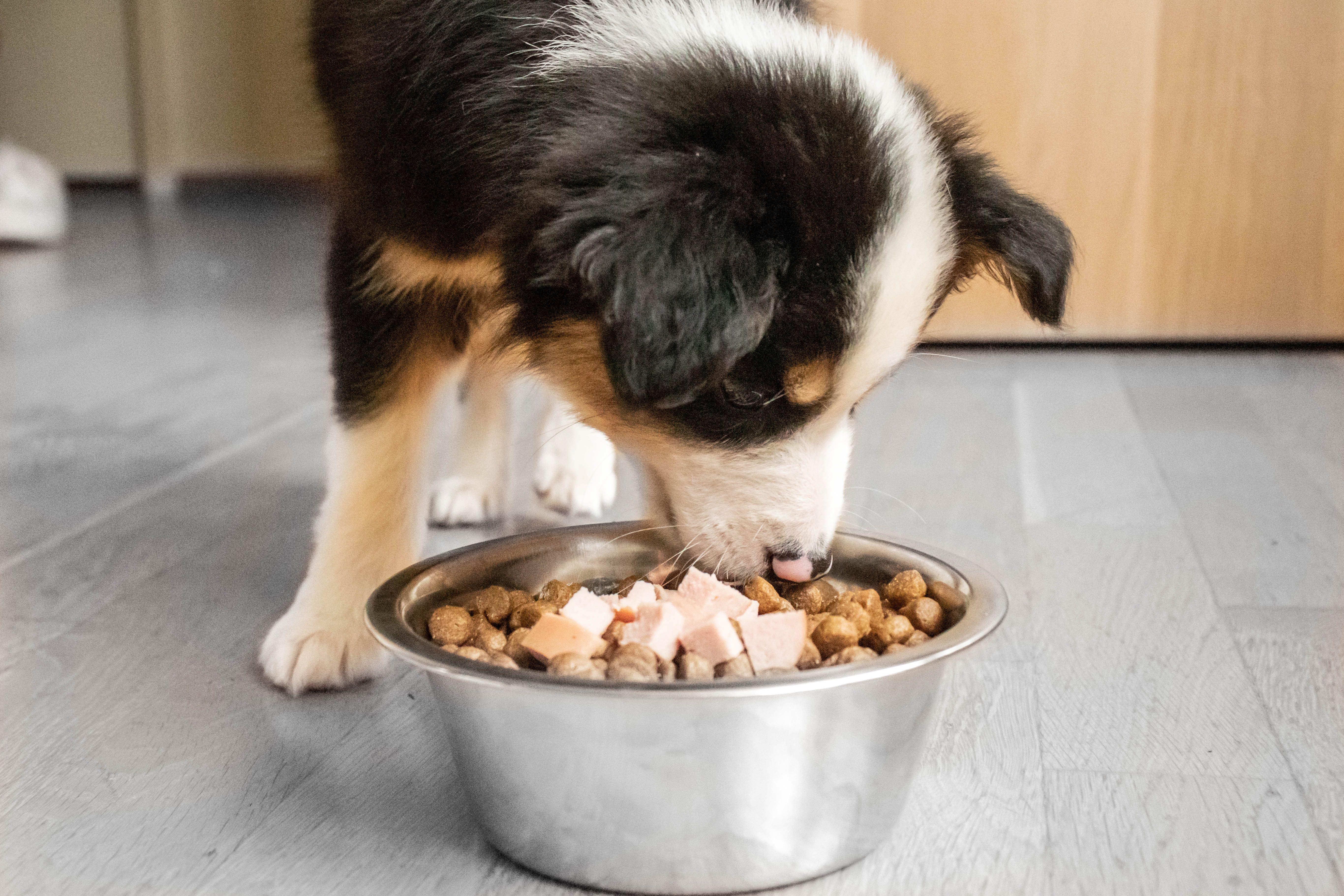
If your puppy is otherwise acting normal and you just need a gentle nudge, a small amount of a simple topper can help. Keep it boring and consistent for a day or two.
- 1 to 2 teaspoons of warm, low-sodium broth (no onion or garlic)
- A spoonful of plain canned pumpkin (not pumpkin pie filling)
- A small amount of plain cooked chicken (no seasoning)
If you find yourself adding new “better” toppings every meal to get your puppy to eat, it is time to reset and talk with your vet about a plan.
Hydration support
- Offer fresh water often, and wash the bowl daily.
- Try a second water station in a different room. Some puppies drink better when water is not next to food.
- Call your vet if your puppy is not drinking, especially if they are also vomiting or have diarrhea.
Picky eating or illness?
Here is a simple way to think about it.
More likely situational
- Bright, playful energy
- Normal poop
- Drinking water normally
- Eats treats readily but ignores kibble
- Appetite improves when things are calm and routine
More likely medical
- Low energy or hiding
- Vomiting or diarrhea
- Coughing or sneezing
- Drooling excessively, pawing at mouth, or yelping while chewing
- Straining to poop or no poop combined with vomiting
- Sudden appetite loss in a puppy who normally eats well
When in doubt, trust your gut and call your vet. Puppies can look “fine” until they do not.
When to see the vet
Use the checklist above, and schedule a veterinary check-in if:
- Your puppy has not eaten for 24 hours (sooner for very young, very small, or medically fragile puppies)
- They skip more than 2 meals in a row
- There is vomiting, diarrhea, lethargy, or pain
- You suspect parasites (soft stool, mucus, pot-belly, poor weight gain)
- There is any chance of foreign body ingestion (socks, toys, corn cobs, bones)
What your vet may do: a full exam (including mouth and belly), fecal testing for parasites, hydration assessment, and sometimes bloodwork or x-rays if obstruction or systemic illness is a concern.
Quick questions to note
These details help your veterinary team triage quickly:
- How old is your puppy and what breed or approximate weight?
- When did they last eat a full meal?
- Are they drinking water and peeing normally?
- Any vomiting or diarrhea? What did it look like and how often?
- Any new foods, treats, chews, or table scraps?
- Any chance they swallowed something?
- Are vaccines or deworming recent (within 24 to 48 hours)?
- Energy level: playful, normal, or unusually tired?
A gentle reminder
If your new puppy is not eating, you did not fail. Most of the time, it is a solvable mix of stress, routine changes, teething, and treat overload. Start with calm structure, keep meals simple, and watch hydration closely.
And if your puppy seems “off” in any way, please call your veterinarian. It is always better to be the careful one, especially in the puppy months.
Sources
- Merck Veterinary Manual: Anorexia in Dogs
- American Animal Hospital Association (AAHA): Pet Owner Education (Puppy care and preventive care)
- American Veterinary Medical Association (AVMA): Pet Care resources
- FDA: Animal Health Literacy and Potentially Dangerous Items for Your Pet
- ASPCA Animal Poison Control: Animal Poison Control