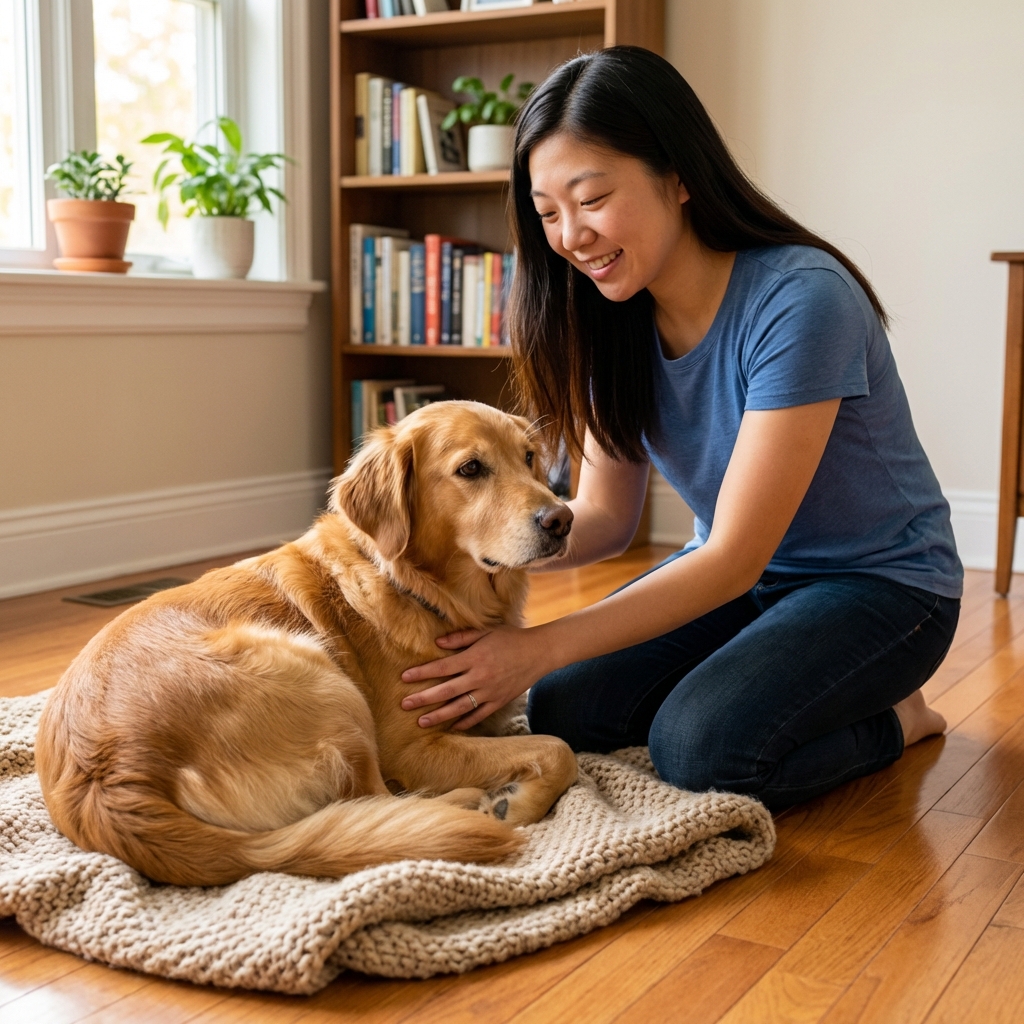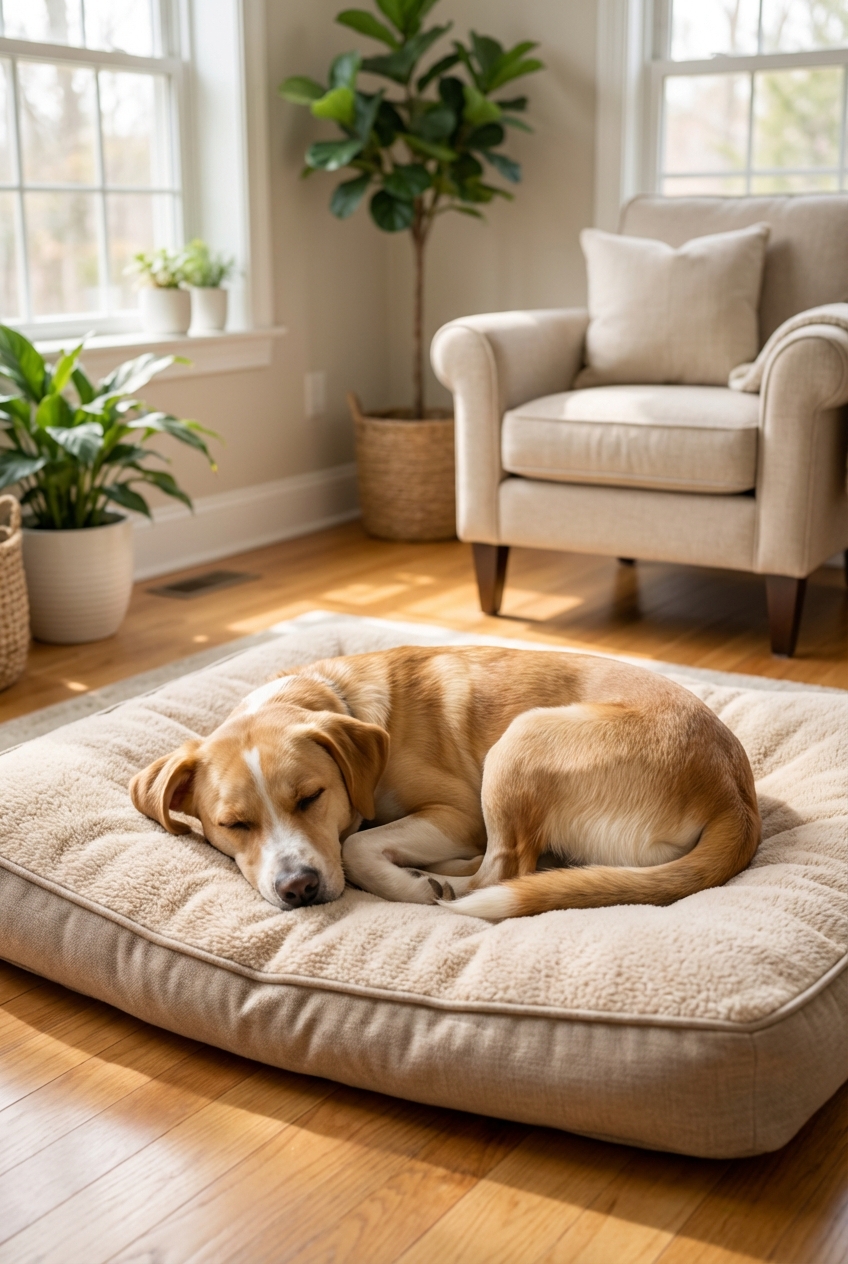
Know what to expect during your dog’s first heat: typical age and timing, the 4 stages, bleeding and behavior changes, how to prevent pregnancy, and red fl...
Article
•
Designer Mixes
Puppy First Heat Symptoms

Shari Shidate
Designer Mixes contributor
Your puppy is growing up, and her first “period” can feel a little surprising the first time you notice spotting or swelling. In dogs, this is called heat or estrus, and it is a normal reproductive cycle, not the same as a human menstrual period. Dogs do not menstruate like humans. The blood you see during heat comes mostly from the vagina, not from shedding the uterine lining. The good news is you can keep her comfortable, protect her from an accidental pregnancy, and know what is normal versus what needs a vet visit.
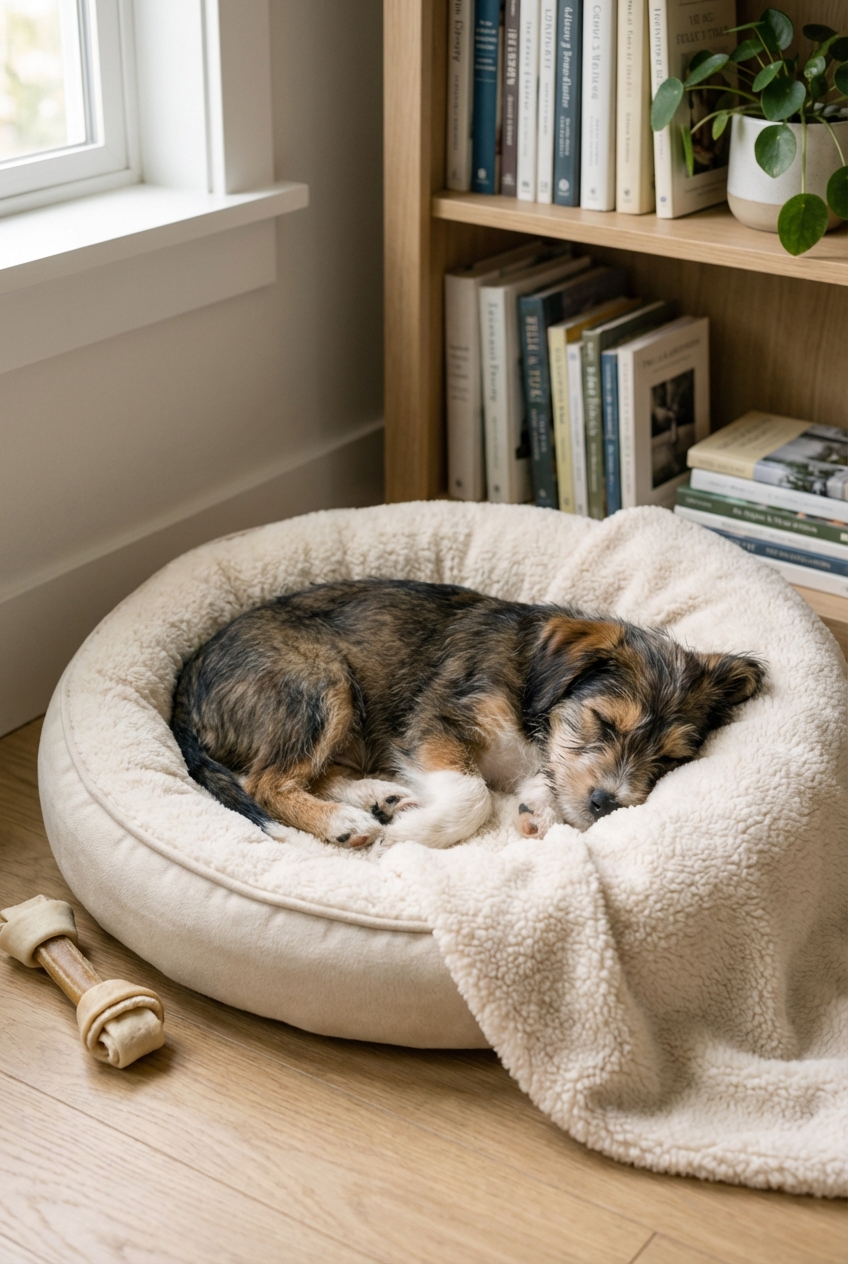
As a veterinary assistant, I always tell families: your calm, consistent plan matters more than perfection. Let’s walk through the symptoms you may see, what they mean, and how to care for your sweet girl through her first heat.
What “first period” means in puppies
A typical heat cycle has stages:
- Proestrus: swelling of the vulva, bloody discharge, increased interest from male dogs (she usually will not allow mating yet)
- Estrus: discharge often becomes lighter or more watery, she becomes fertile and may allow mating
- Diestrus: after the fertile window; hormone levels shift and the body can act “as if” pregnant for a time (whether she is or not)
- Anestrus: resting phase between cycles
Most dogs come into their first heat somewhere around 6 to 12 months, but smaller dogs may start earlier and larger dogs may start later. Giant breeds can be later still, sometimes closer to 18 to 24 months.
Common first heat symptoms
1) Vulvar swelling
One of the earliest signs is a vulva that looks noticeably puffy or enlarged. This can start before you see any blood.
2) Vaginal discharge or spotting
Many puppies have light bleeding that looks like small drops on bedding or the floor. Discharge can vary from barely-there spotting to a more noticeable drip, and the color can shift from bright red to pinkish or watery as the cycle progresses. Some dogs keep themselves very clean, so you might only see faint staining or increased licking.
3) Increased licking and grooming
Extra licking is common. Mild redness can happen from frequent cleaning, but intense licking, swelling that looks angry, or a bad odor should be checked out.
4) Behavior changes
Heat can come with emotional shifts. Your puppy may seem clingy, restless, extra alert, or temporarily less interested in training cues. Some dogs become more protective of space or toys.
5) Frequent urination and marking
Many females urinate more often during heat. Hormones change the scent of her urine, which signals male dogs.
6) Tail flagging
When a dog is approaching or in her fertile stage, she may move her tail to the side when touched near the hind end. This is a classic estrus sign.
7) Male dogs get very interested
This is a big one: if intact male dogs suddenly seem extremely interested in your puppy, assume she is in heat even if you have not seen discharge yet.
What is normal for the first heat?
Every dog is a little different, especially during the first cycle. In general, these patterns are common:
- Duration: about 2 to 4 weeks total from first signs to resolution
- Bleeding: can be light to moderate, often heaviest early, then lightens as fertility increases
- Appetite: may dip a bit or increase, either can be normal if she is otherwise well
- Energy: some pups are sleepier, others are more restless
A very common “first heat” twist is a split heat. Symptoms can start, seem to stop for a few weeks, and then restart as her body figures out its rhythm. This can be normal in young dogs, but if you are unsure (or she seems unwell), it is always fine to call your vet.
If you are tracking, take notes on the day you first saw swelling or discharge. This helps you estimate timing for future cycles and gives your veterinarian useful information.
Home care
Prevent pregnancy first
A female dog can become pregnant from a very quick interaction. During heat:
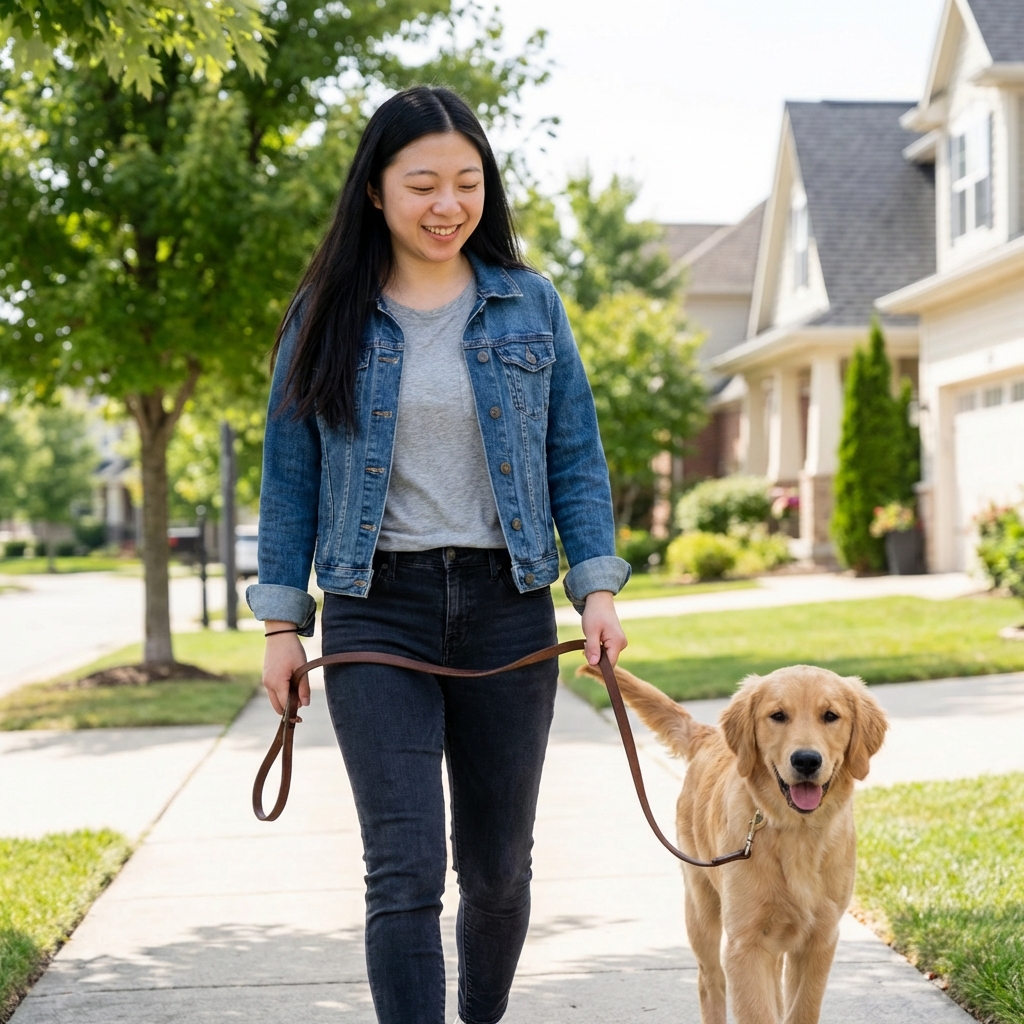
- Leash walks only. No off-leash yard time unless it is securely fenced and supervised.
- Do not rely on a fence alone. Male dogs can climb, dig, push through weak spots, and in some situations mating can even happen through or over barriers. Supervision matters.
- Separate intact dogs in the home. Use two barriers if possible (for example, a closed door plus a crate or baby gate).
How long should you be extra strict? Plan on full separation from intact males for about 3 to 4 weeks from the first day you notice signs. Bleeding does not always match fertility, so do not use “bleeding stopped” as your only signal that it is safe.
Manage spotting
To protect floors and furniture, you can use:
- Washable dog heat diapers with a clean liner changed regularly
- Easy-to-wash blankets on her favorite resting spots
If you use diapers, make sure she gets regular diaper-free time to prevent skin irritation. Keep the area dry and clean. Diapers are typically best for indoors. For most dogs, it is more comfortable to remove the diaper for walks so she can urinate normally and you can reduce trapped moisture against the skin.
Support her comfort
- Stick to routine. Predictability reduces stress.
- Offer gentle enrichment. Food puzzles, short training sessions, and sniff walks are great.
- Keep play calm. Some dogs are more sensitive around the hind end during heat.
Nutrition and hydration basics
Good nutrition supports healing tissues and a stable mood. Keep her on a balanced puppy diet unless your veterinarian recommends otherwise. Make sure fresh water is always available, especially if she is urinating more frequently.
When symptoms are not normal
Heat can look messy, and a small amount of discharge and extra licking can be normal. What should not be normal is your puppy acting truly sick. Contact your veterinarian promptly if you notice:
- Heavy bleeding (soaking through diapers quickly, large clots, or bleeding that seems excessive)
- Bleeding that lasts longer than about 3 to 4 weeks
- Foul smell, green or pus-like discharge
- Fever, lethargy, vomiting, or loss of appetite that is more than mild
- Increased thirst and urination that seems extreme
- Swollen belly or signs of pain
One condition we take very seriously is pyometra, a uterine infection that commonly occurs 2 to 8 weeks after a heat cycle and can become life-threatening. It affects unspayed females (rarely, it can happen after a spay if uterine tissue remains, called stump pyometra). Signs can include lethargy, vomiting, increased thirst, and discharge (though some dogs have a “closed” pyometra with no visible discharge). If your gut says something is off, trust that instinct and call.
Should you spay after the first heat?
This is a great conversation to have with your veterinarian because the best timing can depend on breed, size, lifestyle, and health risk factors. Spaying prevents pregnancy and dramatically reduces the risk of pyometra.
Spaying also reduces the risk of mammary tumors, and that risk reduction is generally greatest when a dog is spayed before the first heat. That said, current guidance on “ideal” timing can vary by individual dog, especially for larger breeds, so it is worth a personalized plan with your vet.
If your puppy is currently in heat, most clinics prefer to wait until the cycle is fully finished before spay surgery, since tissues can be more vascular during heat.
Quick FAQs
Will my puppy be in pain?
Most dogs are not in obvious pain during heat, but they can feel uncomfortable or “off.” If she seems painful, call your vet.
Can I bathe her?
Yes, a gentle bath is fine if she tolerates it. Keep it low-stress and dry her well. Avoid harsh products around the vulva.
How often will this happen?
Many dogs cycle about every 6 months, but it can vary widely. Some cycle more often (including a few times per year), while others cycle closer to once a year.
Why is she suddenly acting flirtier or weird on walks?
Hormones shift behavior, and the presence of interested male dogs can make walks feel intense. Keep her close, avoid dog parks, and choose quieter routes during this time.
Can she have a false pregnancy after heat?
Yes. Some dogs show signs like nesting, guarding toys, or mild mammary swelling a few weeks after heat. Call your vet if symptoms are intense, she seems uncomfortable, you see milk with redness or heat in the mammary glands, or anything feels off.
The bottom line
Your puppy’s first heat can be a little messy and a little emotional, but it is usually a normal milestone. Focus on three things: safety (prevent pregnancy), clean comfort (diapers and washable bedding), and watchful calm (know the red flags).
If you want, keep a simple note in your phone with the first day you noticed symptoms. Future you will be so grateful.