A practical home-care plan for mild puppy diarrhea: safety check, hydration tips, bland diet portions, probiotics and pumpkin, plus red flags that mean call ...
Article
•
Designer Mixes
Puppy Diarrhea Tips Pet Lovers Need

Shari Shidate
Designer Mixes contributor
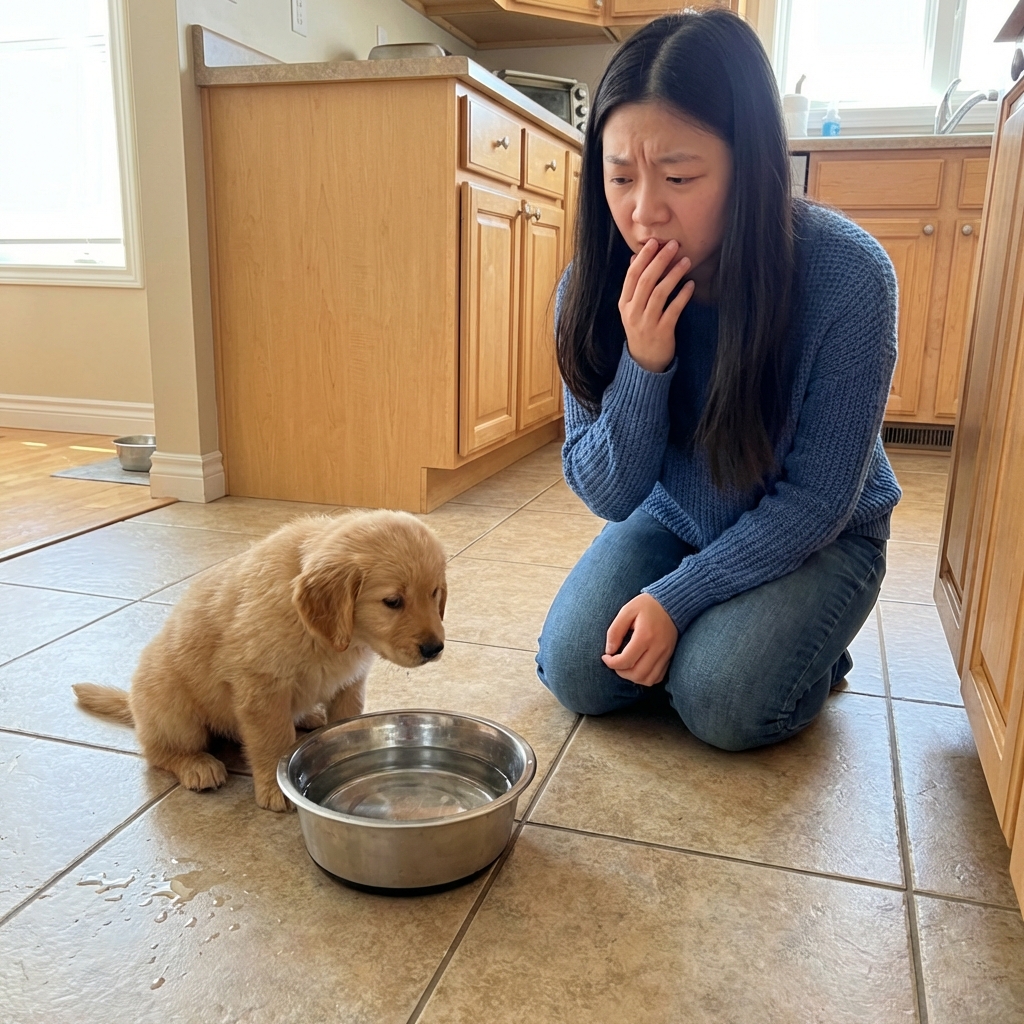
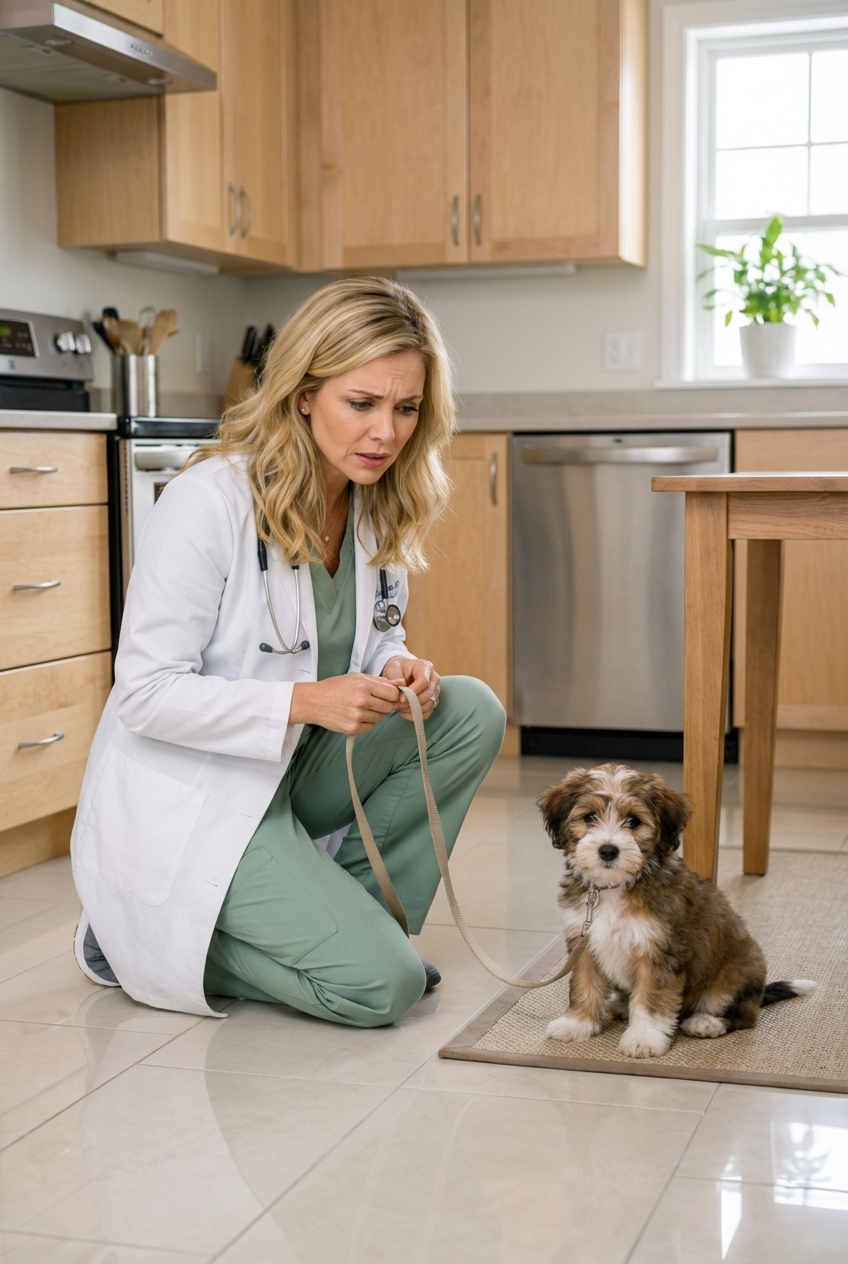
As a veterinary assistant here in Frisco, Texas, I know that few things stress pet parents out faster than a puppy with diarrhea. The good news is that many cases are mild and short-lived. The not-so-good news is that puppies can dehydrate quickly, and loose stool can be an early sign of parasites or infectious disease. This guide will help you figure out what to do today, what to watch for tonight, and when it is time to call your veterinarian.
Why puppies get diarrhea
Puppy tummies are sensitive. Their immune systems are still developing, and their digestive tract is adjusting to new foods, new homes, and new germs. Common causes include:
- Diet changes (new food, too many treats, table scraps)
- Stress (moving, crate training, new people or pets)
- Parasites like roundworms, hookworms, whipworms, giardia, or coccidia
- Infections (viral and bacterial, including parvovirus in unvaccinated or incompletely vaccinated pups)
- Eating something they should not (trash, toys, plants, bones, greasy leftovers)
- Food intolerance or sensitivity
If loose stool starts right after a big food switch or a new chew treat, that is a strong clue. If it is persistent, watery, or your puppy seems unwell, parasites and infections climb higher on the list.
First check: Is this an emergency?
Please contact a veterinarian urgently (same day or emergency clinic) if you notice any of the following:
- Blood in stool (bright red streaks or dark, tarry stool)
- Repeated vomiting or your puppy cannot keep water down
- Hourly (or more frequent) watery diarrhea, large-volume diarrhea, or accidents in the house despite going outside
- Lethargy, weakness, collapse, or obvious abdominal pain
- Gums that look pale or feel tacky and dry
- Signs of dehydration (sunken eyes, sticky gums, skin that does not spring back quickly). These checks are not perfect in every puppy, so call if you are unsure.
- Suspected fever. Feeling warm is not reliable. A rectal temperature over about 103°F (39.4°C) is a fever.
- Very young, very small, or not fully vaccinated (toy breeds and young puppies can crash faster, and parvo risk is higher)
- Suspected toxin (xylitol, rodent bait, chocolate, grapes, medications)
- Diarrhea lasting about 24 hours in a young puppy, or sooner if worsening or hydration is a concern
Puppies can go from “acting fine” to dehydrated surprisingly fast. If your gut says something is off, it is worth calling.
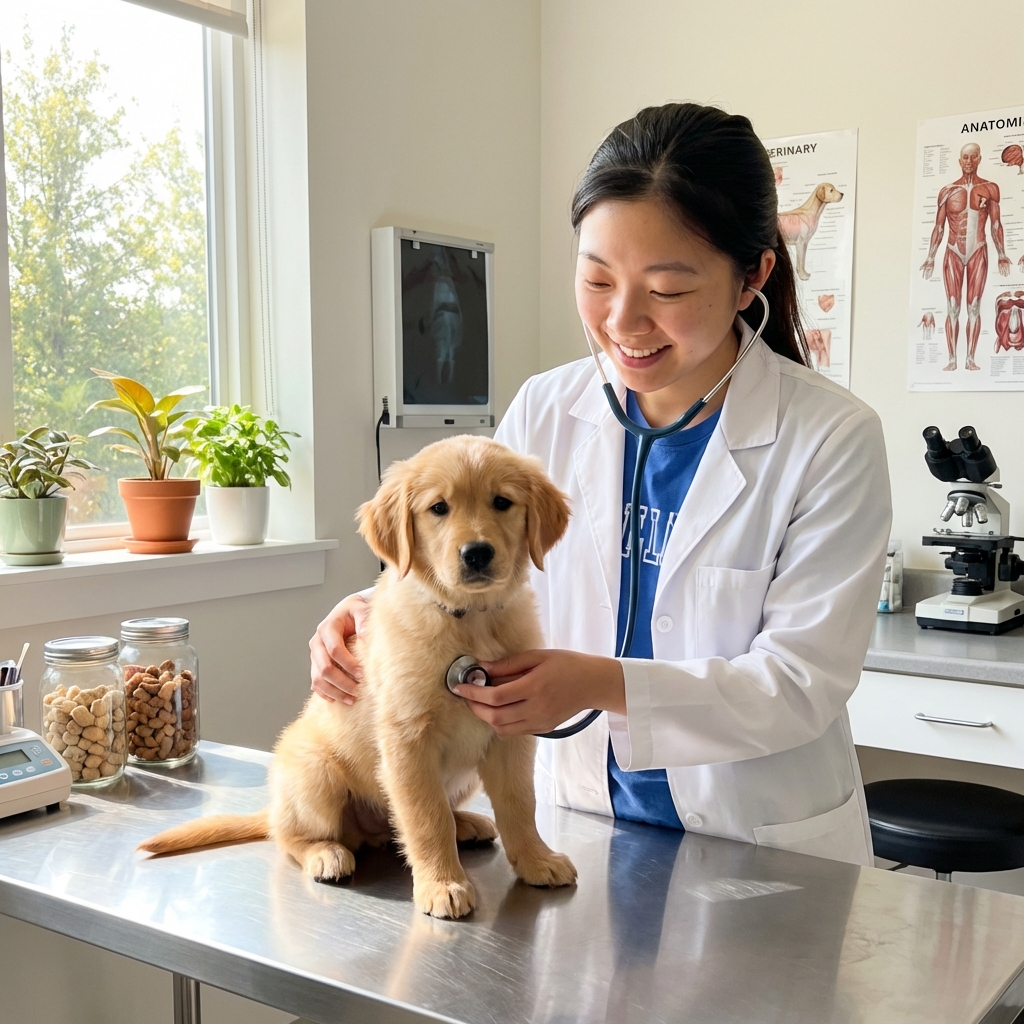
What you can do at home for mild diarrhea
If your puppy is bright, playful, drinking, and the loose stool is mild (for example, 1 to 2 loose stools and otherwise normal behavior), these steps are often reasonable while you monitor closely. When in doubt, call your vet first, especially for puppies under 16 weeks or toy breeds.
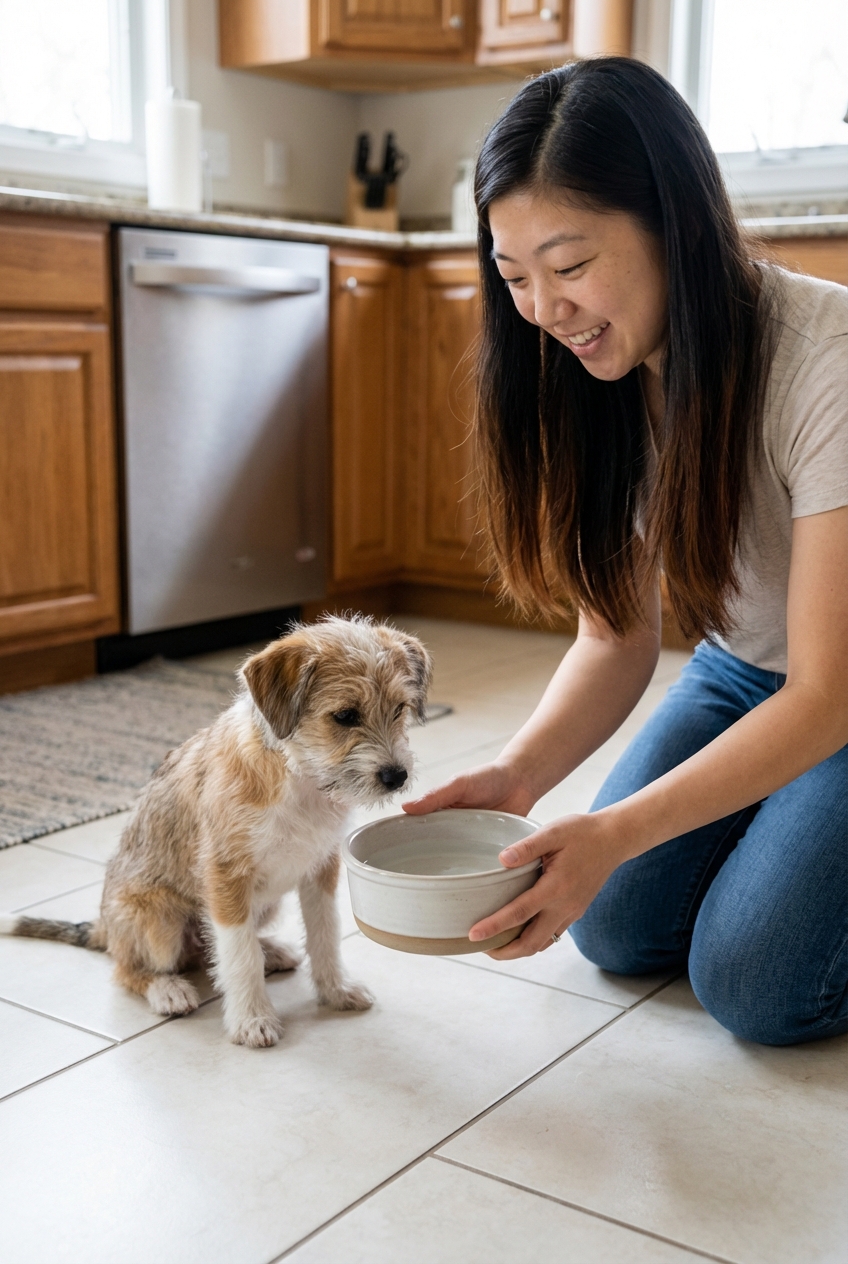
1) Prioritize hydration
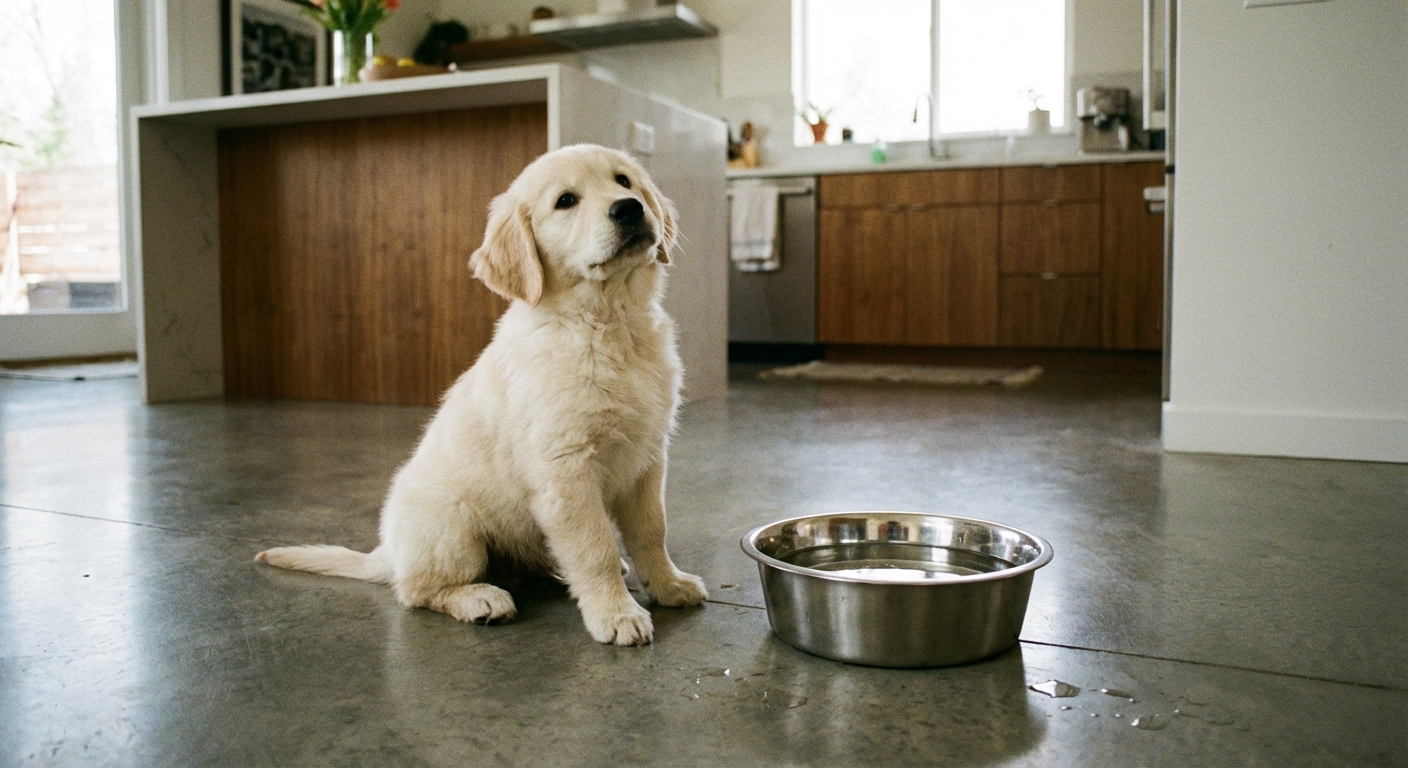
- Offer fresh water at all times.
- If your puppy is not drinking much, offer small amounts more frequently.
- Ask your vet whether an oral rehydration solution is appropriate for your puppy’s age and size.
2) Feed a simple, short-term diet
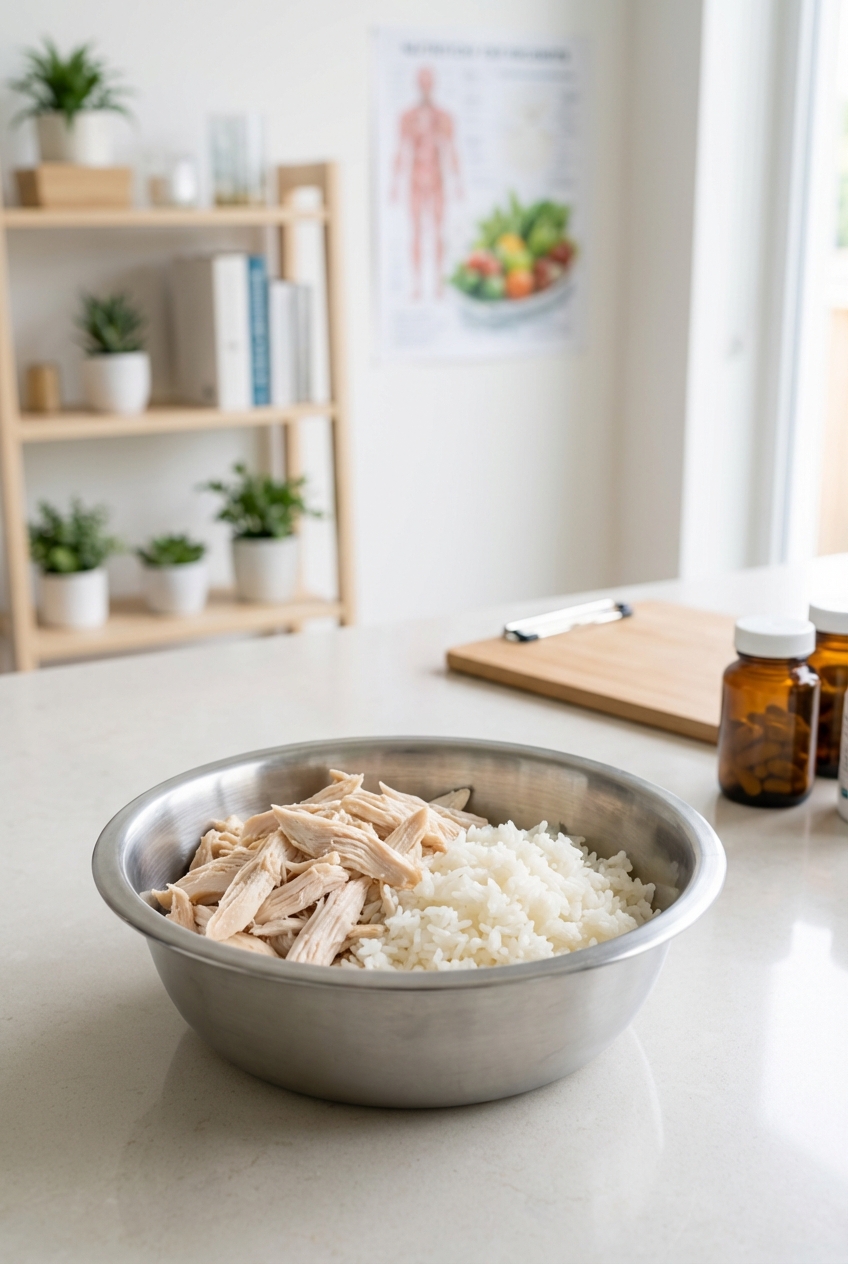
For mild cases, many vets recommend a temporary bland diet for 24 to 48 hours. Common options include:
- Boiled skinless chicken breast with plain white rice
- Boiled lean turkey with rice
- Plain canned pumpkin (not pie filling), mixed in small amounts
Feed small, frequent meals instead of one or two big meals.
Important: Do not intentionally fast a young puppy unless your veterinarian tells you to. Very young puppies and toy breeds can be prone to low blood sugar. If your puppy is tiny, very young, or not improving quickly, call your clinic for a plan that fits their size and age.
Once stools improve, transition back to the normal puppy food gradually over several days.
3) Pause rich treats and chews
For now, skip bones, bully sticks, pig ears, fatty treats, and people food. Even one rich chew can keep loose stool going. Also keep greasy foods out of reach since fatty foods can trigger digestive upset and, in some dogs, pancreatitis.
4) Consider probiotics (vet-approved)
Some veterinary probiotics may help firm stool by supporting the gut microbiome. Ask your clinic for a puppy-safe option. Many veterinary formulas include strains such as Enterococcus faecium, and your vet can tell you what is appropriate for your puppy.
5) Do not give human anti-diarrhea meds unless your vet says so
Medications like loperamide can be risky for some dogs and dangerous in certain situations. This is especially important for some herding breeds and mixes that may have MDR1 sensitivity. It is always safer to call your veterinary clinic first.
What your puppy’s poop is telling you
Gross but helpful: stool details can point your veterinarian in the right direction.
- Soft but formed: mild gut upset, diet change, stress.
- Pudding-like stool: common with stress colitis or mild dysbiosis.
- Watery diarrhea: higher dehydration risk, consider parasites, infection, dietary indiscretion.
- Mucus: often large intestine irritation, can happen with parasites or stress.
- Bright red blood: can be colitis, parasites, or more serious disease.
- Black, tarry stool: possible digested blood, urgent vet visit recommended.
If you can, take a clear photo and note the frequency. That information is surprisingly valuable during a vet call.
When to bring a stool sample
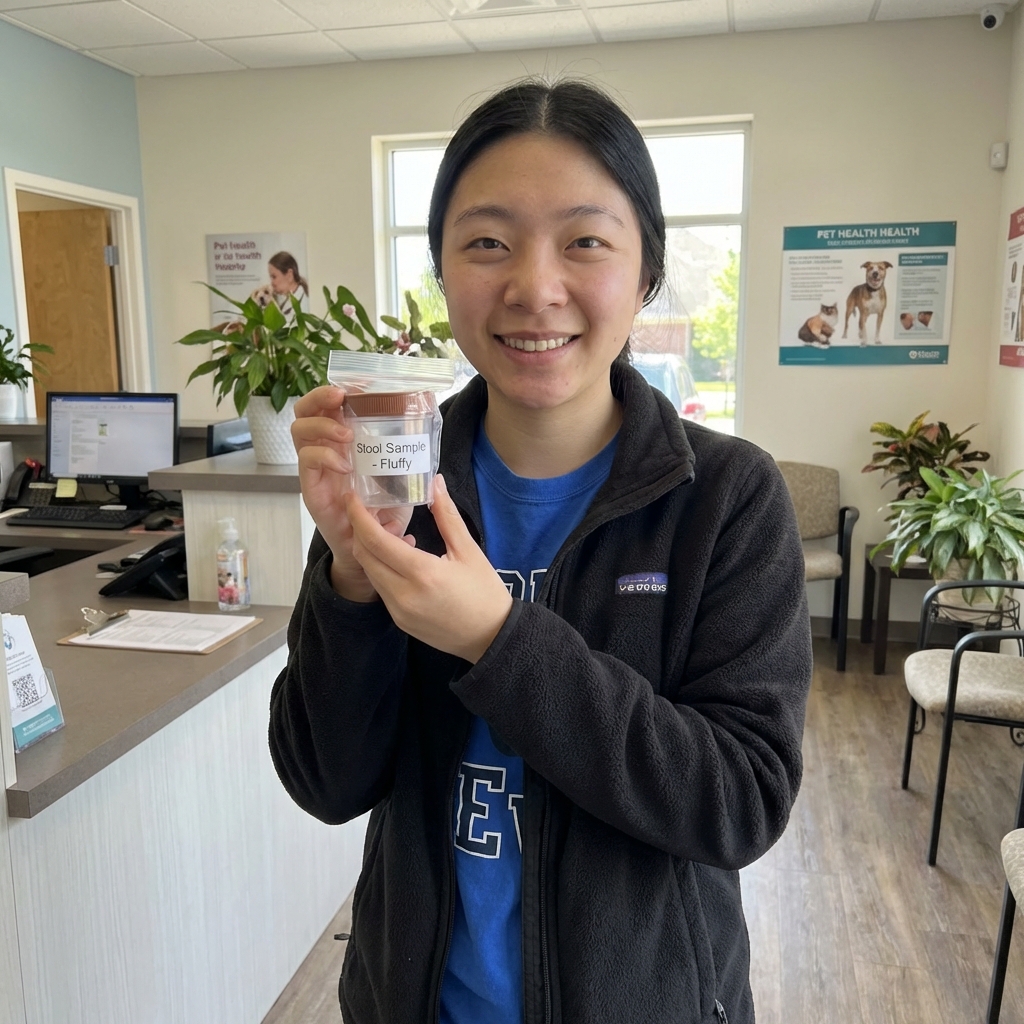
If loose stool lasts more than a day, recurs, or your puppy has a lot of gas, mucus, or weight loss, bring a fresh stool sample to your veterinarian. Many causes are treatable, but you need the right diagnosis.
Tips for a helpful sample:
- Collect a fresh sample (same day is best).
- Use a clean bag or container.
- Keep it cool if there is a delay (refrigerate briefly, do not freeze unless instructed).
- Tell the clinic if your puppy goes to daycare, dog parks, or has exposure to standing water (giardia risk).
- Clean up promptly and wash hands. Some intestinal parasites can spread to other pets, and a few can affect people too.
Parvo: what to know
Parvovirus is a highly contagious, potentially life-threatening cause of diarrhea in puppies. It often causes profuse diarrhea (sometimes bloody), vomiting, lethargy, and loss of appetite. Risk is higher in unvaccinated or partially vaccinated puppies and those exposed to high-traffic dog areas.
If your puppy has diarrhea plus vomiting, seems weak, will not eat, or is acting “not themselves,” do not wait it out at home. Call your vet or an emergency clinic right away.
What the vet may do
If you bring your puppy in, your vet may recommend:
- A physical exam and hydration check
- A fecal test to look for parasites like giardia or coccidia
- A parvo test for at-risk puppies
- Deworming or targeted medications based on results
- Fluids (under the skin or IV) if dehydration is a concern
- A prescription gastrointestinal diet or probiotic
This is common, and it is done to stabilize your puppy quickly and treat the real cause instead of guessing.
How to prevent diarrhea
- Transition foods slowly over 7 to 10 days, mixing old and new.
- Use treats strategically: keep treats under about 10 percent of daily calories.
- Keep up with deworming and fecal testing per your vet’s schedule.
- Stay on track with vaccines and ask your vet when it is safe to visit dog parks or daycare.
- Puppy-proof your home to prevent chewing and swallowing risky items.
- Manage stress with a predictable routine, gentle socialization, and adequate sleep.
And if you are exploring fresh or homemade foods, go slow and keep it balanced. Puppies have specific growth needs, and “healthy” does not always mean “complete.” Your veterinarian can help you choose a diet that supports steady growth without upsetting that sensitive belly.
Quick checklist for tonight
- Is my puppy drinking and peeing normally?
- Is the stool mildly loose, or frequent and watery?
- Any vomiting, blood, weakness, or suspected fever?
- Is my puppy very young, tiny, or not fully vaccinated?
- Did we change food or add a new treat in the last 48 hours?
- Do I have a plan to call my vet if symptoms worsen?
You are doing the right thing by paying attention early. With puppies, quick action and good observation can make a huge difference.