Puppy diarrhea can turn serious fast. Learn red flags that need a vet, hydration-first care, bland food options like chicken and rice, pumpkin tips, and what...
Article
•
Designer Mixes
Puppy Diarrhea Tips and Advice

Shari Shidate
Designer Mixes contributor
Puppy diarrhea is common, messy, and usually fixable. It can also be a sign that something more serious is going on, especially in young pups and tiny breeds who can dehydrate (and even become low on blood sugar) quickly. As a veterinary assistant in Frisco, Texas, I always tell families this: your job is to stay calm, protect hydration, and watch for red flags.
This guide will help you figure out what might be causing your puppy’s loose stool, what you can safely do at home, and when it is time to call your veterinarian. This article is educational and not a substitute for veterinary care.
First, is it really diarrhea?
Not every soft poop is an emergency. Puppies often have “in-between” stools during diet changes, after exciting days, or when they are adjusting to a new home.
- Soft stool: holds shape but leaves residue when you pick it up.
- Diarrhea: pudding-like to watery, often difficult to pick up.
- Large bowel diarrhea: frequent small amounts, mucus, straining, fresh bright red streaks can happen.
- Small bowel diarrhea: larger volume, may look more watery, may be associated with weight loss or poor growth if it persists.
Important: black, tarry stool (melena) can mean digested blood from the upper GI tract and is an emergency, no matter the “type” of diarrhea.
If you are unsure, snap a quick photo in good lighting. It can be surprisingly helpful for your vet.
Common causes in puppies
Puppies explore with their mouths and their digestive systems are still maturing, so upsets are common. Here are the most frequent reasons I see:
Diet changes and rich treats
A sudden switch in food, too many training treats, bully sticks, or “people food” can overwhelm a puppy’s gut.
Stress and excitement
Moving homes, meeting new dogs, boarding, or even a busy weekend can trigger loose stools. The gut and nervous system are closely connected.
Parasites
Roundworms, hookworms, whipworms, and Giardia are frequent offenders, even in puppies that “look fine.” Many puppies come home with parasites from breeders, shelters, or the environment.
Viral and bacterial infections
Parvovirus is the big one we worry about, especially in under-vaccinated puppies or puppies exposed to high-traffic pet areas (like pet stores, dog parks, or shared potty spots). Other infections can cause diarrhea too, sometimes with vomiting.
Eating something they should not
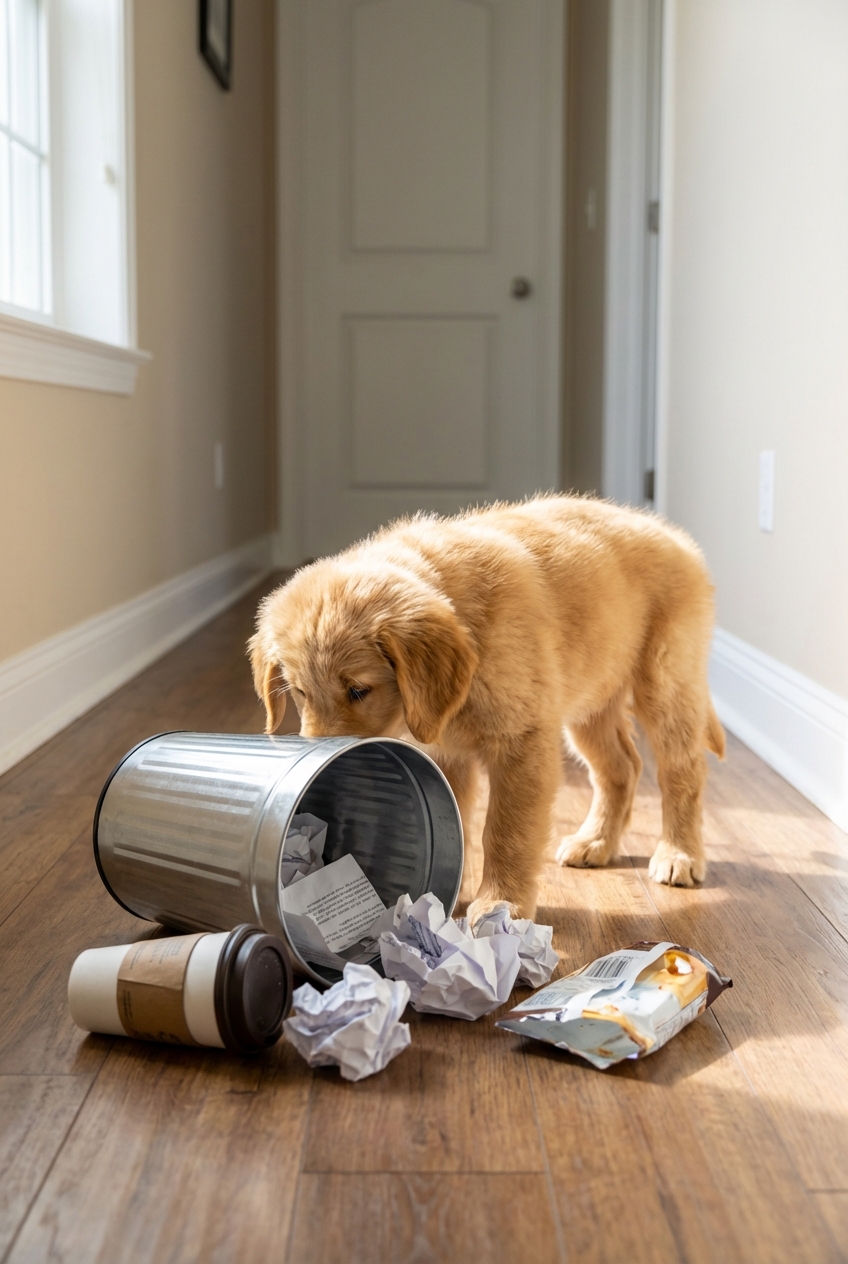
Trash, cat litter, toys, mulch, and chewed socks are classic puppy choices. Foreign material can irritate the gut or cause obstruction.
At-home care for mild diarrhea
If your puppy is bright, playful, drinking, and only has mild diarrhea, you can often start with supportive care for 12 to 24 hours while keeping a close eye on them.
One extra safety note: do not intentionally fast young puppies or toy breeds. They do better with small, frequent meals.
Step 1: Hydration is the priority
- Offer fresh water frequently.
- If your vet has okayed it for your puppy, you can offer a little unflavored oral electrolyte solution in small amounts. Avoid sports drinks. Avoid any products labeled sugar-free, since xylitol is toxic to dogs.
- Watch for dehydration signs: dry gums, sticky saliva, sunken eyes, or lethargy.
Step 2: Keep the diet simple
For many puppies, a short bland diet helps settle the GI tract. The classic options are:
- Boiled chicken breast and white rice
- Lean ground turkey and white rice
- Veterinary GI diet if you already have it at home
Feed small meals, about 4 to 6 times a day. If stools improve, transition back to the regular food slowly over 3 to 5 days by mixing increasing amounts of the normal diet.
What to avoid during a flare: fatty foods, dairy, new treats, bones, and pumpkin pie filling (only plain canned pumpkin is appropriate).
Step 3: Consider fiber support
Plain canned pumpkin (not pie filling) can help some puppies by adding gentle fiber. Ask your veterinarian for a puppy-appropriate amount based on weight.
Step 4: Probiotics can be helpful
Some veterinary probiotics may shorten the duration of diarrhea by supporting a healthier gut microbiome. Choose products made for dogs and follow your veterinarian’s dosing guidance for puppies.
Quick safety note: Do not give your puppy human anti-diarrhea medications unless your veterinarian tells you to. Some can be dangerous for young dogs or can hide symptoms of bigger problems.
When diarrhea is an emergency
Puppies can go downhill fast. Call your veterinarian right away or head to an emergency clinic if you notice any of the following:
- Diarrhea that is watery and frequent or lasts more than 24 hours
- Vomiting along with diarrhea
- Blood in the stool (more than a small streak) or black, tarry stool
- Lethargy, weakness, collapse, or refusing food and water
- Signs of dehydration
- Your puppy is under 12 weeks, very small, or not fully vaccinated
- Known or suspected exposure to parvovirus (including exposure to high-traffic dog areas)
- Possible ingestion of toxins, string, toys, socks, or bones
What your vet may recommend
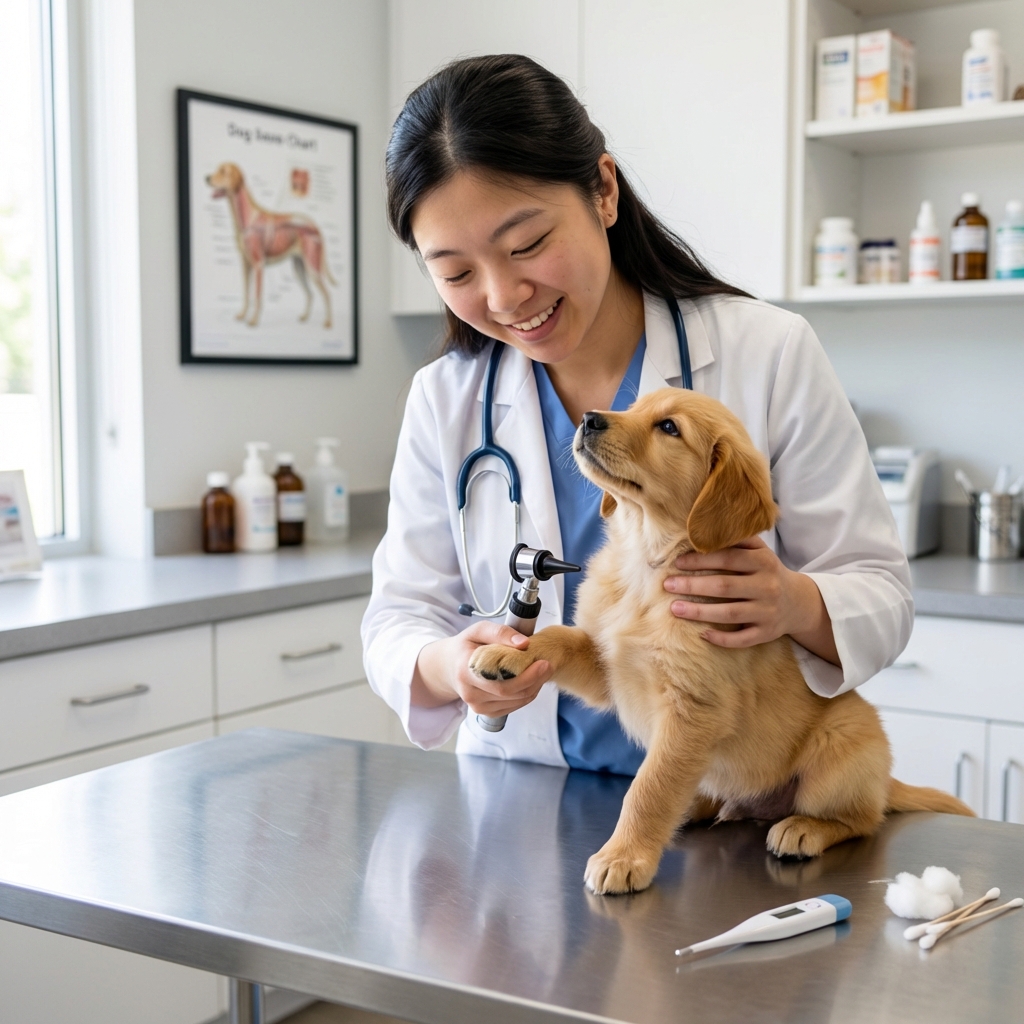
Getting to the root cause can prevent repeat episodes. Depending on your puppy’s age, symptoms, and vaccination status, your vet may suggest:
- Fecal testing for intestinal parasites and Giardia
- Parvovirus testing for at-risk puppies
- De-worming medication even if you do not see worms
- Fluids (subcutaneous or IV) for dehydration
- Prescription GI diet for a short period
- GI protectants or targeted medications based on cause
Bring a fresh stool sample if you can, ideally in a clean container. If you cannot get to the vet right away, refrigerate it (do not freeze unless your clinic instructs you to). Photos of the stool, plus notes on timing and frequency, are also very helpful.
Practical cleanup tips
Diarrhea is not fun, but a simple plan makes a big difference during the messy days:
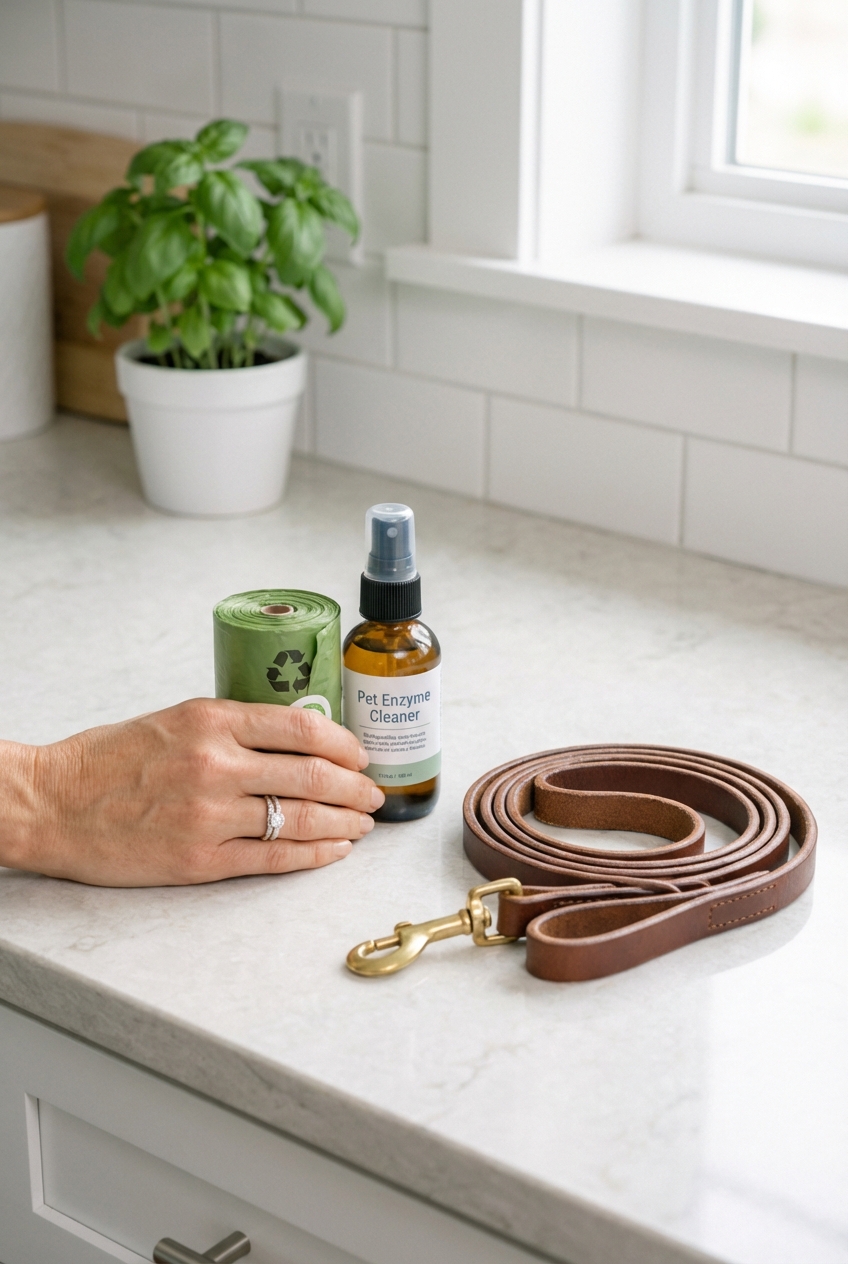
- Create a puppy potty kit: paper towels, enzyme cleaner, disposable gloves, poop bags, and a spare leash by the door.
- Use an enzyme cleaner: it removes odor cues that can trigger repeat accidents in the same spot.
- Protect sleep: set an alarm for a quick late-night potty break if your puppy is having urgent stools.
- Track it: note time, frequency, stool volume, and what your puppy ate. Patterns help your vet.
- Reward the wins: calm praise and a tiny treat for potty outside keeps training on track.
Preventing the next bout
Once your puppy is feeling better, prevention is all about consistency and smart puppy-proofing.
Go slow with food changes
Transition over 7 to 10 days when possible, mixing a little more of the new food each day.
Choose treats wisely
Keep treats small and simple. A good guideline is treats should be no more than 10 percent of daily calories.
Stay current on parasite prevention
Use your veterinarian-recommended de-worming schedule and monthly preventives. Puppies are magnets for parasites.
Puppy-proof like a toddler lives there
Trash cans with lids, socks in hampers, and toys sized appropriately for your puppy’s mouth can prevent both diarrhea and dangerous obstructions.
A gentle reminder
You are not failing if your puppy has diarrhea. It happens to the best puppy parents. What matters is how quickly you respond, how closely you watch for red flags, and that you loop in your veterinarian when things do not look right.
If you want, you can use this simple decision rule: mild diarrhea with a bright, hydrated puppy can often be monitored briefly at home, but diarrhea plus vomiting, blood, lethargy, dehydration, black tarry stool, or very young age is a same-day vet call.