Vet-assisted guide to puppy diarrhea: emergency red flags, bland diet options, pumpkin and probiotics, hydration support, foods to avoid, feeding schedule, a...
Article
•
Designer Mixes
Puppy Diarrhea Care Guide

Shari Shidate
Designer Mixes contributor
Seeing diarrhea in a puppy can be scary, especially because little bodies can get dehydrated faster than adult dogs. The good news is that many cases are mild and short-lived. The key is knowing what to watch, what you can safely do at home, and when to get your veterinarian involved.
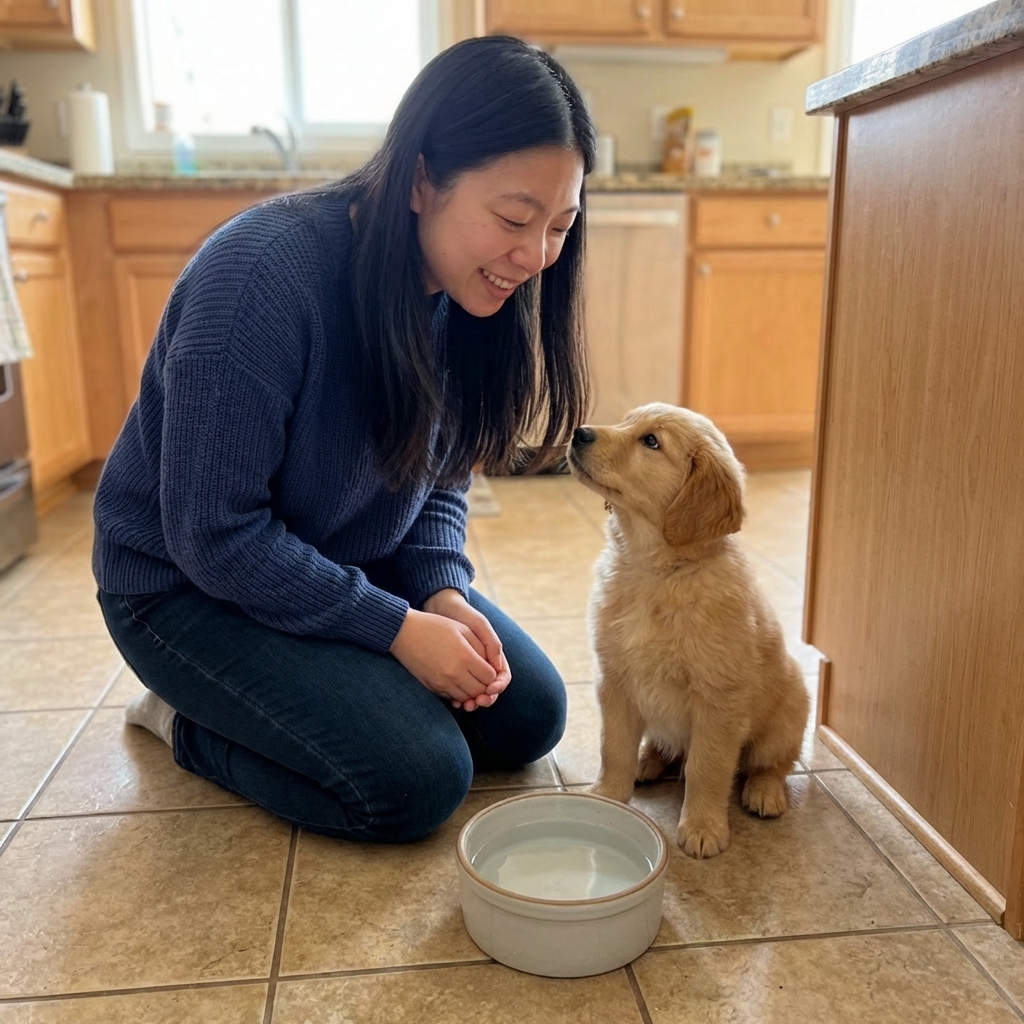
Quick safety note: Puppies can decline quickly. If your puppy seems weak, will not drink, is vomiting repeatedly, or you see blood (including black, tarry stool), call your vet or an emergency clinic right away.
What counts as diarrhea?
Diarrhea is loose, watery stool or an urgent need to poop more often than normal. In puppies, it often looks like:
- Soft-serve consistency that loses shape
- Watery puddles
- Mucus (slimy coating)
- Accidents in the house even if potty training was going well
Helpful clue: Large bowel diarrhea often shows up as frequent small amounts, mucus, and straining. Small bowel diarrhea tends to be larger volume. Either can be serious in a puppy if your pup seems unwell.
One loose stool is not always an emergency. A pattern, especially paired with vomiting or low energy, deserves quick attention.
Common causes
In veterinary clinics, puppy diarrhea most often comes from these everyday causes:
Diet changes and sensitive puppy guts
- Switching food too quickly
- New treats, chew sticks, rich table scraps
- Getting into the trash, cat food, or backyard surprises
Parasites
Roundworms, hookworms, whipworms, Giardia, and coccidia are common in puppies. Some cause mucus, bad smell, weight loss, or diarrhea that keeps coming back.
Stress and excitement
Adoption, boarding, visitors, travel, and big routine changes can trigger diarrhea, even when everything else is normal.
Infections and viruses
Bacterial and viral causes can be serious in puppies, especially if vaccines are not complete. Parvovirus is a major concern for unvaccinated or partially vaccinated puppies and often causes severe diarrhea, vomiting, and lethargy.
Foreign material or toxins
Chewed toys, socks, plants, medications, and household cleaners can cause diarrhea and may require urgent care.
Call a vet now
Please do not wait it out if any of these are happening:
- Blood in stool (bright red or black, tarry stool)
- Repeated vomiting or cannot keep water down
- Lethargy, weakness, collapse, or seems not themselves
- Refuses water or shows signs of dehydration (see below)
- Diarrhea not improving within 24 hours in a young puppy, or sooner if symptoms are worsening
- Very young or very small puppies (especially under about 12 weeks or toy breeds)
- Known parvo exposure or incomplete vaccines
- Swallowed a toy, string, bone, sock, you suspect a blockage
- Abdominal pain (crying, hunched posture, tense belly)
If your puppy seems stable but diarrhea continues, it is still smart to call your veterinarian within 24 hours for guidance on next steps.
Check dehydration
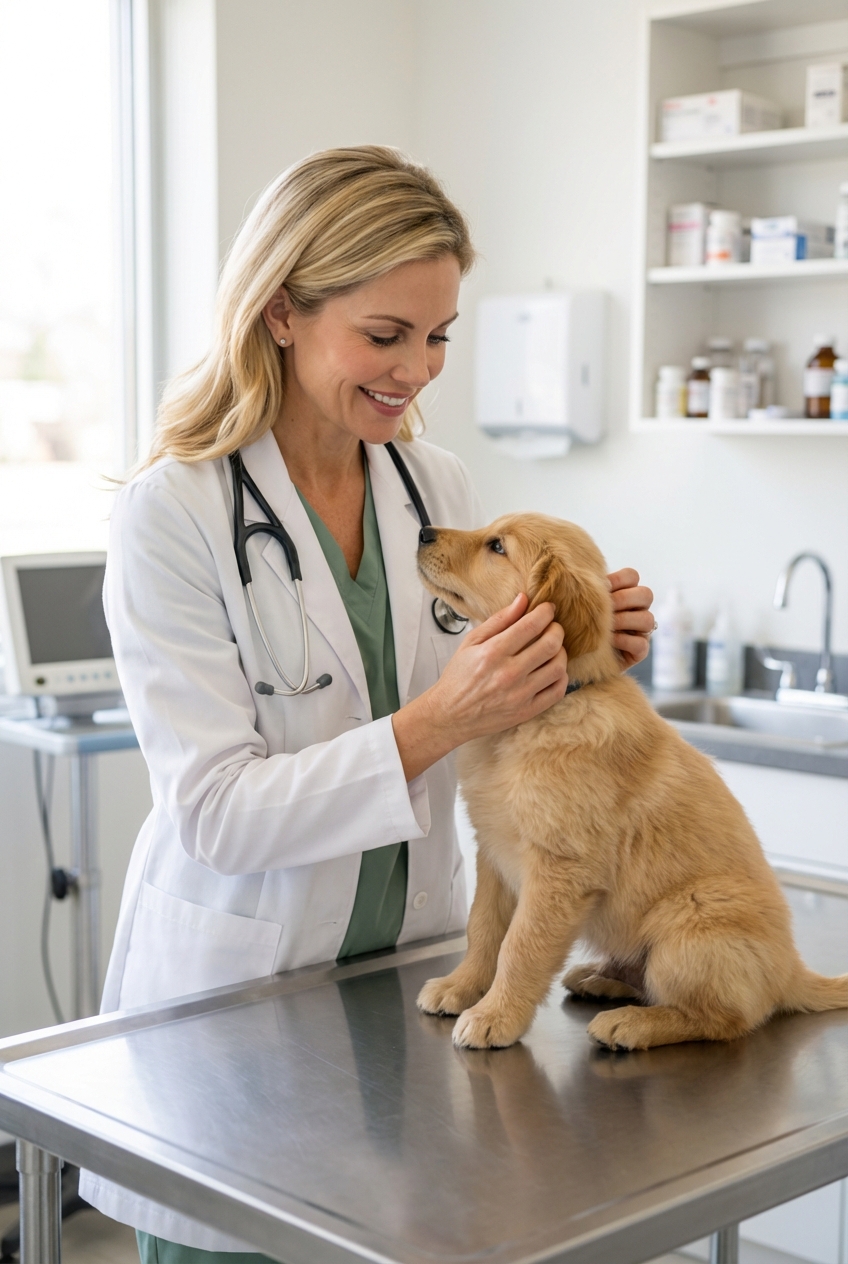
Dehydration is one of the biggest risks with puppy diarrhea. Here are simple checks you can do:
- Gums: Should be slick and moist, not tacky or dry.
- Energy: A dehydrated puppy often seems dull or weak.
- Urination: Less frequent peeing can be a warning sign.
- Skin tent test: Lift skin over the shoulders and let go. It should snap back quickly. Note: This is only a rough screen in puppies and can be misleading depending on body condition and coat. When in doubt, call your vet.
If you think your puppy is dehydrated, contact your veterinarian. Puppies often need fluids sooner than you would expect.
Home care for mild cases
Home care is only reasonable if your puppy is bright and alert, drinking water, has normal (or near-normal) energy, and the diarrhea is mild with no red flags. It also helps if your puppy is fully vaccinated for their age and you do not suspect toxin or foreign-body exposure.
1) Protect hydration
- Offer fresh water frequently.
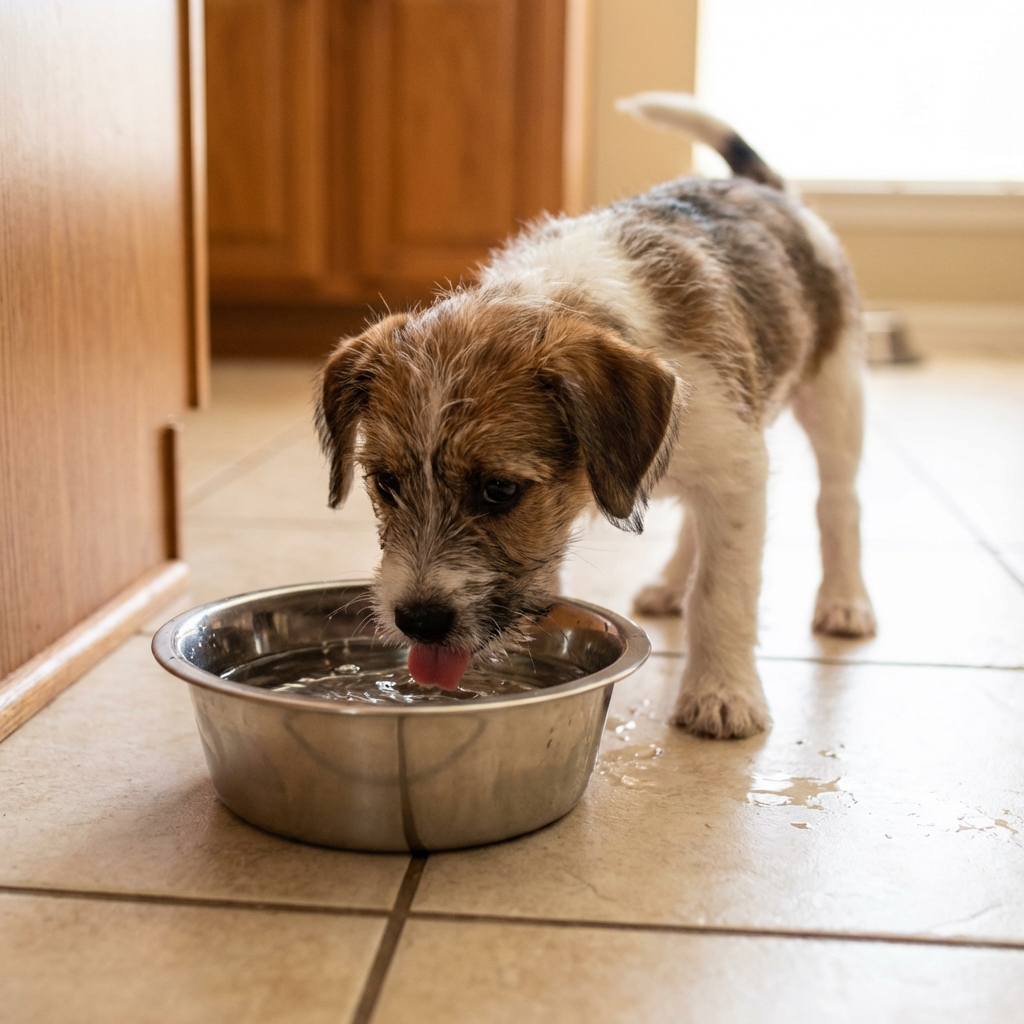
- Some puppies drink better from a clean, shallow bowl.
- If your vet approves, an oral electrolyte solution made for pets can help, especially in hot weather.
- Avoid sugary sports drinks. Do not use Pedialyte or other electrolyte products unless your veterinarian tells you exactly what to use and how much.
2) Use a gentle bland diet
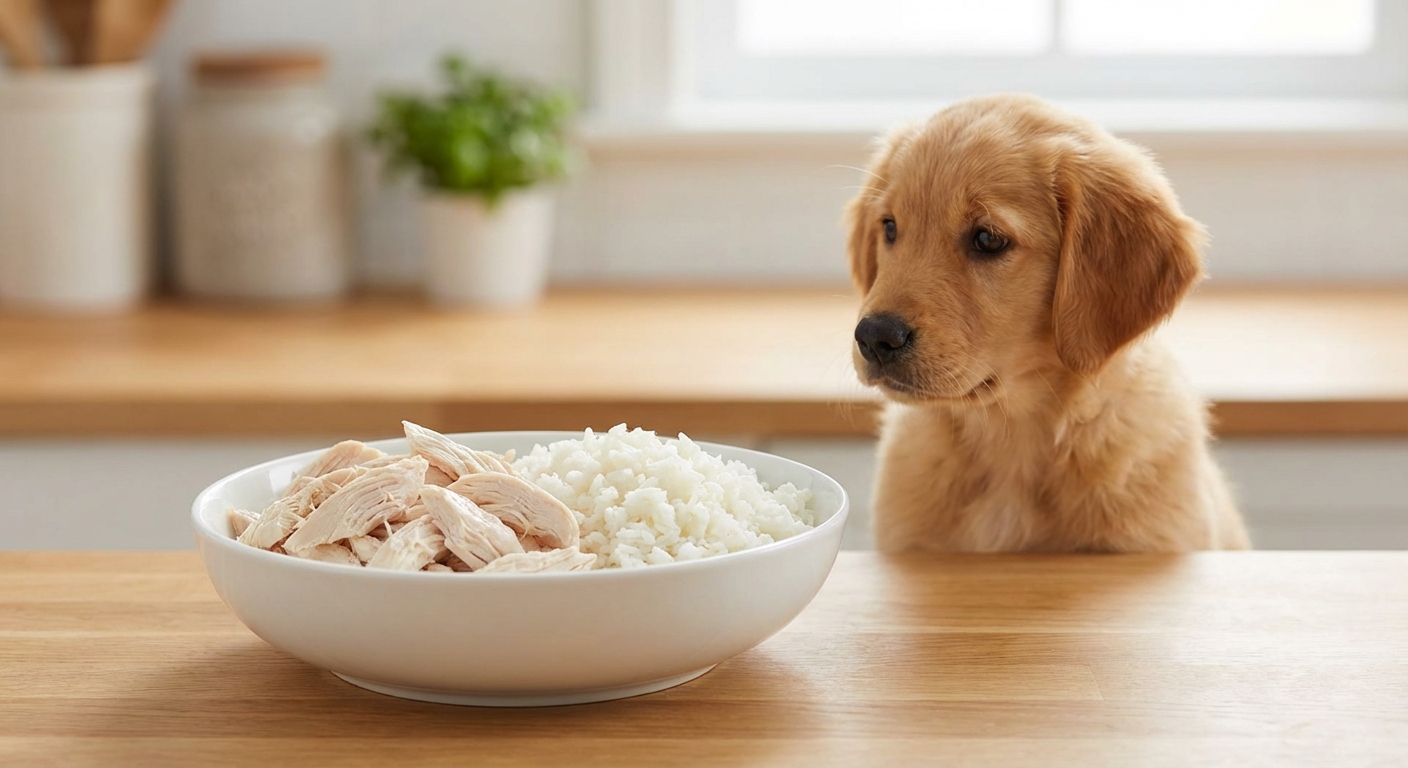
For many puppies, a short bland diet helps the gut calm down. Common options include:
- Boiled, skinless chicken breast with white rice
- Boiled lean turkey with white rice
- A prescription gastrointestinal diet recommended by your vet
Portion tip: Offer small meals (about 4 to 6 per day) rather than one or two large meals.
Important: Fasting is not appropriate for many young puppies. If you are unsure about your puppy’s age, size, or risk, call your vet before restricting food.
Also important: Chicken and rice is not a complete diet. Use it short-term only (often 24 to 48 hours) unless your veterinarian advises otherwise.
3) Pause treats and chews
Even healthy treats can keep diarrhea going. Stick to the bland diet until stool is normal for 24 to 48 hours.
4) Ask about probiotics
Veterinary probiotics can help some puppies, especially after stress or mild diet upset. Choose a dog-specific product with clear strain identification and veterinary support, and follow your vet’s dosing guidance.
5) Reduce spread and reinfection
- Pick up stool promptly.
- Wash bedding and sanitize hard surfaces.
- Limit contact with other dogs until stools are normal, especially if your puppy is not fully vaccinated or parasites are suspected.
- If parvo is a concern, talk to your vet about the right disinfectant and dilution. Not all cleaners kill parvovirus.
What not to do
- Do not give human anti-diarrheal meds unless your veterinarian specifically instructs you. Some can be dangerous for puppies or mask serious disease.
- Do not switch foods repeatedly trying to fix it. Frequent changes can worsen diarrhea.
- Do not ignore parasite testing if diarrhea persists or comes back. Many parasites are common and treatable.
- Do not delay care if your puppy is very young, very small, unvaccinated, or acting sick.
What your vet may do
Depending on your puppy’s age, vaccine status, and symptoms, your veterinarian might suggest:
- Fecal testing for worms, Giardia, and coccidia
- Parvo testing if risk factors or symptoms fit
- Prescription dewormer even if you do not see worms
- GI support meds to protect the intestinal lining or reduce nausea
- Fluids (subcutaneous or IV) if dehydrated
- Diet plan and a slow transition schedule back to regular food
Back to normal food
Once stools are formed and your puppy feels normal, transition slowly over 3 to 5 days:
- Day 1: 75% bland diet, 25% regular food
- Day 2: 50% bland, 50% regular
- Day 3: 25% bland, 75% regular
- Day 4 to 5: 100% regular food
If diarrhea returns during the transition, pause and call your veterinarian for guidance.
Prevention tips
- Keep vaccines on schedule, especially for parvovirus protection.
- Routine fecal exams and deworming as recommended by your vet.
- Slow food transitions over 7 to 10 days whenever possible.
- Puppy-proof your home to prevent swallowing hazards.
- Limit new treats and introduce one at a time.
- Ask about a GI-friendly diet if your puppy has a sensitive stomach.
What to track
If you contact your vet, this info helps them triage quickly:
- Your puppy’s age, breed, and weight
- How long diarrhea has been going on and how often
- Any vomiting, appetite changes, or lethargy
- Whether there is blood or mucus
- Diet changes, new treats, chews, or possible trash exposure
- Vaccine status and parasite prevention
- A photo of the stool if you can safely take one
- Bring a stool sample: If you have one, bring a fresh sample (ideally within 12 hours). Seal it in a bag or container and refrigerate it until you leave for the clinic.
You are not being overly worried. When it comes to puppies, being proactive is kind, smart care.